

Kazuo Ishiguro writes about the lies we tell ourselves and the long shadow they cast. His narrators are unreliable not out of malice but out of a desperate, human need to make peace with choices they cannot undo. The butler Stevens in The Remains of the Day reconstructs his life as a story of professional dignity while the reader watches something sadder underneath. Kathy H. in Never Let Me Go maintains a composed voice even as her situation becomes unbearable. This is the signature Ishiguro move: restrained prose that holds enormous grief at arm's length, until the reader feels it all at once. Born in Nagasaki and raised in England, Ishiguro moves between cultures without fully belonging to either, and that in-between quality shapes every book. He is less interested in what happened than in how a person decides to remember it.
Essential Kazuo Ishiguro
The novels that define his vision, from early Japanese melancholy to speculative grief


Ishiguro on Screen
Film and television adaptations that bring his restrained prose to life
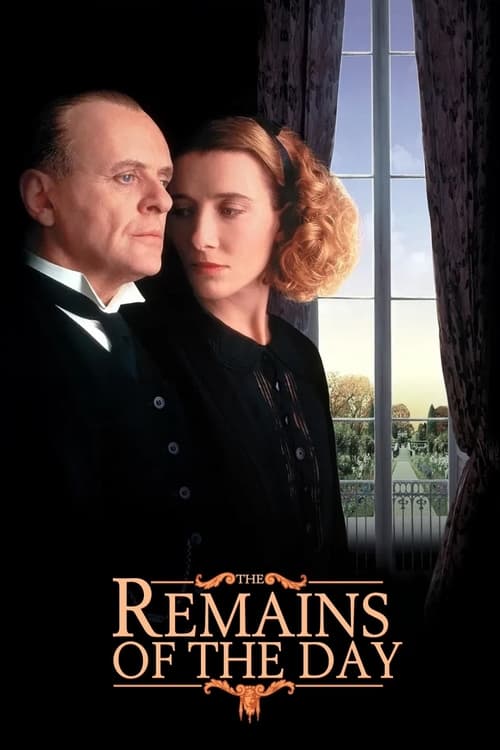


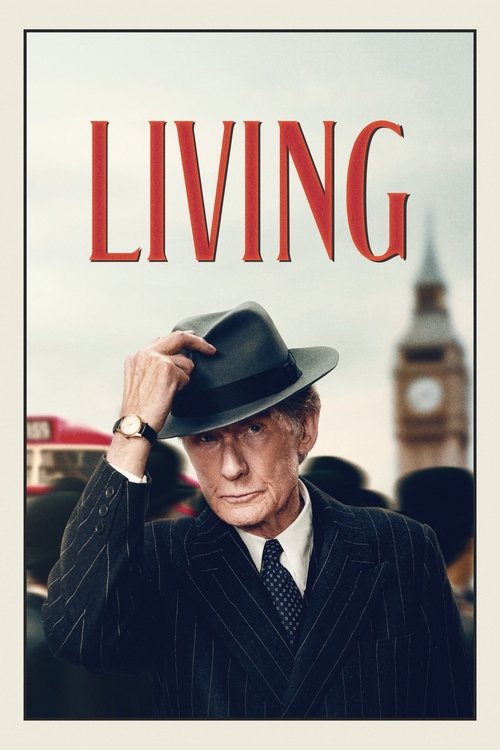

If You Love His Quiet Devastation: Literary Fiction
Novels that share Ishiguro's gift for grief held at a precise, controlled distance


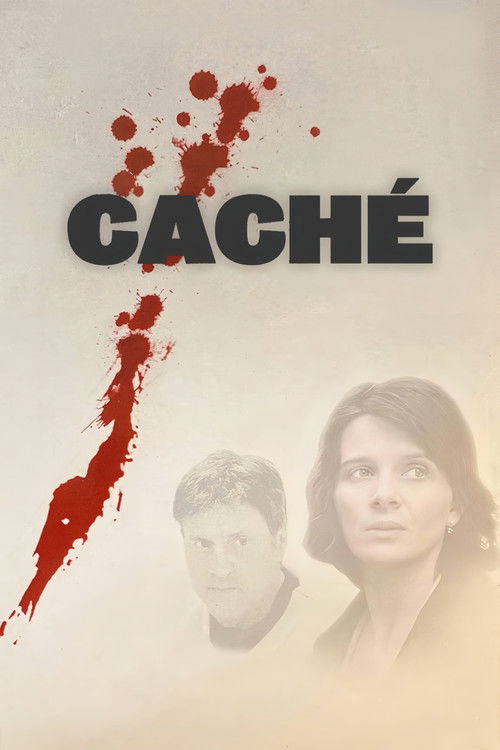
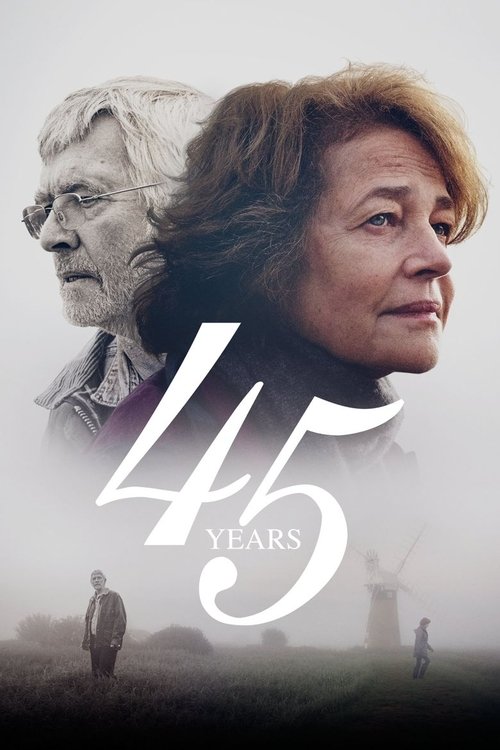
Films That Share the Mood
Cinema with the same slow-burning regret and precision of feeling
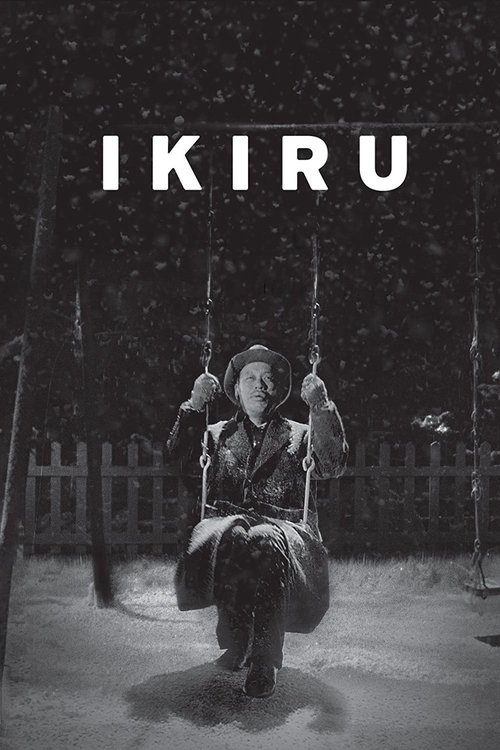

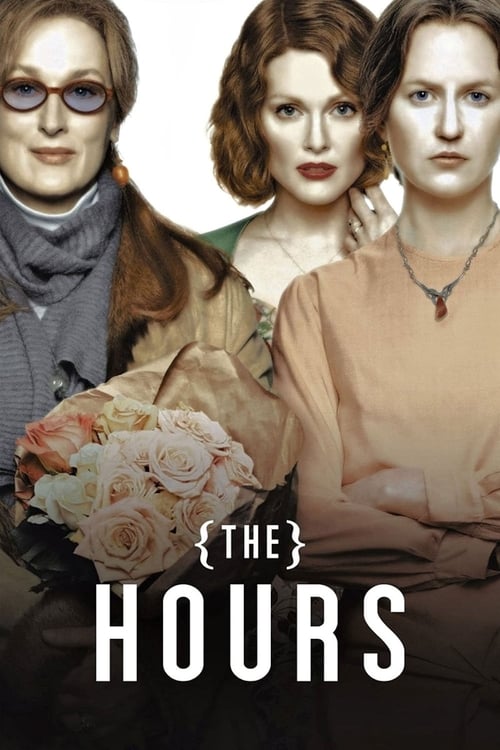





Series for the Patient Reader
Television that rewards attention and sits with unresolved feeling







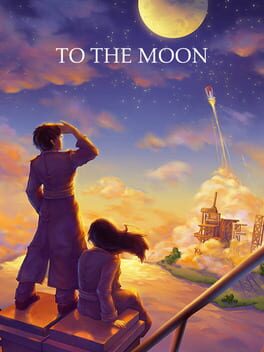
Games About Memory, Loss, and Duty
Games that explore suppressed feeling, obligation, and what we leave behind






Stevens Is the Most Heartbreaking Narrator in English Literature
The Remains of the Day succeeds because Stevens never asks for sympathy. He is precise, dutiful, convinced that professional excellence is its own reward. Ishiguro lets him reconstruct his past with total sincerity, and the reader does the emotional work Stevens refuses to do. By the final pages, when Stevens sits on a pier and allows one crack in the facade, the effect is overwhelming precisely because everything before it was so carefully controlled. Few novels have made repression this devastating.
Never Let Me Go Is Science Fiction That Refuses to Behave Like Science Fiction
The speculative premise of Never Let Me Go is introduced early and then largely set aside, because Ishiguro is not interested in the mechanics of the world he has built. What he wants to examine is how people find meaning inside a fate they cannot escape. Kathy, Tommy, and Ruth never rage, never revolt, and that passivity has disturbed readers ever since the book appeared in 2005. Whether it reads as a critique of complicity or a portrait of love surviving impossible circumstances depends entirely on the reader, which is exactly where Ishiguro wants to leave it.
The Buried Giant Rewrites Arthurian Legend as a Book About Forgetting
Many readers approached The Buried Giant expecting another intimate character study and found instead an Arthurian fable about a mist that erases collective memory. The allegory is plain: if a community forgets the atrocities that defined it, can the peace that follows survive the truth being restored? Ishiguro uses Axl and Beatrice, an elderly couple searching for their son, to make the abstract personal. Their tender, uncertain love becomes the emotional anchor for a novel that asks large questions about history, guilt, and reconciliation without pretending any answer is simple.
Klara and the Sun Asks What Love Looks Like When the One Who Loves Is Not Human
Klara, an Artificial Friend who narrates Klara and the Sun, observes human beings with careful, reverent attention. Her devotion to Josie is total and self-abnegating in ways that echo Stevens from Remains. Ishiguro uses the A.I. premise to ask whether love is about knowing another person accurately or about a kind of faithful, generous imagining. Klara consistently gets things wrong about the humans around her, yet her love feels more real than most of the human relationships in the novel. That paradox is the book's quiet center.
Ishiguro: A Career in Brief
- 1982Debut novel published A Pale View of Hills
- 1986Booker Prize shortlist An Artist of the Floating World
- 1989Booker Prize winner The Remains of the Day
- 1993Film adaptation released The Remains of the Day
- 1995Long novel of dislocation The Unconsoled
- 2000Mystery and grief in wartime Shanghai When We Were Orphans
- 2005Speculative breakthrough Never Let Me Go
- 2010Film adaptation released Never Let Me Go
- 2015Arthurian allegory The Buried Giant
- 2017Nobel Prize in Literature awarded
- 2021A.I. and devotion Klara and the Sun
- 2022Kurosawa's Ikiru remade from his screenplay Living
Memory, regret, quiet devastation
Clones & Copies
Explore the Clones & Copies guide →I believe there is still much to be gained by the attempt to suppress one's own shortcomings, to endeavour to conduct oneself with consistency. It is, I believe, the mark of a dignified life.Stevens, The Remains of the Day