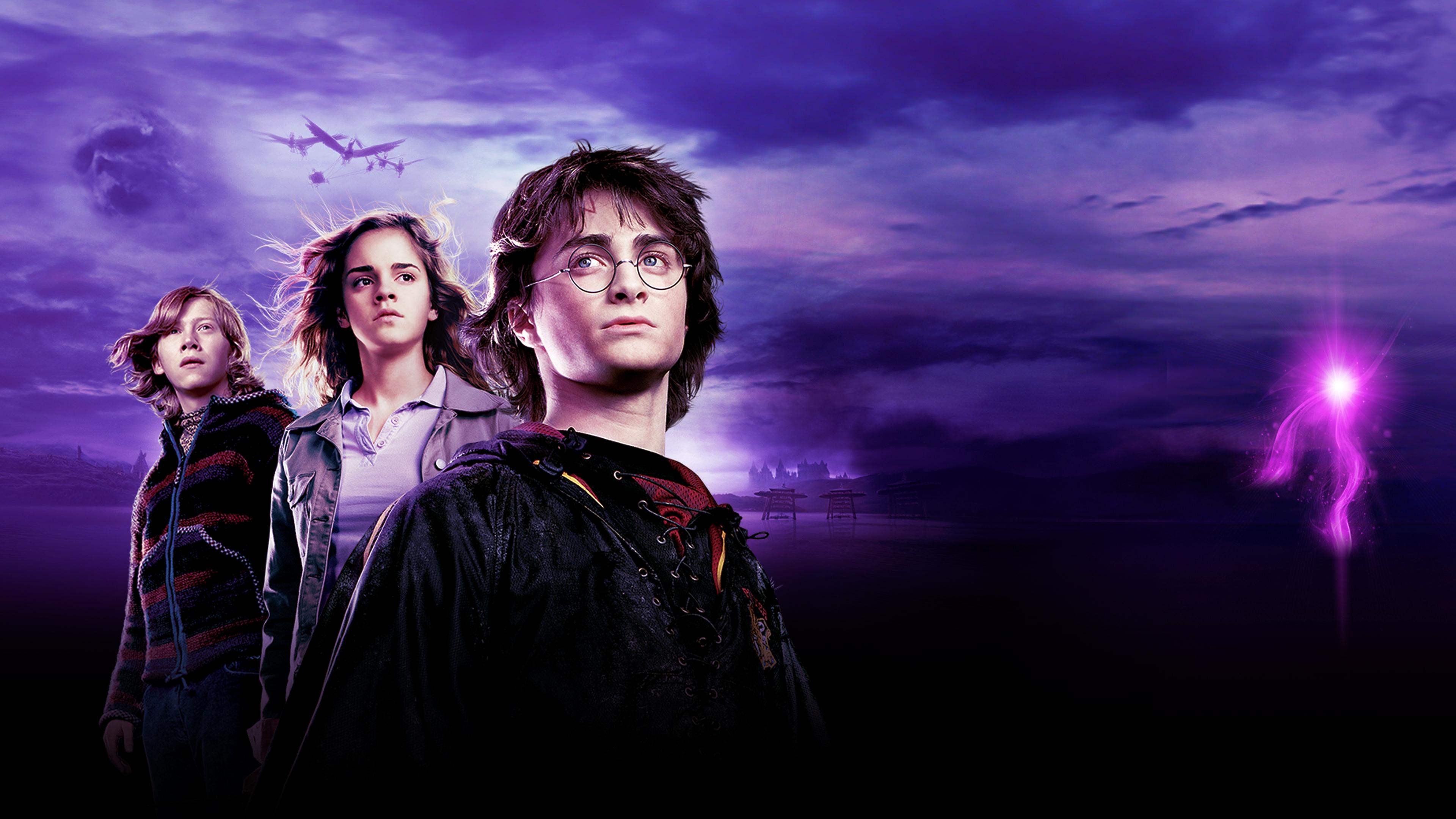

Ralph Fiennes arrived on screen in the early 1990s as something audiences had not seen in years: a classically trained actor who could project absolute evil without a single theatrical flourish. His Amon Goth in Schindler's List was not a monster wearing a costume. He was a bureaucrat who happened to own people. That chilling administrative quality, the sense of a razor-sharp mind directed toward catastrophic ends, became the signature Fiennes registers. His Heathcliff, his Hamlet on stage, his Voldemort, his Count Almasy, his M in the Bond films, his Gustave H in The Grand Budapest Hotel: each one lives in the tension between refinement and violence, between enormous feeling repressed and enormous feeling erupting. If you love watching an actor who treats silence as dialogue, here is where to look next.
Essential Ralph Fiennes
His defining screen performances, from early menace to late-career grandeur
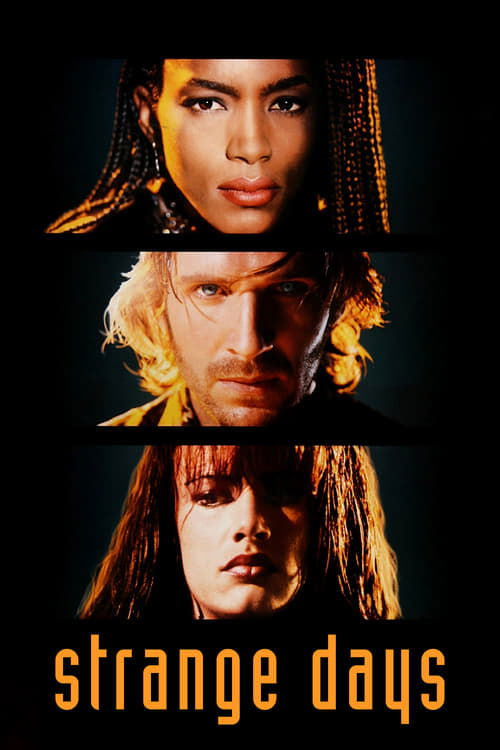


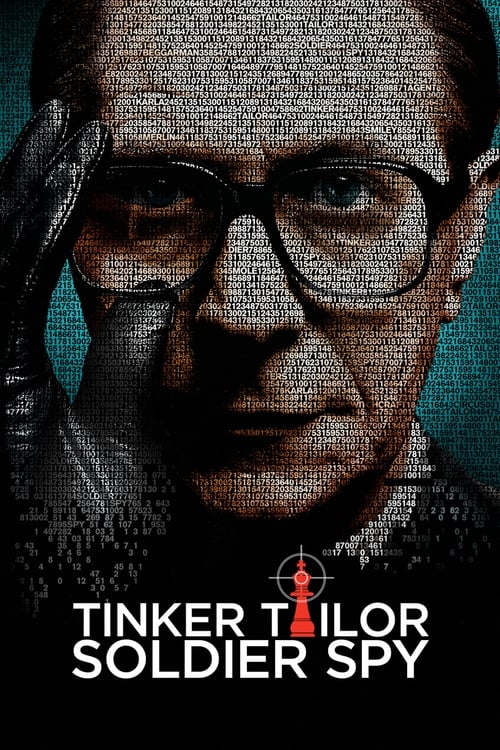
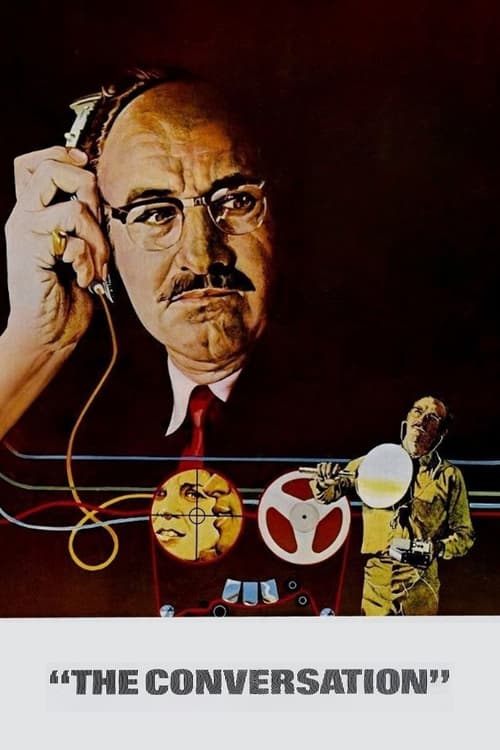
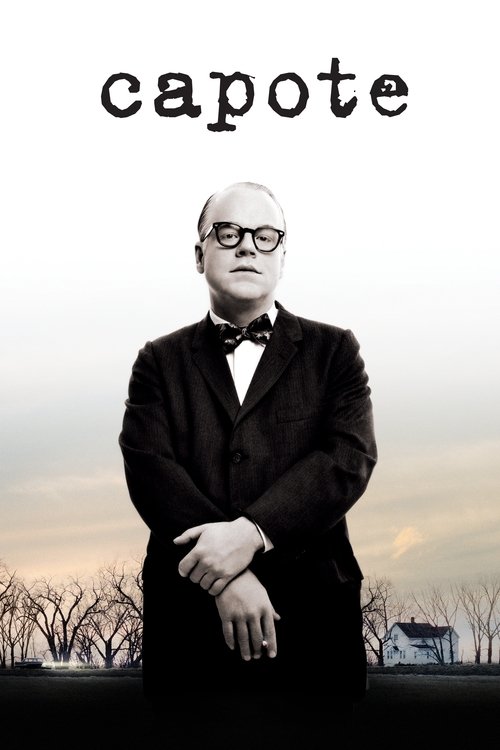
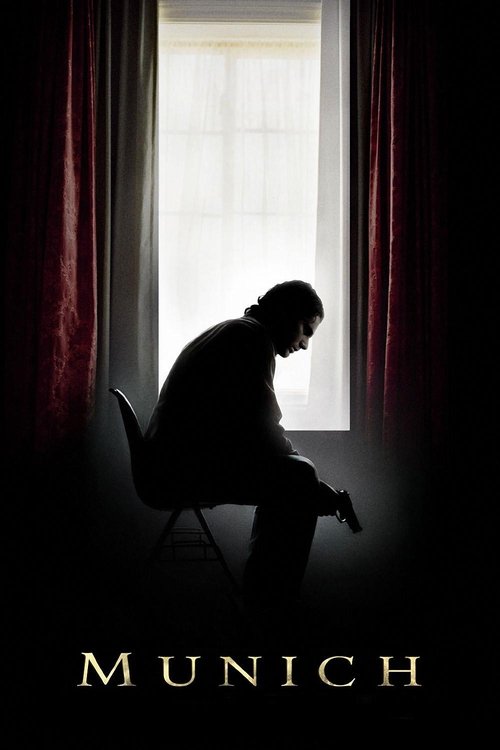
The Same Quiet Menace: Films in the Fiennes Register
Actors who share his gift for cold intelligence and compressed emotion

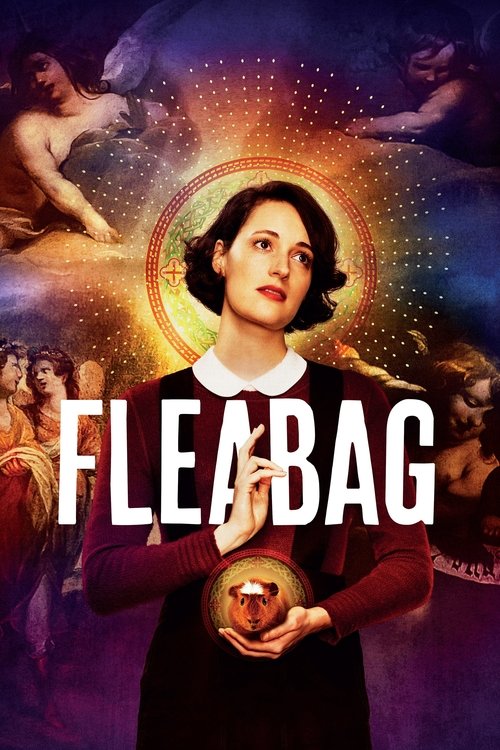
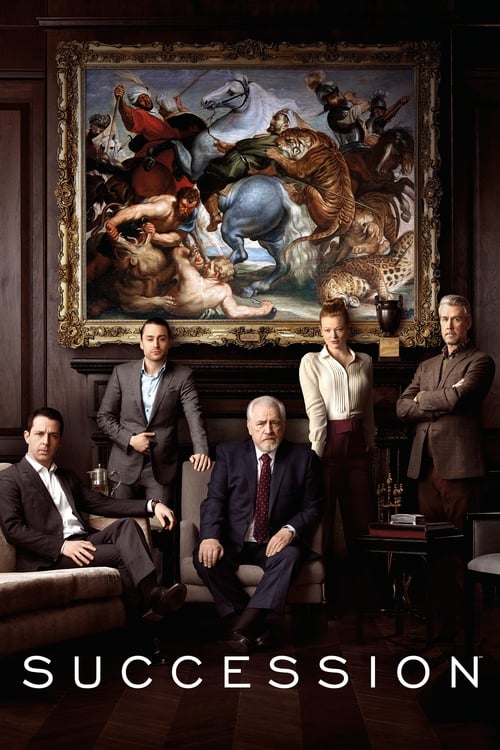
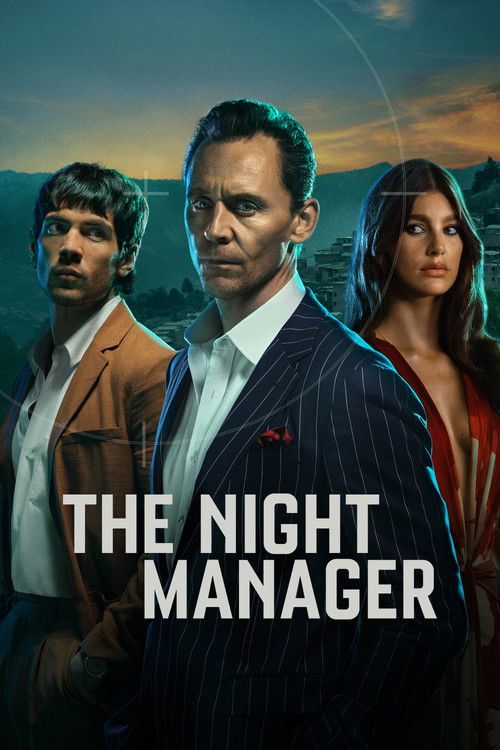
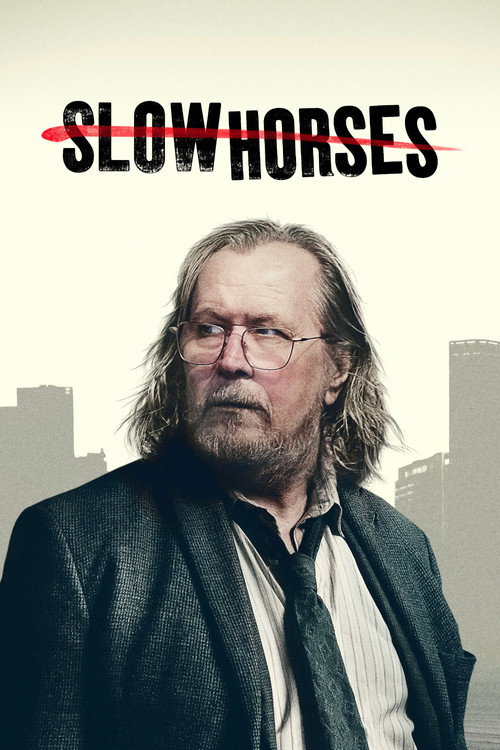
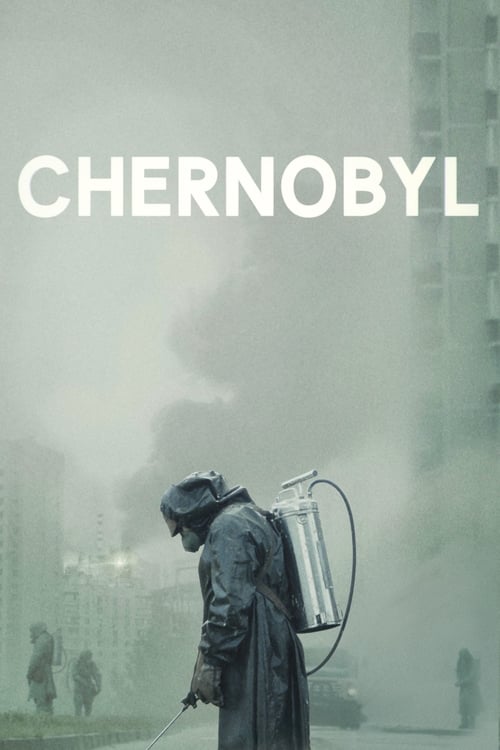
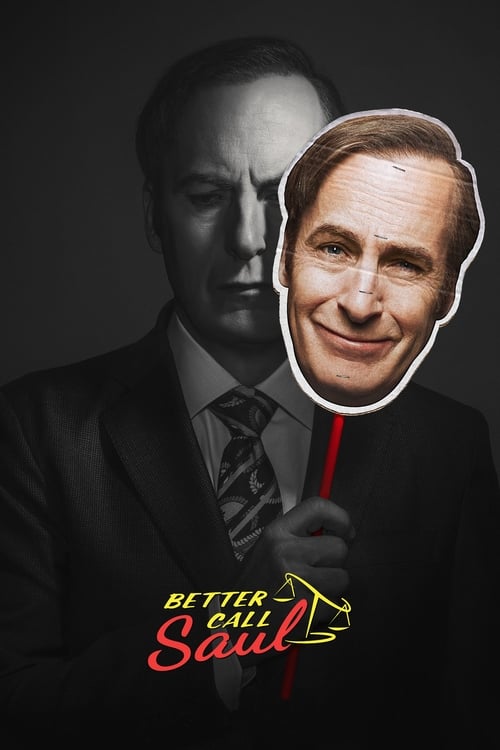
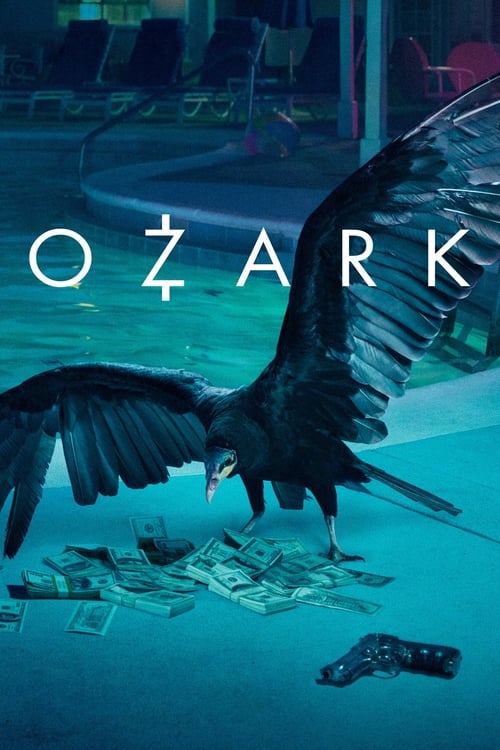
Fiennes on Television: Standout Small-Screen Performances
The same discipline and emotional precision, in serialised form

The Novels Behind the Roles: Books His Films Adapt or Echo
Source novels and literary cousins that share his world's moral weight


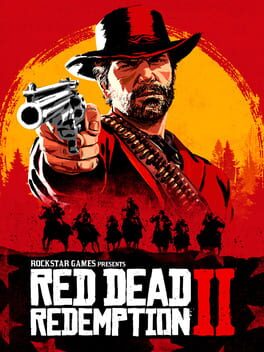
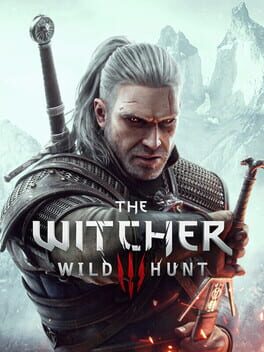
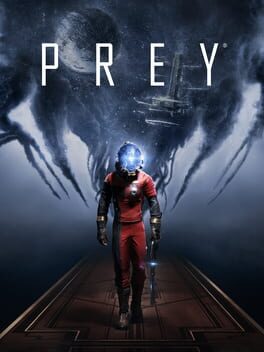
Games for the Fiennes Sensibility: Power, Consequence, and Moral Complexity
Games built around sophisticated antagonists, dark history, and the weight of choices
The Villain Who Outshines the Hero
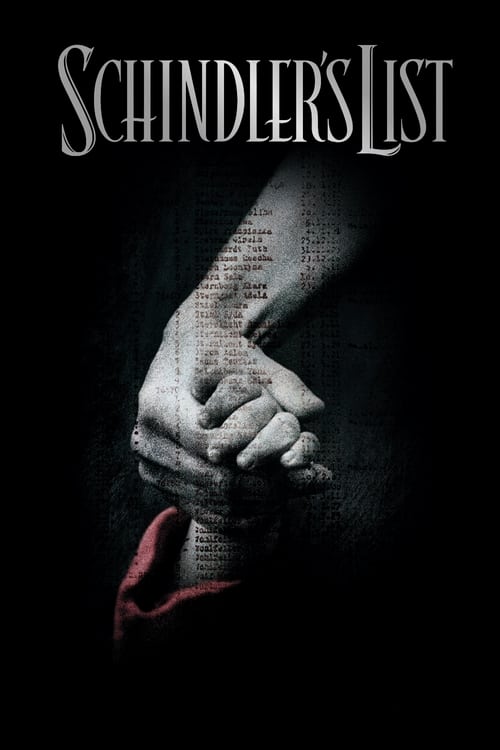
In Schindler's List, Steven Spielberg made the controversial choice to give Amon Goth interiority, even moments of near-humanity. Fiennes accepted that and went further. His Goth is not cartoonish. He is cultured, self-pitying, and terrifyingly casual. The performance set a template for a generation of screen antagonists: the villain who believes his own justifications. Later, as Voldemort across eight Harry Potter films, Fiennes stripped the same character back to pure ideology and wounded pride, making what could have been a pantomime figure genuinely frightening.
Comedy as a Second Language
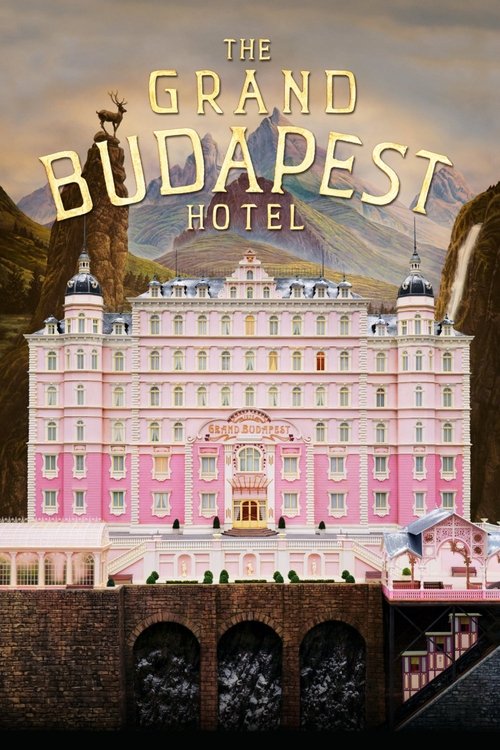
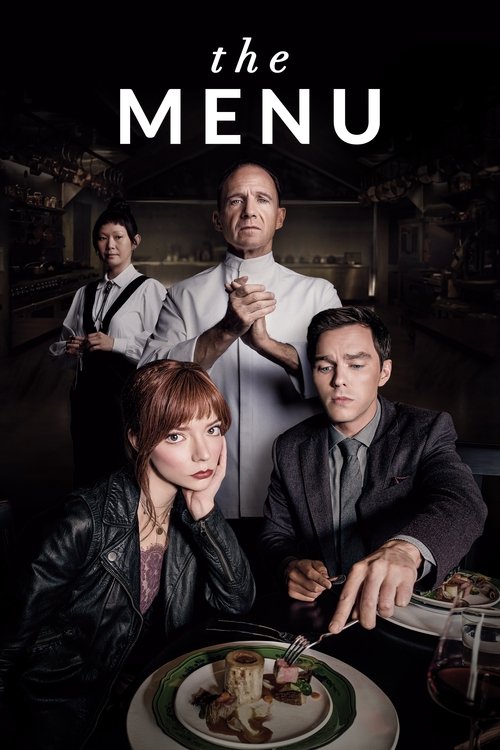
Wes Anderson cast Fiennes as Gustave H in The Grand Budapest Hotel partly as a joke: take the screen's great brooding presence and put him in a pink confection. What no one expected was how completely Fiennes would commit, finding in Gustave a man of furious professional pride and genuine romantic idealism. The film revealed that the qualities making Fiennes so effective in drama, precision, total conviction, the ability to mean everything he says, are the same qualities that make great screen comedy. His subsequent turn in The Menu plays a similar game: a character who is both absurd and genuinely alarming.
The Director Inside the Actor
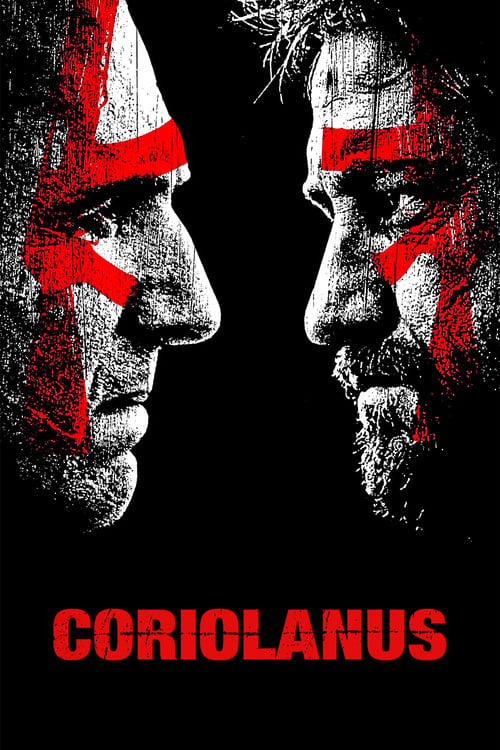
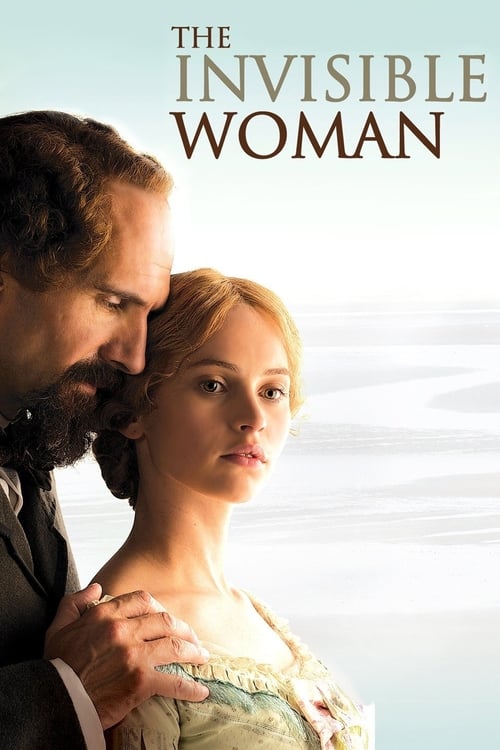
Fiennes directed Coriolanus (2011) himself, transposing Shakespeare's most politically uncomfortable play into a contemporary military-state setting. The film is uncompromising: it refuses to soften Coriolanus's contempt for the public or make him conventionally sympathetic. That choice shows something about what Fiennes values as an artist. He is not interested in being liked on screen. He is interested in what happens when you let a character be exactly what they are and see who is still watching. The Invisible Woman (2013), his second directorial effort, is quieter but equally unsparing about the cost of proximity to a great and difficult man.
Why *The English Patient* Still Holds
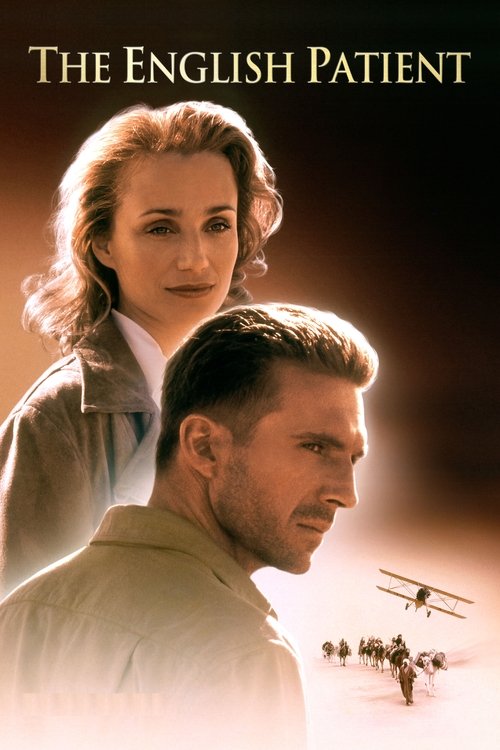
Anthony Minghella's The English Patient (1996) won nine Academy Awards and was immediately accused of being a prestige weepie. That reputation undersells it. Michael Ondaatje's novel is structurally complex, and Minghella's adaptation respects that complexity, cutting between wartime Cairo, a bombed Italian villa, and the Sahara in ways that ask the audience to hold multiple timelines. Fiennes's Count Almasy is a cartographer by profession, a man whose job is accurate recording of the world, and whose life becomes a catastrophe of misreading. The performance is all in what he withholds.
A Career in Moments
- 1993Breakthrough: Amon Goth in Schindler's List earns an Academy Award nomination for Best Supporting Actor Schindler's List
- 1996Leads The English Patient as Count Almasy, another Oscar nomination for Best Actor The English Patient
- 2002Plays the lead in Red Dragon, returning Hannibal Lecter's universe to menace Red Dragon
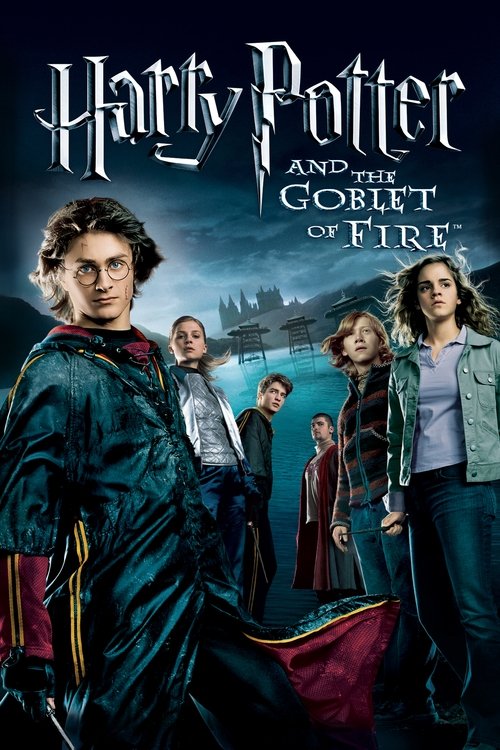
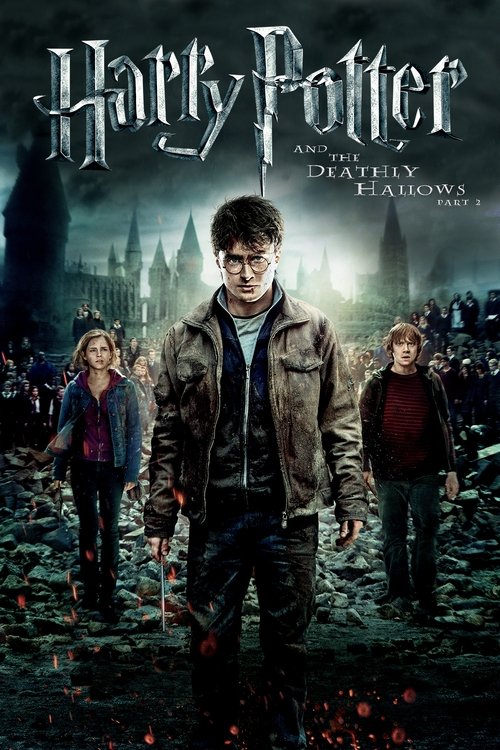
- 2005First appearance as Voldemort in Harry Potter and the Goblet of Fire, a role he would carry across four more films Harry Potter and the Goblet of Fire
- 2006Wins widespread praise for The Constant Gardener, playing grief and political awakening in parallel The Constant Gardener
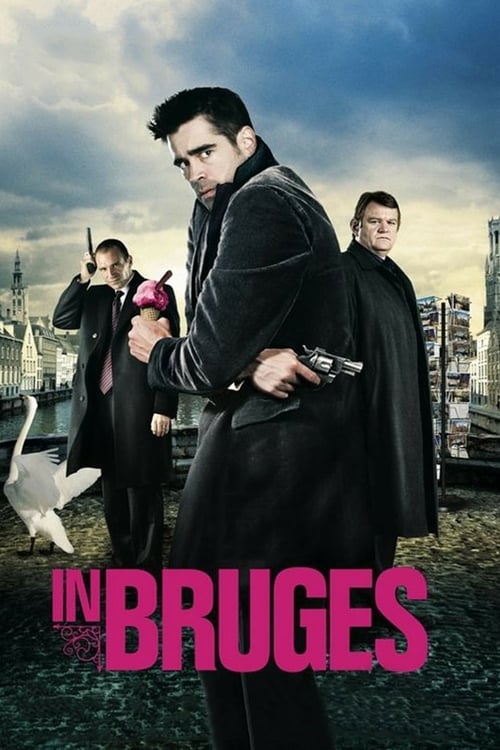
- 2008In Bruges reveals his comic range as an Irish gangland boss who is also a firm believer in tourism In Bruges
- 2011Directs Coriolanus, his debut behind the camera, updating Shakespeare for modern warfare Coriolanus
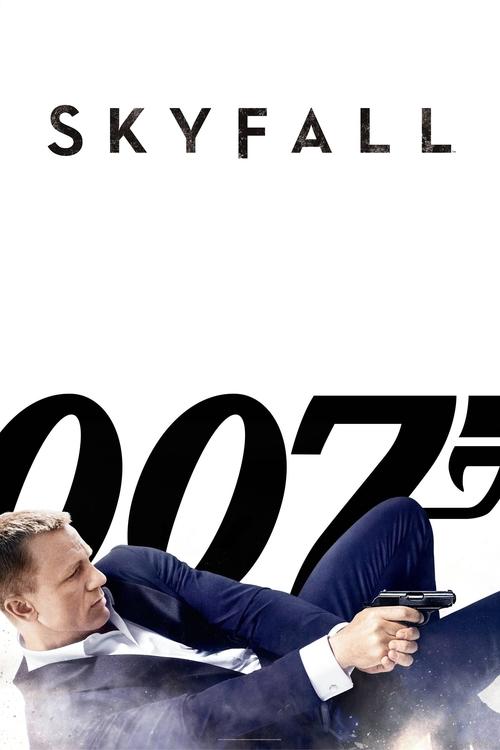
- 2012Joins the Bond franchise as the new M in Skyfall Skyfall
- 2014The Grand Budapest Hotel confirms the comedy register; Gustave H becomes an unlikely beloved character The Grand Budapest Hotel
- 2019A cameo in Fleabag as the bishop becomes one of the series' most talked-about moments Fleabag
- 2022Anchors The Menu as Chef Slowik, a satire of creative obsession and class anxiety The Menu
Spies, Villains, and Quiet Menace
For Fans of John le Carre
Explore the For Fans of John le Carre guide →He plays characters who are absolutely certain of themselves, which is the most frightening thing a person can be.On the Fiennes quality that makes his villains and his heroes equally unsettling