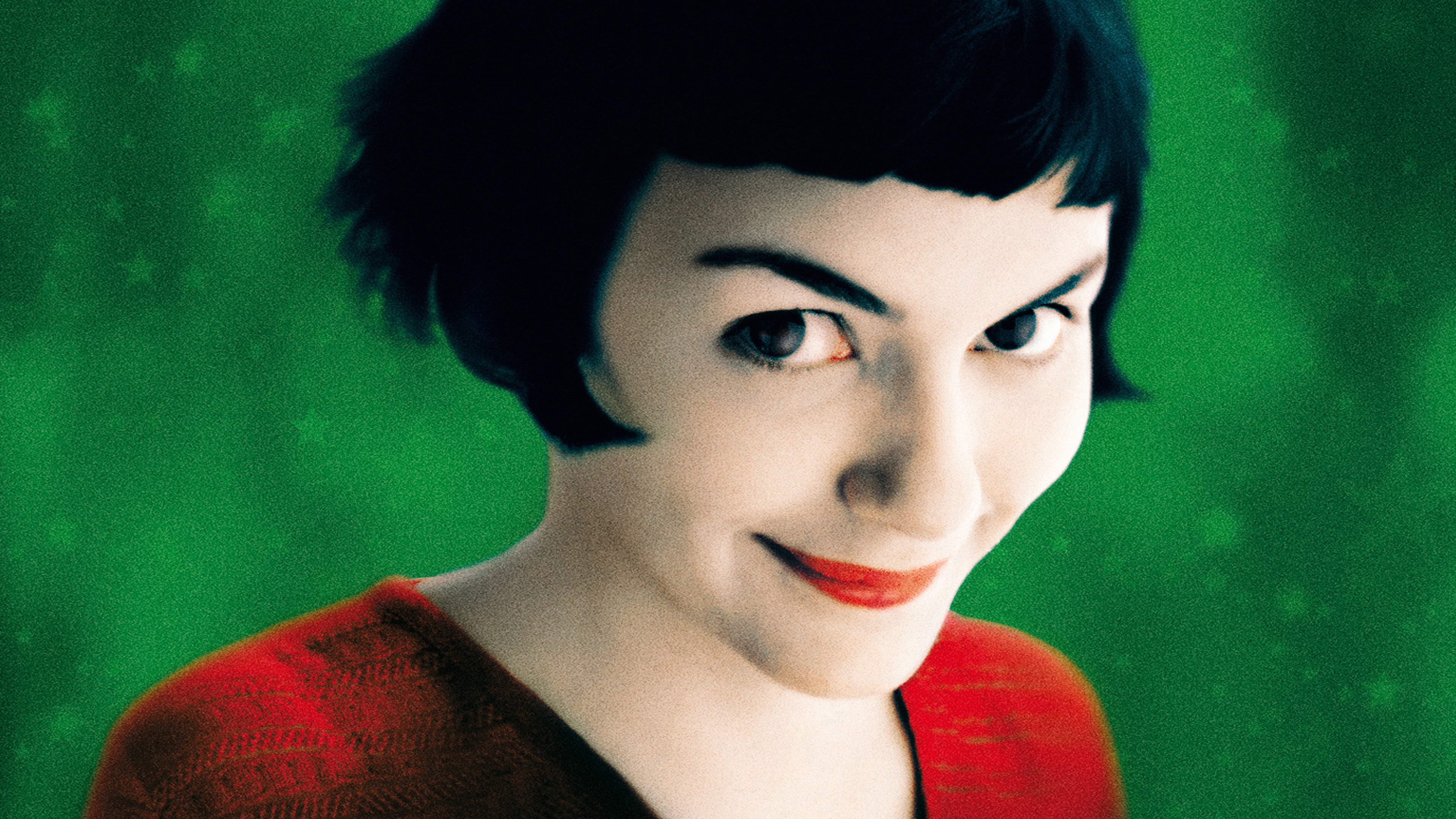

What Amelie (Le Fabuleux Destin d'Amelie Poulain, 2001) does that almost no other film quite manages: it treats loneliness as a texture rather than a wound. Jean-Pierre Jeunet and writer Guillaume Laurant build a Paris of clicking heels, crème brulee crusts, and small postal conspiracies, then hide a genuinely aching portrait of disconnection underneath all the color. The fan who returns to Amelie is chasing that specific combination: a world so vividly constructed it feels like a memory you never had, characters whose interiority is shown through objects and gestures rather than dialogue, and a tone that can hold sadness and delight in the same frame without tipping into either sentimentality or irony.
Essential Amelie
The film itself and Jean-Pierre Jeunet's closest companions in his filmography
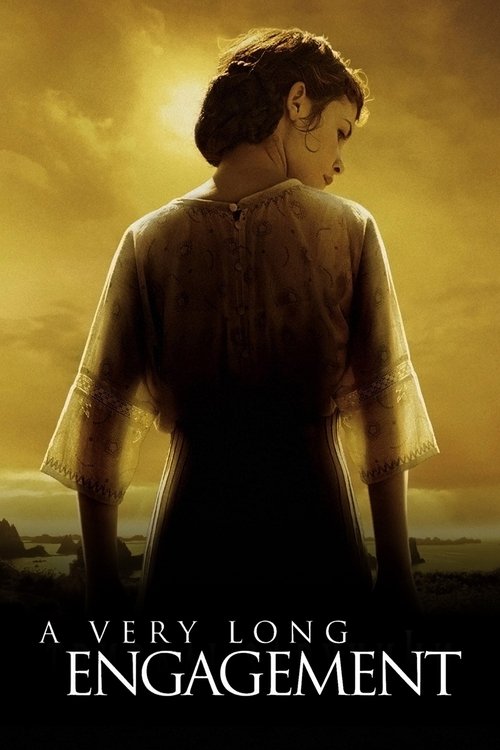
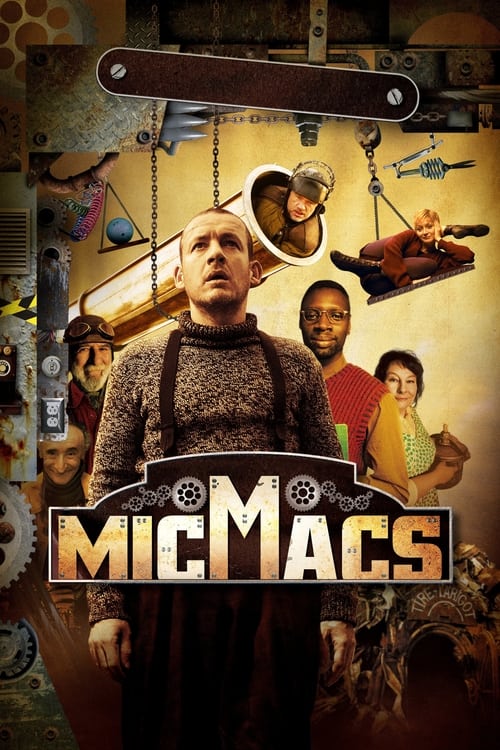
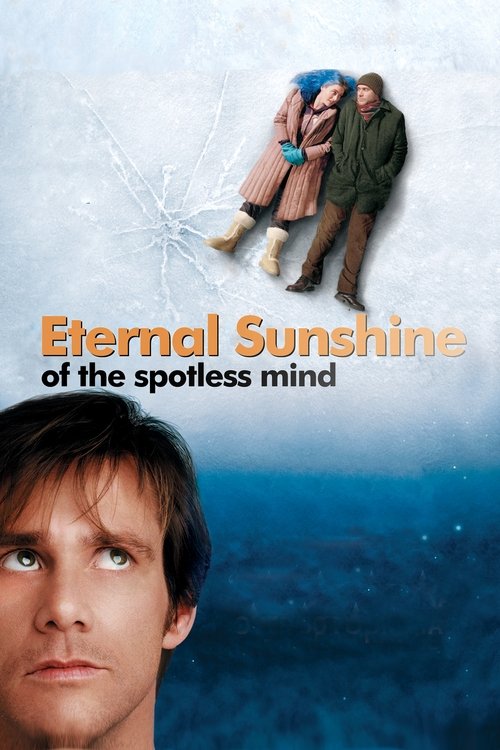
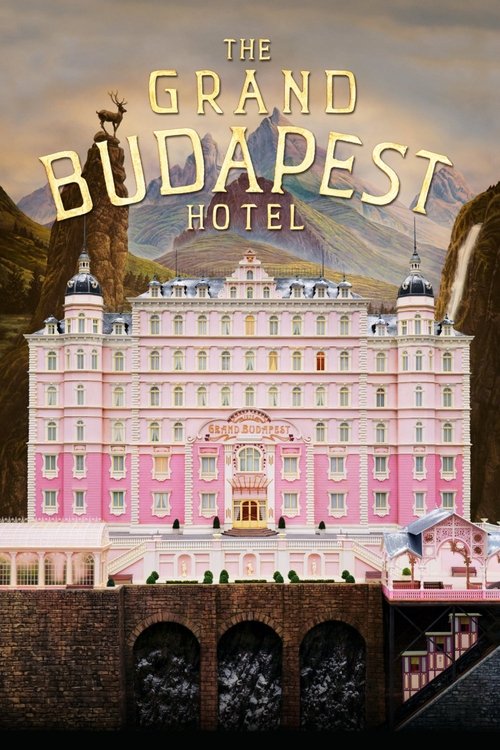
Same Feeling, Different Director
Films that share Amelie's handcrafted intimacy, offbeat warmth, or bittersweet romanticism


Yann Tiersen Built the Film's World Before Jeunet Finished Shooting
Composer Yann Tiersen had written most of the music for his own album projects before the film existed. Jeunet licensed tracks from existing records rather than commissioning a score, then built the editing rhythm around the waltzes. The result feels inseparable from the images, but it is a collaboration between two bodies of work that happened to fit each other precisely. Listening to Tiersen's other albums reveals how much of his sensibility exists outside Amelie, and how much the film narrowed what people heard in his music.
Series With the Same Interior Life
TV shows that use visual invention or quirky interiority the way Amelie does


Books That Live in Amelie's Paris
Novels that share its love of small rituals, urban solitude, and characters who arrange the world rather than live in it


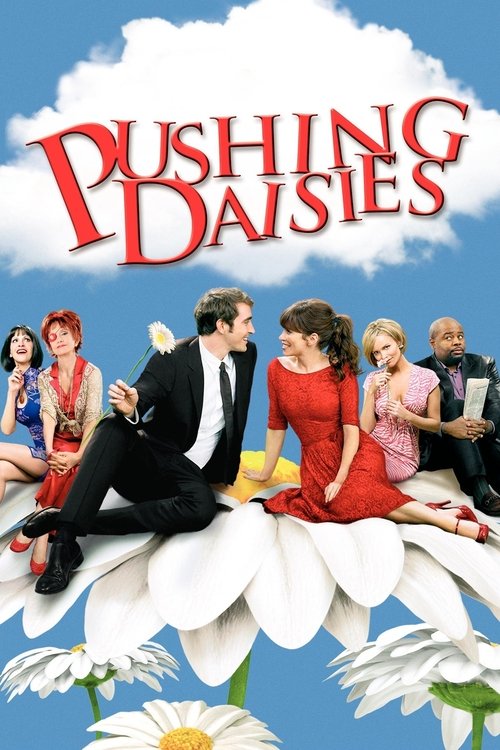
Pushing Daisies is Amelie Reimagined as Network Television
Bryan Fuller's 2007 series lifted Amelie's visual grammar so directly that the creative debt is barely disguised: a narrator who explains interiority, a palette so saturated it reads as artificial by design, and a central character whose gift turns out to be a curse that prevents physical contact with the person they love. Where Amelie is a single perfect object, Pushing Daisies stretched the aesthetic across 22 episodes and added murder mystery plotting. The show was cancelled too soon, which makes the existing run feel as bittersweet as Jeunet's film.
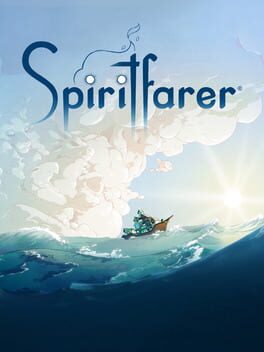
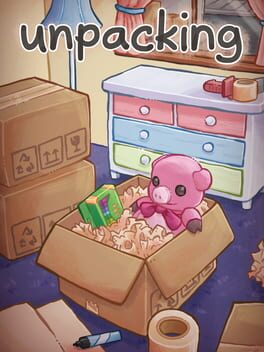
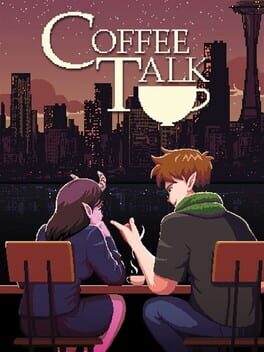
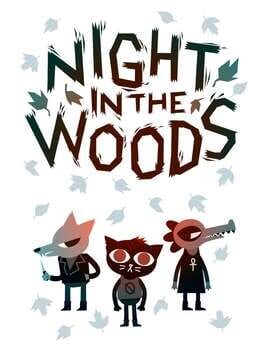
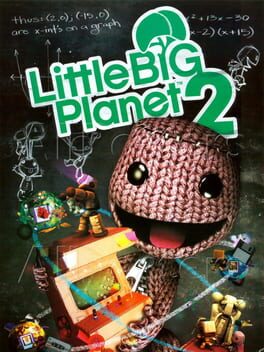
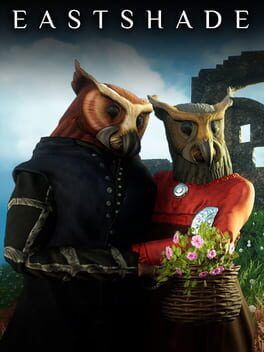
Games That Build Handcrafted Small Worlds
Games sharing Amelie's sense of curated wonder, solitary exploration, and world-as-feeling



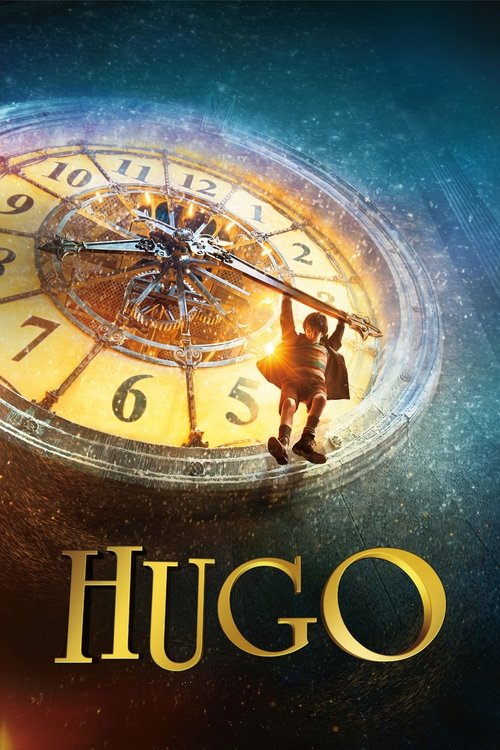
The Invention of Hugo Cabret is Amelie's Literary Twin
Brian Selznick's book, later filmed by Martin Scorsese as Hugo (2011), occupies almost exactly the same emotional and aesthetic space as Amelie: a solitary child in Paris who tends secret mechanisms and pursues a mystery that will eventually connect them to other people. Both works treat the city as a collection of overlapping private worlds, use objects as emotional shorthand, and end on the kind of earned warmth that is easy to mistake for sentimentality until you notice how hard the characters had to work to get there.
A Short History of French Whimsy on Screen
- 1959The 400 Blows establishes the grammar of a solitary Paris childhood The 400 Blows
- 1967Jacques Demy's The Young Girls of Rochefort: color as emotional argument The Young Girls of Rochefort
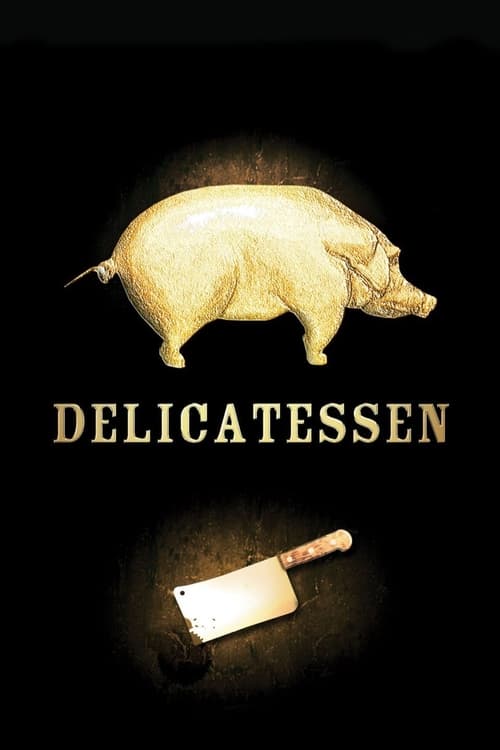
- 1991Jeunet and Caro debut with Delicatessen, a post-apocalyptic apartment building as magic-realist stage Delicatessen
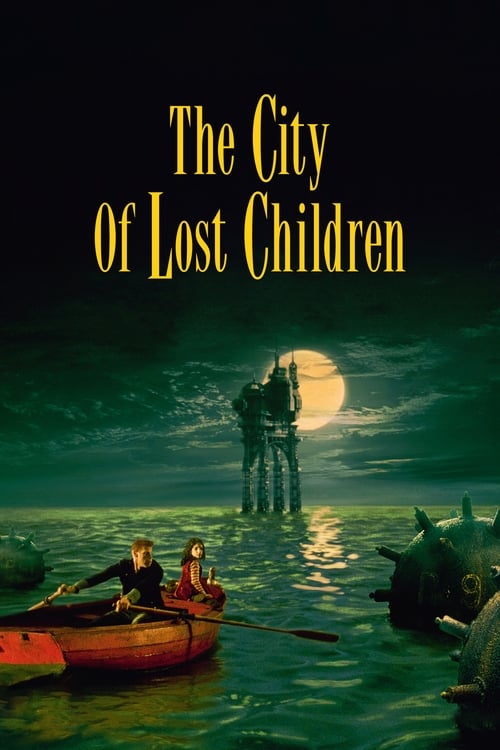
- 1995The City of Lost Children: Jeunet's most Gothic and elaborate constructed world The City of Lost Children
- 2001Amelie opens in France, becoming the highest-grossing French film in North American history at the time Eli
- 2004A Very Long Engagement: Jeunet uses the same visual language for a WWI love story A Very Long Engagement
- 2007Pushing Daisies brings the Amelie aesthetic to network TV Pushing Daisies
- 2011Hugo: Scorsese channels the Paris-of-the-imagination in 3D Hugo
Whimsy, wonder, and cozy worlds
Magical Realism
Explore the Magical Realism guide →Without you, today's emotions would be the scurf of yesterday's.Amelie (2001)