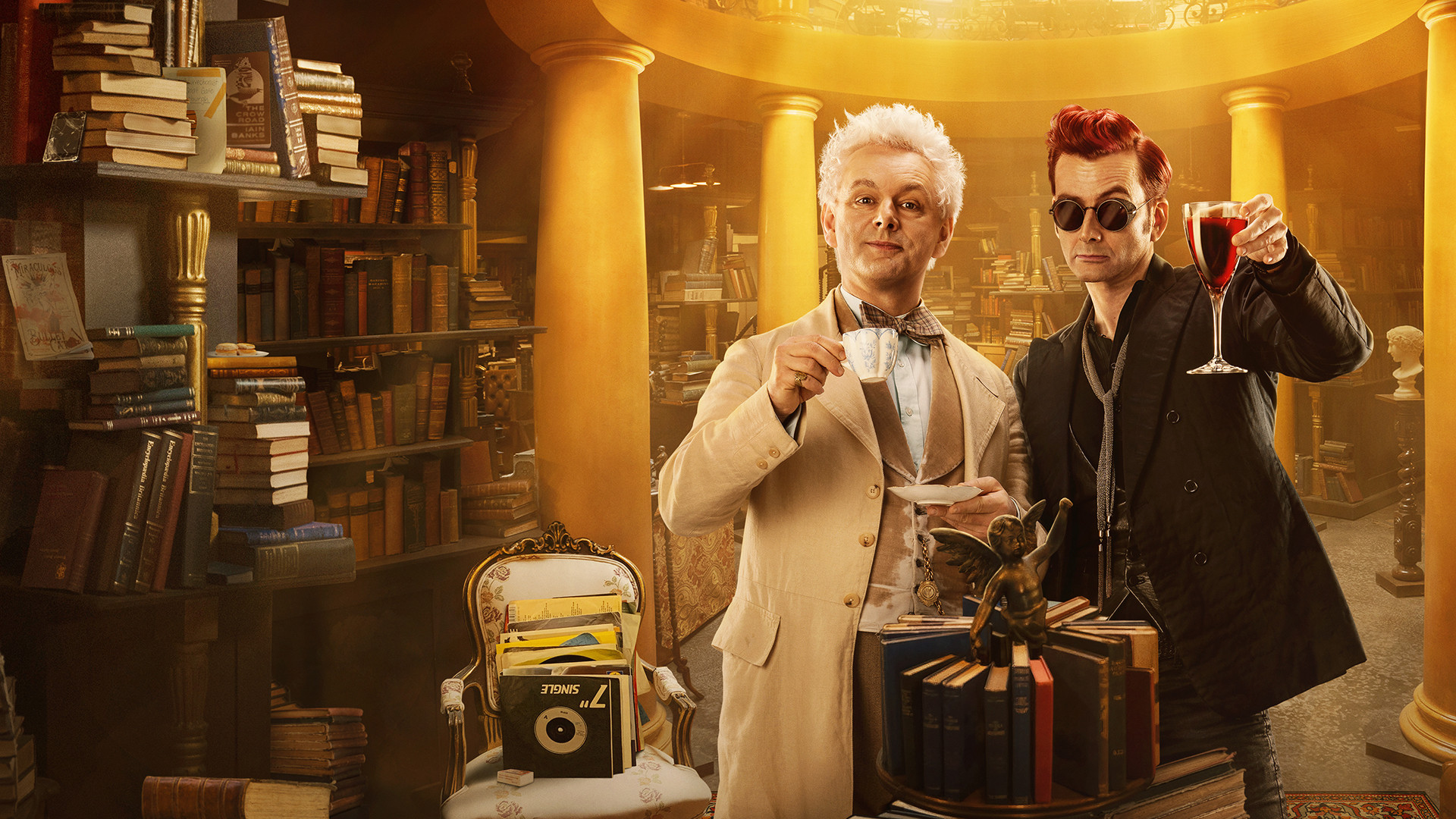

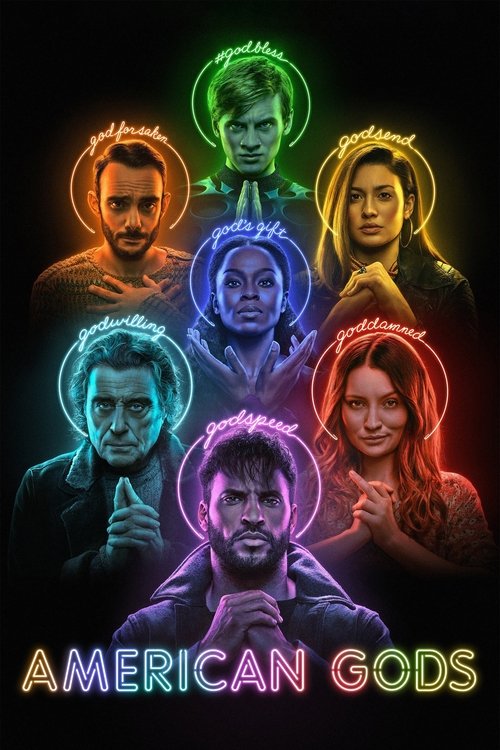
American Gods -- the Starz series adapted from Neil Gaiman's 2001 novel -- follows Shadow Moon, a recently released convict who becomes a bodyguard to the mysterious Mr. Wednesday, a con man who turns out to be Odin himself. Wednesday is recruiting the old immigrant gods (Anansi, Czernobog, Bilquis, Iktomi) for a war against the New Gods of Technology, Media, and Globalization. What a fan chases here is a particular flavor of the uncanny: forgotten powers still alive in roadside America, a mythology that treats belief as currency, and a slow-burn atmosphere that makes the mundane feel haunted. The Neil Gaiman source novel is the essential companion -- richer in chapter-length digressions, folk tales, and interior monologue than the series could contain.
Essential American Gods
The show itself and the novel it grew from



Same Strange America
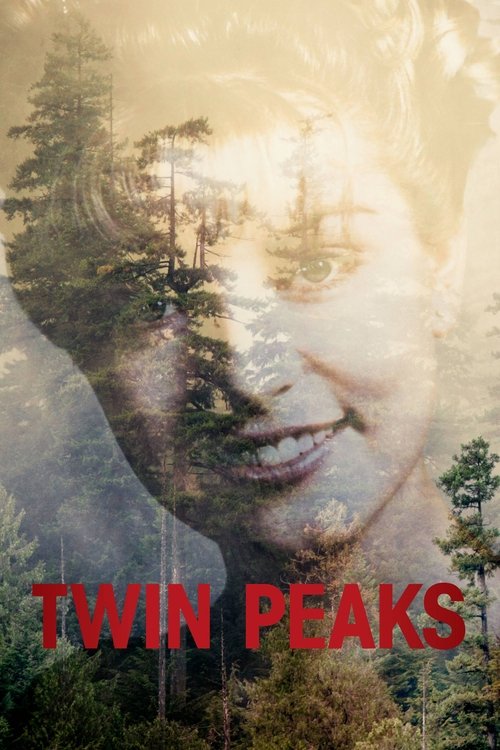
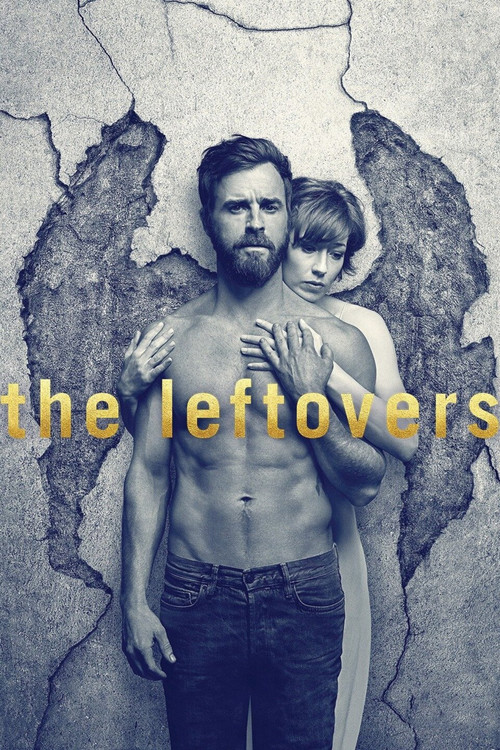
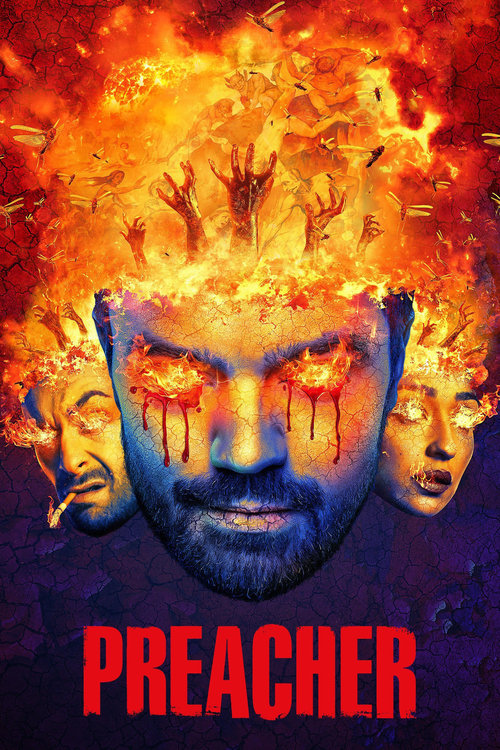
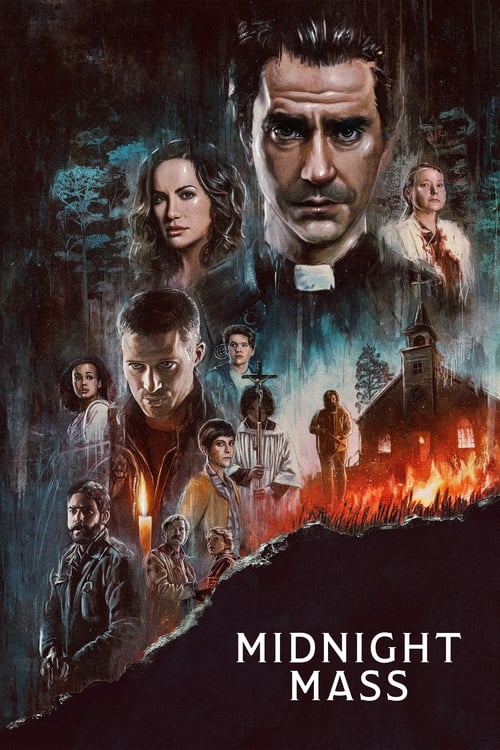
Series where ordinary roads lead to extraordinary things

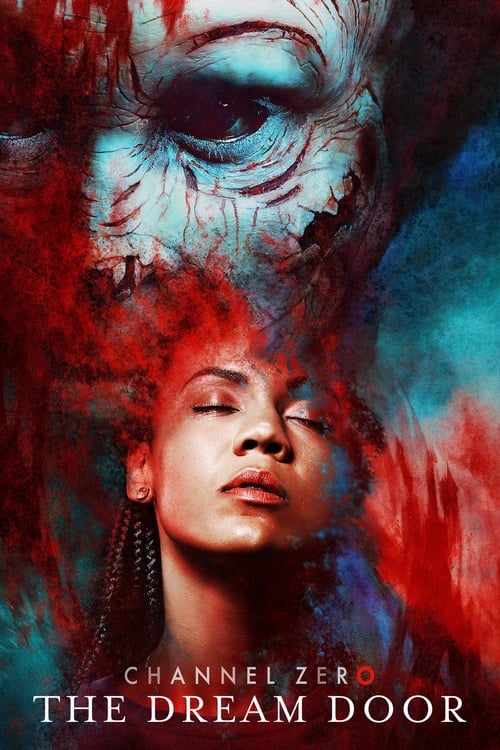
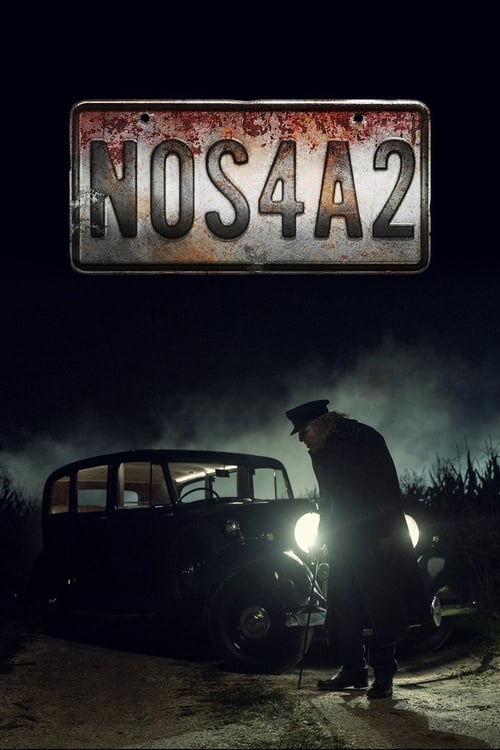
Mythology Given Modern Flesh
Films and series where old gods and legends operate in the present day
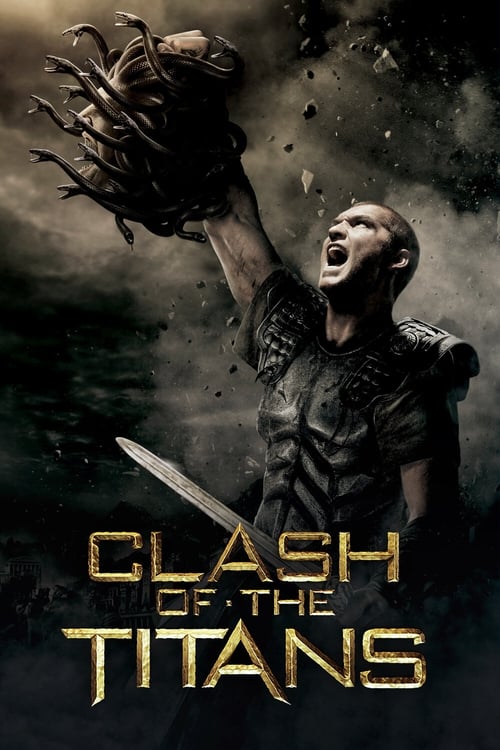
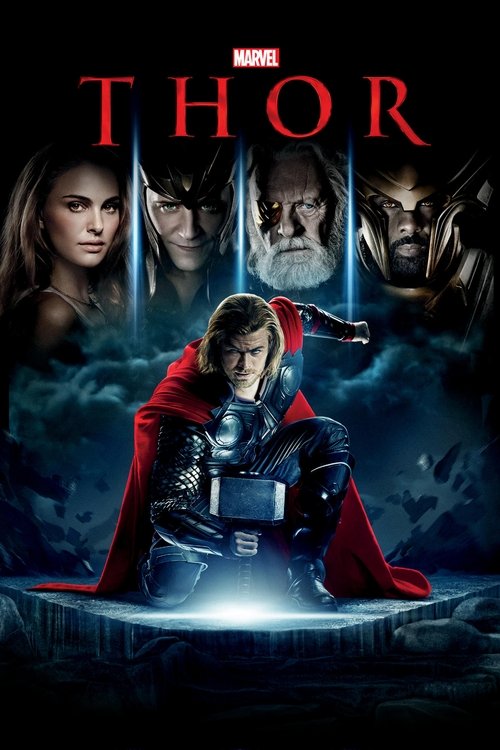
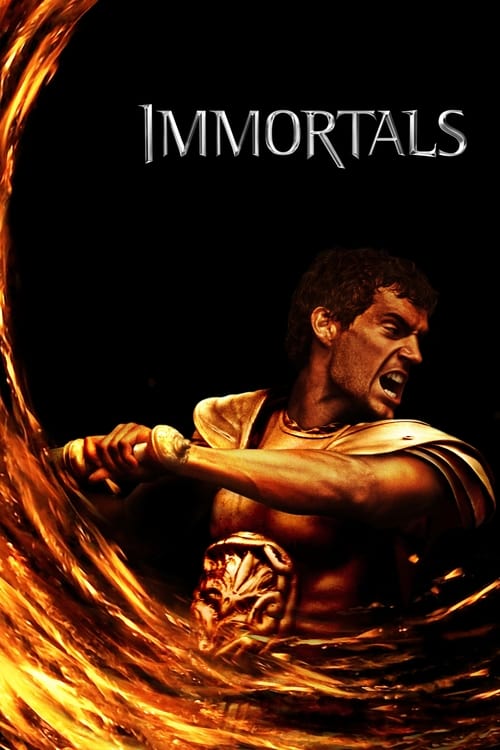
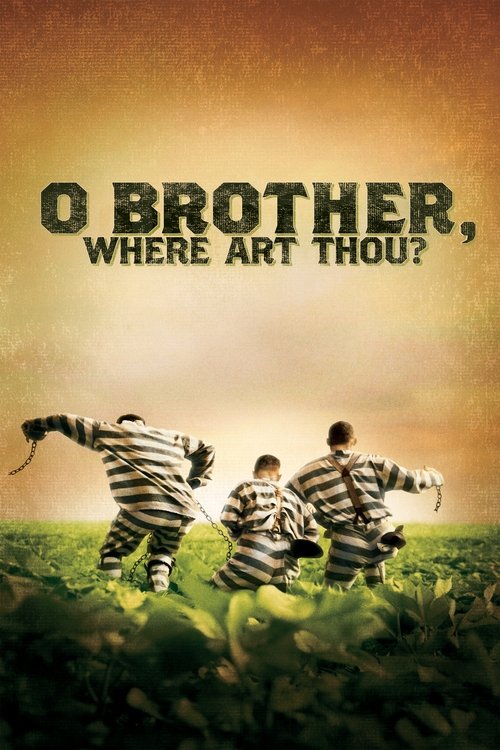
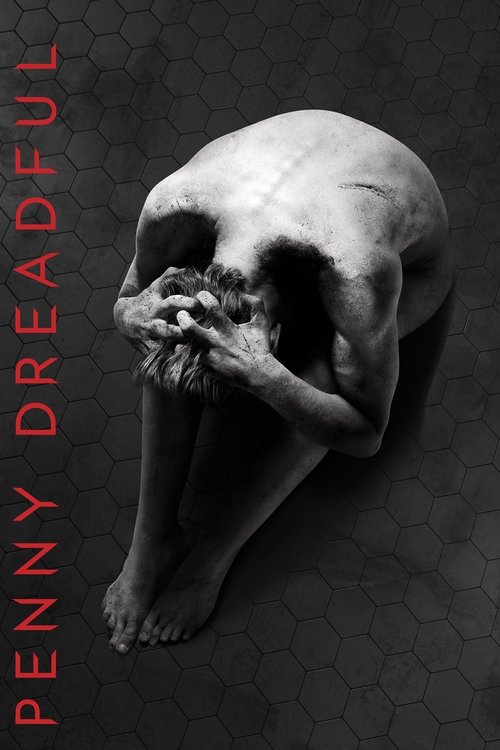
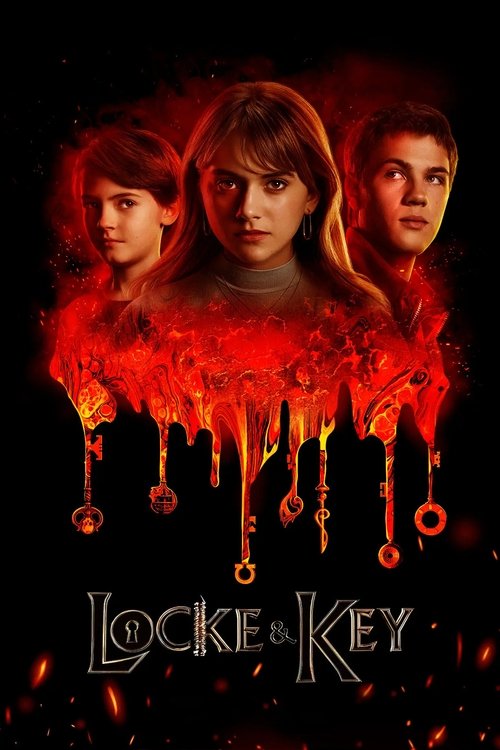
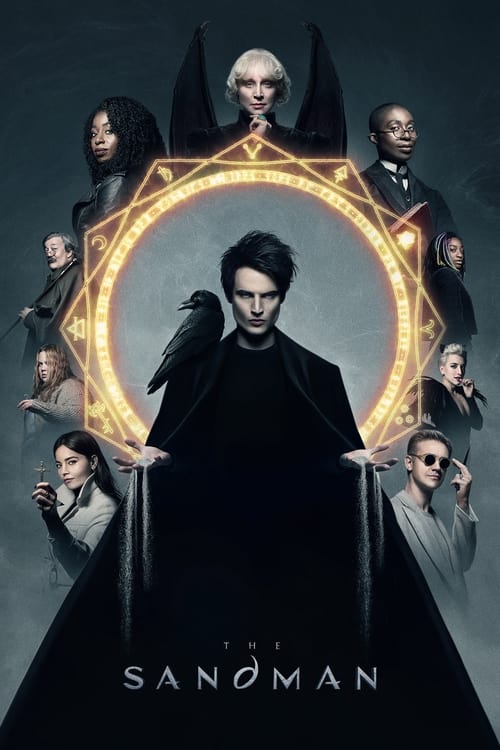
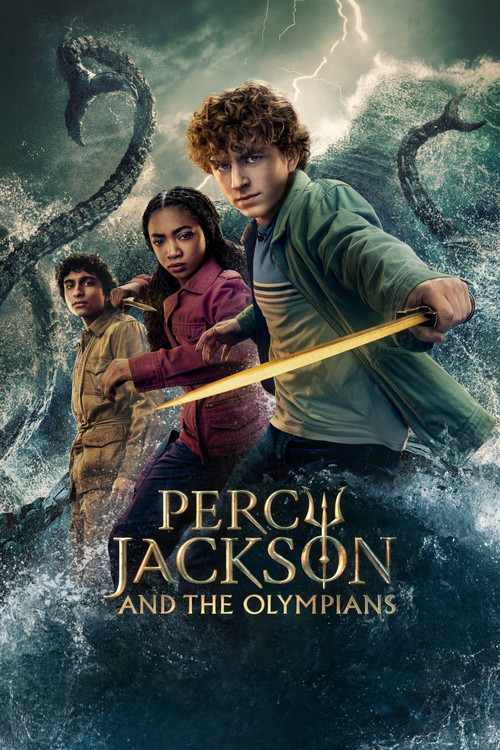
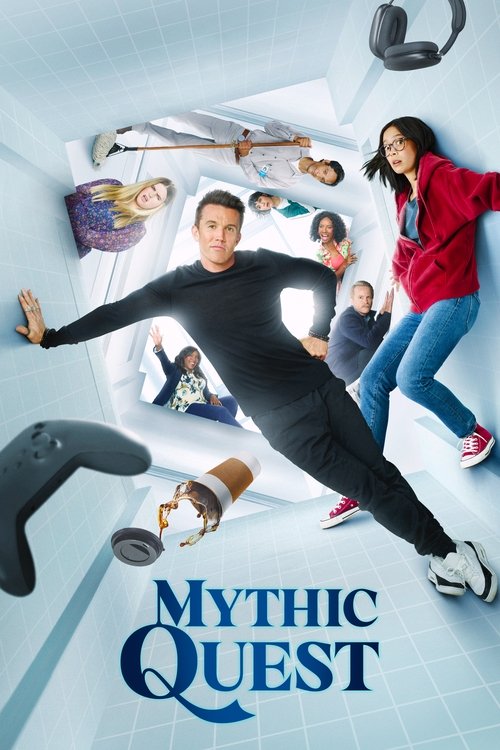
Neil Gaiman's Other Worlds
Books that share Gaiman's voice: folklore recast as literary fiction


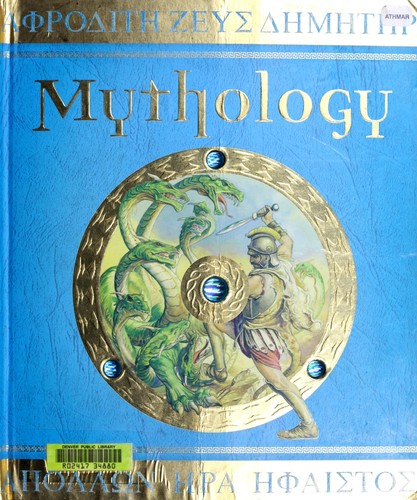


Games Where Myth and Place Collide
Games that root ancient powers in real or semi-real geography

Road-Trip Noir and Literary Fantasy
Novels that share the road-trip spine, the mythic undercurrent, or both


The War Is Already Over -- We Just Haven't Noticed
American Gods argues that the New Gods -- Media, Technology, the Intangible World -- won the moment the last immigrant generation stopped lighting candles to the old powers. Wednesday's whole crusade is a grift, not a victory march. The series earns its melancholy by treating forgotten belief as a kind of grief: for origin stories, for the names people carried across oceans. Shadow Moon works as a protagonist precisely because he arrives empty, a man with nothing to believe in who becomes a vessel for everyone else's faith.
Ricky Whittle and the Weight of a Cipher
Shadow Moon is written as a near-blank -- present, watchful, absorbing. That is a risky casting call, and Ricky Whittle carries it by physicality and restraint rather than verbal dazzle. The series builds its real pyrotechnics around him: Ian McShane's Odin is a magnificent con-man monologue machine; Yetide Badaki's Bilquis and Pablo Schreiber's Mad Sweeney are the show's emotional extremes. Shadow's stillness is the gravity around which all that chaos orbits.
Good Omens Is the Lighter Side of the Same Coin
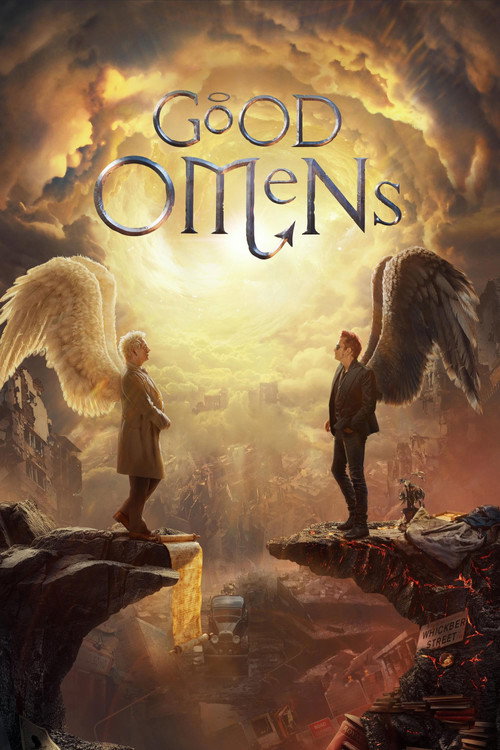
Good Omens (co-written by Gaiman and Terry Pratchett) covers parallel territory: ancient supernatural forces forced to navigate the mundane modern world, divine bureaucracies that have lost the plot, and an apocalypse nobody actually wants. Where American Gods is steeped in immigrant grief and American loneliness, Good Omens runs warm and British and absurdist. Both the Pratchett/Gaiman novel and the Prime Video series are essential reads and watches for anyone who responded to Gaiman's mythology-as-everyday-life frequency.
American Gods: A Timeline
- 2001Neil Gaiman publishes the novel, winning the Hugo, Nebula, and Bram Stoker awards. American Gods
- 2005Anansi Boys, a companion novel focusing on Mr. Nancy's sons, is published.
- 2011The 10th Anniversary edition includes Gaiman's preferred text with additional material.
- 2017Starz series premieres, showrun by Bryan Fuller and Michael Green, with Ian McShane as Mr. Wednesday. American Gods
- 2019Season 2 arrives after Fuller and Green's departure; the show shifts tone and pacing.
- 2021Season 3 moves to rural Georgia and further inward into Shadow's identity.
- 2021The series is cancelled by Starz after three seasons.
- 2023Amazon's Good Omens Season 2 airs, further cementing Gaiman's TV presence. Good Omens
More old magic in a new world
For Fans of Neil Gaiman
Explore the For Fans of Neil Gaiman guide →Gods die. And when they truly die they are unmourned and unremembered.Neil Gaiman, American Gods (2001)