
Neil Gaiman writes at the place where mythology collapses into the modern world. His books do not treat gods, monsters, and fairy tales as metaphors -- they treat them as fact, hiding in plain sight behind bus stops and department stores and forgotten American small towns. The through-line fans love is this: the sense that the world is far older, stranger, and more alive than it looks, and that ordinary people can stumble into that hidden layer and come back changed. Whether it is Morpheus reshaping the Dreaming, Shadow Moon navigating gods on the American highway, or a small girl stepping through a hidden door, Gaiman's work insists that wonder and dread are the same feeling.
Essential Neil Gaiman
The definitive works, from the comics that made him to the novels that cemented his legacy.


If You Love Gaiman: The Screen Adaptations
His worlds translated to film and television, from the faithful to the reimagined.
Dark Mythology, Borrowed and Reshaped: Similar Authors
Writers who share Gaiman's appetite for old gods, fairy-tale logic, and the eerie beauty of the uncanny.


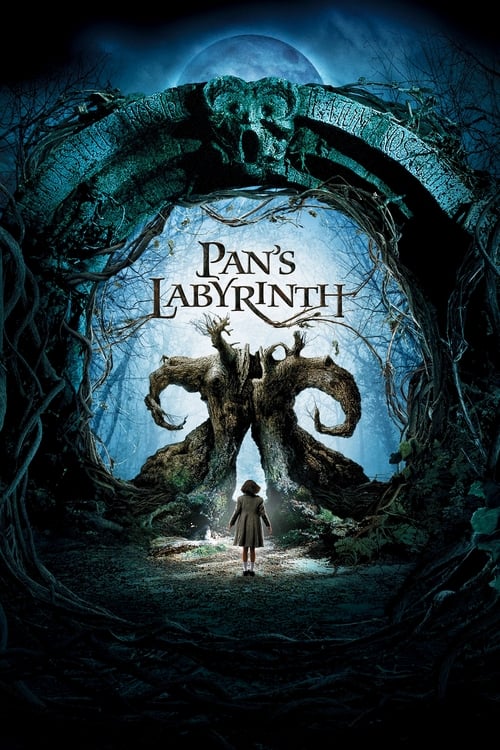
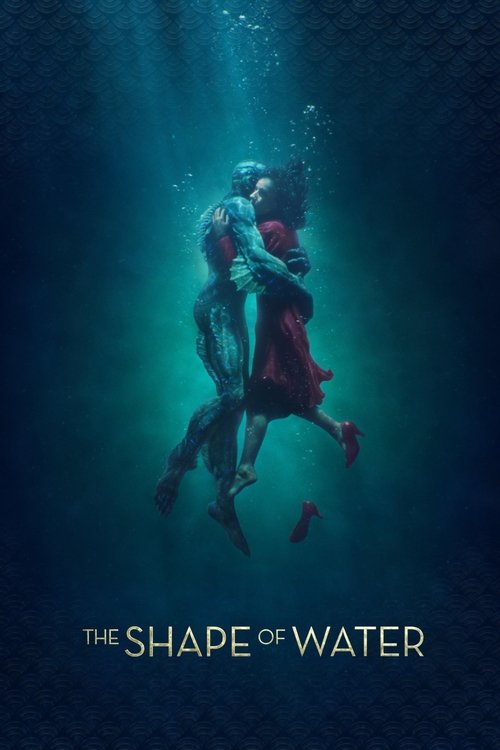
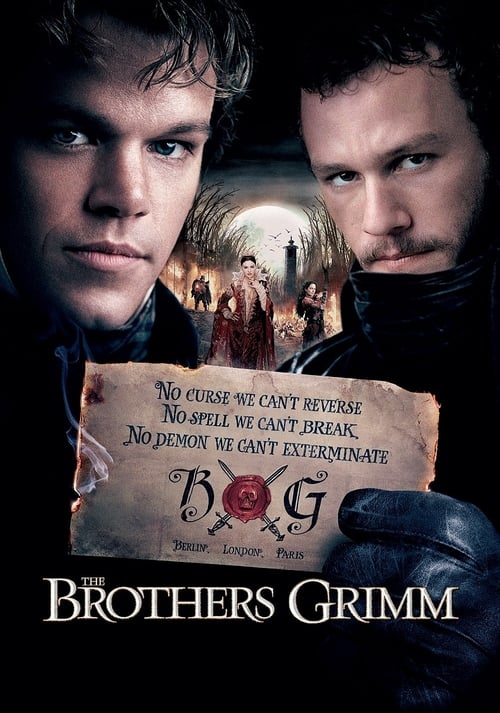
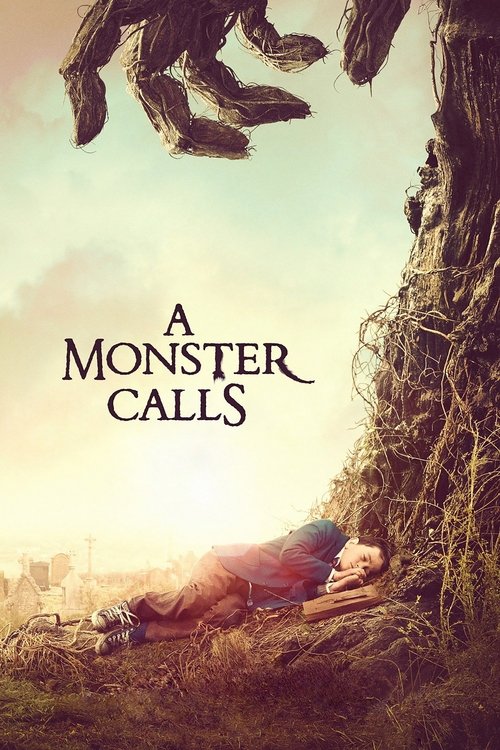
The Same Feeling on Screen: Dark Fantasy Films and Series
Cinema and television that share the mythic dread, fairy-tale unease, and dream-logic Gaiman fans crave.
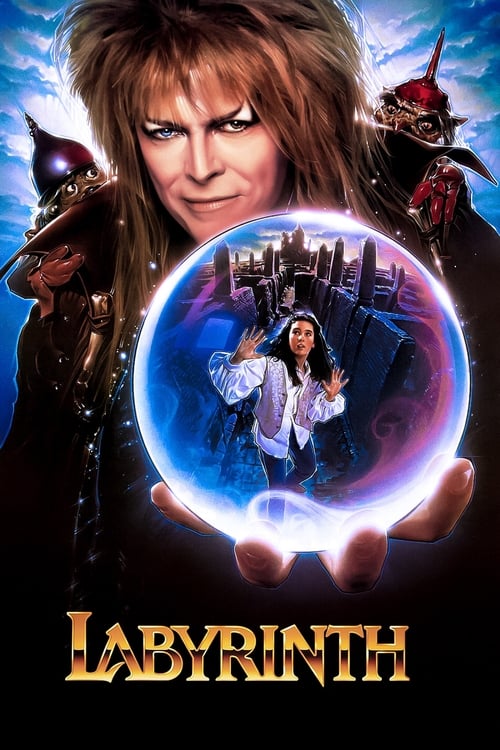
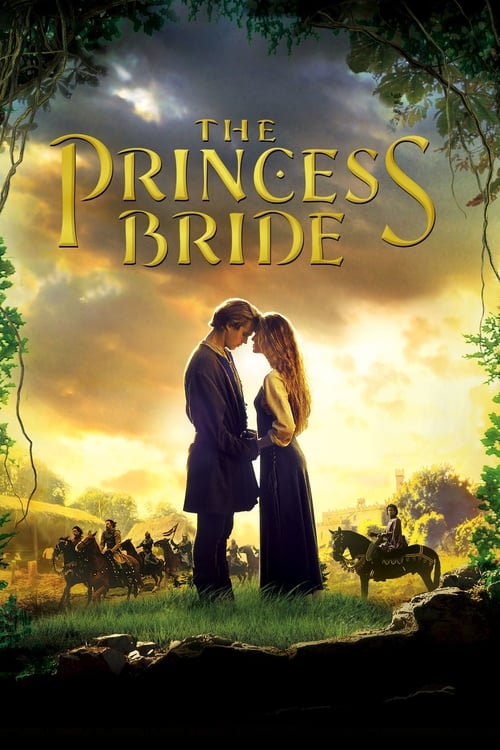
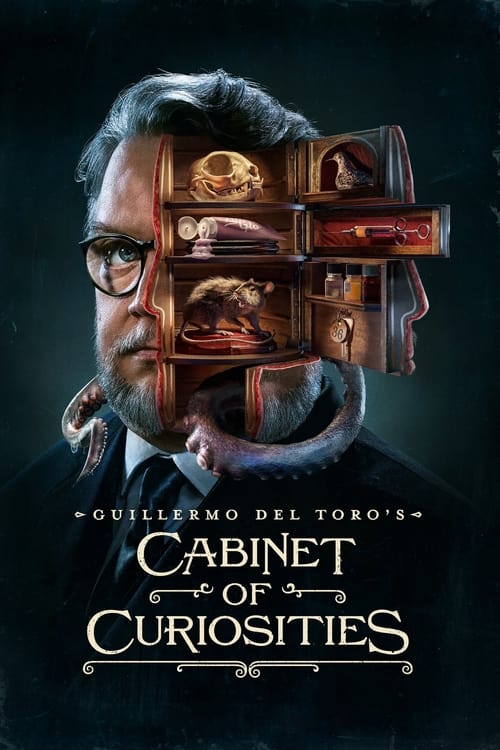
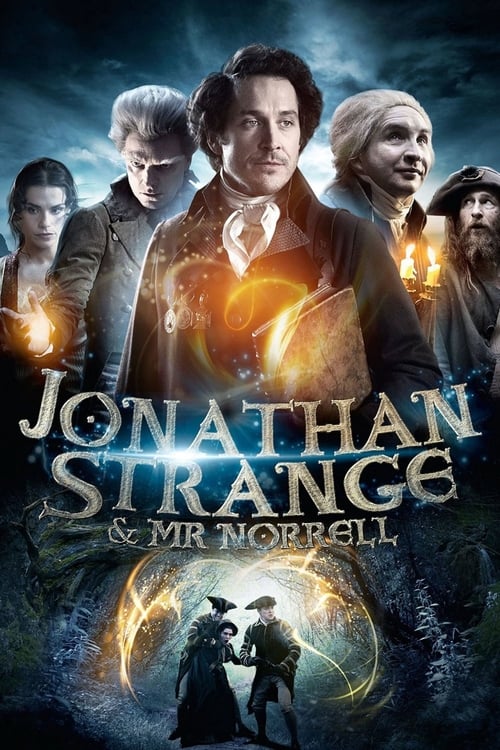
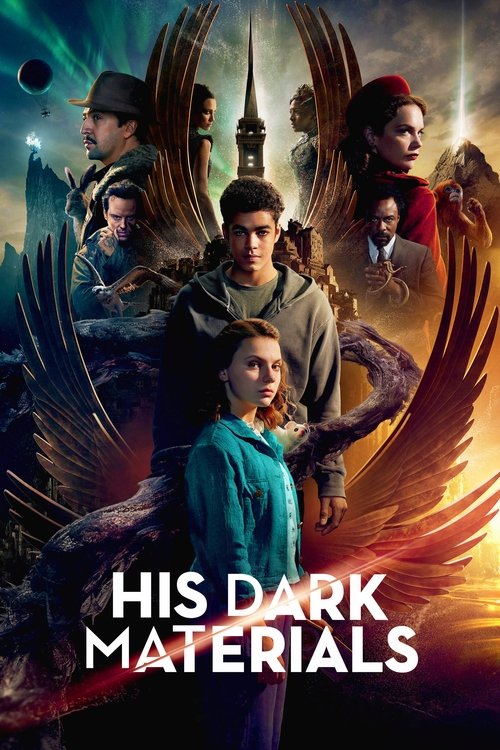
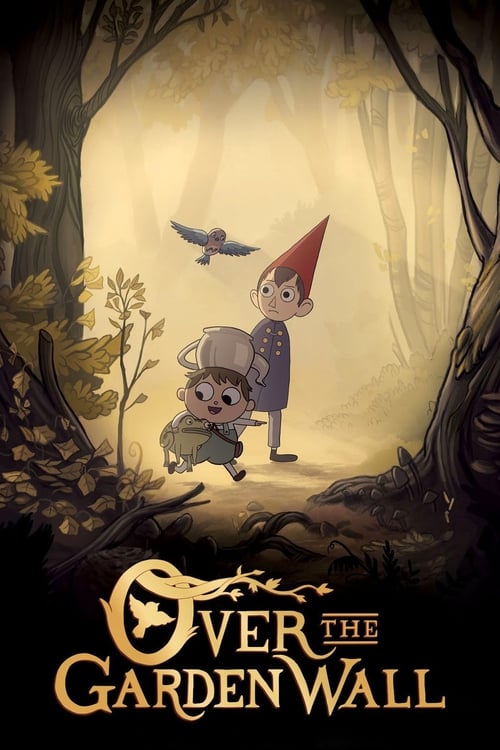
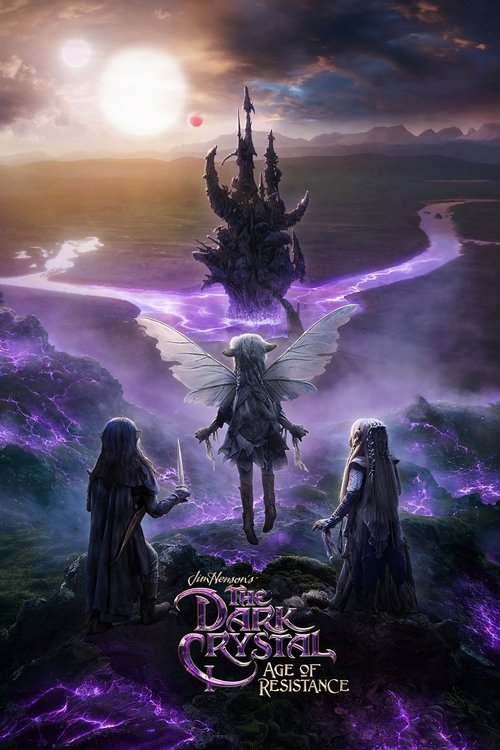
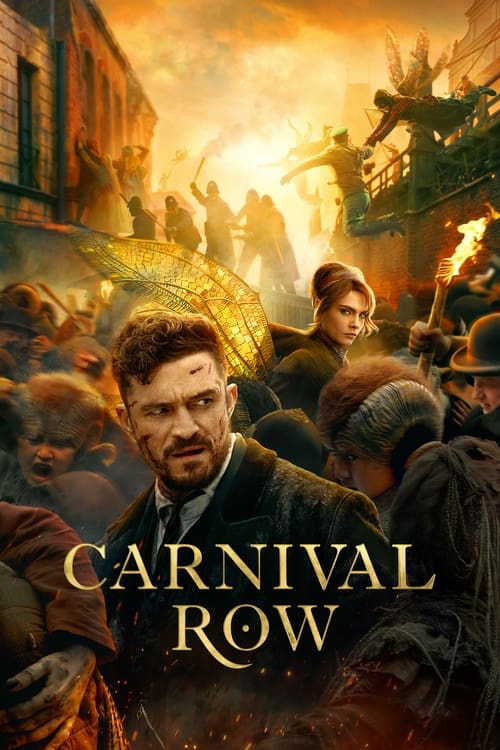
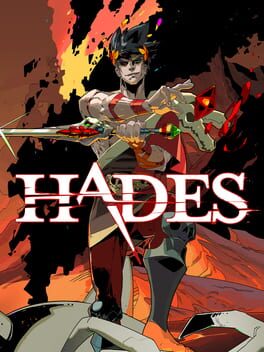
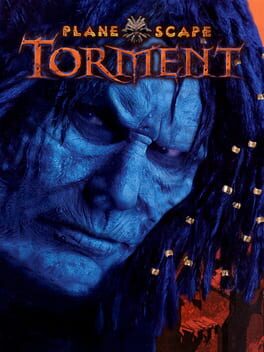
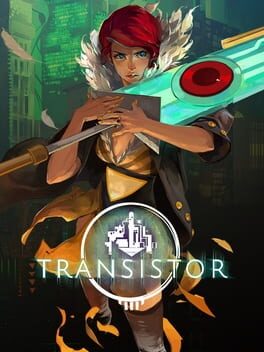
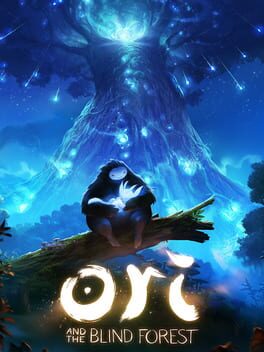
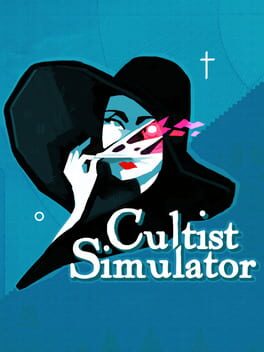
Games Where Myth Lives in the World
Games shaped by the same hunger for old stories, hidden worlds, and narrative that burns.

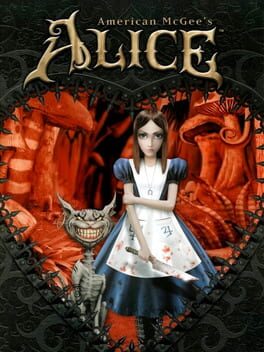
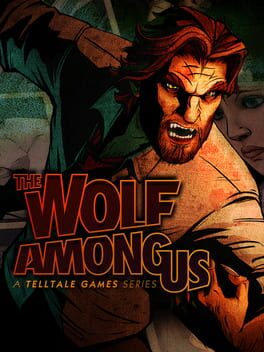
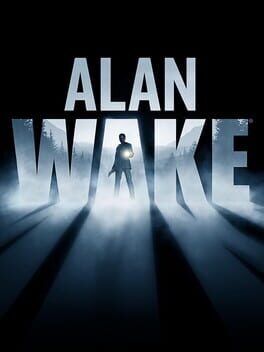
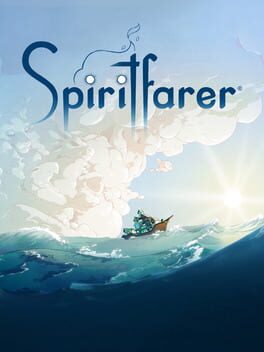
The Sandman Changed What Comics Could Be
Before Gaiman's run on The Sandman, superhero comics dominated the form. What Gaiman did was write a comic that felt like a literary novel, pulling in Shakespeare, mythology, history, and horror simultaneously. Morpheus, the King of Dreams, became one of the most complex characters in any medium of the 1980s and 1990s. The series did not just win awards -- it expanded the idea of what sequential art could carry.
American Gods Is a Road Novel Hiding a Religious Argument
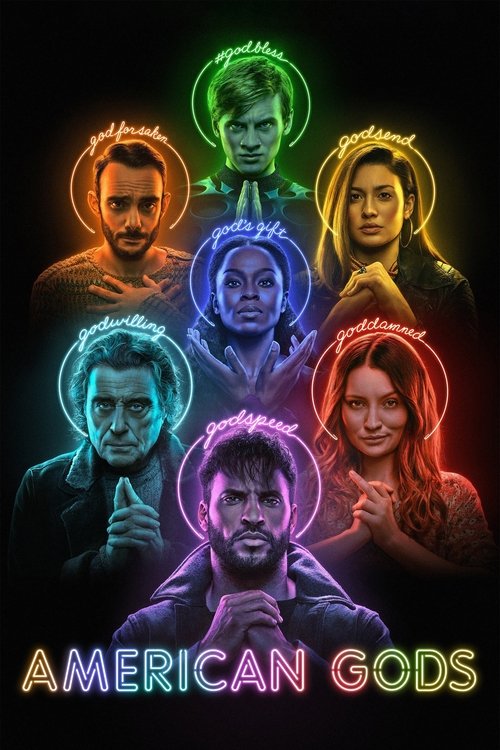
American Gods works on multiple levels at once: it is a road trip across forgotten Americana, a meditation on immigration and belief, and a genuine thriller. Its central idea -- that gods exist because people believe in them, and that new gods of media and technology are displacing the old ones -- is one of the sharpest cultural observations in 21st-century fiction. Gaiman does not resolve the tension neatly, and that is what makes it stick.
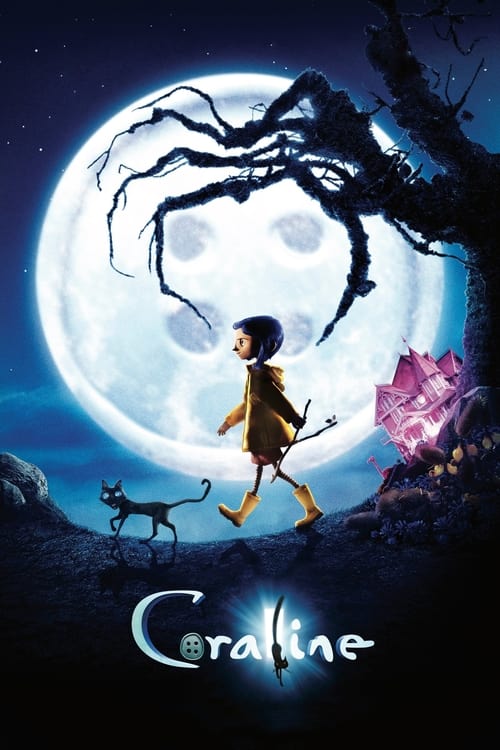
Coraline Is Horror Wearing a Children's Book as a Costume
Gaiman has said Coraline began as a story to frighten his daughter. It succeeded. The Other Mother, the button eyes, the apparent paradise that is actually a trap -- these images work on adults as thoroughly as on children because the fear underneath them is real: the fear of a perfect life that costs you everything. The Laika animated adaptation is one of the few screen versions of a Gaiman work that matches the source material's atmosphere beat for beat.
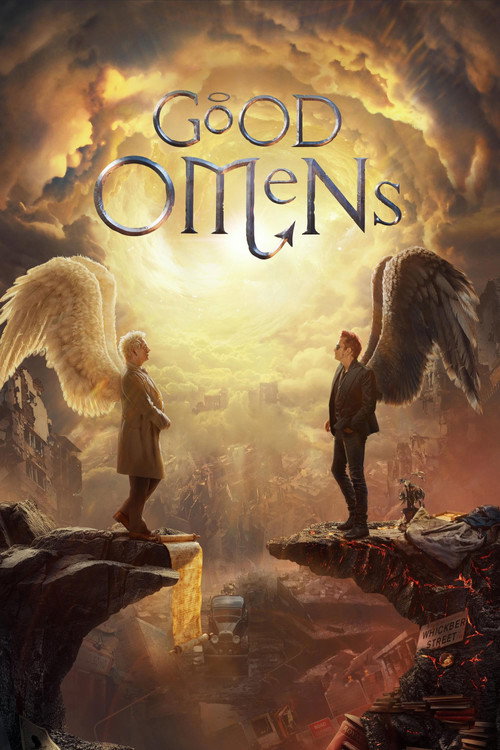
Good Omens Is the Funniest Book About the End of the World
Co-written with Terry Pratchett, Good Omens occupies a unique place in both writers' catalogs -- it is funnier than most of Gaiman's solo work and darker than most of Pratchett's. The friendship between an angel and a demon who have grown fond of Earth is the emotional engine of the book, and it carries a genuine tenderness that the BBC/Prime adaptation captured surprisingly well across two seasons.
Neil Gaiman: A Career in Chronological Order
- 1988The Sandman begins serialization at DC/Vertigo -- a 75-issue run that defines literary comics. The Sandman
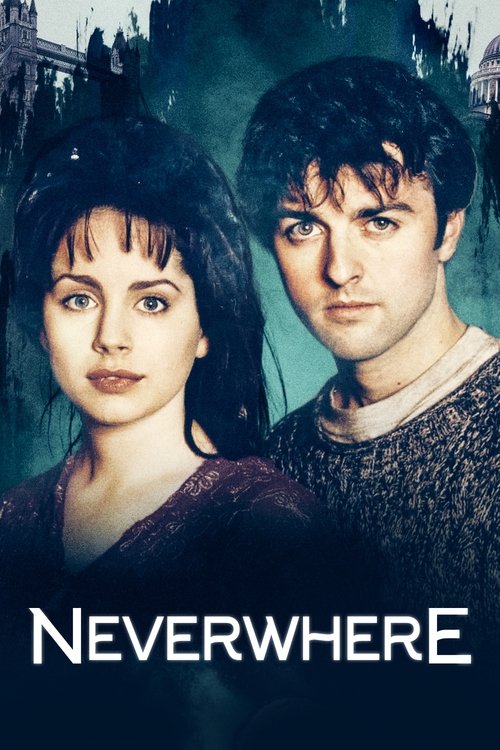
- 1990Neverwhere starts as a BBC television series before Gaiman novelizes it, building the London Below mythology. Everywhere
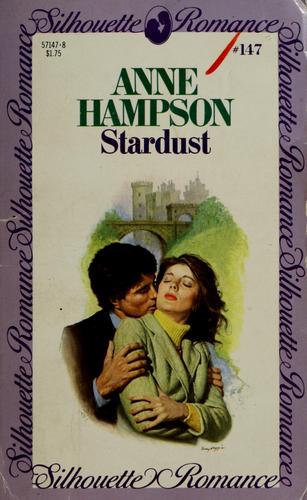
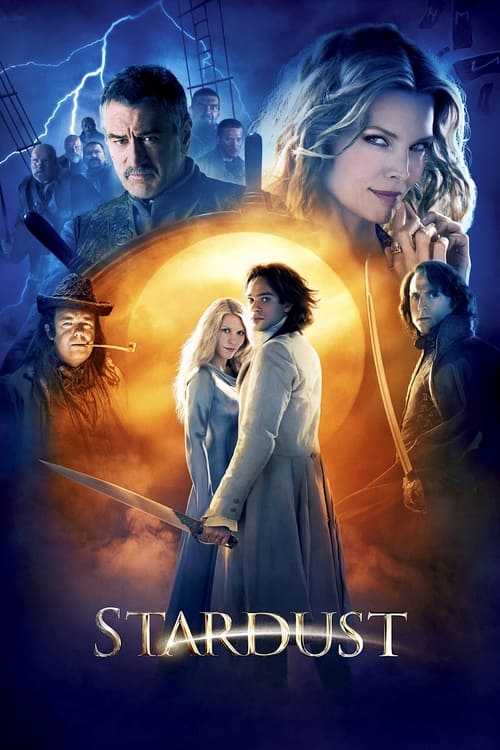
- 1996Stardust serialized, later novelized -- a love letter to classic fantasy that turns the genre inside out. Stardust
- 2001American Gods published, winning Hugo, Nebula, Bram Stoker, and Locus awards in the same year. American Gods
- 2002Coraline published -- a novella that reads quickly but stays with readers for years. Coraline
- 2006Anansi Boys revisits the world of American Gods with a warmer, funnier tone.
- 2008The Graveyard Book wins the Carnegie Medal and the Newbery -- a rare double.
- 2009Laika's Coraline film becomes a stop-motion landmark and introduces a new generation to Gaiman. Coraline
- 2013The Ocean at the End of the Lane, his most personal novel -- about memory, childhood, and the price of forgetting.
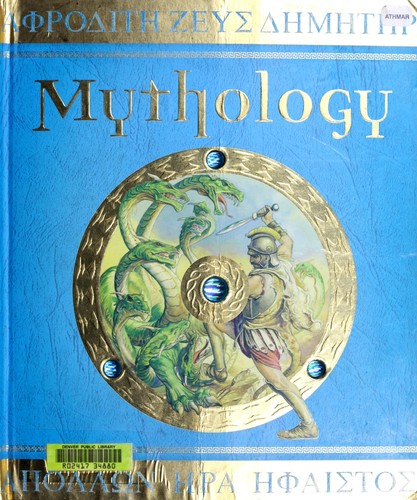
- 2017Norse Mythology retells the Norse pantheon in Gaiman's own prose -- a gateway text for mythology newcomers. Mythology
- 2017American Gods arrives on Starz, extending the story beyond the novel. American Gods
- 2019Good Omens reaches Prime Video with David Tennant and Michael Sheen -- a beloved adaptation. Good Omens
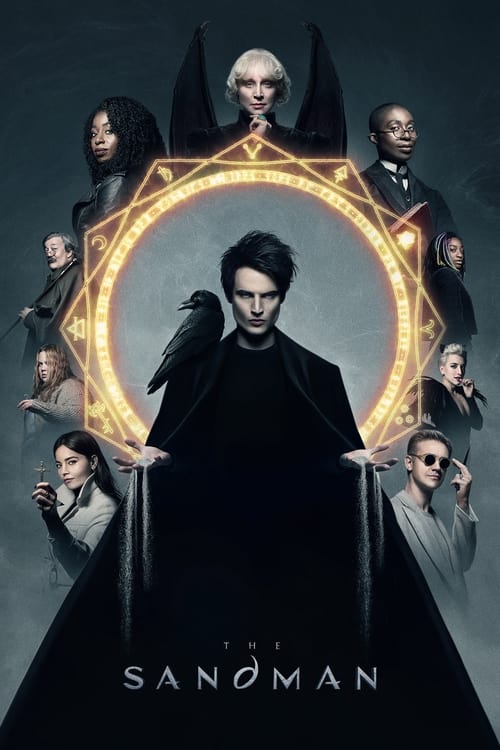
- 2022The Sandman finally reaches Netflix after decades of failed attempts, earning critical acclaim. The Sandman
Myths, dreams, and the uncanny
For Fans of The Sandman
Explore the For Fans of The Sandman guide →The world always seems brighter when you've just made something that wasn't there before.Neil Gaiman