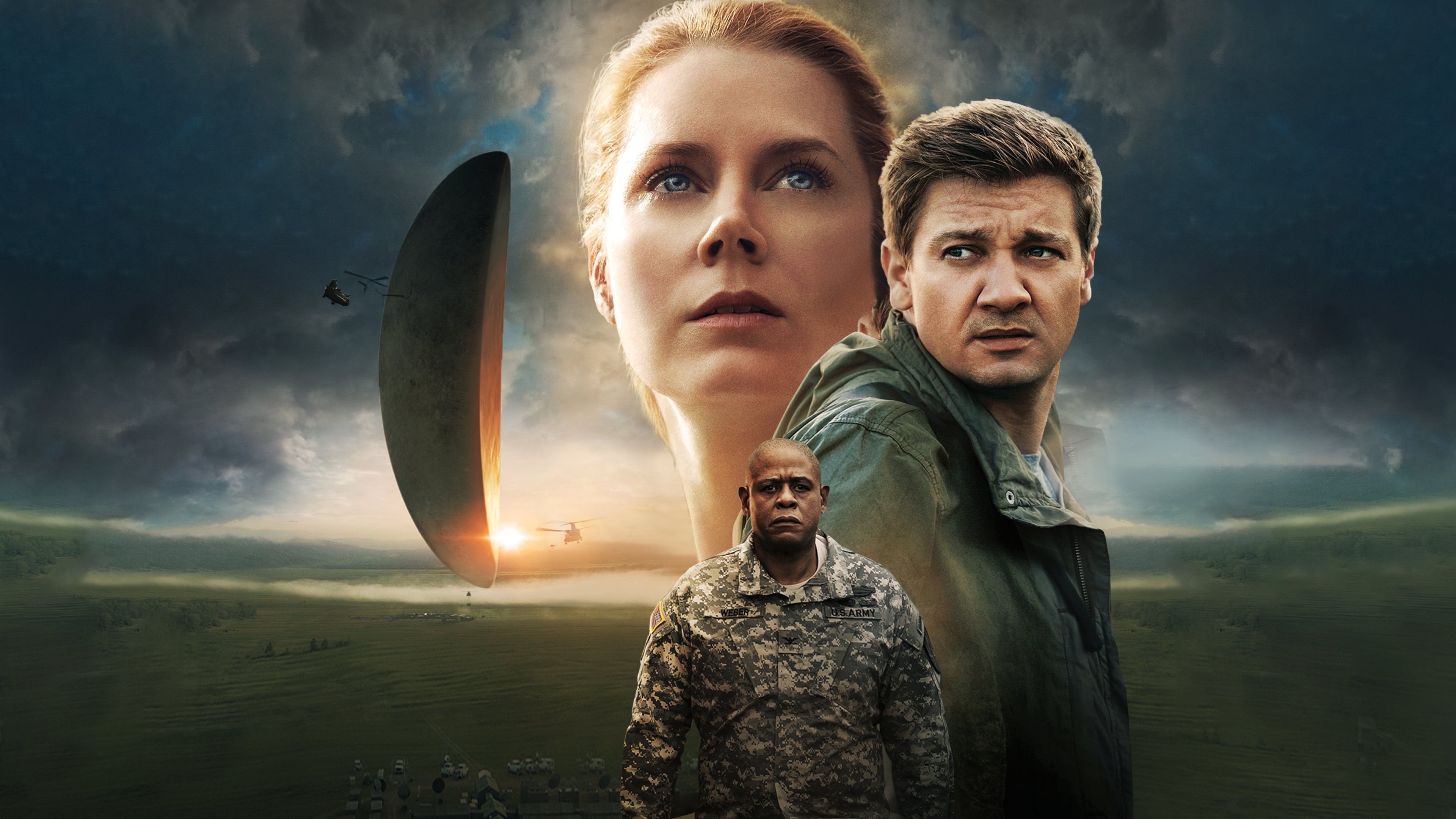

Amy Adams has built one of the most quietly formidable careers in contemporary cinema. Six Academy Award nominations across comedy, drama, and prestige biopics speak to her range, but what her fans actually chase is something harder to name: a grounded, attentive presence that never performs emotion from the outside. Whether she is playing a con artist in a 1970s sting operation, a linguist decoding alien communication, or a former child star unraveling in a Missouri resort town, Adams brings the same quality to every role: total belief. The charm is real, the fragility is real, and the steel underneath both of them is very real. This guide follows that feeling across films, television, books, and the games and stories that share the same DNA.
Essential Amy Adams
Her best performances, in order of range
If You Love Sharp Objects
Southern gothic television that peels back small-town surfaces
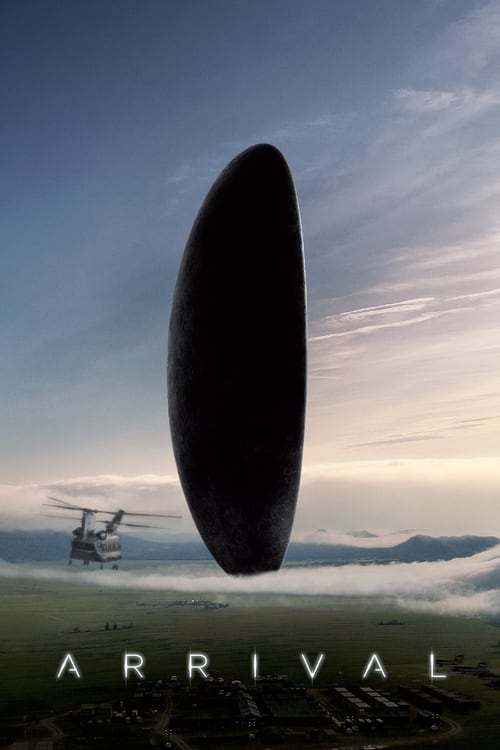
If You Love Arrival
Science fiction built on emotional intelligence, not spectacle
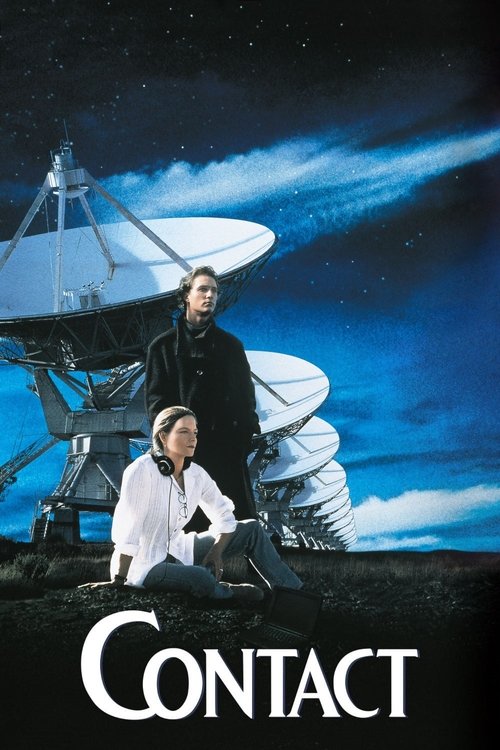
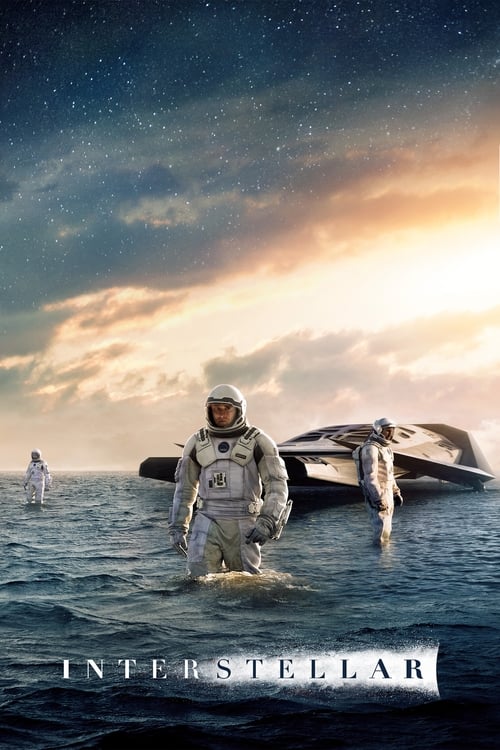
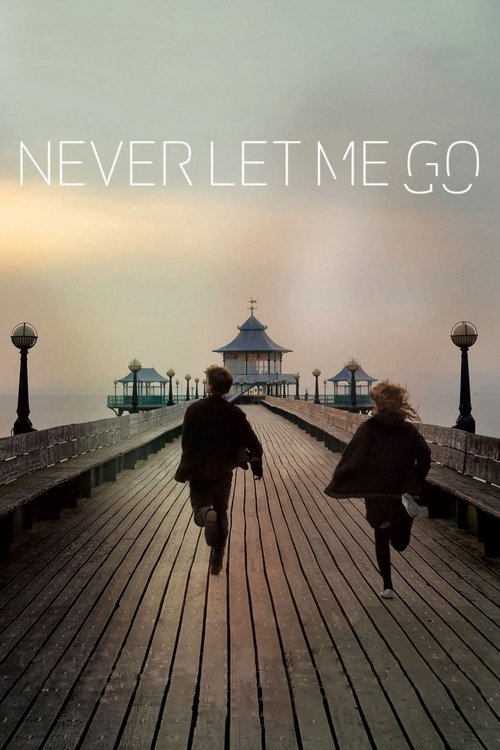


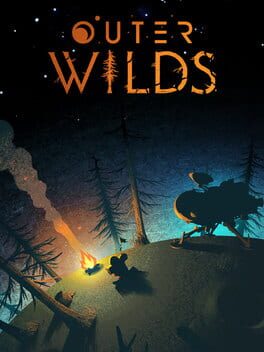

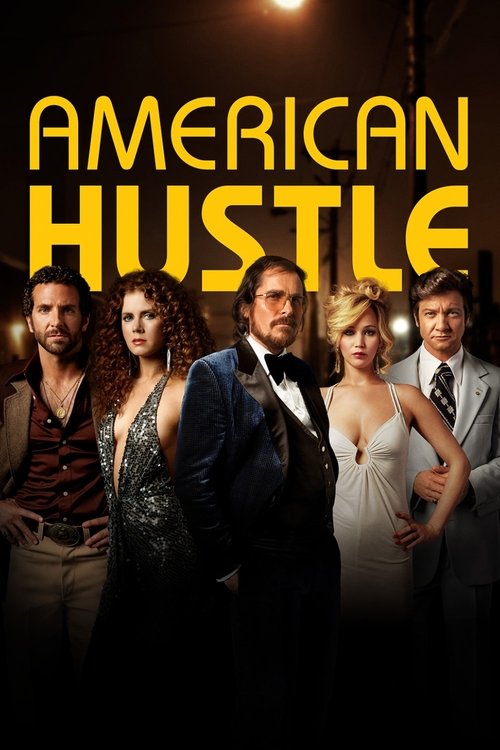
If You Love American Hustle
Con games, period style, and characters running schemes on themselves

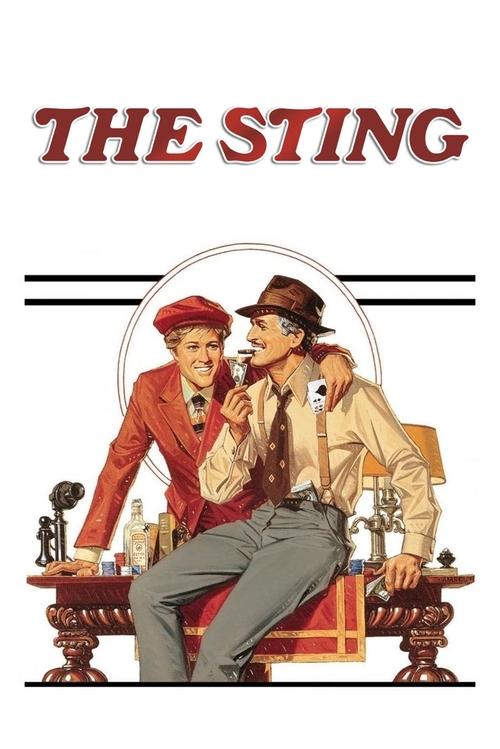
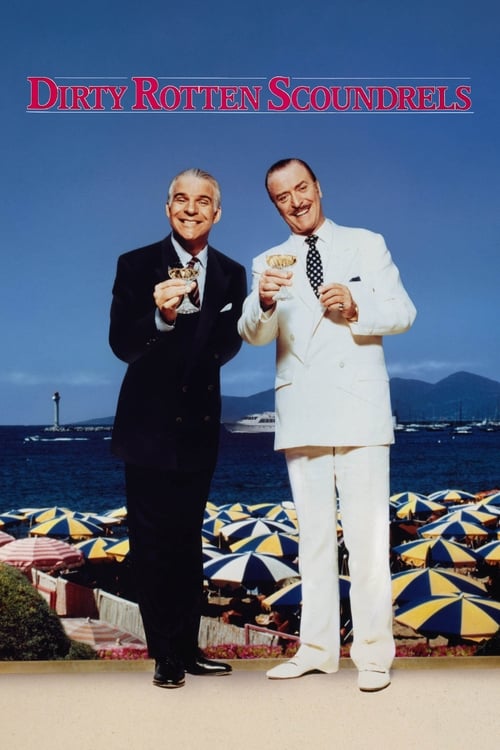
Same Register: Actors Who Carry Every Room
Performers with the same commitment and precision
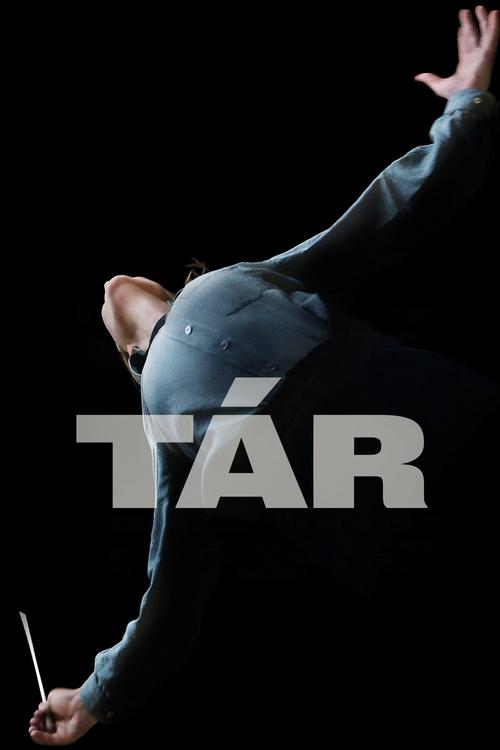
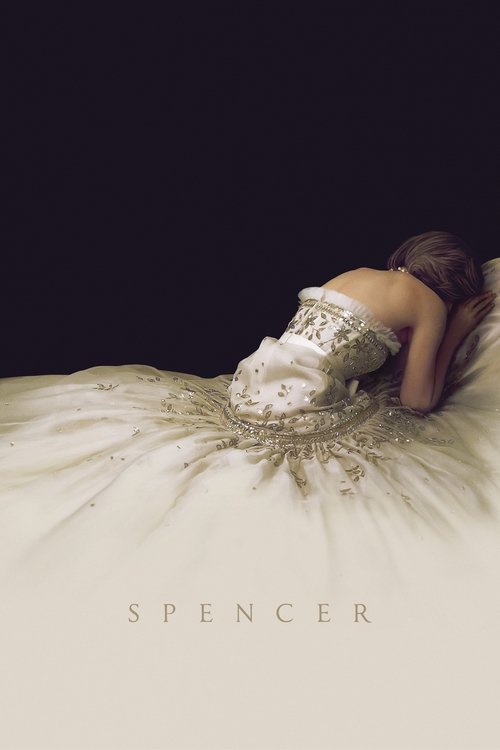
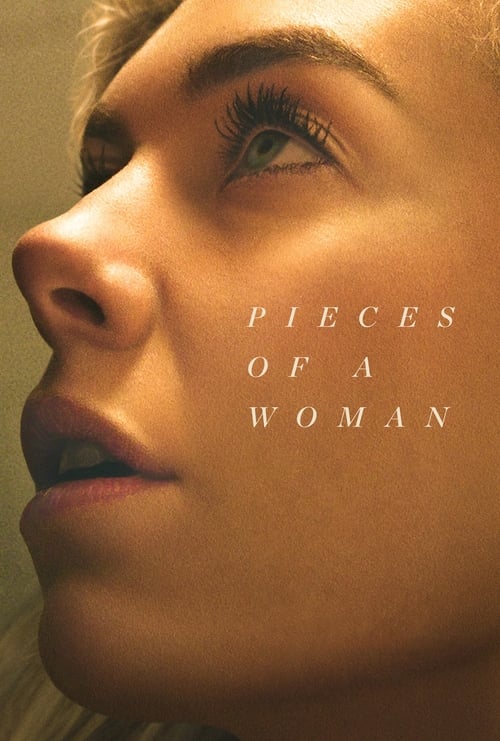
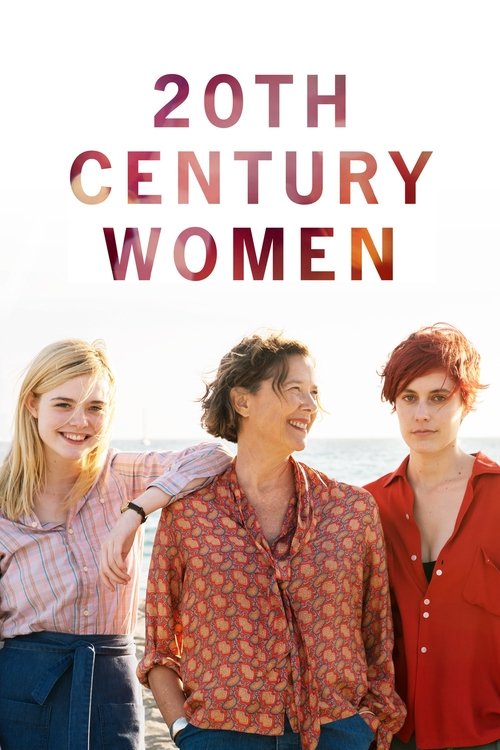
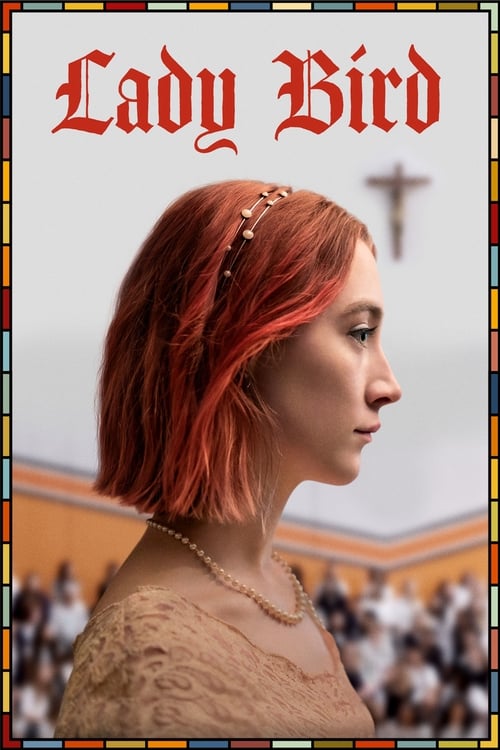
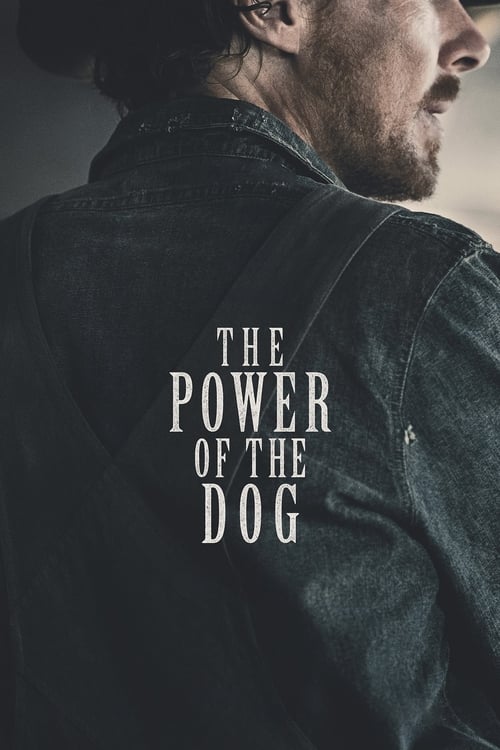
Books Her Films Draw From
Source novels and thematic kin from her filmography


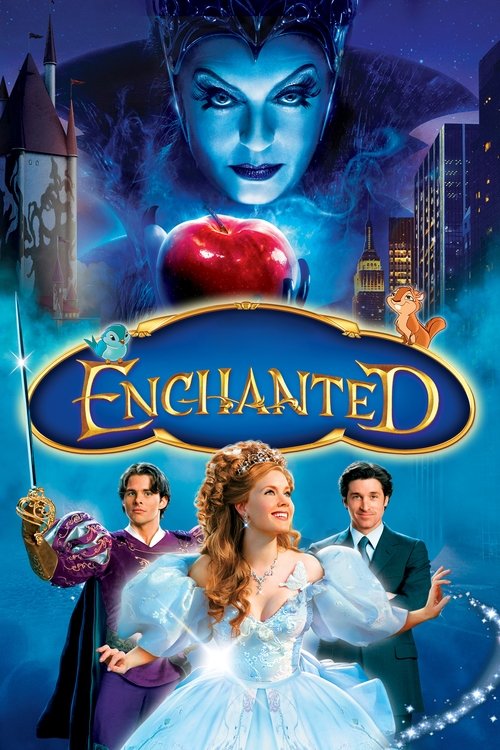
Enchanted Is Not a Joke
A lot of people use Enchanted as a punchline, or as proof that Adams can be funny. Both responses miss the point. The performance works because she plays Giselle with complete sincerity: no winking, no camp, no self-awareness about the absurdity of a cartoon princess in Manhattan. That total commitment is exactly what every serious Adams performance requires. Enchanted is not the exception to her career. It is the same muscle, pointed at a different genre.
Sharp Objects Is Her Best Work
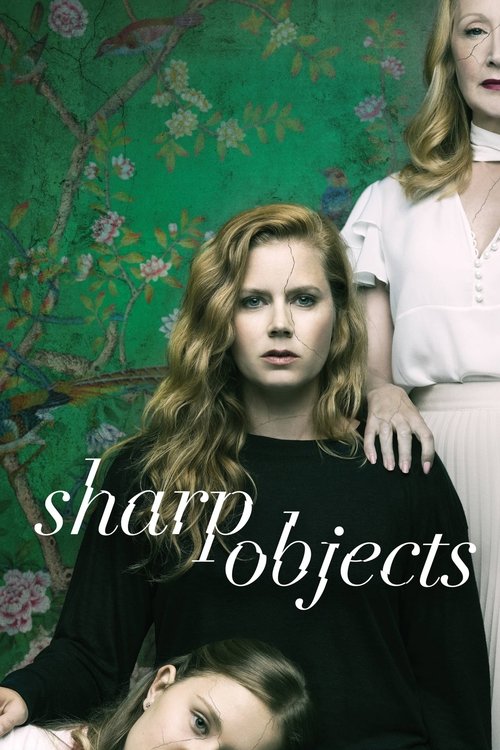
Six Oscar nominations and the conversation still skips past Sharp Objects. The HBO miniseries, adapted from Gillian Flynn's debut novel, gave Adams a character who carries her wounds visibly on her skin and invisibly in every room she enters. Camille Preaker is a reporter returning to a town that damaged her, and Adams plays the exhaustion, the self-destruction, and the buried love all at once, across eight hours, without a single false note. It is slower and quieter than most prestige television, which is exactly why it works.
Nocturnal Animals and the Art of Watching
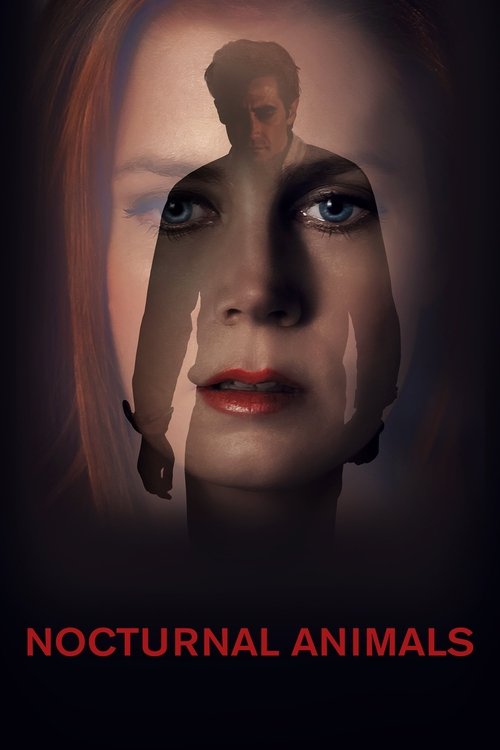
Tom Ford's Nocturnal Animals gives Adams almost no action. She reads a novel. She remembers a marriage. She stares at walls. The film depends entirely on the viewer believing that what she is reading is destroying her, and Adams makes that legible without a word of it being spoken aloud. It is a masterclass in reactive performance: the whole inner life is visible, in real time, without the screenplay providing a single shortcut.
Arrival and the Grammar of Grief
Arrival is a first-contact film about language, but it is also a film about how humans hold time in their bodies. The reveal of Louise's daughter is structured so that audiences feel the non-linearity before they understand it, and Adams carries that burden throughout, playing grief and wonder simultaneously, in scenes the audience only understands retroactively. Ted Chiang's source story, Story of Your Life, is one of the great science fiction novellas. Read it after, not before.
A Career in Moments
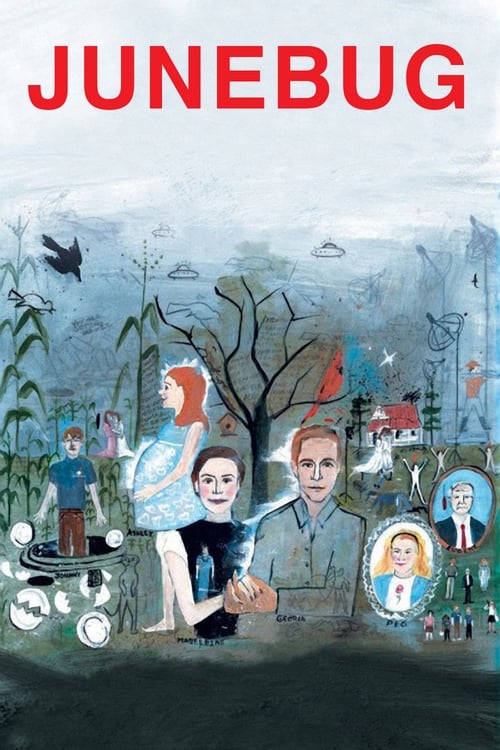
- 2005Breakthrough: Junebug earns her first Oscar nomination Junebug
- 2007Enchanted opens to unexpected delight Enchanted
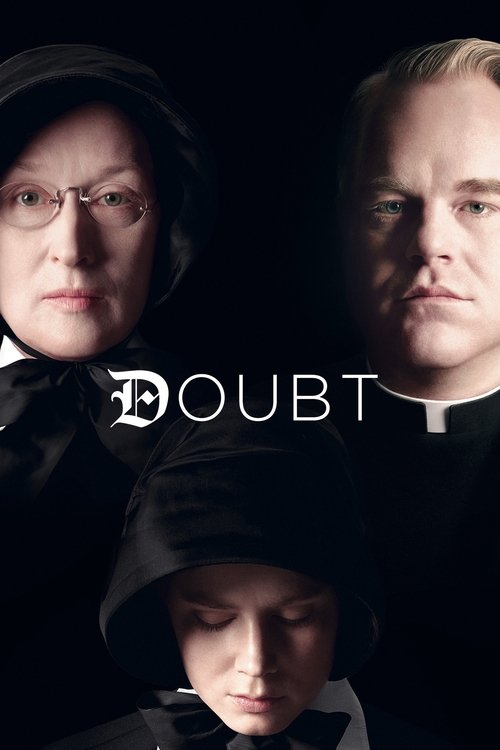
- 2008Second nomination for Doubt alongside Streep and Hoffman Doubt
- 2010Third nomination for The Fighter The Fighter
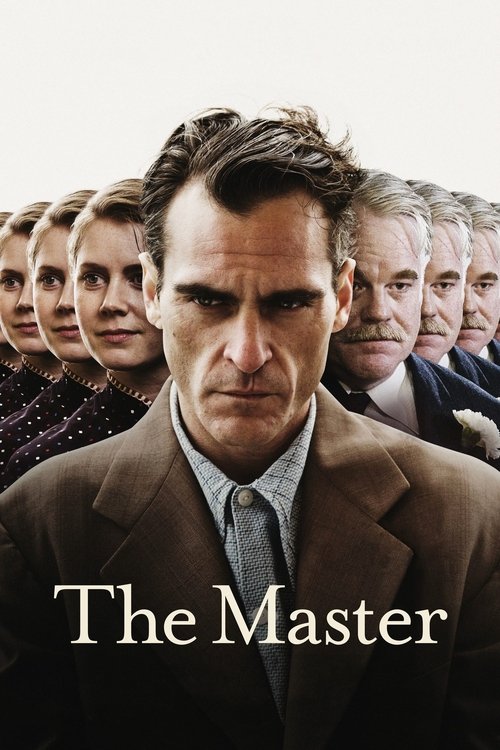
- 2012Opposite Joaquin Phoenix in The Master The Master
- 2013American Hustle brings her fourth nomination American Hustle
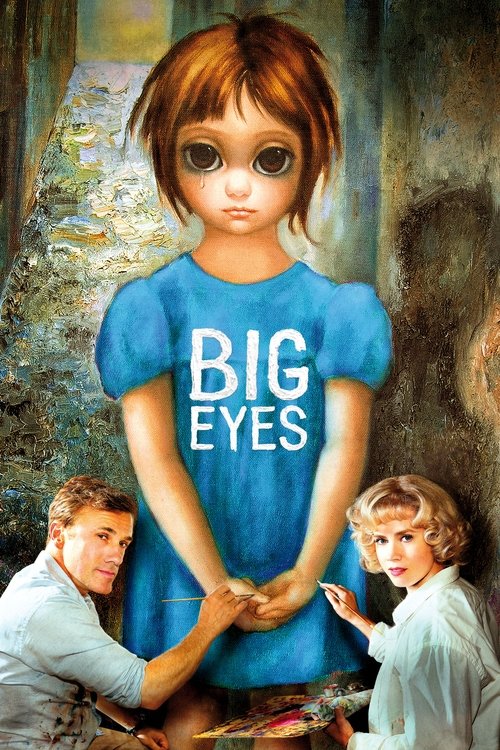
- 2014Big Eyes: fifth nomination, playing painter Margaret Keane Big Eyes
- 2016Arrival cements her place in science fiction history Arrival
- 2018Sharp Objects: HBO miniseries, career-best television Sharp Objects
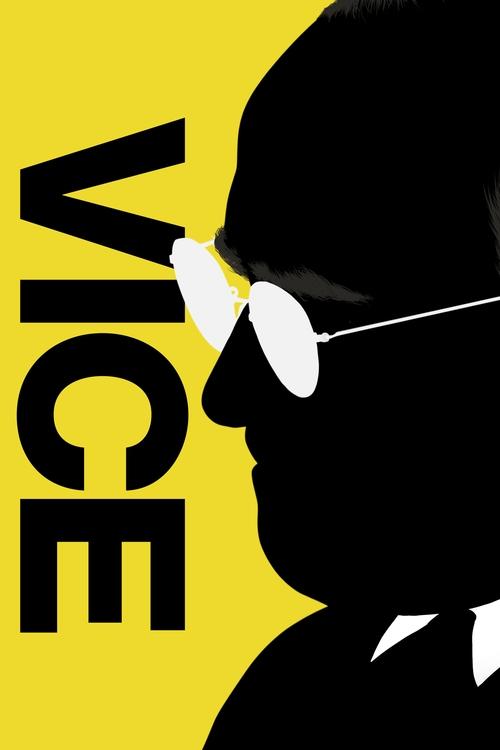
- 2018Sixth nomination for Vice as Lynne Cheney Vice
Quiet intensity, twisty thrillers
For Fans of Gone Girl
Explore the For Fans of Gone Girl guide →She never plays the result. She plays the process, and lets the audience arrive at the feeling themselves.CrossBinge editors