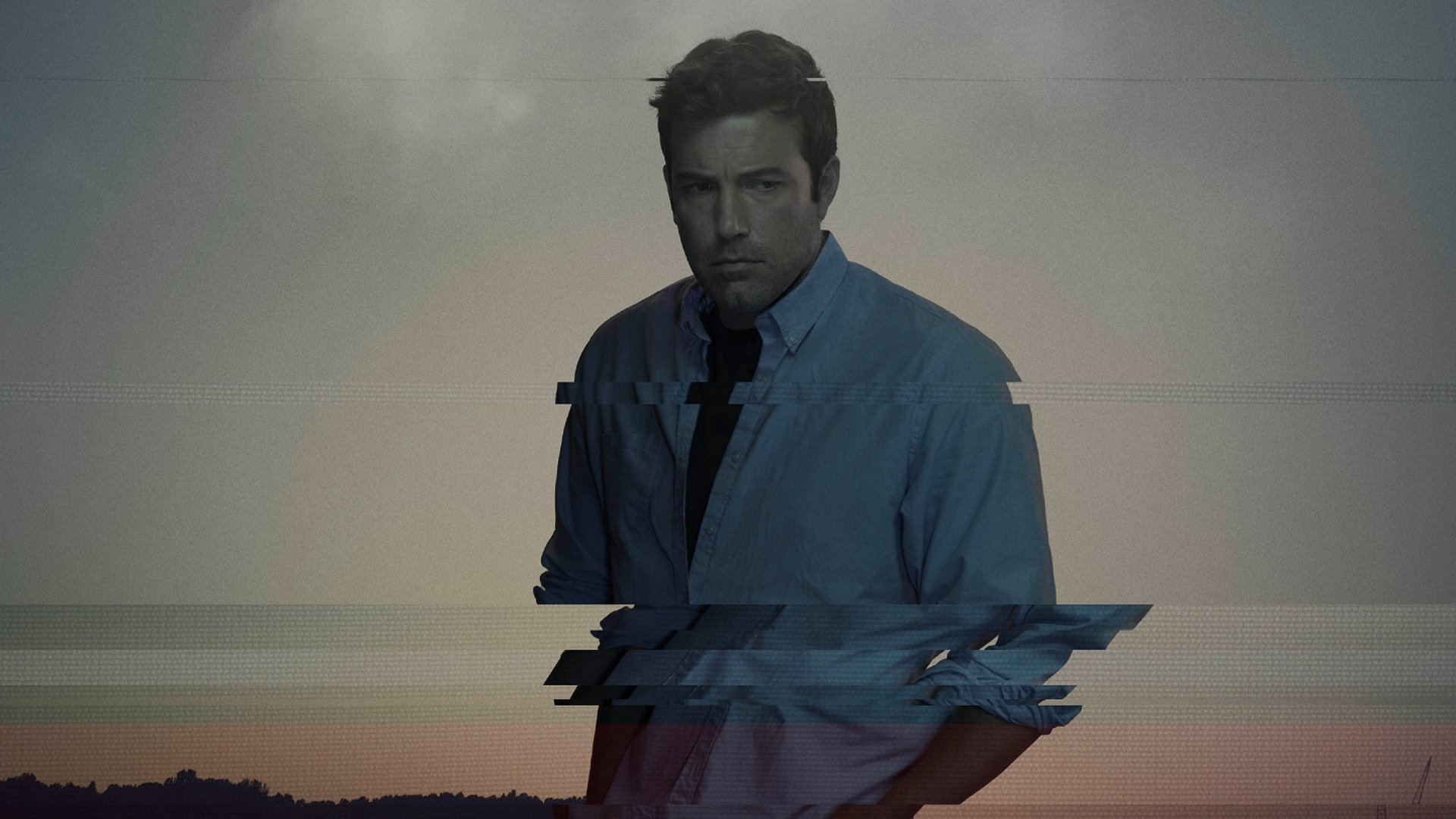

David Fincher's 2014 adaptation of Gillian Flynn's novel did something specific: it took the domestic thriller and made it feel like a horror film wearing a wedding ring. The through-line a Gone Girl fan chases is not just a mystery to solve. It is the creeping realization that people construct themselves for their audiences, that marriages are negotiations between performances, and that the most dangerous place to be is inside someone else's story. Flynn's ice-cold prose and Fincher's clinical precision fit together so well that the film feels like a single authorial voice. If that combination got under your skin, the works below know the same territory.
Essential Gone Girl
The film itself, and the two other Gillian Flynn screen adaptations that share its bloodline
Same-Director Precision
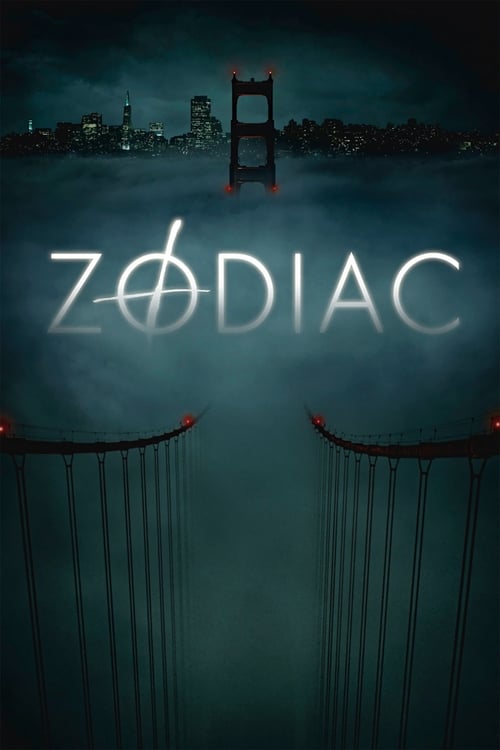
Fincher films that share the same controlled dread and interest in obsession

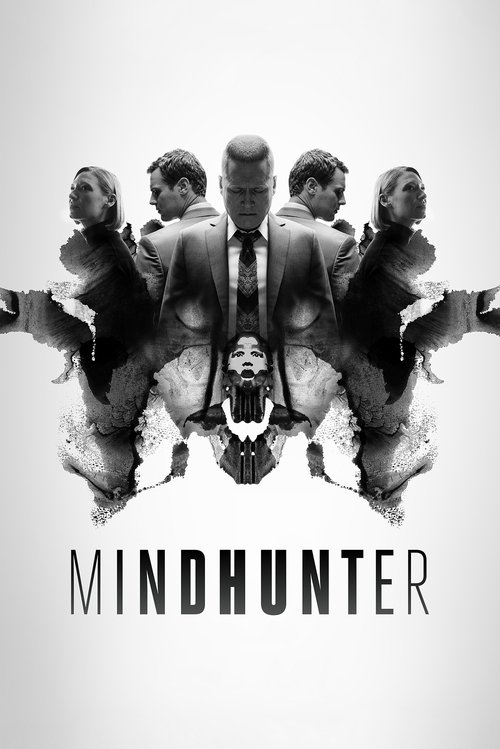
Psychological Thrillers in the Same Vein
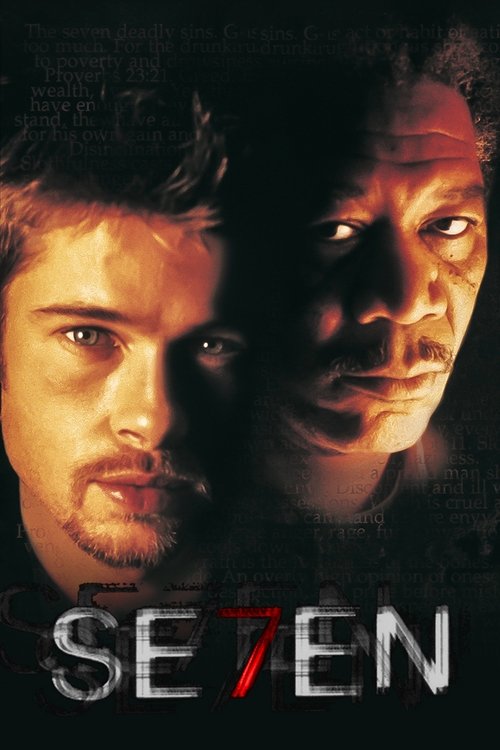
Films about identity, deception, and marriages or relationships gone very wrong
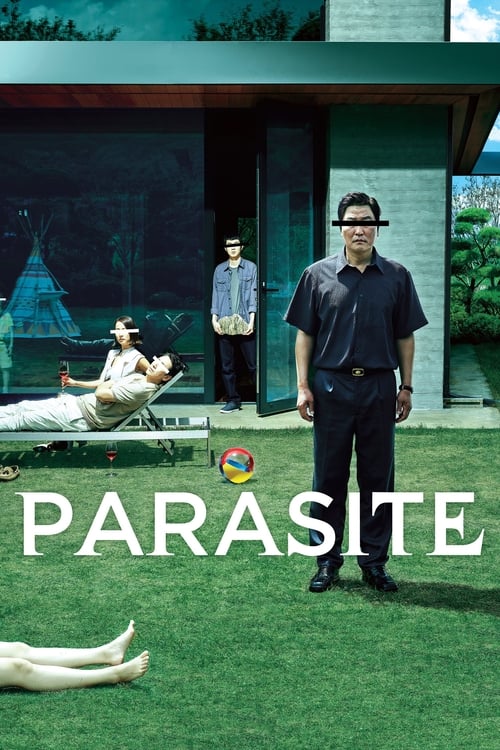
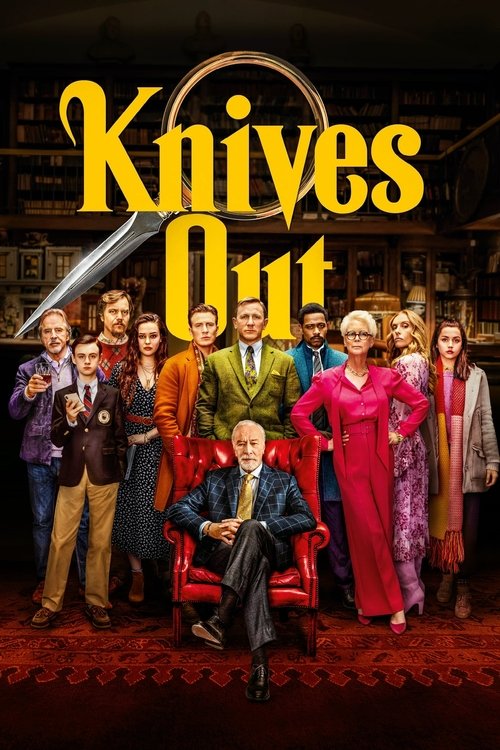
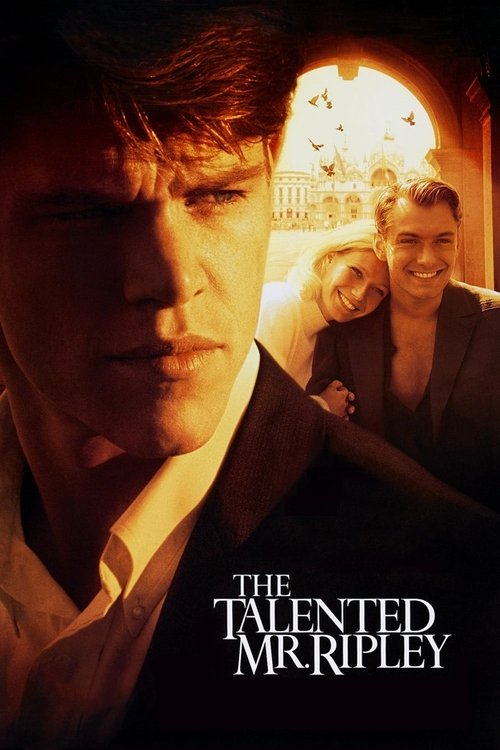
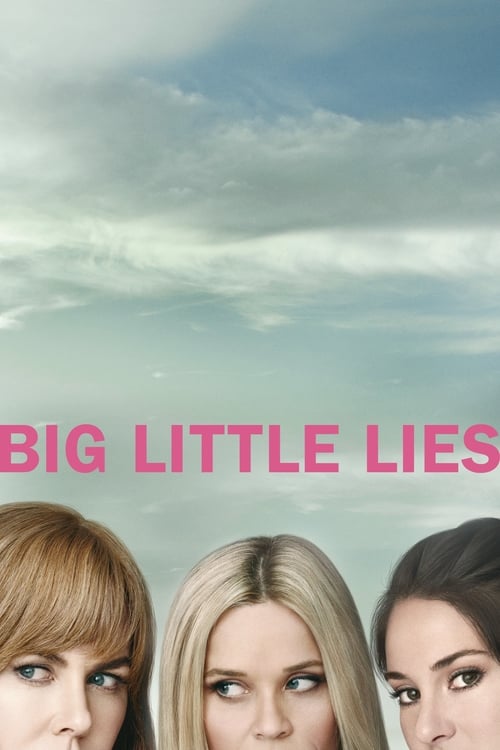
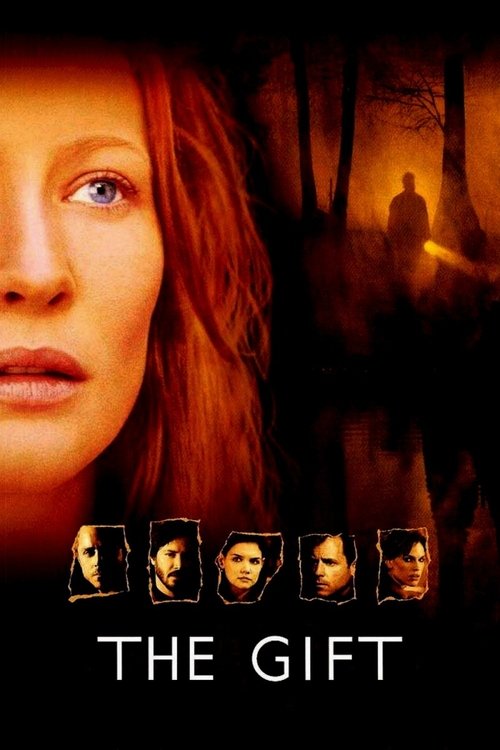
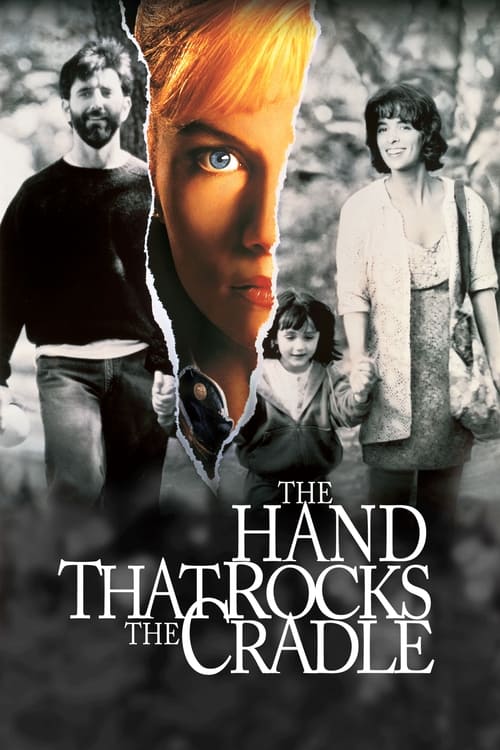
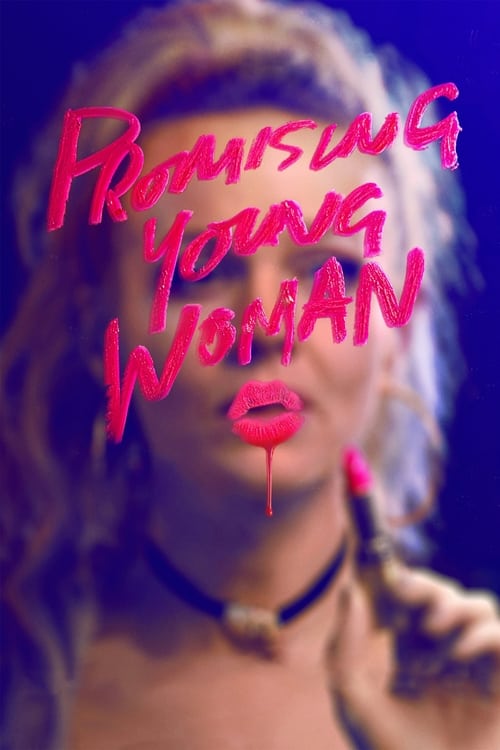
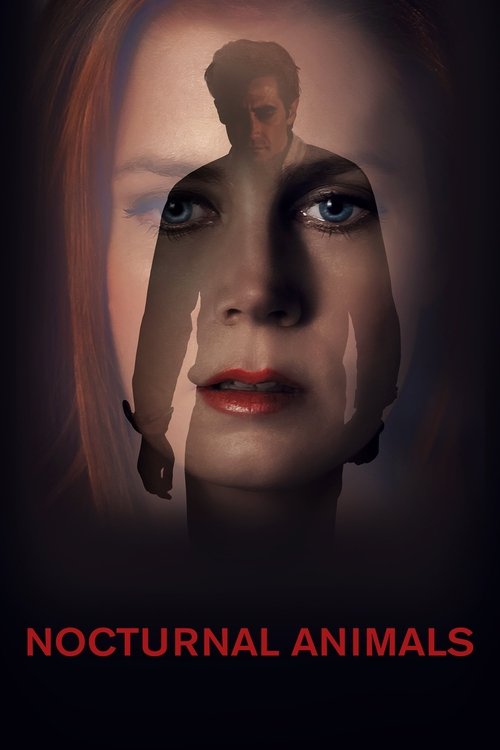
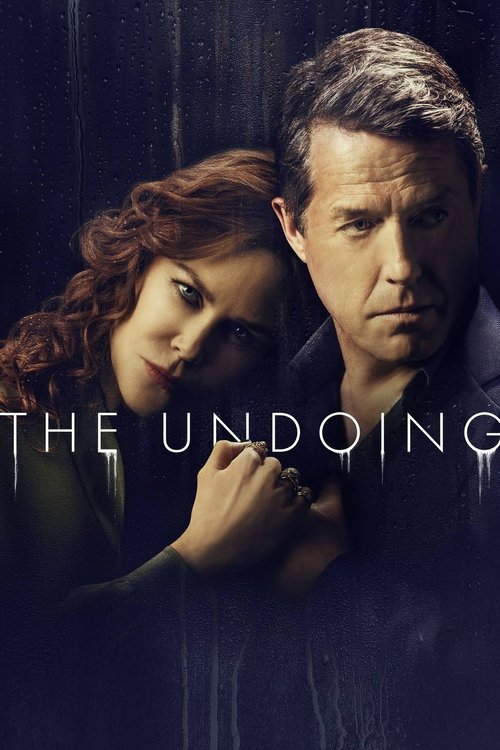
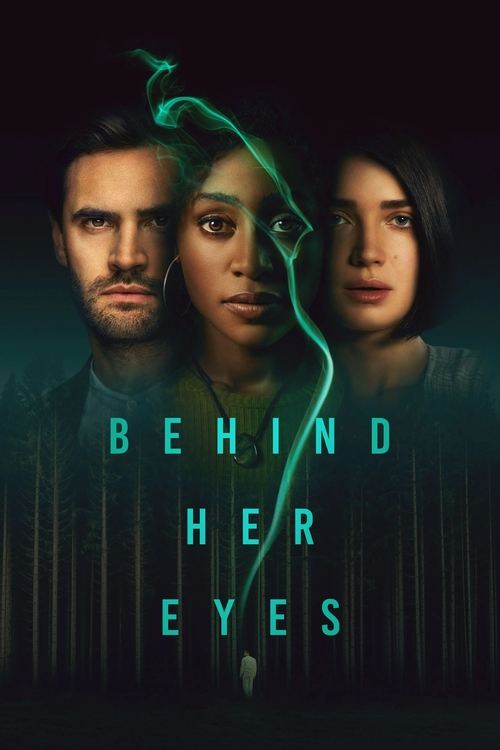
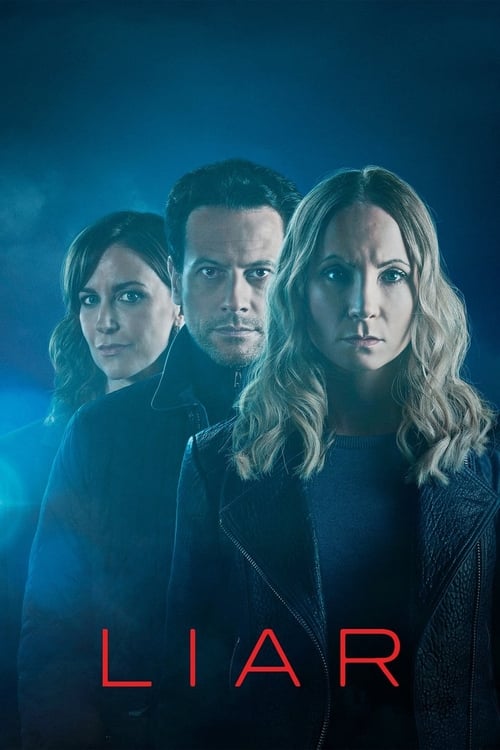
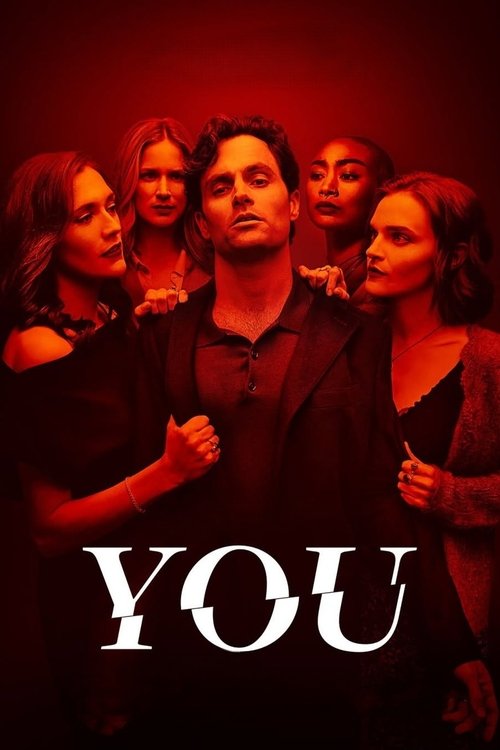
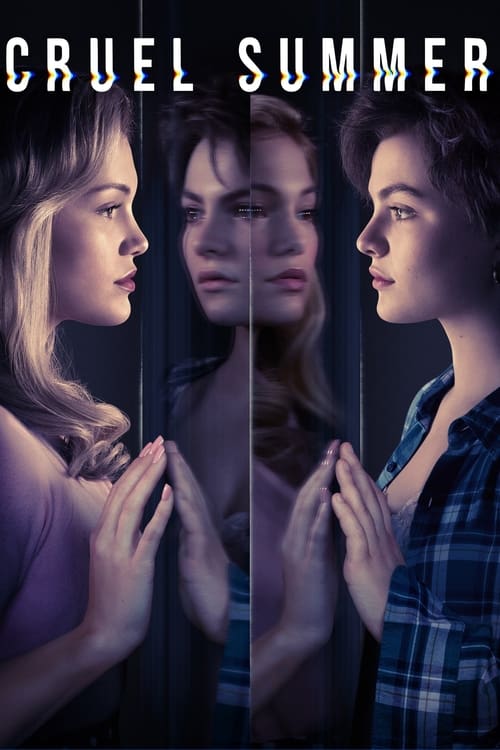
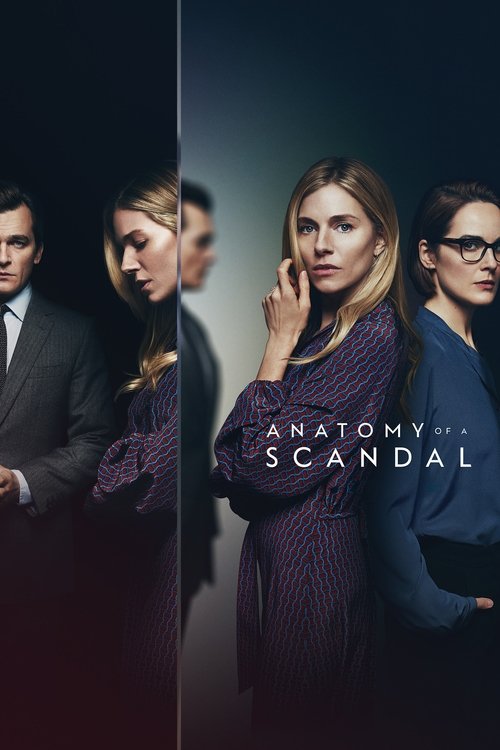
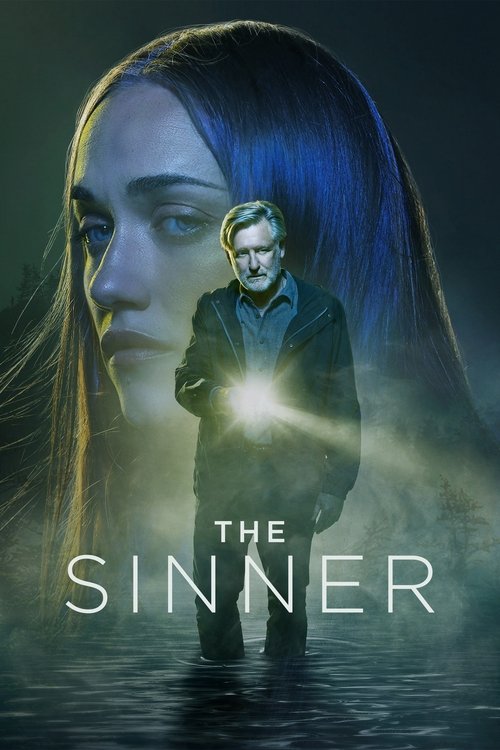
Series That Chase the Same Unease
TV that builds slow dread, unreliable perspectives, and domestic menace
The Novels Behind the Feeling
Books that weaponize the unreliable narrator and the poisoned domestic space


Games About Identity, Deception, and Moral Vertigo
Games that foreground unreliable information, performed selves, and the cost of trust
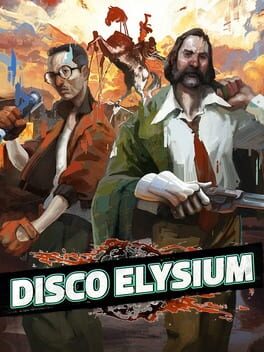

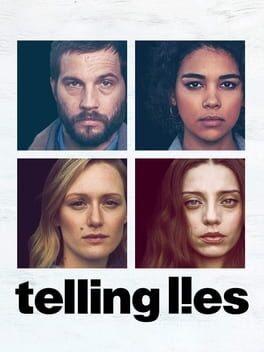
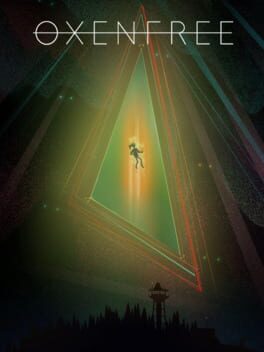
The Cool Girl Speech Is the Film's Real Subject
Gone Girl is about many things, but its sharpest edge is the performance women are expected to maintain. The Cool Girl monologue names something real: the exhausting work of becoming what someone else wants, and the fury that builds when the performance is no longer sustainable. Flynn wrote it as a provocation, and Fincher shoots it as horror. That is why the film cuts deeper than most thrillers. It is not just a whodunit. It is an anatomy of resentment.
Fincher and Trent Reznor Are a Unit
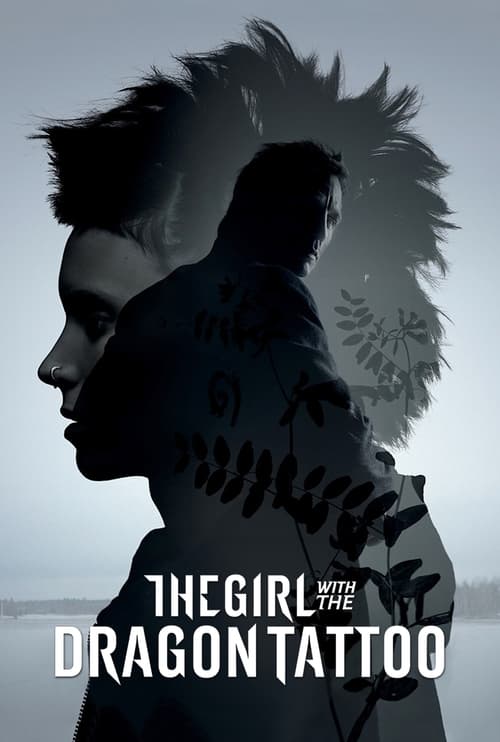
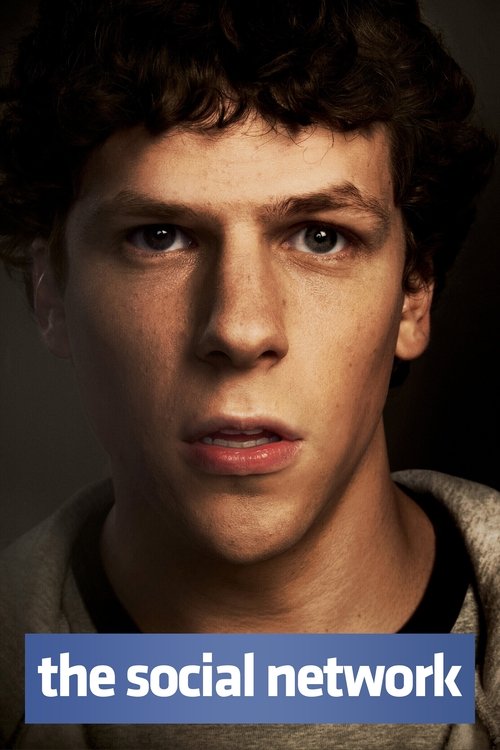
Trent Reznor and Atticus Ross scored Gone Girl, The Social Network, and The Girl with the Dragon Tattoo for Fincher, and each score is indistinguishable from the film's visual tone. The music does not underline emotions; it replaces them with a hum of static and unease. This is a working relationship that defines how a generation of thrillers sound. If you are watching any Fincher film, the score is not background.
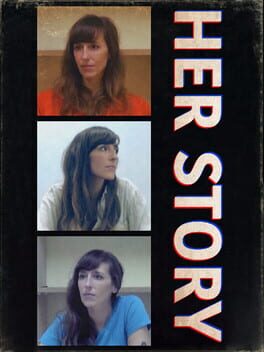
Sam Miller's Her Story Is Gone Girl As a Game
Sam Barlow's Her Story (2015) gives you a database of police interview clips and no instructions. You piece together what happened to a missing man through fragments of his wife's testimony, deciding for yourself what is true. The experience is structurally identical to what Flynn does on the page: you are constantly re-reading the same person and revising your verdict. It is the closest thing to a playable Gone Girl.
The Domestic Thriller Novel Peaked in the 2010s
Gone Girl (2012) arrived alongside The Girl on the Train, The Woman in the Window, Behind Closed Doors, and The Silent Patient, creating what critics called the domestic thriller wave. All share the same architecture: a woman, a house, a marriage, and a narration you cannot trust. Flynn wrote the most savage version, but the shelf rewards exploration. Read them in order of publication and watch the subgenre sharpen its own blade.
A Decade of Unreliable Narrators
- 2012Gillian Flynn publishes the source novel Gone Girl
- 2013Sharp Objects adapted for TV development begins Sharp Objects
- 2014Fincher's film adaptation released, becomes a cultural event Gone Girl
- 2015Her Story redefines interactive narrative Her Story
- 2016The Girl on the Train film adaptation arrives The Girl on the Train
- 2018Sharp Objects premieres on HBO with Amy Adams Sharp Objects
- 2019The Undoing begins production, premieres 2020 The Undoing
- 2021The Silent Patient becomes a bestseller, adaptation in development
Unreliable narrators and poisoned marriages
For Fans of Gillian Flynn
Explore the For Fans of Gillian Flynn guide →Rosamund Pike plays Amy Dunne not as a villain but as a woman who decided to stop pretending. That is what makes the film so unsettling. The audience keeps waiting for the mask to slip, not realizing the mask is the point.CrossBinge editorial