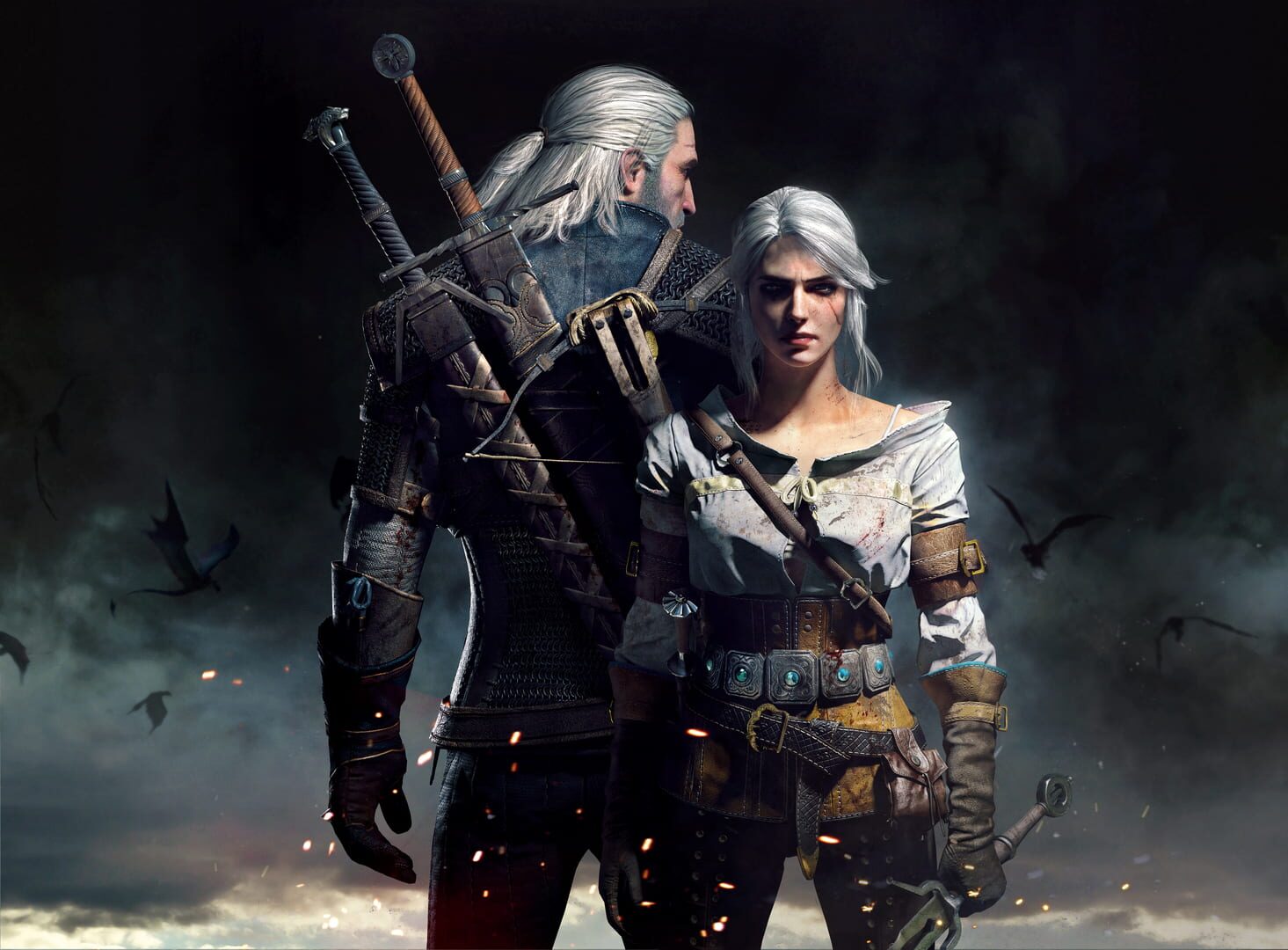

Andrzej Sapkowski spent decades as a foreign-trade specialist before submitting a short story about a silver-haired mutant monster hunter to a Polish magazine contest in 1986. He came third. That story became the seed of The Witcher, a literary phenomenon that redefined Slavic fantasy and eventually spawned one of the most successful video game franchises in history. Sapkowski draws on Central European folklore (strzyga, leshy, rusalka) rather than Tolkienian high fantasy, and his Geralt of Rivia stories work as allegorical fables about racism, war atrocities, and the myth of the neutral bystander. The through-line fans love: moral complexity without easy resolution, dark wit without nihilism, and a world that feels lived-in because its violence has consequences.
Essential Andrzej Sapkowski
His own books, in the order fans recommend


Screen Adaptations Worth Your Time
Geralt on film and television
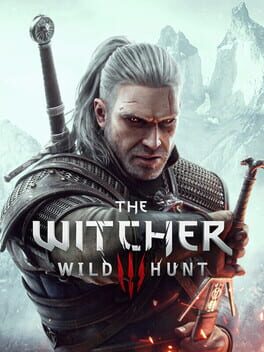
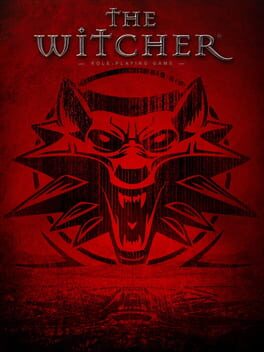
Games That Carry the Torch
From the CD Projekt RED trilogy to games that share the same moral DNA
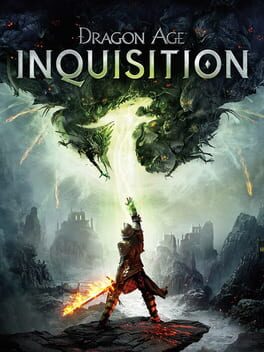
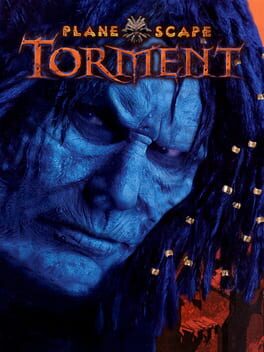
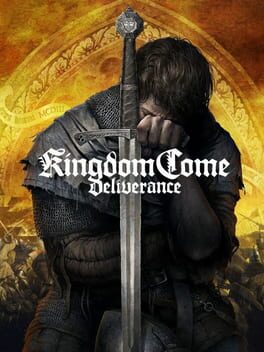
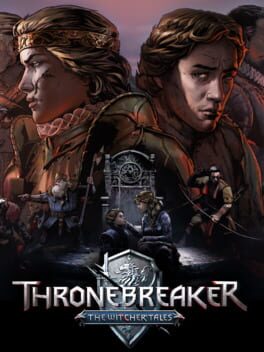
Authors Who Write the Same Grey Territory
Books for readers who want moral ambiguity and dark folklore


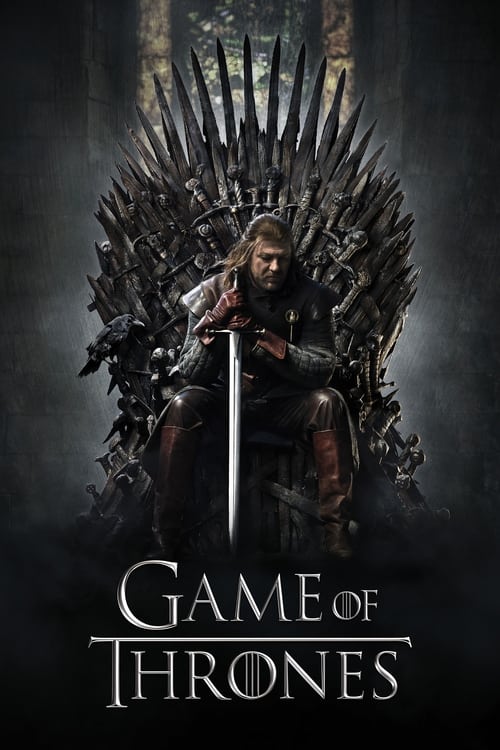
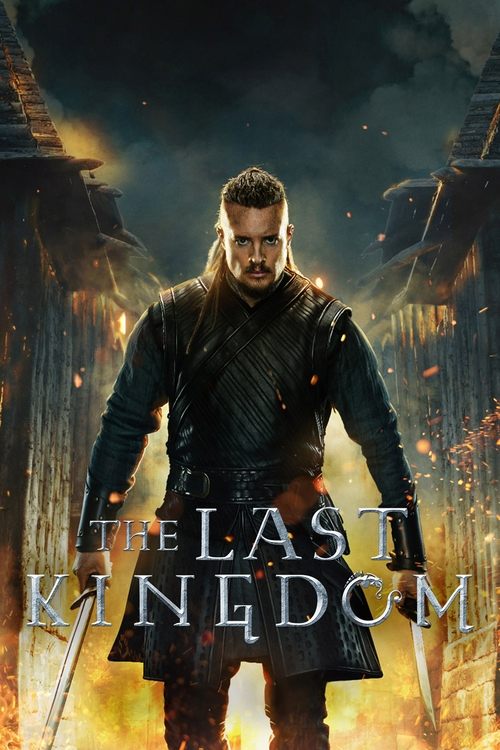
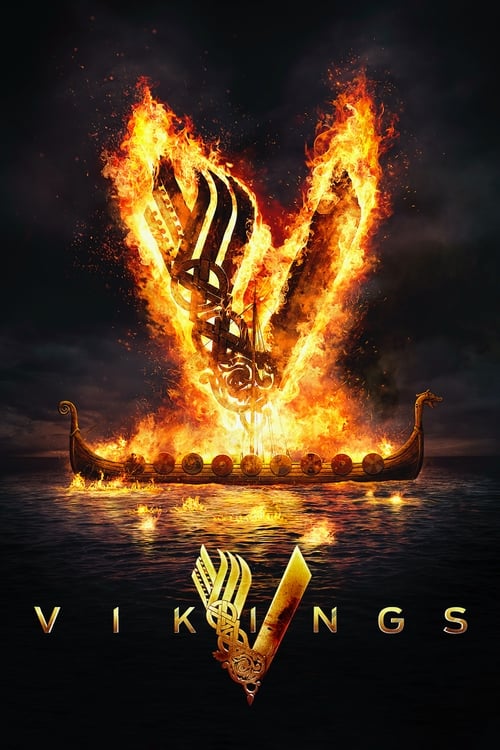
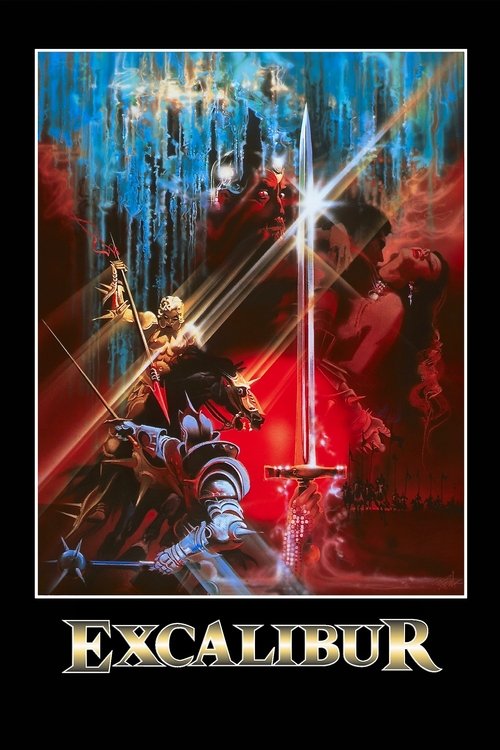
Films and Series with the Same Gritty Folklore Energy
Dark, politically charged, rooted in cultural mythology



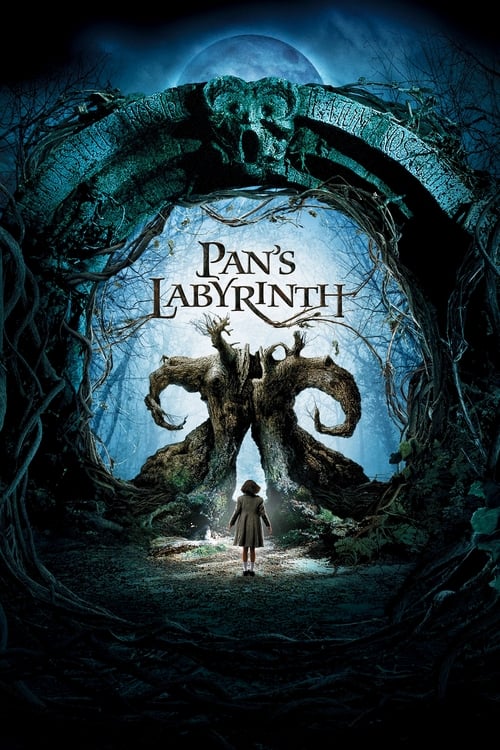
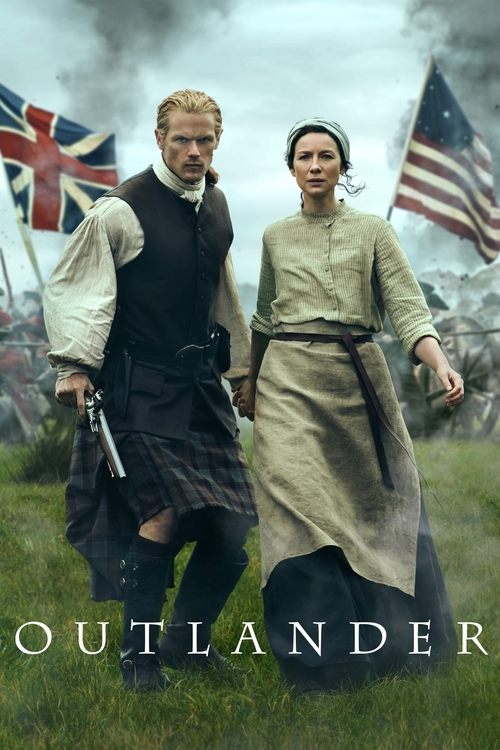
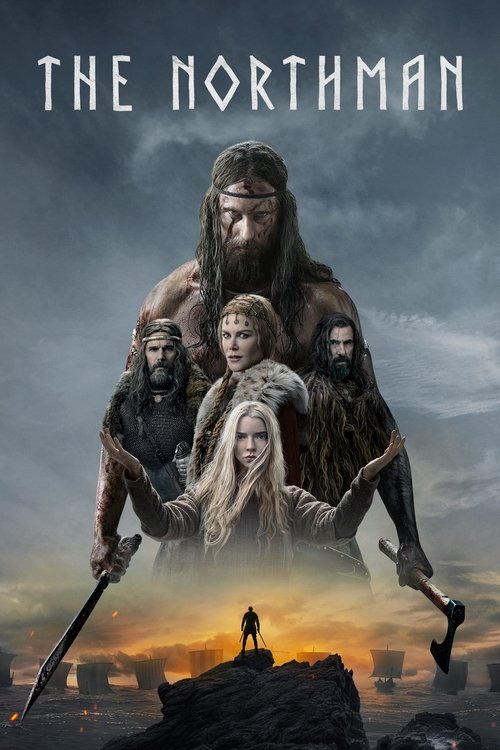
What CD Projekt RED Got Right (and Changed)
The Witcher 3: Wild Hunt is among the best games ever made, but it is not Sapkowski's story. The canonical Geralt of the books loses his memory and neutrality means something quite specific. CD Projekt's Geralt is warmer, more expressive, and more willing to commit. Neither version is wrong: the games are a sequel that the studio negotiated rights to write themselves. Understanding the distinction makes both richer. Sapkowski famously sold the rights cheaply before the games became a global sensation, a regret he has been vocal about in interviews.
The Netflix Series: A Fair Starting Point
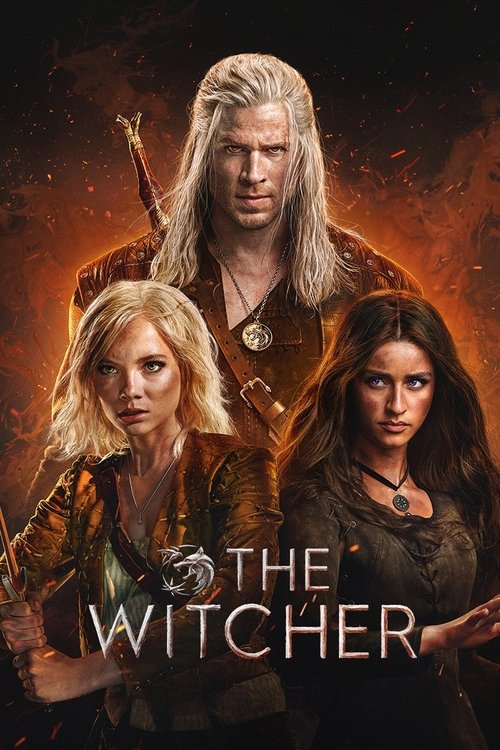
The Netflix adaptation starring Henry Cavill has genuine strengths: the production design, the early monster-of-the-week episodes closely adapted from the short stories, and Cavill's physical commitment to the role. Season one holds up well for newcomers. The series loses its way in later seasons as it departs from the source and rewrites character motivations. Treat it as a parallel interpretation rather than a faithful adaptation, and the early episodes are a genuine pleasure for fans of the books.
Sapkowski's Deeper Obsession: War and Its Survivors
The Saga novels (Blood of Elves through Lady of the Lake) shift from monster-hunting fables to a war narrative about displaced peoples, child soldiers, and the political machinery that grinds ordinary people. Ciri's storyline in particular is a coming-of-age story set against ethnic cleansing and imperial annexation. Sapkowski has cited the Balkan Wars as a direct influence on the portrayal of Nilfgaard's conquest. Readers who engage with the later books as political allegory rather than pure adventure find them considerably more powerful.
Sapkowski and the Witcher Across Decades
- 1986The short story 'The Witcher' published in Fantastyka magazine, placing third in a reader contest
- 1990The Last Wish stories collected in book form
- 1992Sword of Destiny published in Poland
- 1994Blood of Elves begins the Saga
- 1999Polish film and TV series Wiedzmak released, receiving a mixed response from Sapkowski
- 2007CD Projekt RED releases the first Witcher game The Witcher
- 2011The Witcher 2 releases, expanding the political complexity of the world
- 2015The Witcher 3: Wild Hunt launches to universal acclaim The Witcher 3: Wild Hunt
- 2019Netflix series debuts with Henry Cavill as Geralt The Witcher
- 2023Season three of the Netflix series marks the final season with Henry Cavill The Witcher
More for the dark fantasy faithful
For Fans of The Witcher
Explore the For Fans of The Witcher guide →Evil is evil. Lesser, greater, middling, it's all the same. I'm not judging you. I'm judging the game.Geralt of Rivia, The Last Wish