

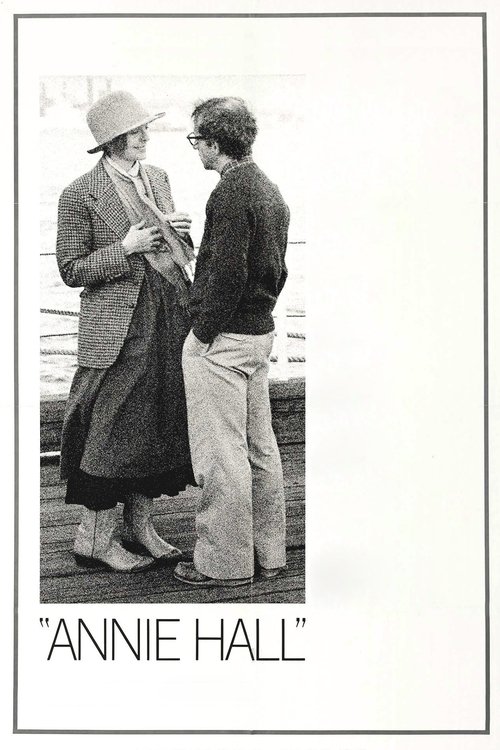
Annie Hall (1977) changed what a romantic comedy could be. Woody Allen's Alvy Singer breaks the fourth wall, reshuffles memory, and argues with the past self who made bad choices. The love story ends before it begins and the film asks you to sit with that. What Annie Hall fans keep chasing is a specific feeling: smart, self-aware people who care too much, in a city that feels alive, talking at each other about feelings they can barely name. The comedy comes from the gap between how people see themselves and how they actually behave.
Essential Annie Hall
The film itself and the Allen films that share its restless, confessional energy




Same-Vibe Films: Talking Through the Feeling
Films where intelligent, neurotic characters dissect love and life in real time





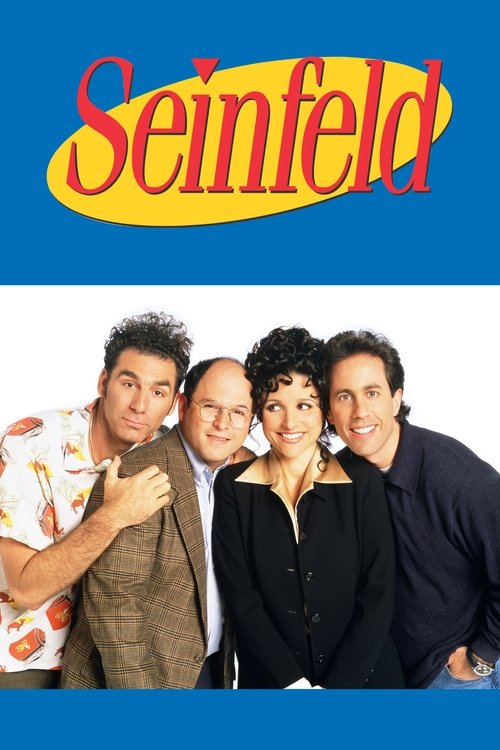
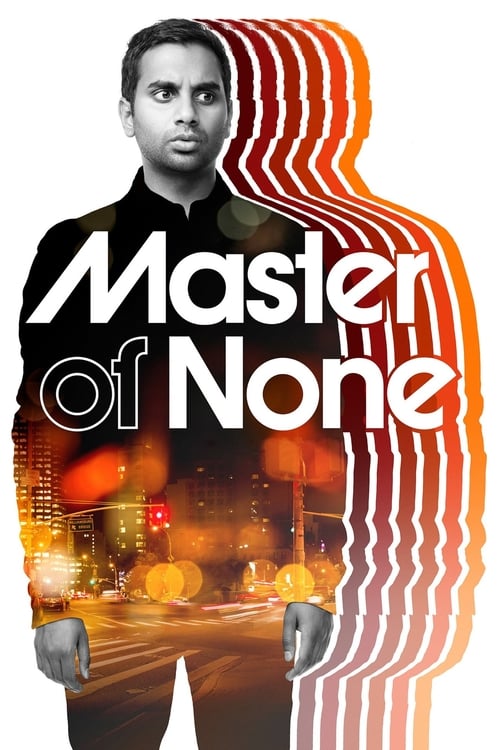
Series in the Same Vein
Television that captures the Annie Hall texture: sharp dialogue, urban anxiety, love as comedy







Novels That Live in the Same Head
Books with the introspective, self-lacerating voice Annie Hall fans recognize


Games With That Reflective, Conversational Core
Games where the writing and human connection are the point







The Music That Plays in the Background
Jazz, singer-songwriters, and albums that share the warmth and wistfulness of the film
The Fourth Wall Is the Point
When Alvy Singer stops the film to ask strangers on the street to settle an argument, Allen is doing something specific: he's insisting that the audience is not off the hook. The direct address forces complicity. You are not watching a love story unfold at a safe distance; you are being recruited into Alvy's unreliable narration. Fleabag does it. Louie does it. It keeps appearing because it solves a real problem: how do you let audiences inside a character's head without voiceover that feels like cheating?

New York as a Character
Annie Hall's New York is not backdrop, it is pressure. The city's density and pace create the conditions for the relationship's intensity and its collapse. Allen's New York films collectively built a particular image of Manhattan that shaped how a generation of writers and filmmakers thought about urban life and creative ambition. That image is melancholy, funny, and slightly aggrandized, which is exactly why it keeps working.
When Comedy and Sadness Are the Same Thing
The film's final joke, about the egg, is one of cinema's great encapsulations of why people stay in relationships that are making them miserable. Allen delivers it as a punchline and a thesis simultaneously. The best comedies in this vein do the same: they get laughs precisely because they are accurate about pain. Eternal Sunshine of the Spotless Mind, Heartburn, High Fidelity, all approach romantic failure from the same angle and arrive at something funnier and sadder than either genre alone.
The Unreliable Narrator as Romantic Lead
Alvy cannot be trusted to tell this story accurately, and the film knows it. The scene where he and Annie remember their first meeting differently is a technical demonstration of a psychological truth: people in relationships are not experiencing the same relationship. Disco Elysium takes this further, building an entire game around a narrator who is fractured and self-deluding. The Corrections does it across a whole family. When a work commits to this device honestly, it tends to be more emotionally accurate than conventional narration.
A Short History of the Neurotic Comedy
- 1959Some Like It Hot redefines romantic comedy as pure chaos Some Like It Hot
- 1967The Graduate arrives: the rom-com discovers ambivalence The Graduate
- 1977Annie Hall breaks the fourth wall and the genre simultaneously Annie Hall
- 1986Hannah and Her Sisters brings the same cast back to New York Hannah and Her Sisters
- 1989When Harry Met Sally gives Allen's template a warmer resolution When Harry Met Sally...
- 1995Before Sunrise strips it to two people and one night Before Sunrise
- 2000High Fidelity brings the self-obsessed breakup narrator to London High Fidelity
- 2004Eternal Sunshine fuses the structure with science fiction Eternal Sunshine of the Spotless Mind
- 2016Fleabag takes direct address to television, earns its grief Fleabag
More neurotic comedy and romance
For Fans of Woody Allen
Explore the For Fans of Woody Allen guide →A relationship is like a shark. It has to constantly move forward or it dies. What we got on our hands is a dead shark.Alvy Singer, Annie Hall (1977)