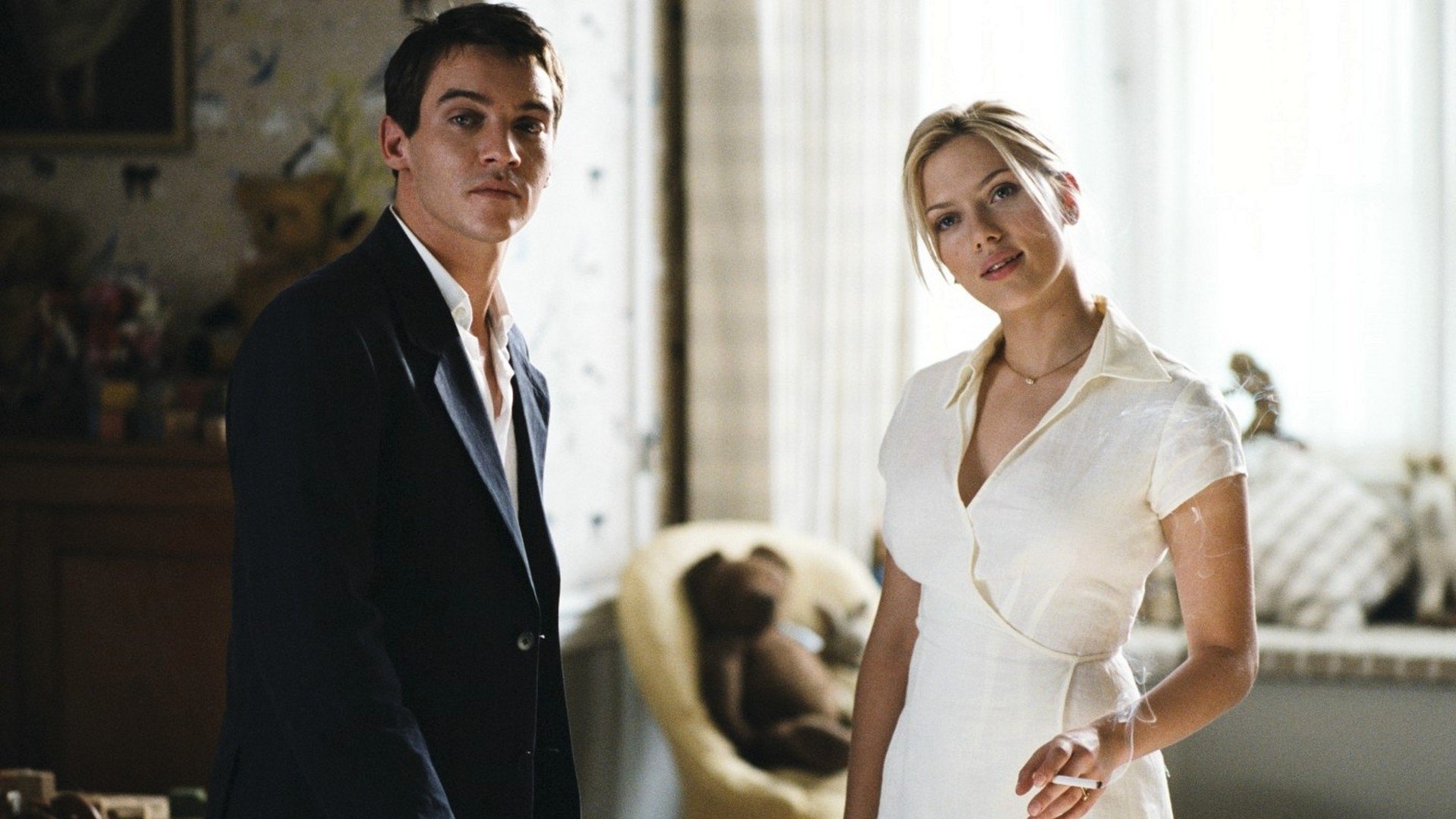

The Man Who Made Anxiety Beautiful
Woody Allen has been making films about people who cannot stop talking, cannot stop worrying, and cannot stop falling in love in the worst possible ways since the early 1970s. The texture of his world is specific and unmistakable: New York as a kind of secular church, jazz as the sound of intelligent melancholy, and the sense that even the most trivial social embarrassment carries genuine philosophical weight. His characters read Kierkegaard and betray their spouses. They quote Ingmar Bergman and pick fights with strangers in movie queues. They are insufferable and completely recognizable.
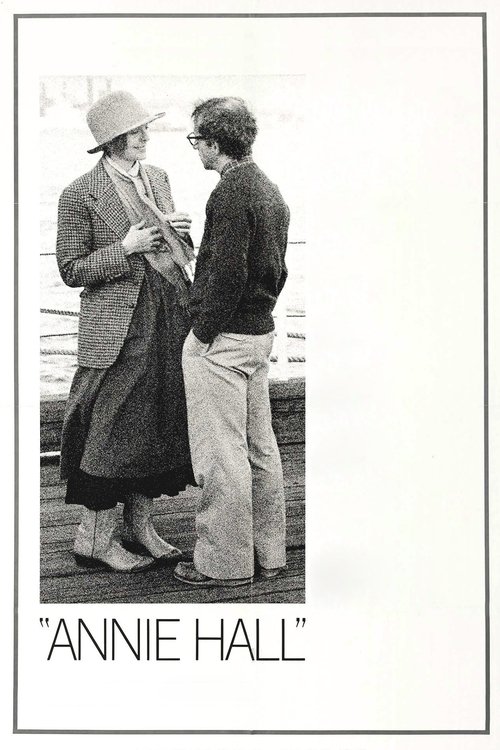
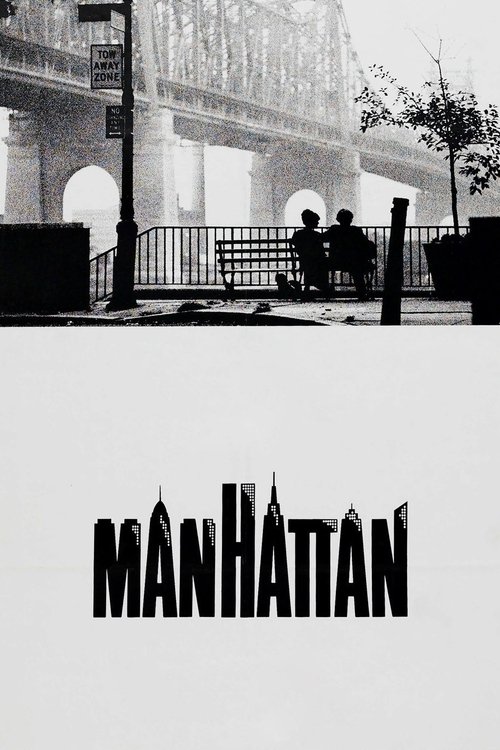
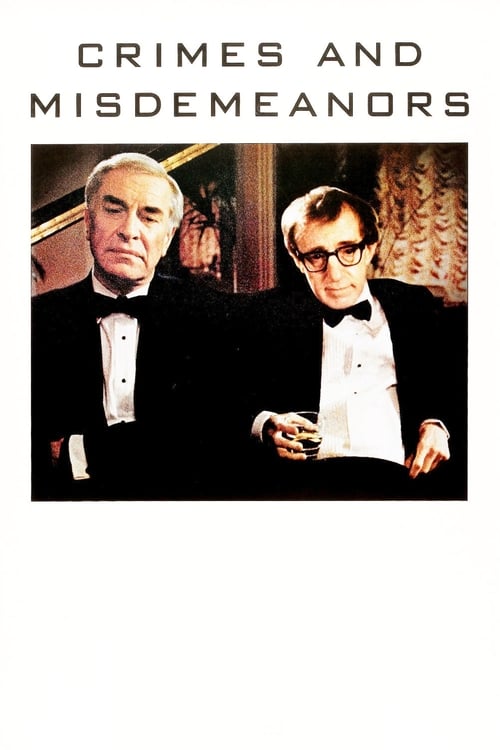
The thread across his best work is the collision between high culture and low anxiety. Annie Hall cracked open the romantic comedy and put its entrails on display. Manhattan turned self-loathing into something close to a love letter. Crimes and Misdemeanors asked whether the universe cares about morality and gave a genuinely disturbing answer. Even his lighter comedies carry a residue of unease, a sense that the joke and the abyss are sharing the same frame.
Fans of Allen tend to be fans of a particular mode: the literary, the neurotic, the European-inflected, the psychoanalytically aware. They like films where people argue about Tolstoy in restaurants and where comedy and grief occupy the same scene without apology. This guide follows that thread outward.
Essential Woody Allen
Where to start, where to go deeper, and the ones even his fans overlook


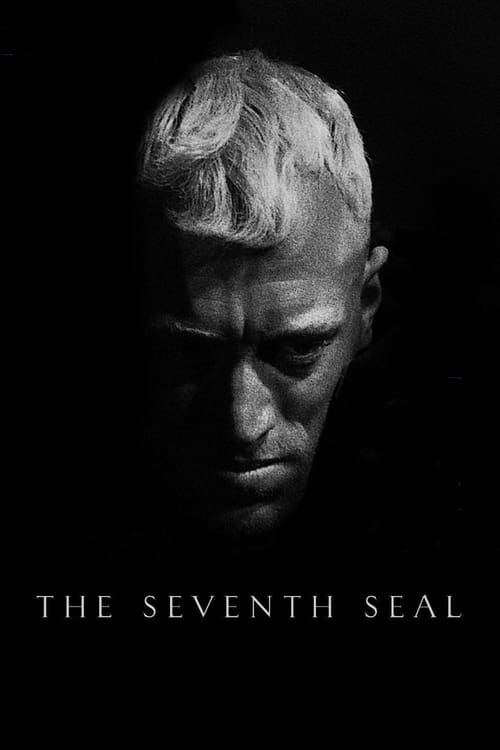
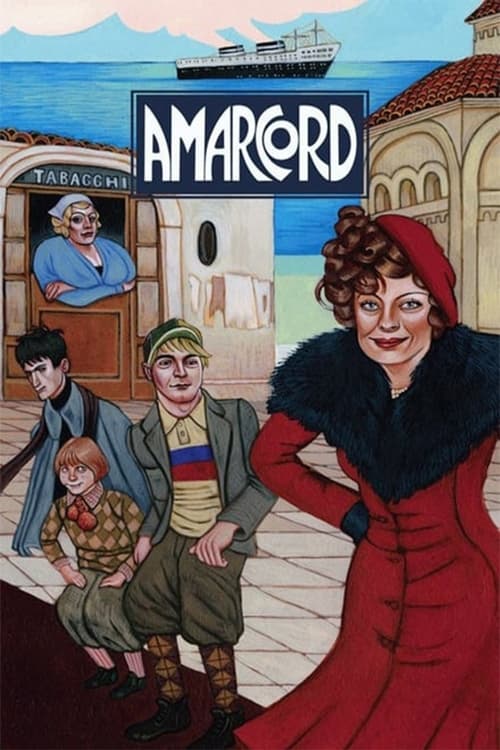
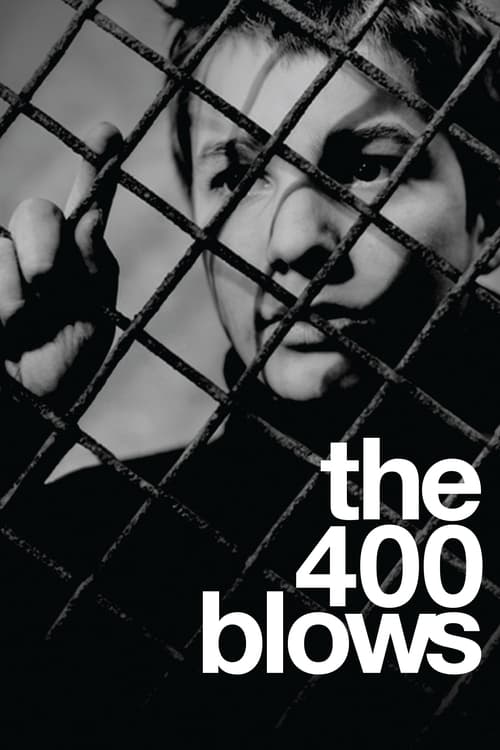
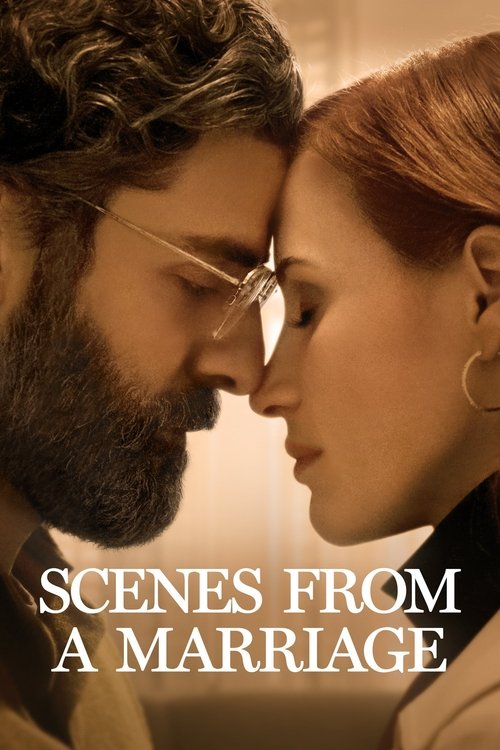
The European Conscience He Borrowed From
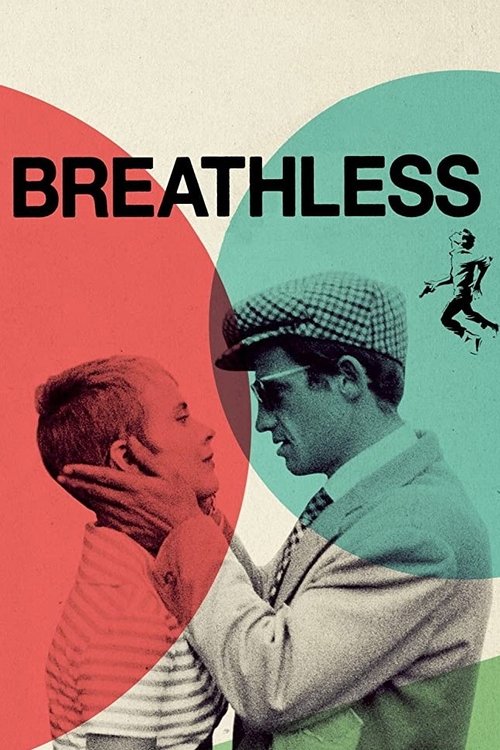
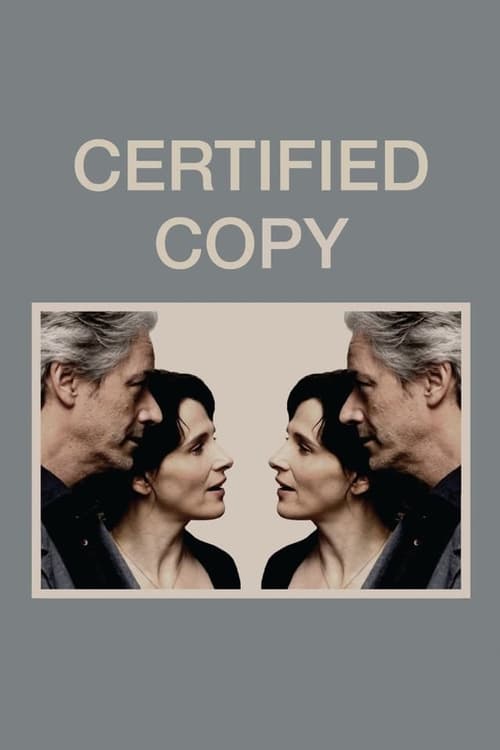
The filmmakers Allen spent his career in conversation with


New York as a State of Mind
Films and books that live inside the same island mythology


Comedy That Knows It Is Sad
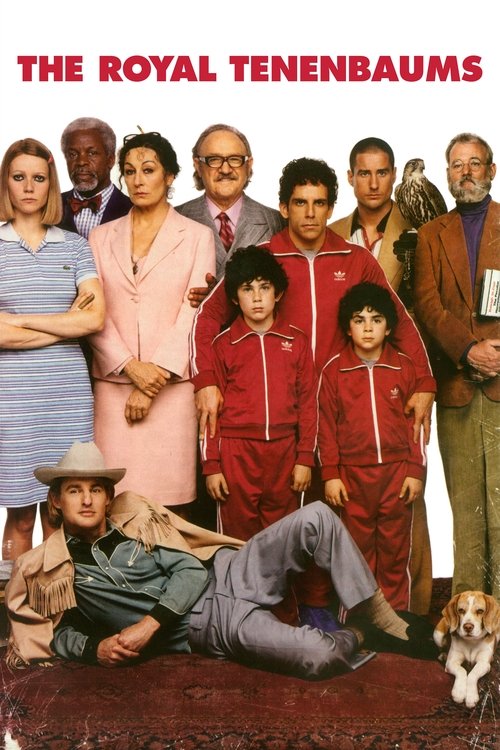
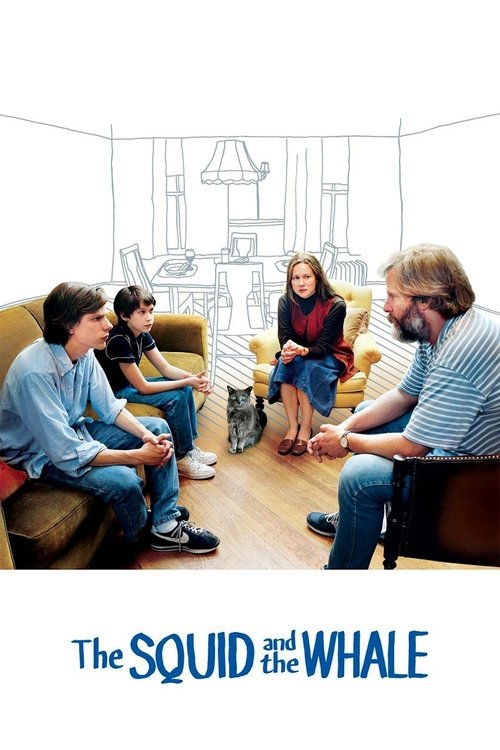
The joke and the tragedy occupying the same breath
Intellectuals Behaving Badly
Books for the shelf of every Allen protagonist


Start with Annie Hall, not Manhattan
Annie Hall is the correct entry point because it is the film where Allen figured out what he was actually doing. It is formally daring in a way that still lands (the split-screen therapy scene, the direct address to camera) but it is also genuinely funny and genuinely sad in proportions that feel human rather than calculated. Manhattan is more beautiful and more self-regarding. Start with the one that argues with itself.
Crimes and Misdemeanors is his real masterpiece
The comedies are what people remember but Crimes and Misdemeanors is where Allen pressed hardest against something real. It is a film about whether guilt is intrinsic or just a social habit, and it refuses to answer comfortingly. The parallel stories (one farcical, one genuinely grim) eventually converge at a dinner party conversation that is among the bleakest endings in American cinema. It sits in the mind for days.
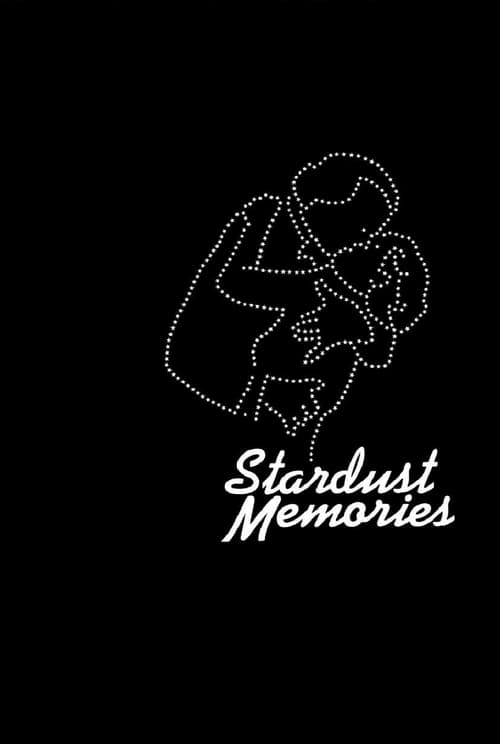
The underrated one is Stardust Memories
Allen's fans tend to skip Stardust Memories because it feels like he is complaining about them. He is, a little. But it is also his most Fellini-inflected film, his most formally ambitious, and the one where his obsession with time and regret is most nakedly stated. The audience discomfort is part of the point. It is better than its reputation.
Nobody learned more from Allen than Whit Stillman
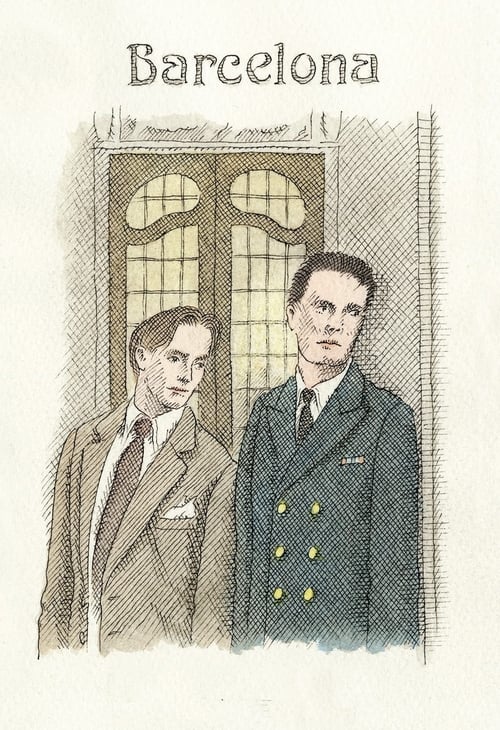
To understand what Allen built and who internalized it, watch Stillman's first three films. The characters are younger, the setting shifts from the Jewish intellectual milieu of the Upper West Side to WASP decline, but the commitment to people who define themselves through ideas and talk themselves into disaster is continuous. Metropolitan in particular has the quality of a film that knows exactly who it is.
I don't want to achieve immortality through my work. I want to achieve it through not dying.Woody Allen
A Career in Turning Points
- 1969Feature debut Take the Money and Run
- 1973Sci-fi parody Sleeper
- 1977The breakthrough Annie Hall
- 1979The love letter to New York Manhattan
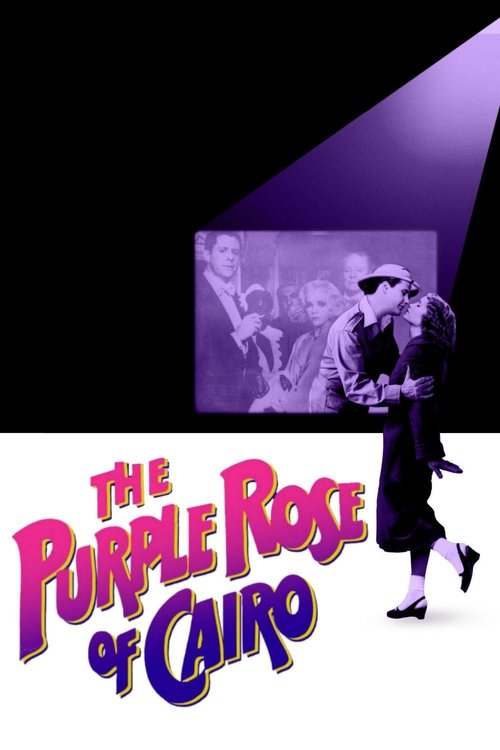
- 1985Meta-fiction as romance The Purple Rose of Cairo
- 1986Ensemble comedy peaks Hannah and Her Sisters
- 1989Moral philosophy, no easy exits Crimes and Misdemeanors
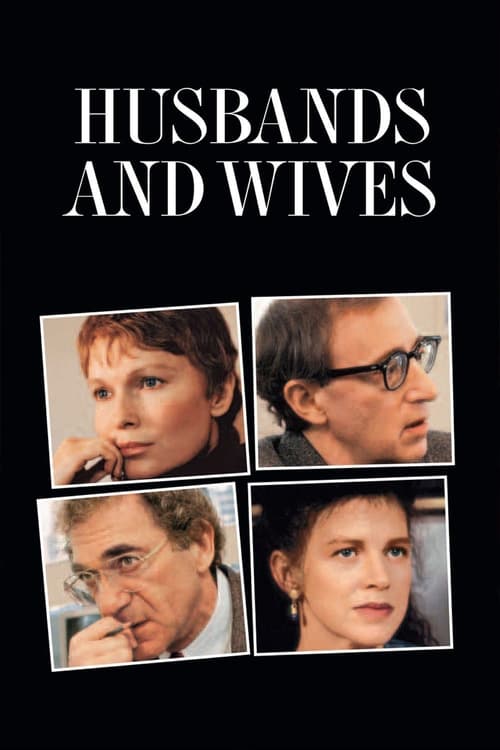
- 1992Verite style, raw domestic drama Husbands and Wives
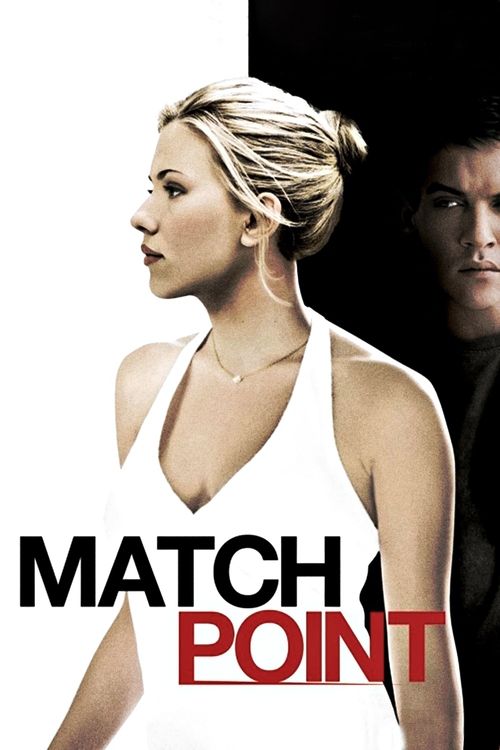
- 2005London pivot, Highsmith mode Match Point
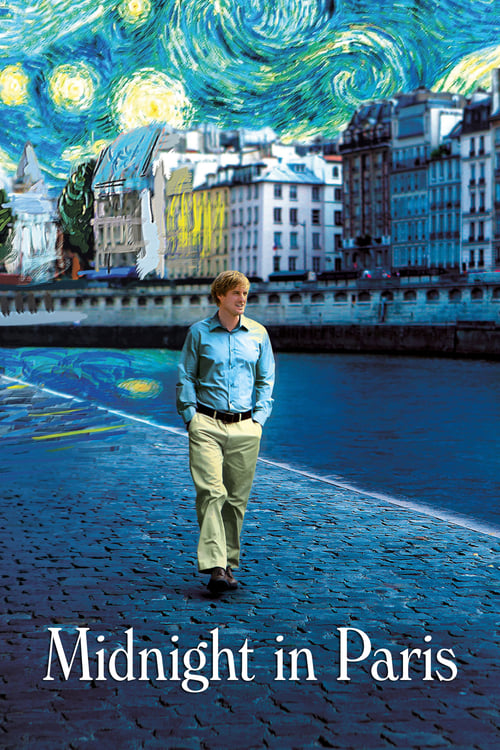
- 2011Nostalgia as philosophy Midnight in Paris
- 2013Tragedy, no irony Blue Jasmine