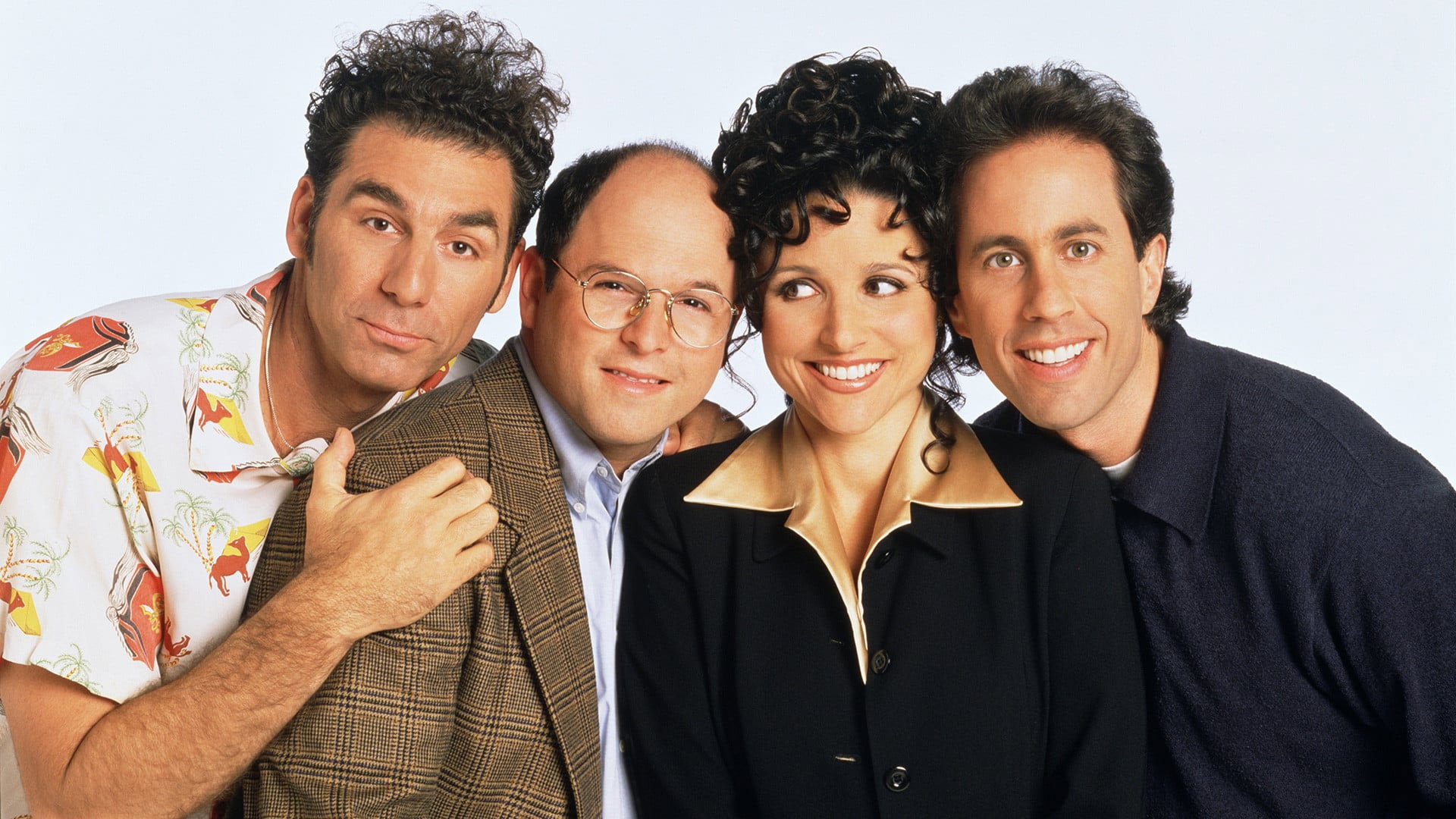

Seinfeld ran from 1989 to 1998 and became the gravitational center of American sitcom culture: four selfish, funny, fundamentally unkind people orbiting a Midtown diner, finding new ways to make each other miserable and dragging everyone else along. Jerry Seinfeld and Larry David built a show about nothing and somehow made that nothing carry the full weight of modern social anxiety. The pleasures are specific: the close observation of petty grievances, the domino-chain plotting, the way a minor slight in act one returns as a catastrophe in act three. If that rhythm is what you love, the works below know it too.
Essential Seinfeld
The nine seasons, ranked entry points, and the episodes every fan defends
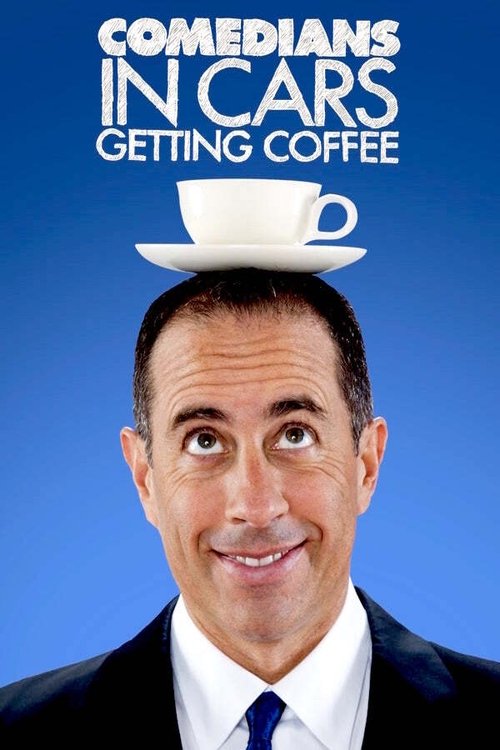

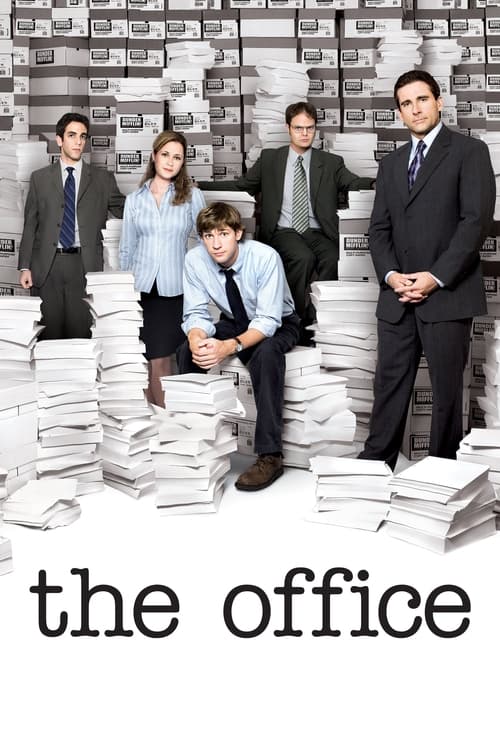
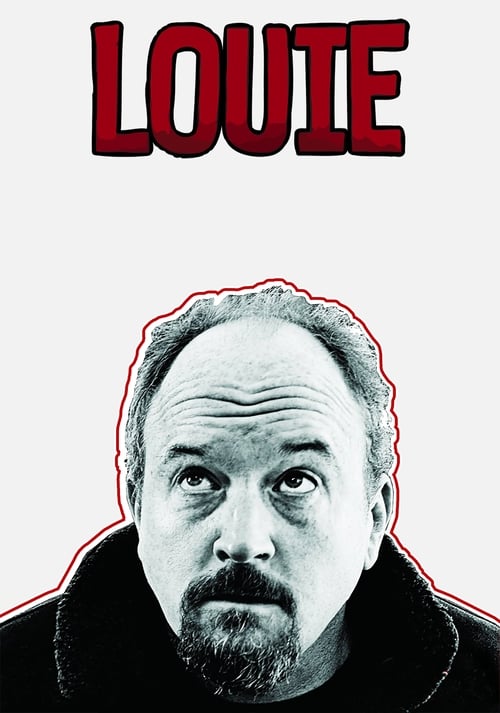
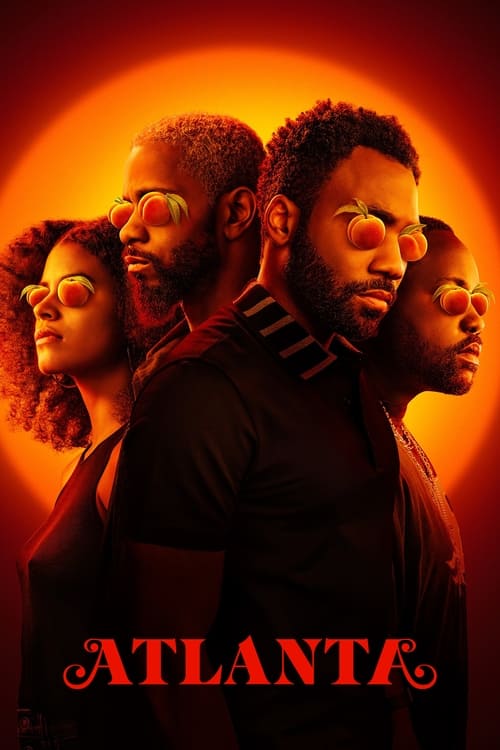
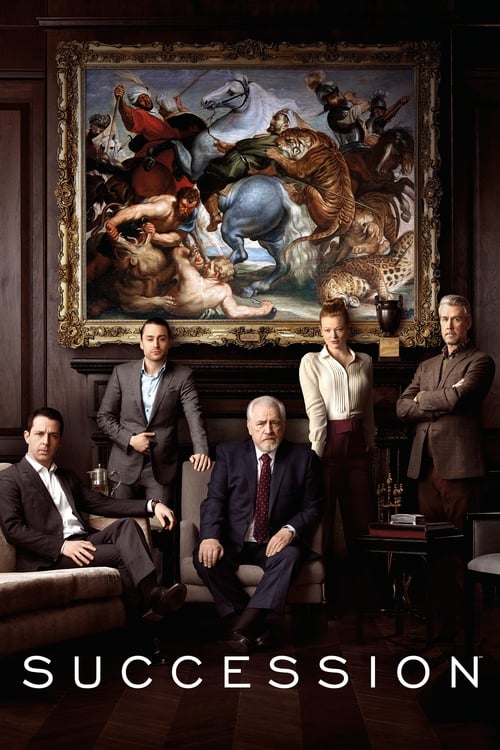
If You Love the Social Autopsy: Comedies That Watch People Fail Each Other
Series that share Seinfeld's instinct for dissecting small cruelties and misread signals


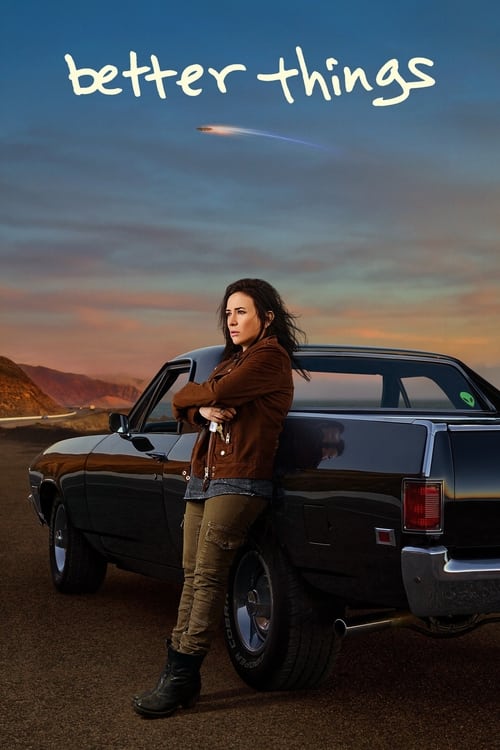
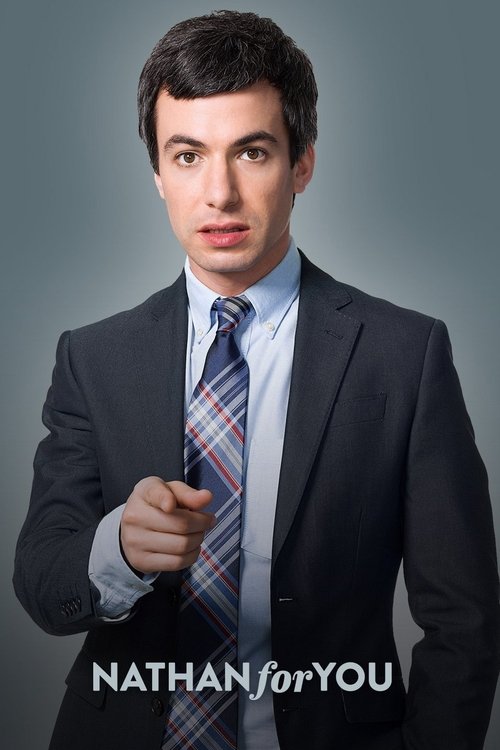
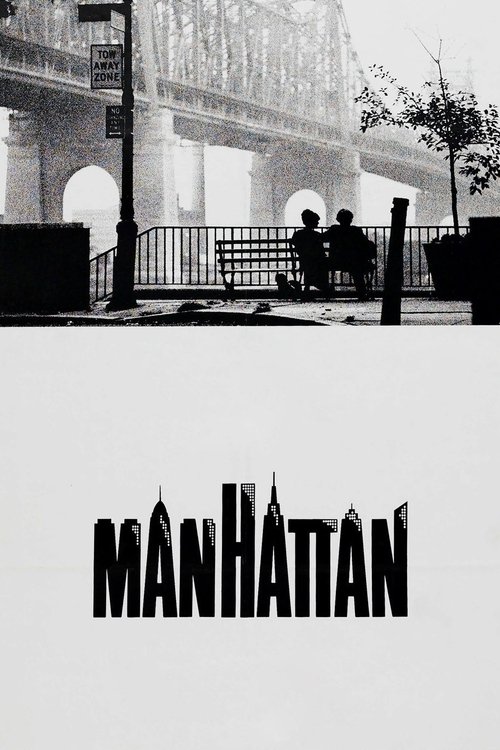
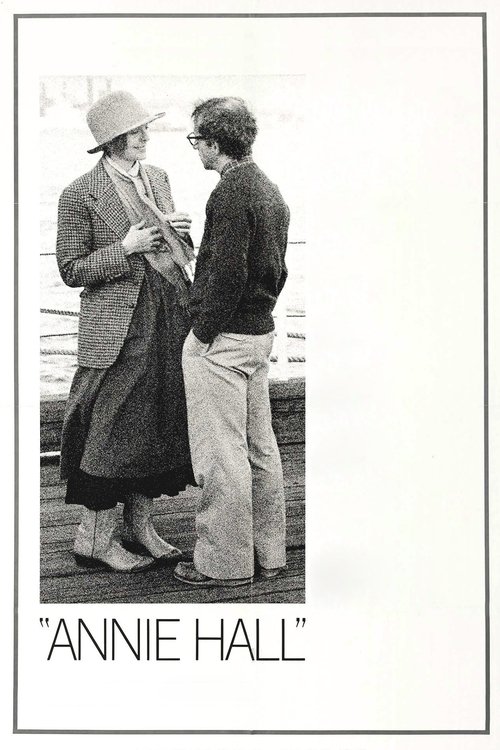
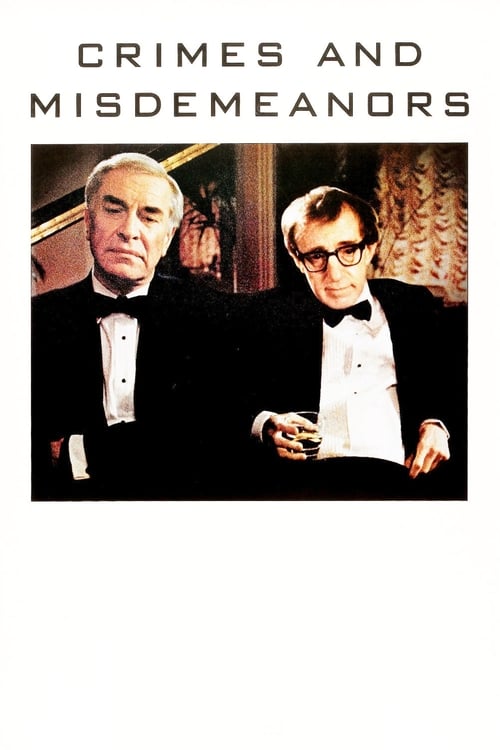
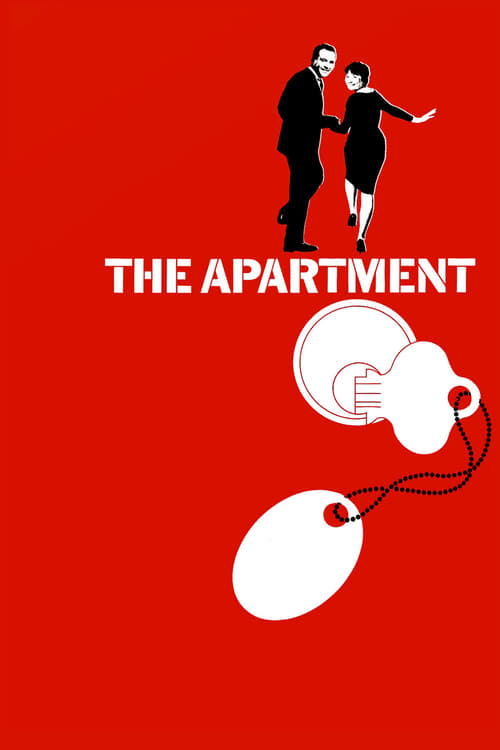
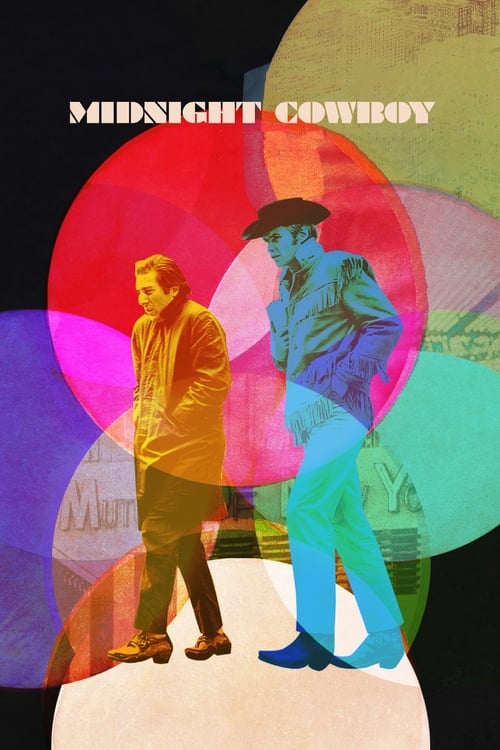
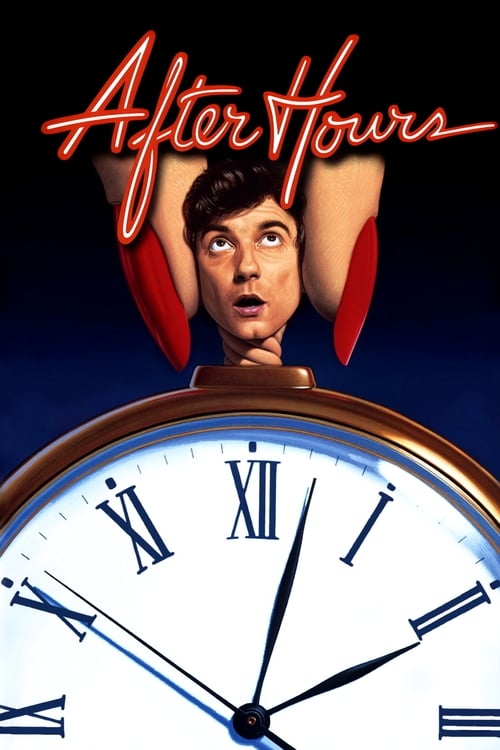
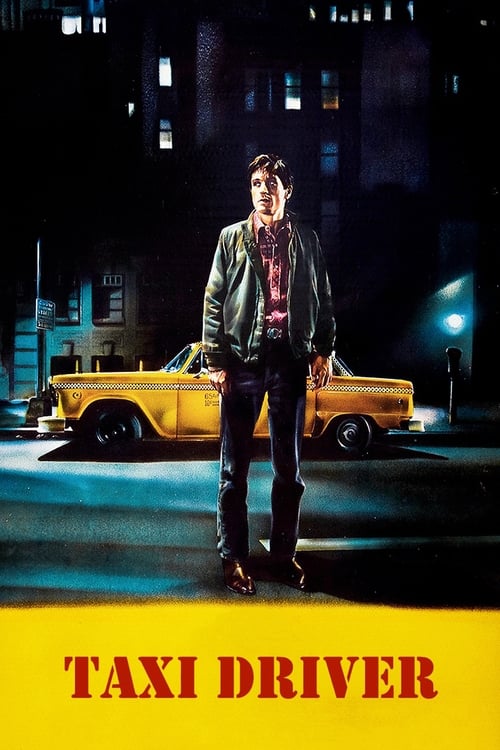
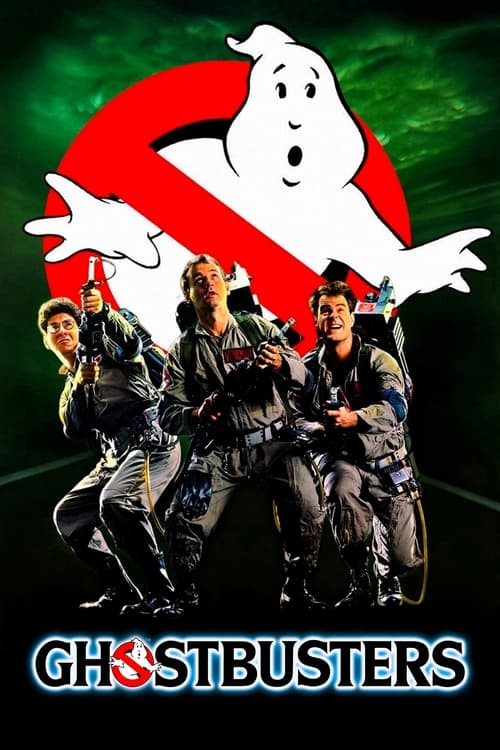
New York as Character: Films That Treat the City Like a Co-Star
Movies where Manhattan's density and pace drive everything the same way they do in Seinfeld

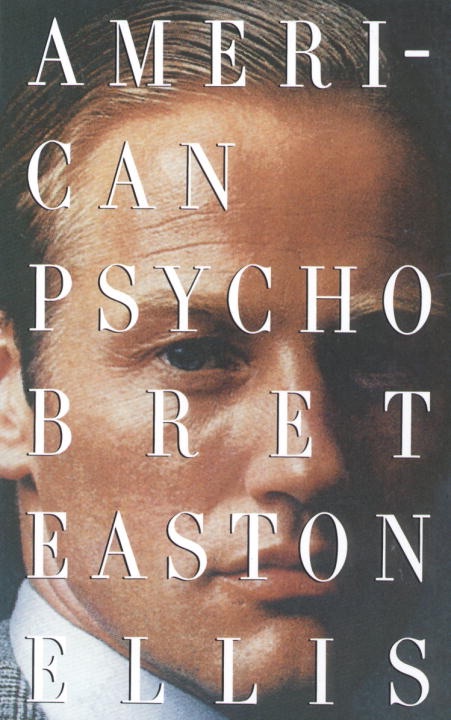
The Comedy of Embarrassment: Books That Understand Social Terror
Novels and collections that share Seinfeld's appetite for situations spiraling out of control




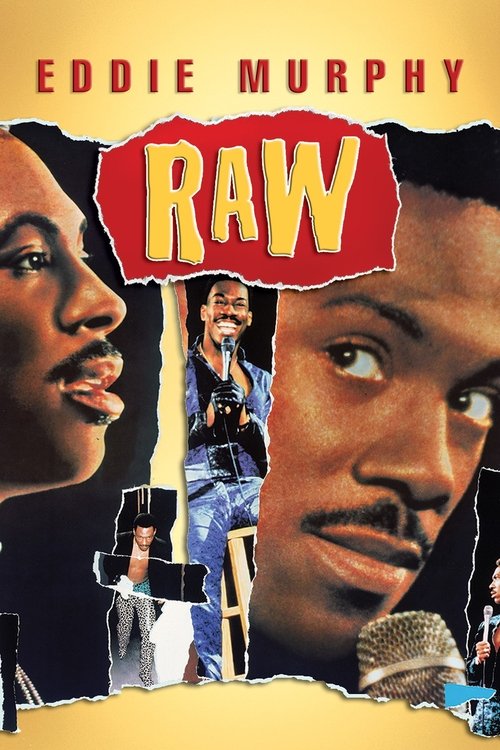
Stand-Up Roots: The Comics Who Made Modern American Funny
Specials, docs, and albums from the stand-up tradition that Seinfeld grew from and gave back to
Games for People Who Love Talking and Getting Nowhere
Games built around conversation, social friction, and the comedy of negotiation



Larry David Is the Show's Real Engine
Jerry Seinfeld's name is on the title card, but Curb Your Enthusiasm makes clear where the show's defining sensibility lives. Larry David's worldview, that social rules are arbitrary, that most people are either oblivious or hypocritical, and that pointing this out makes everything worse, is the actual engine. Curb strips away the laugh track and the diner and runs the same machine at higher voltage.
Woody Allen Built the Template Before Any of Them
The anxious New York intellectual who talks himself into and out of every situation, who finds ethical catastrophe in a dinner reservation, who treats a minor social snub as an existential event: Allen codified this character across a decade of films before Seinfeld went to air. Annie Hall and Manhattan are not influences so much as founding documents. The DNA transfer is direct enough that dismissing it shortchanges both.
It's Always Sunny Is What Happens When the Brakes Come Off
Seinfeld's characters are selfish and occasionally cruel. It's Always Sunny takes the same archetype and removes the network notes, the warmth, and the diner as a safe harbor. What remains is more abrasive and, for a certain viewer, more honest. The show makes explicit what Seinfeld kept coded: these people would, given the chance, genuinely ruin each other's lives. Running eighteen seasons and counting, it is the closest thing to a sequel that no one officially commissioned.
A Chronology of Nothing (and Everything After)
- 1989The Seinfeld Chronicles pilot airs on NBC Seinfeld
- 1992The show finds its voice with The Contest and the season four meta-arc Seinfeld
- 1994Pulp Fiction brings the fractured, plotless narrative to cinema Pulp Fiction
- 1998The finale draws 76 million viewers; the backlash begins immediately Seinfeld
- 2000Curb Your Enthusiasm HBO special turns Larry David's neurosis into its own show Curb Your Enthusiasm
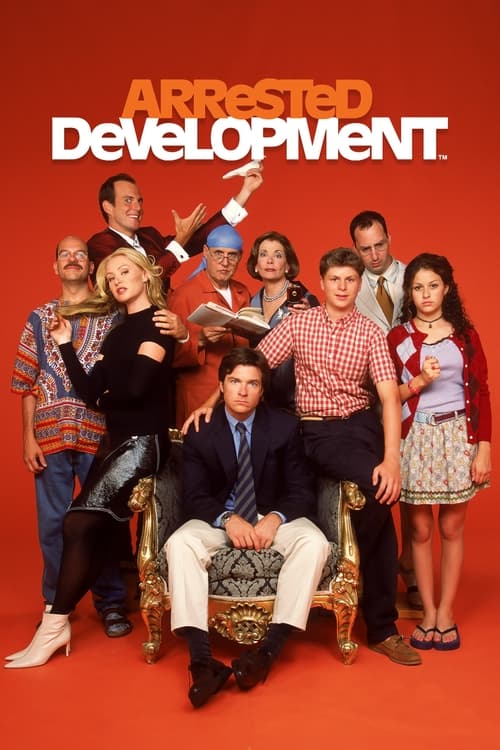
- 2004Arrested Development premieres, the decade's most Seinfeld-adjacent network sitcom Arrested Development
- 2009Community and Parks and Recreation split the post-Office sitcom audience Community
- 2016Atlanta premieres on FX, proving the observational cringe register still has runway Atlanta
- 2019Fleabag wins multiple Emmys, the form crosses the Atlantic fully intact Fleabag
- 2021Seinfeld catalog moves to Netflix globally; a new generation discovers The Soup Nazi Seinfeld
More comedies of social cringe
For Fans of Curb Your Enthusiasm
Explore the For Fans of Curb Your Enthusiasm guide →No hugging, no learning. The characters could be terrible to each other and no episode had to fix it. That was the whole game.Larry David, on the show's guiding principle