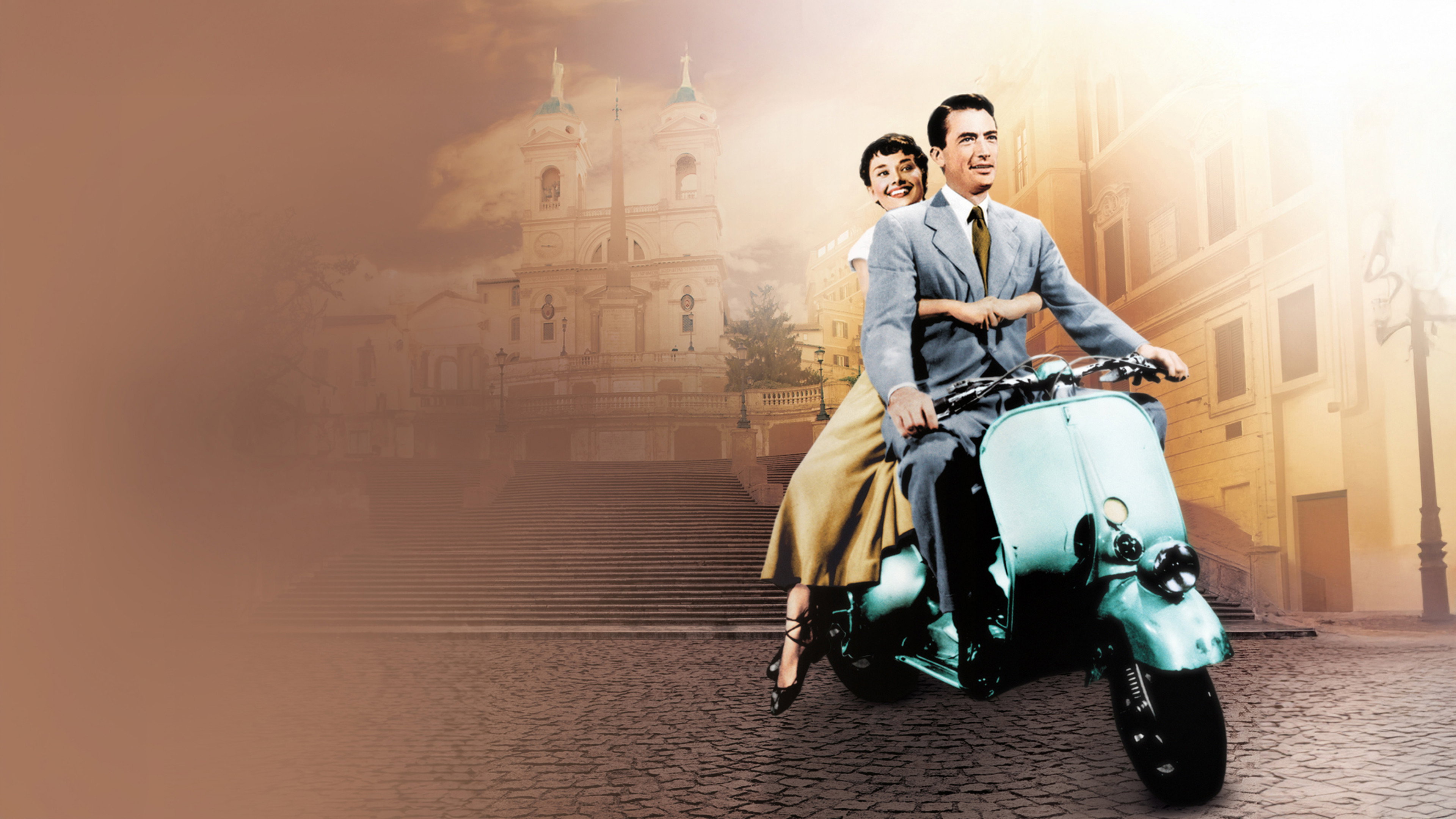

Audrey Hepburn arrived on screen in 1953 and never quite left. What audiences responded to was not just beauty or poise but a quality harder to name: a lightness that masked real seriousness, a warmth that never tipped into sentiment. Born in Belgium, raised through wartime Netherlands, she carried something earned behind her eyes. Whether playing a runaway princess, a Manhattan socialite who belonged nowhere, or a cockney flower seller remade by a pedantic professor, she found the precise human frequency inside the archetype. The films here, and the books, games, and series alongside them, are united by that same register: style worn with conviction, comedy that aches a little, and characters who want more than the world is ready to give them.
Essential Audrey Hepburn
Her defining performances, from debut to late career

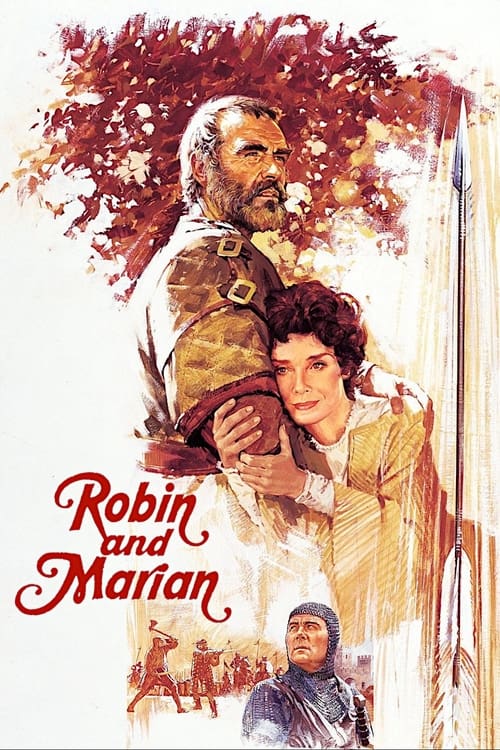

The Same Register: Films and Series with Her Vibe
Wit, warmth, and a streak of melancholy beneath the charm
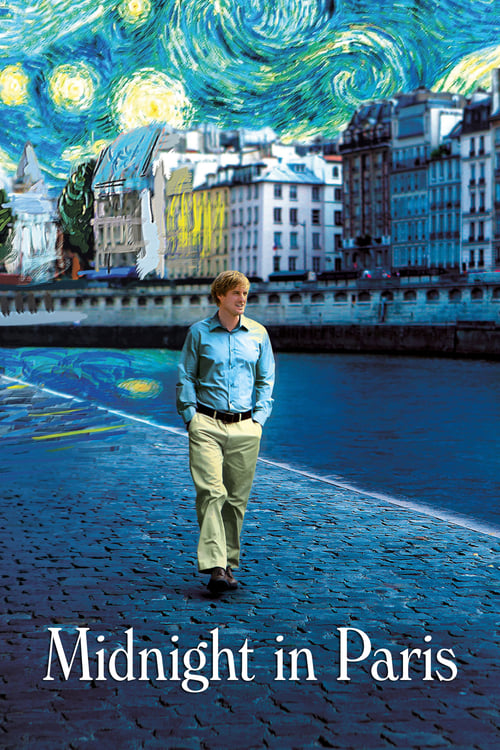
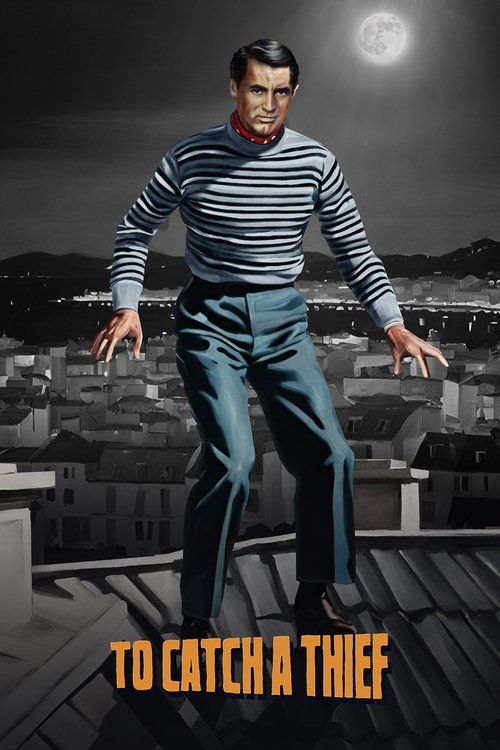
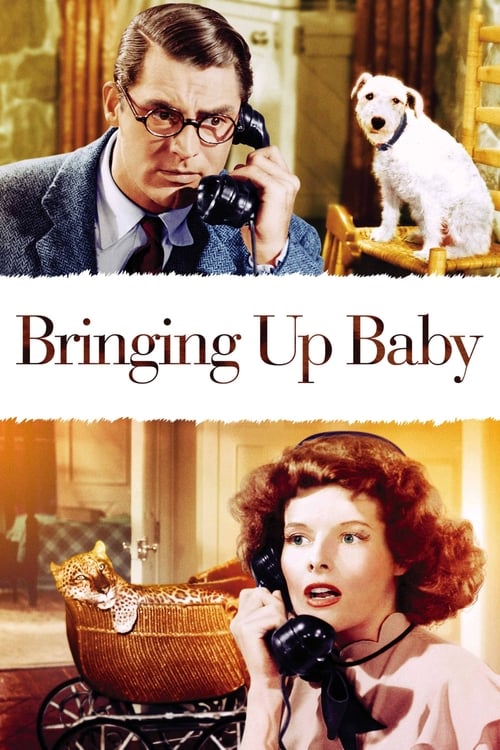
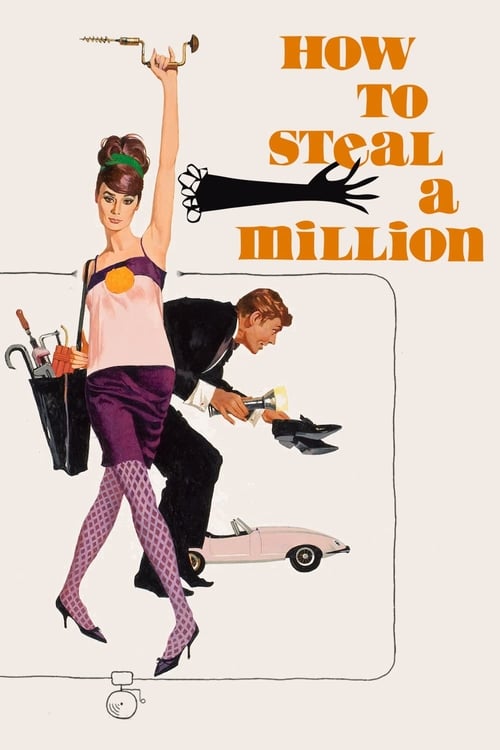
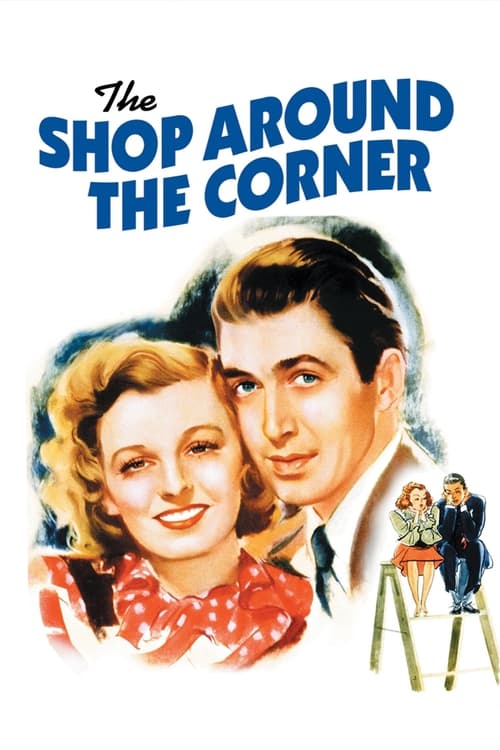
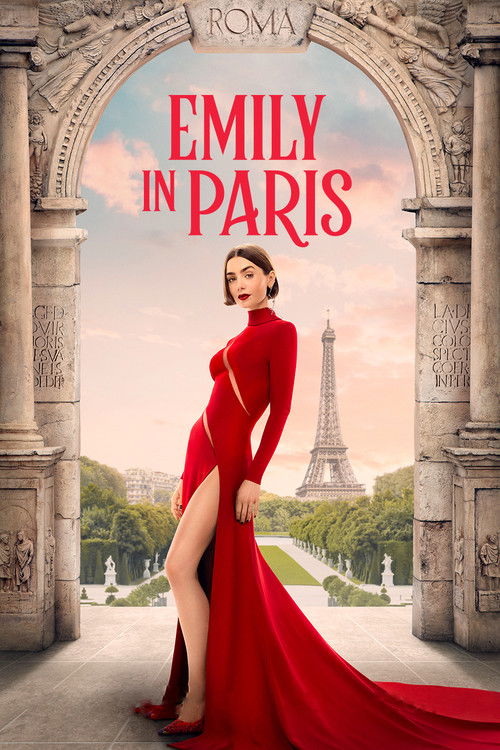
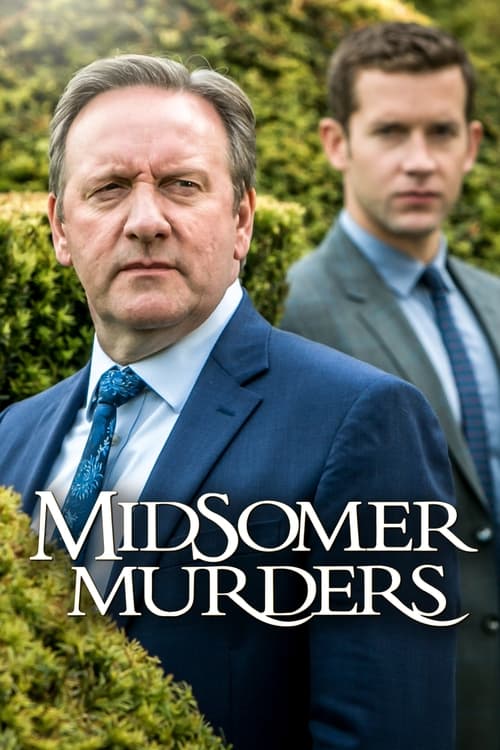
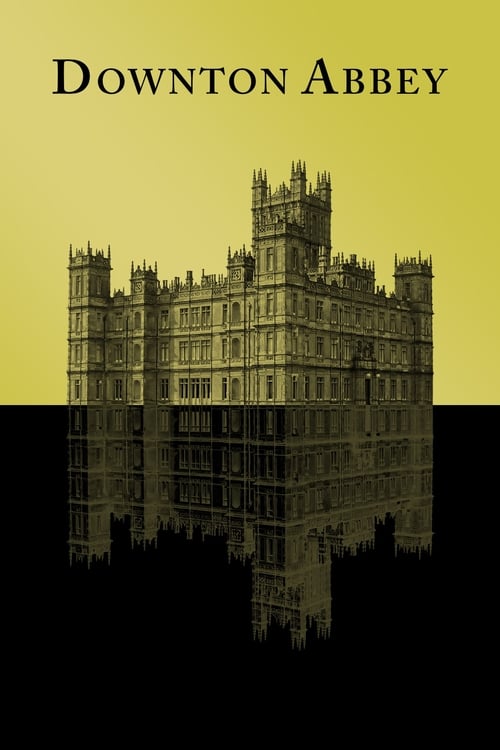
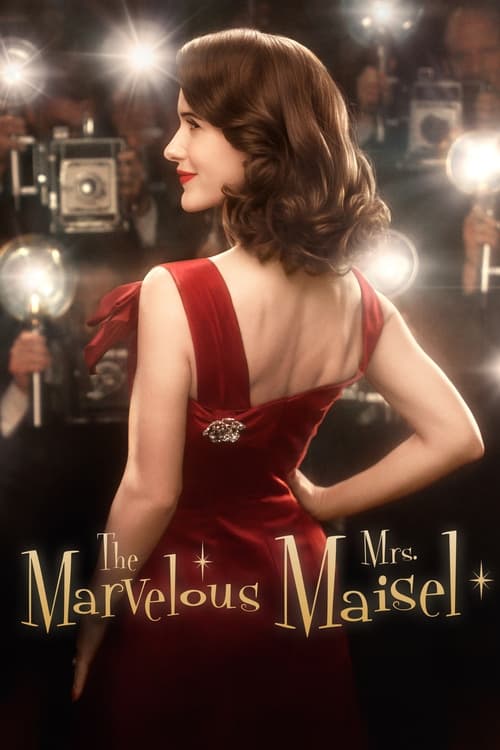
Same-Register Performers: Their Best Work
Actors who share her blend of grace, comedy, and depth
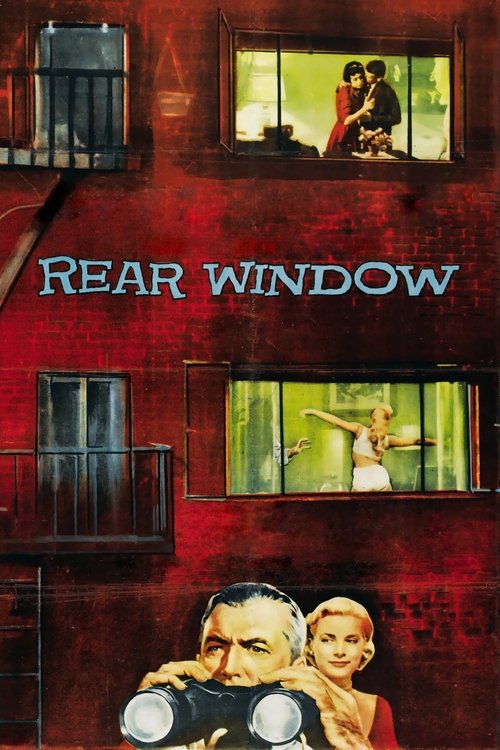
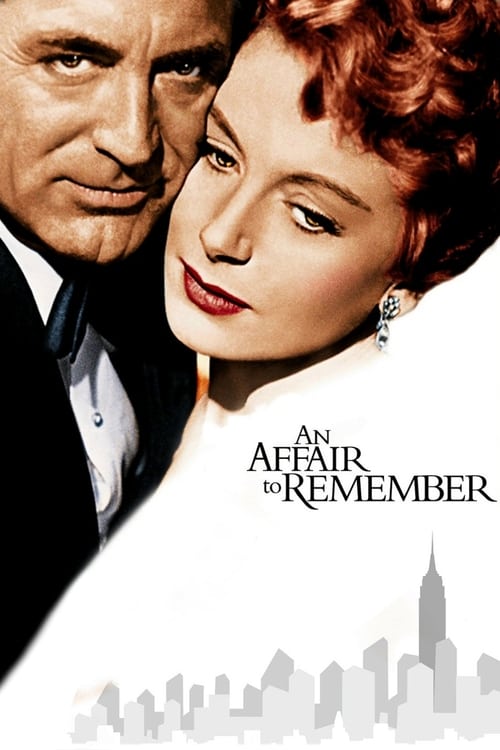
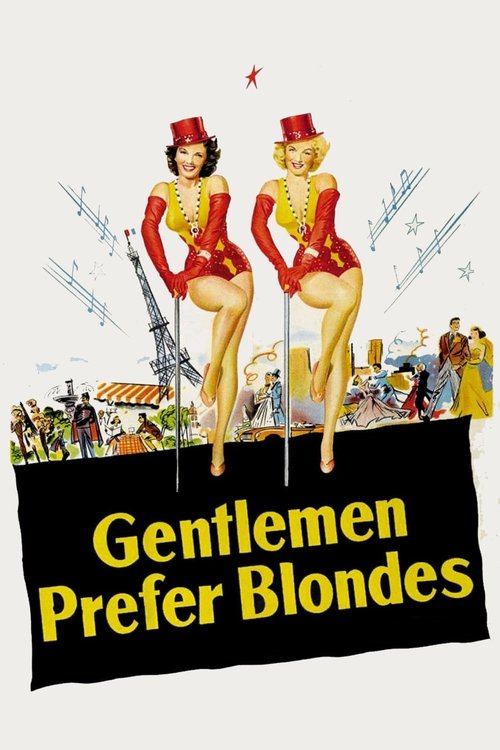
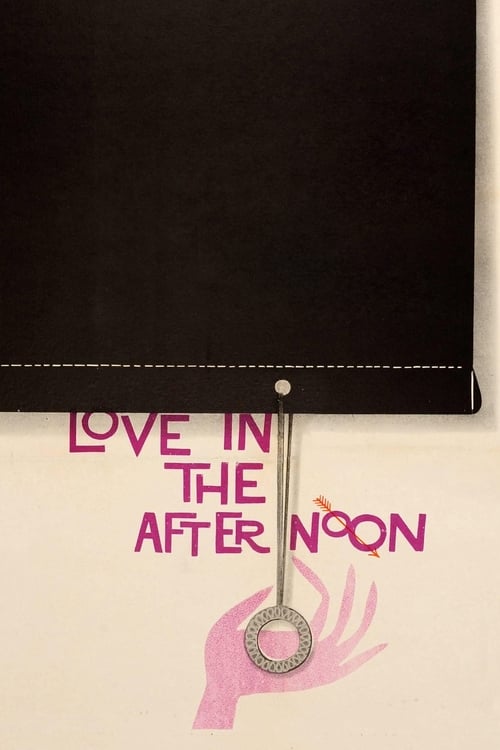
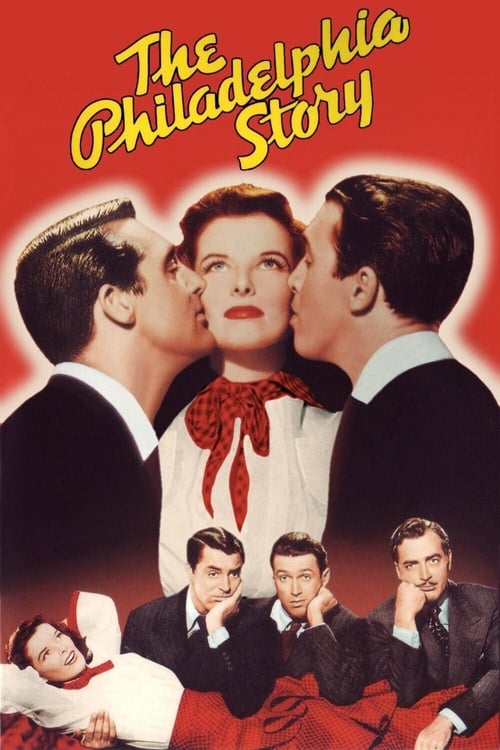
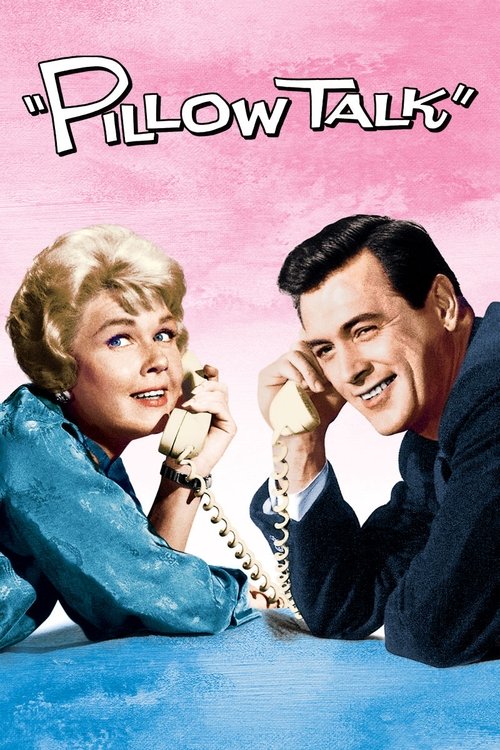

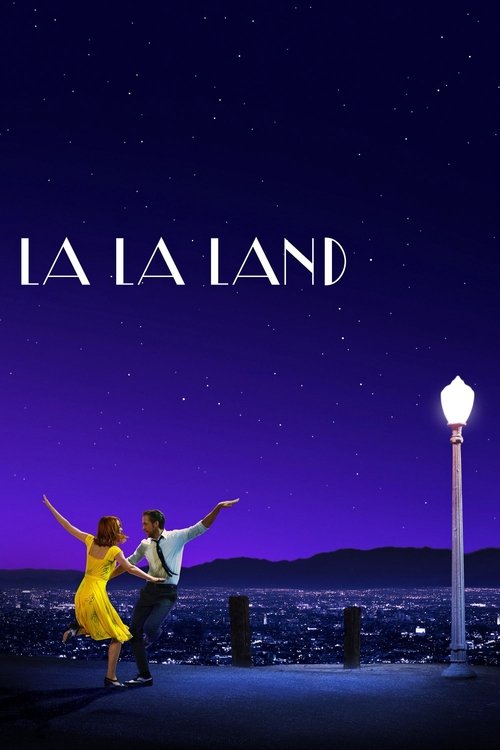
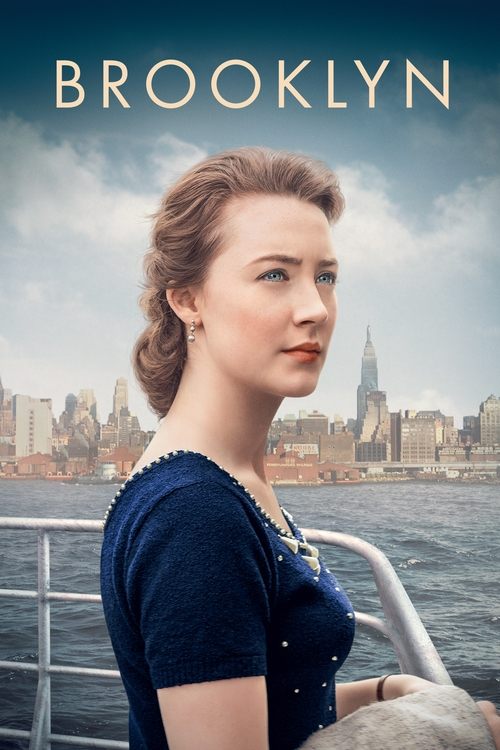
The Books Behind the Films
Novels her films adapted, and books that share her world


Games with the Same Spirit
Playful, stylish, and smarter than they first appear
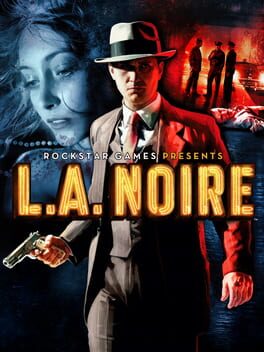
Roman Holiday Invented the Template
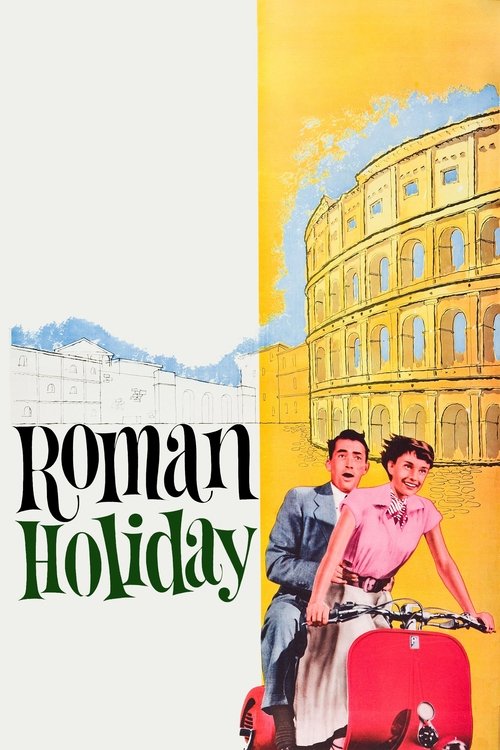
William Wyler's 1953 film did something no studio had quite managed before: it made royalty relatable by showing the cost of duty. Audrey Hepburn's Princess Ann is not naive, she is starved. The romance with Gregory Peck's reporter works because both parties know it cannot last, and both choose it anyway. The final scene, where she returns to her obligations and he watches her go, is one of the most quietly devastating in Hollywood history. Every runaway-princess story since owes it a debt.
Holly Golightly is Not Who You Think She Is
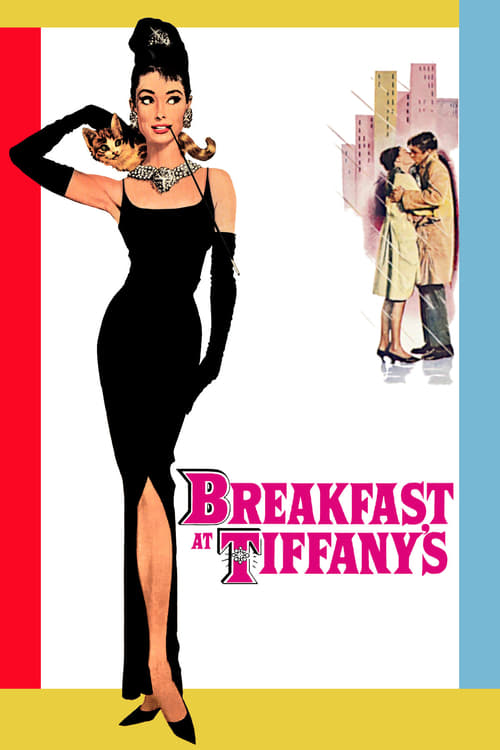
Truman Capote's novella and Blake Edwards's 1961 adaptation share a name and a setting, and not much else. The book's Holly is harder, more damaged, and never finds peace. The film softens her toward a conventional ending that Capote publicly hated. Both versions are worth knowing: the film for the performance, the mood, and Henry Mancini's score; the book for the sharper truth underneath. Together they tell you something about what Hollywood of the 1960s was and was not willing to say out loud.
Charade Is the Best Hitchcock Film Hitchcock Never Made
Stanley Donen's 1963 thriller is built on a single pleasurable uncertainty: Cary Grant's character changes his name four times, and neither Audrey Hepburn's widow nor the audience knows whether to trust him. The film borrows the grammar of Hitchcock, the wardrobe of Givenchy, and the architecture of Paris, then combines them into something genuinely its own. It is funny and frightening in roughly equal measure, which is a harder trick than it looks.
My Fair Lady as a Story About Power
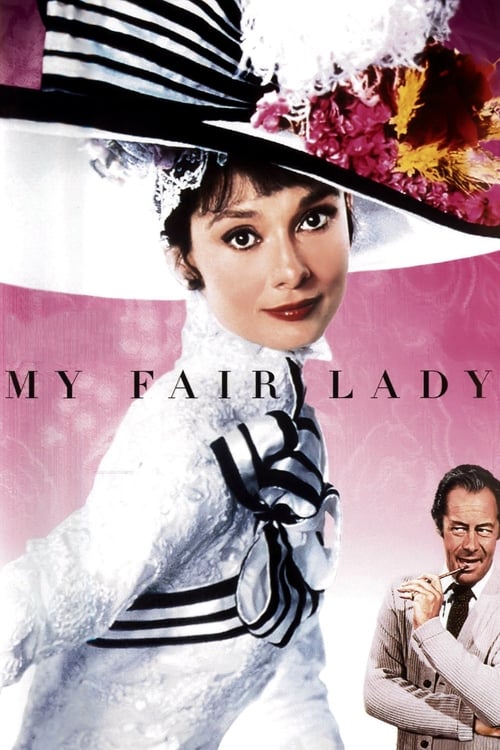
The 1964 musical is often read as a love story. It is more accurately a study in who gets to claim credit for transformation. Henry Higgins takes a woman with native intelligence, drive, and a clear sense of herself, strips those things away, rebuilds her to his specification, and then is confused when she does not thank him. Audrey Hepburn's Eliza Doolittle wins the film precisely because she sees this clearly at the end, even if the screenplay hedges. George Bernard Shaw's original play, Pygmalion, was even less forgiving.
A Career in Moments
- 1953Breakthrough: wins the Academy Award for Best Actress Roman Holiday
- 1954Broadway: wins the Tony Award for Best Actress in a Play for Ondine
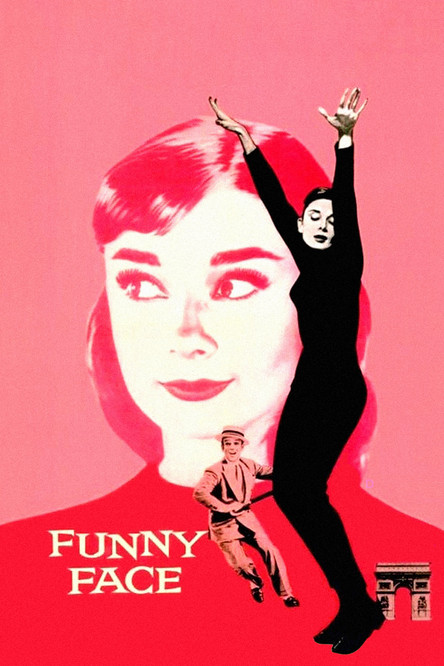
- 1957Dances with Fred Astaire on screen Funny Face
- 1959Plays a nun in the Congo The Nun's Story
- 1961Holly Golightly becomes a cultural icon Breakfast at Tiffany's
- 1963Reteams with Cary Grant in Paris Charade
- 1964Eliza Doolittle on the grandest stage My Fair Lady
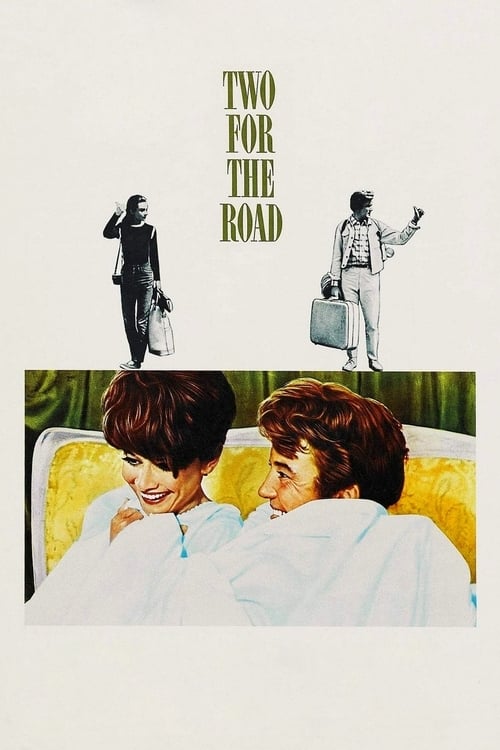
- 1967A marriage disintegrating on the road Two for the Road
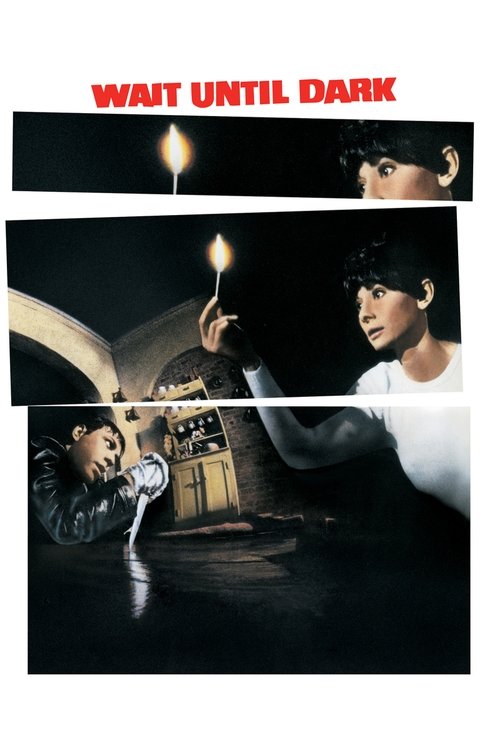
- 1967Blind and hunted: a late-career thriller pivot Wait Until Dark
- 1993Receives the Presidential Medal of Freedom; dies in January
Old Hollywood elegance, costars
For Fans of Grace Kelly
Explore the For Fans of Grace Kelly guide →The beauty of a woman is not in the clothes she wears, the figure that she carries, or the way she combs her hair. The beauty of a woman is seen in her eyes, because that is the doorway to her heart, the place where love resides.Audrey Hepburn