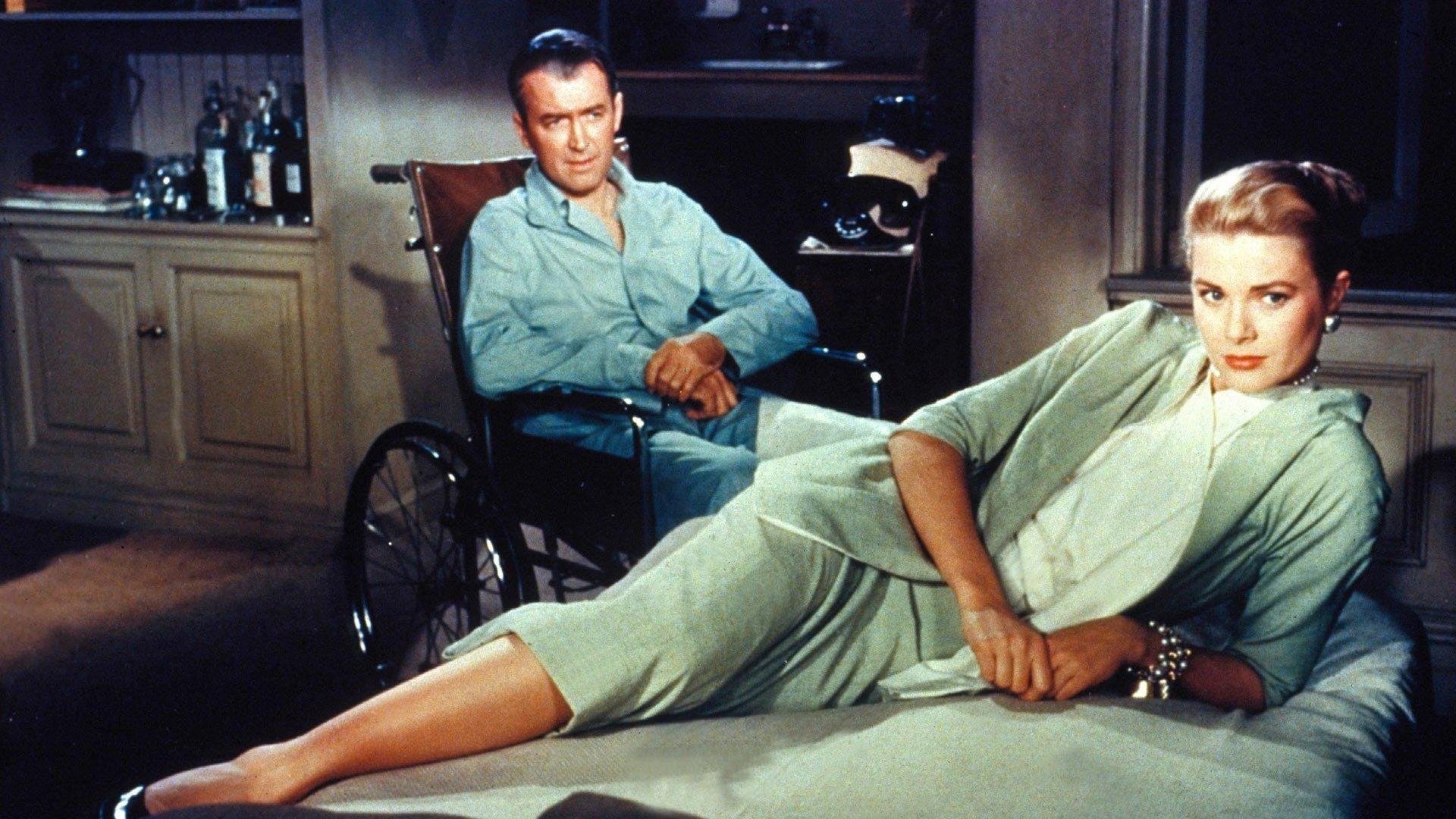

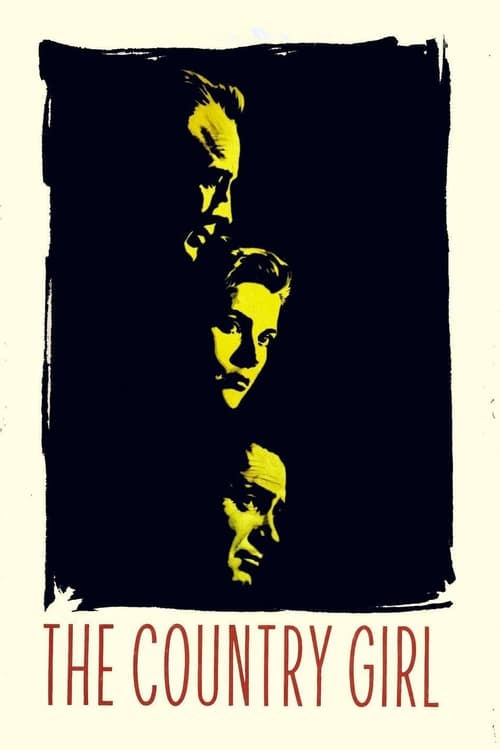
Grace Kelly made only eleven feature films before becoming Princess of Monaco in 1956, yet she left a body of work that still defines a certain idea of what screen presence can be. She was not simply beautiful. She was precise: every glance calibrated, every gesture earning its weight. Alfred Hitchcock cast her three times because she could hold a secret behind her eyes while the camera held on her face. Her range moved from the frontier grit of 'High Noon' to the Riviera comedy of 'To Catch a Thief' without effort, and she won an Oscar at twenty-four for 'The Country Girl' playing against type in a draining domestic drama. What fans respond to is the combination: composure as a form of tension, sophistication as something earned rather than inherited, and an underlying warmth that keeps the iciness from closing over completely.
Essential Grace Kelly
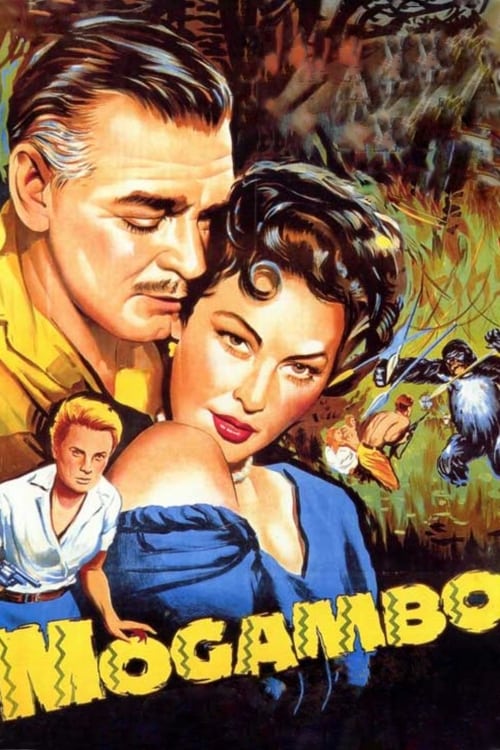
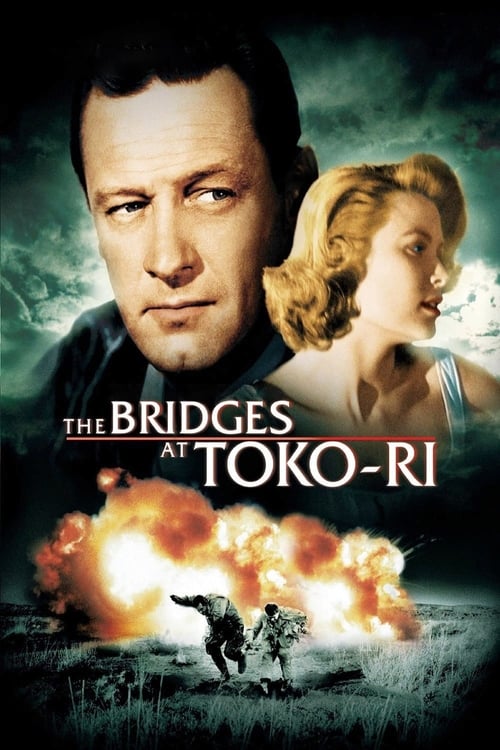
Her eleven films, ranked by devotion
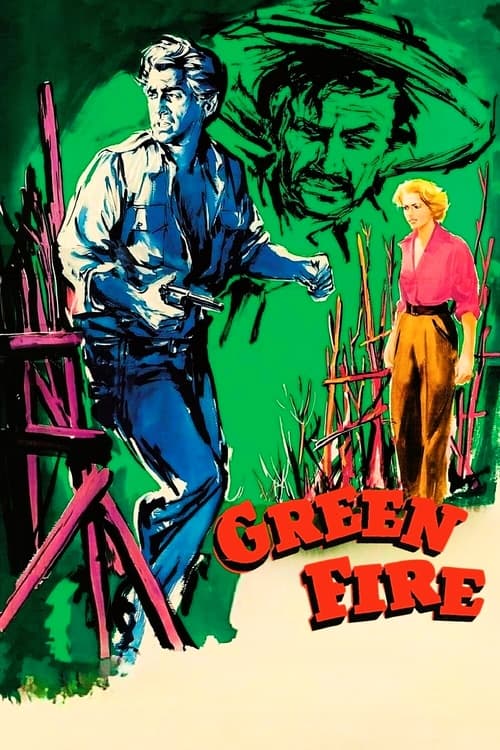
The Hitchcock Frequency
Suspense built on beauty and unease: films that share the master's aesthetic
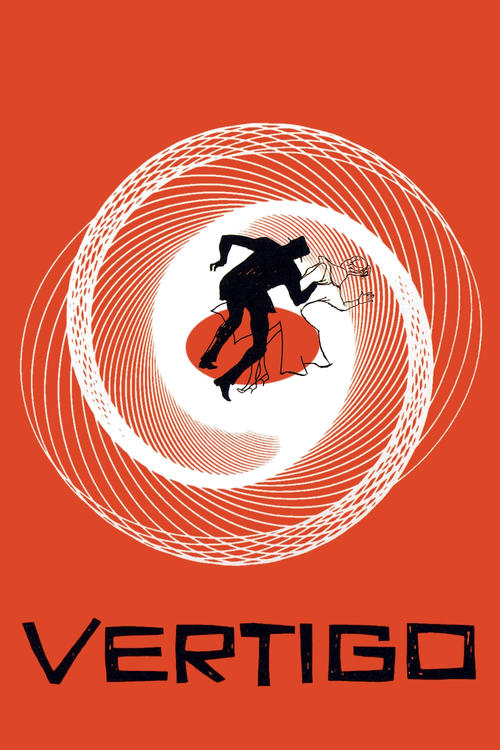

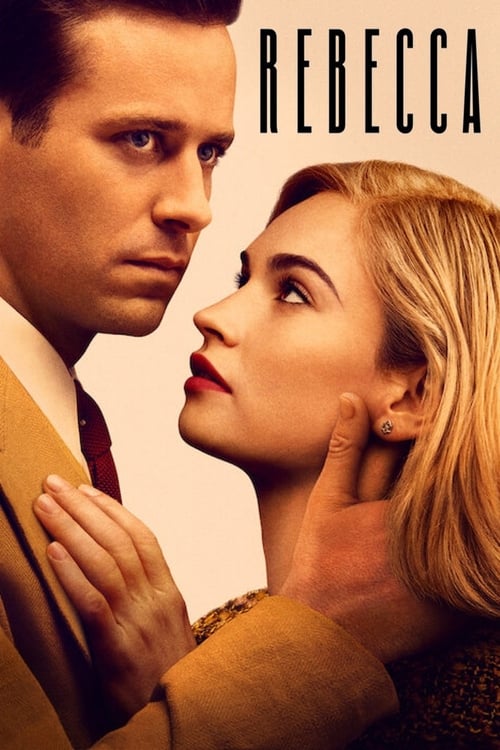
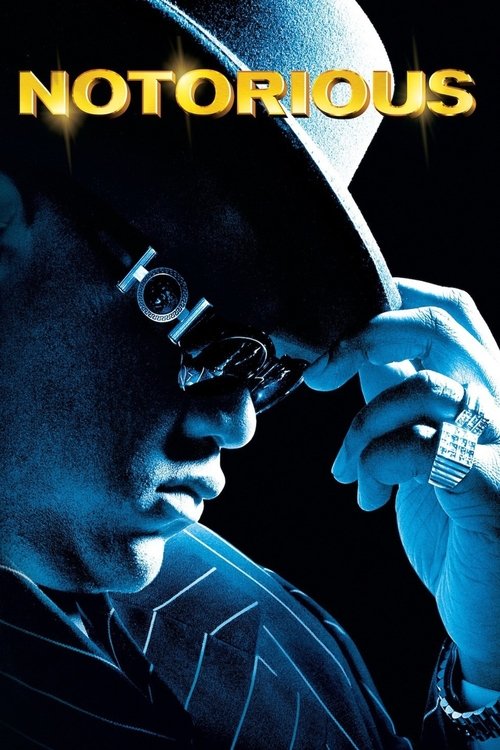
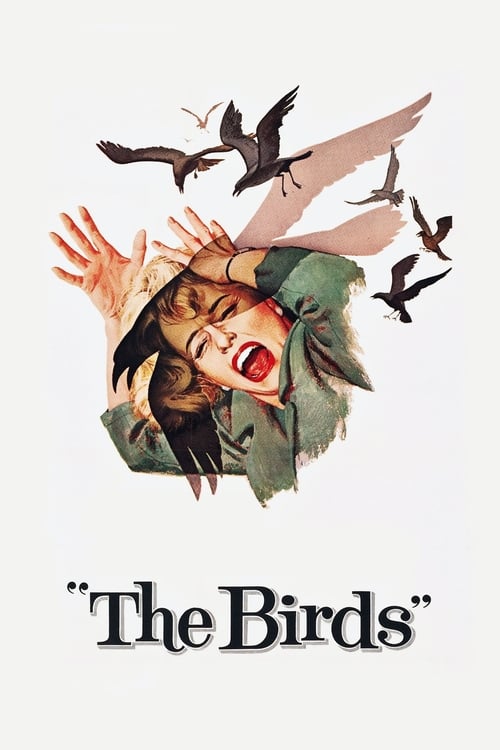
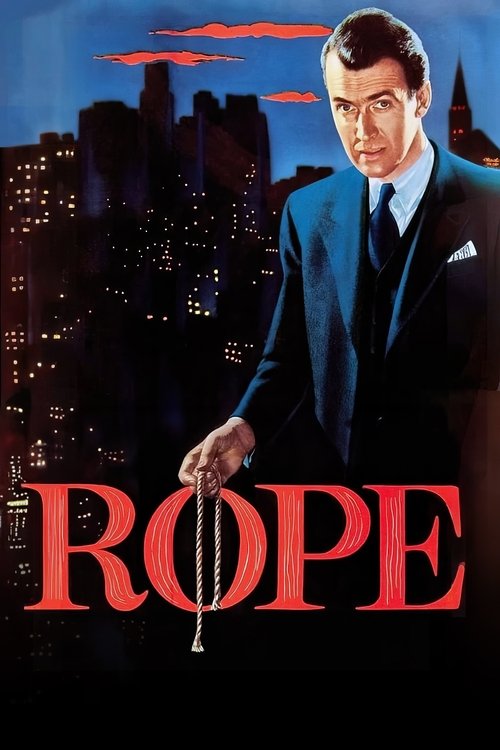
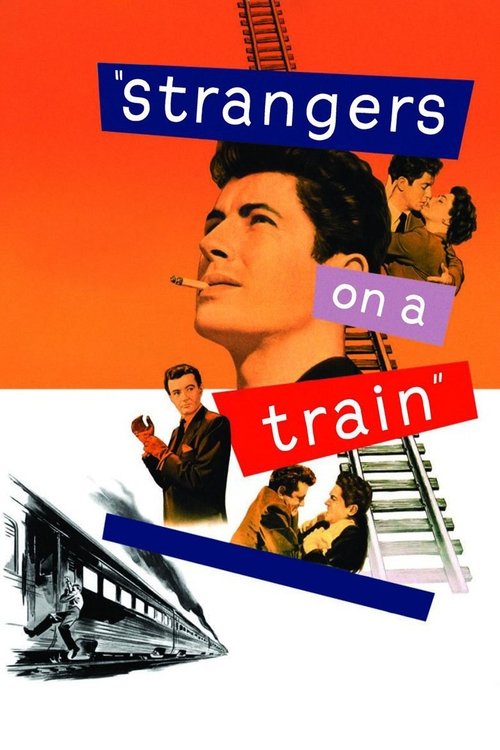
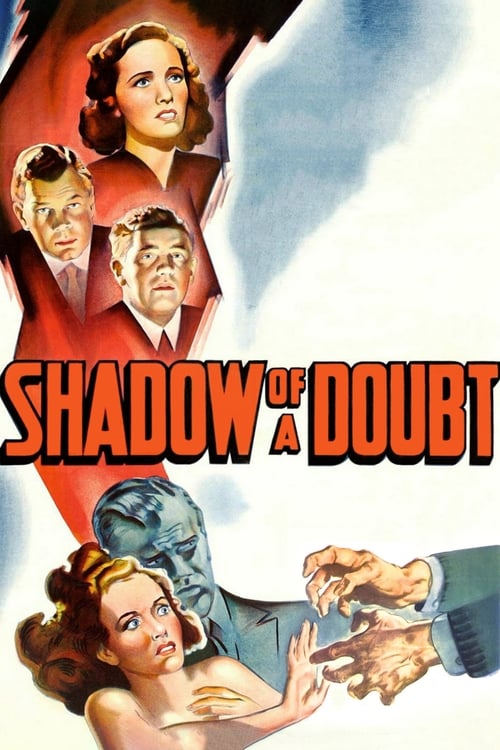
Same Register: Actors Who Own the Room the Same Way
Films starring actors whose composure carries the same voltage
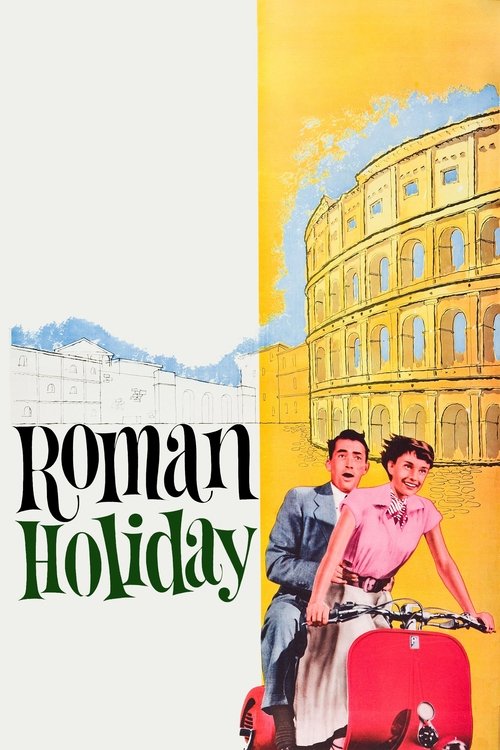
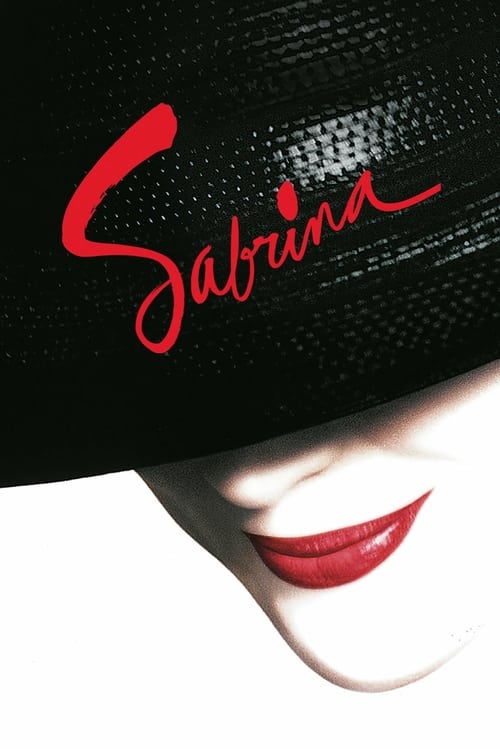
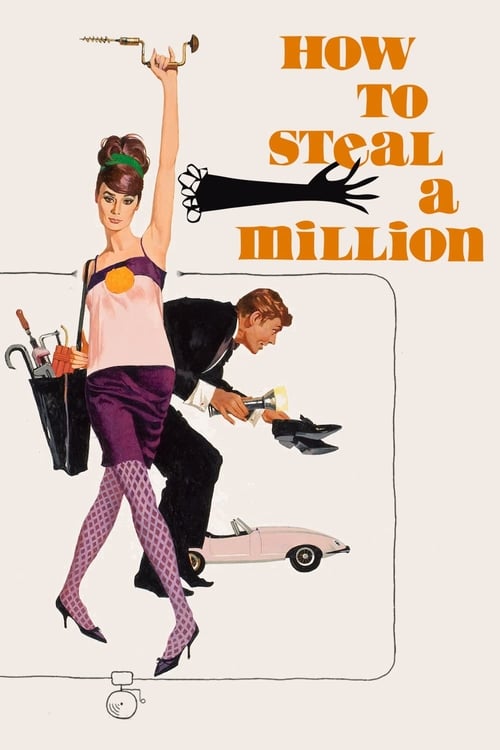

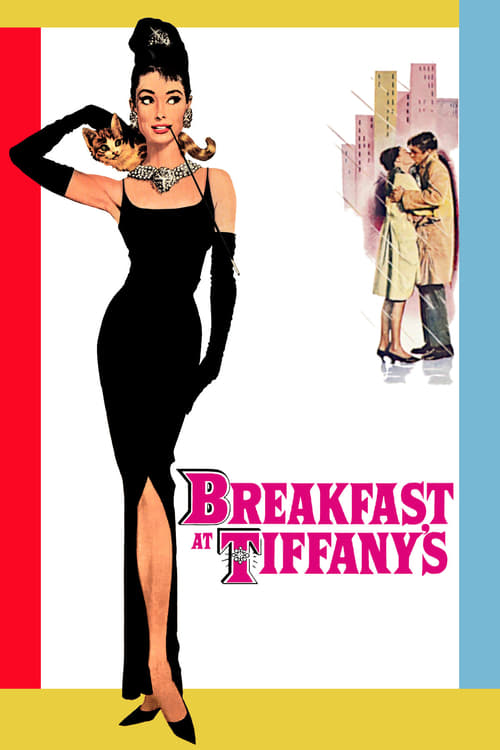
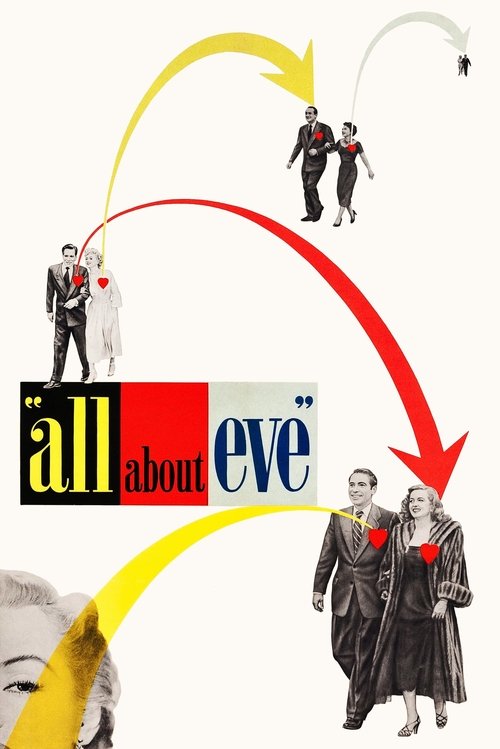
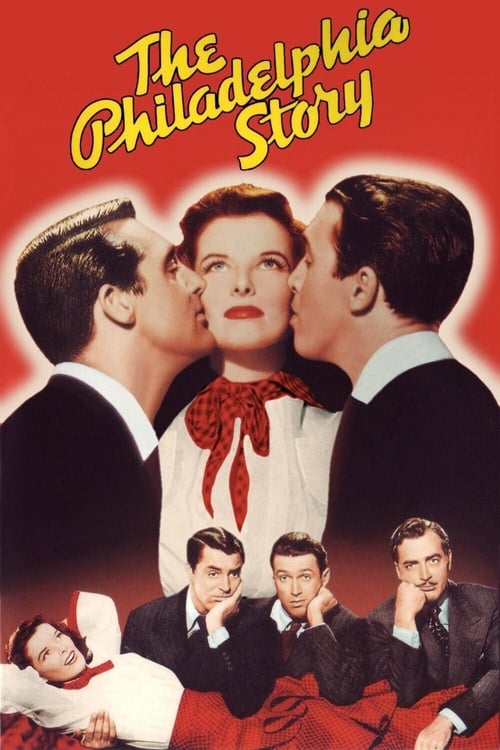
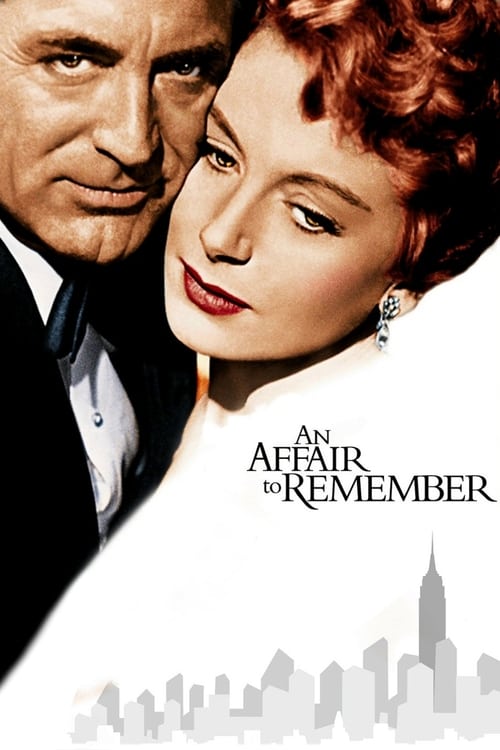
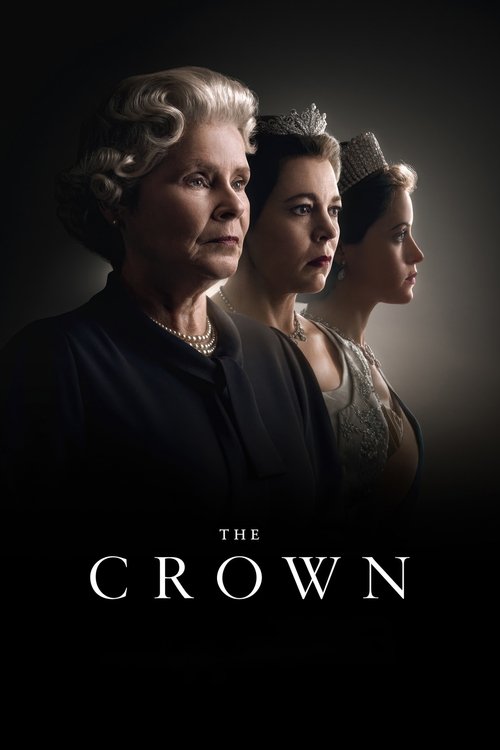
Golden Age Television: The Same Sophistication, Serialized
Series that capture 1950s style, moral tension, and women holding their cards close



Games That Live in the Same Tension
Mysteries and suspense games built on watching, waiting, and elegant misdirection


She Was Always Watching Back
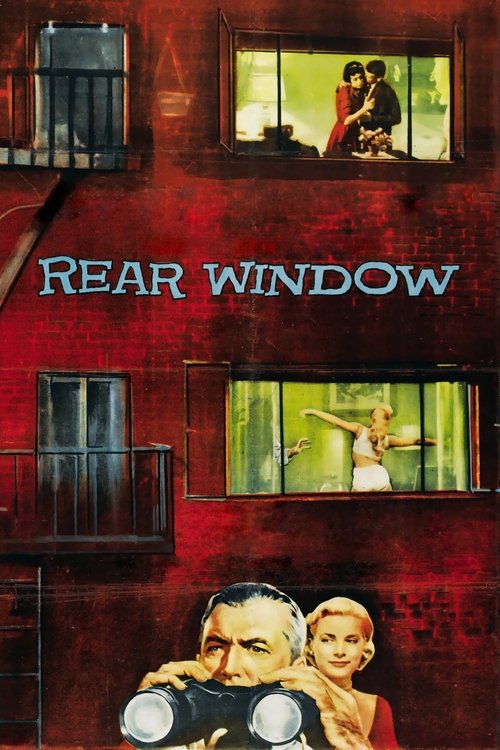
The standard reading of Grace Kelly is passivity: the platinum blonde placed in frame for the audience to admire. Watch 'Rear Window' again and you will see how completely wrong that is. Her Lisa Fremont drives the plot, physically enters the crime scene Jefferies only observes, and spends the film outsmarting a man who underestimates her. Kelly understood that composure is not stillness. It is withholding, and withholding is power.
The Oscar They Gave Her for Unglamour
Hollywood rewarded Kelly for 'The Country Girl' specifically because it was a shock: the most-photographed face of the era playing a worn-down wife to an alcoholic actor, in drab costuming, with no scenery to lean on. The performance won the 1955 Academy Award. It also told a more complex truth about Kelly than Hitchcock's cool blondes did: she could collapse the glamour entirely and find something rawer underneath.
The Riviera as a State of Mind
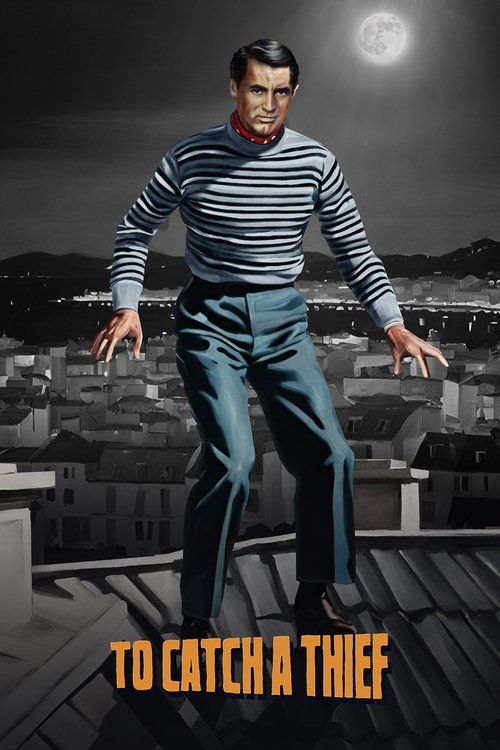
Cary Grant and Grace Kelly in 'To Catch a Thief' is the cinema's fullest argument for the French Riviera as a moral ecosystem: a place where theft is practically a social grace, desire is inseparable from suspicion, and everyone is performing a version of wealth they may or may not actually possess. The film is essentially a screwball comedy in a Hitchcock frame, and Kelly plays it with a dry wit that her straight-thriller roles rarely allowed.
A Career That Burned Briefly and Permanently
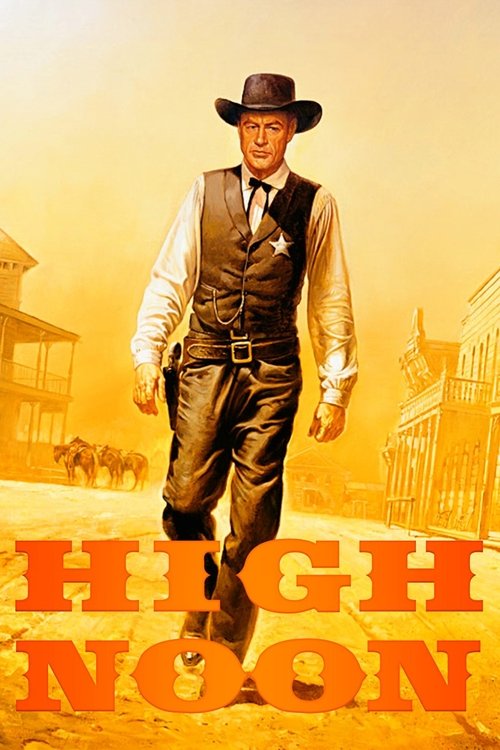
- 1952Debut opposite Gary Cooper in 'High Noon'; the world notices immediately. High Noon
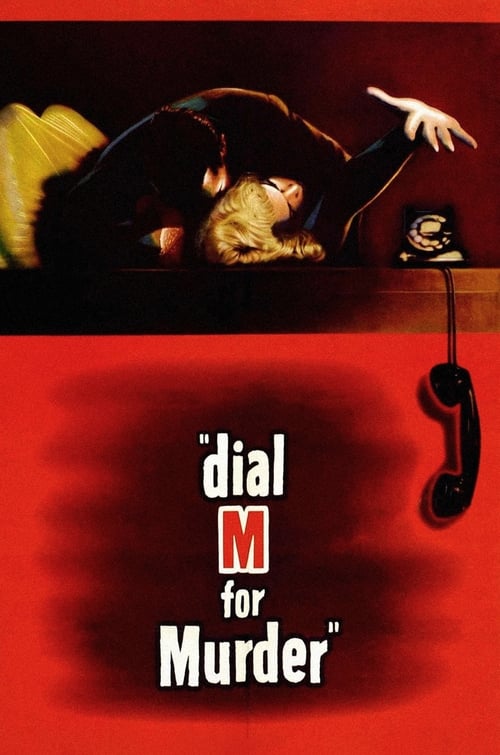
- 1953Hitchcock casts her for the first time in 'Dial M for Murder'. Dial M for Murder
- 1954'Rear Window' and 'The Country Girl' both release the same year. Rear Window
- 1955Academy Award for Best Actress for 'The Country Girl'; 'To Catch a Thief' shoots on the Riviera. The Country Girl
- 1956Final film 'High Society'; marries Prince Rainier III and retires from acting. High Society
- 1982Dies at fifty-two following a car accident in Monaco.
Old Hollywood elegance and Hitchcock cool
For Fans of Cary Grant
Explore the For Fans of Cary Grant guide →The camera liked her too much. You could feel it deciding, every shot, that she was the most important thing in the frame.CrossBinge editors