
Avatar (2009) redrew the map of what cinema could look like. James Cameron spent more than a decade designing Pandora, its Na'vi people, and the unobtanium-fueled corporate war that drives the story. The sequel, The Way of Water (2022), pushed further into the ocean biomes of the same world, introducing the Metkayina reef clans and a whale-like creature called the tulkun. What holds both films together is less the plot and more the sensation: the feeling of being dropped into a living ecosystem so fully rendered that disbelief evaporates. Fans of Avatar are drawn to grand-scale world-building, non-human perspectives on landscape, ecological stakes told through spectacle, and protagonists who cross over into another culture and are changed by it.
Epic Worlds, Impossible Stakes
Films that build civilisations from scratch and make you believe in them


Series That Go Deep Into Other Worlds
TV and streaming shows built on alien or lost-world immersion




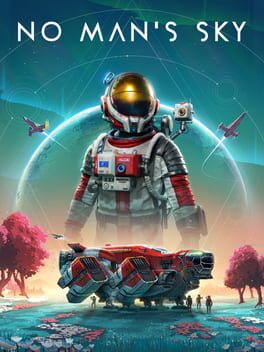
Live Another Life: Games of Alien Frontiers
Games that put you inside a breathing world you are also destroying or protecting


The Books Behind the Vision
Novels and source material that share Pandora's ecological and colonial DNA


Music for a Living Planet
Scores and albums that carry the same sweeping, elemental weight
Ursula K. Le Guin Got There First
James Cameron has acknowledged the shadow of Ursula K. Le Guin over Avatar, and the debt is real. Her 1972 novella The Word for World Is Forest tells almost the same story: human loggers strip an alien forest world; the indigenous people fight back. Le Guin wrote it as a direct response to the Vietnam War and what she called the "ecology of imperialism." Cameron amplified the spectacle by many orders of magnitude, but the moral skeleton was already standing. Reading the novella after watching the films is a quietly humbling experience.
Cameron's Real Innovation Was Underwater
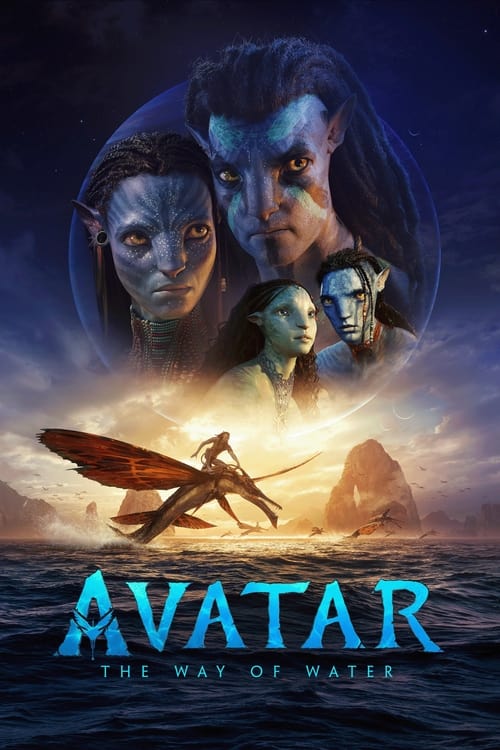
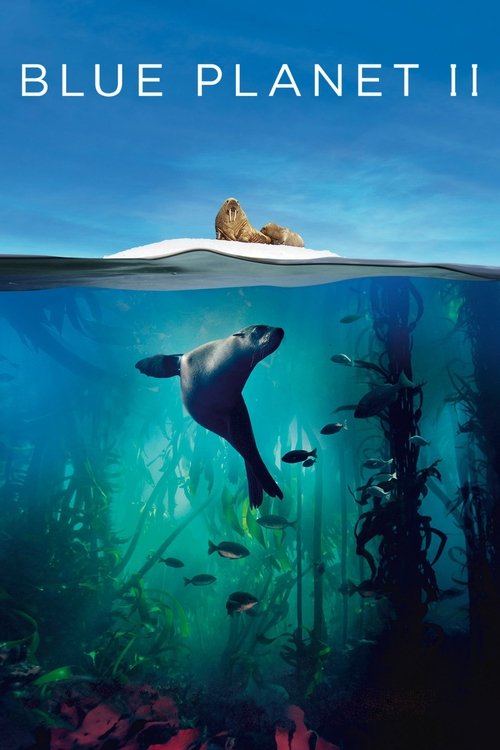
The Way of Water is really two films bolted together: the first hour resolves the land conflict from the original, then the whole register shifts. The Metkayina sequences are a different kind of cinema, slow and aquatic and shot with a weightlessness that 2009's jungle scenes never quite achieved. Cameron spent years researching breath-hold diving and had the cast train for extended underwater work. The tulkun sequences belong in the same conversation as the whale cinematography in documentaries like Blue Planet II. The criticism that the plot is thin misses what Cameron is actually demonstrating: that immersive world experience is the point.
Horizon Is the Game Avatar Deserved
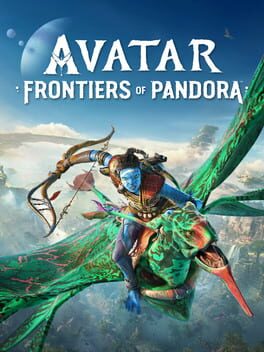
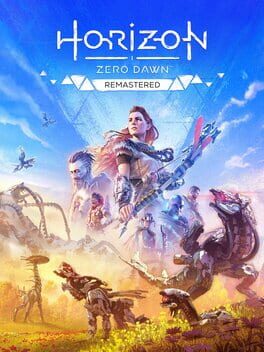
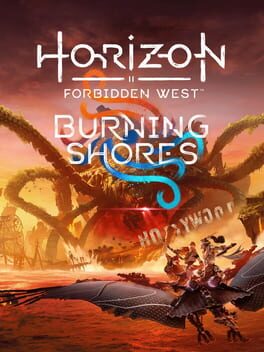
Before Ubisoft released Avatar: Frontiers of Pandora in 2023, the closest a game came to delivering the Pandora fantasy was Guerrilla's Horizon Zero Dawn (2017). The premise is different on the surface: a post-apocalyptic Earth reclaimed by mechanical creatures. But the experience rhymes strongly with Avatar's core appeal. You play an outsider learning the rules of a living world, climbing tall structures to open the map, hunting creatures with bows and spears, and gradually understanding an ecology that is stranger and more purposeful than it first appears. Horizon Forbidden West deepens every system from the first game.
Dune Is Avatar's Literary Counterweight
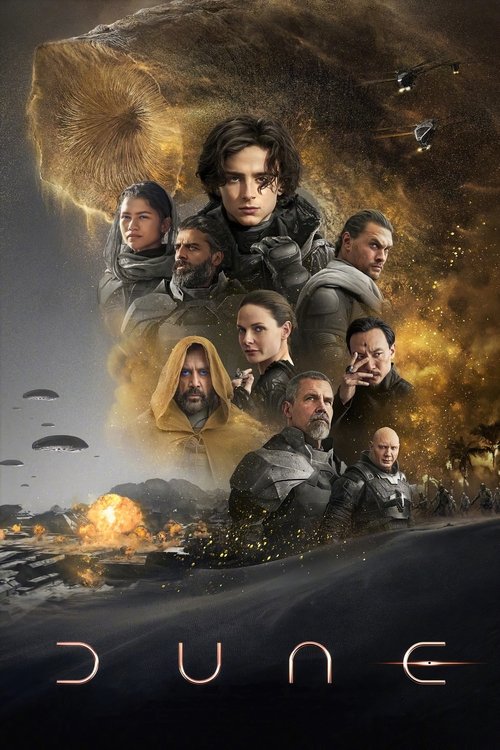
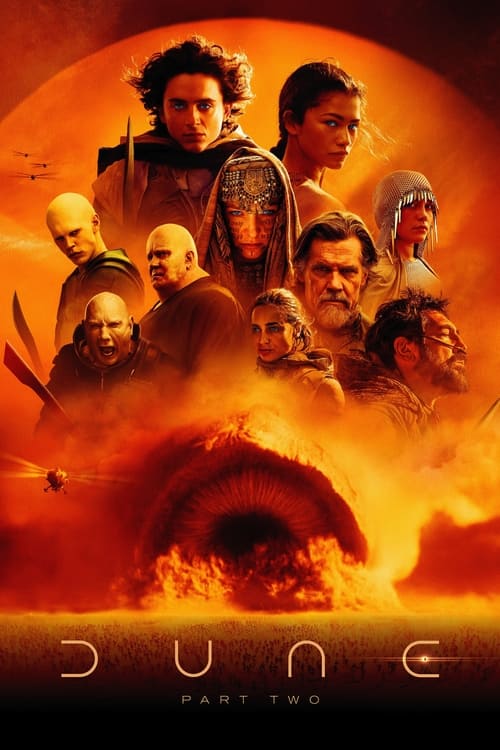
Both Avatar and Dune rest on the same structural premise: an outsider arrives on a world with vast natural resources that an imperial power wants to extract; the outsider joins the indigenous resistance and earns their trust through trial. Frank Herbert wrote Dune in 1965 partly as a critique of the "white saviour" narrative that Avatar would later be criticised for repeating. Villeneuve's two-film adaptation is the cleanest companion piece to Cameron's saga: the world-building ambition is comparable, the ecological stakes are explicit, and both franchises now carry the same question forward about whether the outsider-hero framing can survive into sequels.
The Pandora Saga So Far
- 2009Cameron releases Avatar after more than a decade in development; it becomes the highest-grossing film in history. Avatar
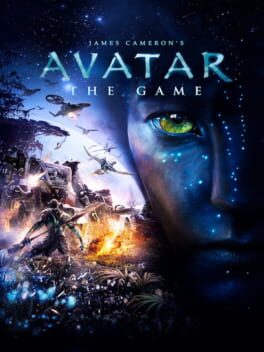
- 2011Avatar: The Game (Ubisoft) arrives shortly after the original film and offers an early look at a playable Pandora. James Cameron's Avatar: The Game
- 2022The Way of Water opens; the Metkayina reef clans and the tulkun expand the Pandora biome into the ocean. Avatar: The Way of Water
- 2023Avatar: Frontiers of Pandora (Ubisoft Massive) delivers a first-person open-world Pandora built in the Snowdrop engine. Avatar: Frontiers of Pandora
- 2025Avatar: Fire and Ash is set for theatrical release, continuing the story of the Sully family on Pandora.
More worlds worth getting lost in
Space Opera
Explore the Space Opera guide →Cameron did not invent the idea of a living planet. He invented the feeling of standing inside one.CrossBinge