
Climate fiction is the rare genre that arrived before its subject was fully here, and now finds the subject catching up. It started in the novels: J.G. Ballard imagining a tropical, flooded London in 1962, decades before anyone said the words global warming in a multiplex. For years it lived on the margins, filed under science fiction, taken less seriously than its asteroids and aliens. Then the weather changed, and so did the genre.
What makes cli-fi different from ordinary disaster spectacle is the timescale. A meteor is over in an afternoon. A warming planet is the slow background of every life, the thing you can ignore until you cannot, the catastrophe with no single villain to shoot. The best of these stories understand that the drama is not the wave hitting the city. It is what people do in the years before and the decades after: who builds the wall, who hoards the water, who keeps planting trees on a dying hill. This guide collects the films, series, games and books that take the broken planet seriously, from the popcorn apocalypse to the quiet novel of grief, across every medium that has tried to picture what comes next.
Essential climate fiction
The cross-media canon: floods, freezes, droughts and the people left standing


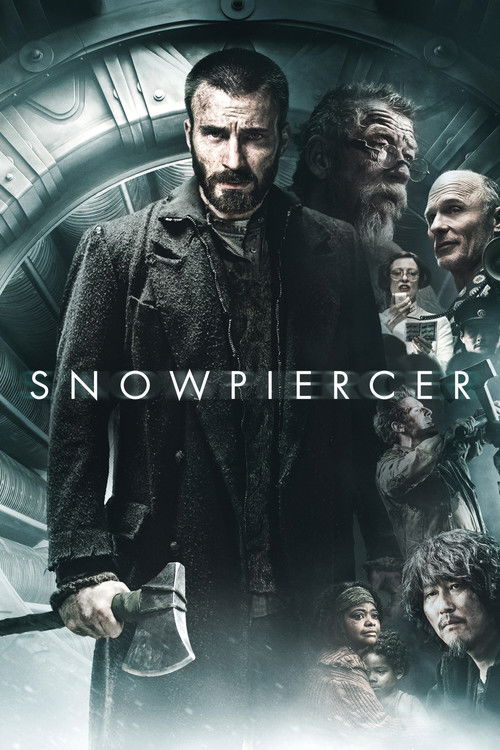
Snowpiercer is the sharpest climate parable we have
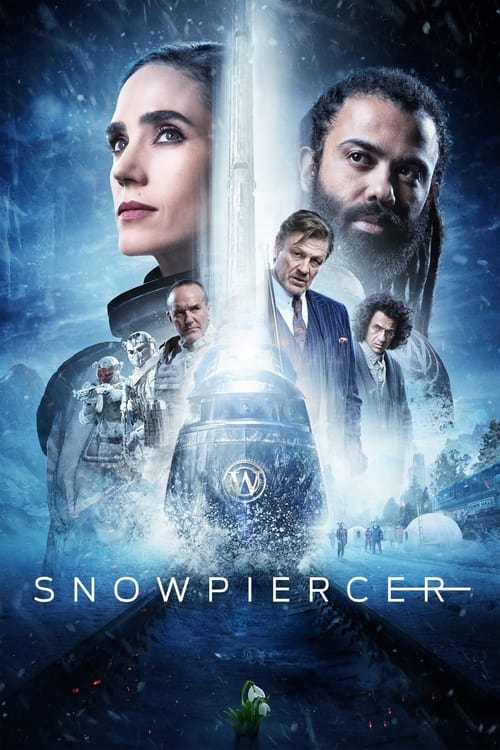
Bong Joon-ho's Snowpiercer (2013) takes the most unfashionable idea in climate fiction, that the cure could be worse than the disease, and rides it to the end of the line. A geoengineering project meant to stop runaway warming overshoots and freezes the entire planet. The last survivors circle a dead Earth forever on a single train, rigidly sorted from the starving tail to the gluttonous front. It is the rare disaster story where the catastrophe is over before the film begins, and the real subject is the brutal little society that forms in the wreckage.
The genius is the form. A train is a class diagram you can walk through, car by car, and Bong stages the whole argument about scarcity and who deserves to survive as a literal march forward. The TNT series that followed (2020) stretched the premise across many more hours and lost some of the compression, but the original remains the cleanest fable the genre has produced: the planet is finite, the train is finite, and pretending otherwise is how you end up eating protein blocks you would rather not ask about.
The broken planet on film
Floods, freezes and the spectacle of a world coming apart

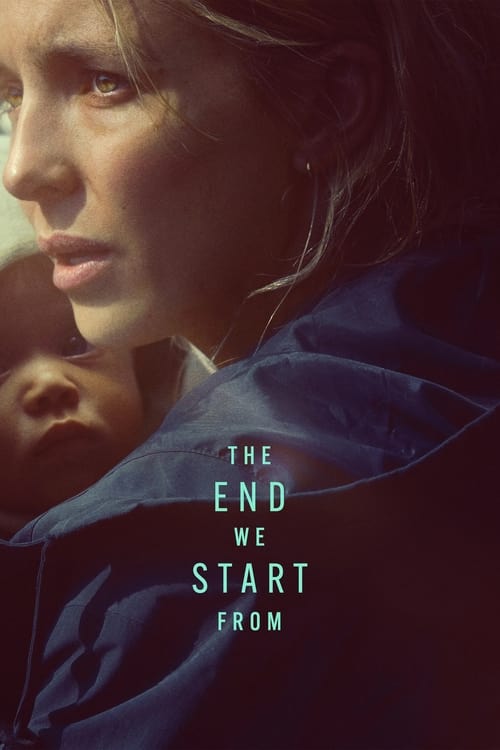


When the genre stopped looking away
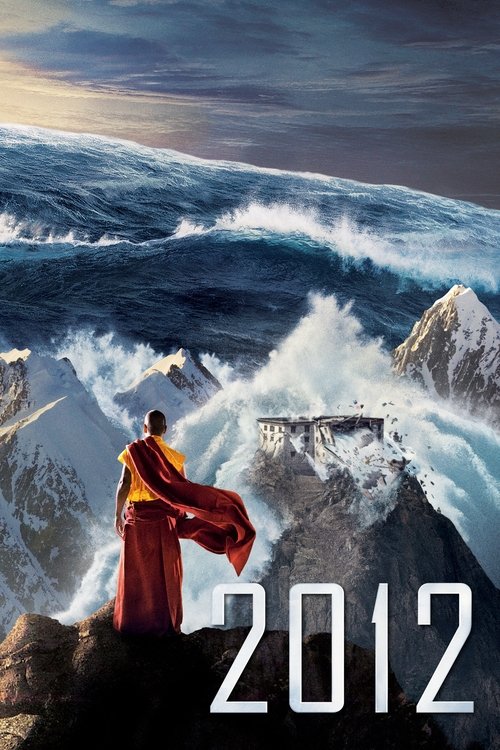
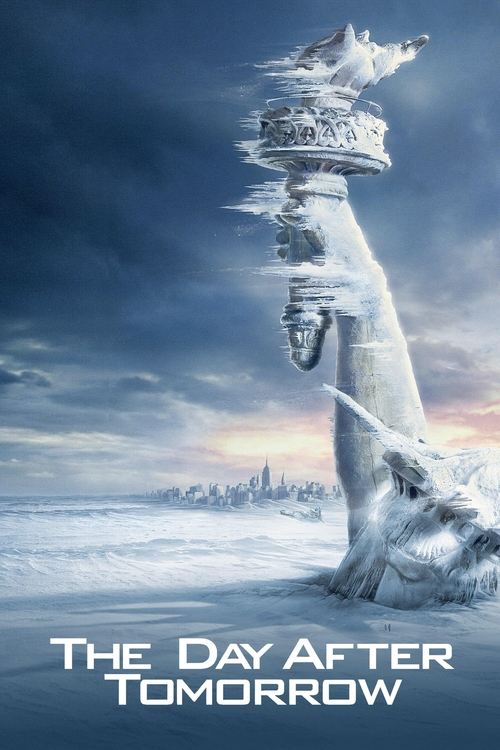
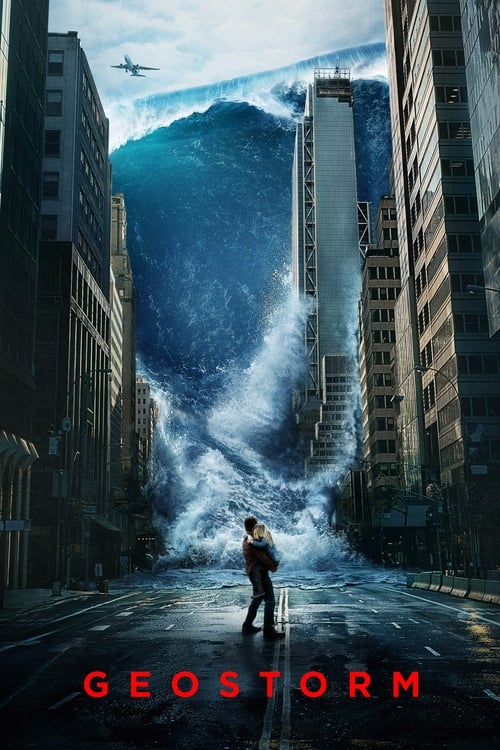
For most of cinema, climate change was a way to blow up landmarks. The Day After Tomorrow froze the Statue of Liberty, Geostorm turned the weather into a weapon, 2012 drowned the Himalayas. These are guilty pleasures, and they did real work: they made the abstract visible, gave a slow crisis a face you could scream at. But the more interesting move came when filmmakers stopped staging the apocalypse as a single bad weekend and started living inside the aftermath.
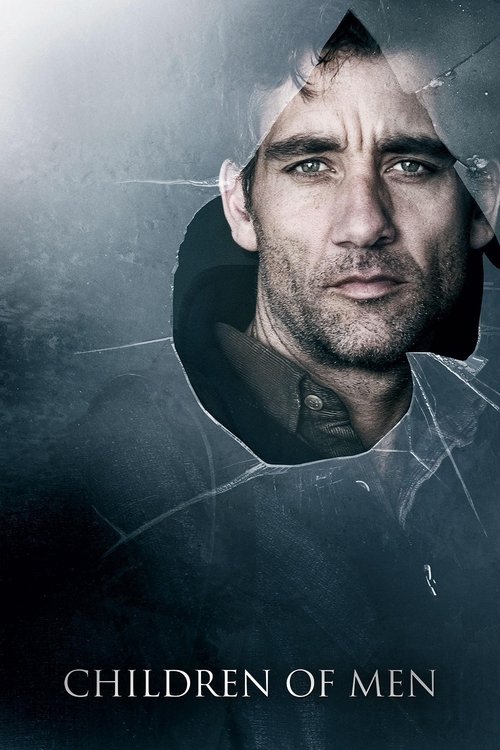
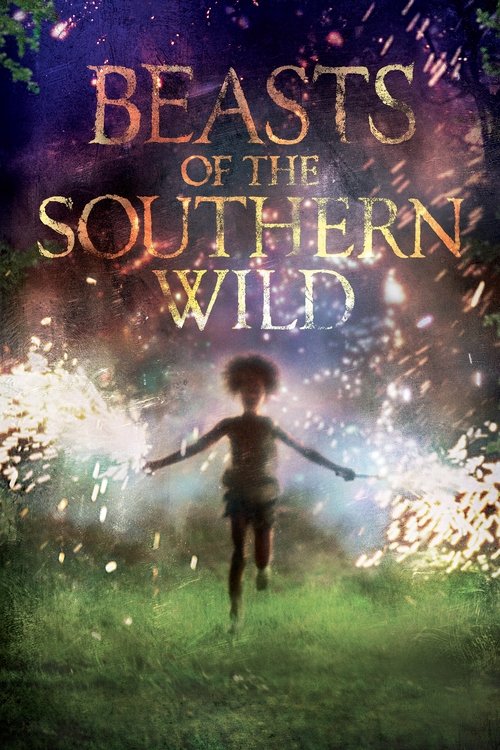
Children of Men is the pivot. Alfonso Cuaron's 2006 film is technically about infertility, not climate, but its grammar, the refugee camps, the collapsed institutions, the gray exhausted England where the future has simply been canceled, became the visual language of every serious story that followed. Beasts of the Southern Wild found the same end-of-the-world feeling in a flooding Louisiana bayou and a six-year-old who refuses to leave. The disaster got quieter, smaller, and far more frightening.
After the flood: the quiet end of the world
Intimate films that live in the aftermath, not the spectacle

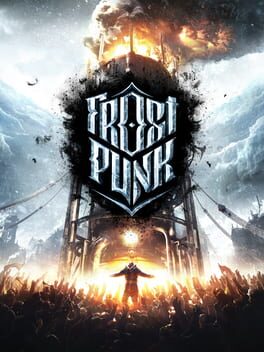
Frostpunk makes you the one who decides who freezes
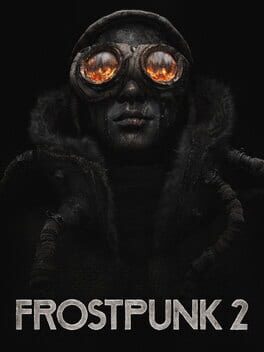
Most climate stories let you watch someone else make the impossible choices. Frostpunk hands them to you. A volcanic winter has swallowed the world and you are managing the last city on Earth, a ring of survivors huddled around a single coal-fired generator in a frozen crater. Every decision is a moral knife. Push the work shifts to twenty-four hours and people die of exhaustion. Pass a child-labor law and the heating holds one more night. Sign the order that turns the city into a faith-driven autocracy, or the one that makes it a surveillance state, because the alternative is everyone freezing in the dark together.
This is the thing games can do that no film can: it does not ask you to judge a survivor's choice, it makes you live with your own. Frostpunk 2 widens the lens from one city to a whole society arguing over what to rebuild, trading the immediate cold for the slower violence of factions and ideology. Both understand the genre's central insight better than most prestige drama: when the resource runs out, the real disaster is the politics.
Surviving the wasteland: climate games
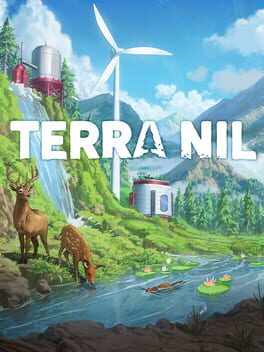
Build, ration, rewild or drown: the planet as a system you have to manage
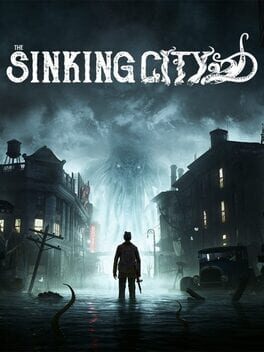
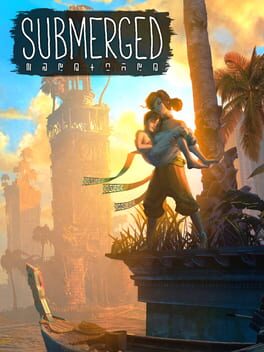
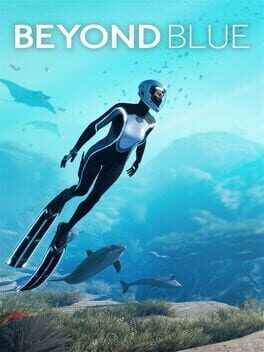
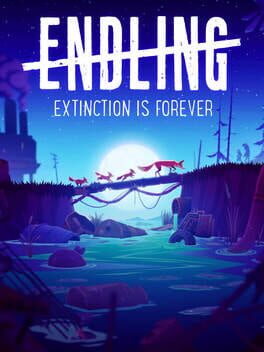
The novels got there first
Climate fiction is, before anything else, a literary genre. The label cli-fi itself comes from the book world, and the page is still where the genre does its most careful thinking, because a novel can sit inside a single mind for four hundred pages and watch the slow weather of a changing world.
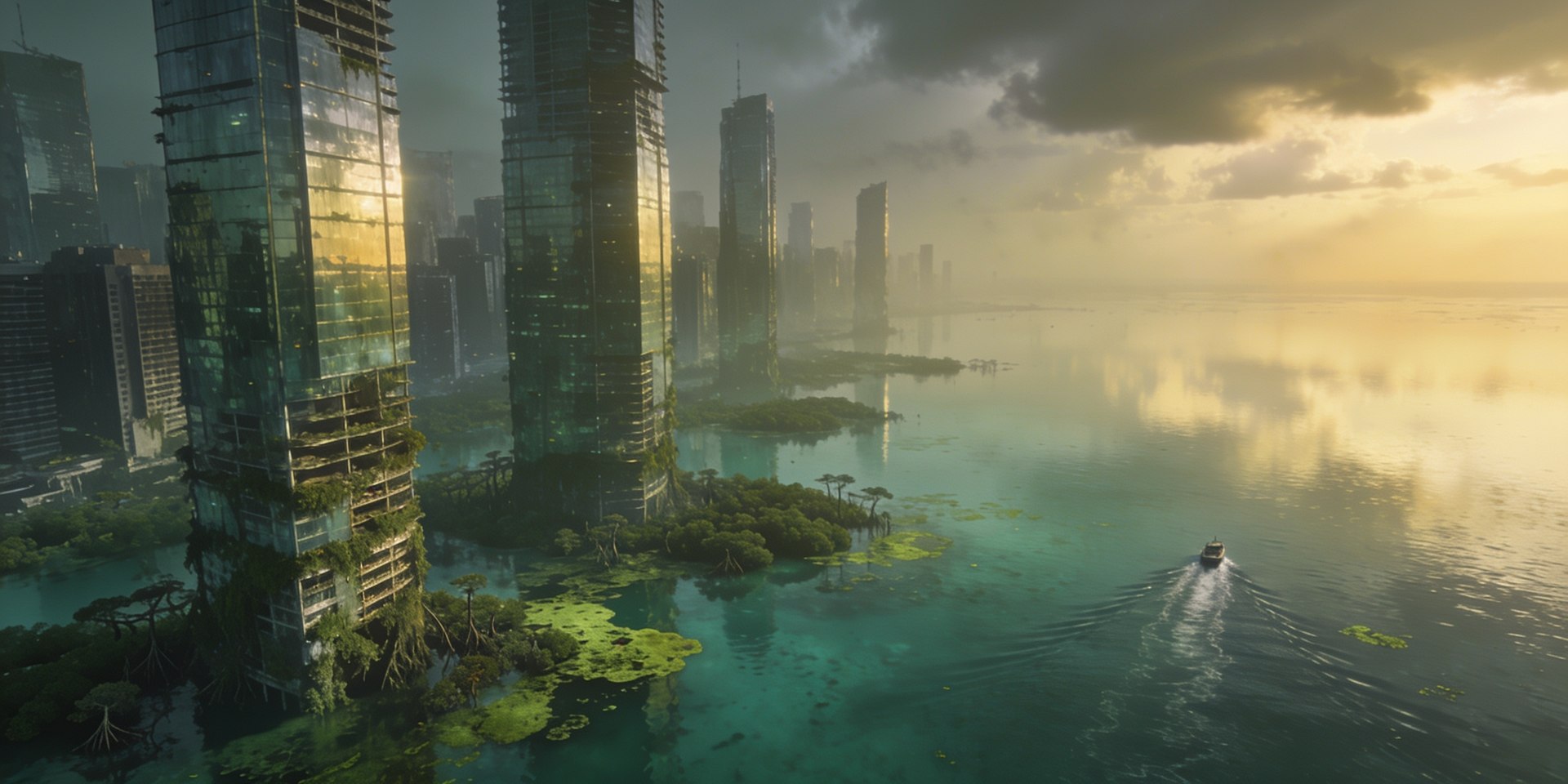
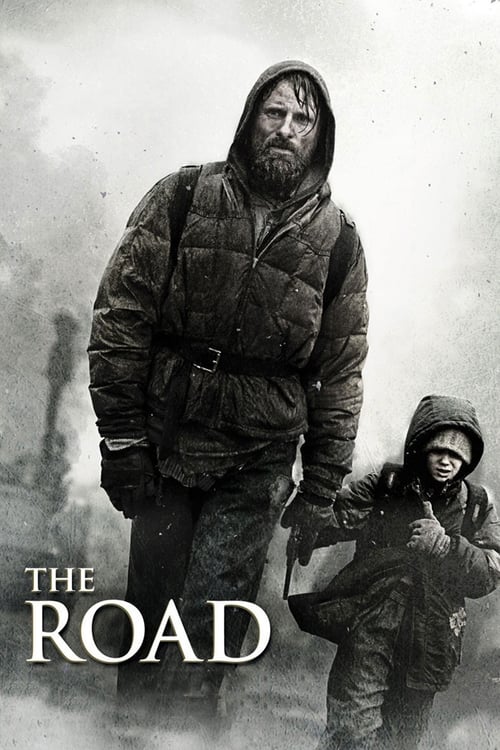
J.G. Ballard's The Drowned World (1962) is the origin point: a lush, hallucinatory London turned to lagoon and jungle, where the heat sends people psychologically backward into a reptilian past. Margaret Atwood's The Year of the Flood imagines a corporate ecological collapse from the perspective of the cult that saw it coming. N.K. Jemisin's The Fifth Season builds an entire fantasy cosmology around a planet that periodically tries to kill everyone living on it. And Cormac McCarthy's The Road strips the genre to its bones: a father and son, a dead landscape, a shopping cart, and the question of whether you carry the fire when there is nothing left to burn.
Climate fiction on the page
From Ballard's lagoon to Atwood's flood: where the genre thinks hardest


The catastrophe with no villain to shoot is the hardest one to dramatize, and the only one we are actually living through.On why climate fiction keeps reaching for floods and trains: a single image to hold a diffuse, decades-long crisis
The near future on television
Series with room to watch the slow collapse arrive year by year
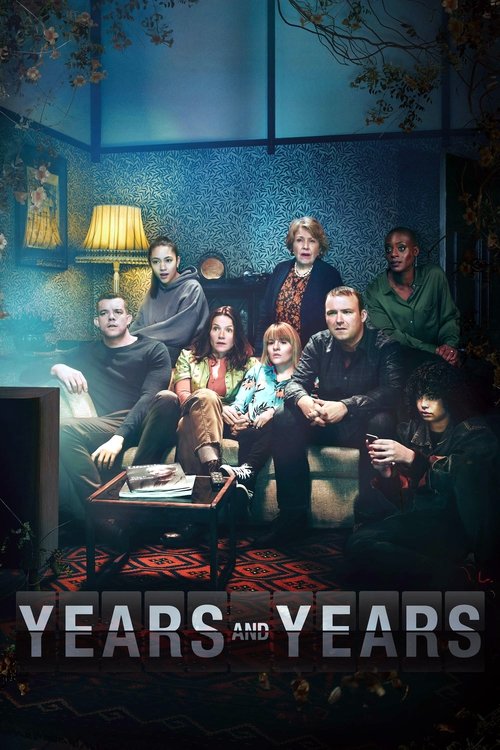

Years and Years is the scariest thing on this list
Russell T Davies's Years and Years (2019) does not give you a frozen Manhattan or a single drowned skyline. It gives you a perfectly ordinary Manchester family, and then it presses fast-forward. Across six episodes you watch fifteen years pass, and the climate crisis is just one current in a flood of them: economic collapse, refugees, an unstable politics, the slow normalization of things that should be unthinkable. Eighty straight days of rain wash out a season. A nuclear flashpoint comes and goes between dinner conversations. Nobody treats any of it as the apocalypse, because for them it is simply Tuesday.
That is the trick the disaster blockbusters can never pull off. Years and Years understands that the broken planet will not announce itself with a tidal wave on the news. It will arrive as a series of bad years you get used to, one at a time, until you look up and the world has changed completely. It is the most plausible piece of climate fiction ever filmed, and that is exactly why it keeps you awake.
Two ways to score the end of the world
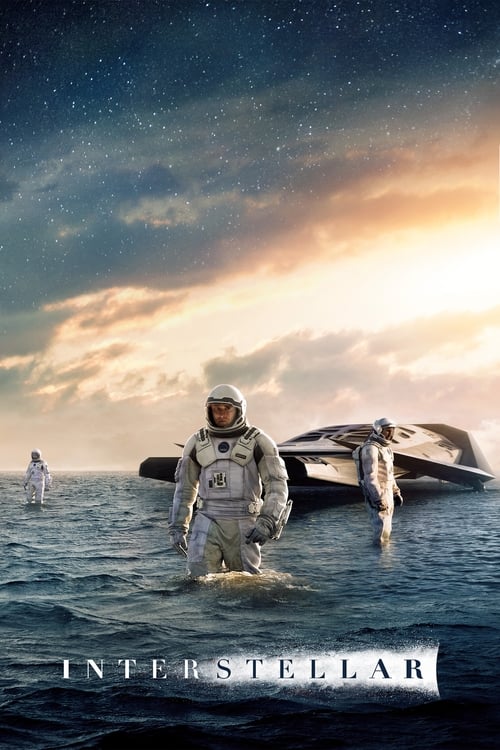
The genre even has its own sound. Hans Zimmer's score for Interstellar is, at root, climate music: an organ-driven elegy for a dust-choked Earth that can no longer feed its people, scoring a story where leaving the planet is the only crop left. It is grief and awe in the same chord, and it has become the default emotional register for any film that wants to picture a world running out.
At the other pole sits the cracked Americana of Fallout: The Soundtrack, where the apocalypse is set to swing-era optimism, the cheerful croon of a vanished world playing over the ruins of the one that replaced it. Together they map the genre's two moods: the soaring lament for what is being lost, and the bitter irony of dancing on top of the rubble.
The sound of the broken planet
Scores that hold the grief and the gallows humor of the end
Wake-up calls and wider visions
Satire, documentary, animation and resistance: the genre's outer edges