

The novel that science fiction could not leave alone
Frank Herbert's Dune arrived in 1965 as a fix-up of two serialized Analog stories, "Dune World" and "The Prophet of Dune," and it changed what the genre thought it was capable of. A desert planet with a single precious resource, a displaced aristocratic family, a messianic narrative that Herbert himself spent the rest of his life complicating and undercutting: the book won the first Nebula Award for Best Novel and split the Hugo with Roger Zelazny's ...And Call Me Conrad. It sold modestly at first, turned into a slow word-of-mouth phenomenon through the late 1960s and 1970s, and has never been out of print.
Herbert wrote five sequels before his death in 1986. The story then traveled into every medium imaginable: a notoriously troubled 1984 film, a pair of Sci-Fi Channel miniseries in the early 2000s, a real-time strategy PC game that essentially invented the modern RTS genre, tabletop games, and finally Denis Villeneuve's two-part adaptation (2021 and 2024), which is the most expensive and the most faithful version yet made. A spin-off TV series, Dune: Prophecy, launched on Max in 2024. The estate has also authorized sequels and prequels by Brian Herbert and Kevin J. Anderson, an extended universe that hardcore fans continue to debate with some heat.
Every version of Dune
The source novel, every film and TV adaptation, and the games that built the canon

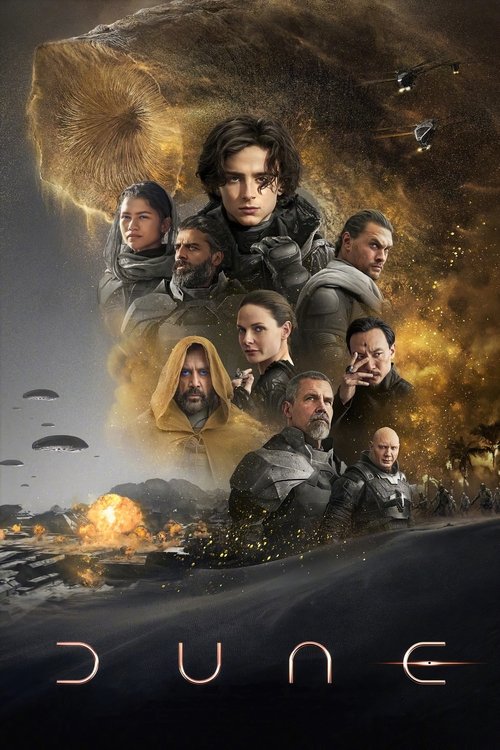
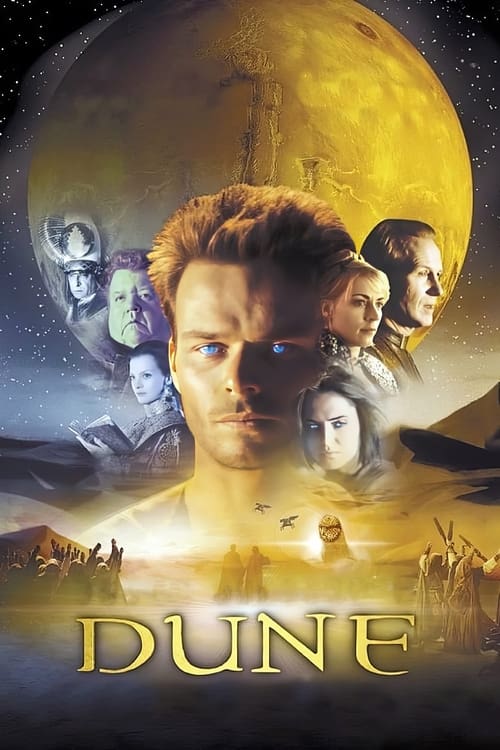
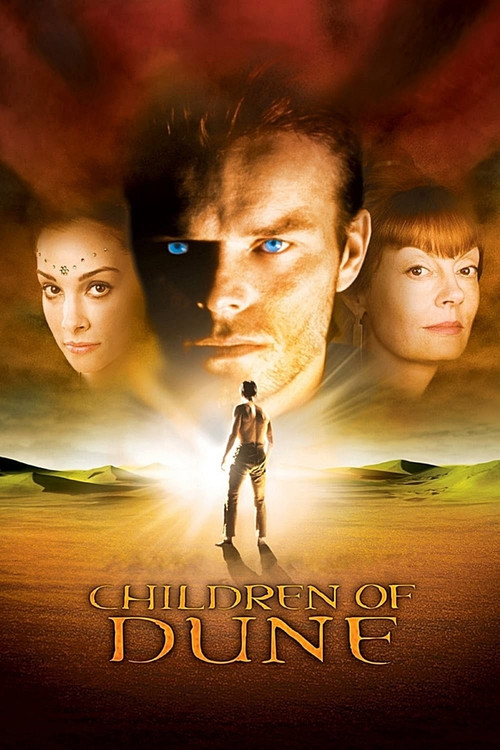
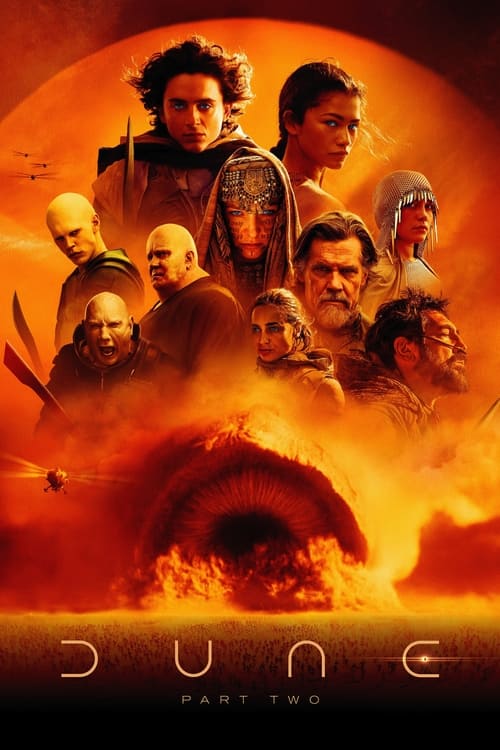

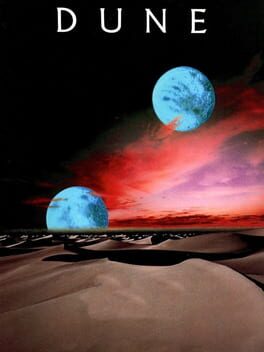
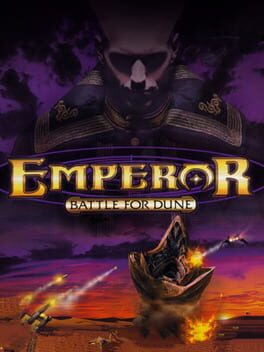
Dune across six decades
- 1963"Dune World" serialized in Analog
- 1965Dune published as a novel Dune
- 1969Dune Messiah
- 1976Children of Dune
- 1981God Emperor of Dune
- 1984David Lynch's film released Dune
- 1992Westwood's Dune RTS
- 2000Sci-Fi Channel miniseries Frank Herbert's Dune
- 2001Emperor: Battle for Dune Emperor: Battle for Dune
- 2003Children of Dune miniseries Frank Herbert's Children of Dune
- 2021Villeneuve's Part One
- 2024Villeneuve's Part Two Dune: Part Two
- 2024Dune: Prophecy on Max Dune: Prophecy
If you love Dune's desert world and resource politics
Epic scope, scarce resources, and empires built on sand


If you love Dune's messianic politics and prophecy subverted
Chosen ones, false prophets, and the weight of destiny
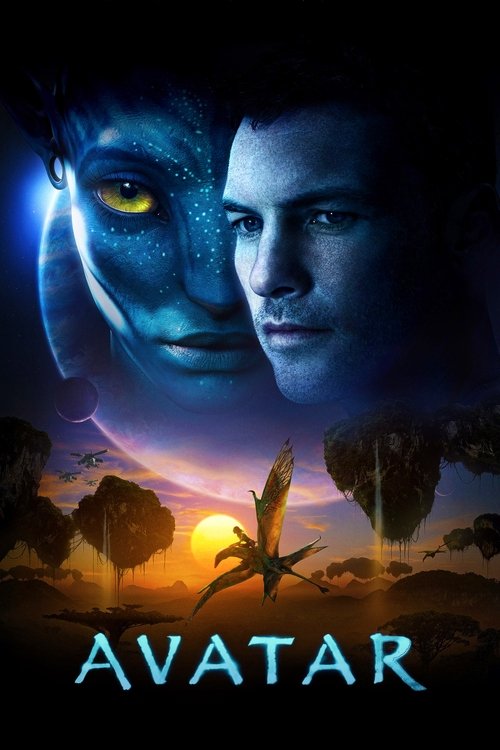

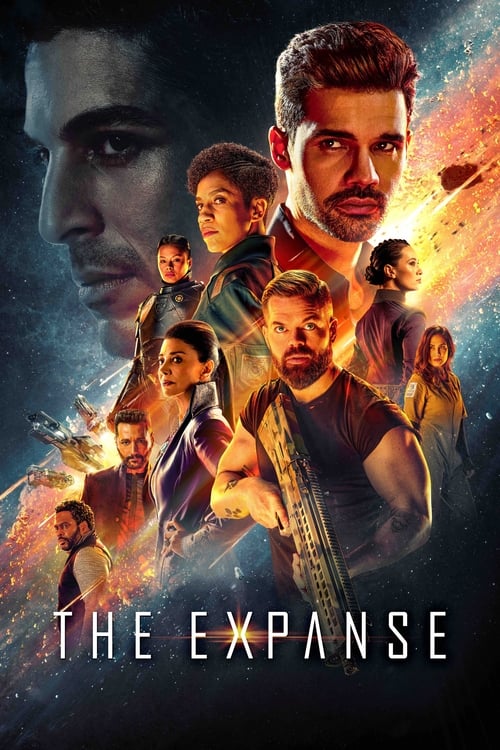

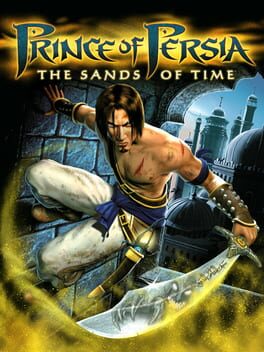
If you love Dune's ecology and survival in extreme environments
Worlds that push humans to their limits
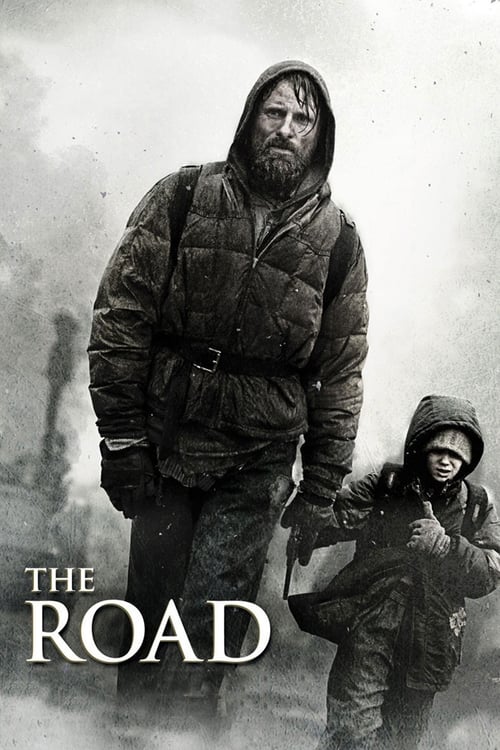


If you love Dune's House politics and dynastic betrayal
Families at war, loyalty tested, power passed between generations

The definitive version: Villeneuve's two-parter finally does it justice
Denis Villeneuve spent the better part of a decade earning the right to make Dune: Part One (2021) and Dune: Part Two (2024), and the patience shows. By splitting the novel across two films and refusing to compress the second act, he does what Lynch could not: he gives Paul Atreides' arc the room it needs to turn, and then he commits to Herbert's genuinely uncomfortable ending. Zendaya's Chani functions as the book's moral conscience. The sandworm sequences are the best practical and visual effects work in recent science fiction. This is the one to start with and, for most viewers, the one to stay with.
The underrated one: the 2000 Sci-Fi Channel miniseries
John Harrison's Frank Herbert's Dune (2000) suffers from Sci-Fi Channel budget limitations and some deeply peculiar costume choices, but it covers the full novel across three episodes with a fidelity that neither Lynch nor Villeneuve (across only Part One) could match in a single sitting. William Hurt is an unusual Leto Atreides, and Alec Newman's Paul is far less conventionally heroic than the films allow. The Children of Dune follow-up miniseries (2003) is actually the stronger production, and James McAvoy's Leto II is one of the better pieces of casting in any Dune adaptation. Both are worth seeking out if you have already seen the films.
The one to approach carefully: Lynch's 1984 film
David Lynch's Dune (1984) is a genuinely strange artifact. Studio interference compressed a four-hour cut to 137 minutes, and Lynch's baroque sensibility produces something that simultaneously overexplains and remains incomprehensible. Kyle MacLachlan is earnest. Sting appears. The inner-monologue narration exhausts its welcome inside the first act. Lynch himself disowned the film and has never revisited the material. It belongs to a specific era of Hollywood overreach, and there is real value in watching it, but not as an introduction to Dune and not with the expectation of a coherent story.
More space opera and desert worlds
For Fans of Frank Herbert
Explore the For Fans of Frank Herbert guide →The mystery of life isn't a problem to solve, but a reality to experience.Frank Herbert, Dune (1965)