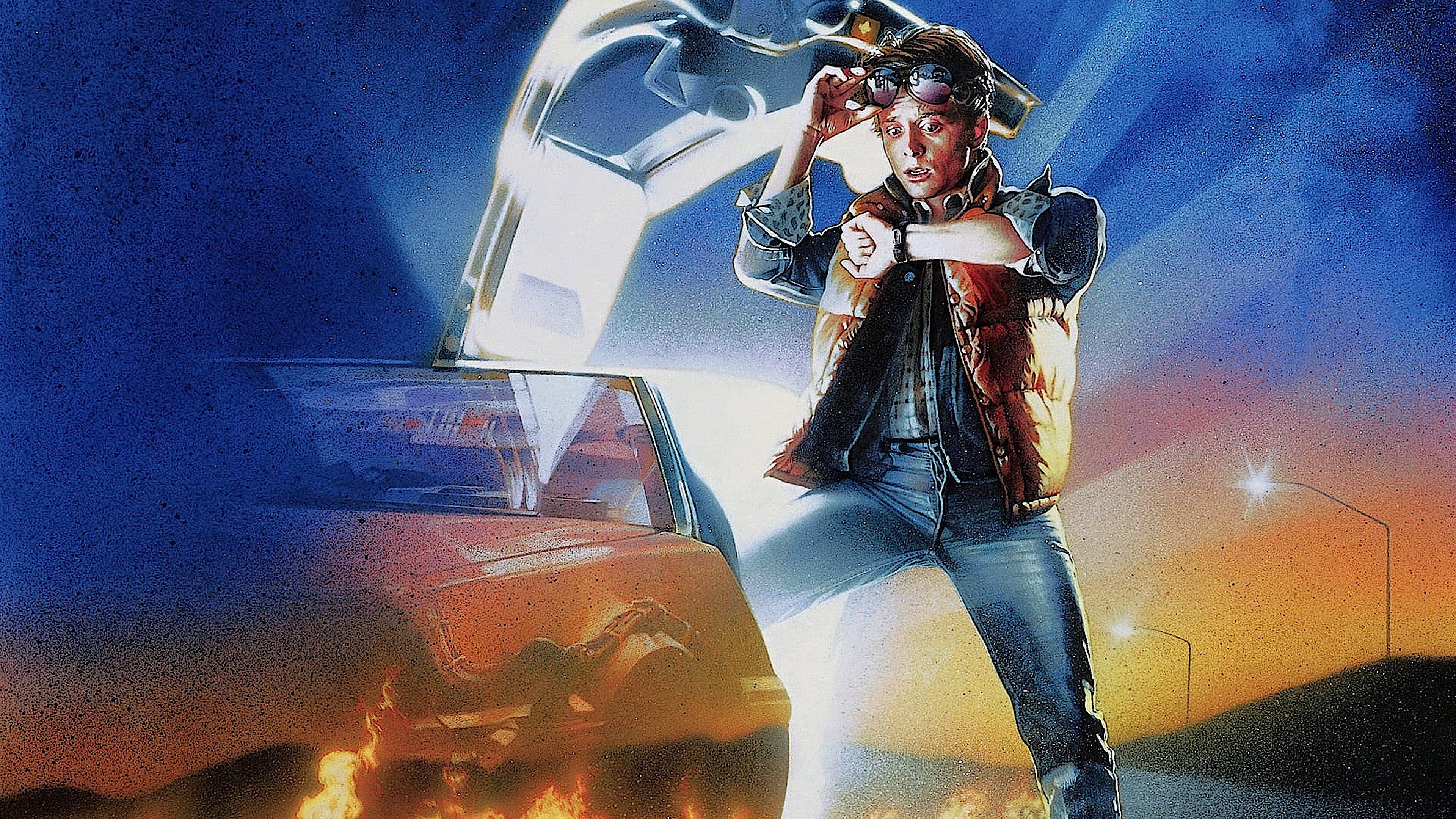

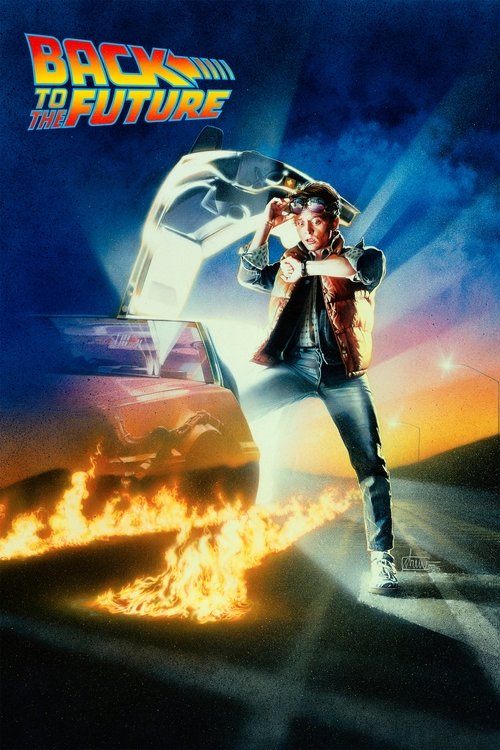
Back to the Future (1985) is the rare blockbuster that is also a precision instrument. Robert Zemeckis and Bob Gale built every gag, every prop, every line of dialogue into a machine where nothing is wasted: the clock tower, the guitar riff, the photograph fading at the edges. What fans chase is that feeling of a story clicking perfectly into place, of comedy and stakes and genuine heart coexisting without any of them being shortchanged. The sequels extended the premise with wit and invention; the whole trilogy holds together as a single satisfying argument that time-travel stories work best when the rules are airtight and the characters are people you actually root for.
Essential Back to the Future
The trilogy, in order, then the wider Zemeckis catalogue that shares its DNA
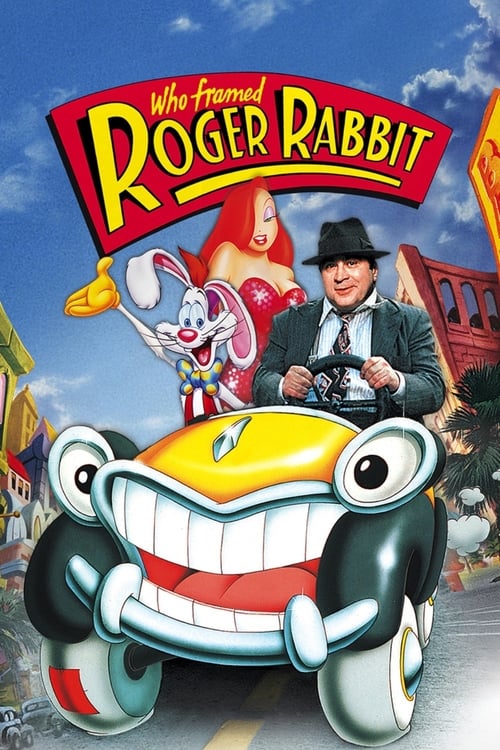
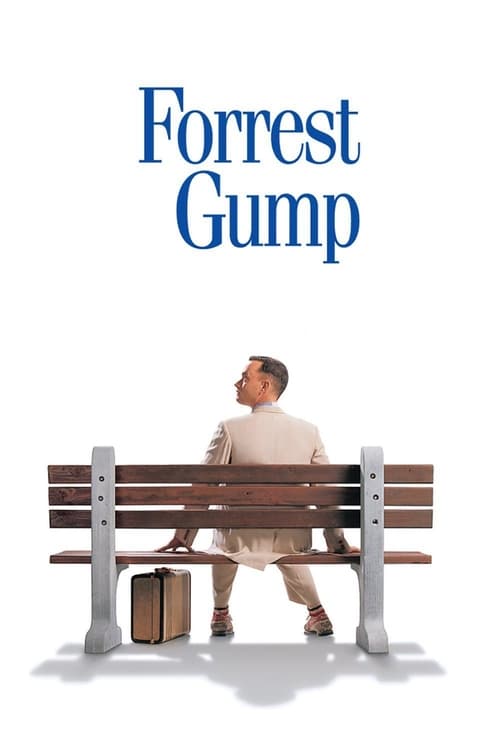
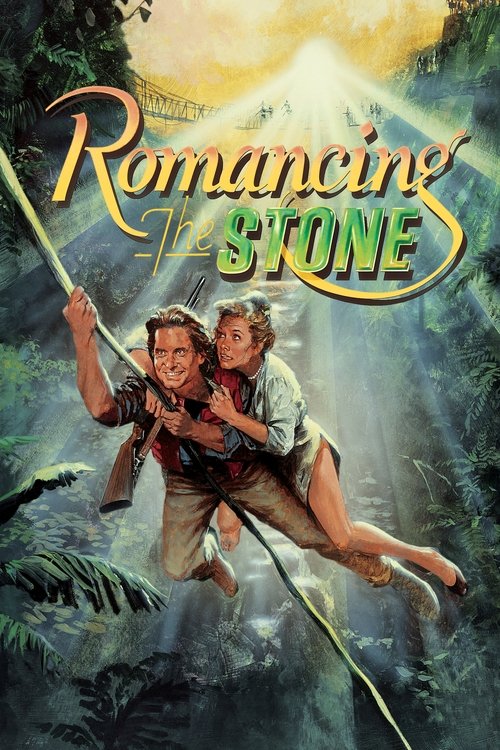
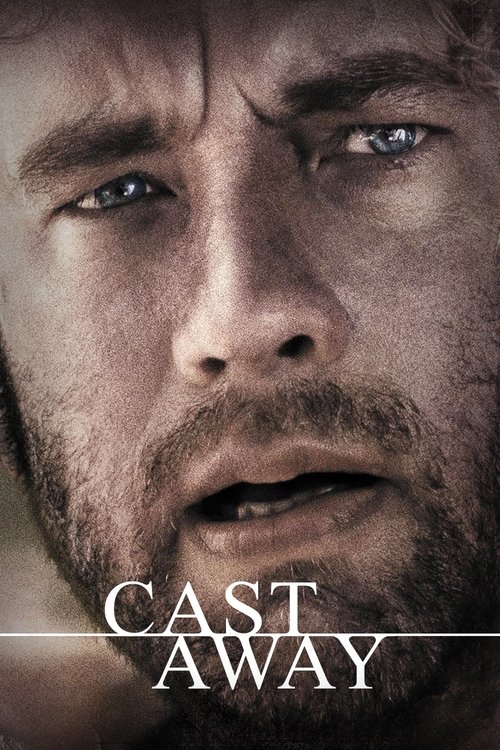
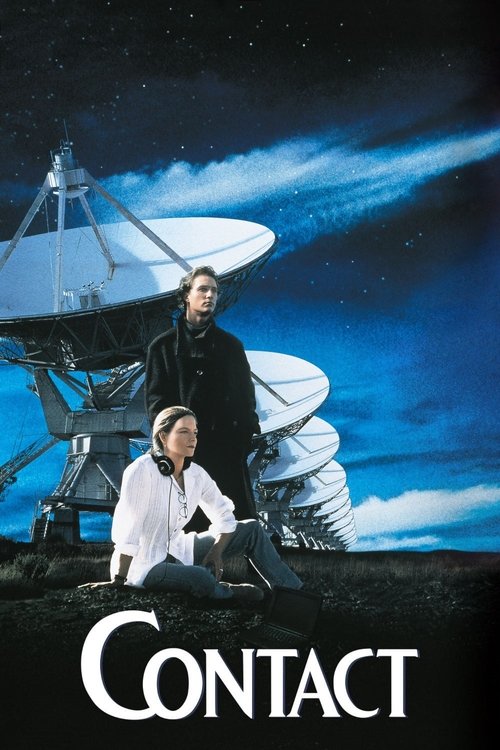
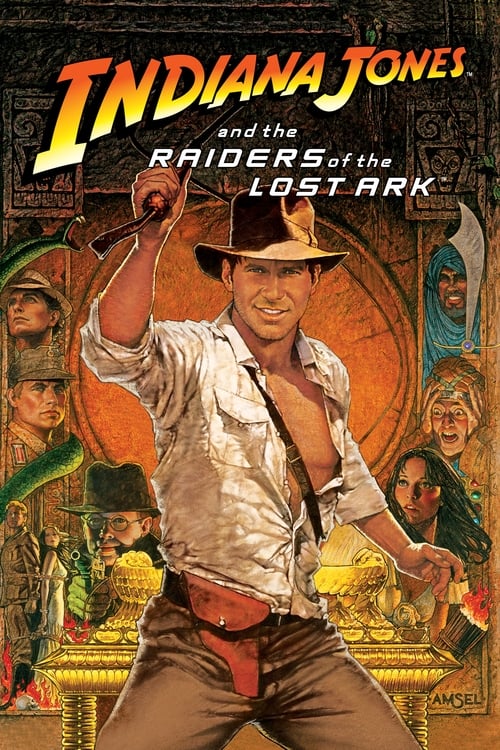
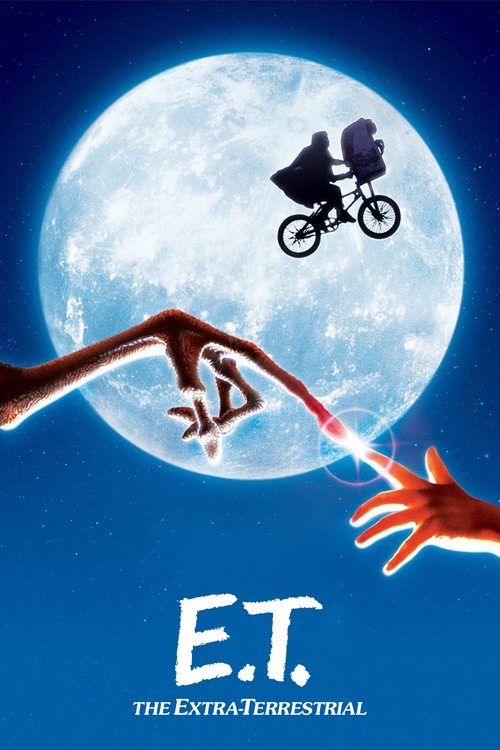
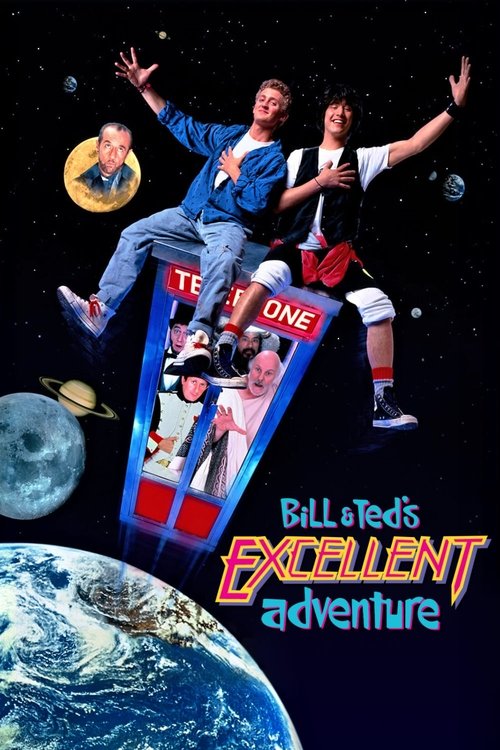
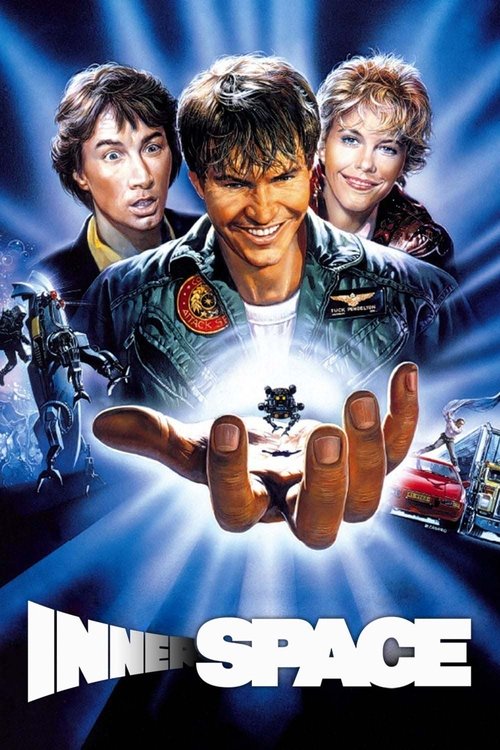
Same Wit, Same Wonder: Films in the Same Vein
Comedies and adventures with airtight plotting, genuine heart, and a sense of discovery
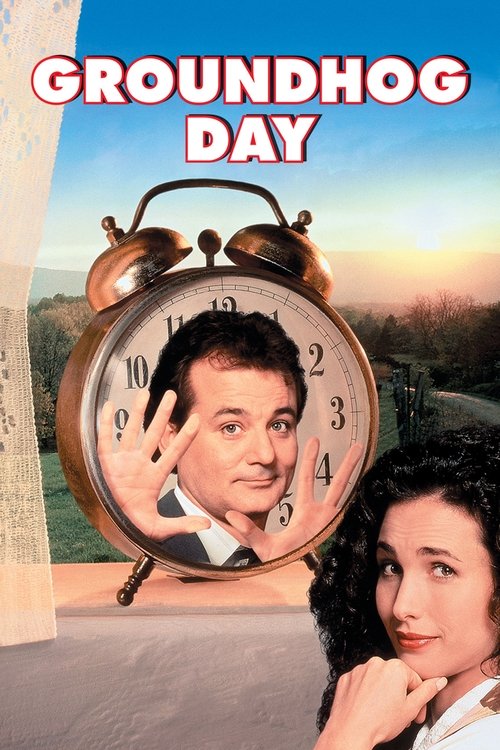
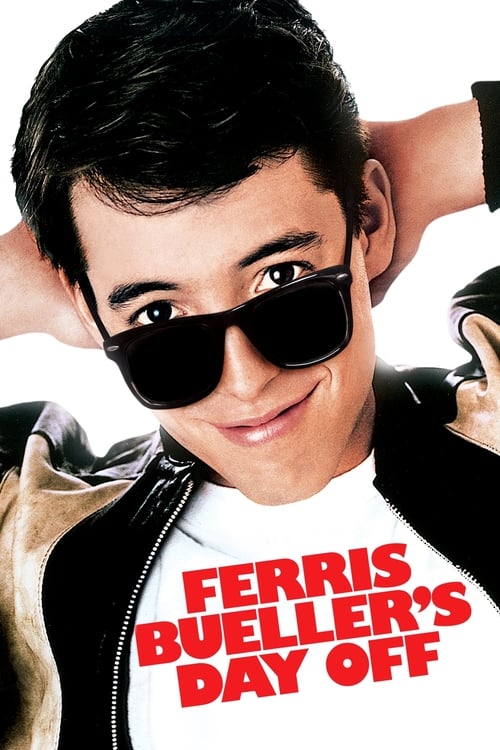
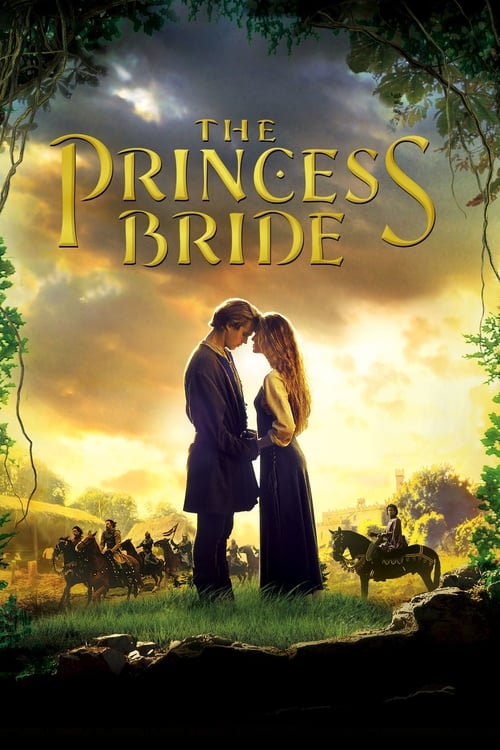
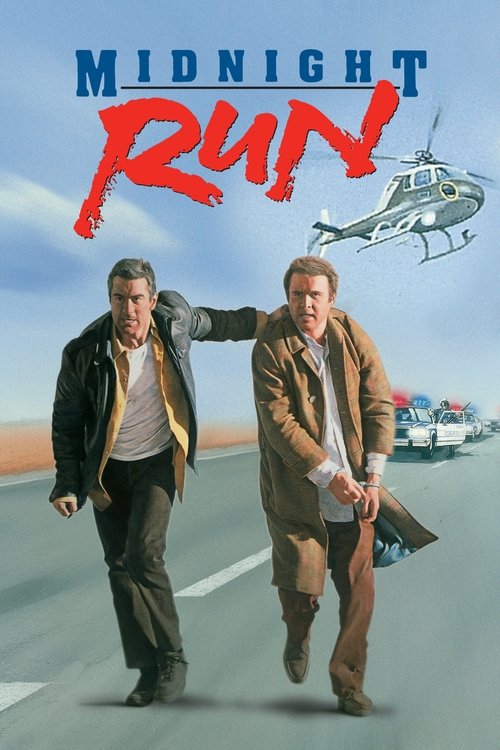
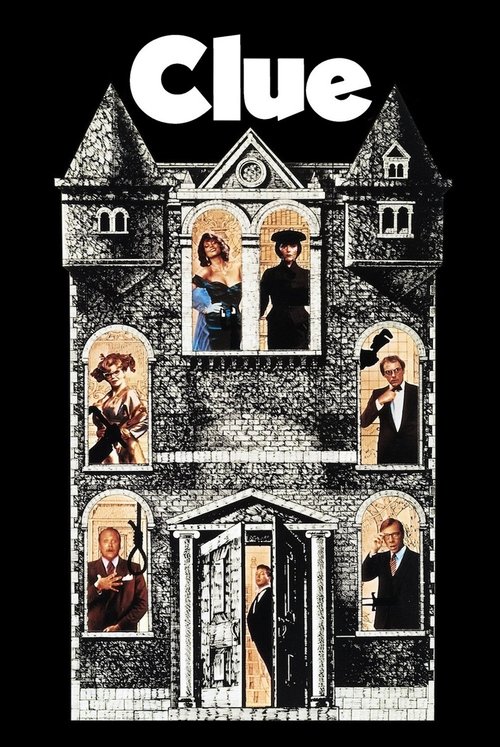

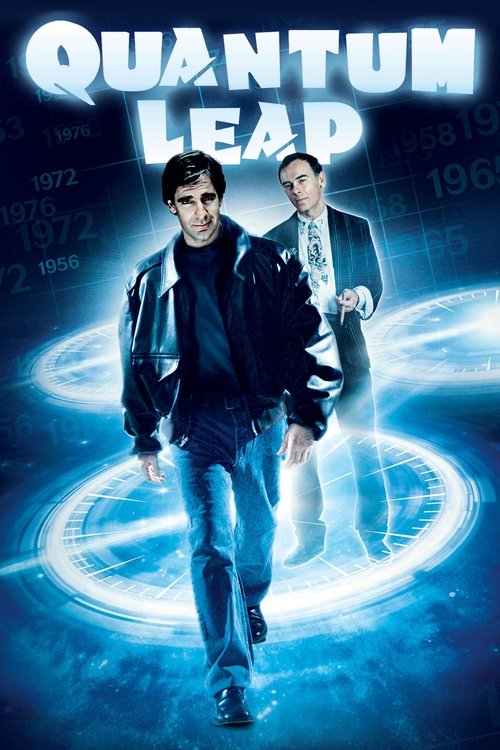
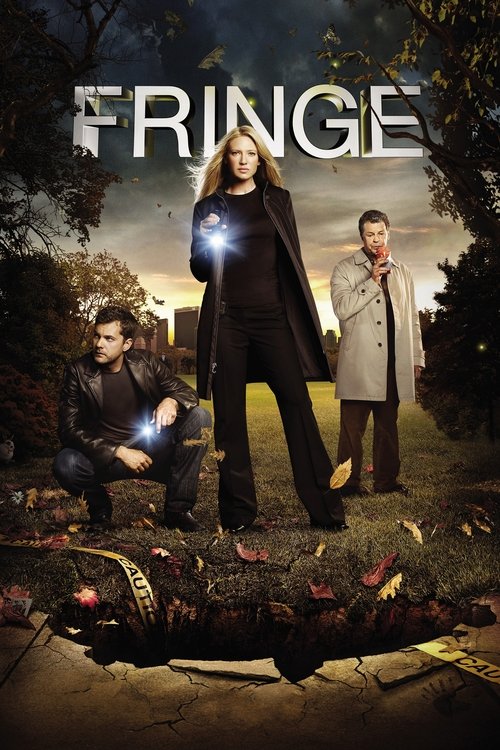
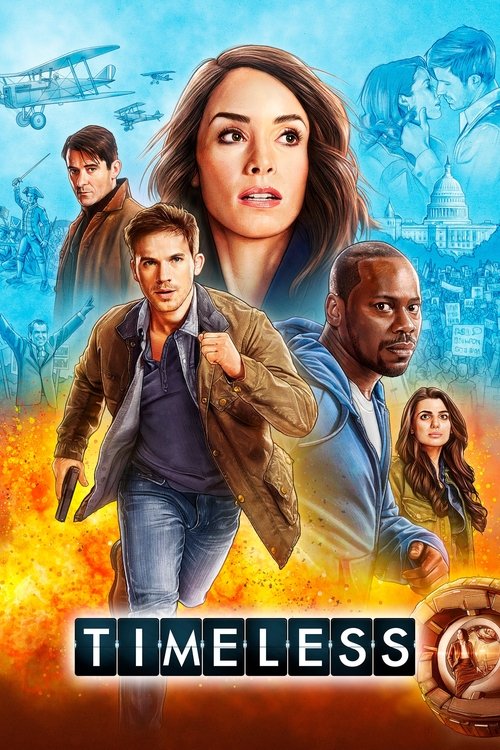
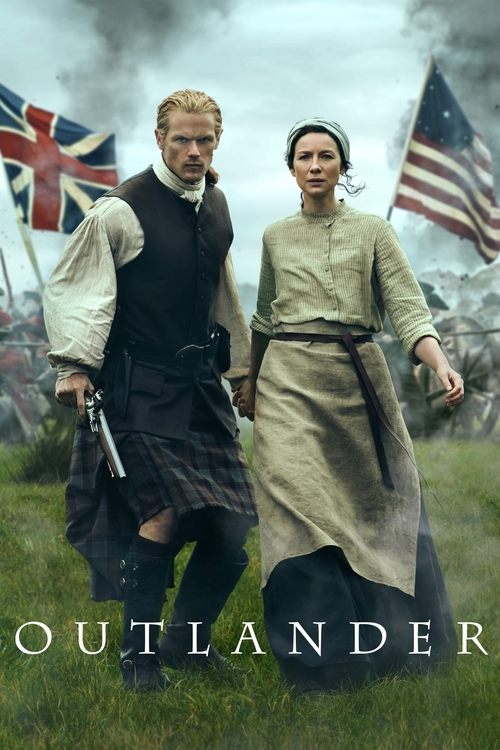
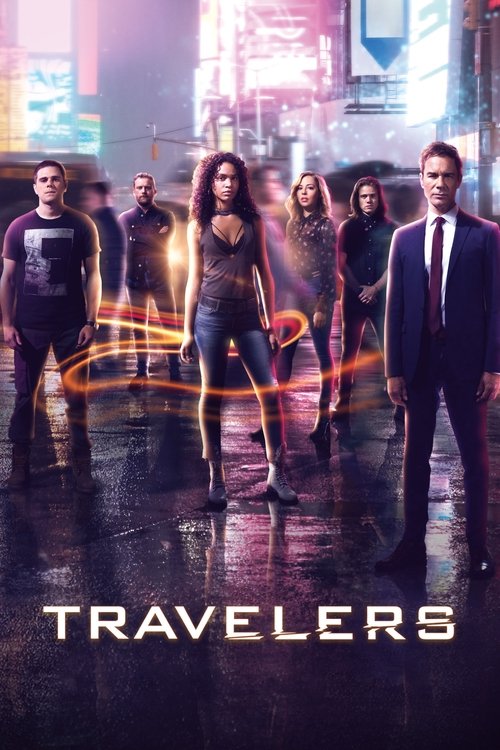
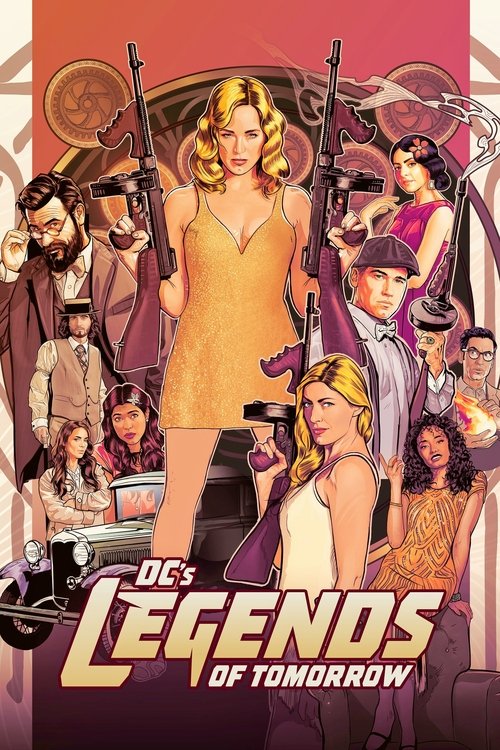
Time and Consequence: Series That Play by Their Own Rules
TV shows where the temporal mechanics matter as much as the characters

The Source and the Kin: Books That Chase the Same Feeling
Novels about time, causality, and getting unstuck from the present


Cause and Effect: Games Built Around Temporal Mechanics
Games where manipulating time is the core pleasure, not a gimmick
The Real Secret Is the Script
Most blockbusters of the era were assembled from genre parts. Back to the Future was engineered. Zemeckis and Gale reportedly wrote the script over thirty drafts, and it shows: every element introduced in the first act pays off in the third, and the mechanics are clean enough that the audience can follow the logic without a diagram. The film earns its twists because it was honest with you from the start. That discipline is rarer than it looks, and it is the first thing fans of the film notice when a lesser time-travel story cheats.
Marty and Doc Are the Odd Couple the Genre Needed
Time-travel stories live or die on their central relationship. What makes the McFly/Brown dynamic work is that it is never explained or justified within the film. The friendship simply exists, treated as given, and the actors fill in the gaps with warmth and specificity. Michael J. Fox's physical comedy and Christopher Lloyd's operatic intensity should not fit together, and yet the friction is exactly what makes every scene crackle. It set a template: odd-couple partnerships in high-concept adventure films have been chasing that chemistry ever since.

Part II Got There First
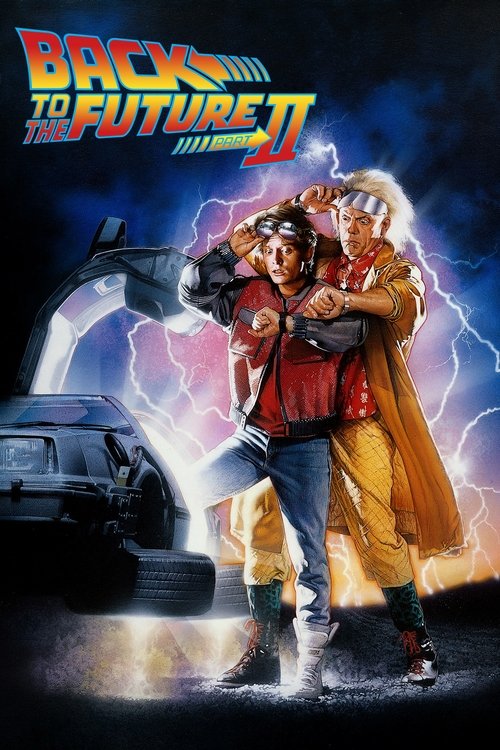
Back to the Future Part II (1989) predicted hoverboards, video calling, fingerprint payment, and a Cubs World Series win (off by one year, more or less). More interestingly, it was the first major Hollywood sequel to treat its own continuity as raw material, replaying scenes from the original film from new angles to reveal information the audience did not have the first time. That structural move influenced how blockbuster sequels think about narrative architecture, even if the film itself never quite got the credit it deserved at the time.
The Western Third Is Underrated
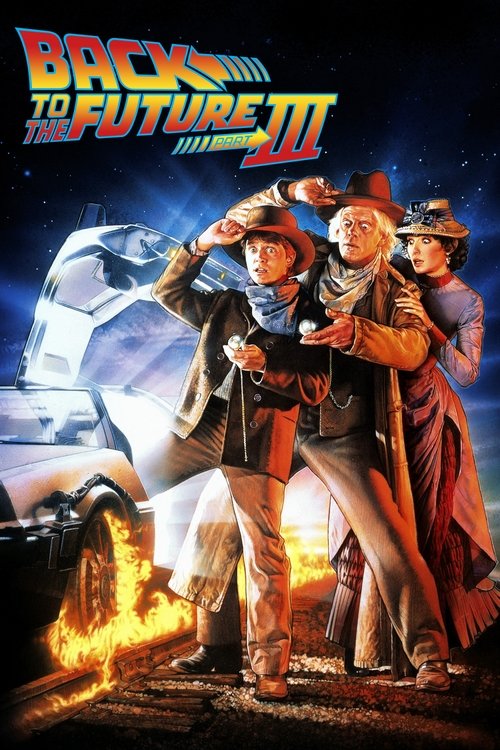
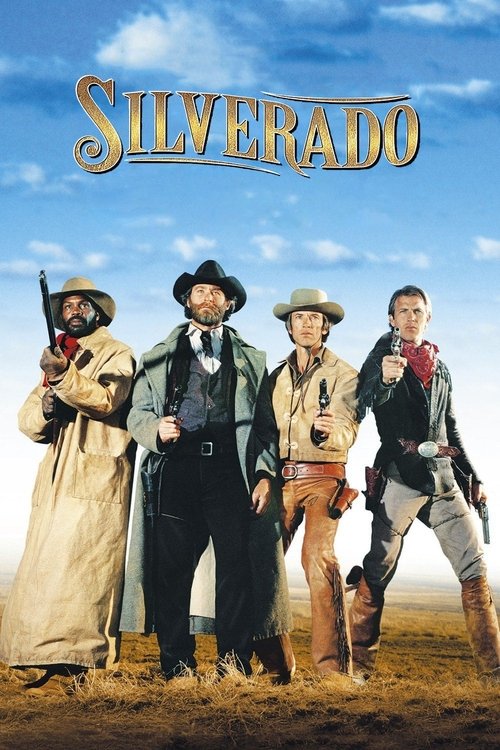
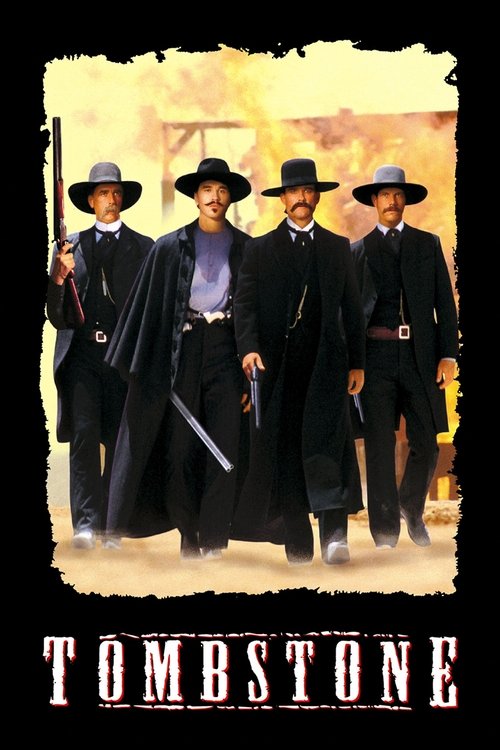
Part III (1990) is the one casual fans remember least and devoted fans often argue is the most purely enjoyable. Transplanting the premise into a Western gave Zemeckis room to play with a completely different genre grammar, and the film uses it: the clock tower becomes a clock tower in a different sense, the love story is allowed to be genuinely tender, and Doc gets a proper arc that the first two films denied him. The shift in register, from suburban comedy to frontier adventure, is the clearest sign that the filmmakers trusted the audience to follow them wherever the DeLorean pointed.
The Timeline (Mostly Intact)
- 1985Back to the Future released; becomes the highest-grossing film of the year in the United States Back to the Future
- 1986Huey Lewis and the News's 'The Power of Love' had already charted in 1985; the film cements it as an era-defining sound
- 1989Part II takes Marty and Doc to October 21, 2015, and invents the hoverboard Back to the Future Part II
- 1990Part III closes the trilogy in 1885 Hill Valley; Alan Silvestri's score incorporates period instrumentation Back to the Future Part III
- 1991Animated series debuts, extending the adventures of Doc's family into new settings Back to the Future
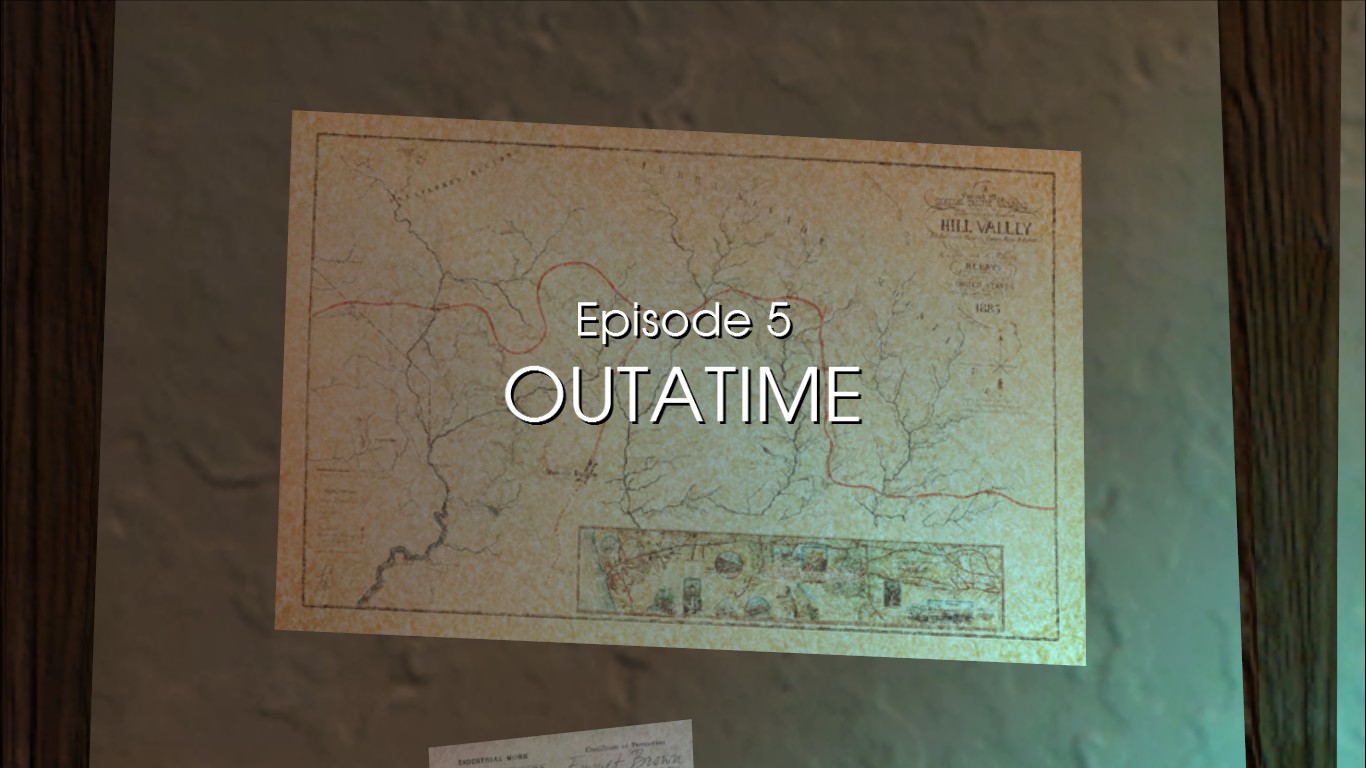
- 2010Telltale Games releases Back to the Future: The Game, a five-episode adventure written with franchise input Back to the Future: The Game - Episode 5. OUTATIME
- 2015October 21: 'future day' arrives; the hoverboard and self-lacing shoes move from prop to prototype
- 2023The musical adaptation, running since 2020 in the West End, transfers to Broadway
More time travel and tight sci-fi
Time Travel
Explore the Time Travel guide →Roads? Where we're going, we don't need roads.Dr. Emmett Brown, Back to the Future (1985)