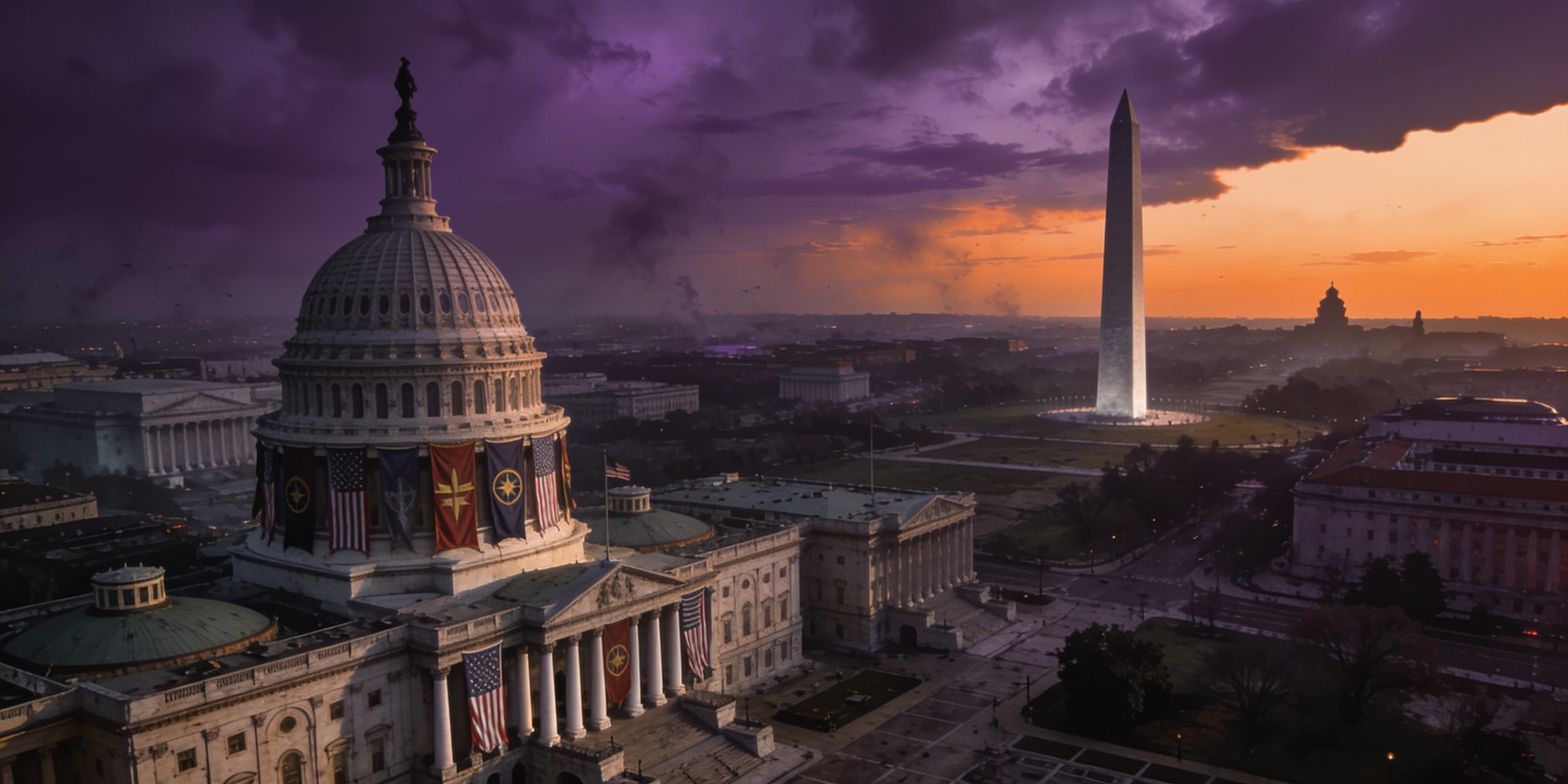

Alternate history is not escapism. It is the most pointed kind of realism. By removing one hinge from the past, the genre asks a question that ordinary fiction cannot: what makes the present feel inevitable, and how much of it was actually luck? The answer, across film, TV, games, books, and music, is usually the same. Not much.
The genre clusters around a handful of pivot points: the Second World War, the American Civil War, the space race, the Kennedy assassination. Those are the moments where the needle of history trembled most visibly, and where a changed outcome produces the largest downstream difference. A Nazi victory in 1945 turns Washington into an occupied capital. A Confederate victory at Gettysburg reshapes the economy of the Western hemisphere. An intact JFK rewrites the 1960s entirely. The best alternate-history works do not stop at the counterfactual premise. They ask who benefits, who loses, who collaborates, and who resists, which is another way of asking about human nature under pressure.
Essential alternate history
The canon, across every screen and page
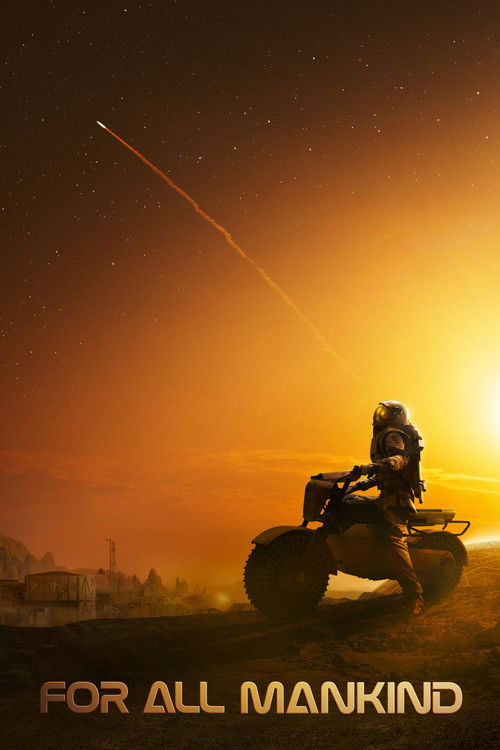
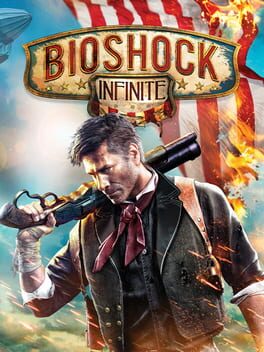
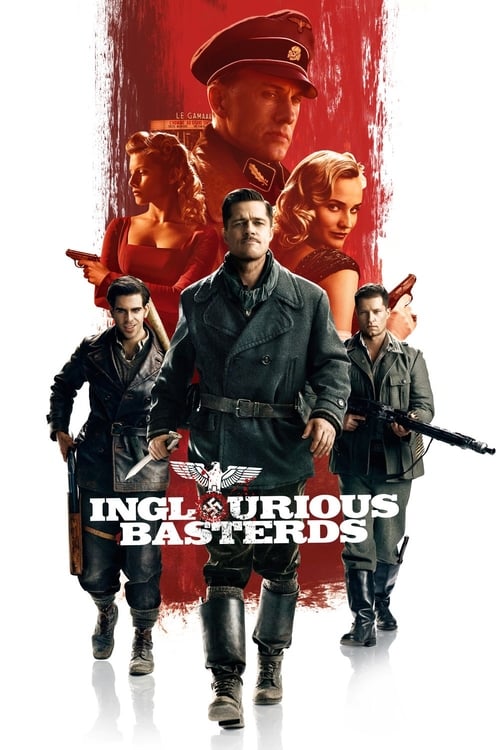
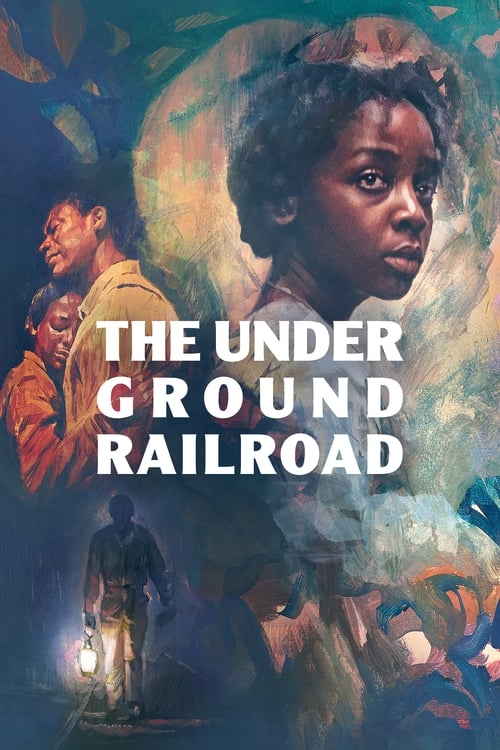
The one that set the template
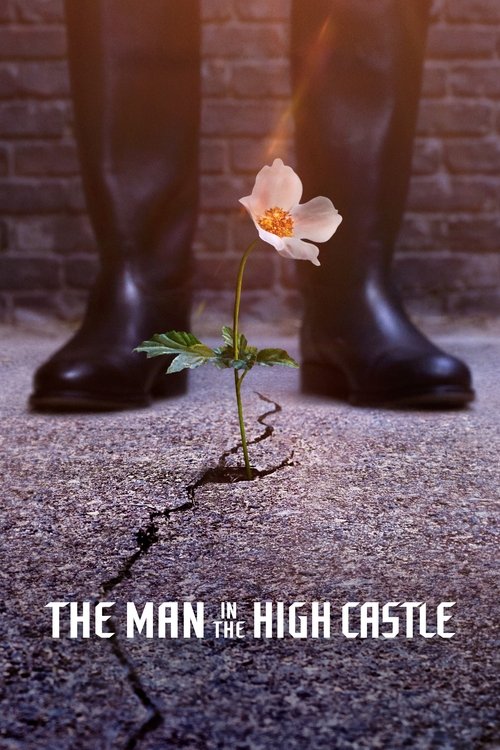
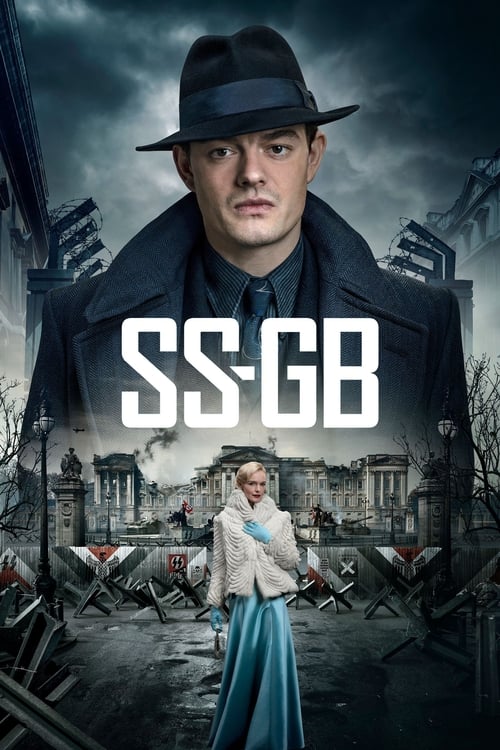
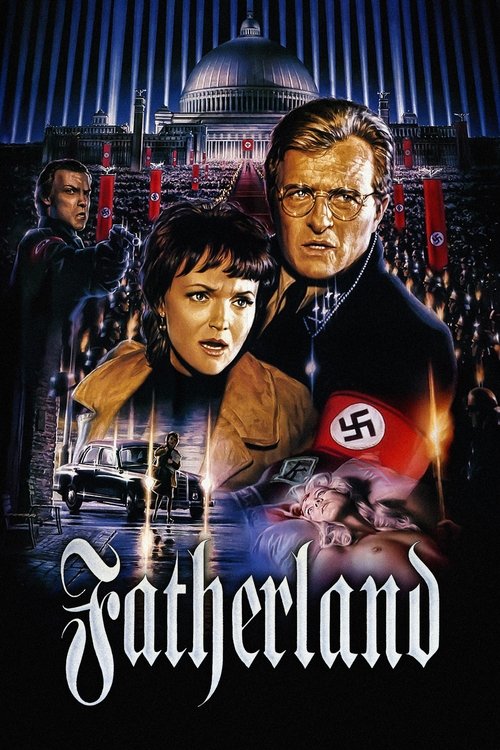
The Man in the High Castle was not the first alternate-history novel, but it was the first to make the inner life of occupation its real subject. Philip K. Dick's Axis-won America (published 1962, adapted by Amazon in 2015) is less about swastikas on the White House than about how people hold themselves together under a reality they know is wrong. The characters collect pre-war American artifacts not out of nostalgia but out of a need to prove that a different world once existed. The Amazon series extended this for four seasons and took the premise further than the novel dared, adding a multiverse mechanic that raises the stakes from political to cosmic. Neither version tells you what you would do in the same position. Both make you wonder.
The occupied world
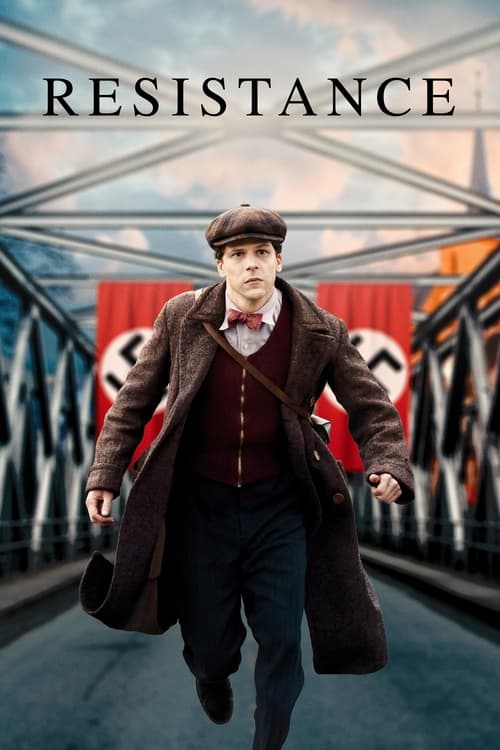
Stories set in Axis-won or authoritarian alternate Earths


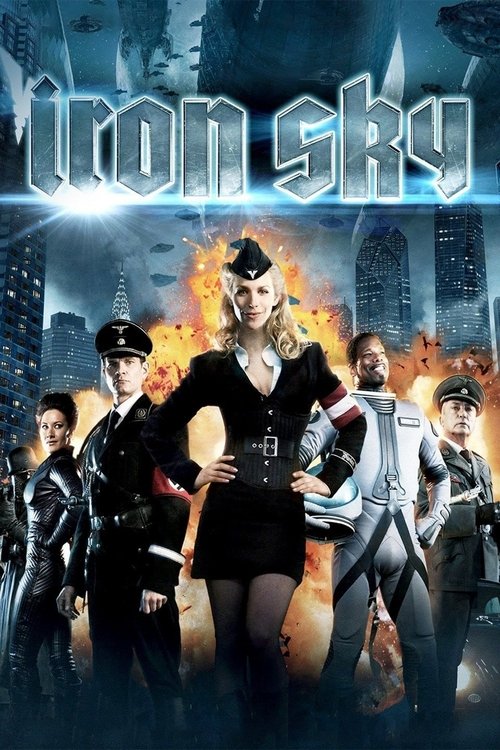
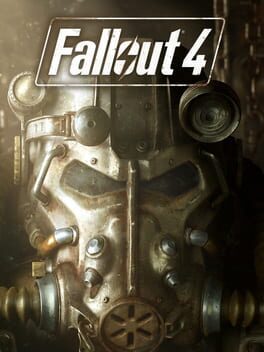
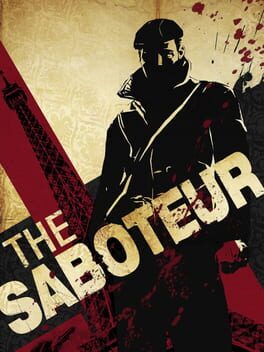
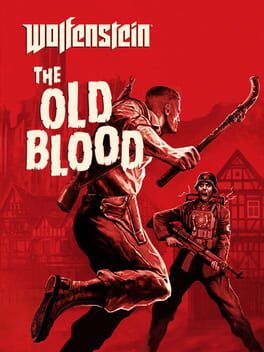
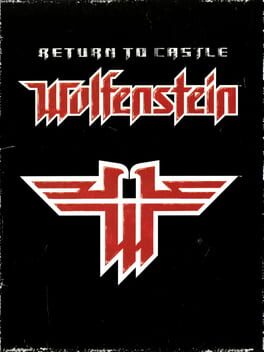
From Berlin to Columbia: the game's version of alternate history
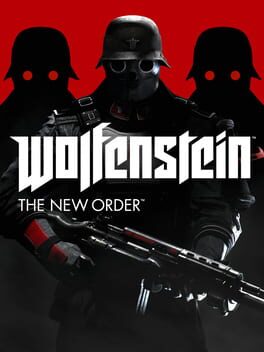
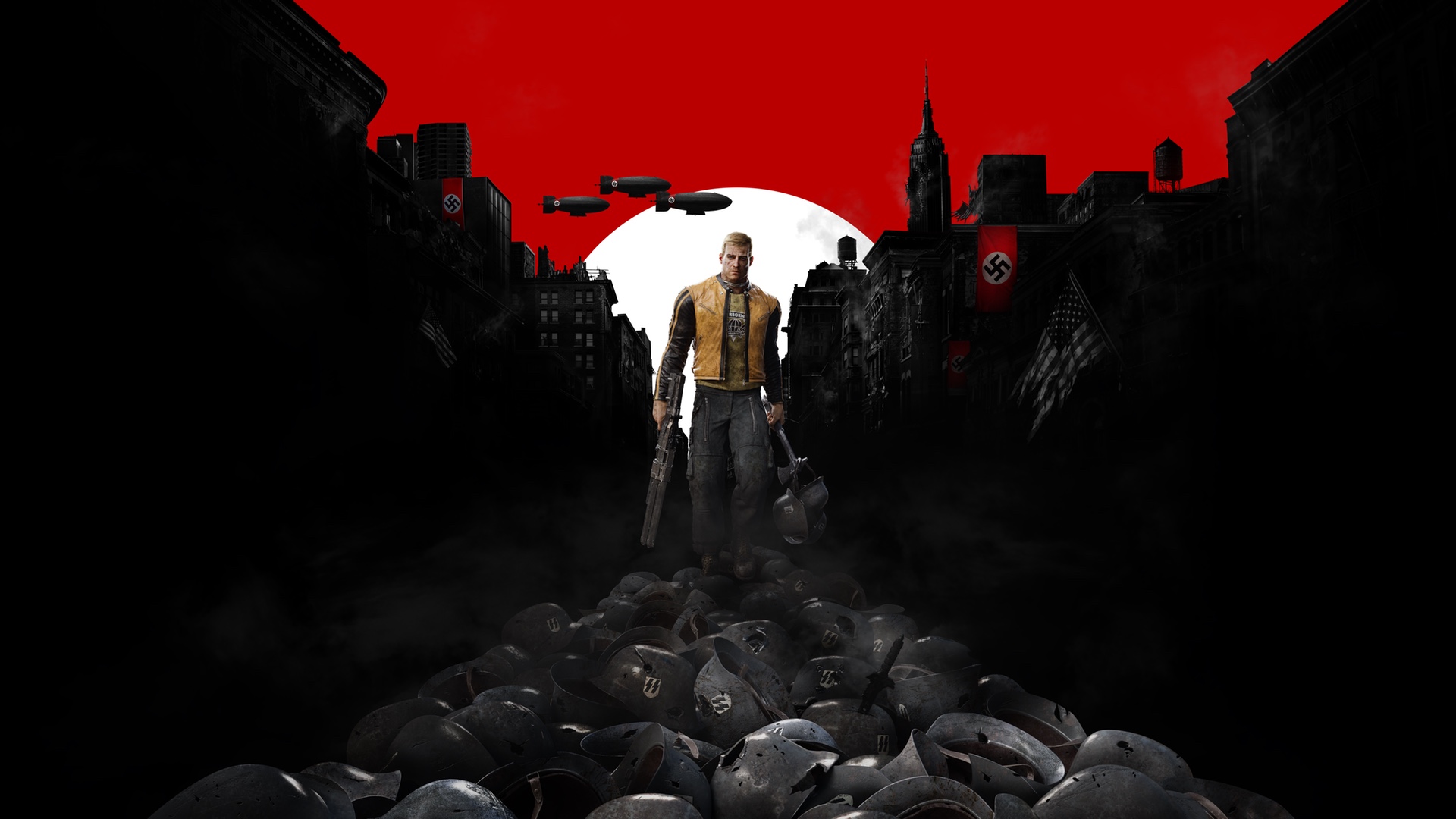
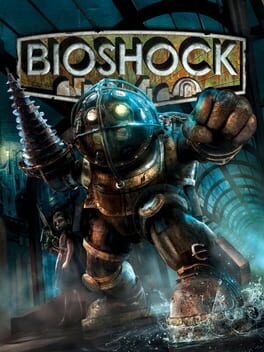
Games discovered something that prose and television could not replicate: the player is not an observer of an alternate timeline, they are its agent. In Wolfenstein: The New Order, you fight the Nazi regime that won the war, but the game's real subject is what a man carries inside him when every external thing he believed in has been obliterated. In BioShock Infinite, the alternate 1912 floating city of Columbia stages a meditation on American exceptionalism that hits harder precisely because the premise is impossible. Games can literalize the metaphor: you pick up the gun, you make the choice, you live in the consequences. No chapter break, no cut to black.
Rewrite history with a controller
Games built on alternate timelines and what-if worlds
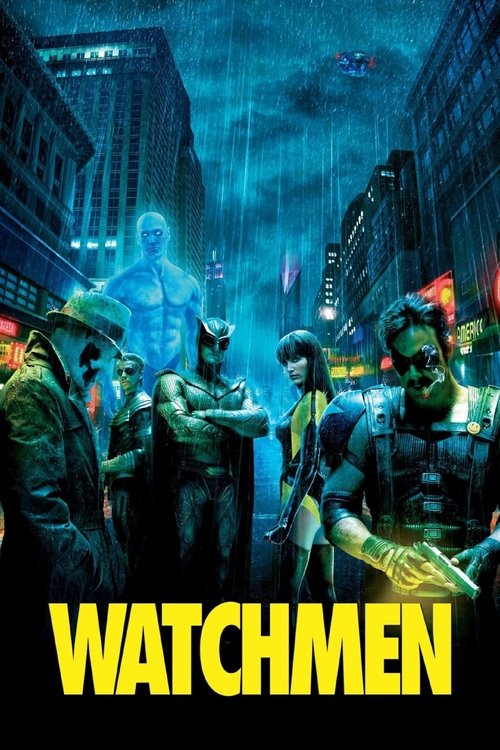
Watchmen is alternate history's masterwork
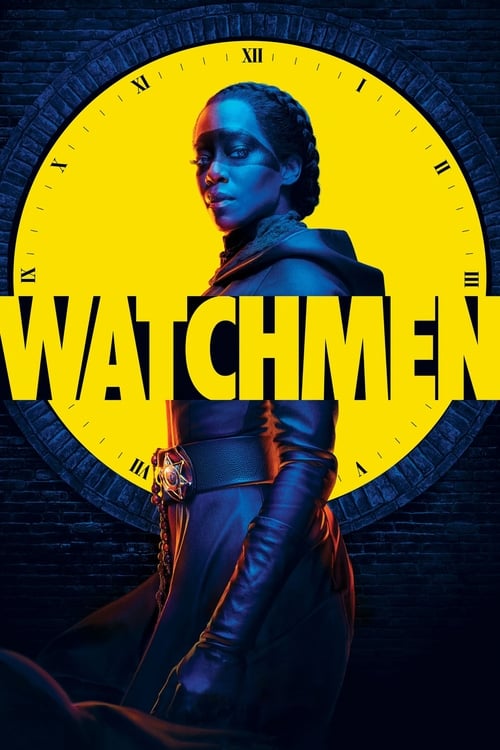
Alan Moore's 1986-87 comic series is set in an America where Nixon is in his fifth term, superheroes exist, and the US won Vietnam because Dr. Manhattan made it unwinnable for the other side. The HBO series by Damon Lindelof in 2019 extends that world into a present haunted by the 1921 Tulsa Race Massacre, which the comic's timeline shares with ours. Together they form the most sophisticated entry in the genre: a work that uses the alternate timeline not to pose a single what-if but to ask how trauma accumulates across decades inside a society that refuses to look at it. The graphic novel invented the modern superhero deconstruction. The sequel series used it to confront American racism with a directness that non-speculative drama rarely manages.

Alternate Americas
When the United States takes a different path

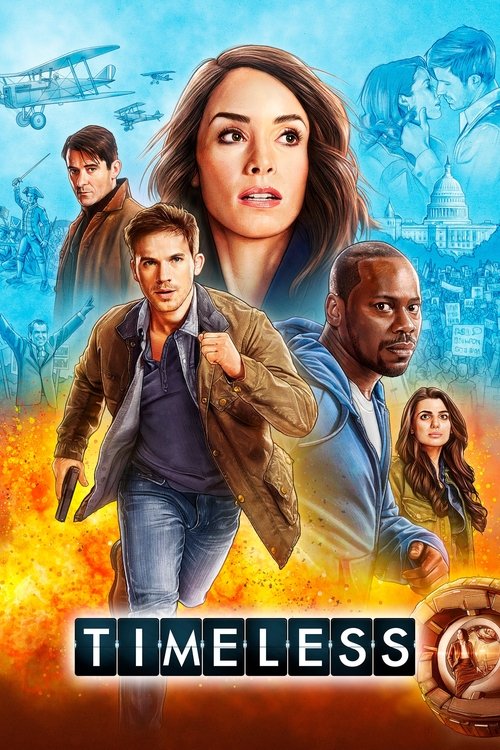
Strategy games built the genre's best sandbox
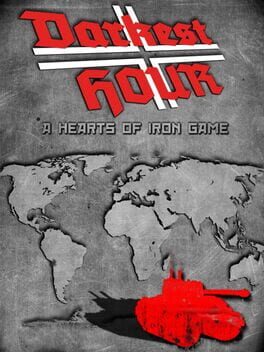
Hearts of Iron IV is a simulacrum of the Second World War with every variable exposed. You can play the Axis to victory, ahistorically steer the Soviet Union into a liberal democracy, or choose a path nobody took and see how far the model holds. Crusader Kings II does the same for the medieval period, producing emergent alternate histories nobody scripted. These games do not give you a narrative, they give you a laboratory. The outcomes feel earned in a way no film can manufacture because the decisions were genuinely yours, and because you can watch the counterfactual compound over decades in real time. The genre found, in the strategy game, a medium that fits it better than any other.
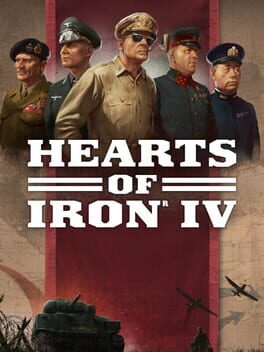
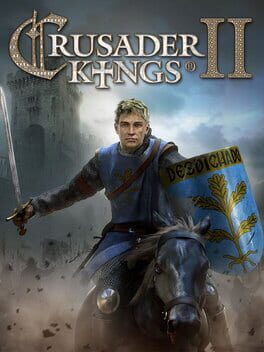
Grand strategy and deep history
Simulate a different past, one decision at a time
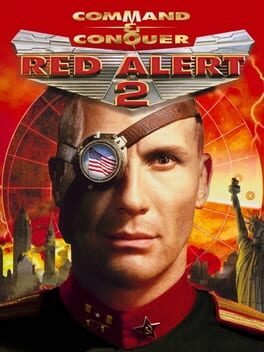
Alternate history on screen
Film that bends the historical record
The books that built the genre
Novels that turned the what-if into serious literature


Kindred is the genre's moral anchor
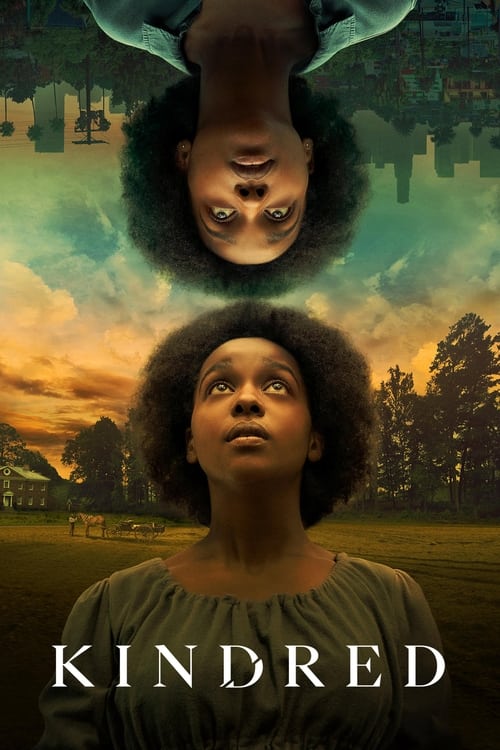
Octavia Butler's 1979 novel sends a Black woman from 1976 Los Angeles back to antebellum Maryland, again and again, to save the life of the white slaveholder who is her ancestor. There is no Nazi counterfactual here, no exotic divergence point. The alternate element is the time travel itself, used not to imagine a different past but to make the actual past physically present and inescapable. Butler understood something the genre often misses: the most disturbing alternate history is one where nothing about the injustice is hypothetical. Kindred is the book that keeps alternate history honest. The 2022 FX series adaptation updated the frame while preserving that moral weight.
Soundtracks for altered worlds
The music that scored alternate timelines
The alternate timeline always reveals the same thing: what we call inevitability is mostly the story we tell after the fact about luck we do not want to admit we had.On why the genre will never run out of material
The wider genre
More alternate history, from grand strategy to Cold War TV