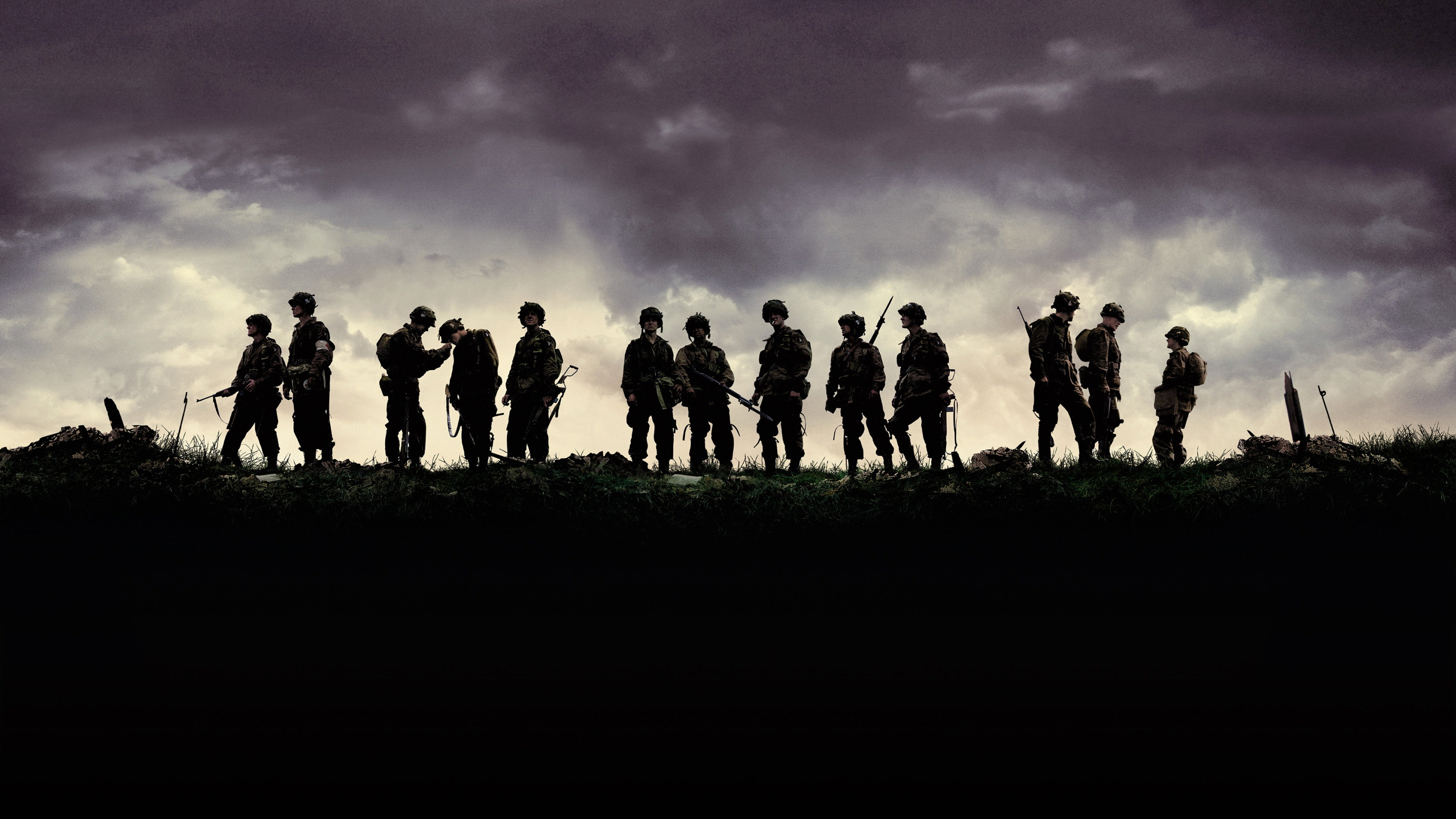

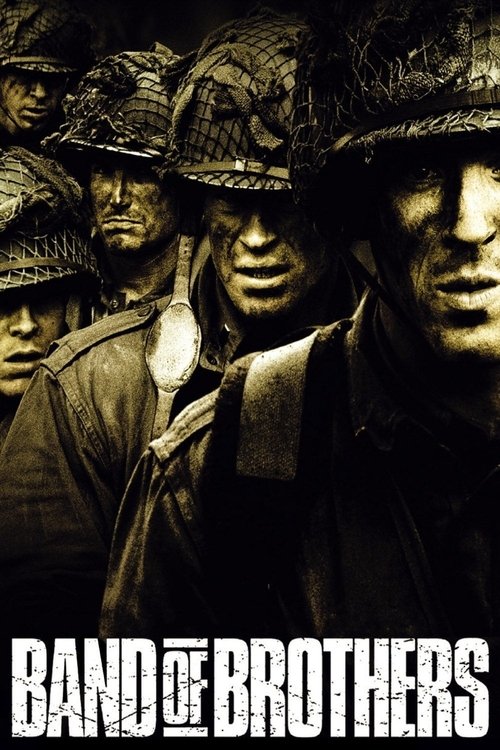
Band of Brothers follows Easy Company, 506th Parachute Infantry Regiment, from their brutal training under Captain Sobel at Toccoa through D-Day, Operation Market Garden, the siege at Bastogne, and the final push into Germany. Produced by Steven Spielberg and Tom Hanks, it aired on HBO in 2001 and remains the benchmark against which every subsequent war series is measured. What makes it hold up is not spectacle alone: the series trusts its audience to track a large ensemble without handholding, builds its emotional weight through restraint, and ends each episode with the real surviving veterans speaking to camera. The tone is sober rather than triumphalist. War here is cold, chaotic, and exhausting, and the men who endure it are ordinary people doing something extraordinary together.
Essential Band of Brothers
The ten episodes, in order, without skipping Bastogne

Same Mud, Different Wars
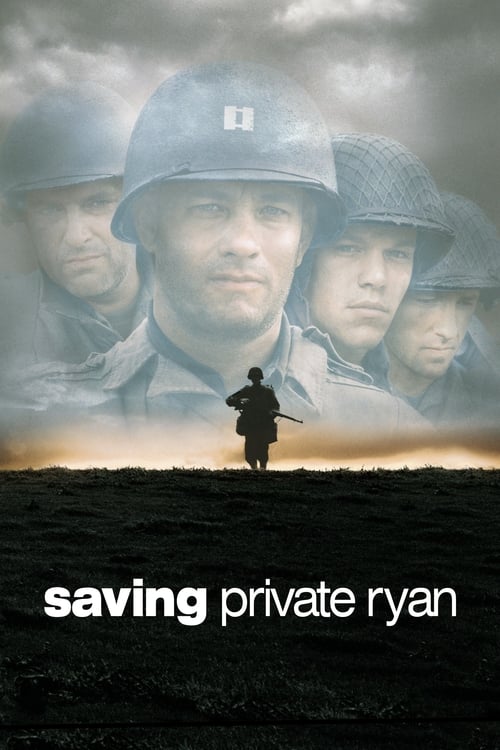
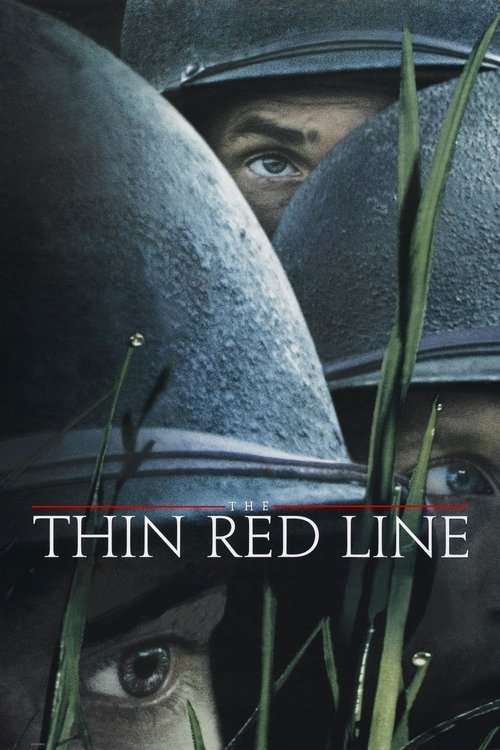
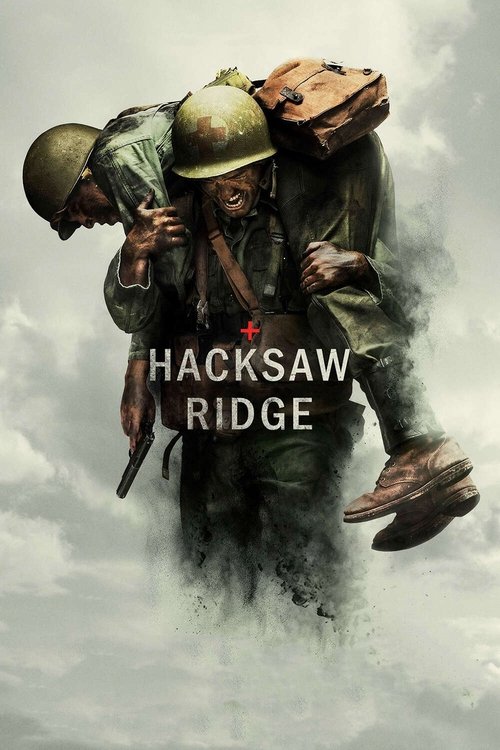
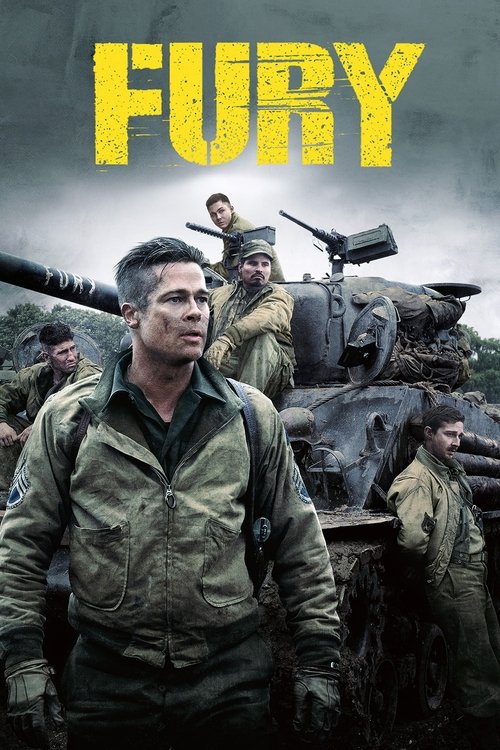
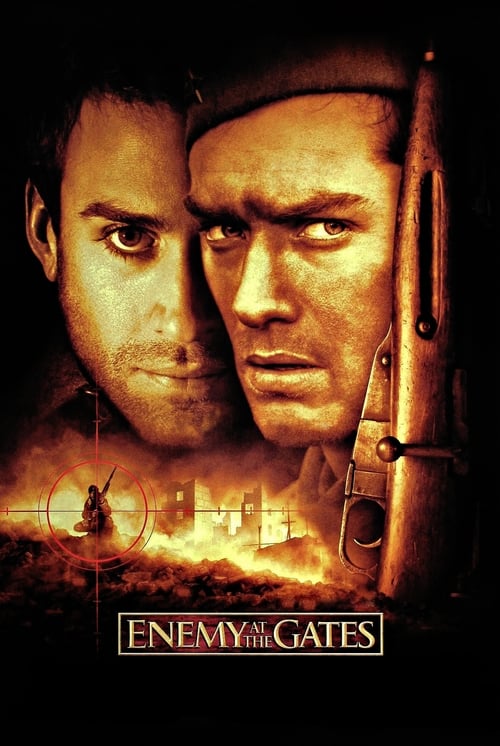
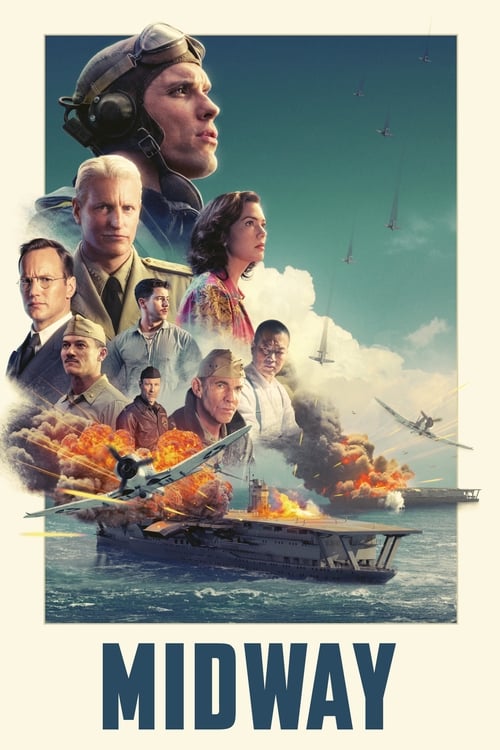
Films that match the sober, ground-level register of Easy Company's campaign
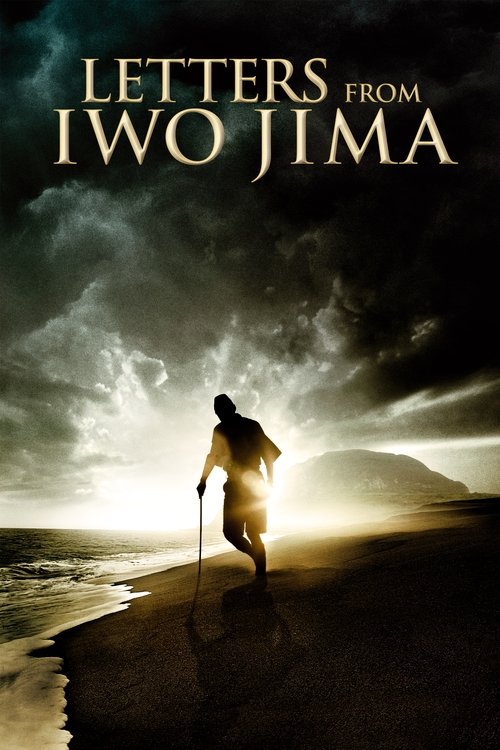
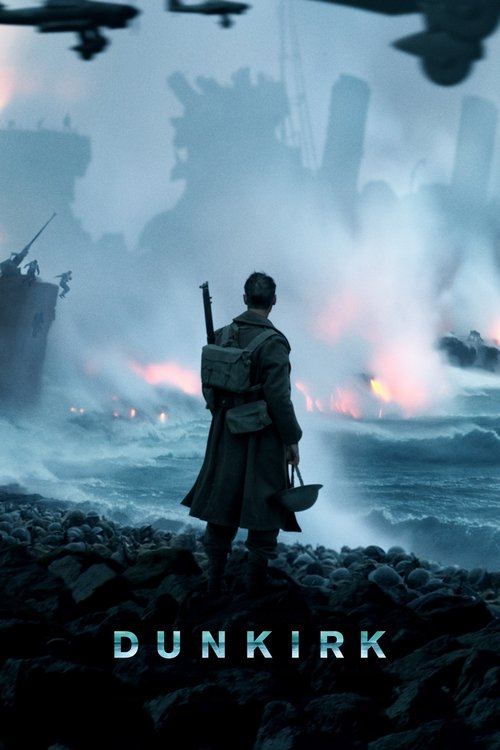
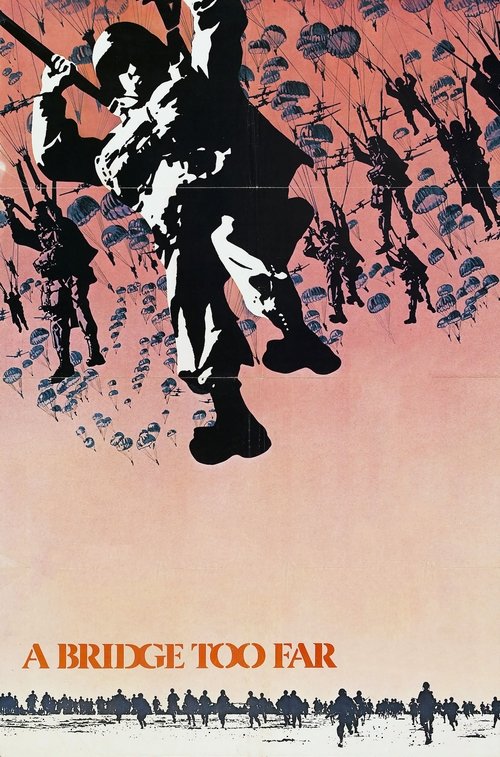
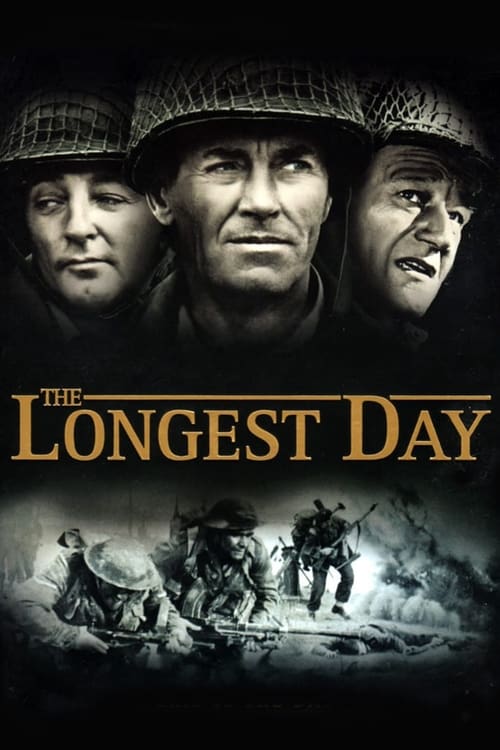
The Books Behind the Battle
History and memoir that go deeper than the screen


Infantry in the Foxhole
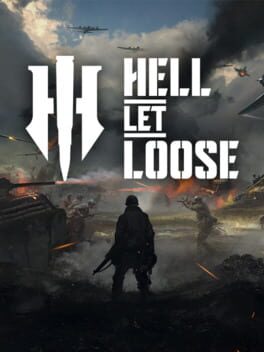
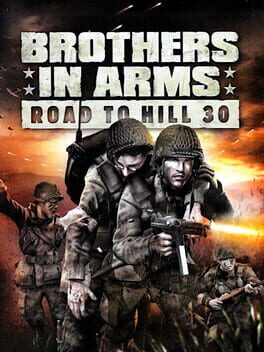
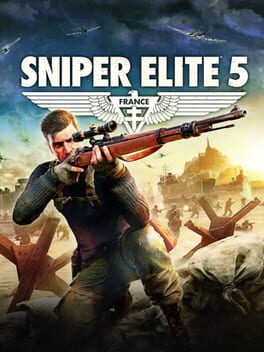
Games that put you at ground level in the same conflict
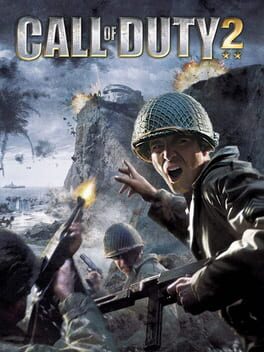
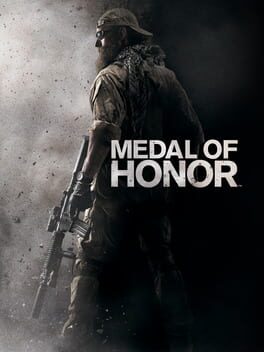
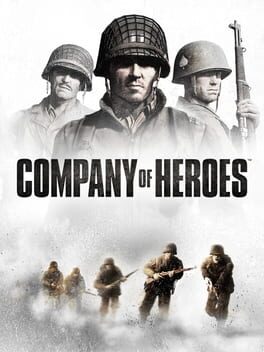
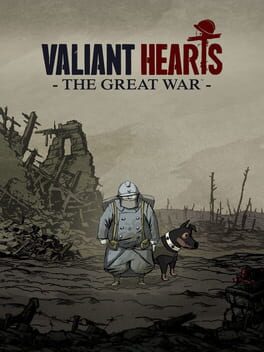
Bastogne Is the Heart of the Series
Episode six, "Bastogne," is structured around medic Eugene Roe and has almost no combat. The fighting is offscreen, heard through artillery. What Roe experiences is cold, shortage of supplies, and the inability to do his job properly because there is nothing left to do it with. It is the most emotionally concentrated hour of the series because it does not look away from what prolonged siege warfare costs the men inside it. The episode earned its own reputation separate from the rest of the miniseries. If someone says Band of Brothers is too long, show them Bastogne and ask again.
Stephen Ambrose's Book Is Required Reading
Steven Spielberg and Tom Hanks based the miniseries on Stephen Ambrose's 1992 oral history, which was itself built from interviews with the survivors of Easy Company. The book fills in context the series cannot fit into ten hours: more detail on the Haguenau patrol, the dynamics inside the regiment, and the postwar lives of the men. Ambrose's approach, letting the veterans speak in their own voices with minimal editorial intrusion, is the reason both book and series feel authoritative rather than nostalgic. Read it before or after the series; either order works.
The Pacific Is a Companion, Not a Sequel
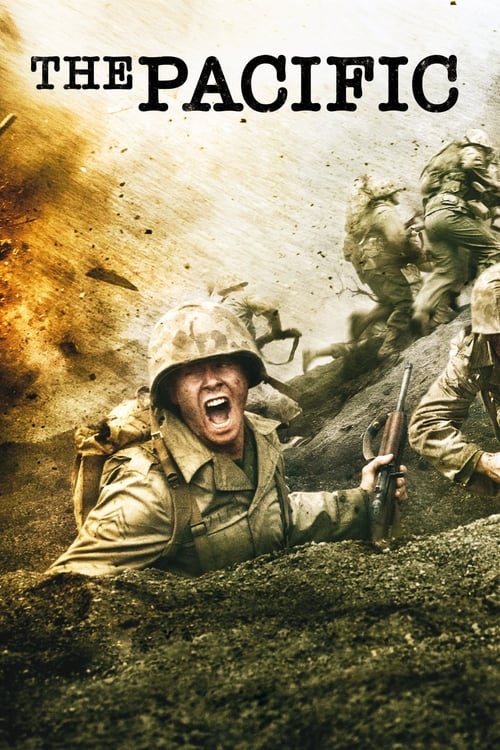
The Pacific, the follow-up Spielberg and Hanks produced in 2010, covers three Marines across the island-hopping campaign: Robert Leckie, Eugene Sledge, and John Basilone. Critics often rank it below Band of Brothers, and in terms of ensemble cohesion that is fair: the split narrative means you never get the sustained focus on a single unit that makes Easy Company feel like family. But as a portrait of a different kind of war, one fought in heat and insects rather than snow and forests, it is bracingly unromantic. The two series belong together; the contrast between the European and Pacific theaters is part of the lesson.
Brothers in Arms Got the Ground-Level Tactics Right
The Brothers in Arms series from Gearbox, beginning with Road to Hill 30 in 2005, was the closest any game came to capturing the tone of Band of Brothers. It centered on suppression and flanking rather than run-and-gun action, and the squad AI was built around fire-and-maneuver doctrine rather than cover mechanics. The storytelling was earnest and the protagonist's shell-shock was handled carefully for its time. Hell Let Loose and Post Scriptum have since raised the fidelity bar considerably, but Brothers in Arms remains the game that most consciously tried to be what Band of Brothers was on screen.
Easy Company and Its Legacy
- 1942Easy Company, 506th PIR, begins training at Camp Toccoa under Captain Sobel
- 1944D-Day: Easy Company jumps into Normandy in the early hours of June 6
- 1944Operation Market Garden: the failed Allied push into the Netherlands
- 1944Siege of Bastogne during the Battle of the Bulge, December
- 1945Easy Company reaches Berchtesgaden and Hitler's Eagle's Nest
- 1992Stephen Ambrose publishes Band of Brothers, based on veteran interviews Brothers
- 2001HBO miniseries premieres; becomes the defining WWII drama on television Band of Brothers
- 2010The Pacific continues the Spielberg/Hanks collaboration, covering the island campaign The Pacific
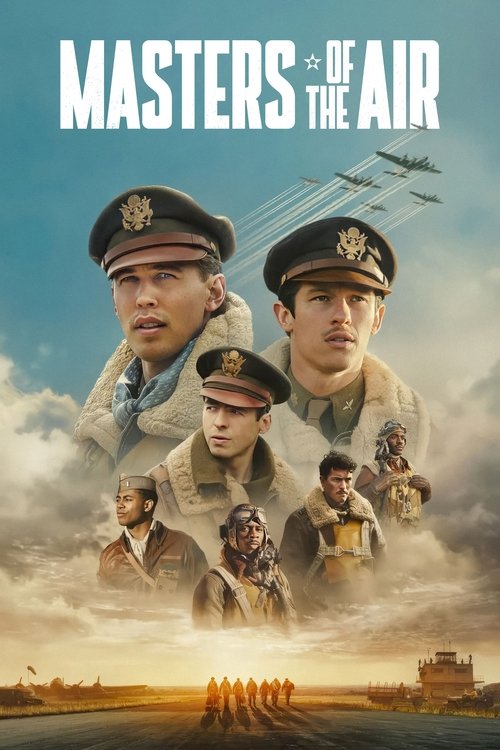
- 2024Masters of the Air completes the trilogy with the 100th Bomb Group over Europe Masters of the Air
The WWII frontline experience
World War II
Explore the World War II guide →We few, we happy few, we band of brothers. For he today that sheds his blood with me shall be my brother.Shakespeare, Henry V (the source of the title)