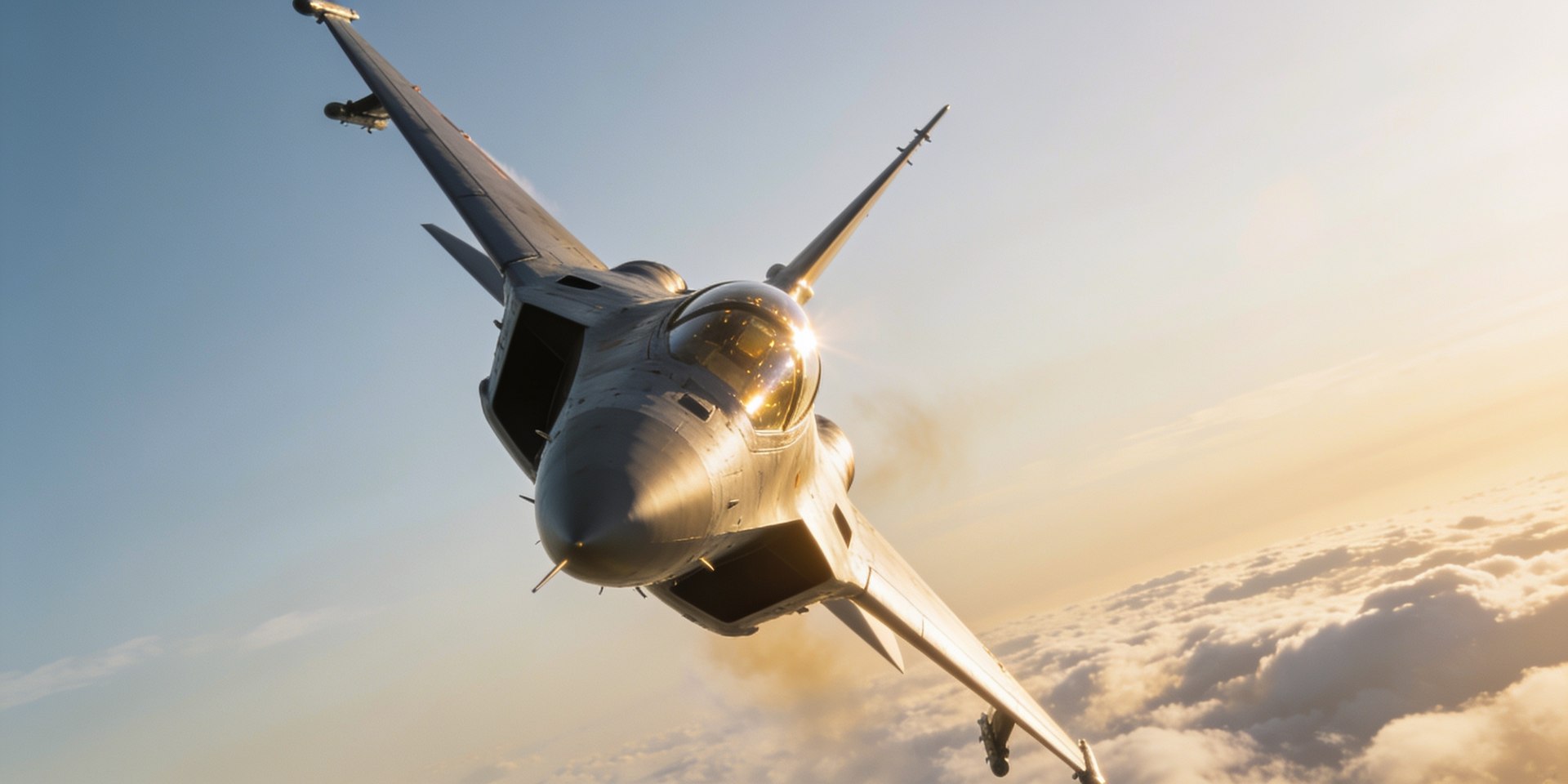

Flying a fighter is one of the few things that genuinely has no civilian analogue. It demands reflexes, spatial reasoning, calm under g-force, and an ego big enough to believe you can win an engagement where the margin between winning and dying is measured in fractions of a second. Storytellers have been chasing that particular combination ever since the first biplanes tangled over the Western Front, and they keep returning because it hasn't been exhausted yet.
The fighter pilot is the last place where individual heroism is still the decisive variable, or at least where we can believe it is. That is the myth at the centre of the genre, and the best work in it (the films that scare you with a flat spin, the games that humble you with a radar lock, the books that put you inside a cockpit with nothing but a throttle and a prayer) is really arguing about whether that myth is true.
Essential fighter pilots
The cockpit, the sky and the kill


The one that invented the template
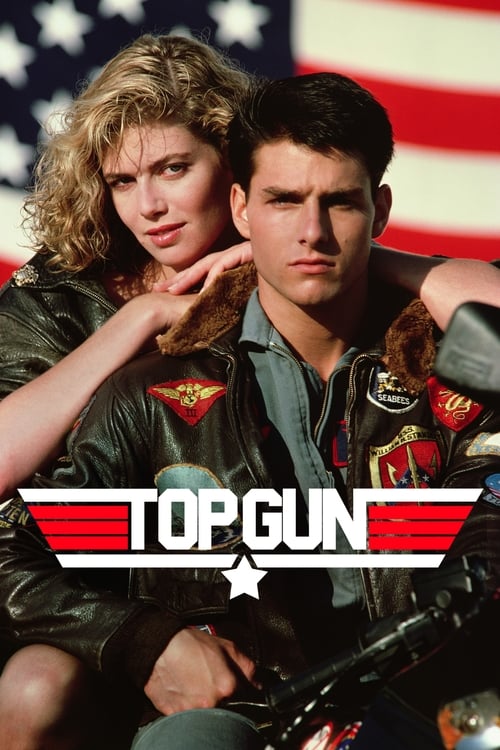
Top Gun did not invent the fighter-pilot film, but it invented what the world thinks a fighter-pilot film looks like: the mirrored aviators, the volleyball, the dangerous fly-by, the rooftop grief. Every earnest heir to the genre that followed had to decide whether to embrace the myth or puncture it. Top Gun: Maverick made the shrewdest choice available in 2022, which was to accept the myth completely while simultaneously making the case that the man living it is terrified of growing up. The sequel is better than the original in every technical and emotional sense, and Maverick himself is far more interesting than Pete Mitchell ever was.
The golden age of the dogfight
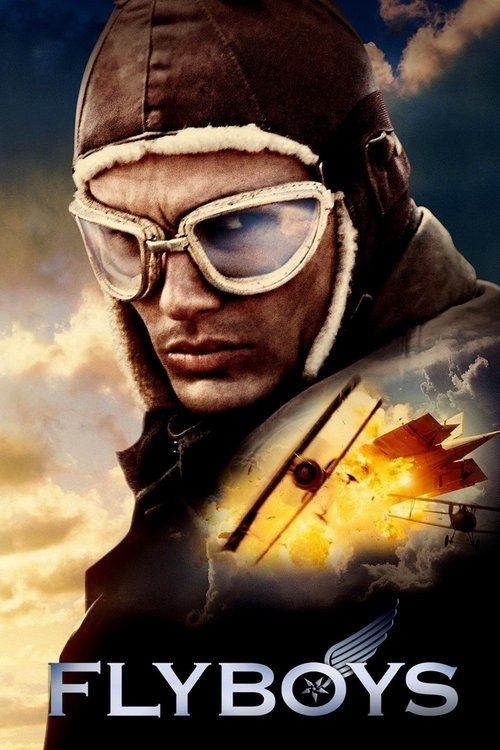
Biplanes, Spitfires and low-altitude heroics
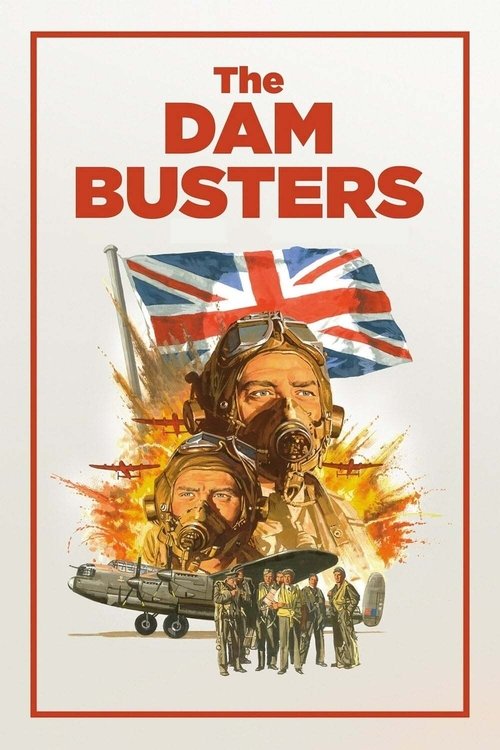

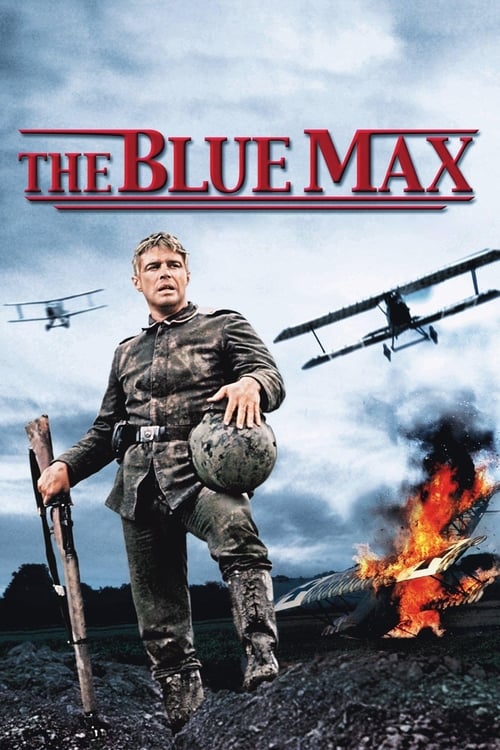
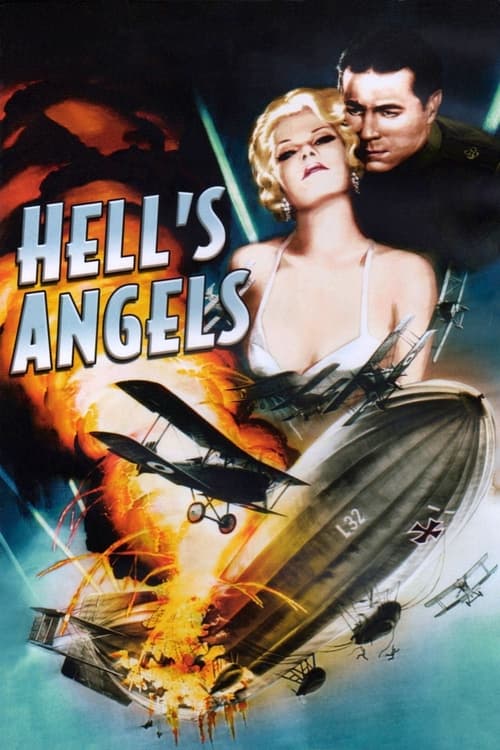
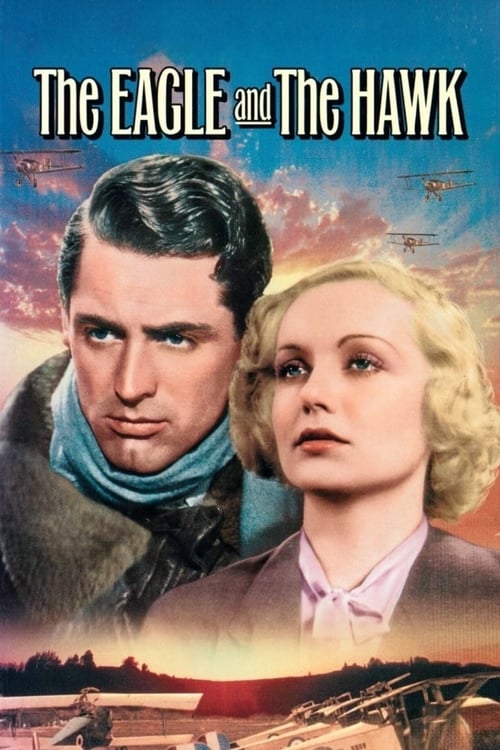
Anatomy of an ace
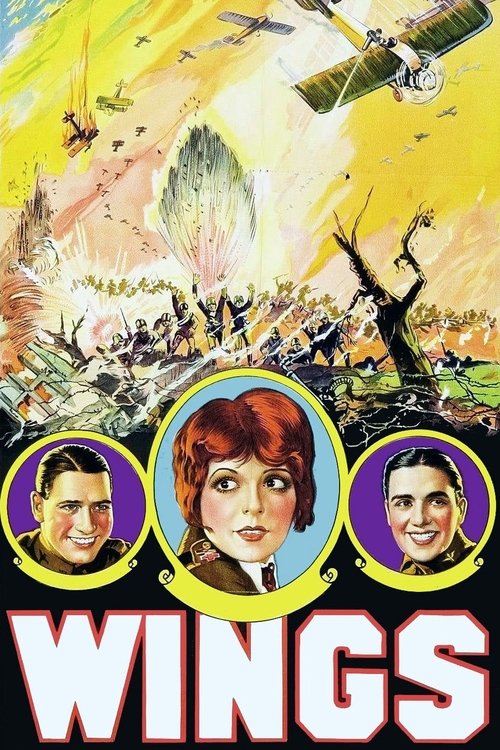
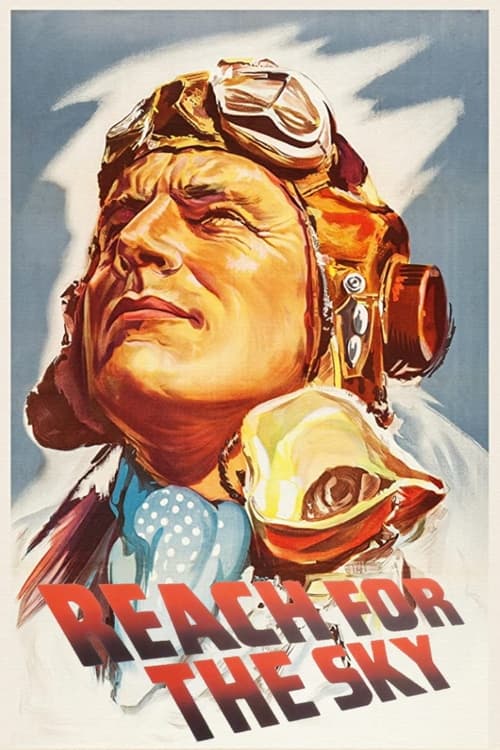
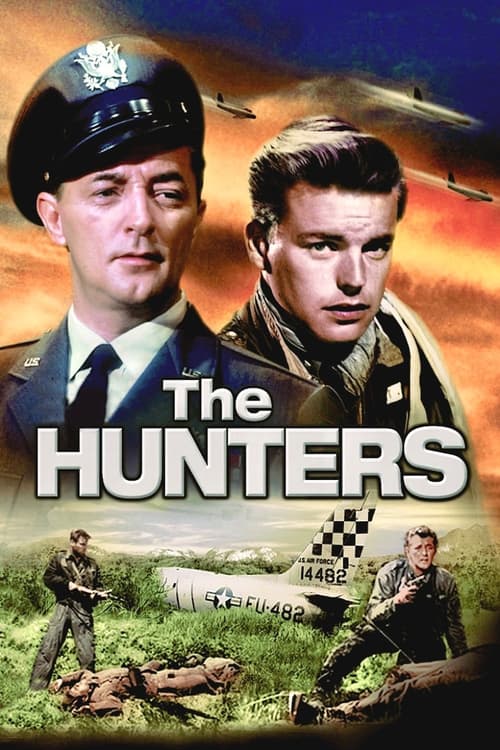
The word 'ace' was coined by French newspapers during the First World War for any pilot who had downed five enemy aircraft. It spread because it named something real: a hierarchy of lethality that defied the grinding anonymity of the trenches below. The ace was a celebrity, photographed beside his plane, reported in the press, personally credited with victories. That personalisation made the air war comprehensible to civilians in a way that the stalemate in the mud did not.
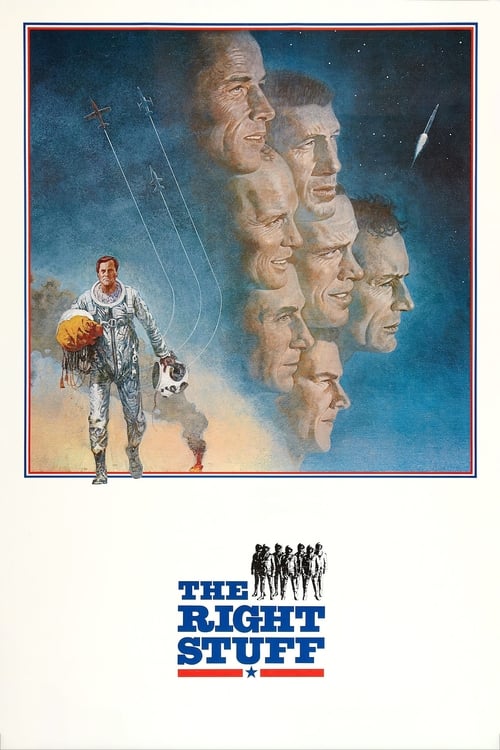
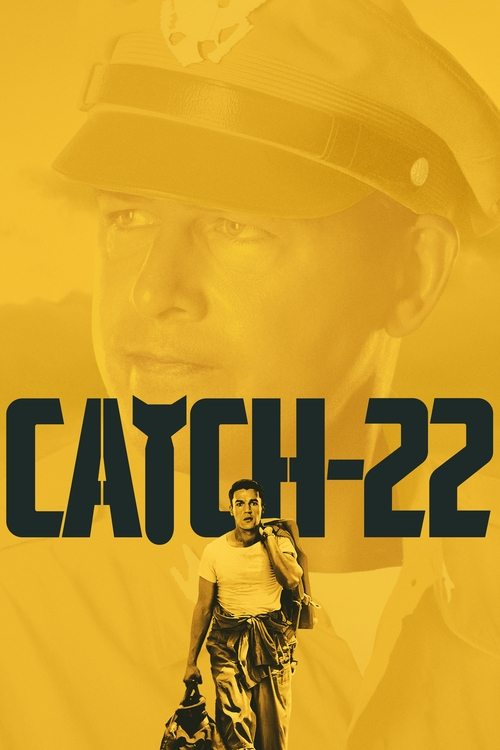
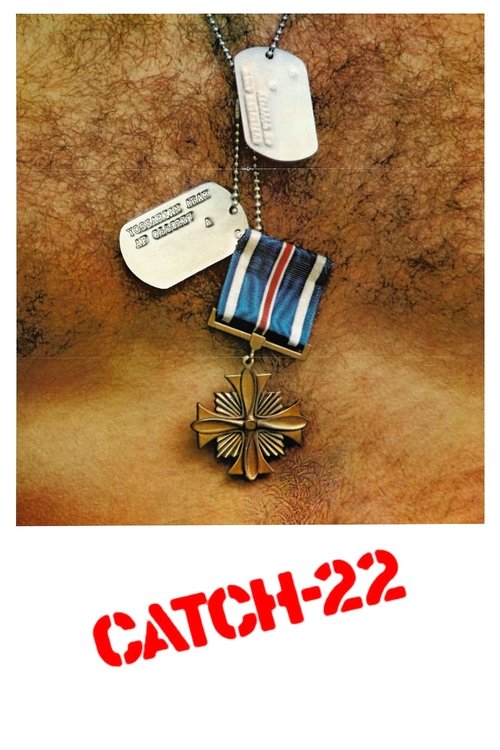
Every fighter-pilot narrative since has drawn on that same myth, whether sincerely (Top Gun, The Right Stuff, Devotion) or skeptically (Catch-22, The Blue Max). The skeptics usually make the braver films: they understand that the ace's heroism is real, but so is his expendability.
Aces on the small screen
Long-form missions and squadron politics
The film that actually shows the cost
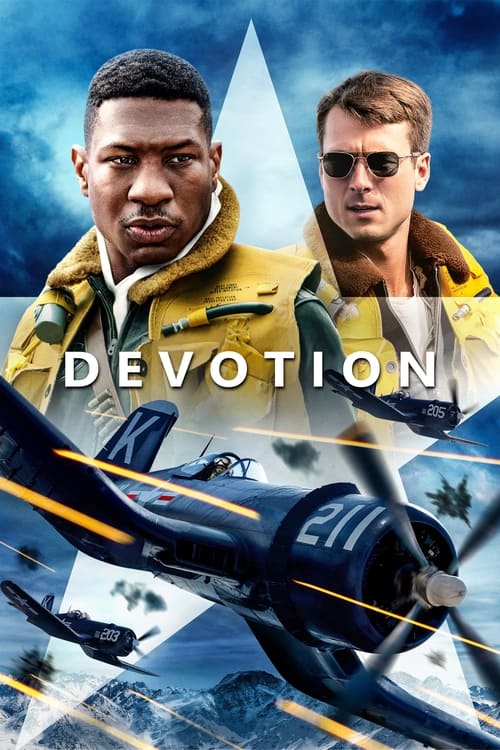
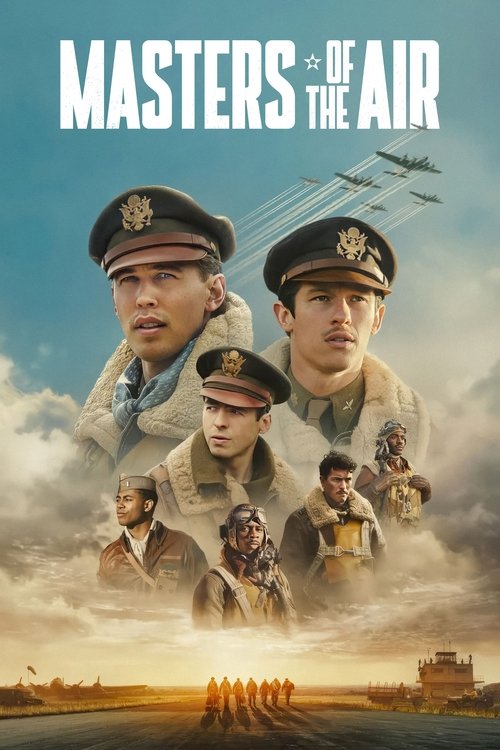
Devotion (2022) is the one recent entry that refuses to let the spectacle swallow the grief. Based on the true story of Jesse Brown, the first Black naval aviator to die in combat, it treats the kill count as irrelevant and the friendship between Brown and Tom Hudner as the whole point. The combat sequences are superb, but the film is not really about combat. It is about the system that surrounds the pilot, and what that system demands from men it is not fully prepared to respect. That is a harder and more honest film than the genre usually permits.
The jet age
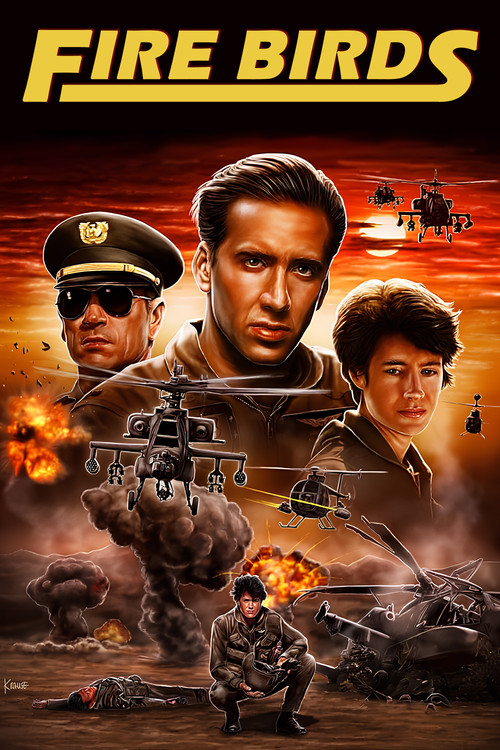
From Korea to the Gulf to the present
Where games go deeper than movies dare
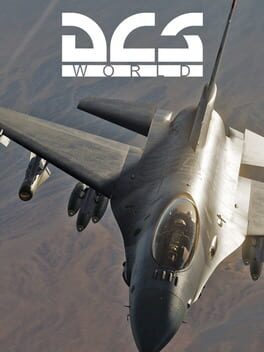
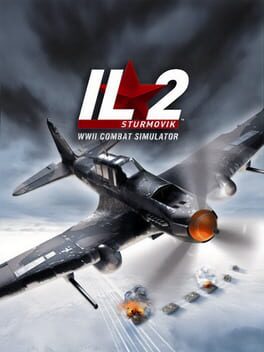
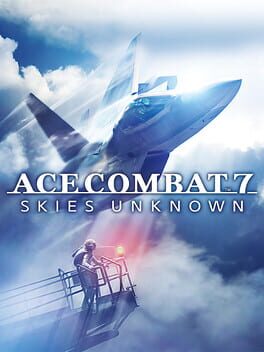
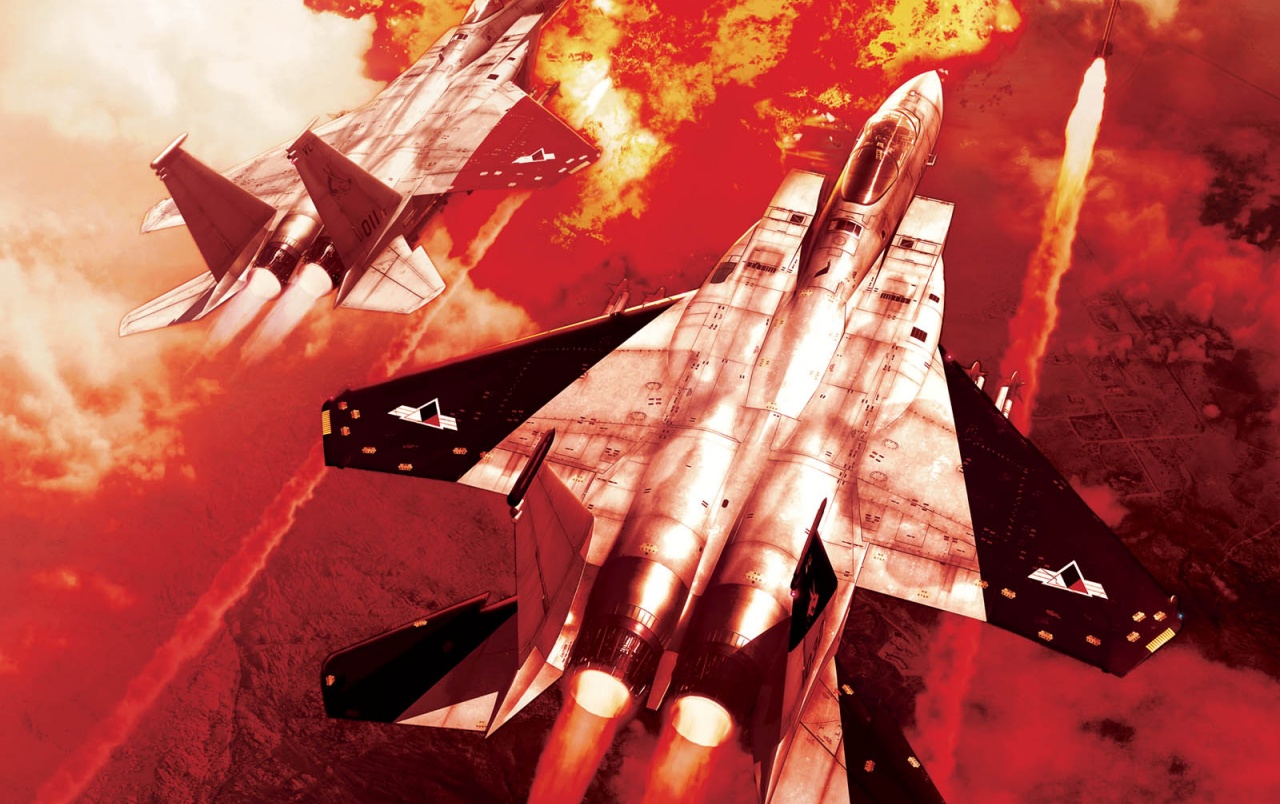
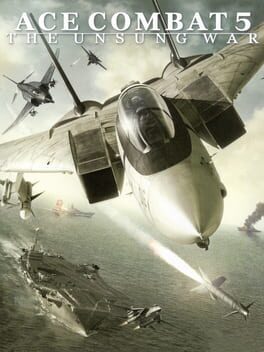
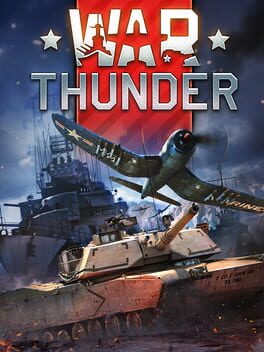
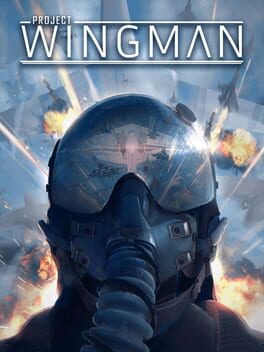
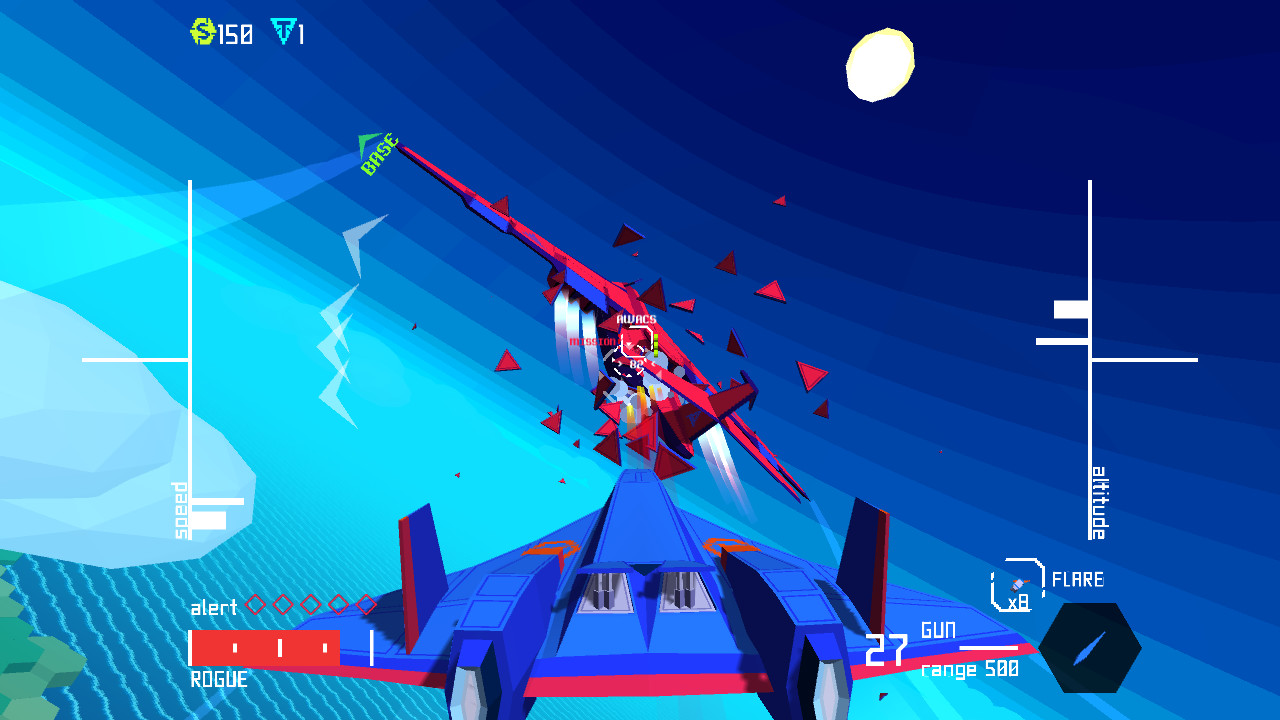
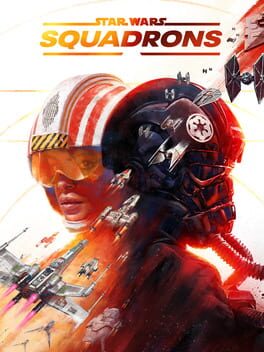
No film sequence has ever made you feel the weight of a fuel state or the cold sweat of an enemy missile lock the way a flight sim does, because in a film you know the protagonist survives. In DCS World or IL-2 Sturmovik you do not. The fear is real, the procedures are real, and when you lose sight of a bandit and get shot from behind by something you never saw, the lesson lands in a way no cut to cockpit footage can replicate. Ace Combat 7 threads the needle for those who want the spectacle without the sim grind: it has a story (genuinely strange and good), impossible jets, and enough g-force camera shake to make you feel the turn. Project Wingman deserves its cult status for building something structurally identical to Ace Combat on a fraction of the budget and somehow getting the atmosphere exactly right.
Take the stick yourself
From arcade dogfights to serious sims
Books that put you inside the aircraft
The page gets at something the screen cannot: the interior monologue of a pilot who knows the odds and keeps climbing anyway. Stephen Coonts's Flight of the Intruder is a Vietnam-era A-6 account that captures the particular exhaustion of a war the pilots were asked to fight without being permitted to win. Chuck Yeager's autobiography runs earlier and faster, through the X-1 sound barrier and into the strange bureaucratic politics of the test-pilot world that Wolfe later mythologised. For the committed reader, the Top Gun soundtrack does what no book can, which is put the actual sound of an F-14 under everything else.


Read the mission
Aces, test pilots and true accounts on the page


More stories where speed kills
Military Sci-Fi
Explore the Military Sci-Fi guide →The ace is the only figure in modern warfare that the mythology still allows us to know by name. Everything else is tonnage and coordinates. The pilot is a person, a face, a kill count. That is why we keep coming back.CrossBinge editorial