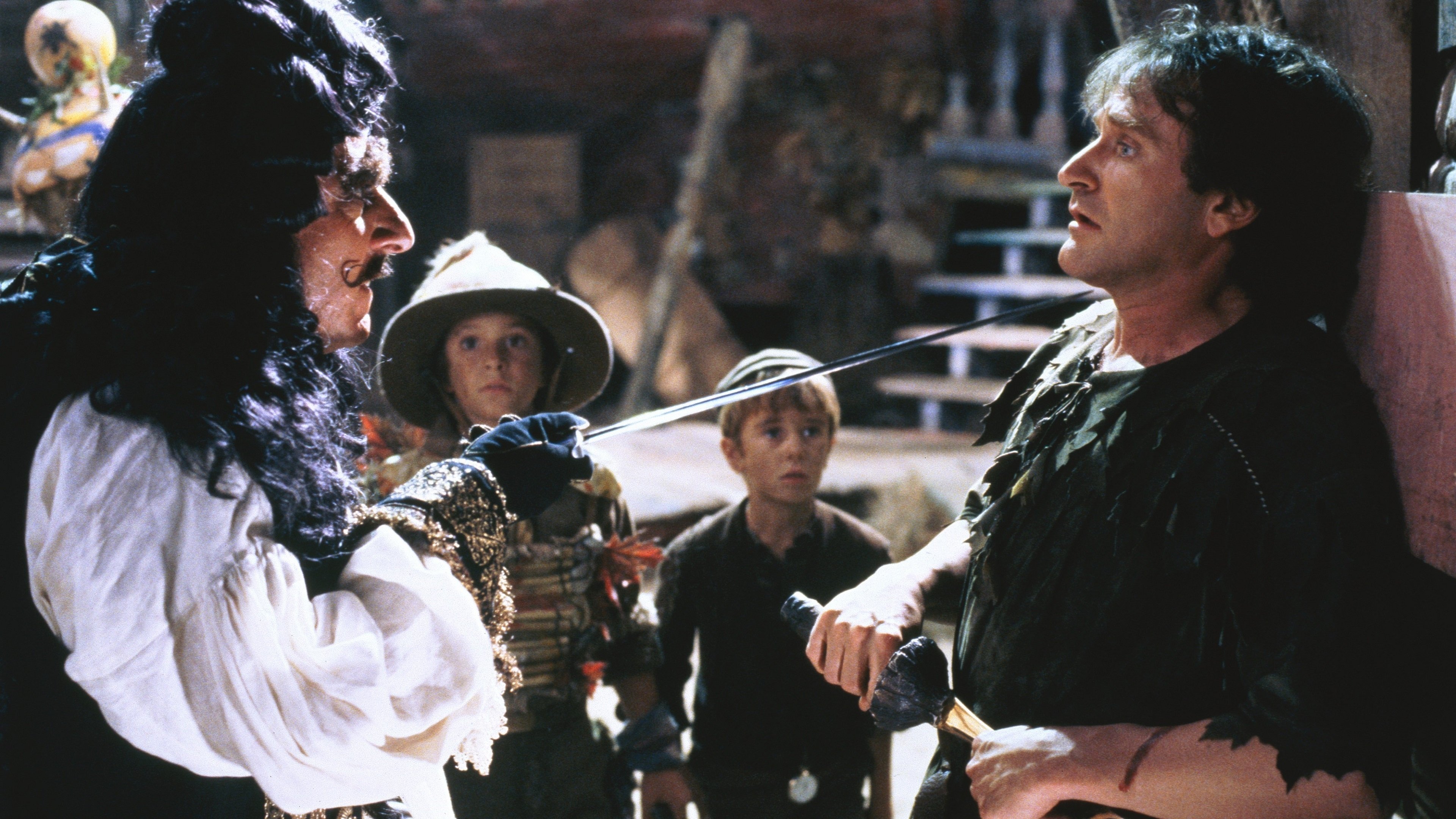

Dustin Hoffman arrived in Hollywood in 1967 and immediately broke its grammar. Benjamin Braddock in The Graduate was not a movie star hero: he was anxious, passive, seduced, and confused, and audiences saw themselves in him. That was the point. Hoffman built a career on the radical idea that the interior life of an ordinary, imperfect person is the most compelling thing cinema can show. His characters sweat and stammer and lie to themselves. They transform into someone else entirely (Tootsie, Little Big Man, Marathon Man) or they refuse to transform at all (Kramer vs. Kramer, Straight Time), and either way the watching feels essential. If you love Dustin Hoffman, you love films that trust their audiences to sit with discomfort, books that excavate character from the inside out, and stories where the stakes are personal rather than cosmic.
Essential Dustin Hoffman
The performances that define the career

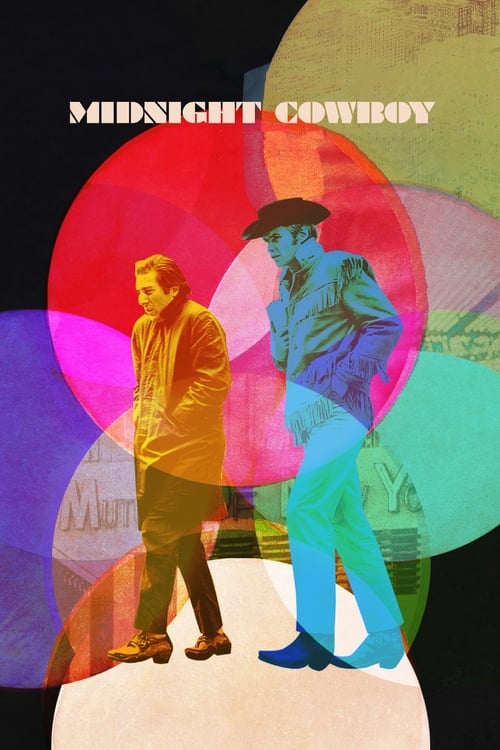
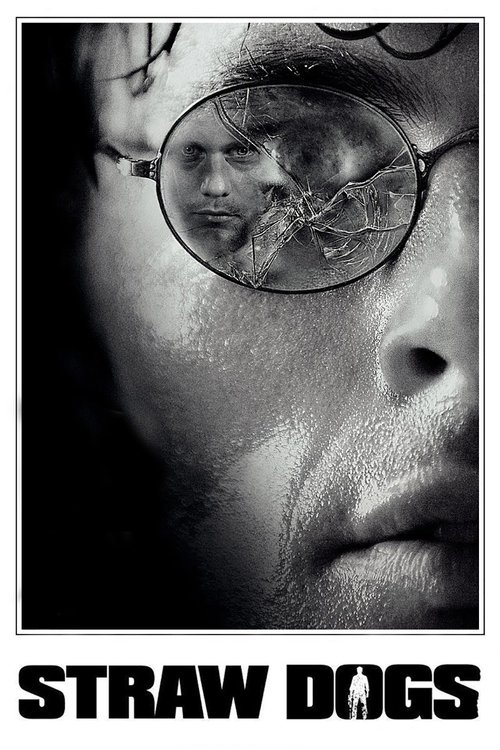
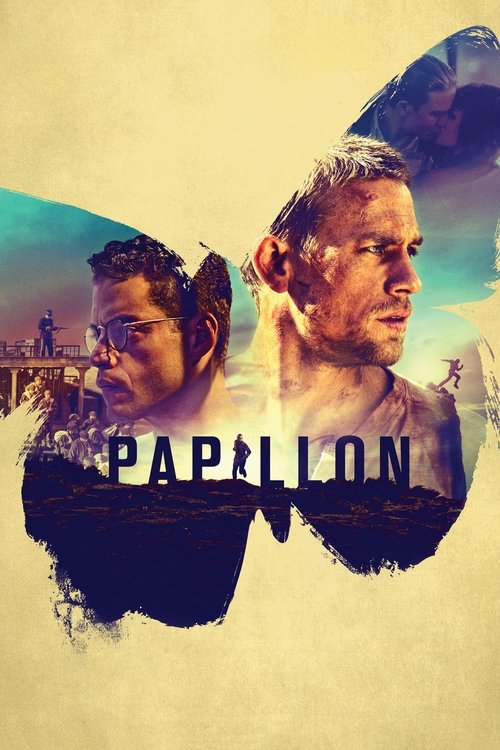

Same Intensity, Different Face
Films and series built around actors who inhabit characters rather than play them
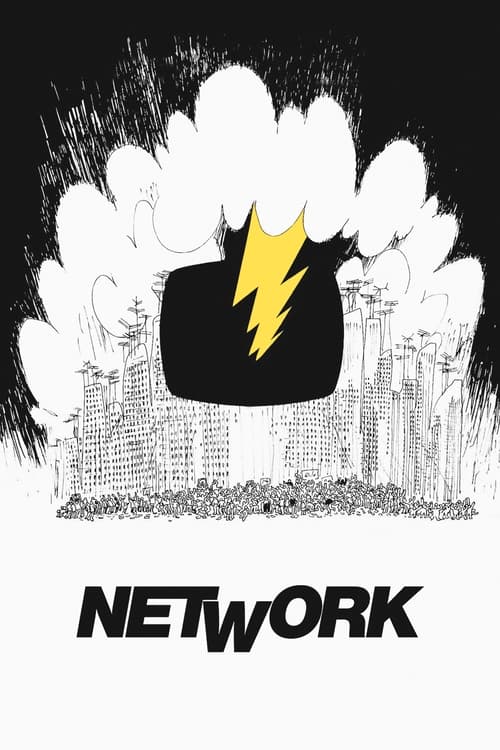

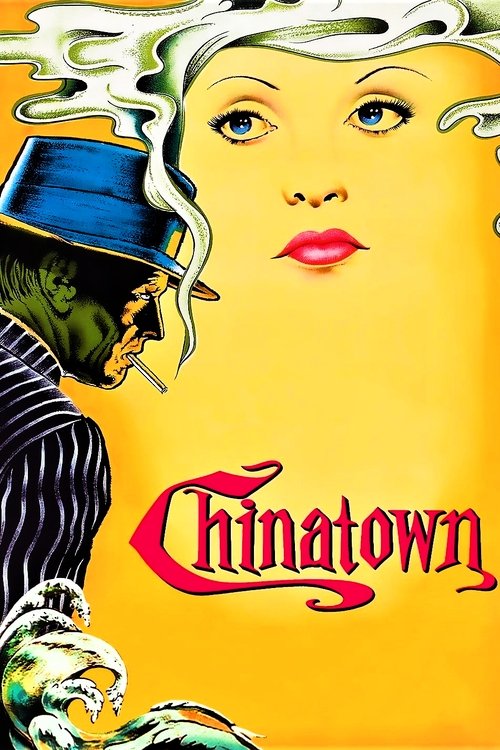


New Hollywood and Its Discontents
Films from the era Hoffman helped define: American cinema at its most honest
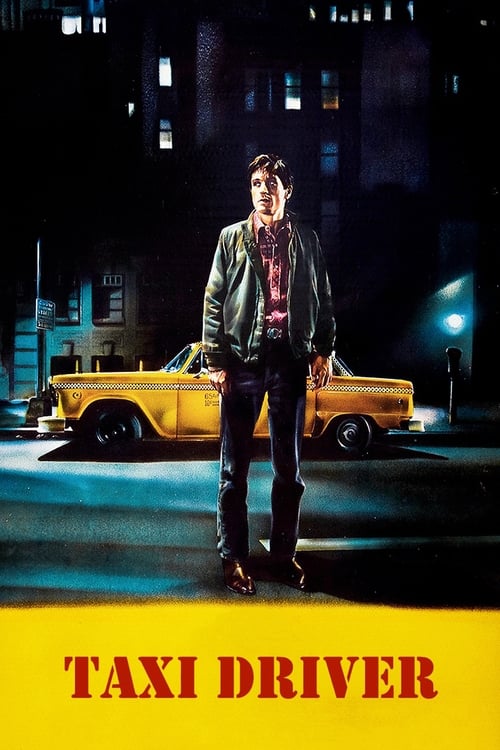

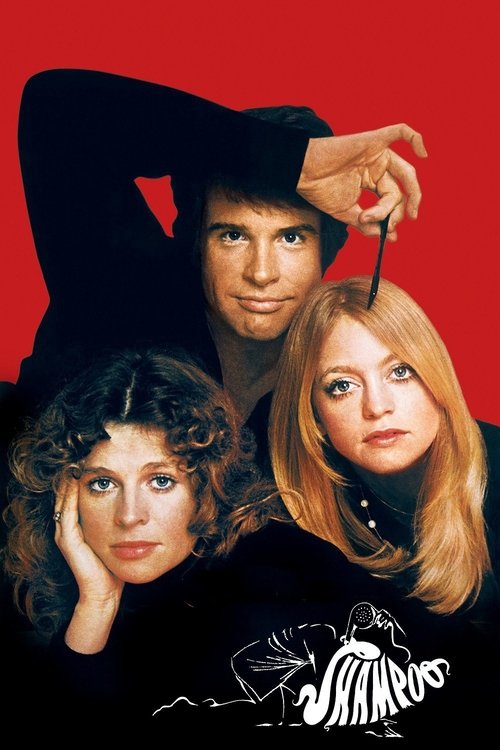
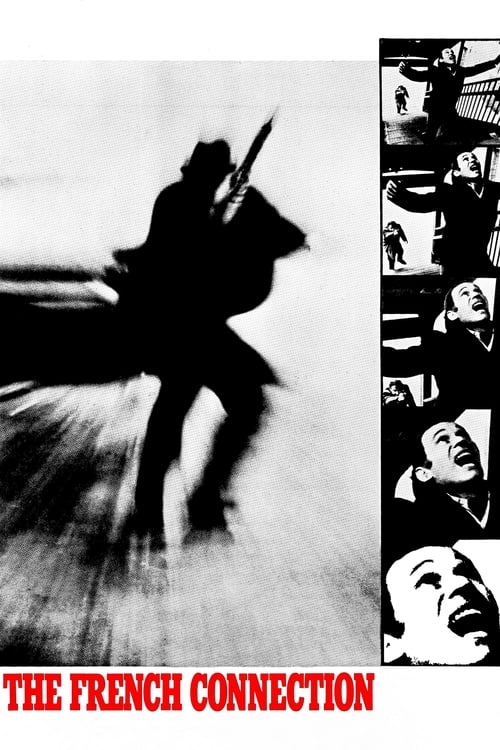
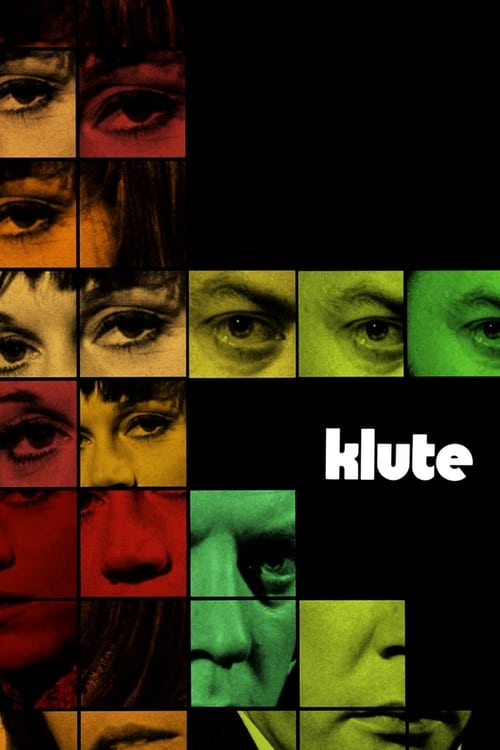


The Novels Behind the Performances
Books that share DNA with Hoffman's most memorable roles, including the source material


Character Studies in Other Forms
Games and series that put flawed, interior people at the center

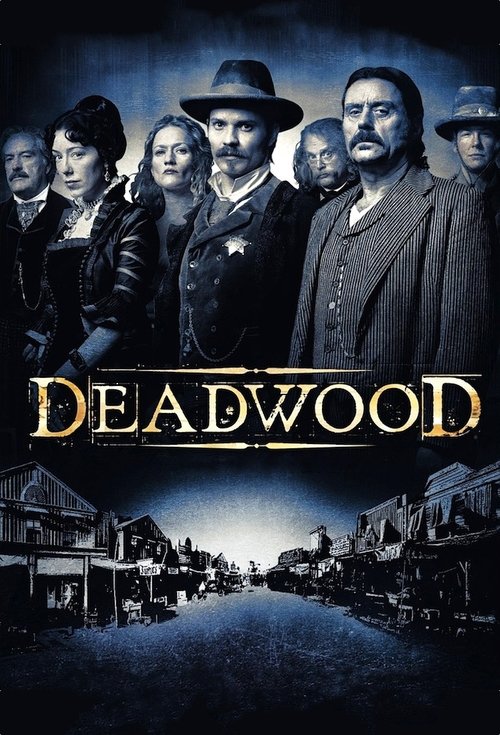
Tootsie is the Funniest Film About Acting Ever Made
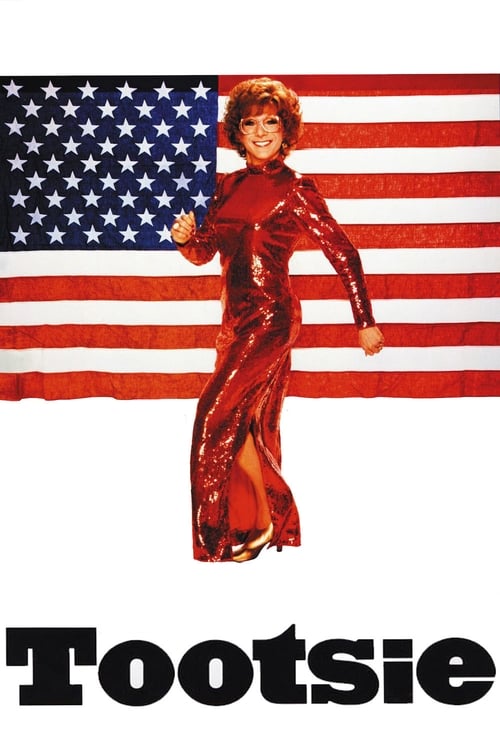
Tootsie (1982) gets remembered as a comedy about a man dressing as a woman to get work. What it actually is: a meticulous portrait of an ego so large it could only be punctured by becoming someone else. Michael Dorsey is insufferable and right about everything, which is precisely the problem. Hoffman spent months working with Larry Gelbart to make every scene carry real weight beneath the farce. The result is rare: a film that is genuinely funny and genuinely uncomfortable about the same things at the same time.
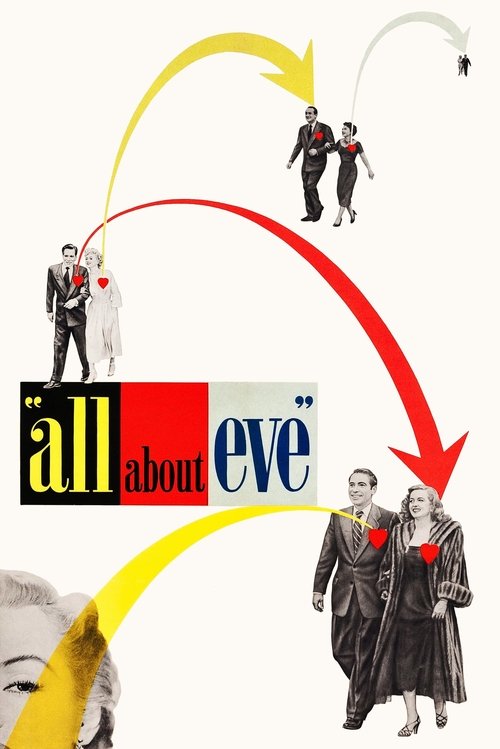

Kramer vs. Kramer Redefined What Fathers Could Look Like on Screen
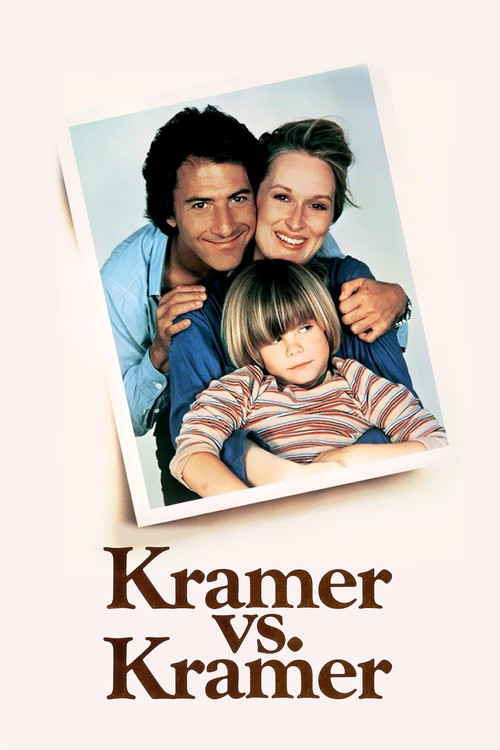
Before Kramer vs. Kramer (1979), Hollywood fathers were either noble providers or comic incompetents. Ted Kramer is neither: he is a man who discovers parenting only after losing his marriage, and the film refuses to make him sympathetic by erasing his flaws. Hoffman fought with director Robert Benton throughout production, improvising scenes and pushing for harder edges. The friction shows in the work. It remains one of the most honest films about divorce, custody, and the slow work of becoming a present parent.
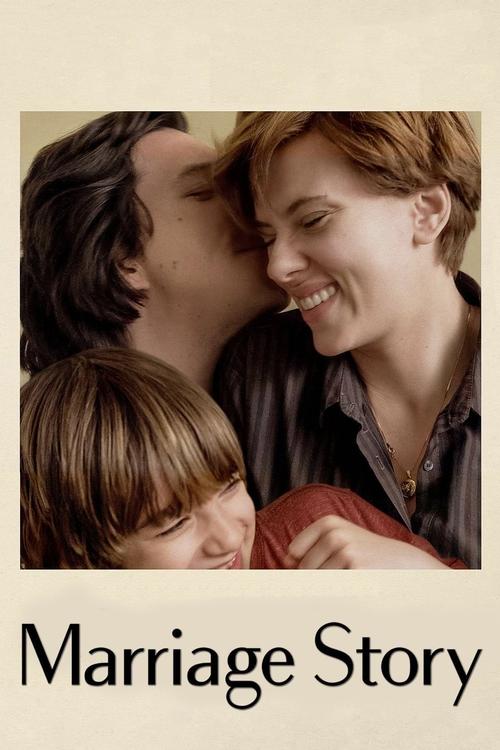
Rain Man is a Film About Connection Masquerading as a Road Movie
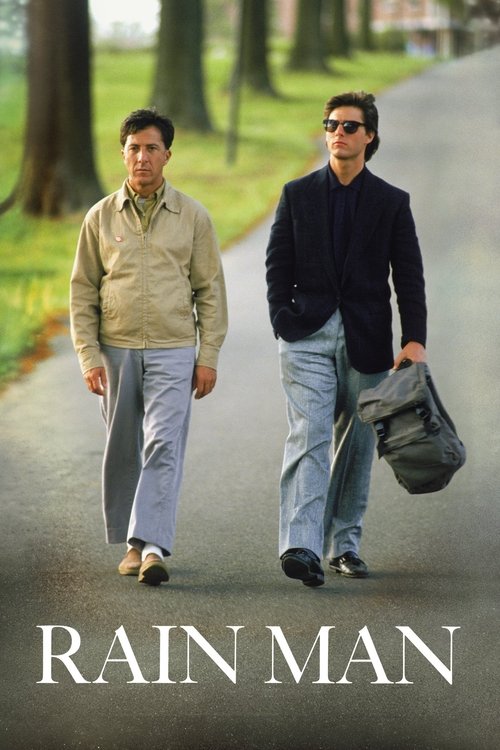
Rain Man (1988) could easily have been a redemption arc dressed in sentiment. What keeps it honest is Hoffman's commitment to Raymond Babbitt as a person with a specific, consistent interior world, not a device for Charlie's growth. The film's emotional power comes from Charlie slowly learning to see Raymond on Raymond's terms rather than his own. Tom Cruise is essential too: his performance as a man gradually losing his self-absorption is the film's real arc. It earns everything it asks you to feel.


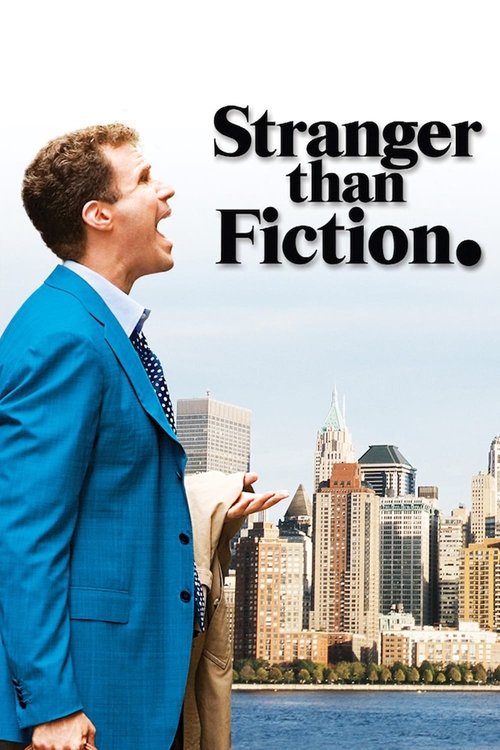
Stranger Than Fiction Deserves More Attention Than It Gets
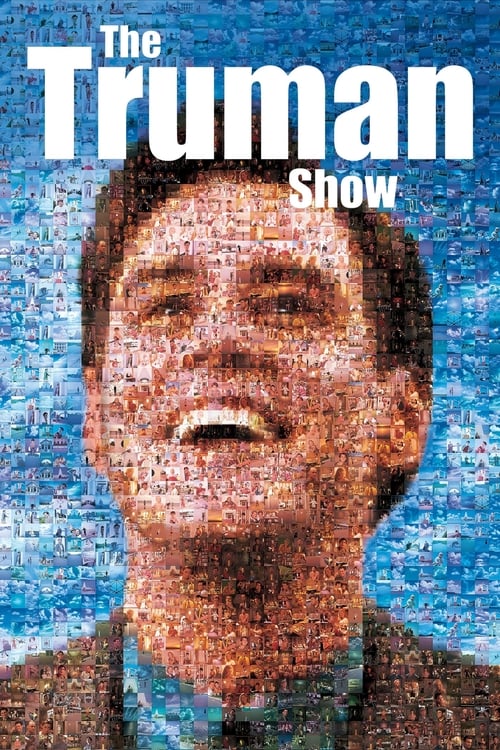
Zach Helm's 2006 film gave Hoffman one of his strangest roles and one of his warmest: Professor Jules Hilbert, a literary theorist who becomes the unlikely key to a man's survival. The film works as a meditation on authorship and mortality, but it also works because every character in it is fully inhabited. Hoffman's scenes with Will Ferrell, the most unlikely pairing in his filmography, are unexpectedly moving. It is the kind of mid-budget studio film that stopped being made almost immediately after it was released.
A Career in Turns
- 1967Breakthrough The Graduate
- 1969Expands the range Midnight Cowboy
- 1970Epic transformation Little Big Man
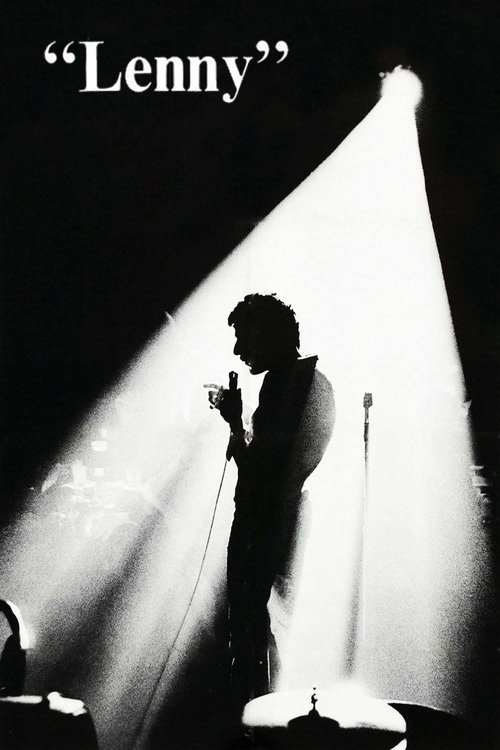
- 1974Journalism thriller Lenny
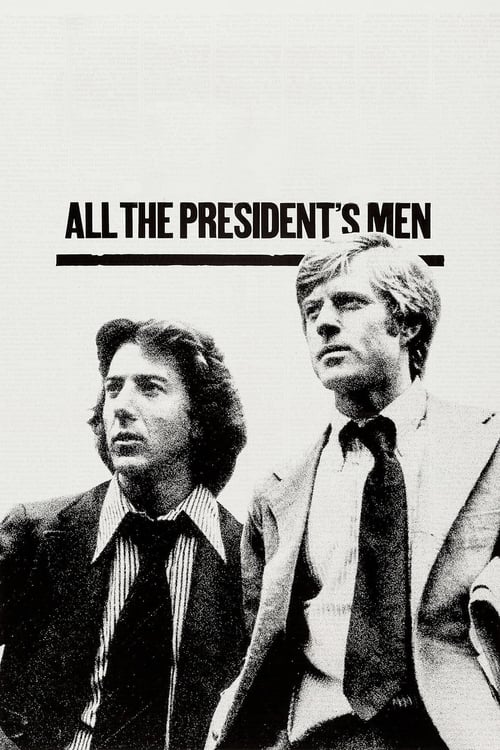
- 1976Political journalism All the President's Men
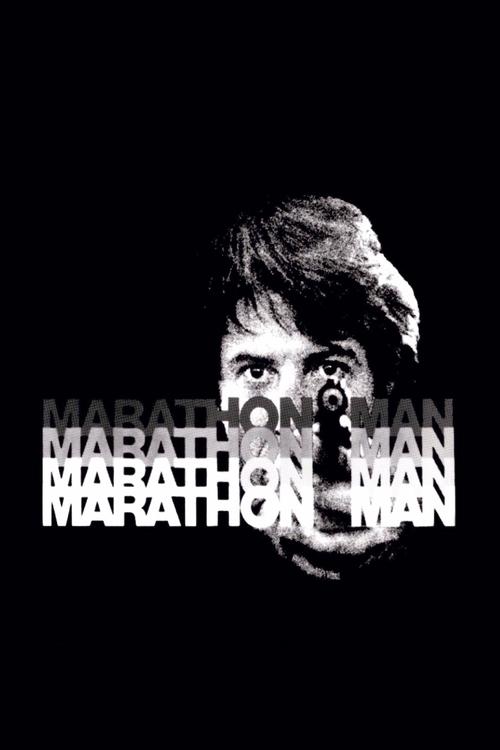
- 1976Pure menace Marathon Man
- 1979First Oscar Kramer vs. Kramer
- 1982Comedy masterclass Tootsie
- 1988Second Oscar Rain Man
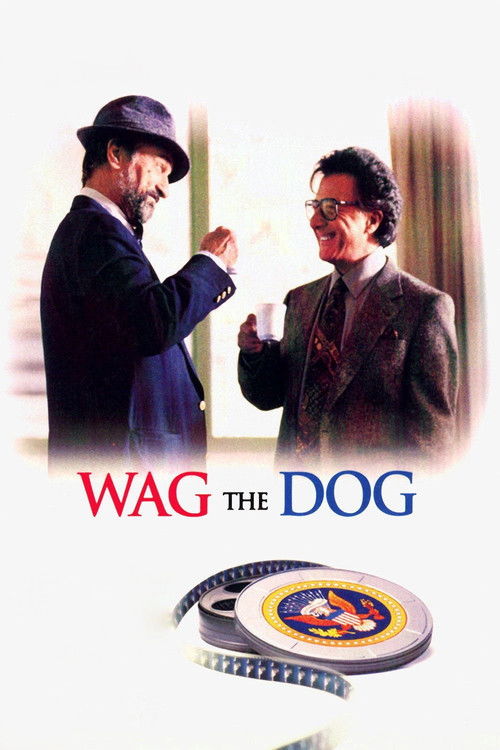
- 1997Political satire Wag the Dog
- 2006Late-career gem Stranger Than Fiction
- 2017Family drama The Meyerowitz Stories (New and Selected)
More titans of method acting
For Fans of Paul Newman
Explore the For Fans of Paul Newman guide →Acting is not about being someone different. It is finding the similarity in what is apparently different, then finding myself in there.Dustin Hoffman