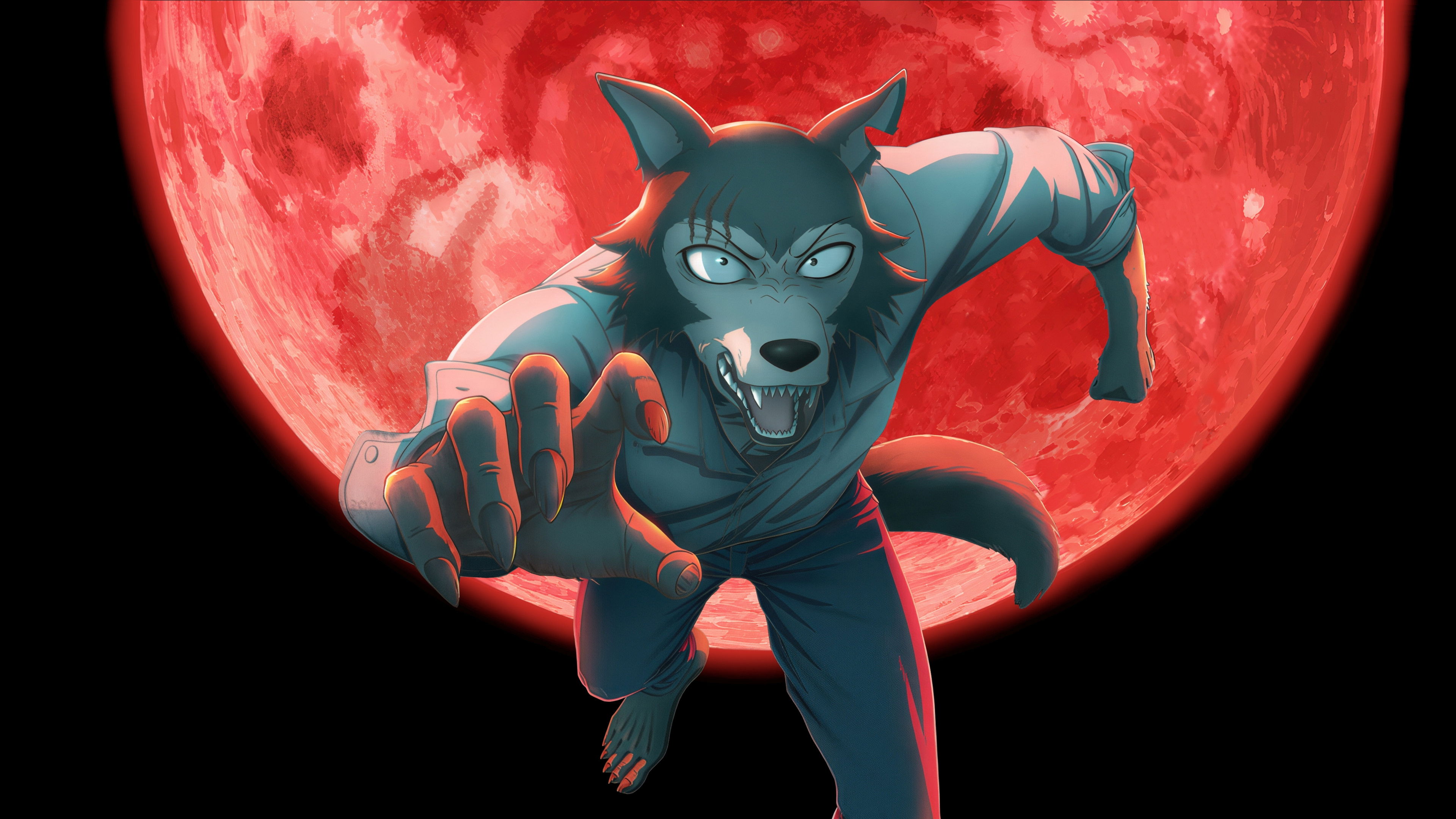

Beastars is a coming-of-age story wearing the clothes of a crime mystery and a forbidden romance. At Cherryton Academy, herbivores and carnivores coexist under strict laws, but the murder of an herbivore student cracks that veneer open. Into that fracture steps Legoshi, a grey wolf so afraid of his own nature that he shrinks into the background, until a moonlit encounter with Haru, a dwarf rabbit, forces him to confront every instinct he has buried.
Paru Itagaki's manga, and the Studio Orange anime adaptation that followed, are less interested in world-building for its own sake and more in what happens inside a character who holds two contradictory truths at once: the capacity for violence and the hunger for connection. The predator/prey dynamic is a lens for class, desire, race, gender, and the performances we put on to survive social life. If that contradiction has ever sat in your chest, you know exactly what Beastars is doing.
If You Love Beastars: Similar Anime
Series that live in the same space of societal tension, repressed desire, and characters carrying more weight than they show



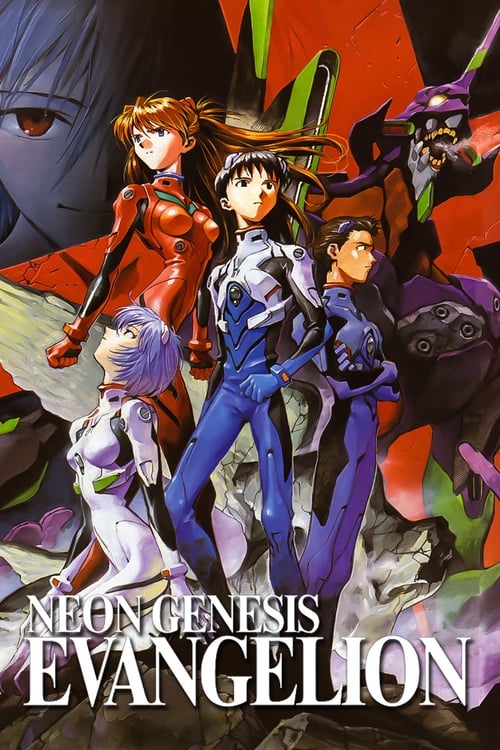
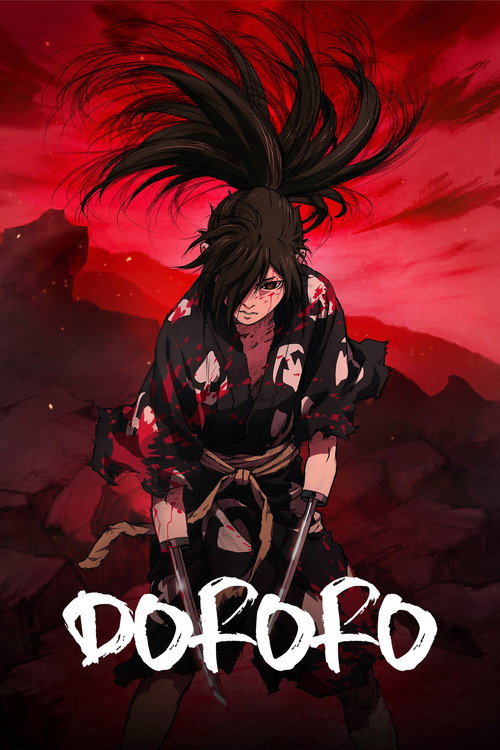
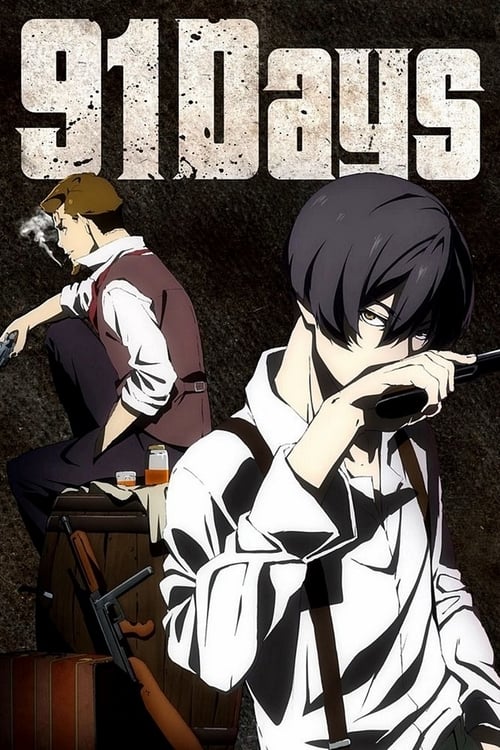
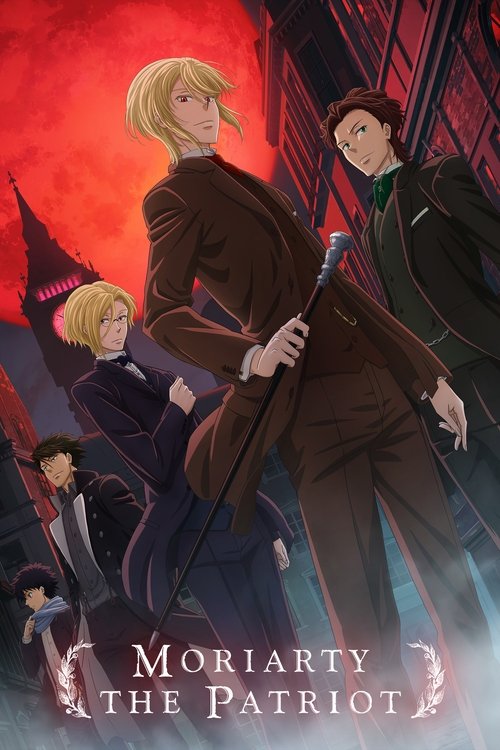
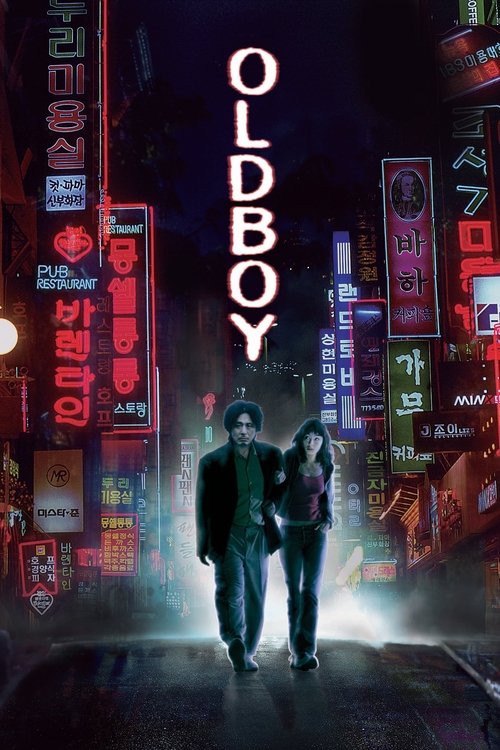
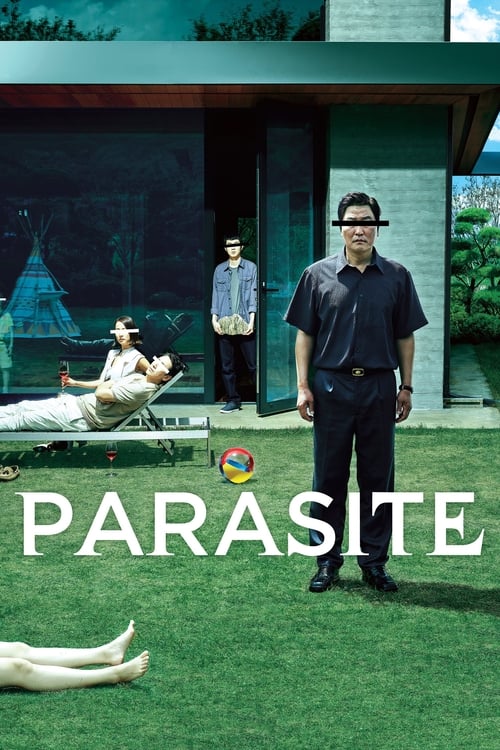
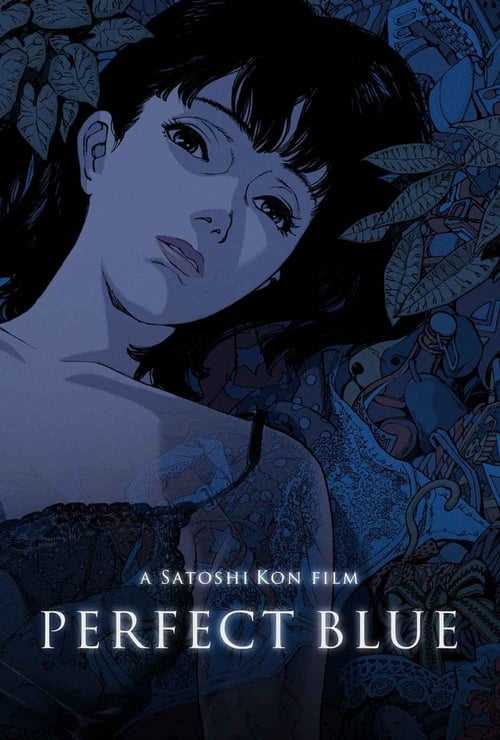
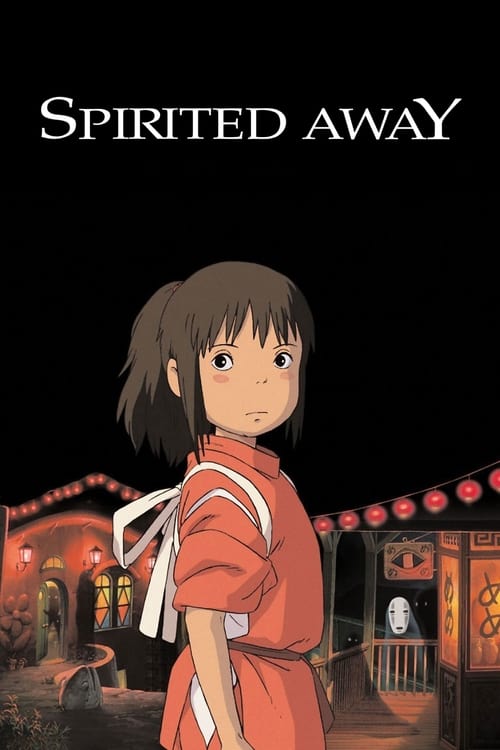
Films with the Same Charged Atmosphere
Movies that put desire and societal rules on a collision course, where what characters want and what they are allowed to want pulls the whole story apart


Books That Excavate the Same Tensions
Manga and novels where identity, instinct, and forbidden connection are the real subject matter


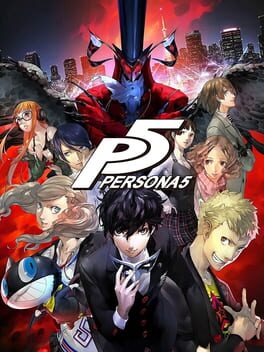
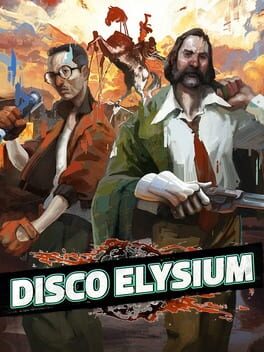
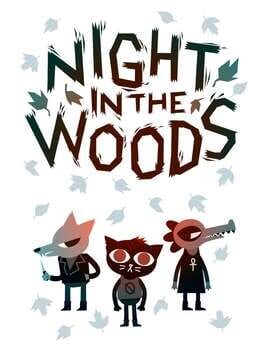
Games That Explore Dual Nature and Hidden Violence
Games where the player character is caught between two selves, or where civilization is a thin layer over something rawer





Legoshi Is One of the Most Unusual Protagonists in Modern Anime
Most shonen protagonists want to be the strongest, the most recognized, the best. Legoshi wants to want nothing dangerous. His arc is built on suppression rather than ambition: he is terrified of what he could do, not excited by it. That inversion makes him genuinely compelling. The show earns every step of his slow crawl toward accepting all of himself, precisely because it refuses to make that acceptance easy or clean.

Studio Orange Changed What CG Anime Can Feel Like
Before Beastars, CG anime carried a stigma: stiff, uncanny, cheaper-looking than hand-drawn work. Studio Orange used the Beastars source material as a proving ground. The fur textures, the weight of bodies in motion, the way Legoshi's eyes catch light in a dark stairwell: the CG here is a deliberate aesthetic choice that suits the story's theatricality. Chainsaw Man's MAPPA CG later benefited from the conversation Beastars started.
The Predator/Prey Framework Is the Sharpest Metaphor in Recent Manga
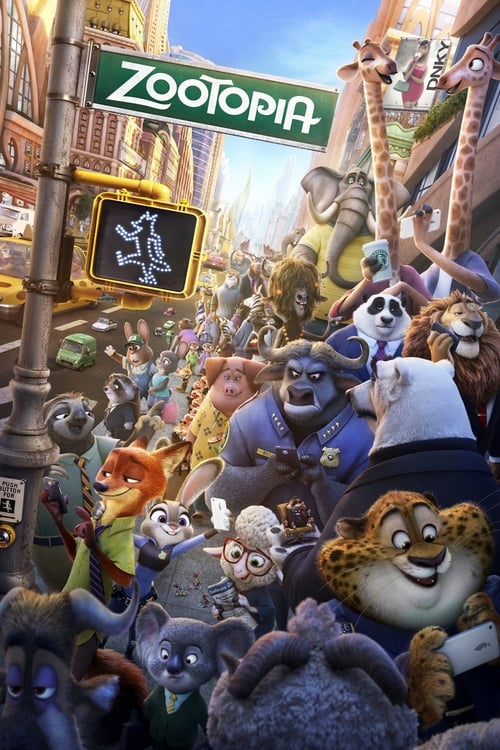
Zootopia covered some of this ground first, but for younger audiences and with the need for a comfortable resolution. Beastars refuses comfort. Itagaki uses the predator/prey divide to map class anxiety, the policing of bodies, and the way people who hold social power perform harmlessness while those without power perform safety. The allegory is never labored because it is always also literally about a wolf and a rabbit in a high school, and that dual register is where the manga does its best work.

Beastars: The Arc from Page to Screen
- 2016Paru Itagaki's manga debuts in Weekly Shonen Champion Beast
- 2019Studio Orange adapts Season 1 for Netflix Japan, CG anime that redefines the format BEASTARS
- 2021Season 2 covers the Shishigumi arc, raising the stakes considerably BEASTARS
- 2022Manga concludes at 196 chapters; Itagaki's follow-up series Beast Complex expands the world Beast
More anime and bestial coming of age
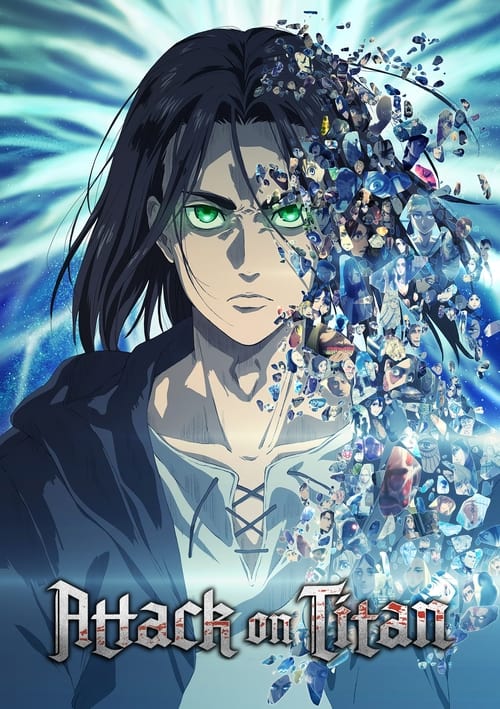
For Fans of Attack on Titan
Explore the For Fans of Attack on Titan guide →Every carnivore at Cherryton has learned to perform calm. Legoshi is the only one honest enough to be terrified by his own performance.CrossBinge