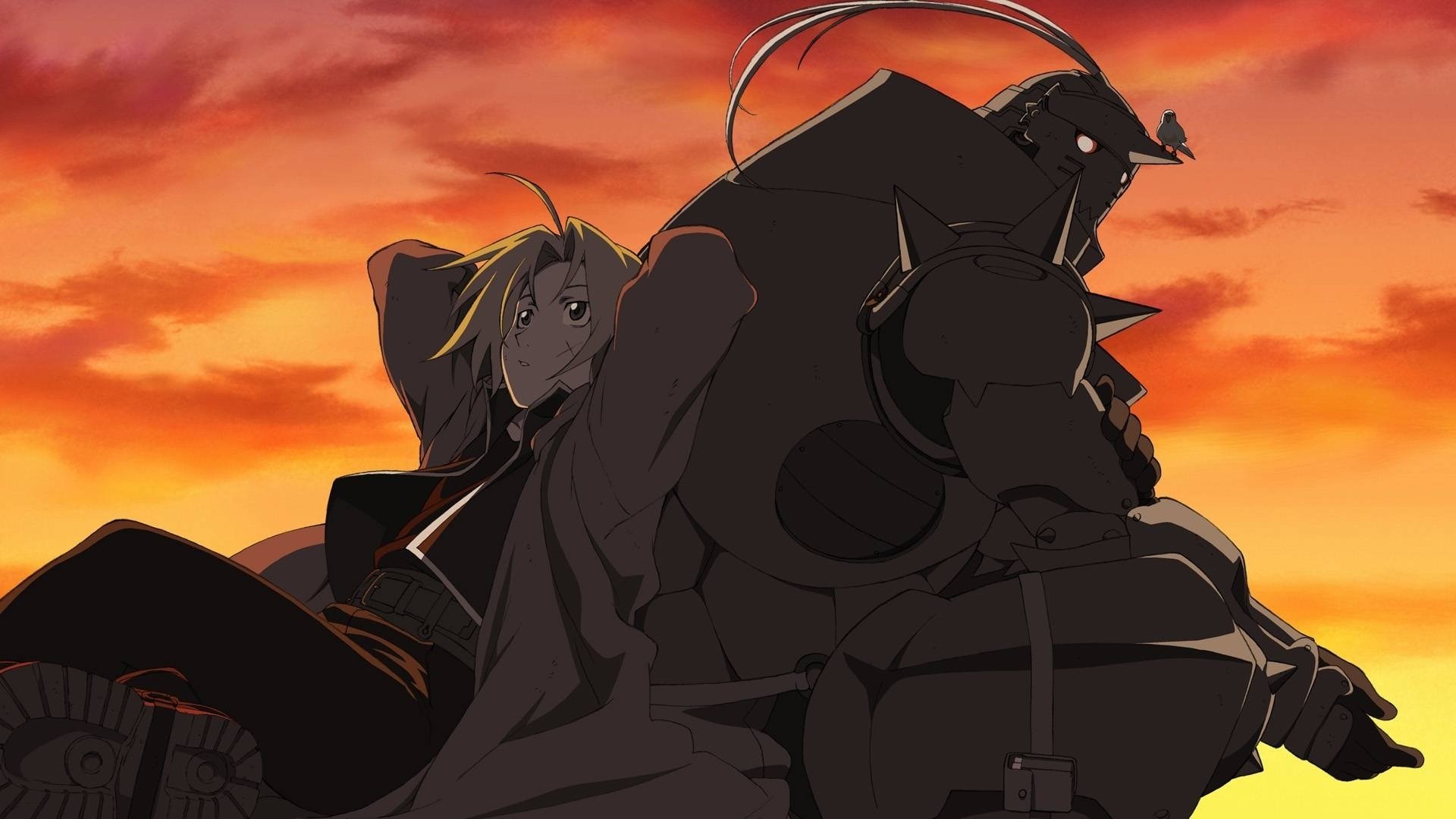

Fullmetal Alchemist runs on an idea that most fantasy never dares to commit to: power has a price, and the price is always personal. Edward and Alphonse Elric broke the one rule that holds their world together, and the series spends every episode making them pay for it. What keeps fans returning across two anime adaptations, the original manga by Hiromu Arakawa, multiple films, and a string of games is not the alchemy system itself but the moral weight behind it. The world of Amestris is a steampunk empire built on exploitation and covered-up atrocity, and the Elric brothers slowly discover that their personal tragedy is a thread in something far larger and uglier. The result is a story that earns every catharsis it delivers.
Essential Fullmetal Alchemist
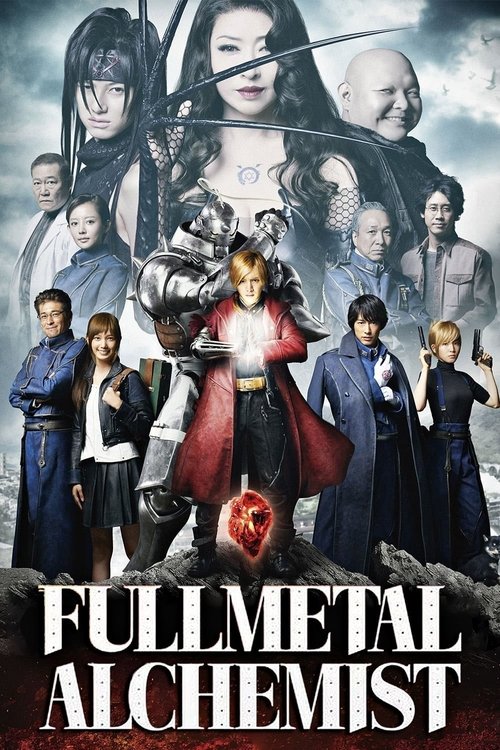
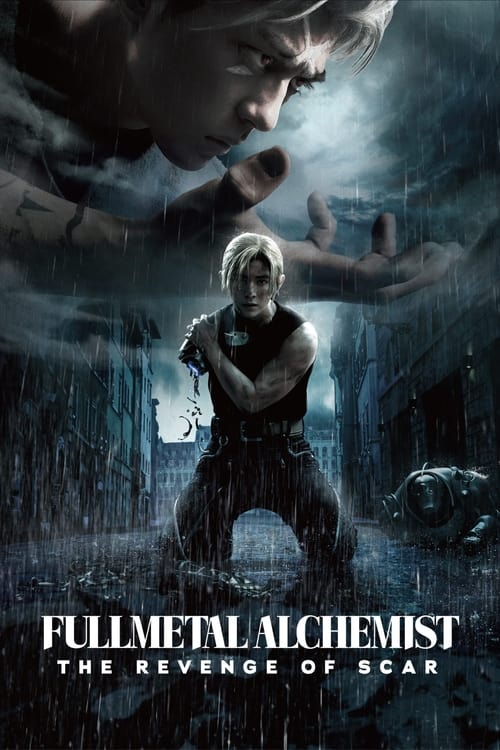
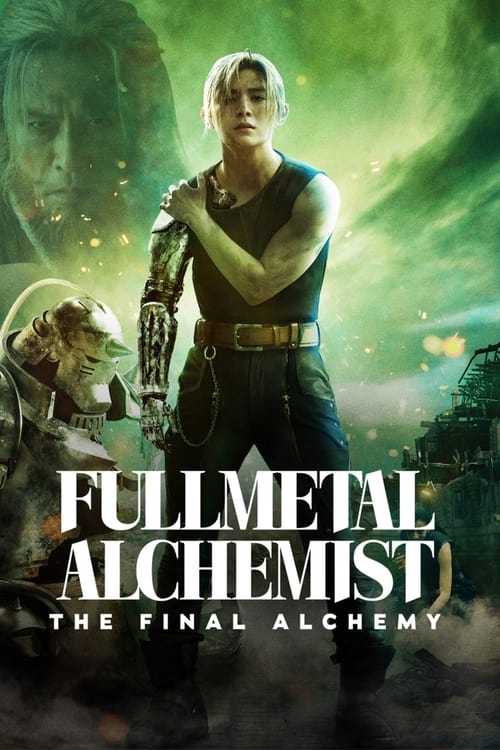
The primary canon, from the definitive manga to both anime adaptations and the stand-alone films
Play the Equivalent: FMA Games and Combat RPGs with the Same Soul
Licensed Elric adventures and games that share the tactical-plus-moral weight FMA fans crave

If You Love FMA: Similar Anime with Real Stakes
Series that share FMA's commitment to consequences, world-building, and characters who grow through loss





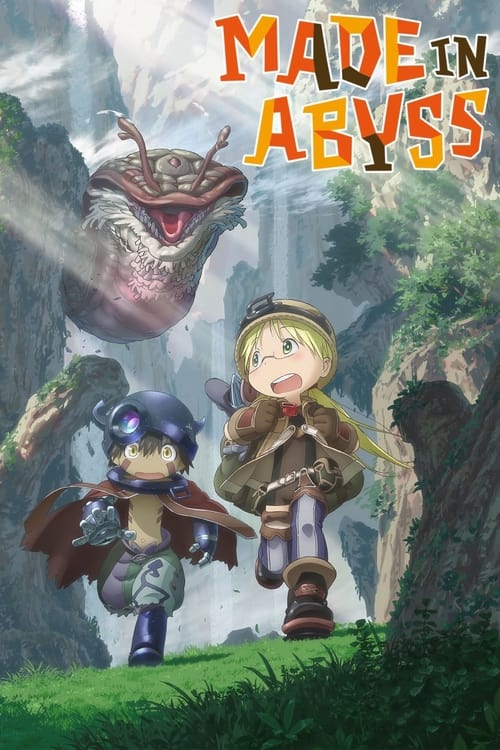

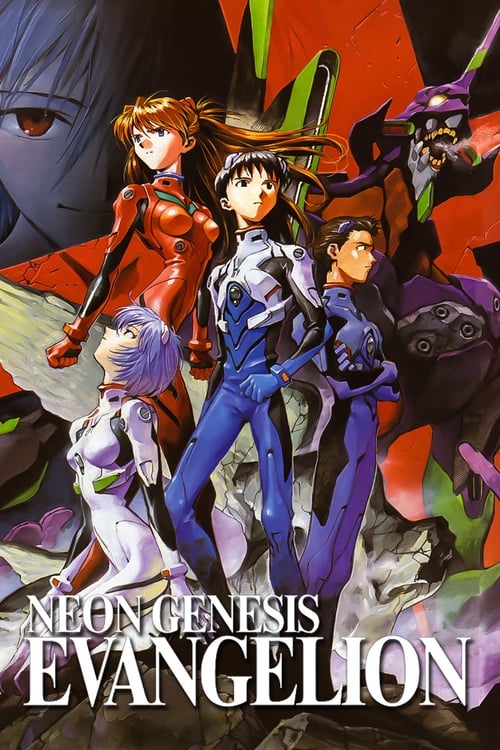
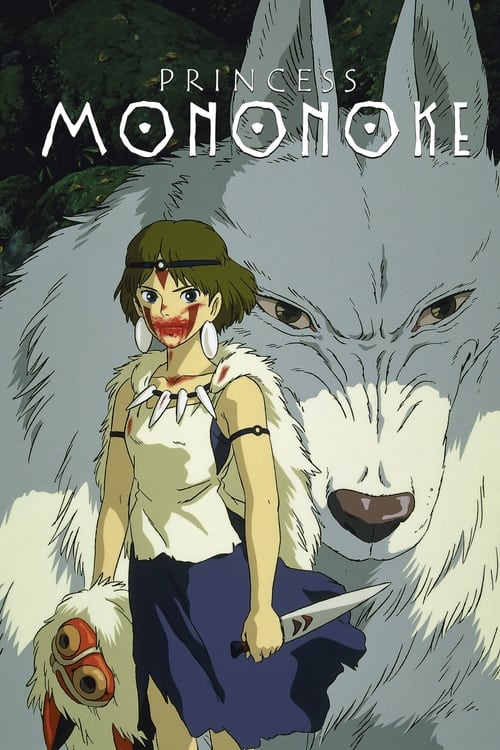
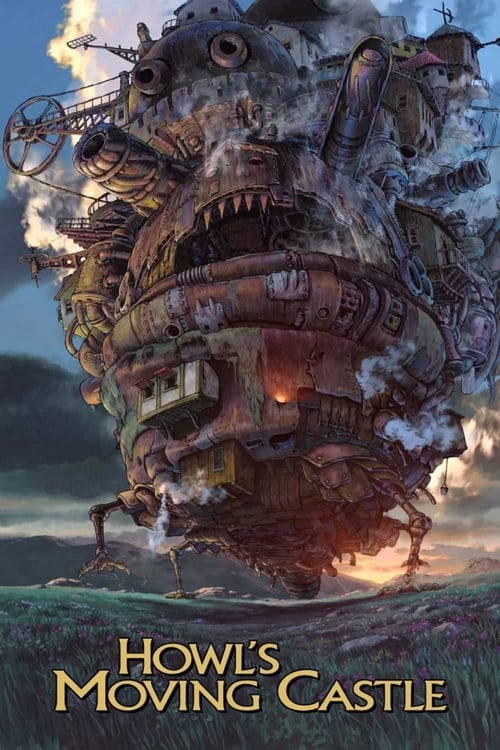
Films That Carry the Same Weight
Movies built on the same pillars: sacrifice, systemic evil, and the cost of forbidden knowledge




Brotherhood Is Definitive, but the 2003 Series Is Not a Repeat
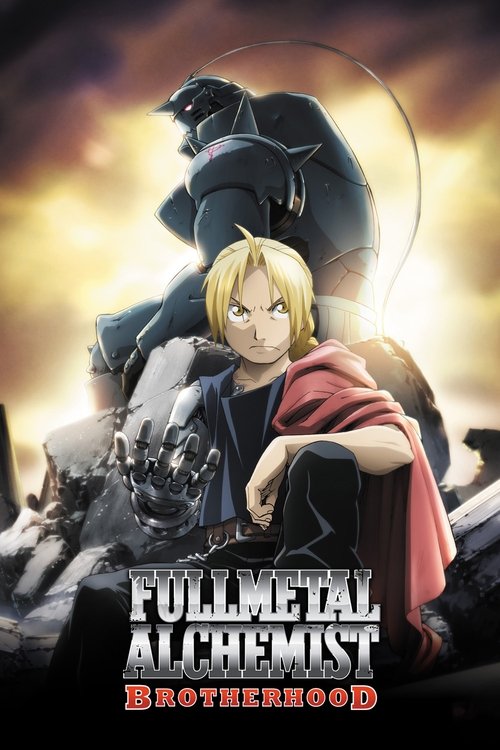
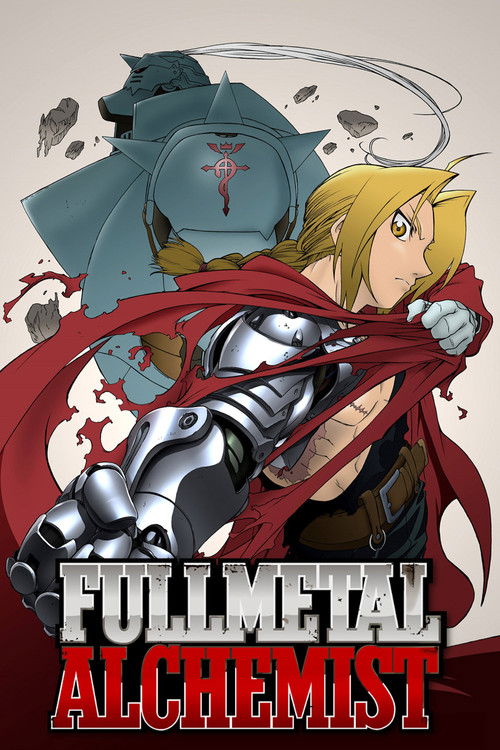
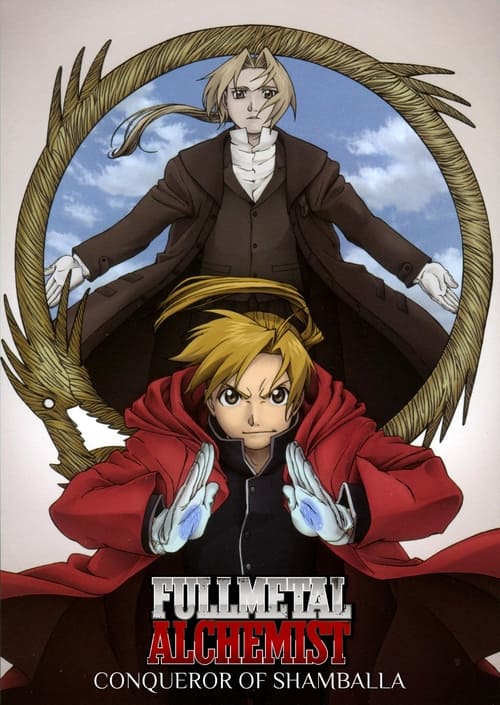
The conversation around which adaptation to watch first is real and worth having. Fullmetal Alchemist: Brotherhood (2009) follows Hiromu Arakawa's completed manga and is the version most fans now call the definitive one. Its ending is earned, its scope is vast, and its final arc is among the best in action anime. But the 2003 series, made before the manga finished, diverges after episode 25 into something stranger and darker, and its ending in The Conqueror of Shamballa is genuinely unlike anything Brotherhood does. Fans who only know Brotherhood are missing a second, legitimate artistic statement on the same material. Watch both.
Arakawa Built a Fantasy World That Cares About History
Amestris is not a generic medieval backdrop. Hiromu Arakawa based its political structure and its history of colonial genocide on real-world patterns she researched deliberately, and it shows in how the story's villains operate. The Ishvalan genocide is not backstory filler; it is the moral center of the whole plot. This commitment to political consequence in a shonen manga aimed at teenagers is still unusual, and it is the reason FMA holds up for adult readers returning to it years later. Silver Spoon, Arakawa's follow-up manga, applies the same ethical seriousness to modern agriculture.

The Rule of Equivalent Exchange Is a Philosophy, Not Just a Power Limiter
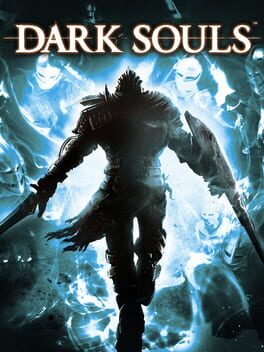
Alchemy's central rule, that you cannot gain something without giving something of equal value, is treated by the series as an ethical question, not a plot mechanic. Edward's early belief in Equivalent Exchange as a moral principle, and his eventual revision of that belief, forms the actual arc of the story. This is why the series resonates alongside philosophical fiction and games with meaningful sacrifice systems. Nier: Automata and Dark Souls both create worlds where the cost of knowledge or power is existential, and fans of FMA's moral architecture find the same quality there.
Ni no Kuni Is the Closest a Game Gets to Studio Ghibli Filtered Through FMA
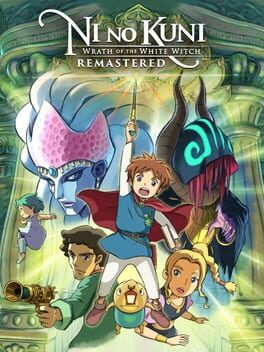
If the Elric brothers' emotional core, two kids trying to undo a terrible mistake in a world that keeps getting bigger than them, is what keeps you watching, Ni no Kuni: Wrath of the White Witch is the game to play next. It was developed with Level-5 and Studio Ghibli, has a score by Joe Hisaishi, and is built around a child trying to recover something he lost through an act of love gone wrong. The combat and world-building are secondary to that emotional premise, which is exactly how FMA works too.
The Fullmetal Alchemist Timeline
- 2001Hiromu Arakawa's manga begins serialization in Monthly Shonen Gangan Fullmetal Alchemist
- 2003First anime adaptation premieres, diverging from the manga midway through its run Fullmetal Alchemist
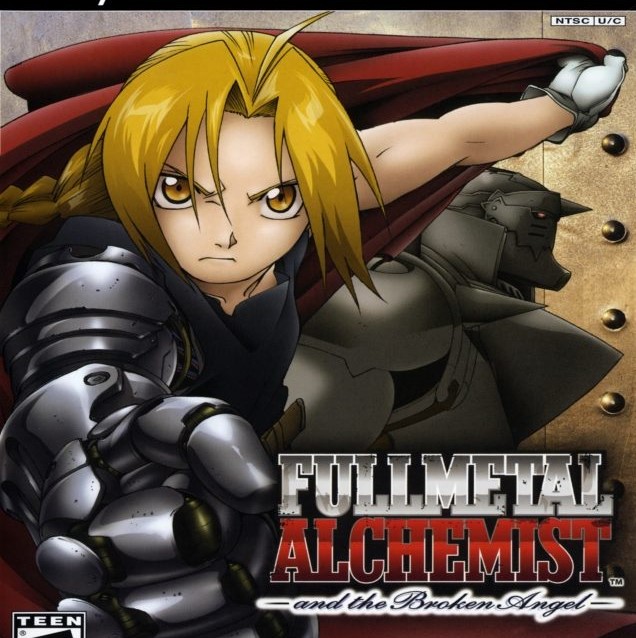
- 2004First PS2 game released, expanding the 2003 anime storyline Fullmetal Alchemist and the Broken Angel
- 2005Theatrical film concludes the 2003 series in Weimar-era Germany Fullmetal Alchemist the Movie: Conqueror of Shamballa
- 2009Brotherhood premieres, this time following the completed manga from start to finish Fullmetal Alchemist: Brotherhood
- 2011Second theatrical film set in the Brotherhood continuity Fullmetal Alchemist
- 2017Live-action Netflix film starring Ryosuke Yamada as Edward Elric released in Japan Fullmetal Alchemist
- 2022Two-part live-action sequel closes the live-action trilogy Fullmetal Alchemist: The Revenge of Scar
Alchemy, anime and dark fantasy
For Fans of Hunter x Hunter
Explore the For Fans of Hunter x Hunter guide →Humankind cannot gain anything without first giving something in return. To obtain, something of equal value must be lost. That is alchemy's first law of Equivalent Exchange.Alphonse Elric, Fullmetal Alchemist: Brotherhood