
The Pleasures of Quiet Certainty
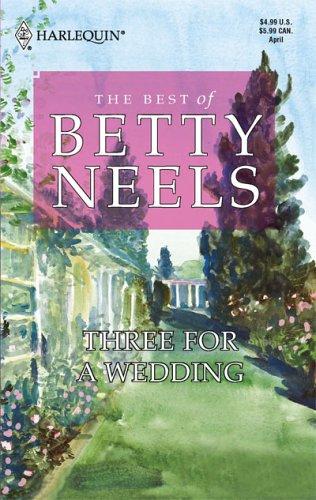
Betty Neels wrote more than 130 romance novels between 1969 and 2001, almost all of them built on the same essential architecture: a sensible, capable, not-conventionally-glamorous woman (usually a nurse); a tall, wealthy, taciturn Dutch or British doctor; a great deal of competent domesticity; and a love that announces itself so quietly you almost miss it until the final pages. She was a former nurse herself, she knew the Netherlands well, and her books have the settled confidence of someone describing a world she actually inhabited.
Fans reach for the same vocabulary again and again: cozy, warm, gentle, reassuring. The heroines press on. The heroes are infuriating and dependable in equal measure. There is always excellent food, usually described in some detail. Nobody is wicked, merely inconvenient. The emotional register is so carefully modulated that when the love scene finally arrives (often no more than a conversation and a hand held across a table) it lands with the weight of everything that came before it.
Reading Neels is an act of trust. You know how it ends. The pleasure is entirely in the how.
Essential Betty Neels
Her own books, ranked by readers


Start with Damsel in Green
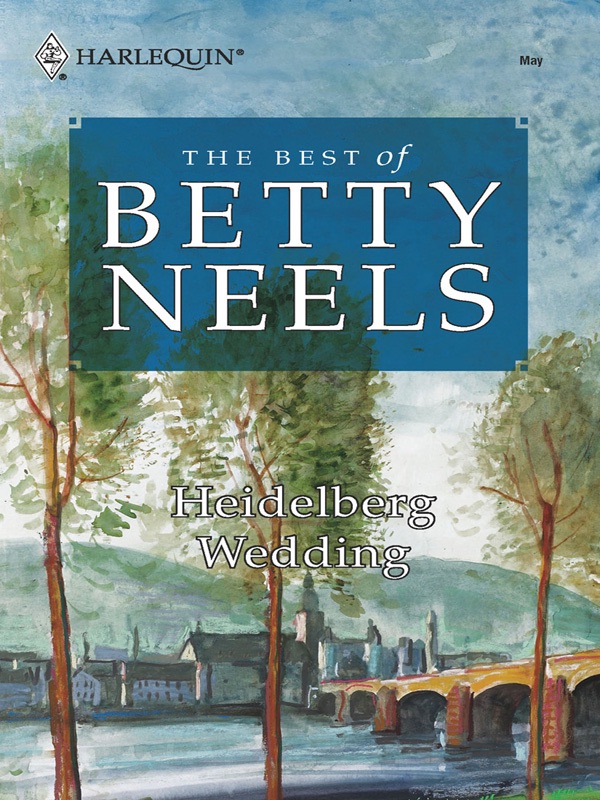
Georgina Rodman is prickly, competent, and a little overlooked, and Professor Julius van den Berg Eyffert is exactly as forbidding as that name suggests. Damsel in Green from 1970 is a perfect entry: the formula is already fully formed, the Dutch settings are vivid without being showy, and the emotional payoff is calibrated to a nicety. It is not subtle about where it is going. The pleasure is watching Neels get there.
The Screen Version of That Feeling
Period and contemporary TV that shares Neels's belief in steadiness, decency, and the long game











All Creatures Great and Small is the television equivalent
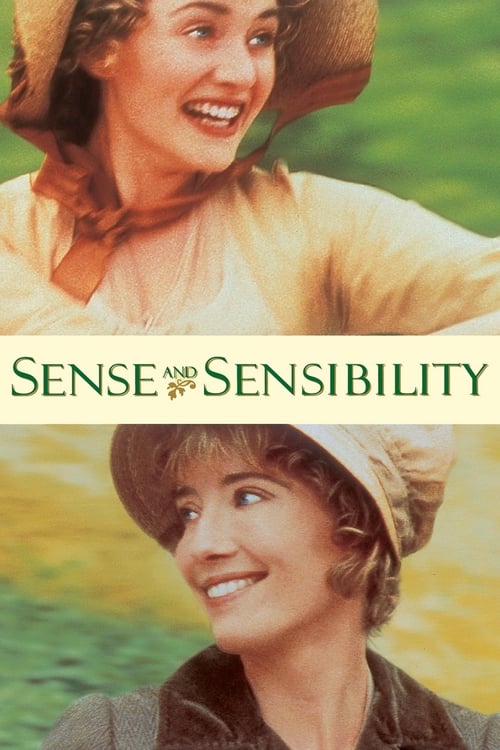
The 2020 Channel 5 revival of All Creatures Great and Small hits almost every note that Neels hits in print: a professional protagonist who finds unexpected belonging in unfamiliar surroundings, a community of decent people behaving decently, and a central romance conducted almost entirely in glances and small acts of practical help. It also shares Neels's refusal to manufacture drama from cruelty. The obstacles are real; nobody is a villain.
Other Authors Who Understand This
Books with the same emotional tempo: unshowy heroines, genuine kindness, and a love that earns itself slowly



Start on Venetia If You Come from Neels
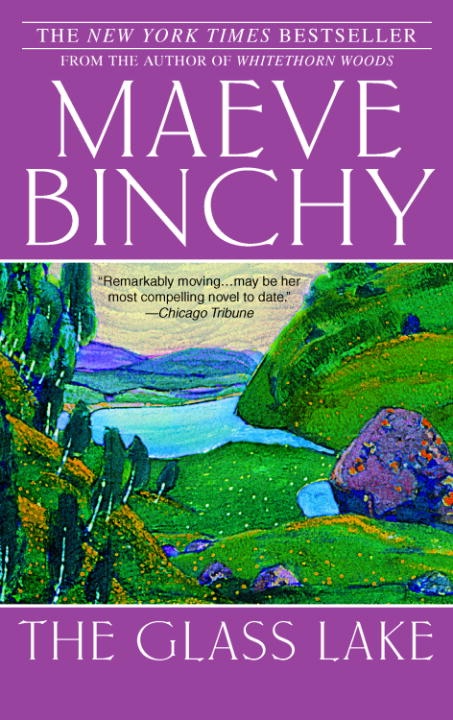
Readers who love Neels almost always love Georgette Heyer, and for good reason: both write love stories where the hero's most attractive quality is that he is fundamentally, reliably right. Heyer has sharper wit and more social comedy; Neels has more hospitals. Venetia is the recommended bridge point. Its heroine is cheerfully self-sufficient in a way that would sit well in any Neels novel, and the hero's grouchiness is deployed with the same loving irony.
Period Romance on the Big Screen
Films where restraint is the whole point and a single long look carries more than a monologue


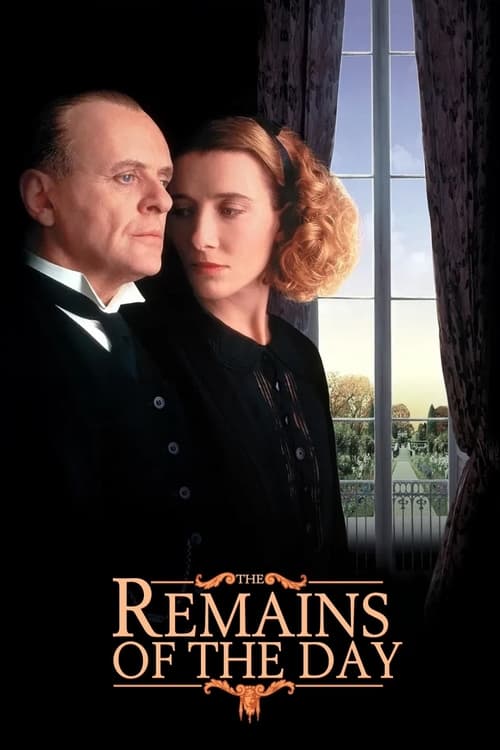

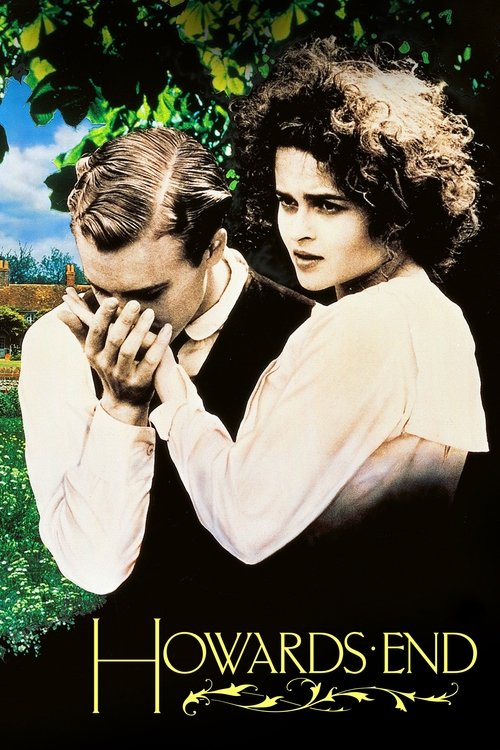





84, Charing Cross Road is the other book to read first
Helene Hanff's correspondence with the staff of a London bookseller is not a romance in the Neels sense, but it shares something essential with her novels: the conviction that care expressed in small, ordinary gestures accumulates into something that matters enormously. There is no dramatic declaration. There is only the steady evidence of attention, and the knowledge that it is reciprocated. Neels readers tend to love it immediately.
There is a particular comfort in a love story where neither party is trying to be interesting. Neels's heroines get on with things; her heroes notice, eventually, that getting on with things is the most interesting quality a person can have.CrossBinge editors
Quiet Places to Settle Into
Games and music that carry the same unhurried warmth






Five Decades of the Formula
- 1969First novel published under her own name, beginning a run of over 130 books
- 1972Tabitha in Moonlight establishes the classic nurse-and-Dutch-doctor template Tabitha in Moonlight
- 1985At the End of the Day among the most-reread mid-career novels At the End of the Day
- 1999Harlequin launches the Betty Neels Collection, bringing early titles back into print
- 2001Final novel published; Neels passed away the same year, leaving a complete and irreplaceable body of work