
There are musicians, and then there is Bjork. The Icelandic artist has spent four decades treating music not as a genre but as a force of nature, one she bends, breaks, and rebuilds with every album. From the post-punk anarchy of the Sugarcubes to the orchestral storms of Homogenic, the glitchy digital heartbreak of Vespertine, and the geological ambition of Vulnicura, she has never made the same record twice. What her fans share is not a taste for a sound but a hunger for the feeling that music can still be genuinely, vertiginously new. The through-line is transformation: bodies, emotions, landscapes, and the technology of sound itself, always in the middle of becoming something else.
Essential Bjork
Her own catalog, from the foundational to the visionary
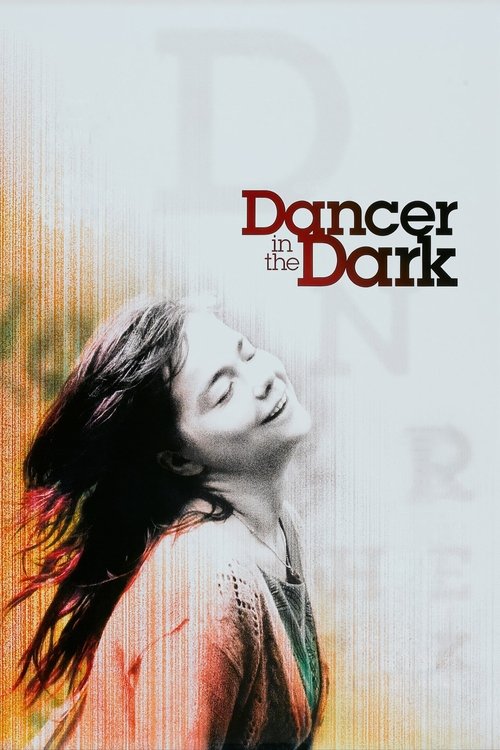
Dancer in the Dark is the one film that earns its devastation
Lars von Trier's Palme d'Or winner is a brutal, beautiful work that could only have happened with Bjork at its center. She plays Selma, a Czech immigrant going blind in 1960s America, who retreats into musical fantasy to survive. The film is a genuine musical, a social-realist tragedy, and an almost unbearable endurance test at once. Bjork wrote the score, performed it, won Best Actress at Cannes, and reportedly vowed never to act again. The collision between her voice and von Trier's raw handheld camera produces something that no other combination of artist and director could have made.
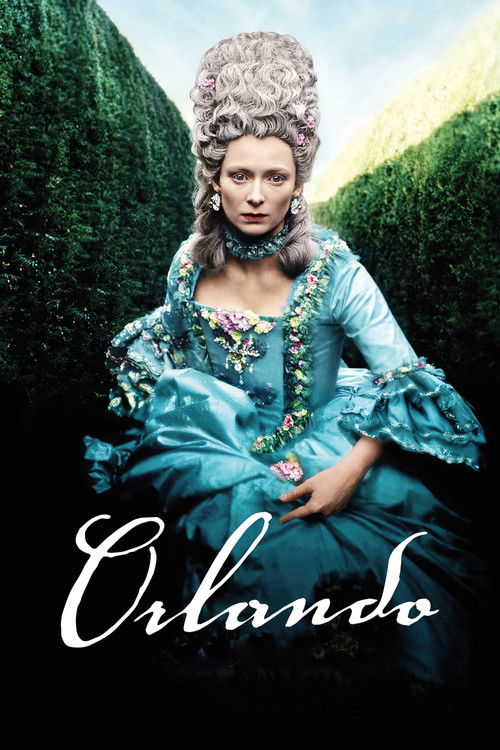
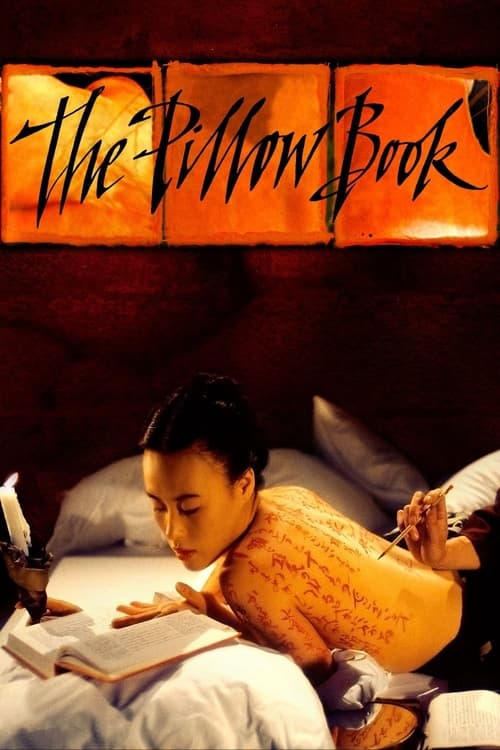
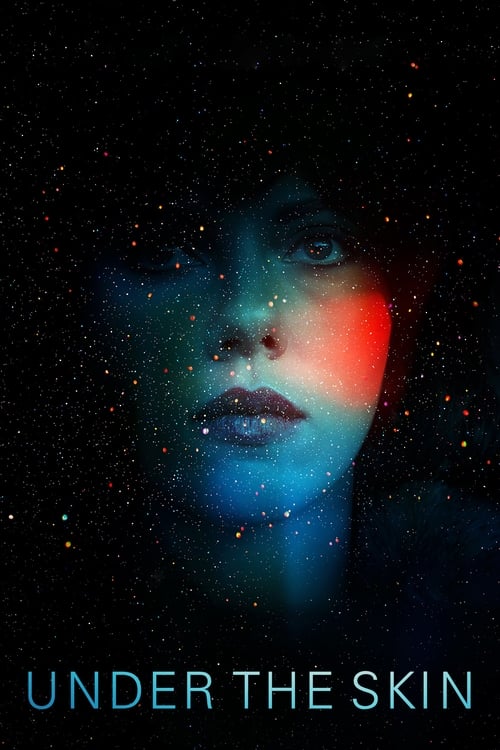
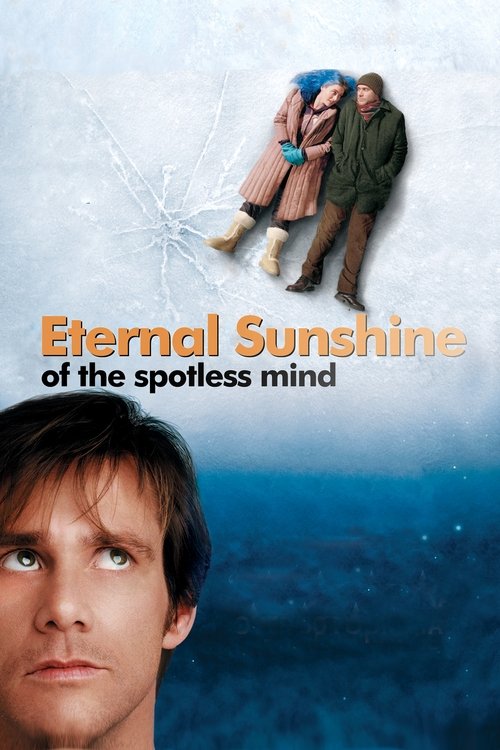
Films with the Same Energy
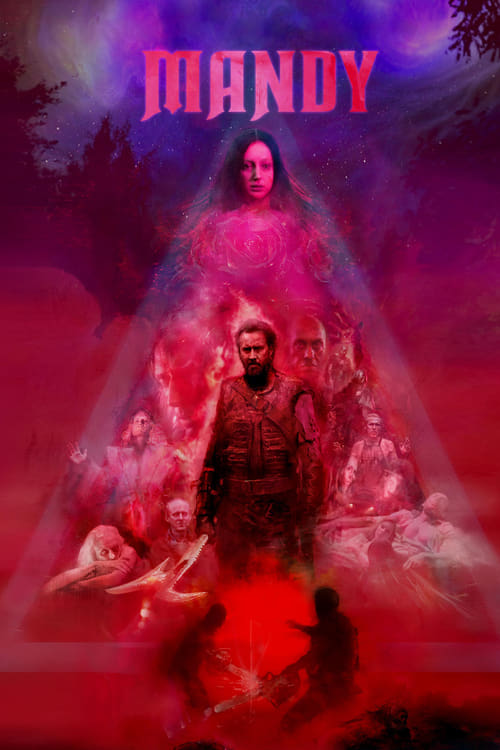
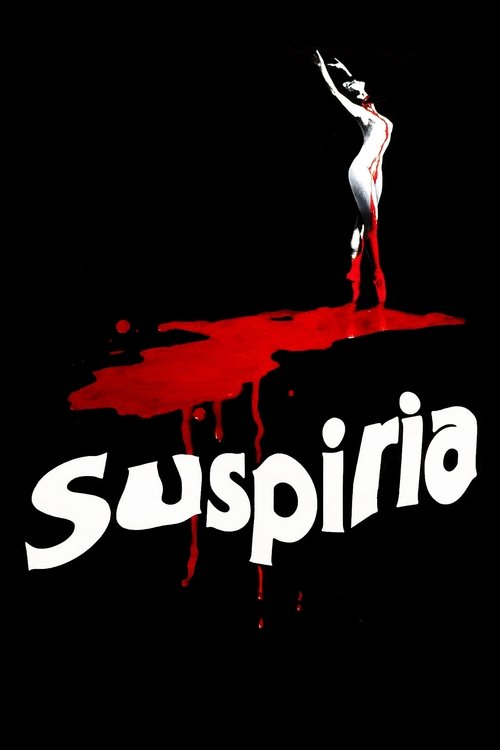
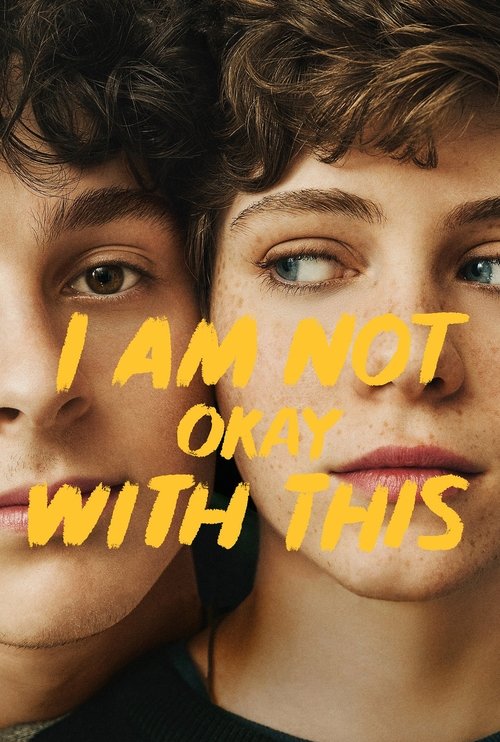
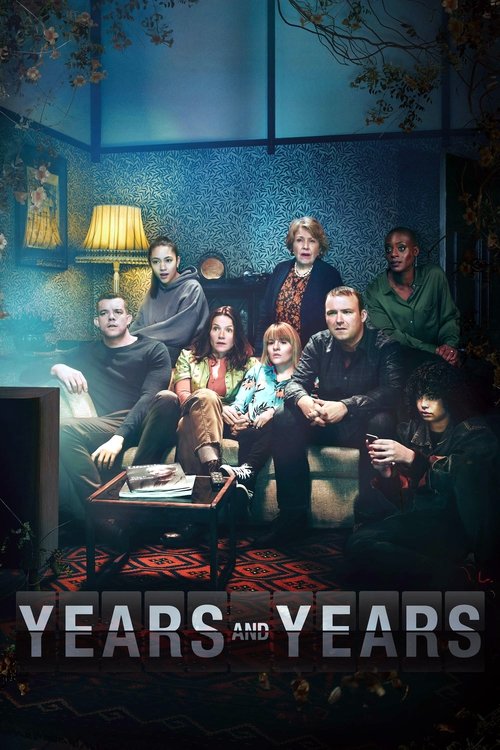
Auteur cinema that shares Bjork's commitment to feeling over formula

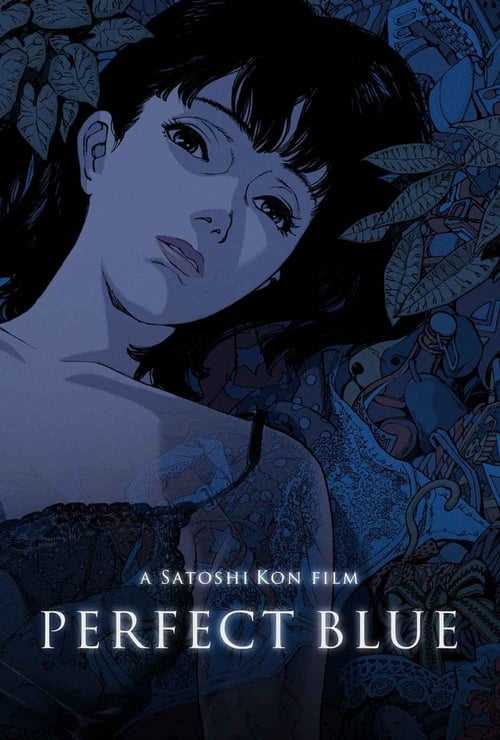
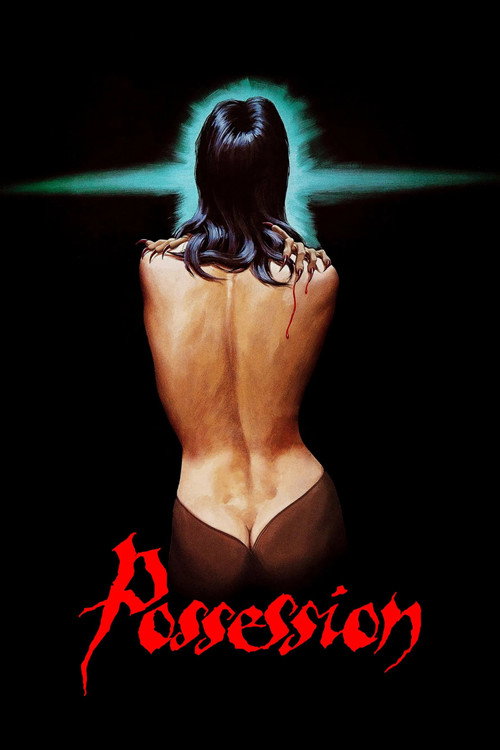
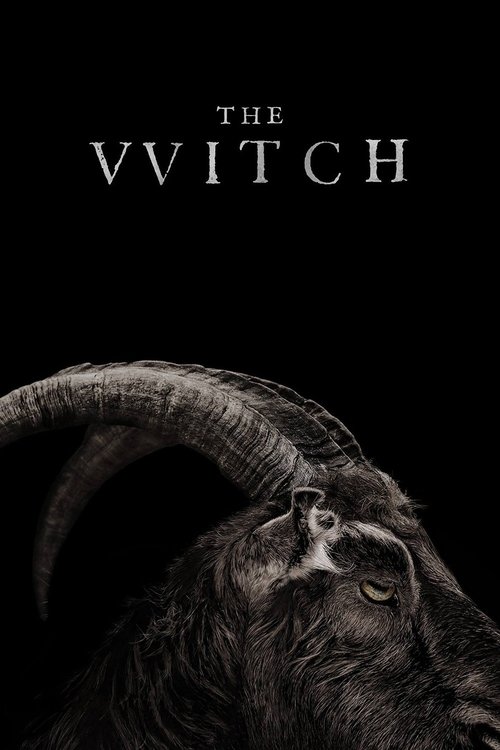
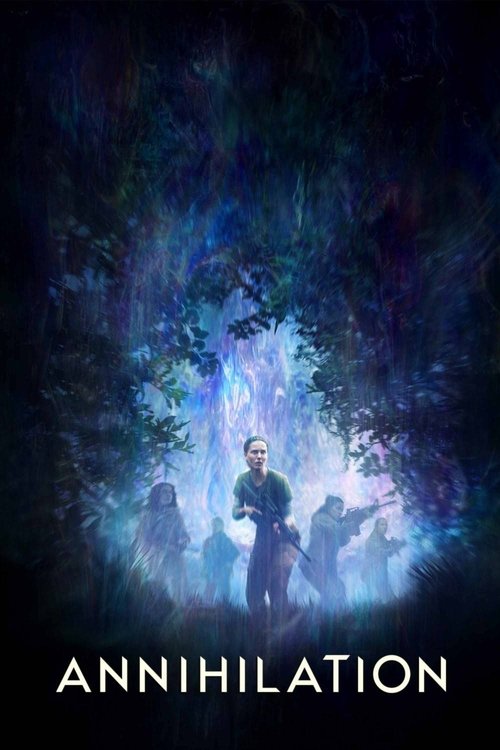
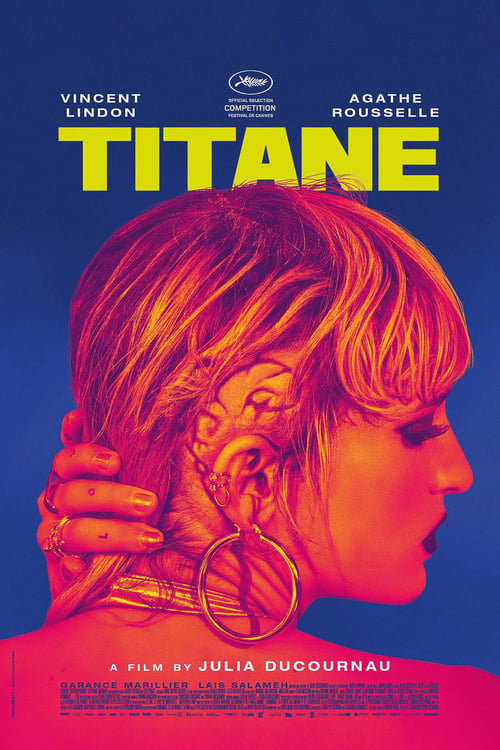
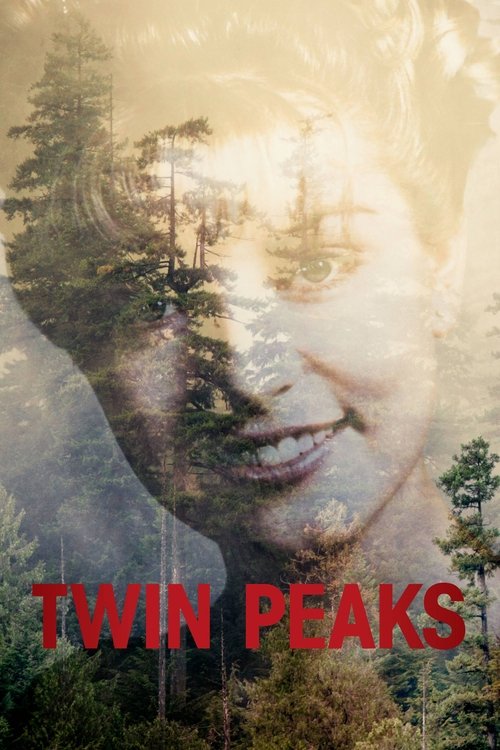
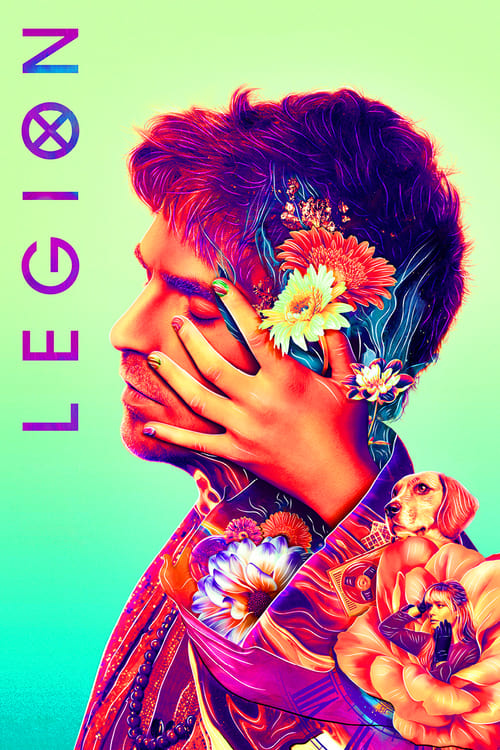
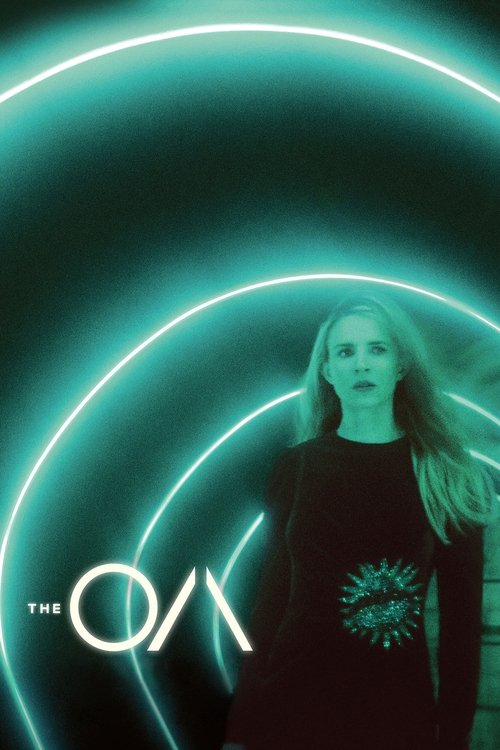
Series and Films for the Art-Pop Mind
Television and cinema built on the same axis of strangeness and sincerity



Bjork treats technology as an instrument, not a tool
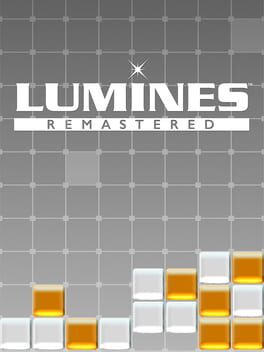
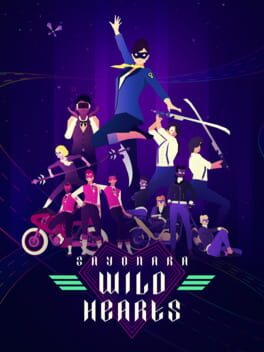
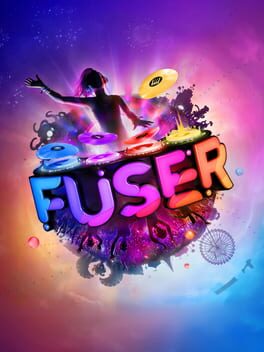
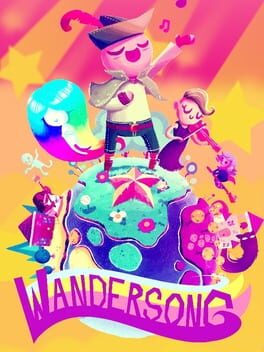
From the early collaborations with Howie B and Mark Bell to Arca's fractured electronics on Vulnicura and Utopia, Bjork has always sought out producers who treat digital sound as living material. The Biophilia project, released as an app-album in 2011, made this philosophy explicit: each song was paired with a custom instrument or interactive app exploring a different force of nature. Long before artists talked about immersive or interactive music, she was building it. The games below share that same logic: music and mechanics fused until you cannot separate the listening from the playing.

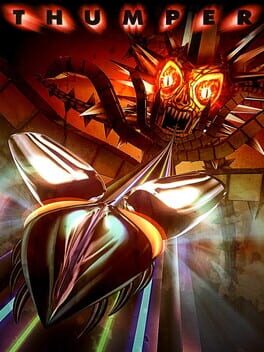
Games for Ears and Instincts
Music games and sensory experiences that treat sound the way Bjork does



Books for the Same Restless Mind
Fiction, poetry, and theory that share Bjork's appetite for transformation


Her music documentaries are the closest thing to a self-portrait
Bjork has rarely given conventional interviews and has largely kept her private life private, which makes the Biophilia Live film and the various behind-the-scenes documents of her touring periods unusually precious. They catch a working artist thinking out loud about the relationship between nature, technology, and emotion, in real time, with collaborators who are clearly as obsessed as she is. Voltaique, the live concert from Paris, captures the Volta tour at its most theatrical. These are not promotional materials. They are arguments for a way of making art.
Bjork: A Career in Leaps
- 1977Records first album aged 11 in Iceland, Bjork, a collection of Icelandic folk covers.
- 1986Joins the Sugarcubes; Life's Too Good (1988) breaks them internationally. Life’s Too Good
- 1993Solo debut Debut launches her international career and a run of landmark videos. Debut
- 1997Homogenic fuses Icelandic strings and drum machines into a new idiom. Homogenic
- 2000Wins Best Actress at Cannes for Dancer in the Dark; writes and performs the score. Dancer in the Dark
- 2001Vespertine strips the sound back to intimate electronics and choral whispers. Vespertine
- 2004Medulla uses almost entirely human voices as instruments. Medúlla
- 2011Biophilia releases as an interactive app-album, a first in music history. Biophilia
- 2015Vulnicura, written after a breakup, is produced with Arca and debuts at MoMA. Vulnicura
- 2017Utopia imagines a feminist utopia with flutes and Arca's alien electronics. Utopia
- 2022Fossora, inspired by fungi and grief, closes a chapter with club beats and bass clarinets. Fossora
More otherworldly, dreamlike art
For Fans of Tame Impala
Explore the For Fans of Tame Impala guide →I'm not going to compromise my weirdness. That would be dishonest. And dishonesty is what I'm fighting against.Bjork