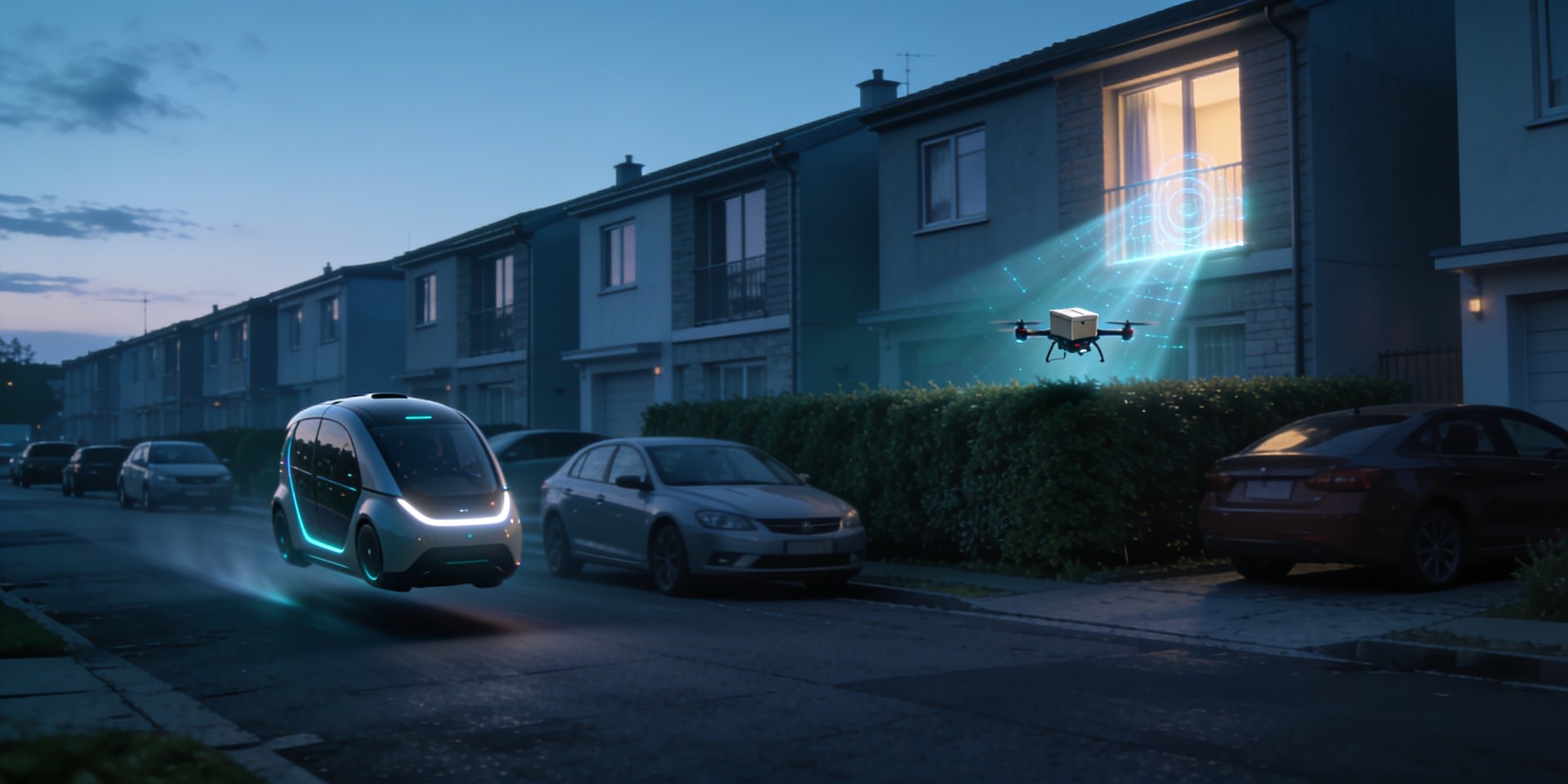

The most unsettling science fiction is the kind you could buy a ticket for. Not the starship, not the chrome dystopia a century out, but the world that looks almost exactly like the one outside your window, with one thing changed. A phone that knows you a little too well. A rating system for human beings. A company that owns the parts of your life you never thought to sell. This is the genre of the plausible: speculation set five years out, where the technology is recognizable and the social damage is the actual subject.
What unites these stories is restraint. They do not need flying cars to frighten you, because the fear is sociological rather than technological. The premise is usually a single new device or platform, and the drama is what people do with it: how a marriage bends around a love-rating app, how a country slides into authoritarianism across one family's dinner table, how grief reaches for a chatbot trained on the dead. The medium barely matters. A Black Mirror episode, a controller in your hand as you play a synthetic therapist, a novel narrated by a teenager with an advertising feed wired into his brain, all run the same experiment. Change one thing. Watch us cope badly.
Essential near-future speculation
The canon of the plausible tomorrow, across every medium

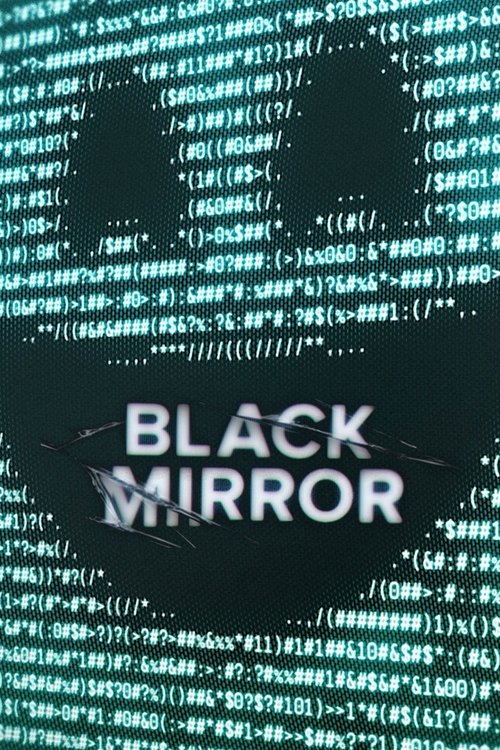
Black Mirror is the genre's center of gravity
No single work defined the modern shape of near-future speculation more than Black Mirror. Charlie Brooker's anthology took the Twilight Zone format and pointed it at the smartphone era: one new technology per episode, usually no more advanced than something already in development, and a structure that ends with a quiet gut-punch rather than a twist. The best installments are not really about gadgets at all. Nosedive is about social class wearing the costume of a five-star rating. The Entire History of You is about jealousy given perfect memory. San Junipero, the rare hopeful one, is about what we would actually do with a digital afterlife if we could afford it.
The show's influence is so total that the term Black Mirror episode now functions as shorthand for an entire mode of cultural anxiety. That is a heavy thing for a TV series to carry, and it does not land every time. But when it works, it does the thing this genre exists to do: it makes the near future feel less like a prediction and more like an accusation.
On screen: the next few years
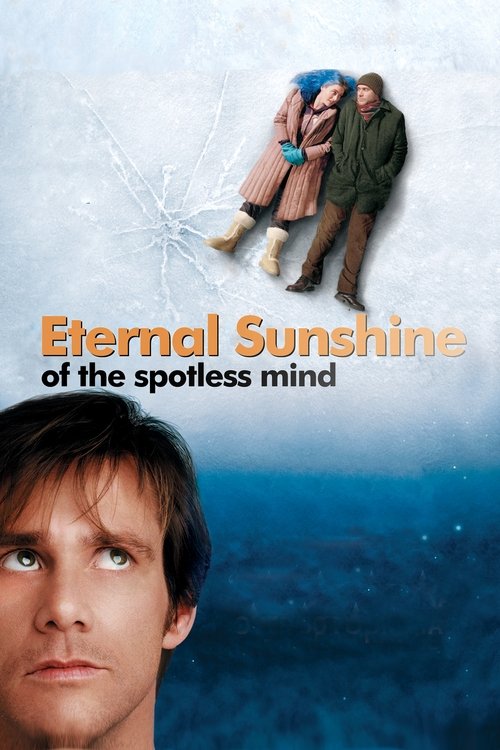
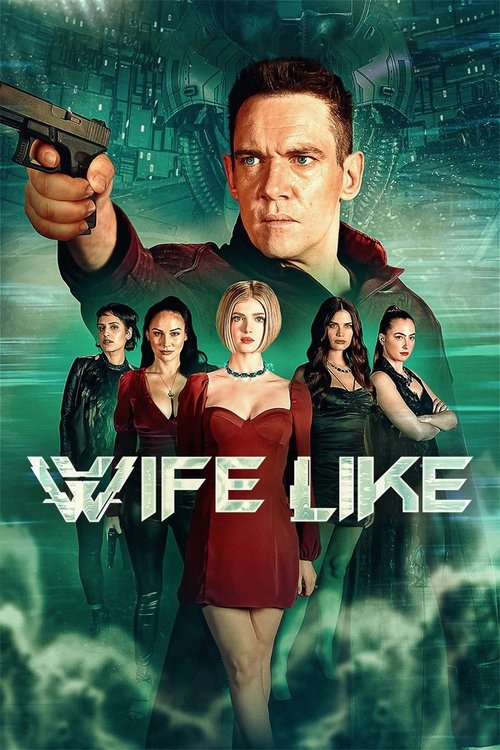
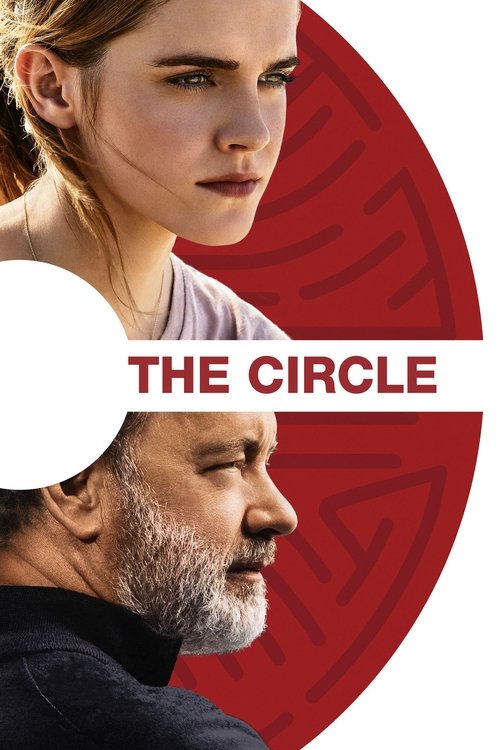
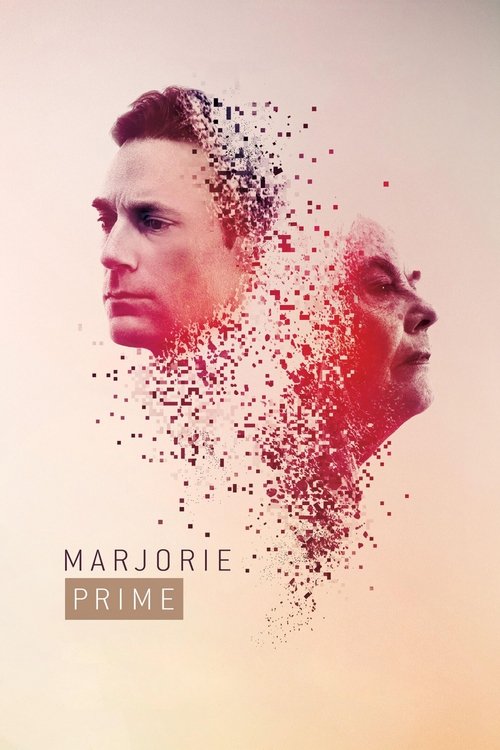
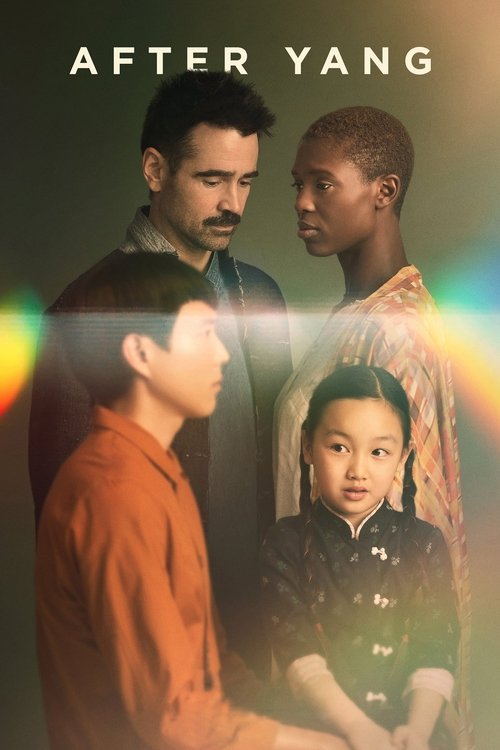
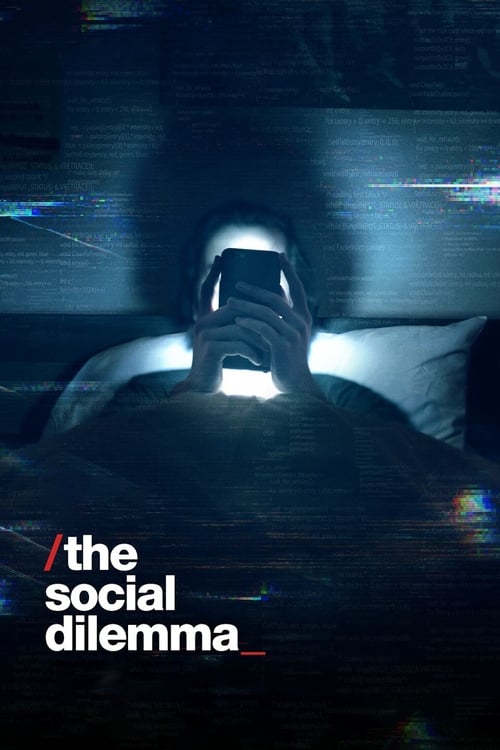
Films that change one thing and let the consequences play out
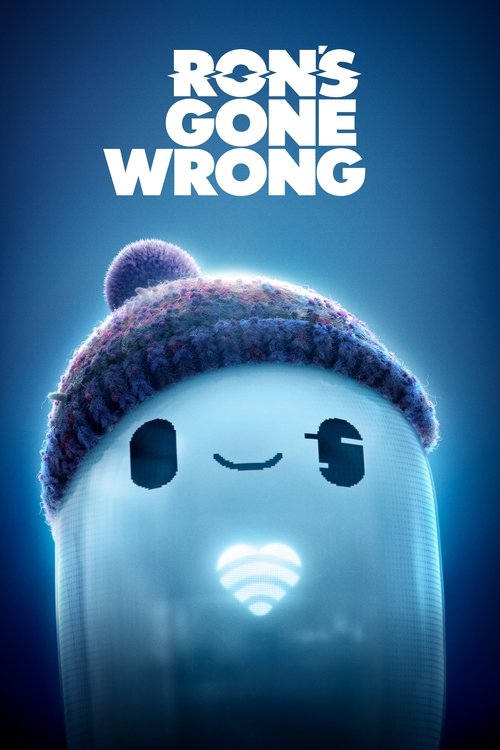
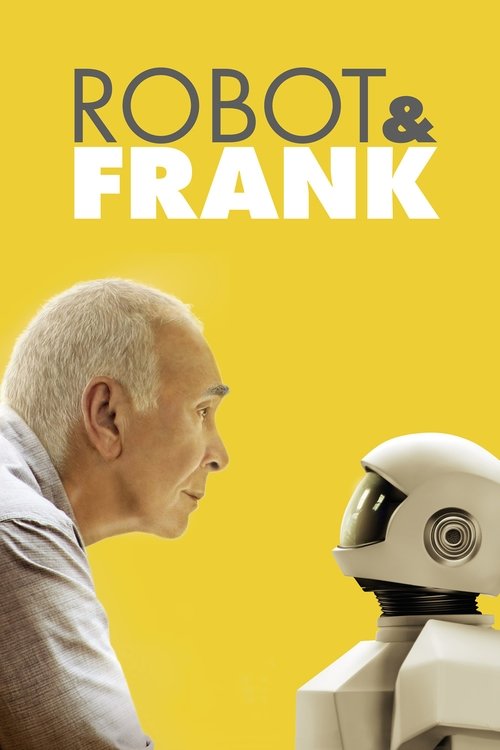
The line between near and far
It is worth being strict about what belongs here. Cyberpunk is its own country: the megacorporation, the chrome implant, the rain-slick neon that has hardened into an aesthetic. Climate fiction is another, with its drowned coasts and burning skies set decades out. Near-future speculation is the quieter neighbor of both. It keeps the world recognizable. The streets look like our streets. The phones look like our phones, give or take a year. What changes is one thing, introduced early and pushed to its logical end.
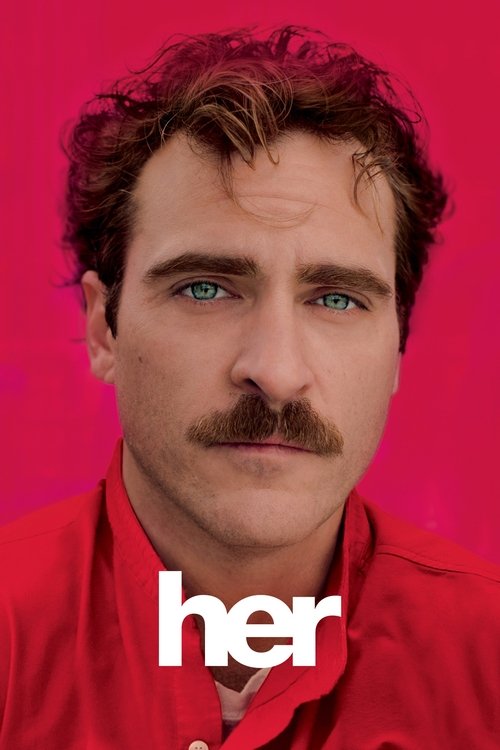
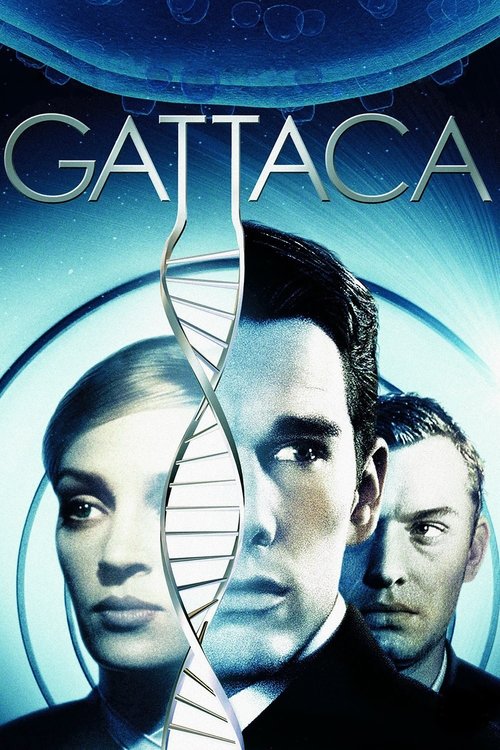
That constraint is the whole point. Gattaca imagines a society organized entirely around genetic screening, but its world is all 1950s suits and clean modernist interiors, deliberately undramatic. Her gives us an operating system that falls in love, and sets it in a soft, sunlit Los Angeles where the only futuristic detail is the high-waisted trousers. The genre trusts that the smaller the visible change, the larger the unease. You are not being shown another planet. You are being shown next year, with the safety rail removed.
Speculation you can play
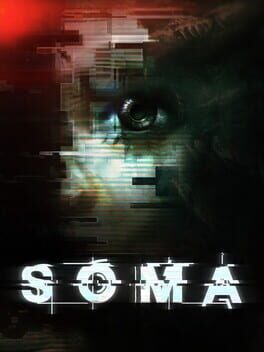
Games that hand you the new tool and ask what you'll do with it


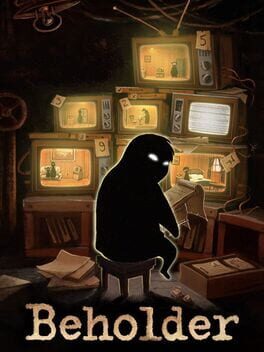
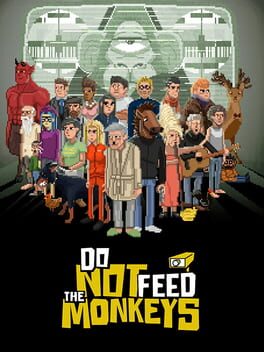

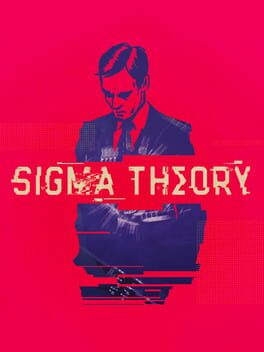
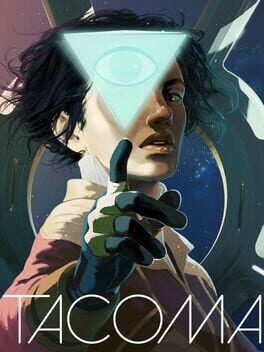
Eliza understands that the future is a job
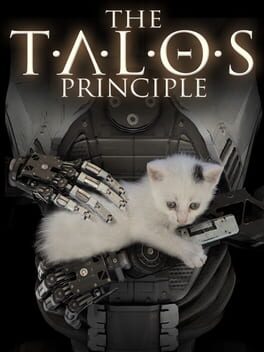
Zachtronics is known for engineering puzzlers, which makes Eliza a surprise: a visual novel with almost no puzzles at all. You play Evelyn, a burned-out programmer who returns to work as a proxy for an AI counseling service. A client sits across from you, pours out their problems, and an earpiece feeds you the AI's scripted responses, which you read aloud. You are a human face rented to a machine, forbidden from saying anything of your own.
This is the sharpest single idea in the near-future canon: not that AI will replace therapists, but that it will keep humans in the loop precisely to launder its decisions through a warm body. The game is quiet, talky and a little sad, and it refuses to give you a villain. The tech mostly works. The people deploying it mostly mean well. That is exactly why it lands. Near-future speculation at its best is not about evil corporations; it is about reasonable choices that add up to a world you would not have chosen.
On the page: tomorrow in prose
Novels that wire one new device into ordinary life


Where the books go that films cannot
Prose has a structural advantage in this genre, and it is the interior monologue. A camera can show you a person using a new device, but a novel can put you inside the head that has been reshaped by it. M.T. Anderson's Feed narrates a teenage romance through a brain wired with a permanent commercial feed, and the horror is in the prose itself: the narrator's vocabulary has been thinned and corporatized until he can barely articulate his own grief. You feel the damage from the inside.
Jennifer Egan's The Candy House imagines Own Your Unconscious, a technology that lets you upload and share your entire memory, and uses a fractured, many-voiced structure to ask what privacy even means once the inside of a mind is searchable. Sierra Greer's Annie Bot takes the synthetic-companion premise and writes it from the companion's point of view, which is where film almost never dares to go. These are not stories you could fully shoot. They depend on language doing what only language can: rendering a consciousness in the act of being changed.
The speculative anthology, serialized
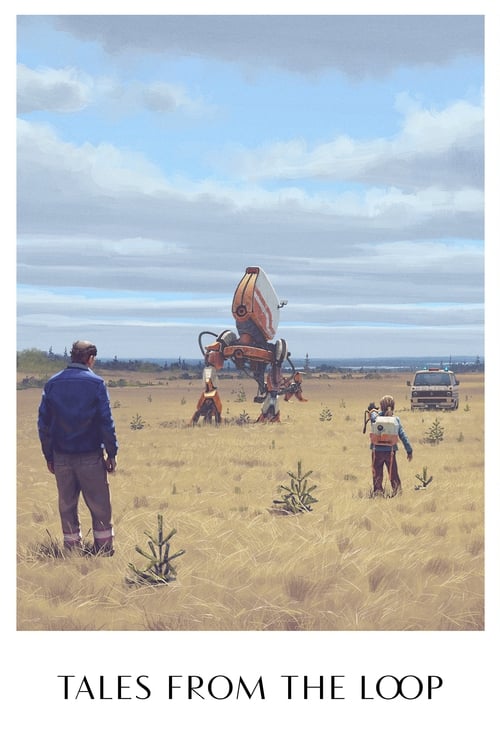
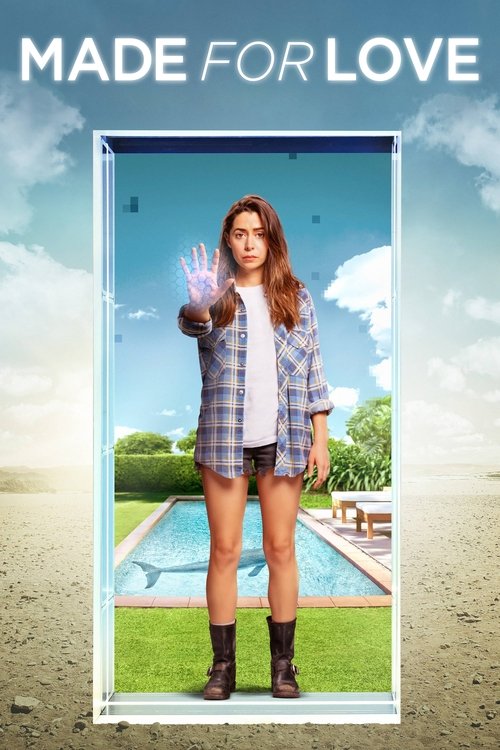
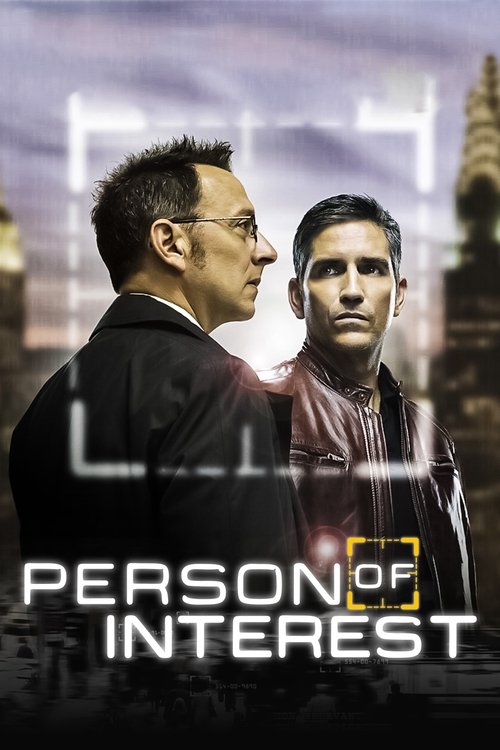
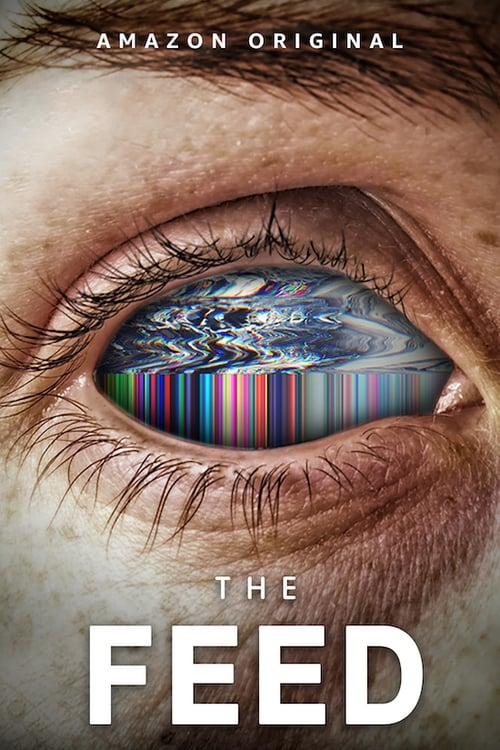
TV that gives the near future room to breathe over a season
The future is already here. It is just not very evenly distributed.A line long attributed to William Gibson, and the unofficial motto of near-future fiction
Years and Years is the scariest thing on this page
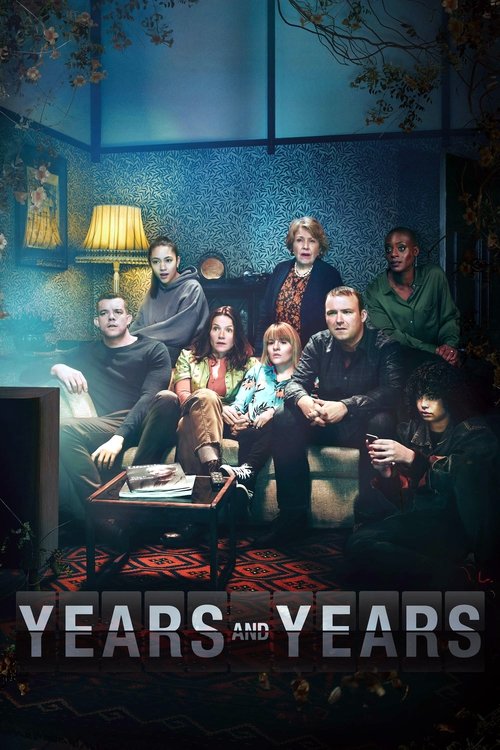
Russell T Davies built Years and Years on a simple, brutal device: follow one ordinary Manchester family across fifteen years of near-future history, jumping forward a year or two at a time, and let the world degrade in the background while life carries on in the foreground. Banks collapse. A populist celebrity becomes prime minister. Tech accelerates, refugees are detained, and a teenager decides she wants to become transhuman and live in the cloud. None of it is far-fetched. All of it is dinner-table news.
What makes the show unbearable, in the best sense, is that the speculation is never the plot. The plot is a family arguing about money, falling in and out of love, burying its grandmother. The collapse happens at the edges of those scenes, the way it actually does. Emma Thompson's smiling demagogue is more frightening than any android because you have met her, roughly, on the news. If you want one work to explain why this genre matters, it is this one: the near future is not an event you watch arrive. It is the slow weather you are already living in.
Love, memory and the machine
When the new technology reaches into the heart