

Blake Crouch writes thrillers that feel like philosophy problems with the safety catch removed. Starting with lean mountain-noir (the Wayward Pines trilogy, the Andrew Thomas books), he pivoted hard toward high-concept science fiction with Dark Matter in 2016 and never looked back. The through-line fans chase is precise and unmistakable: a protagonist who thought he understood his own life suddenly confronts an alternate version of reality, identity, or time, and has to sprint through the implications before everything collapses. Crouch treats quantum mechanics and neuroscience the way a crime writer treats motive: not as decoration, but as the engine of dread. The best of his work hits like a locked-room mystery set inside the fabric of the universe.
Essential Blake Crouch
The core novels, from mountain noir to multiverse thriller


If You Love the Multiverse Premise
Novels and films that run the same quantum-identity thought experiment








Dark Matter is the best version of the elevator pitch
Plenty of writers have used the many-worlds interpretation as a plot device. Crouch makes it personal. The terror in Dark Matter is not the abstract horror of infinite universes: it is the specific horror of someone else living your life better than you. Jason Dessen's sprint through the box is gripping precisely because the stakes are domestic, not cosmic. A wife. A son. A career he traded away. Crouch earns the science by subordinating it completely to those human anchors.
The High-Concept Thriller Shelf
Authors who share Crouch's genre-splicing ambition: thriller pace, speculative premise


Mind-Bending TV for the Long Haul
Series that reward the same obsessive rewatching Crouch fans develop
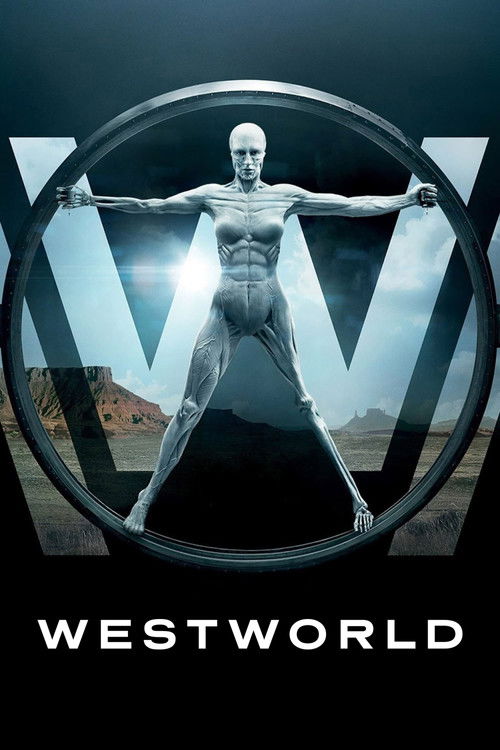






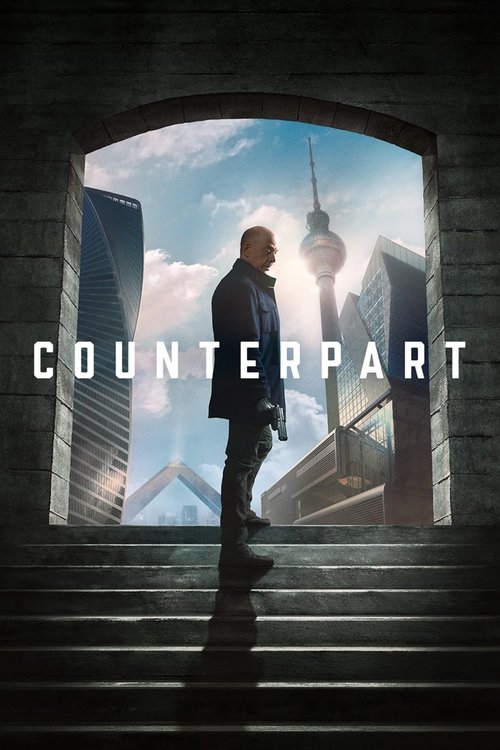
Recursion raises the stakes by making memory the weapon
Where Dark Matter asks what you would do if someone stole your life, Recursion asks what happens when an entire population loses consensus about what the past was. The False Memory Syndrome at the novel's core is Crouch at his most structurally ambitious: he builds a time-loop machine out of neuroscience and then uses it to interrogate whether any fixed version of reality is worth fighting for. The body count of timelines is genuinely dizzying, and the ending earns its sentiment.
Games That Twist Identity and Reality
For the Crouch fan who wants to play through a premise rather than just read one



Upgrade is where Crouch stops pulling punches about human nature
The first two Crouch blockbusters are about a self being taken away. Upgrade is about a self being radically expanded, and that turns out to be more disturbing. Logan Ramsay's cognitive enhancement is a gift that reads immediately as a threat, and the novel's best sections hold two competing worldviews in genuine tension: is the upgraded human still human, or is it something that has simply decided to keep the word? Crouch does not resolve that cleanly, which is the right call.

Blake Crouch: A Publishing Timeline
- 2004Debut novel published Desert places
- 2007Mountain-noir standalone Abandon
- 2012Wayward Pines trilogy begins Happiness
- 2015Fox adapts the trilogy Wayward Pines
- 2016Breakout multiverse thriller Dark Matter
- 2019Memory-and-time-loop epic Recursion
- 2022Genetic-enhancement standalone
- 2024Apple TV+ series premieres Dark Matter
Bent reality and fractured memory
Multiverse & Parallel Worlds
Explore the Multiverse & Parallel Worlds guide →Crouch's superpower is that he can make the multiverse feel like a domestic argument that got completely out of hand.CrossBinge editors