
Blues is not a genre so much as a grammar: twelve bars, three chords, and a structure flexible enough to carry every human weight from heartbreak to elation. Born in the Mississippi Delta at the turn of the twentieth century, it absorbed field hollers, work songs, and church harmonics into something that would eventually father rock and roll, soul, jazz, and hip-hop. What fans love is the directness. A blues performance rarely hides behind irony or polish. Robert Johnson sounds like a man bargaining at a crossroads. Muddy Waters sounds like the Delta itself relocated to Chicago and plugged into an amplifier. B.B. King sounds like a conversation between a man and his guitar, King calling his instrument Lucille and meaning it. The blues tradition runs through John Lee Hooker's hypnotic one-chord grooves, through Howlin' Wolf's menacing growl, through Etta James turning heartache into something close to triumph. It is Southern American in origin and planetary in reach.
Essential Blues
The records that define the form
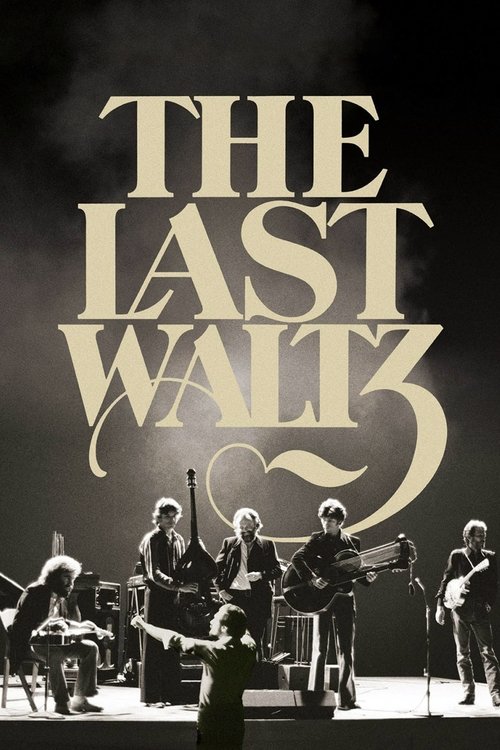
On Film: Documentaries and Concert Records
Watch the blues breathe

Biopics and Portraits
The lives behind the music
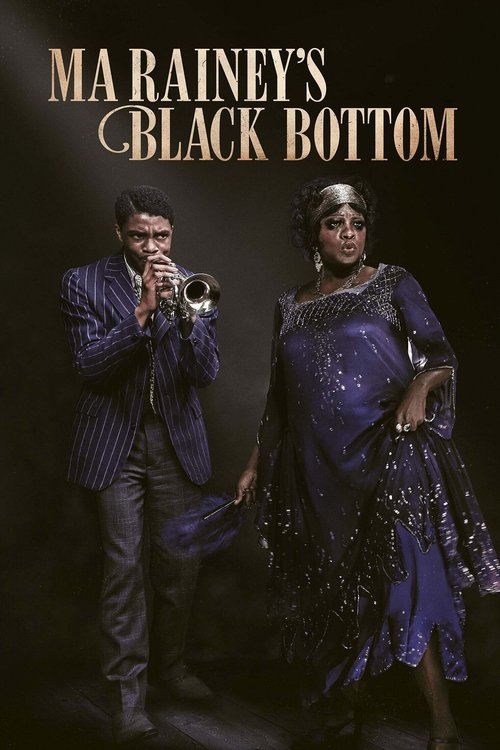
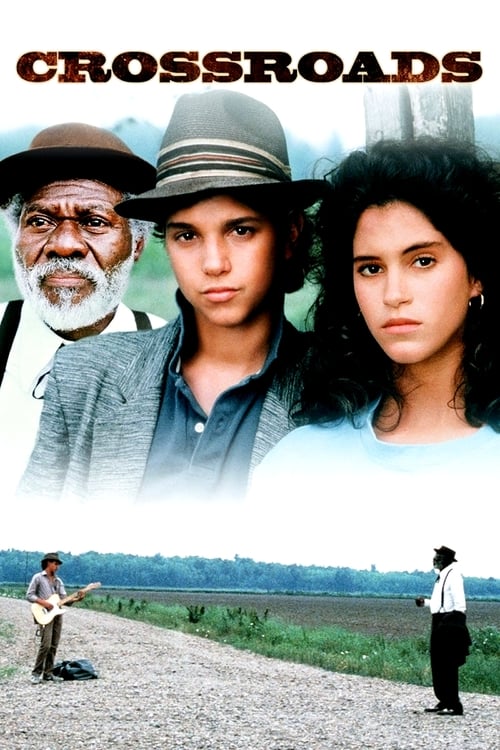
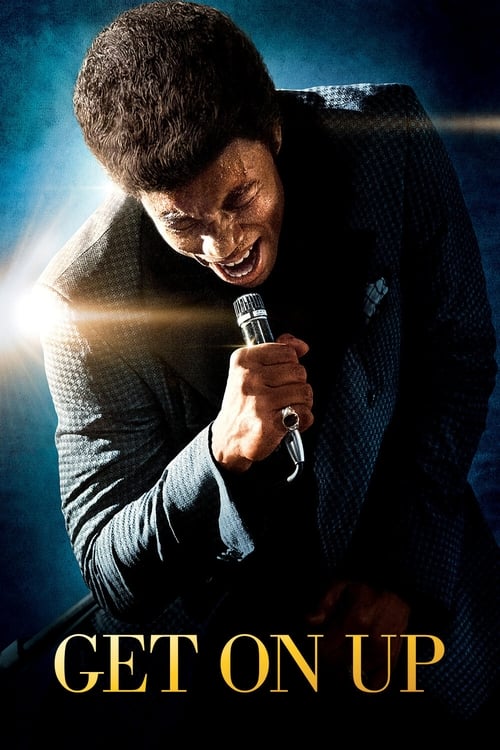
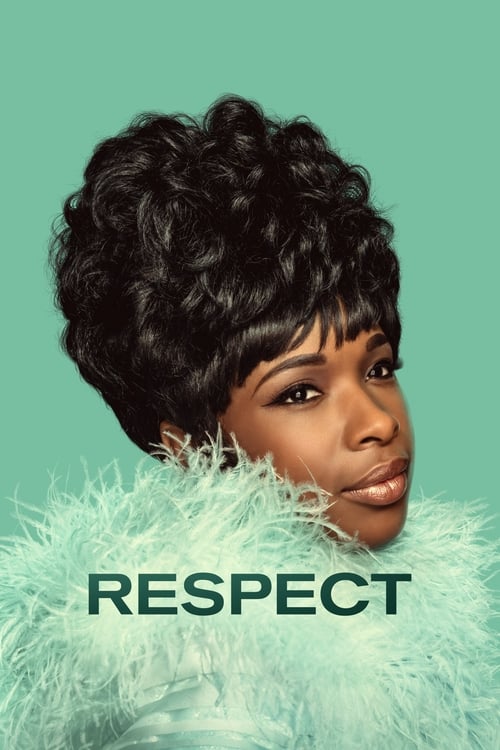
Ma Rainey's Black Bottom is the blues as argument
August Wilson's play, and Chloe Zhao's 2020 film adaptation, understand something that straight biography rarely does: the blues is not just music, it is a negotiation over power, authorship, and who gets to tell their own story. Viola Davis as Ma Rainey is imperious, difficult, and absolutely right. The recording booth becomes a courtroom. Every line of dialogue is a twelve-bar structure in miniature: statement, repetition, resolution.
Same Energy, Different Forms: Films and Series
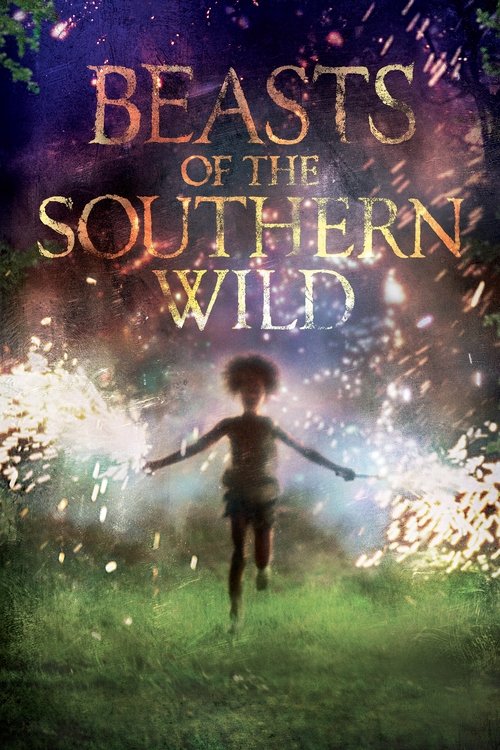
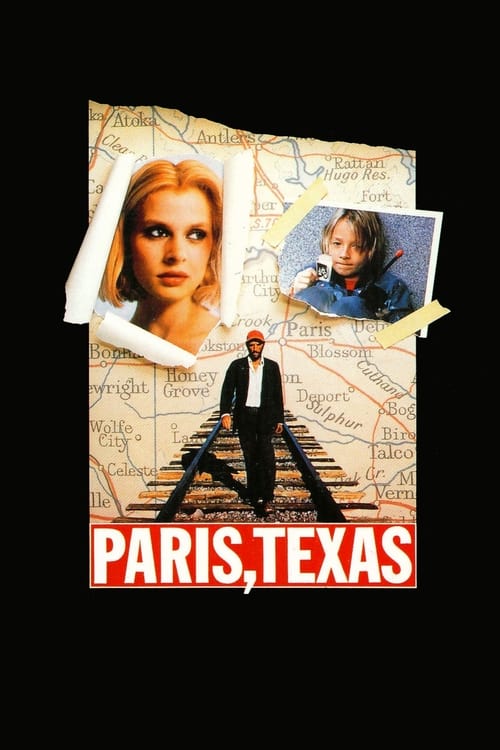
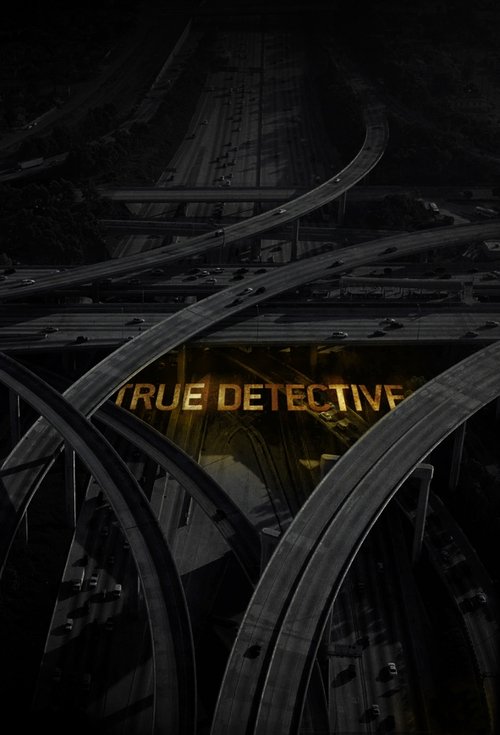
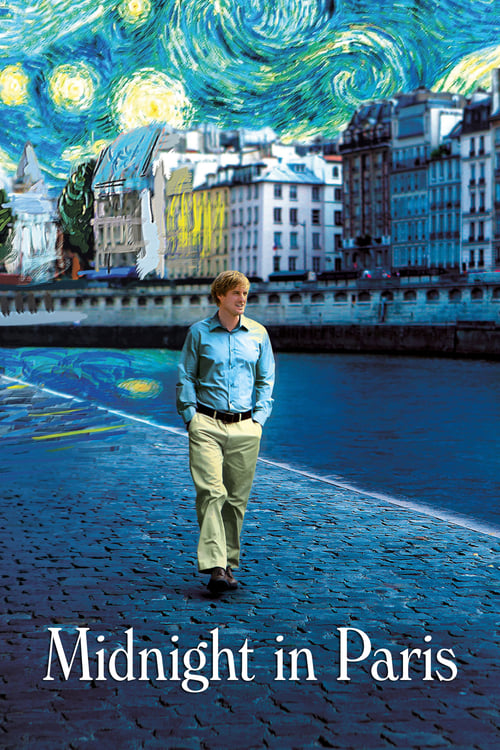
The slow burn, the southern gothic, the working-class American ache
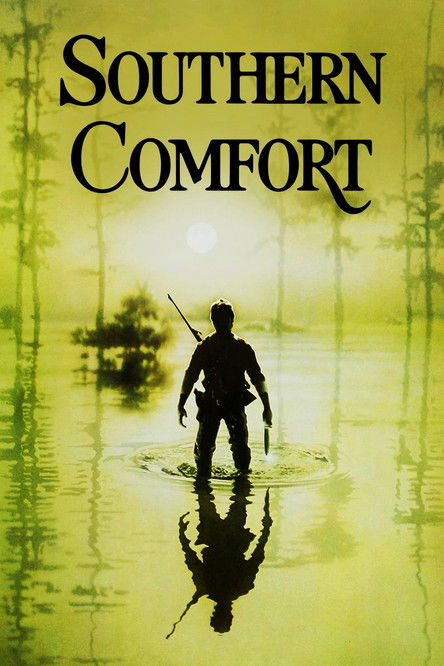


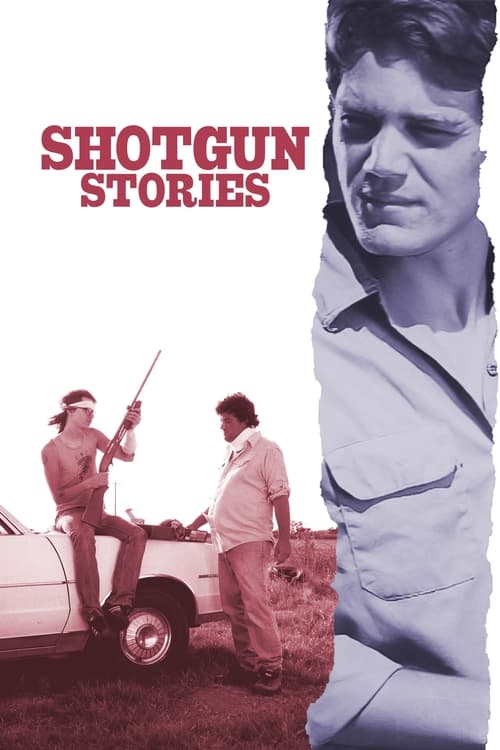
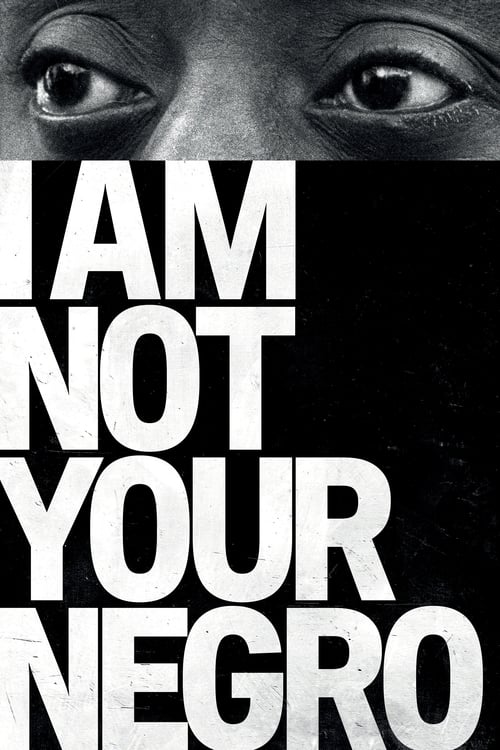
Treme got the music city right
David Simon's series set in post-Katrina New Orleans refuses to treat music as background decoration. The blues, jazz, and second-line traditions are the actual subject of the show, not a mood board. Musicians play themselves alongside actors playing musicians. The city's grief is expressed in real songs performed in real bars. No other television drama has treated the blues tradition with this level of documentary seriousness inside a narrative frame.
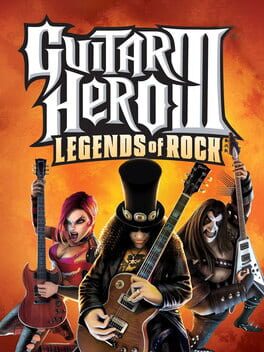
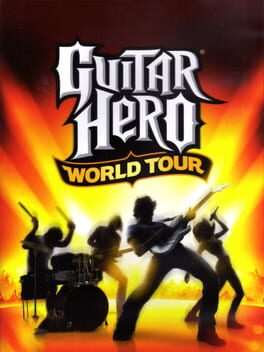
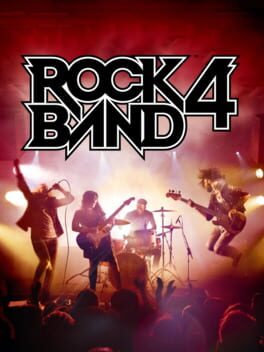
Music and Rhythm Games
Feel the fretwork through your hands
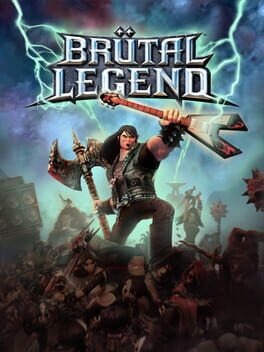
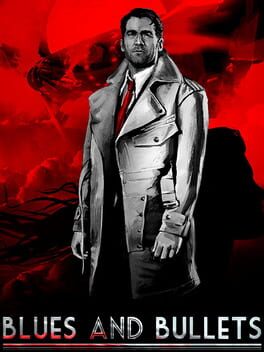
Music-Driven Novels and Essential Reading
Books that live inside the same frequency


A Blues Century
- 1903W.C. Handy hears a slide guitarist at a Mississippi train station, later describing it as his first encounter with the blues
- 1920Mamie Smith records 'Crazy Blues', the first commercially released blues vocal record
- 1936Robert Johnson records 'Cross Road Blues' and 'Terraplane Blues' in San Antonio
- 1951Muddy Waters records 'Hoochie Coochie Man', electrifying Delta blues into Chicago style
- 1960B.B. King records Live at the Regal in Chicago, widely called the greatest blues live album Live at the Regal
- 1966John Mayall and Eric Clapton record Blues Breakers, introducing Delta blues to British rock audiences Blues Breakers With Eric Clapton
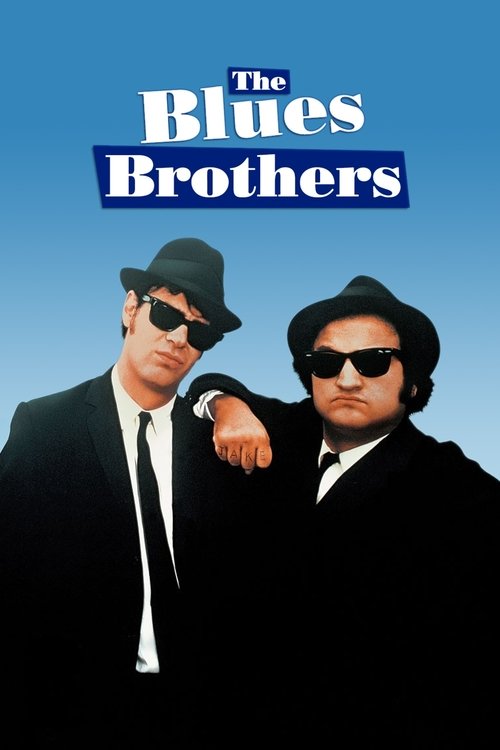
- 1980The Blues Brothers brings Ray Charles, Aretha Franklin, and James Brown to a mainstream film audience The Blues Brothers
- 2003Martin Scorsese's seven-part PBS documentary series airs, cementing the form's cultural history on screen
- 2020Ma Rainey's Black Bottom restores the Mother of Blues to the center of American cultural memory Ma Rainey's Black Bottom
The blues is a tonic for whatever ails you. I could play the blues and it would make the burden a little easier to carry.B.B. King
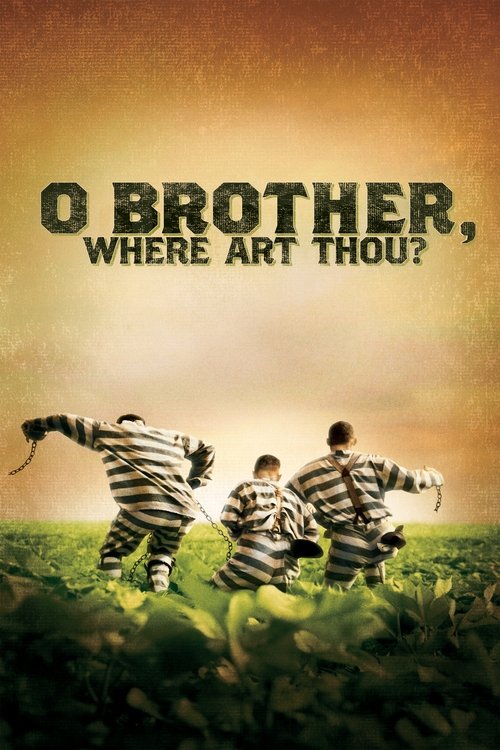
O Brother, Where Art Thou? is a blues road movie in disguise
The Coen Brothers built their 2000 film on Homer's Odyssey, but the actual texture is pure Delta blues: chain gangs, crossroads, con artists, itinerant musicians, and the South as both prison and promised land. T-Bone Burnett's soundtrack, featuring 'Man of Constant Sorrow' and a version of the Johnson legend in the character of Tommy Johnson, earned a Grammy and introduced a generation of listeners to old-time country blues by accident. The film works as a comedy, a road movie, and as a love letter to the musical tradition it samples.