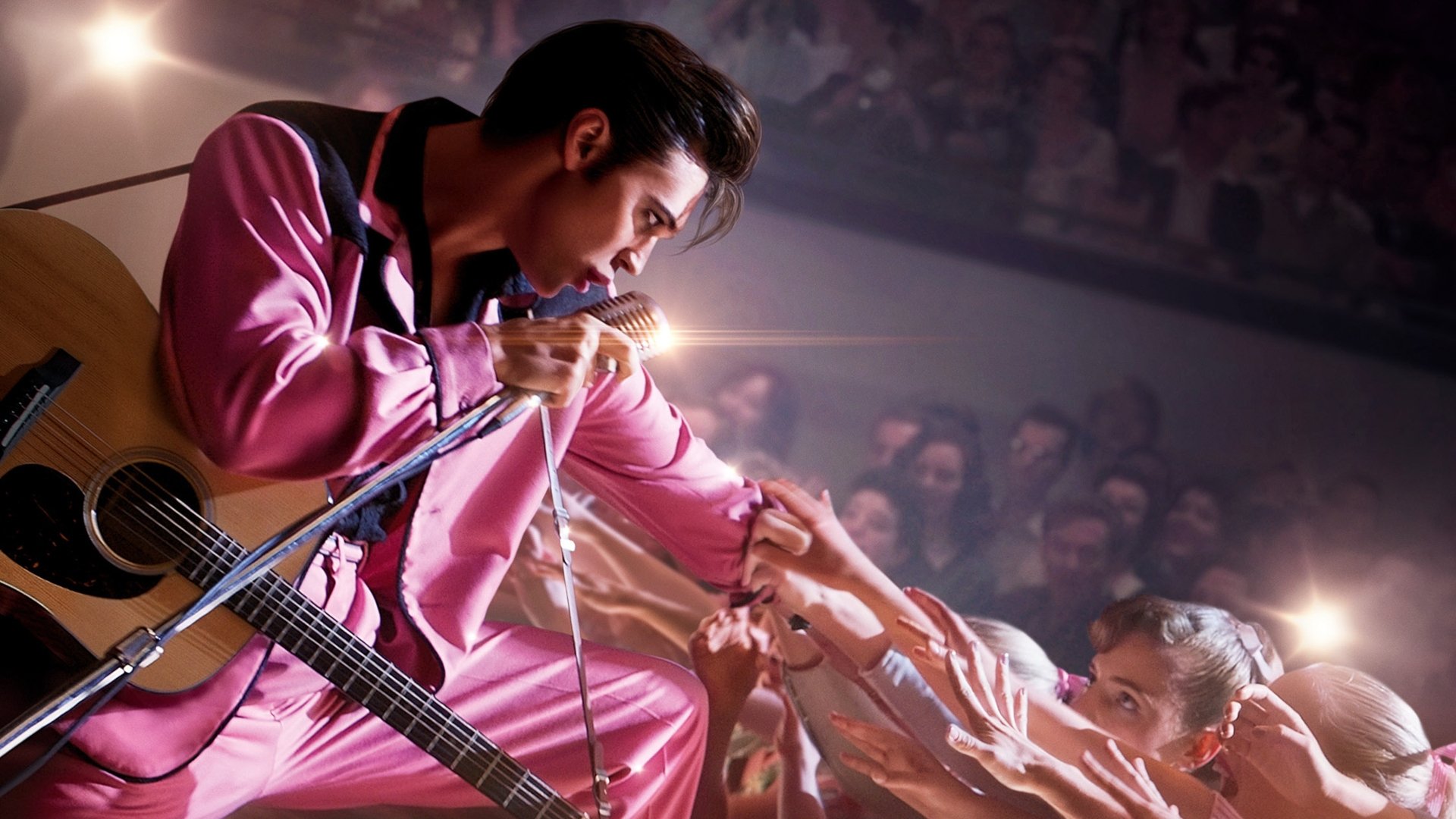

Ray Charles was the architect of soul. Born in Georgia in 1930, blinded by glaucoma at seven, he built a sound that fused gospel fervor with the earthiness of the blues, then brazenly crossed into country, jazz, and pop. What his fans love is not just the voice (though that voice could break a room in half) but the feeling that every note was earned, that the joy and the sorrow were the same thing. Brother Ray did not perform emotion; he converted it. The through-line in everything below is that same conversion: art that costs something, that synthesizes disparate worlds, that insists the secular and the sacred are not so far apart.
If You Love Ray: The Biopic and the Documentary
Portraits of musicians whose lives were as big as their music
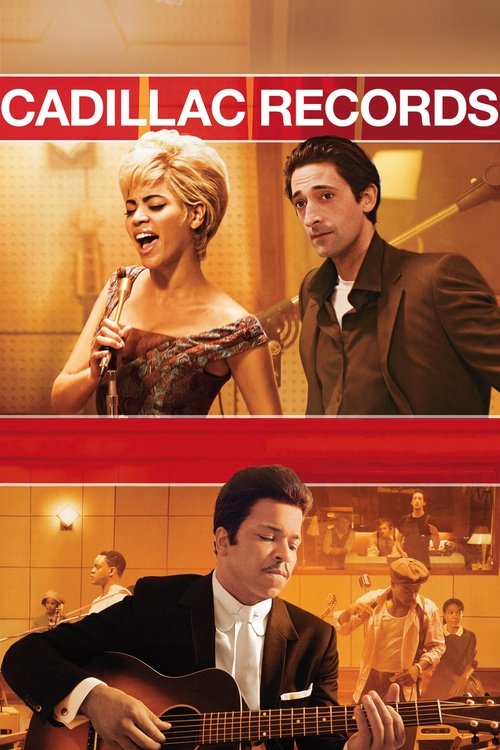
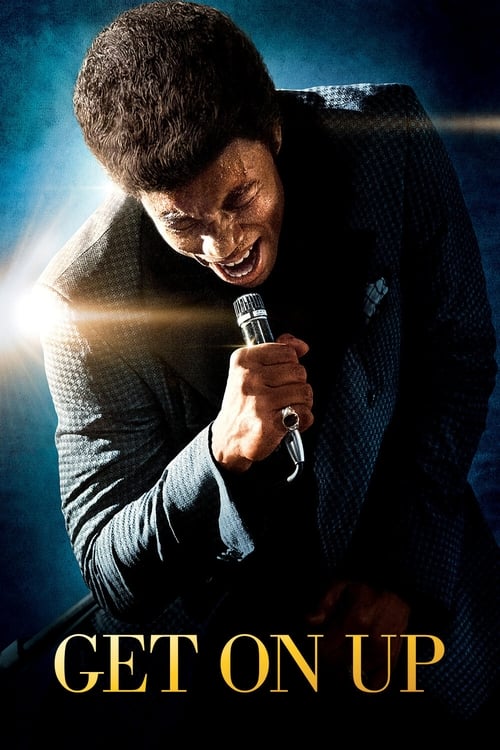
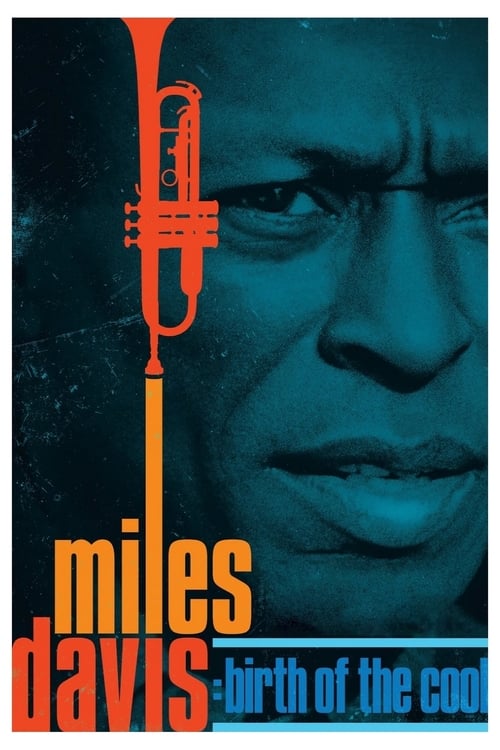

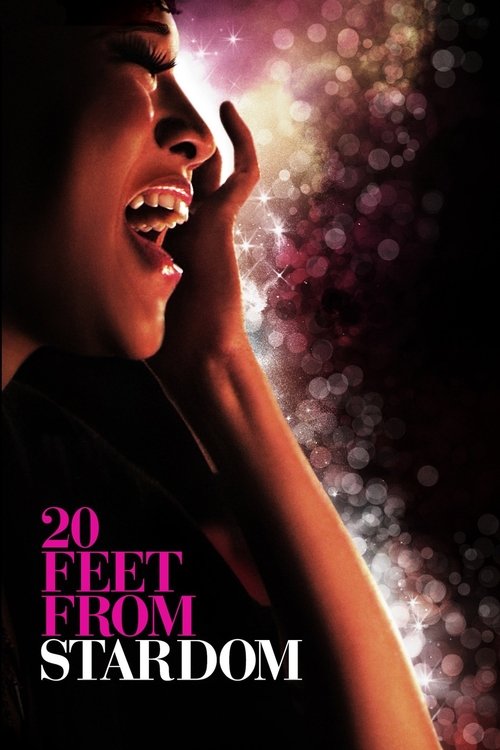
If You Love Ray: Soul and R&B That Changed Everything
The artists who shared his gospel-drenched urgency
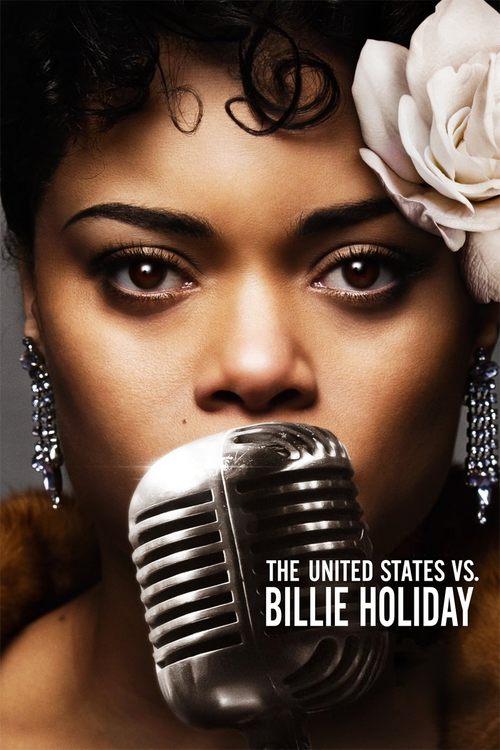
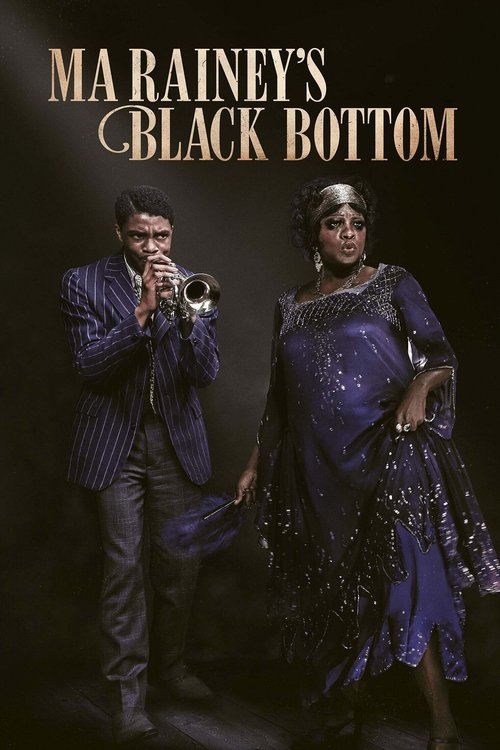
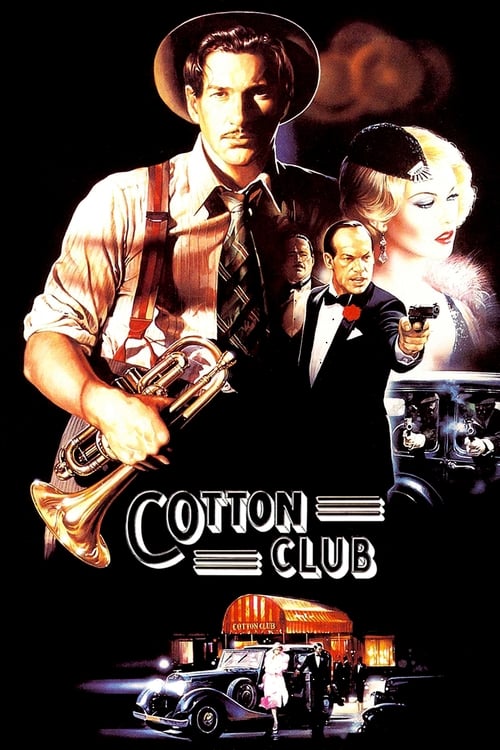
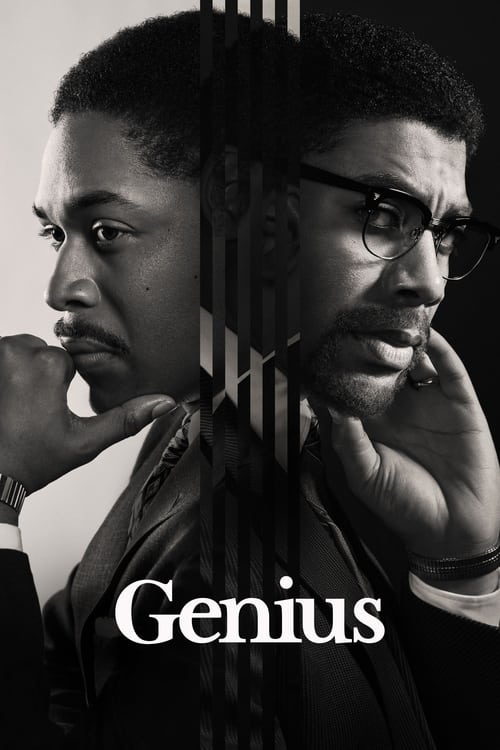
If You Love Ray: Films and Series That Live in That Era
Stories set in the smoke and electricity of mid-century American music culture



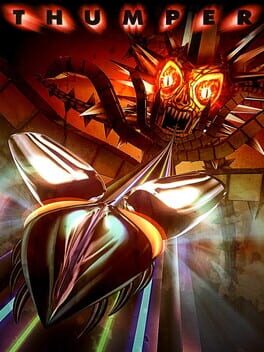
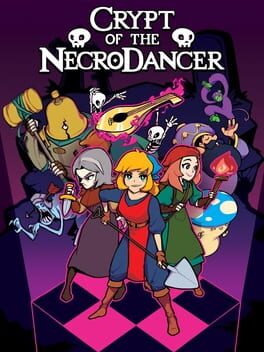
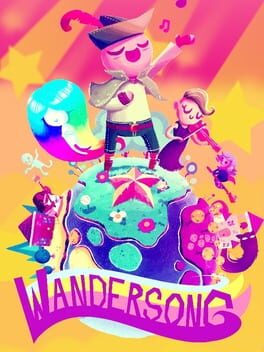
If You Love Ray: Rhythm, Keys and Groove in Games
Games that put music at the center of everything

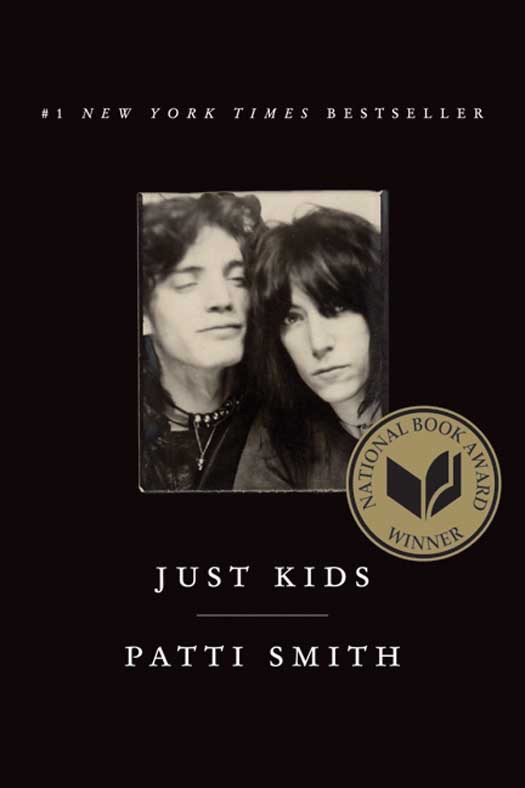
If You Love Ray: Books on Music, Identity and the American South
Writing that gets inside the music or the world that made it


Country Was Never the Same After Him
When Ray Charles released 'Modern Sounds in Country and Western Music' in 1962, country radio stations refused to play it and country fans bought it by the millions anyway. He took Hank Williams and Don Gibson songs and sang them with the full weight of Black Southern gospel, exposing the common heartache underneath what had been treated as segregated musical traditions. The result did not sound like country and it did not sound like R&B. It sounded like America, undivided.
The Biopic That Actually Got It Right
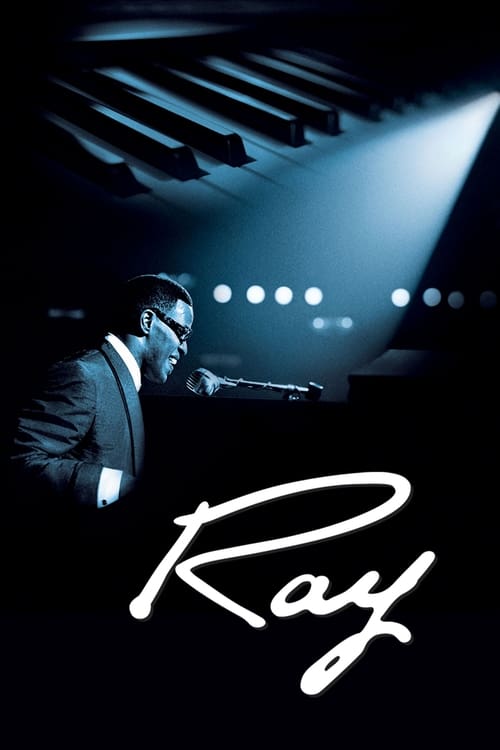
Taylor Hackford's 2004 film 'Ray' succeeded where most music biopics stumble because Jamie Foxx did not impersonate Ray Charles so much as inhabit the internal logic of the man. The film does not airbrush the addiction or the infidelities; it treats them as part of the same relentless drive that made the music extraordinary. Foxx's physical performance, especially the way he rendered Charles's relationship to sound, earned every frame of that Academy Award.
What'd I Say and the Birth of Soul
Most genres have a founding document that critics agree on in retrospect. 'What'd I Say,' recorded more or less live in a single 1959 session, is unusual in that people recognized it immediately. Ray and his band had run out of material at a dance and he improvised a call-and-response groove with the Raelettes that pushed the crowd toward something close to a revival meeting. The Atlantic Records executives who heard the tape knew it was something new. So did everyone who bought it.
A Life in Music
- 1930Born in Albany, Georgia; family moves to Greenville, Florida
- 1937Begins losing sight; fully blind by age seven
- 1947Moves to Seattle; forms first trio
- 1952Signs with Atlantic Records
- 1954Records 'I Got a Woman,' fusing gospel and blues
- 1959Improvises 'What'd I Say' live; becomes his first top-ten pop hit
- 1960Moves to ABC-Paramount; releases 'Georgia on My Mind' (wins Grammy)
- 1962Crosses into country music Modern Sounds in Country and Western Music
- 1966Convicted on heroin charges; goes into treatment; emerges clean
- 1972Releases socially conscious album
- 2004Biopic released; Ray Charles dies in June before its premiere Ray
Soul, Funk, and American Roots
For Fans of Soul
Explore the For Fans of Soul guide →I was born with music inside me. Music was one of my parts. Like my ribs, my liver, my kidneys, my heart. Like my blood. It was a force already within me when I arrived on the scene. It was a necessity for me, like food or water.Ray Charles