
Bob Dylan did not invent the protest song, the folk revival, or the electric guitar. He just made all three feel like they had been waiting for him. From the Greenwich Village coffee shops of 1961 to the Nobel Prize podium in 2016, Dylan has spent six decades shapeshifting: acoustic prophet, rock electric shock, country outlier, Christian mystic, Sinatra interpreter, and neon-sign painter. What stays constant is the writing. The language arrives slant, packed with scripture and surrealism and plain American speech, and it lands somewhere between a punch and a hymn. Fans chase that particular electricity: an artist who treats every era as a reason to reinvent, and who trusts the audience to follow.
Essential Bob Dylan
The albums that define the canon, from folk lightning to electric reinvention
Documentaries and Concert Films
Cameras that caught Dylan on stage, on the road, and in the myth
Biopics and Portraits
Films that wrestle with the artist as myth, mirror, and moving target
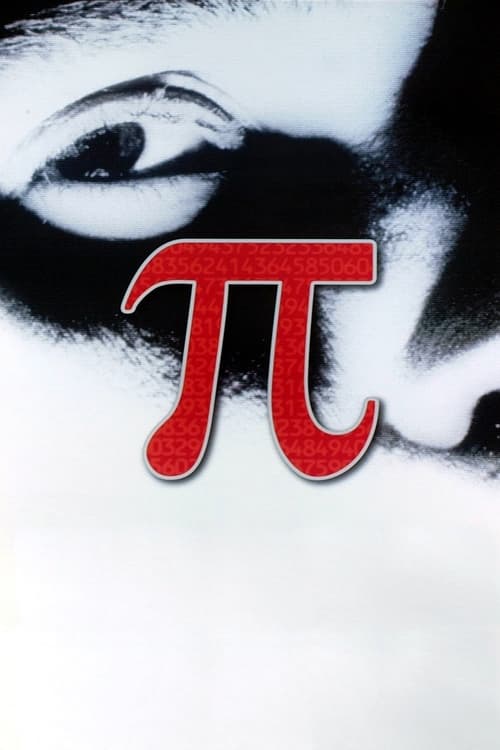
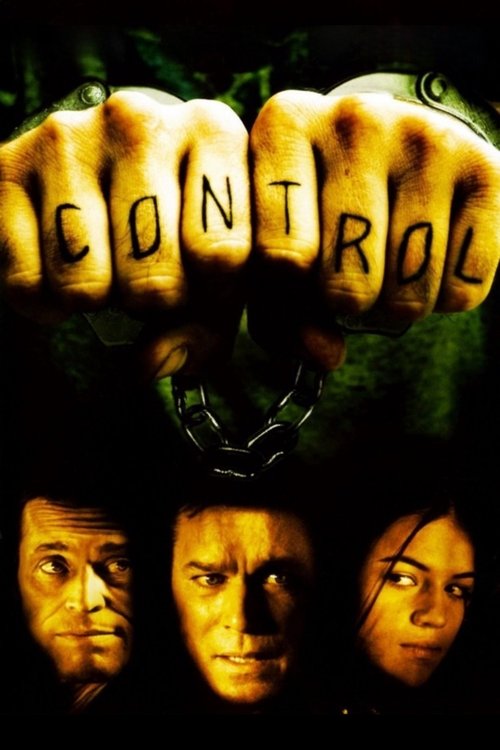
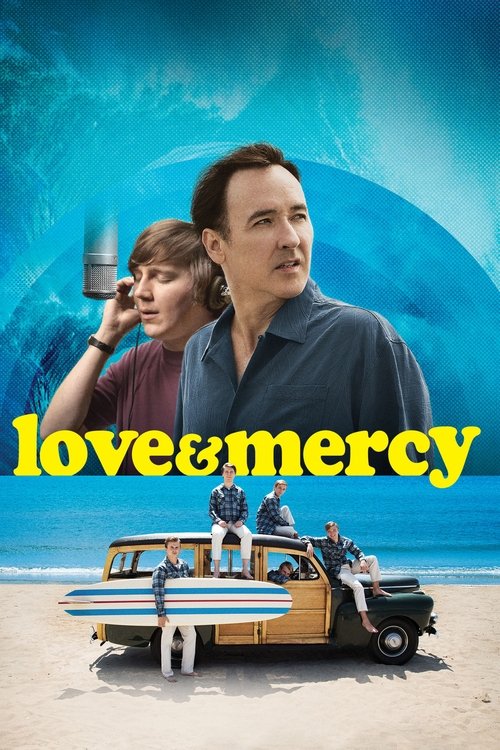
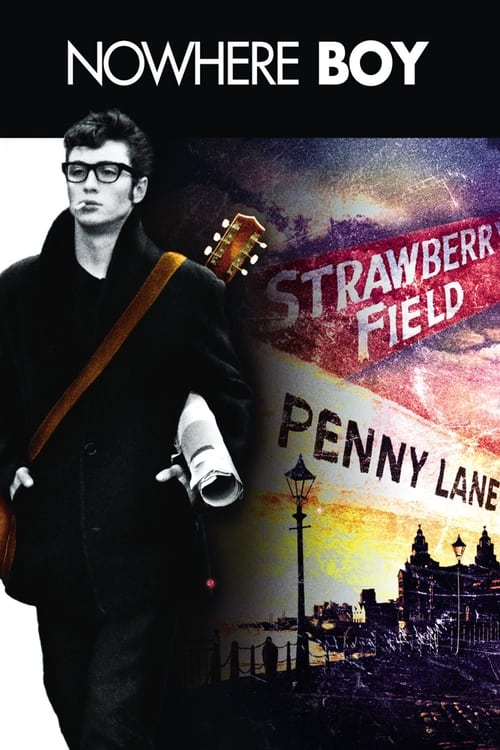
Same Energy: Films and Series
The same restless American voice, the same road-worn clarity
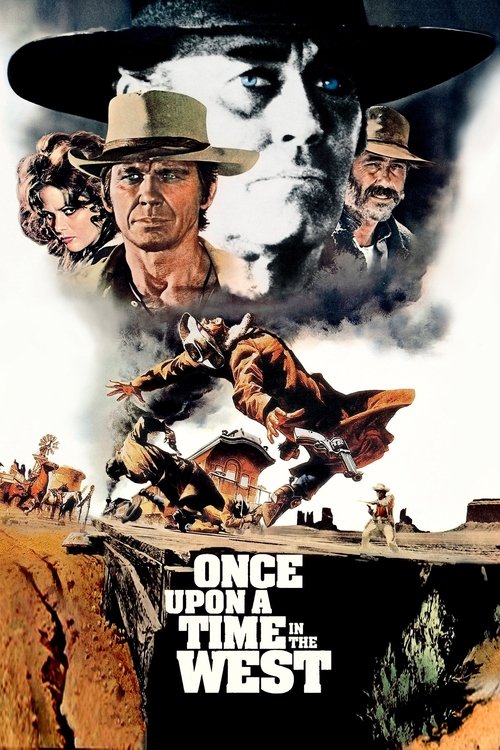

Artists in the Same Current
Records that share Dylan's restlessness, imagery, and refusal to settle
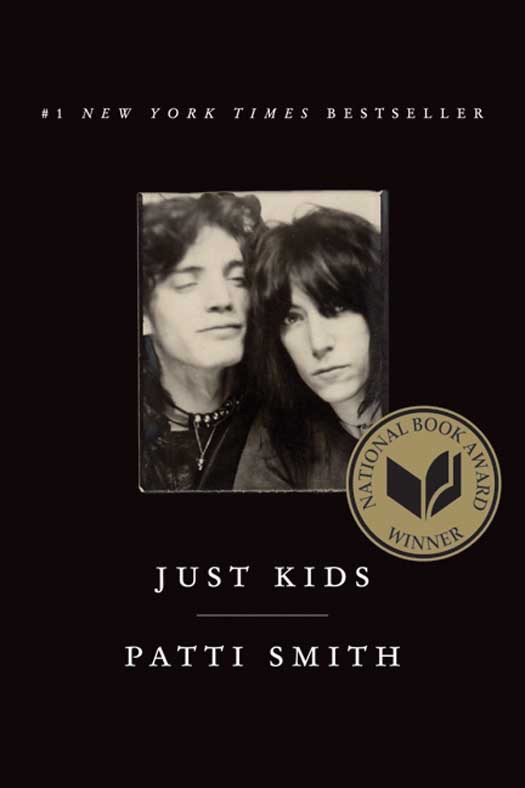
Books for Dylan Listeners
Novels and memoirs that run on the same fuel: language, roads, and American restlessness


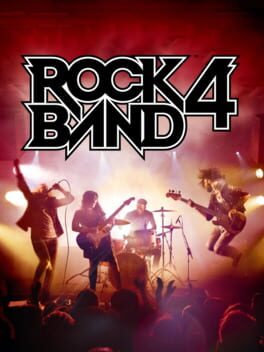
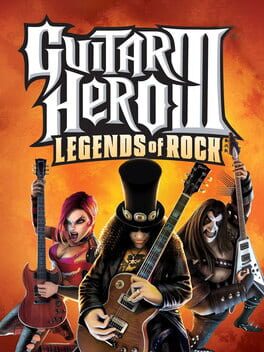
Music Games and Rhythm Experiences
For when you want to play the music, not just hear it

Blood on the Tracks Is the Breakup Album to End All Breakup Albums
Released in 1975 after years of relative quiet, Blood on the Tracks arrived with the force of something personal and barely contained. The stories shift perspective mid-song, timelines blur, and the narrator is never quite the injured party he first appears to be. Critics called it a divorce album. Dylan said it was inspired by Chekhov. Both are probably true, and that tension is exactly what makes it the record people return to when their own lives come apart at the seams.
Highway 61 Revisited Changed the Rules for What a Rock Song Could Contain
Like a Rolling Stone opens the album with a six-minute provocation that radio programmers insisted would never work. It worked. By the time the record closes, Dylan had folded T.S. Eliot, carnival barkers, biblical myth, and Chicago blues into something that sounded like nothing before it. Every rock lyricist working after 1965 was responding to this album, consciously or not.
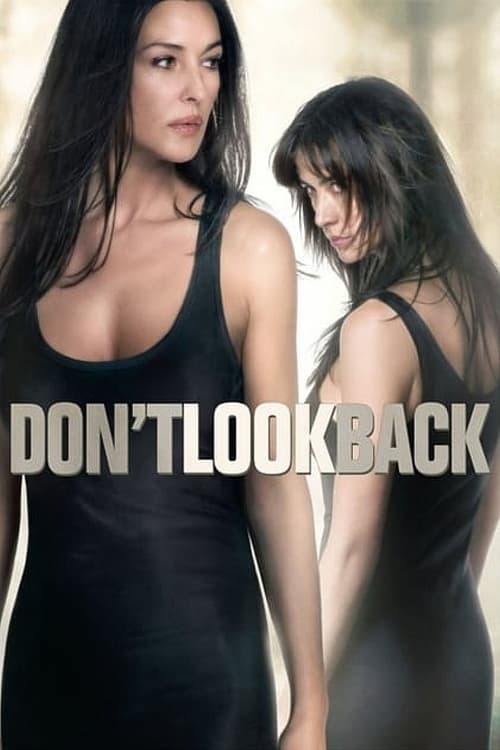
Don't Look Back Captures an Artist Who Already Knew He Was Outgrowing the Room
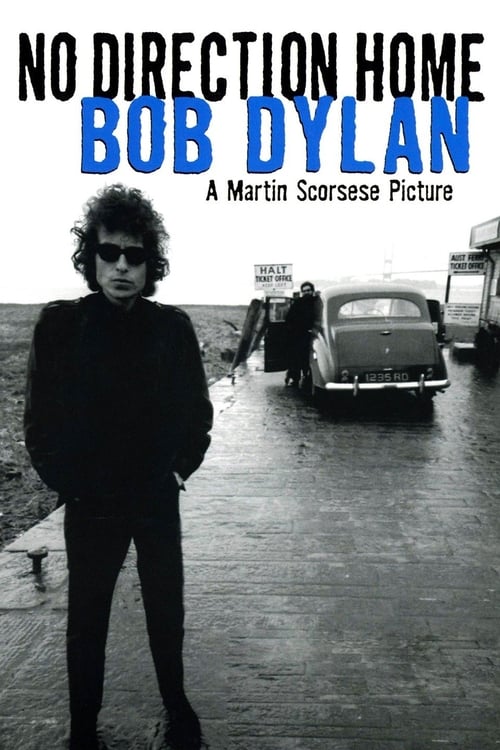
D.A. Pennebaker's 1967 film follows Dylan through a 1965 UK tour, and it is less a concert film than a study in creative impatience. Dylan is dismissive, funny, occasionally unkind, and always several steps ahead of whoever is talking to him. The famous opening cue card sequence was improvised. The confrontation with a Time magazine journalist is not cruel so much as accurate. Watching it now, you can see the electric conversion coming.
Six Decades of Shapeshifting
- 1961Arrives in New York City, plays the folk clubs of Greenwich Village, meets Woody Guthrie
- 1963The Times They Are a-Changin' arrives and the protest era begins The Times They Are A‐Changin’
- 1965Goes electric at Newport Folk Festival, Highway 61 Revisited released Highway 61 Revisited
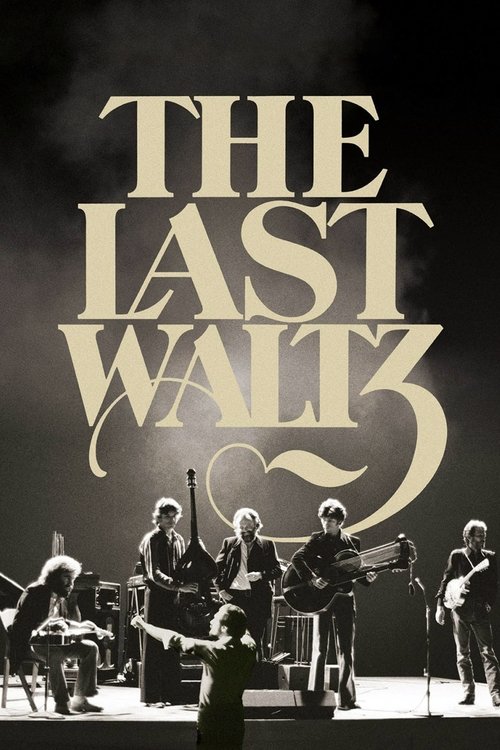
- 1966World tour with The Band; motorcycle accident in Woodstock ends the road for a year
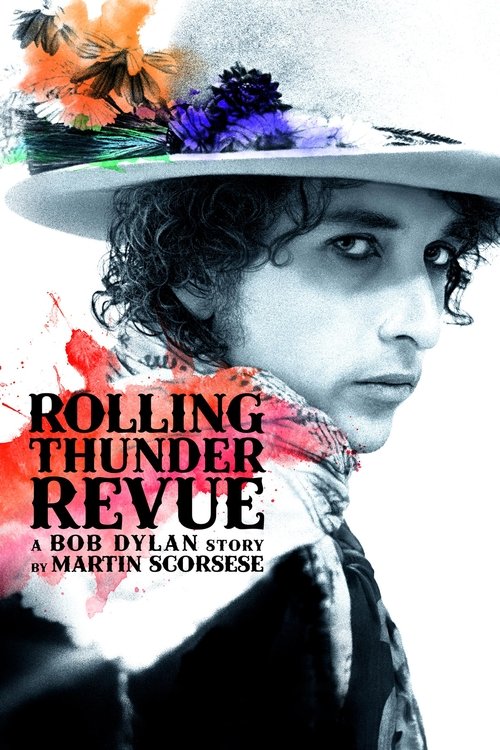
- 1975Blood on the Tracks and the Rolling Thunder Revue tour Blood on the Tracks
- 1979Slow Train Coming: Dylan's Christian conversion period begins
- 1988The Never Ending Tour begins, continuing without end
- 1997Time Out of Mind: a critical and commercial return after years of drift Time Out of Mind
- 2016Awarded the Nobel Prize in Literature
- 2020Rough and Rowdy Ways, widely considered his finest late-career statement Rough and Rowdy Ways
More songwriters and roads worth wandering
For Fans of Folk Music
Explore the For Fans of Folk Music guide →He doesn't give you the answer. He gives you the question in a form so charged you have to find your own way through it. That's the thing about Dylan: the song is never finished.CrossBinge Editors