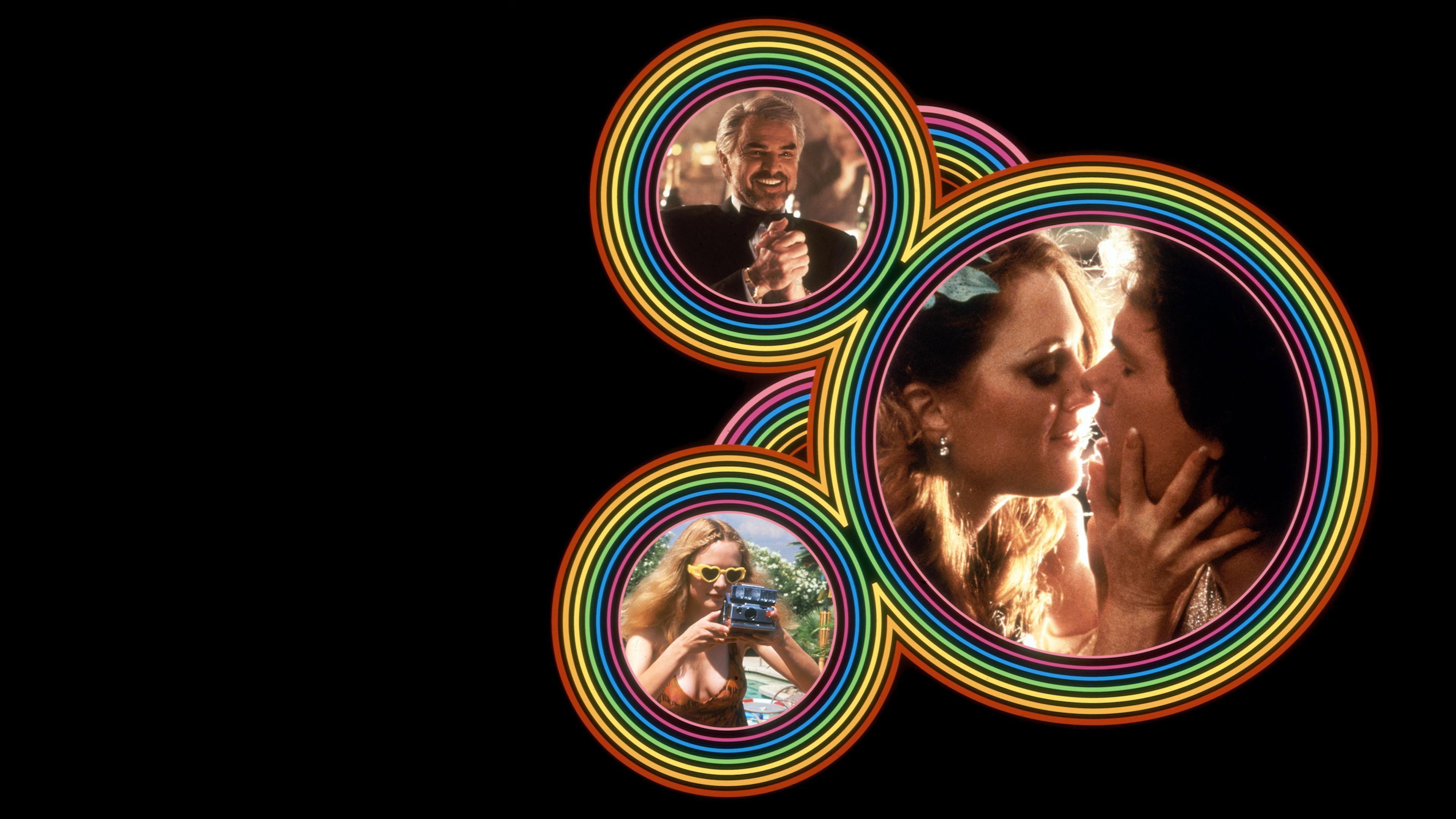

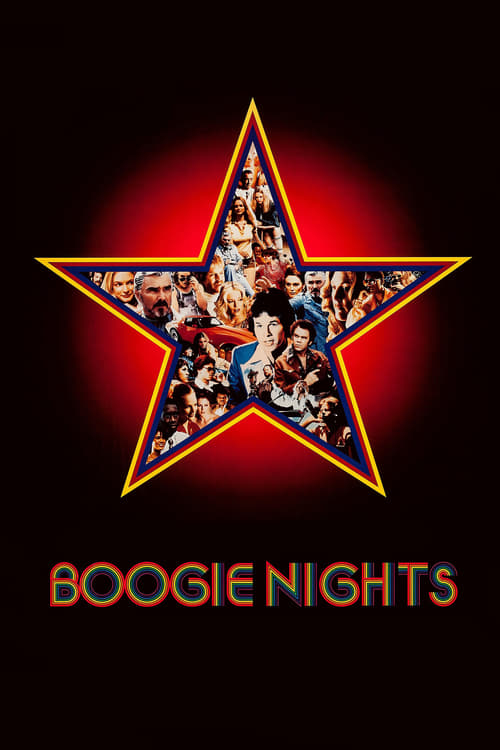
Paul Thomas Anderson was 27 when he made Boogie Nights, and the film has the hungry, overstuffed energy of someone who wants to put everything they love on screen at once. It opens in a single unbroken tracking shot through a nightclub, introduces a dozen characters, and never really stops moving. The story it tells is a classic one: a kid from nowhere (Dirk Diggler, played by Mark Wahlberg) finds a surrogate family in a charismatic patriarch (Burt Reynolds as Jack Horner), rides a wave of success, crashes hard, and has to find his way back to something real. Anderson uses the San Fernando Valley porn industry of the 1970s and early 80s as his backdrop not for shock value but because it was a place where outsiders built their own rules, their own communities, and their own sense of worth. What fans chase in Boogie Nights: the propulsive ensemble energy, the period immersion, the way the film holds warmth and tragedy at the same time, the sense of a world with its own complete internal logic.
Essential Boogie Nights
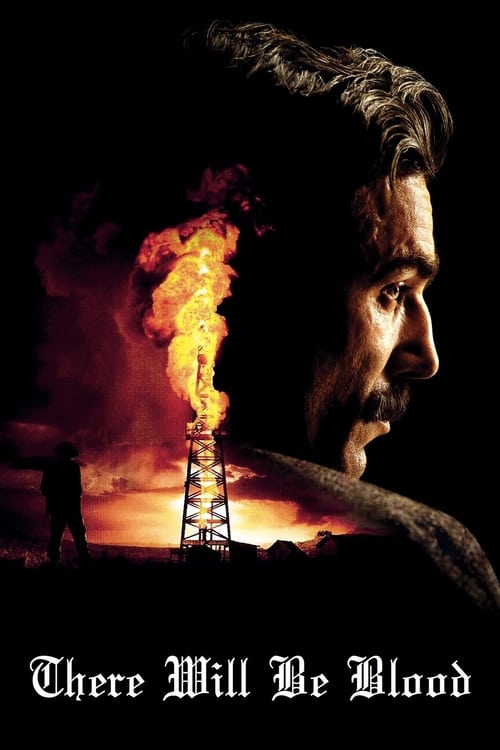
Anderson's own films and the key works that surround it

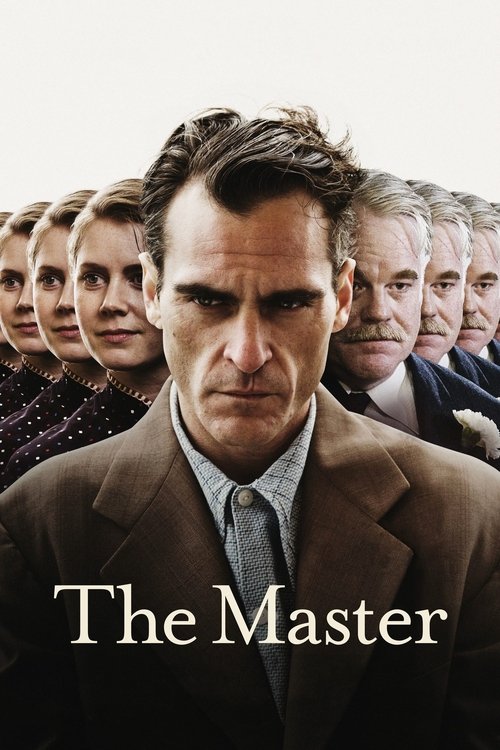
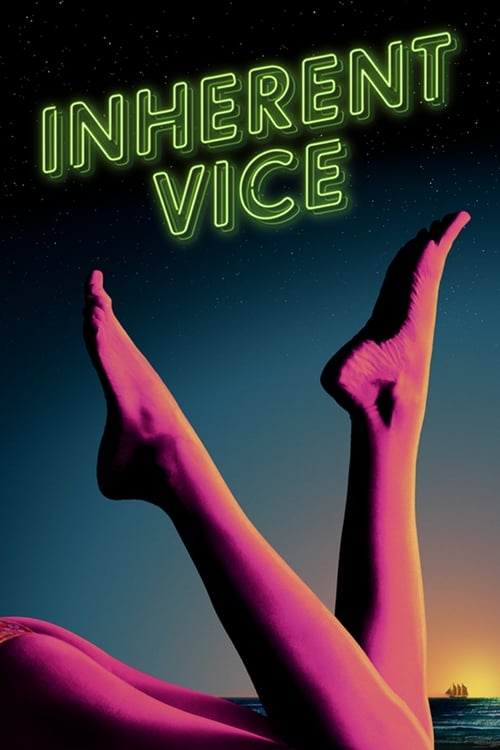
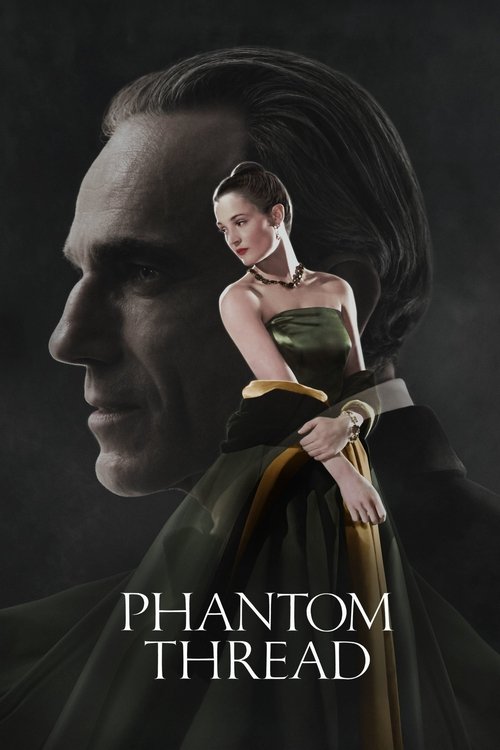
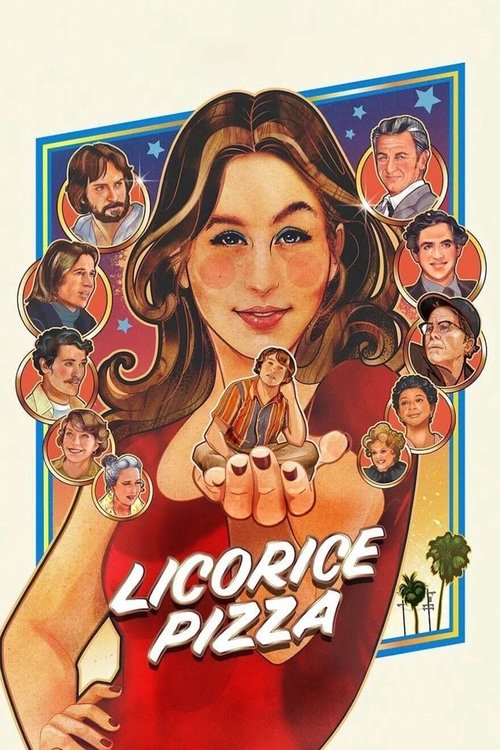
Ensemble Worlds with a Gravitational Center
Films where a charismatic figure holds a fractured found-family together



Rise, Peak, and Wreckage on Television
Series that chart the arc from golden era to unraveling



Games That Capture an Era and a Milieu
Games where period atmosphere and ensemble character work carry the experience
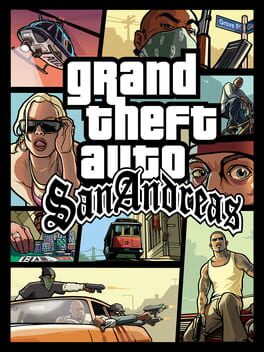
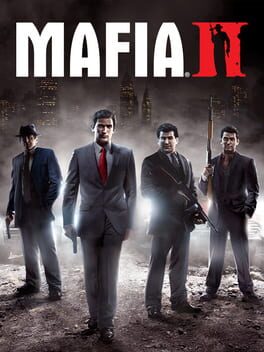

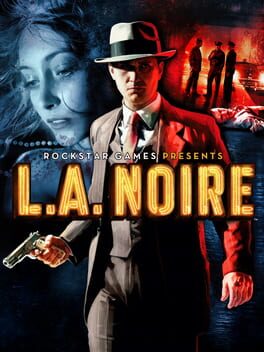
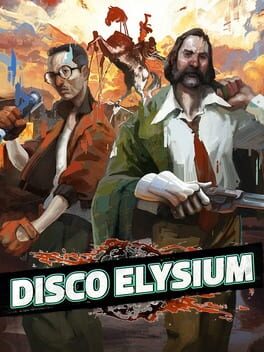
The Steadicam Shot as a Promise
Boogie Nights opens with a long, unbroken tracking shot through the Hot Traxx nightclub that introduces nearly every major character. It is a promise: this world is rich, it is alive, it contains multitudes. Anderson borrowed the move from Scorsese and Altman but the purpose is different. Where the Copacabana shot in Goodfellas is about seduction, Anderson's opening is about belonging. Every face in the frame wants to be here. The tragedy is that wanting to belong is not the same as being safe.
Burt Reynolds Found His Movie
Burt Reynolds was one of the biggest movie stars in the world in 1977. By 1997 he was a punchline. Anderson cast him anyway, and Jack Horner became Reynolds's defining performance: a man who genuinely believes he is making art, whose certainty that his actors are a family is both true and self-serving. Reynolds was nominated for a Supporting Actor Oscar and deserved to win. The film is a reminder that the right role can reframe an entire career.

The Deuce Got There on Television
David Simon and George Pelecanos spent two seasons of The Deuce covering nearly identical territory to Boogie Nights: the birth of the American porn industry, the collision of exploitation and genuine artistic ambition, the ways people build community inside institutions society will not acknowledge. Where Anderson's film is a single soaring arc, Simon gives it the horizontal sprawl of a serial drama. The two works are natural companions and neither makes the other redundant.
Easy Riders, Raging Bulls is the Non-Fiction Version
Peter Biskind's oral history of New Hollywood covers the same decade Boogie Nights inhabits, with the same pattern of creative ambition, commercial pressure, drug-fueled collapse, and permanent reinvention. Coppola, Bogdanovich, Friedkin, Spielberg, Lucas. The book is messy and occasionally unfair to its subjects, but it captures the feeling of an industry mid-revolution in a way that no other document does. Reading it alongside or after watching Boogie Nights is the best double feature you can have without a screen.
A Timeline of the World Boogie Nights Inhabits
- 1972Deep Throat becomes the first porn film to cross over into mainstream theatrical release, briefly making the industry culturally visible
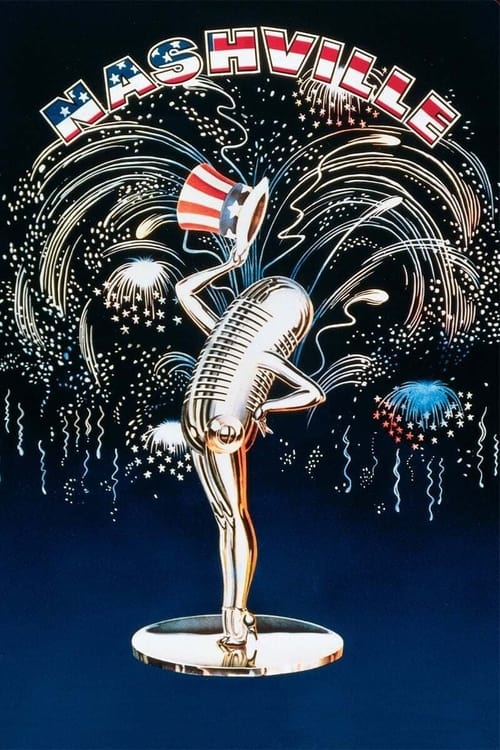
- 1975Nashville Nashville
- 1977Saturday Night Fever places disco at the center of American popular culture Saturday Night Fever
- 1983The arrival of home video wipes out the theatrical adult film market and marks the end of the era Anderson eulogizes
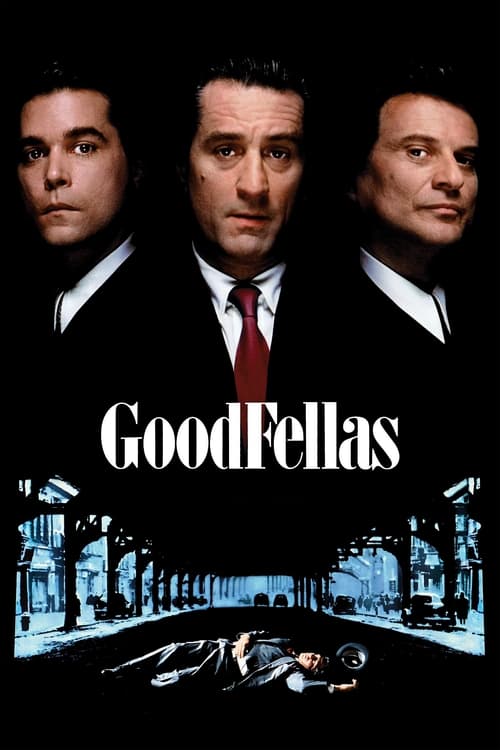
- 1990Goodfellas redefines the rise-and-fall ensemble crime film GoodFellas
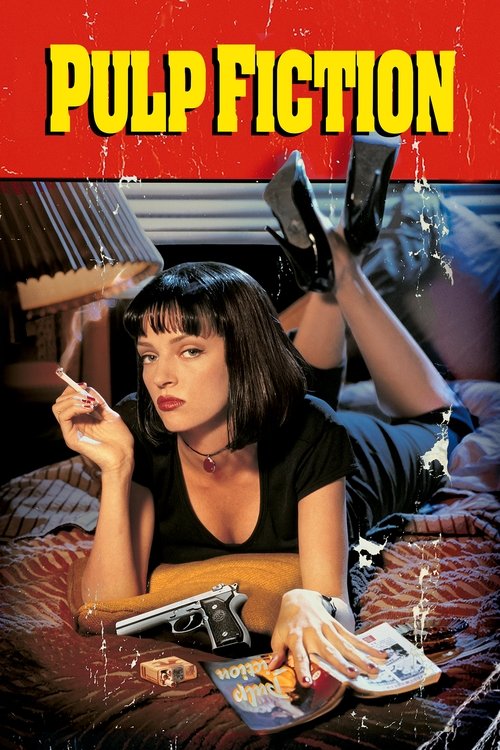
- 1994Pulp Fiction proves that non-linear ensemble storytelling can be both art and box office Pulp Fiction
- 1997Boogie Nights Boogie Nights
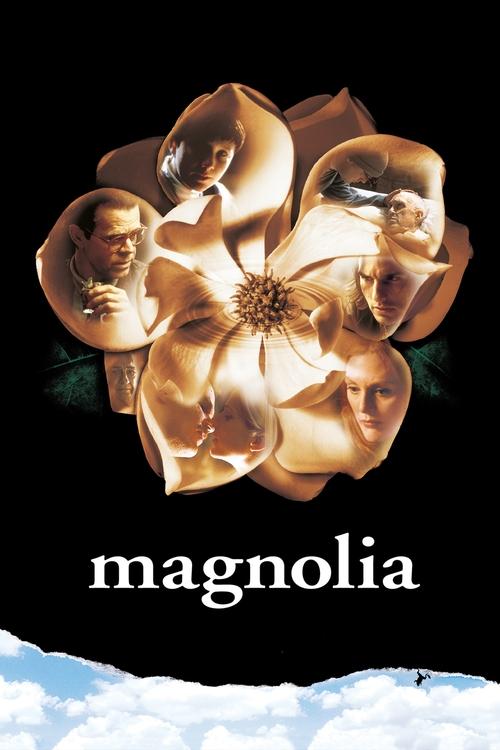
- 1999Magnolia, Anderson's follow-up, takes the ensemble approach even further into operatic territory Magnolia
- 2018The Deuce completes its second and final season, covering the same pornography-to-VHS transition as the film The Deuce
Rise, Excess and the Coming Fall
For Fans of Paul Thomas Anderson
Explore the For Fans of Paul Thomas Anderson guide →Everyone has one special thing. I don't know what yours is. But you have a great thing inside you, and I want to get it out.Jack Horner, Boogie Nights (1997)