
The Last Great Decade of Gut-Feel Cinema
Before the franchise machine fully took hold, before the algorithms, before the IP library became the only approved source of material, there was the 1990s. A decade when a Quentin Tarantino could rewire how a crime film was cut; when a studio would greenlight Schindler's List AND Jurassic Park as a two-film year from the same director; when Hong Kong action was bleeding into Hollywood and nobody agreed on what a blockbuster was supposed to feel like. The canon that emerged is messier and more contested than the 1970s auteur era, more global than the 1980s, and considerably weirder than the 2000s would allow. What follows is our attempt to map it honestly: the obvious pillars, the critical darlings, the crowd favorites, the films that got criminally snubbed, and the ones that aged in ways nobody predicted.
The Undeniable Pillars
Films so widely agreed upon that arguing against them requires a very good reason

The one that aged better than anyone expected
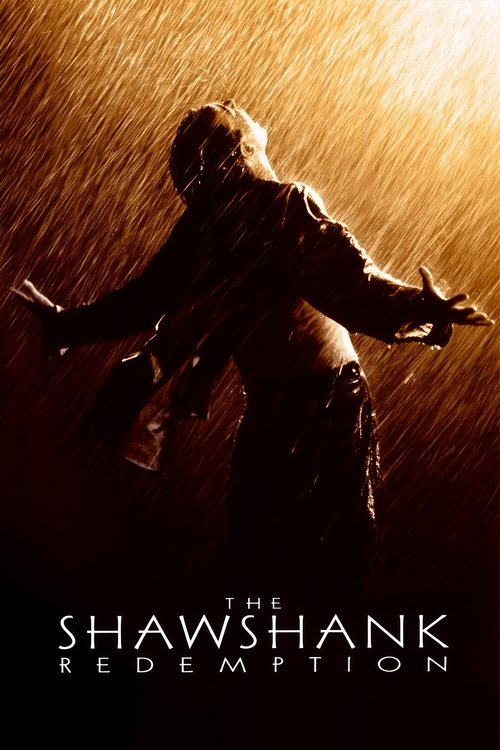
The Shawshank Redemption was a box-office disappointment in 1994 and won none of its seven Oscar nominations. For years it looked like a well-meaning also-ran, the kind of earnest prison drama that plays well on cable. Then something happened: it became the most beloved film on the internet, consistently topping user polls for two decades. You can resent that popularity if you like, but the film earns it. Frank Darabont's control of tone is precise, the Morgan Freeman narration works where it should be too sentimental, and the ending lands every single time. Calling it overrated because regular people love it is its own kind of snobbery.
The Awards Circuit, Warts and All
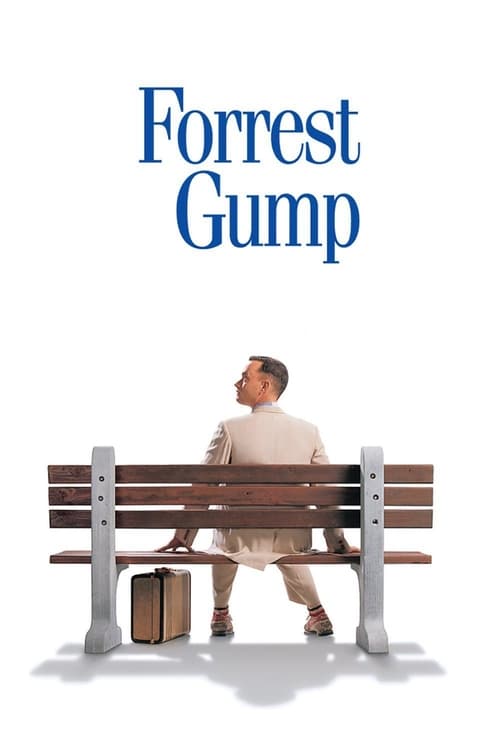
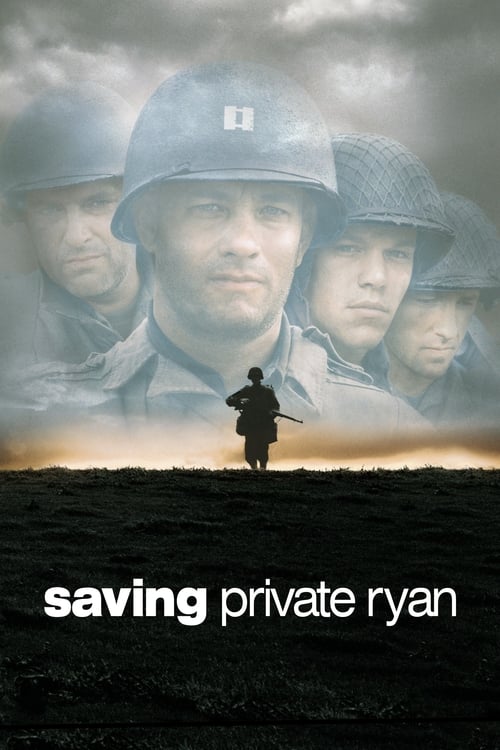
Best Picture winners and major nominees, a mixed bag that swings from genuine greatness to baffling choices



The snub that still stings
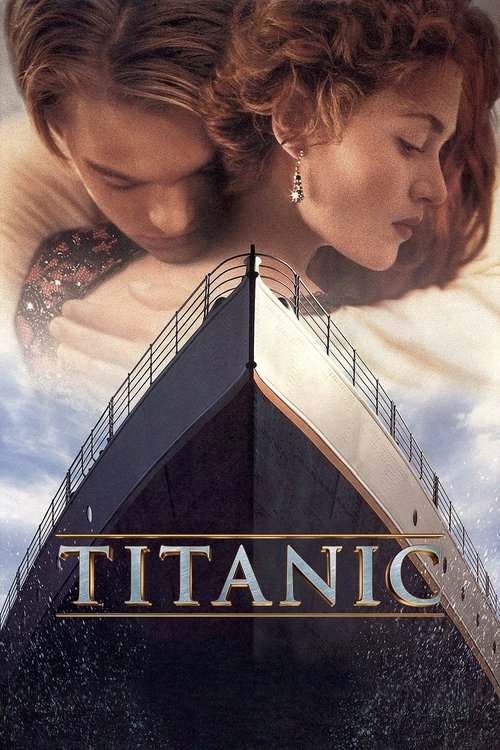
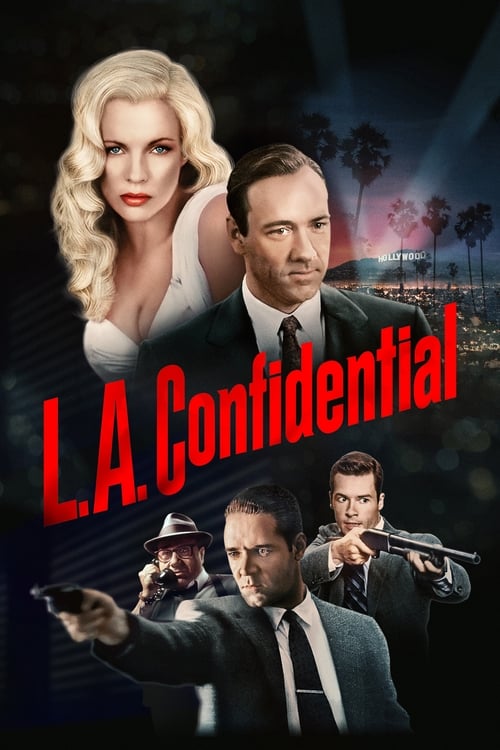
L.A. Confidential lost Best Picture to Titanic in 1998, and while Titanic is not a bad film, the gap in craft between them is embarrassing. Curtis Hanson's neo-noir is one of the tightest, smartest, most purely pleasurable screenplays of the decade, and Kim Basinger, Russell Crowe, and Guy Pearce all do career-best work. The Academy was seduced by scale. They usually are. L.A. Confidential did not need the Oscar to survive; it has outlasted most of the films that beat it. But the snub still represents exactly how the Academy tends to misread the difference between a big film and a great one.
The Critical Darlings
Films the press adored more than the public, many of which turned out to be right

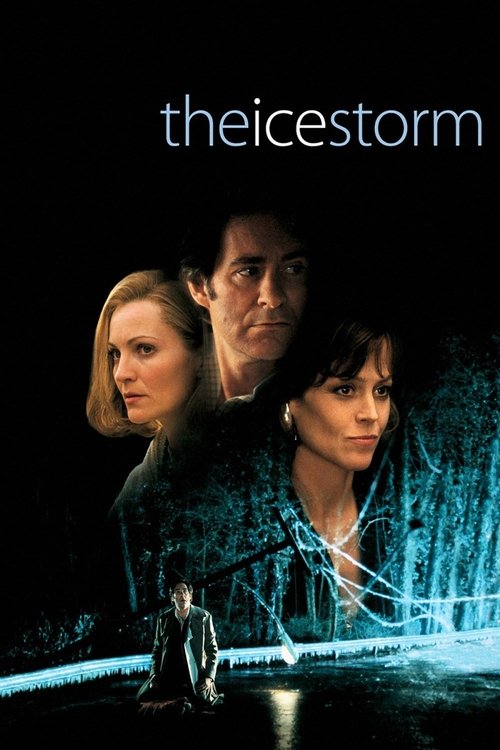
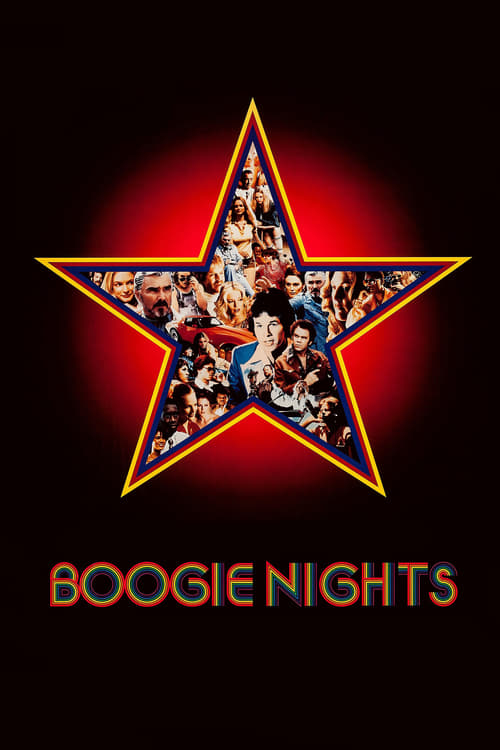
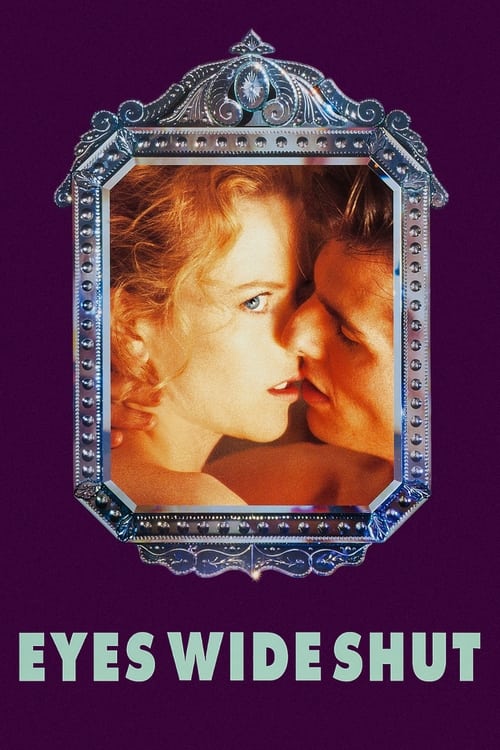
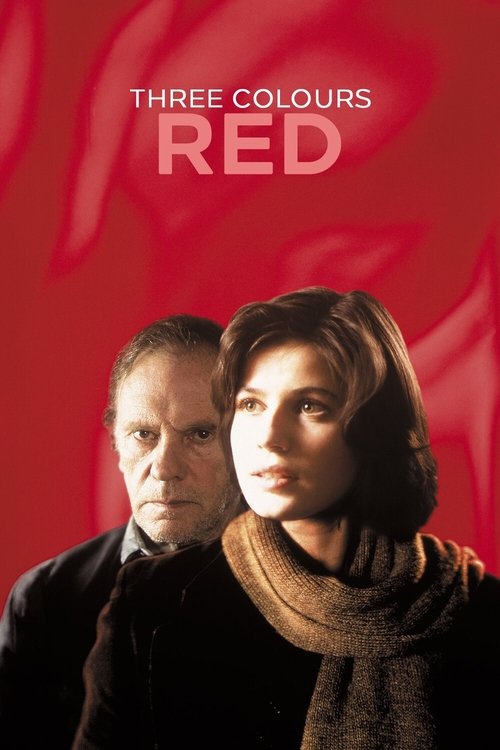
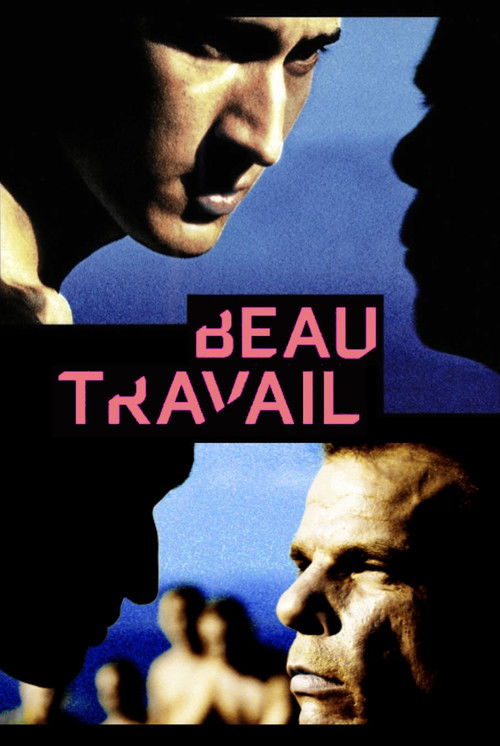
A Decade in Ten Turning Points
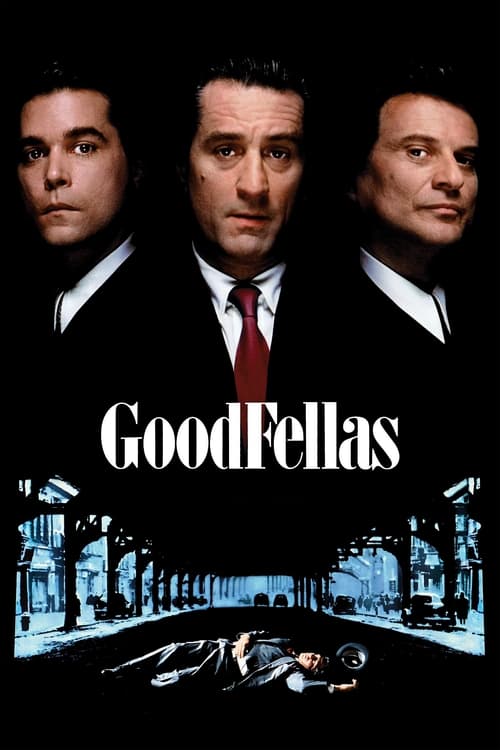
- 1990Scorsese rewrites the gangster film GoodFellas
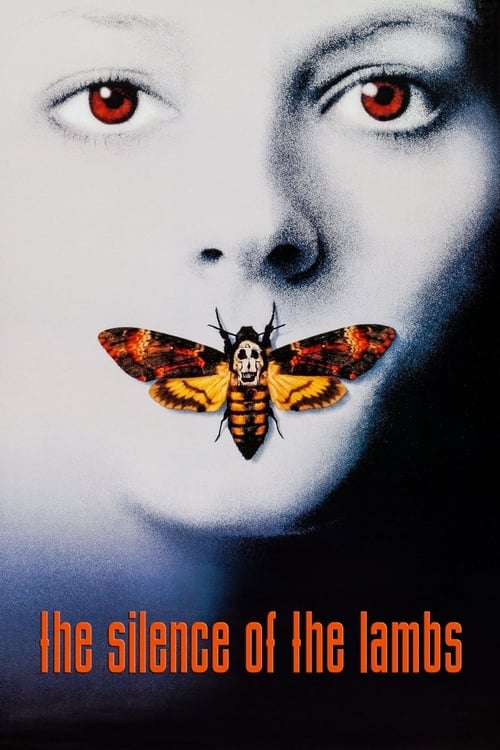
- 1991Silence of the Lambs wins all five major Oscars The Silence of the Lambs
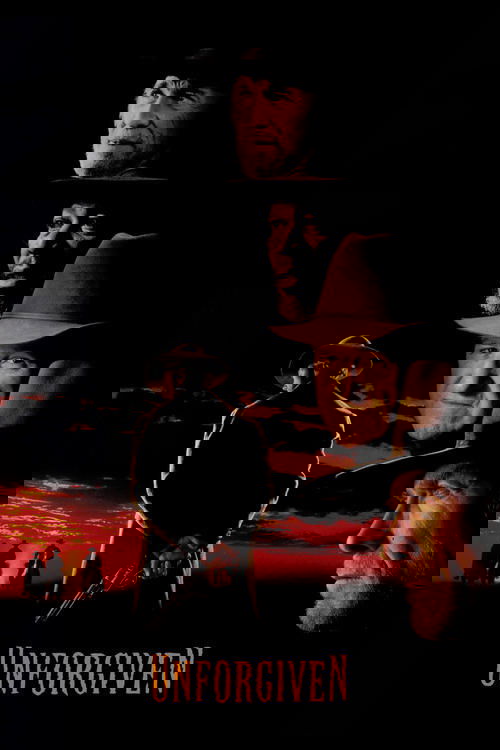
- 1992Eastwood's revisionist western wins Best Picture Unforgiven
- 1993Spielberg releases two opposite masterclasses in one year Schindler's List
- 1994Sundance goes mainstream; Tarantino goes nuclear Pulp Fiction
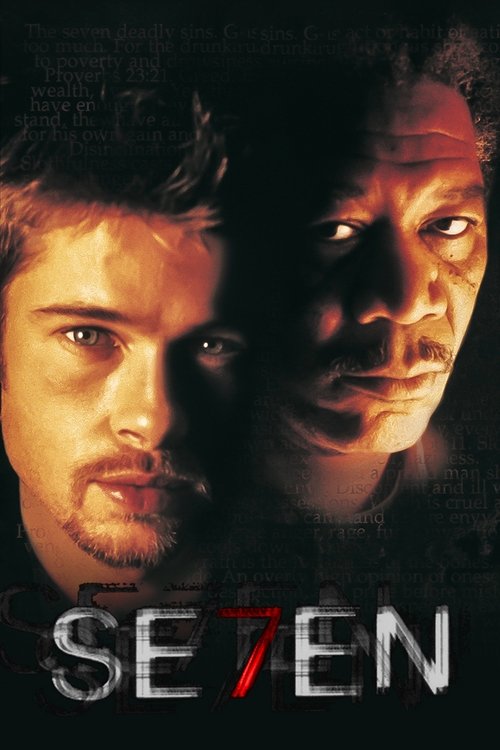
- 1995Seven raises the bar for studio thrillers permanently Se7en
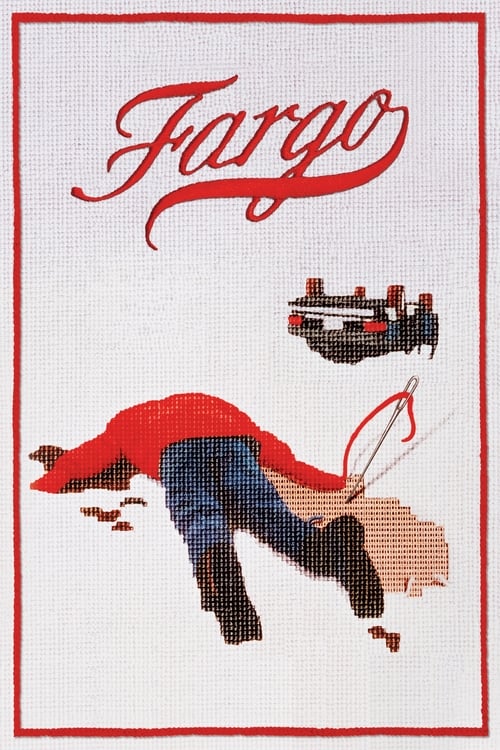
- 1996Dogme 95 arrives; the Coens take Cannes Fargo
- 1997Hong Kong handover; Wong Kar-wai wins Best Director at Cannes Happy Together
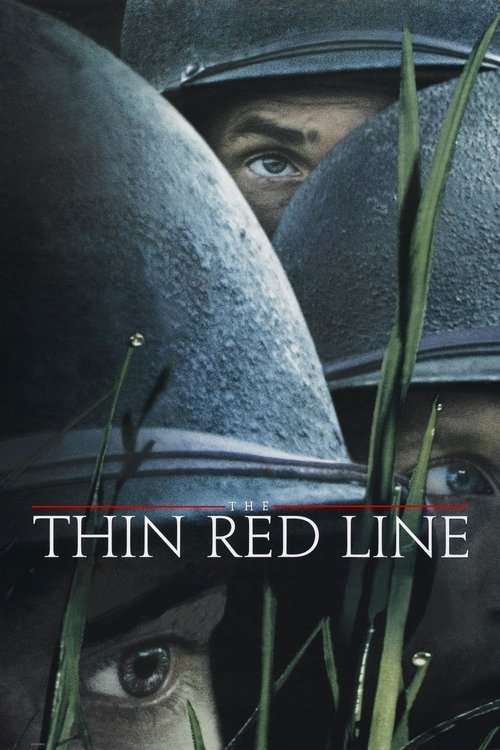
- 1998Malick returns after 20 years; Hollywood blinks The Thin Red Line
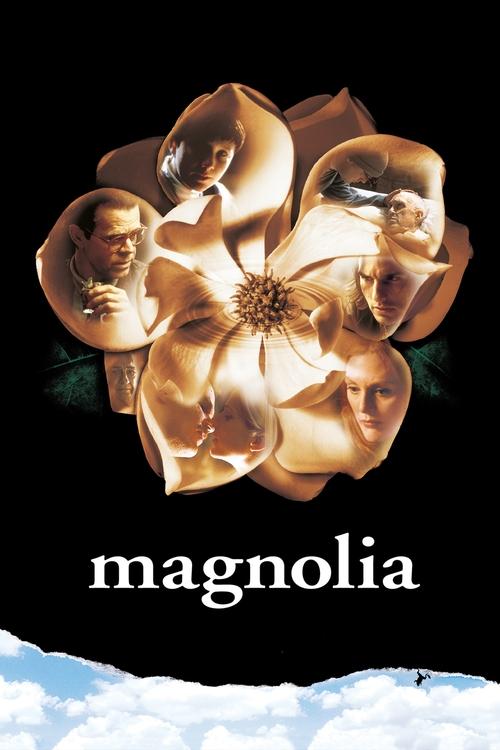
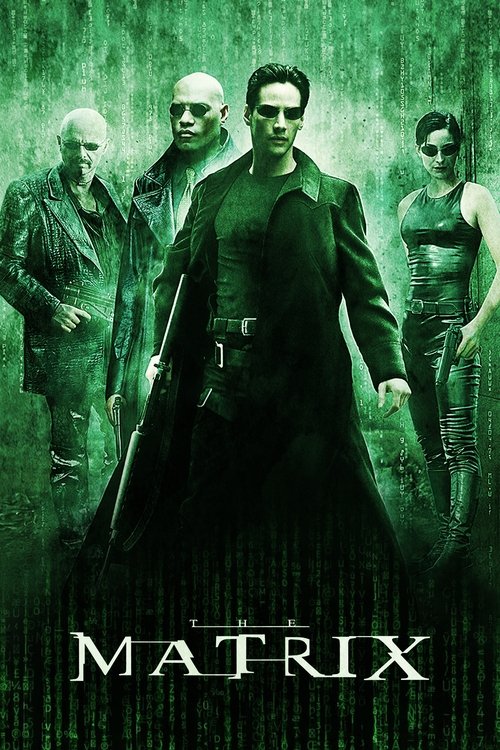
- 1999The century ends with Matrix, Fight Club, Magnolia, Eyes Wide Shut The Matrix
Genre at Its Best
Action, horror, sci-fi, and animation doing the thing they do, better than usual

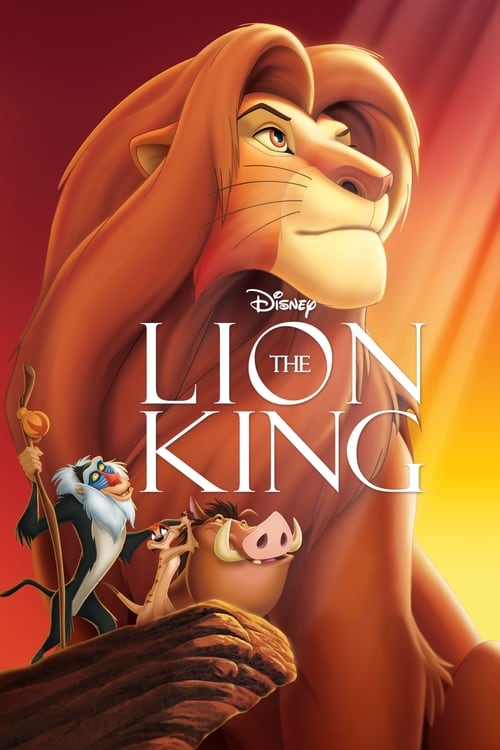
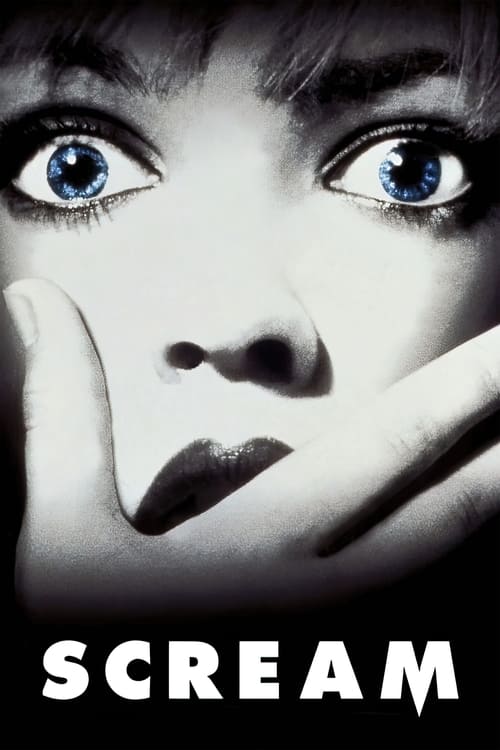
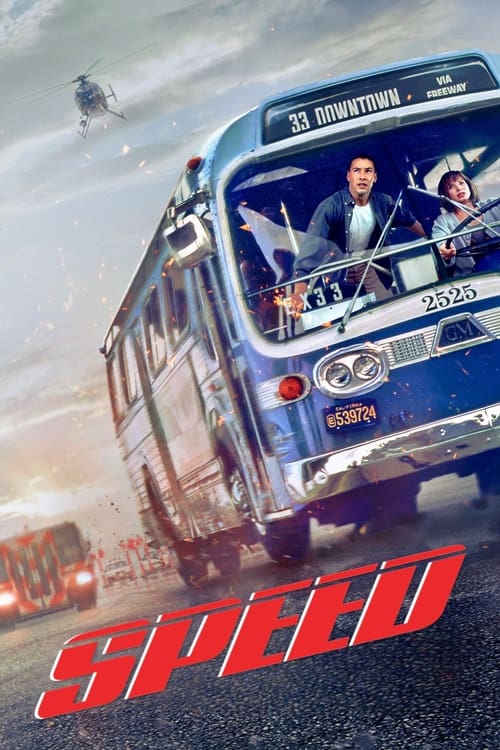

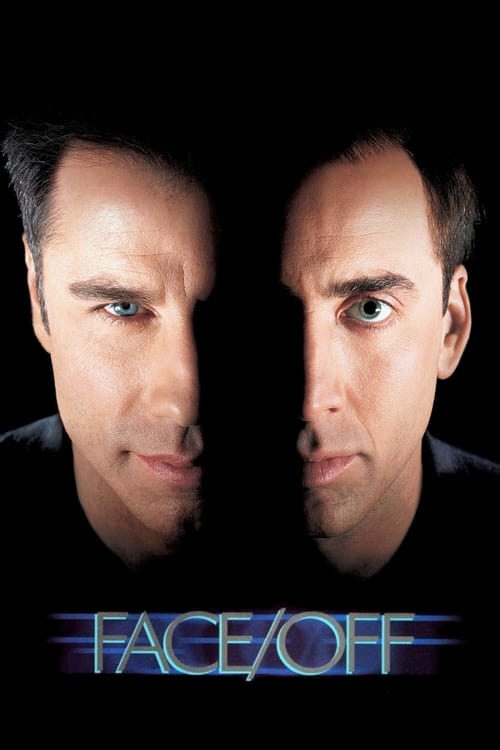
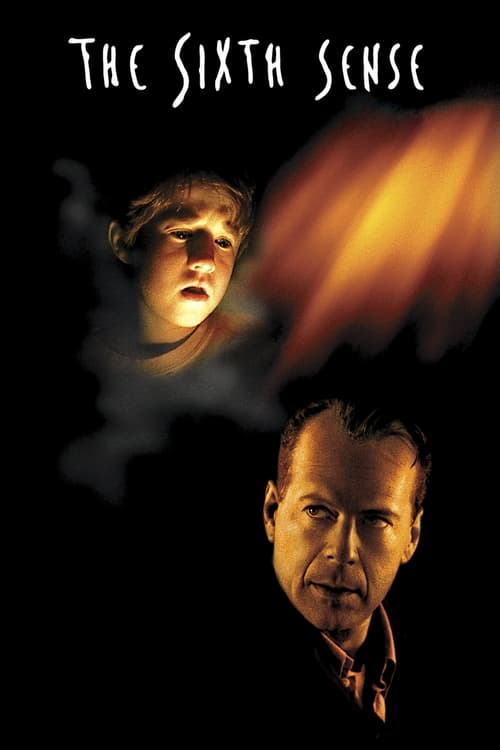

The most overrated film of the decade
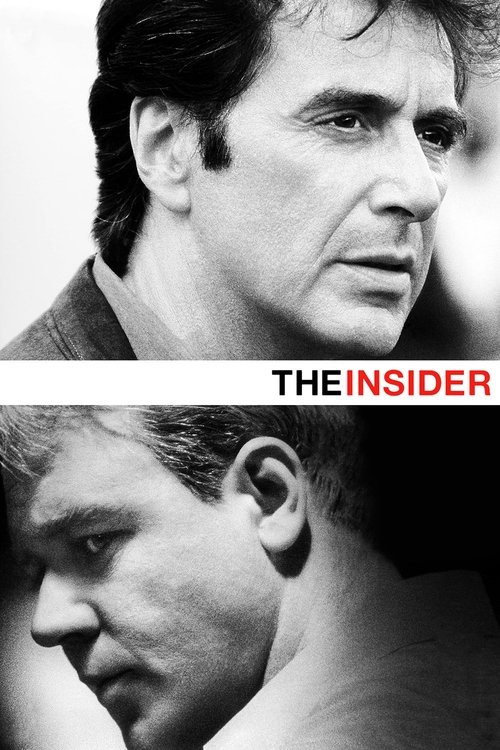
American Beauty is the most overrated film to win Best Picture in a generation. In 1999 it felt bold; now its satire of suburban conformity reads like a beer commercial's idea of transgression, and its treatment of its female characters has aged from merely thin to something more troubling. Sam Mendes directs with polish, Kevin Spacey works hard, and the cinematography is genuinely beautiful. None of that changes the fact that the film mistakes contempt for insight. It tells audiences exactly what they want to hear about the people they already look down on, and calls that subversion. The Insider, The Thin Red Line, and Magnolia all deserved the win more.
World Cinema That Changed the Conversation
Films from outside Hollywood that serious watchers spent the decade arguing about

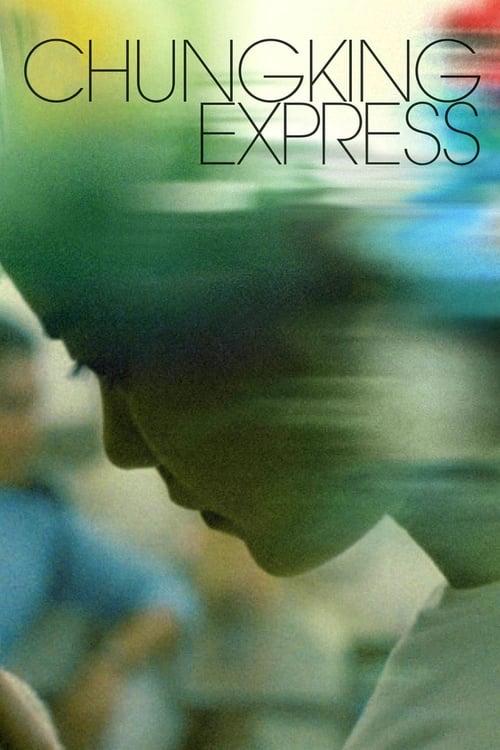
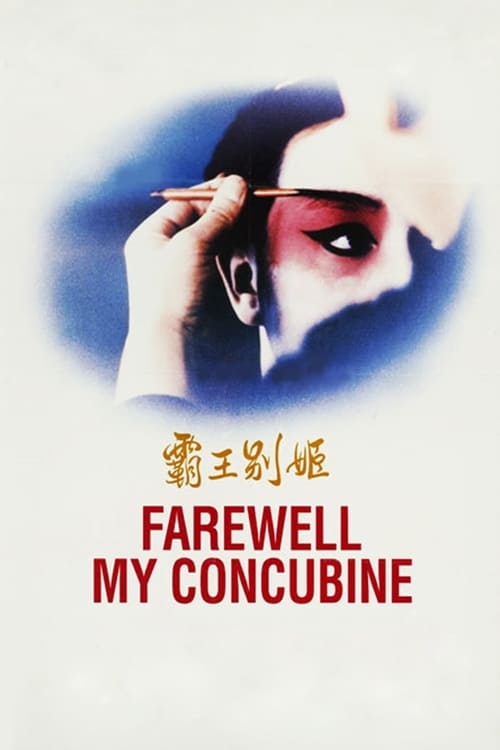
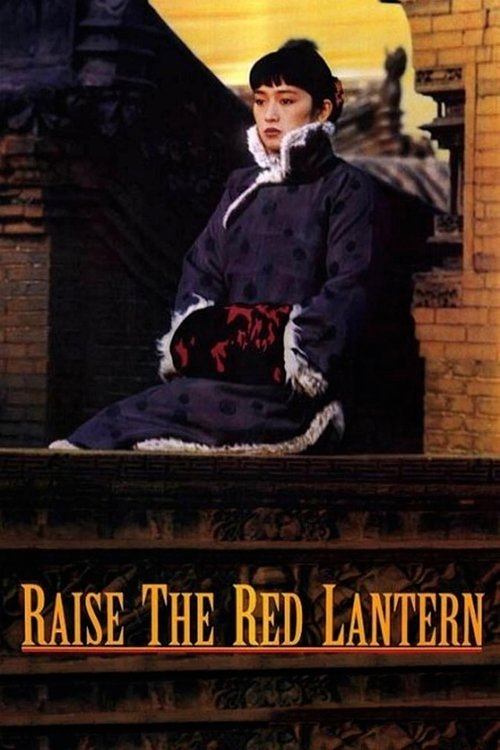





The 1990s was the last decade where you could walk into a multiplex on a Friday night and come out having seen something genuinely strange.CrossBinge editors
Overlooked at the Time, Essential Now
Films that landed quietly and took years to find the audience they deserved

The film that invented a new grammar
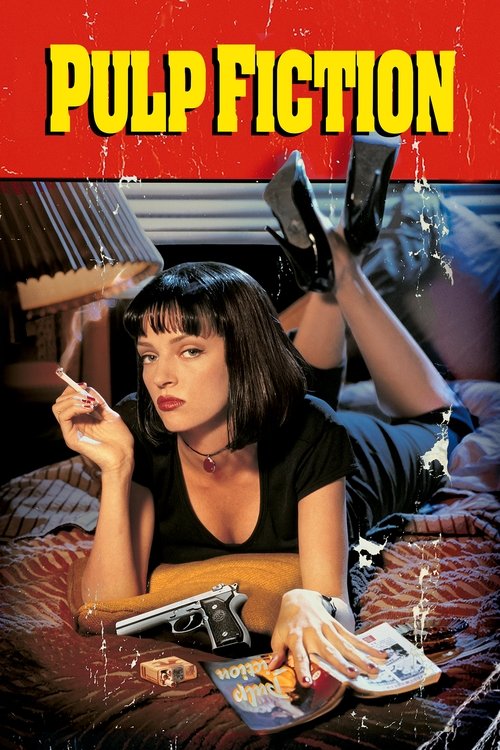
Before Pulp Fiction there were non-linear crime films. After it there were two decades of directors who wanted to be Tarantino. The film's actual innovation is not the scrambled chronology, which is a device, but the texture of the dialogue: the way characters talk around what matters, about nothing important, at length, and make that feel like the most urgent thing on screen. John Travolta's comeback, Uma Thurman's dance, the briefcase nobody opens: these have been parodied so many times they have almost lost their power. Almost. Watch it again and notice how controlled it actually is, how little Tarantino wastes a frame. The imitators could copy the structure; they could never copy the restraint.
The American Indies
The Sundance generation, the Miramax era, the films that made independent cinema briefly feel like the center of the culture