
BTS arrived from Seoul with an argument: pop could carry real weight. From their 2013 debut through the record-breaking Love Yourself and Map of the Soul eras, RM, Jin, Suga, J-Hope, Jimin, V, and Jungkook built something that crossed language, genre, and medium without losing the thread. The feeling their best work delivers -- of being seen precisely at the moment you feel most invisible -- is the through-line that connects everything on this page.
Essential BTS
The core albums and EPs, in the order they were meant to be heard
The Films Behind the Music
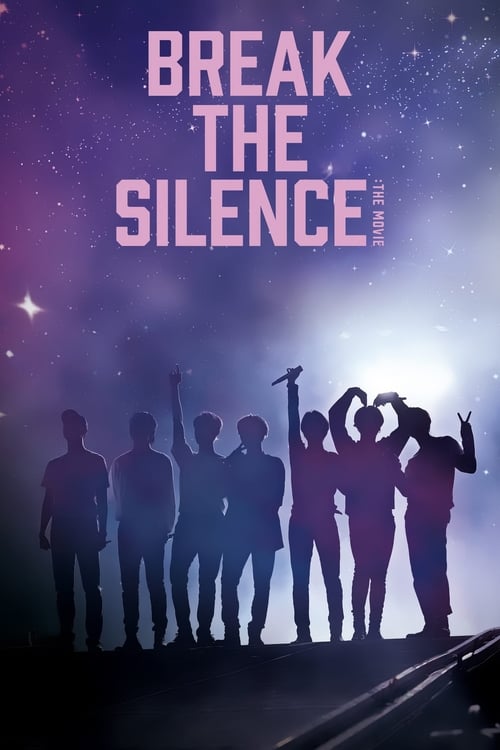
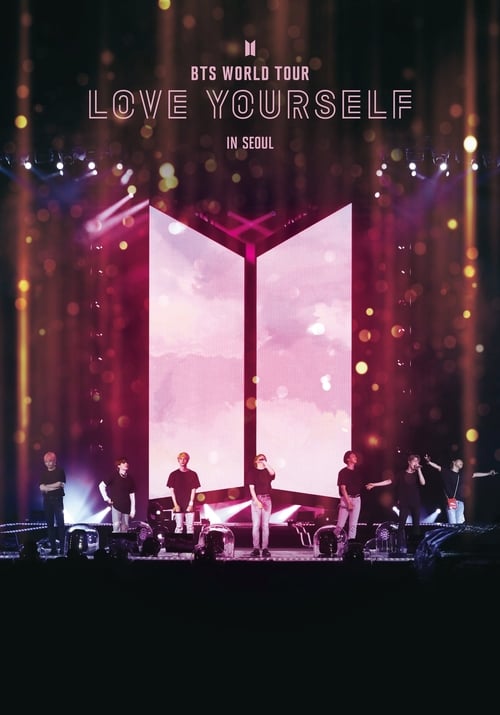
BTS on screen: concert films and documentaries that show what the phenomenon actually looks like up close
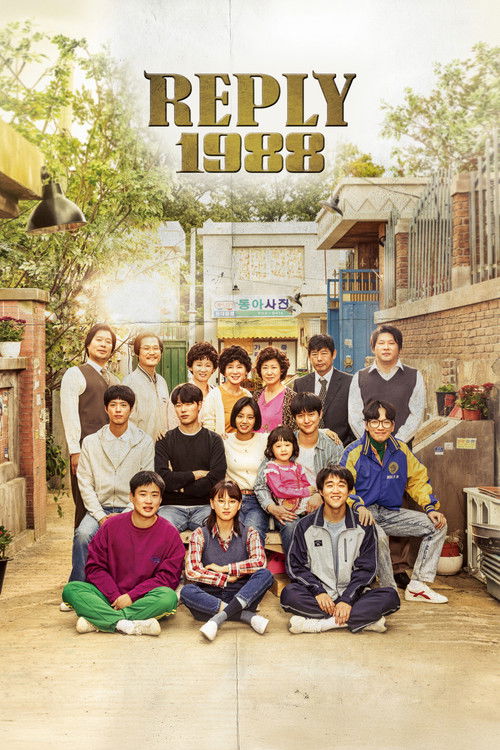
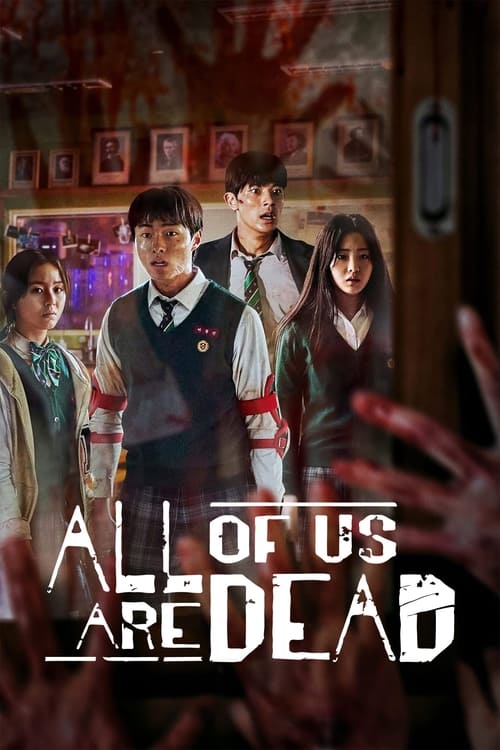
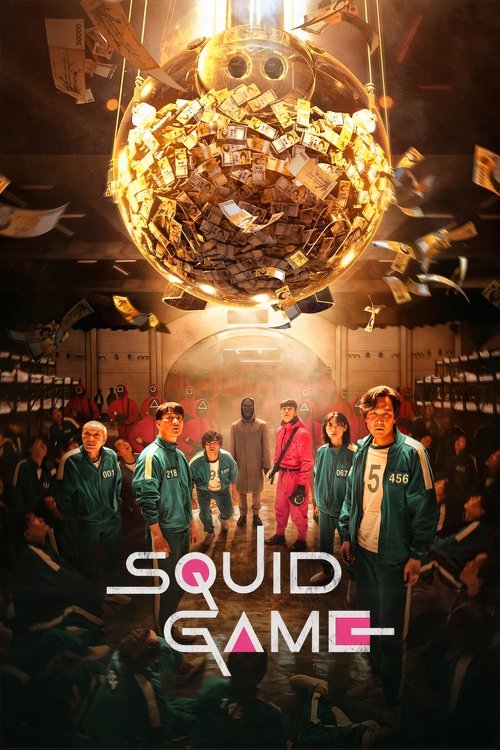
K-pop Stories on Screen
Series and films that capture the idol world, the industry pressure, and the fandom from every angle



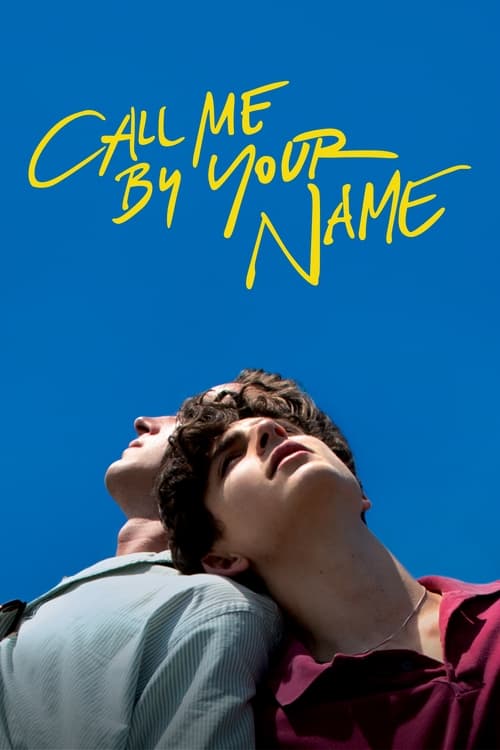
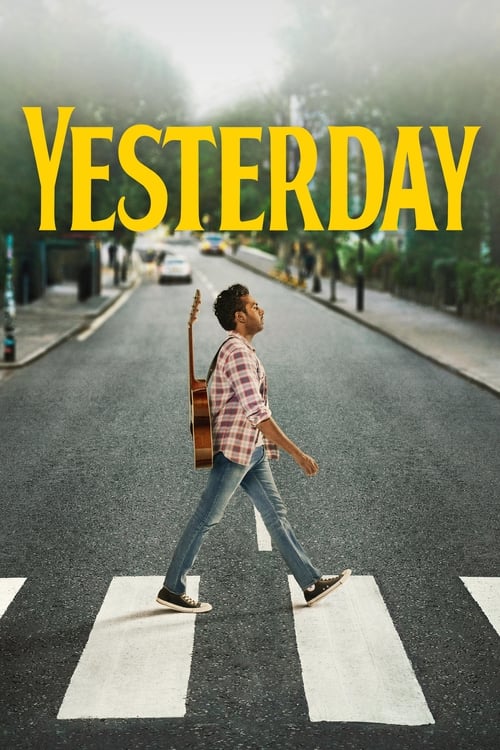
Same Energy: Films That Hit the Same Way
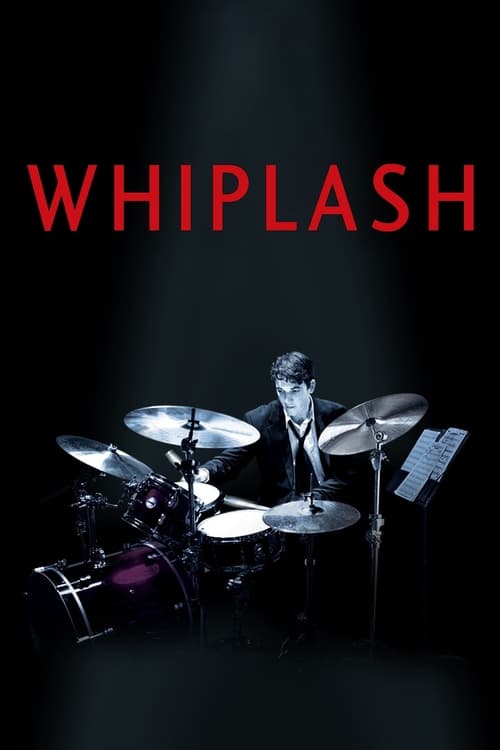
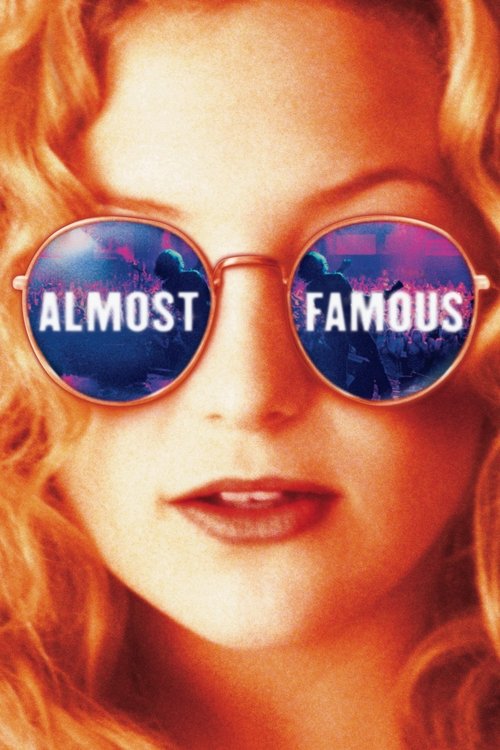
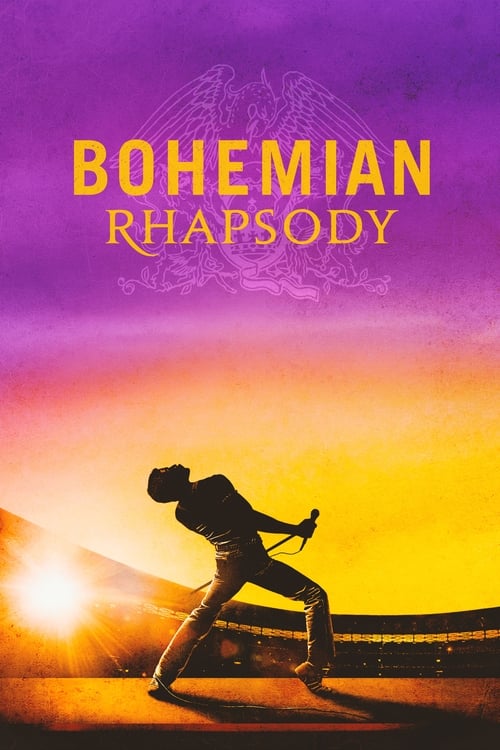
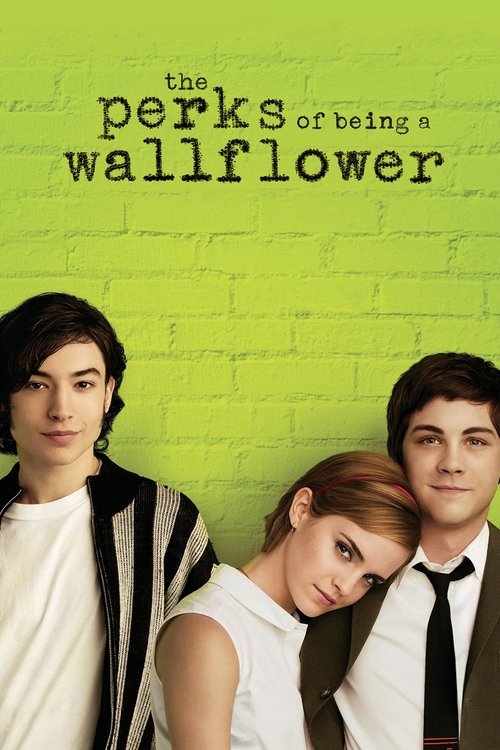
Movies with the emotional scale, youth-versus-the-world stakes, and communal feeling that BTS fans gravitate toward


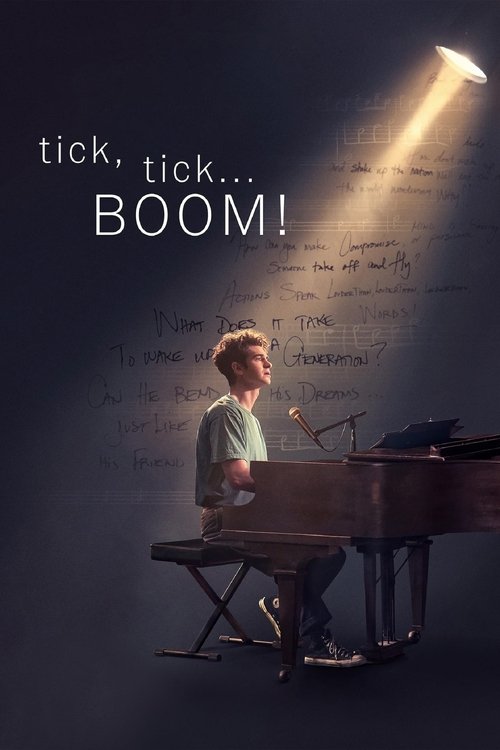
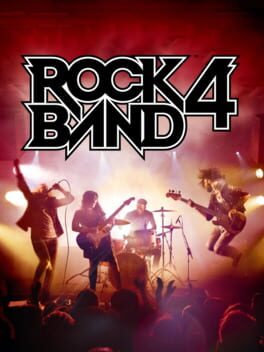
Play the Music
Games where rhythm, performance, and music fandom collide -- plus the official BTS games





Wings Is the Record That Changed the Terms
The 2016 album Wings arrived after BTS had already proven they could sell out arenas. It didn't play it safe. Anchored in Hermann Hesse's Demian and Carl Jung's ideas about the shadow self, it asked fans to sit with contradiction: the cost of ambition, the fear inside the approval they were seeking. Blood Sweat and Tears became one of the most-watched K-pop videos in history not because it was reassuring but because it wasn't. Wings is where BTS became the kind of act that gets written about in universities.

The Concert Film Is an Underrated Format
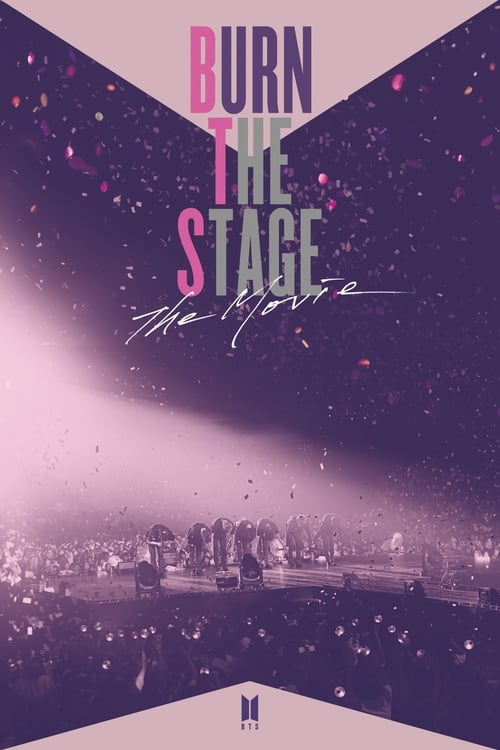
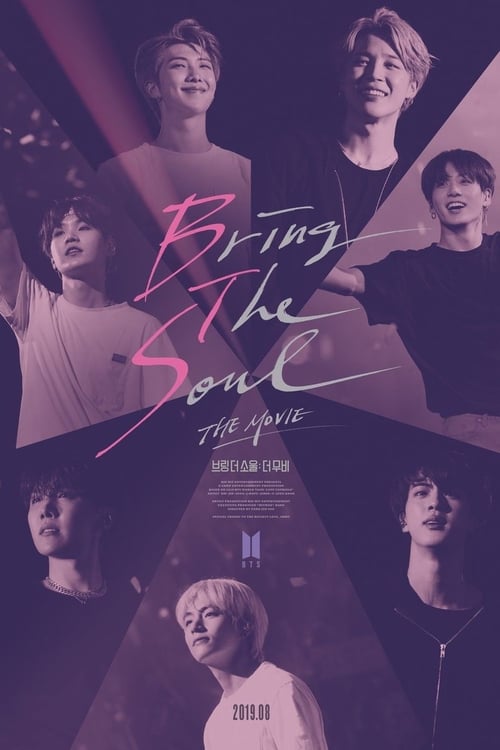
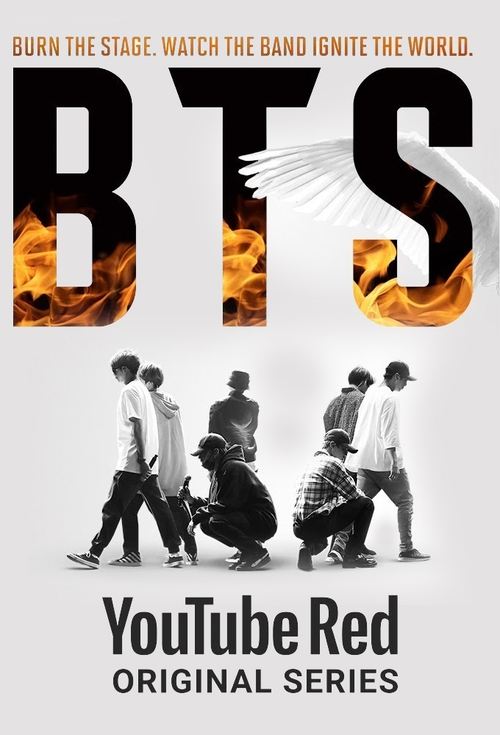
Bring the Soul and Burn the Stage are not fan service. They sit closer to Frederick Wiseman than to a standard EPK -- access-driven, uncomfortable at the edges, showing exhaustion and disagreement alongside the spectacle. The format rewards the same attention a great music documentary demands. If you have not seen both, start there before any of the other screen entries on this page.
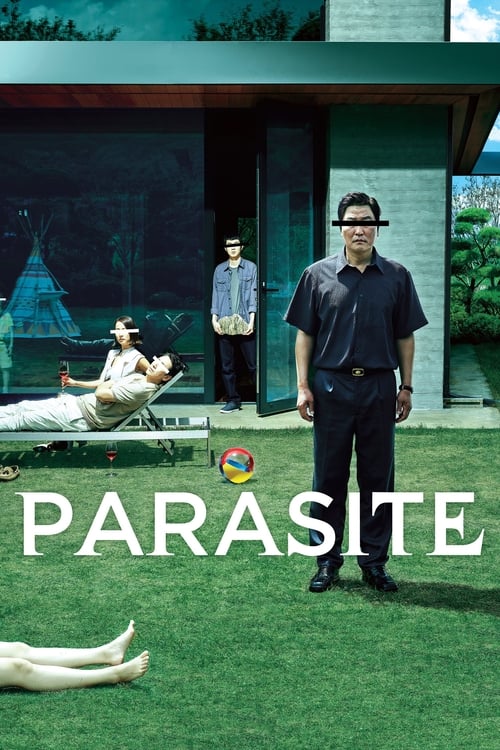
Parasite Is the Other Side of the Same Story
Bong Joon-ho's Parasite and BTS's discography are not the same thing -- but they are arguing about the same Korea. Class anxiety, the performance of aspiration, the cost of climbing: the Map of the Soul era ran these themes through an idols-and-ARMY lens at roughly the same moment Bong was running them through a thriller. Watching both in close succession is one of the more efficient ways to understand what contemporary Korean culture is processing.
A Decade of BTS
- 2013BTS debuts under Big Hit Entertainment with 2 Cool 4 Skool
- 2015The Most Beautiful Moment in Life series establishes the youth-and-loss thematic arc
- 2016Wings breaks into the US Billboard 200 WINGS
- 2017Love Yourself: Her turns Idol into a chart phenomenon, first K-pop act at AMAs
- 2018Love Yourself: Tear becomes first K-pop album to top the Billboard 200 LOVE YOURSELF 轉 ‘Tear’
- 2019Burn the Stage: The Movie releases the road documentary as cinema event Burn the Stage: The Movie
- 2020Map of the Soul: 7 sells over four million copies in its first week; pandemic cancels the World Tour
- 2020BE recorded and released entirely in lockdown, a pandemic dispatch Be
- 2021Butter and Permission to Dance reach number one on the Billboard Hot 100
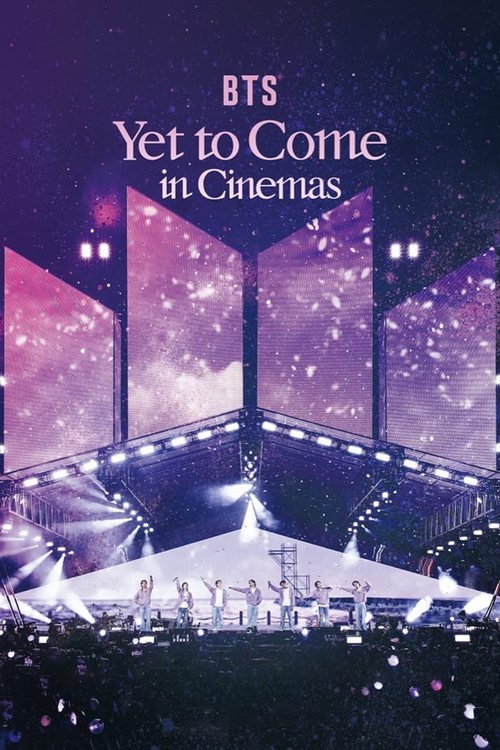
- 2022Proof anthology and the Yet to Come in Cinemas concert film mark a transition point Proof
- 2022Members begin solo careers and military service rotations; group activity pauses
More pop powerhouses and Korean storytelling
For Fans of K-Pop
Explore the For Fans of K-Pop guide →The goal was always to make music that feels like a friend who already knows what you are going through.RM