
K-Pop is not a single sound. It is a production philosophy: obsessive craft, visual spectacle, and parasocial intimacy compressed into three-minute tracks that are somehow both maximalist and surgically precise. What fans chase is the combination of technical perfection and genuine vulnerability from performers who trained for years to earn their moment on stage. The genre has roots in late-1990s idol culture (H.O.T., S.E.S., g.o.d.) but exploded globally in the 2010s through BTS and BLACKPINK, creating a worldwide fandom infrastructure unlike anything pop had seen before. If you love the theatrics, the choreography, the concept albums, and the loyalty that comes with stanning, these are the works across every medium that will keep you in that feeling.
Essential K-Pop
The albums and EPs that define the genre across generations
Documentaries and Concert Films
Behind the choreography, behind the cameras, behind the curtain



If You Love the Idol World: Korean Drama and Reality TV
The K-drama universe explores the same ambition, heartbreak, and industry pressure







The Energy on Film
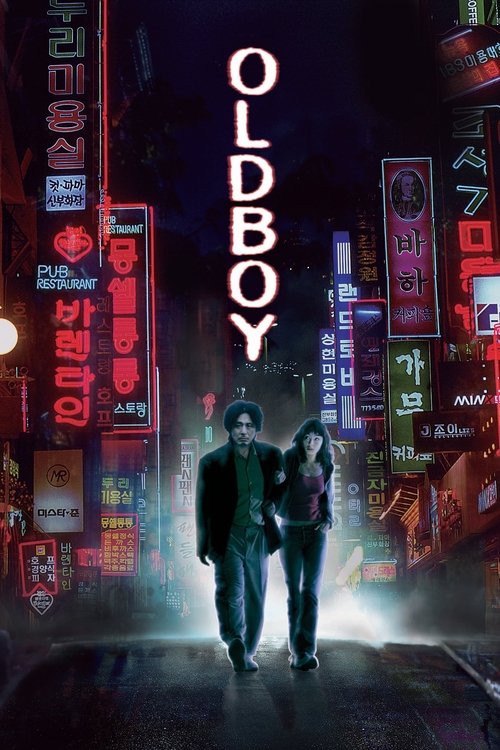
Korean cinema with the same stylish intensity and emotional precision





Rhythm, Dance, and Performance Games
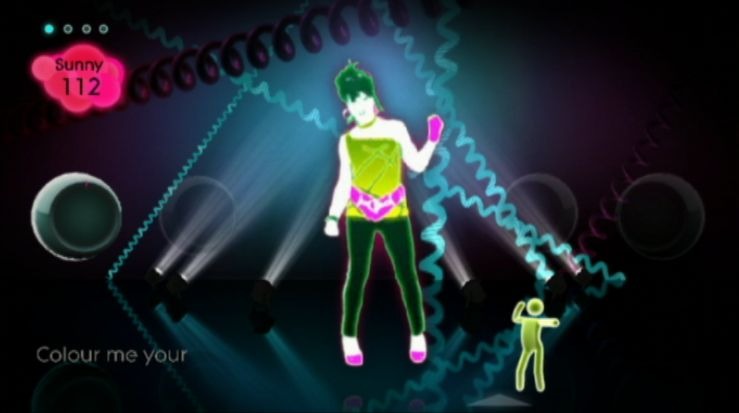
For fans who want to feel the choreography from the inside



The Concept Album Is K-Pop's Secret Weapon
Western pop largely abandoned the concept album after the 1970s. K-Pop revived it with ruthless discipline. Groups like SHINee, EXO, and BTS built multi-album narrative arcs with shared visual universes, fictional timelines, and easter eggs that reward obsessive re-listening. The result is that buying an album feels like entering a world, not just purchasing music. Map of the Soul and the Love Yourself series are the clearest examples: lyrically and visually coherent across releases, drawing on Carl Jung and Korean literature, asking genuine philosophical questions inside three-minute bangers.
Parasocial Culture Did Not Start With the Internet, But K-Pop Perfected It
Fan culture in K-Pop is not passive. Fandoms have official names, color codes, light stick designs, and organized streaming campaigns. The idol system builds in parasocial closeness: fan signs, vlogs, reality shows that follow trainees, and social media access that makes distance feel smaller. This architecture of closeness is both the genre's most powerful feature and its most debated one. Understanding it is understanding K-Pop itself. The Blackpink: Light Up the Sky documentary is the most honest mainstream examination of how that dynamic works from the performer's side.
The Choreography Is the Argument
Critics who dismiss K-Pop as manufactured often overlook that the manufacturing includes thousands of hours of dance training, performance coaching, and physical endurance that most Western pop acts simply do not attempt. Watch any practice video from TWICE, MONSTA X, or aespa and the argument becomes physical. The choreography is not decoration on top of the music. It is the music made visible, with counts and formations that mirror lyrical themes. This is why concert films hit differently: you are watching years of work rendered in real time.
Korean Wave, or Why the Rest of the World Caught Up
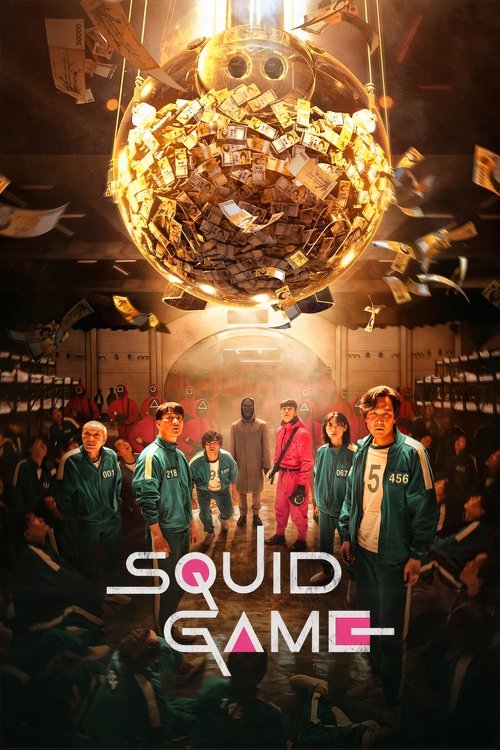
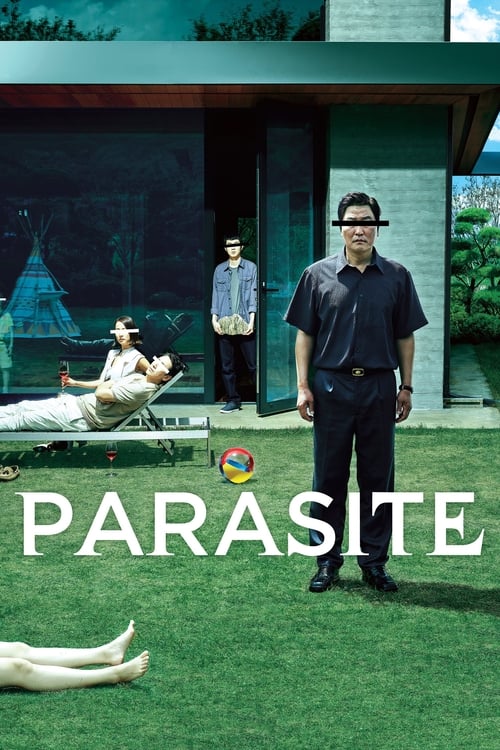
The Hallyu (Korean Wave) is not an accident. It is the product of deliberate government cultural investment after the 1997 financial crisis, a local industry that had to fight for every export market, and artists who understood early that a global audience required genuine quality rather than novelty. Parasite's Oscar win, BTS at the UN, Squid Game becoming Netflix's most-watched series: these are the same wave, different channels. K-Pop fans who dig into Korean cinema and drama are not changing subjects. They are following the same cultural force into adjacent rooms.
K-Pop's Global Arc
- 1996H.O.T. debuts, launching the modern idol group system in South Korea
- 2012Psy's Gangnam Style becomes the first YouTube video to reach 1 billion views, putting K-Pop on the global map
- 2013BTS debuts under BIGHIT; EXO releases XOXO and builds one of K-Pop's most devoted international fanbases
- 2016BLACKPINK debuts; TWICE releases Cheer Up, marking the arrival of the third-generation girl group era
- 2018BTS performs at the Billboard Music Awards and speaks at the United Nations; Love Yourself: Tear becomes the first K-Pop album to top the US Billboard 200
- 2020Map of the Soul: 7 releases; BTS's Dynamite becomes the group's first entirely English-language single, topping the Hot 100
- 2022BLACKPINK's BORN PINK sets records; aespa, Stray Kids, and NewJeans signal a fourth-generation shift in sound and concept
- 2023BTS members begin mandatory Korean military service; NewJeans and IVE lead a new wave of minimalist production aesthetics
Korean stories and idol-pop energy
For Fans of BTS
Explore the For Fans of BTS guide →We do not know what K-Pop will look like in ten years. We know the fans will have organized a streaming project about it already.CrossBinge