
The Country That Rewrote the Rules
For most of the twentieth century, South Korean cinema was a domestic affair. Films were made, sometimes brilliantly, for Korean audiences navigating a society that had survived Japanese occupation, a catastrophically destructive civil war, and a sequence of authoritarian governments that routinely censored culture. The Korean Film Council's loosening of restrictions in the mid-1990s, combined with a wave of industrial investment from the chaebol conglomerates who saw film as a prestige asset, created conditions for an explosion. Directors who had trained in the French New Wave tradition, in Hong Kong genre cinema, in Italian neorealism, suddenly had budgets and freedom.
What emerged was not a single style but a shared intensity. Korean films of the late 1990s and 2000s operate at a pitch few other national cinemas can sustain: the violence is uglier, the sentiment rawer, the structural games bolder. Park Chan-wook turned Greek tragedy into genre cinema. Bong Joon-ho made social critique look like entertainment. Lee Chang-dong made kitchen-sink realism feel like philosophy.
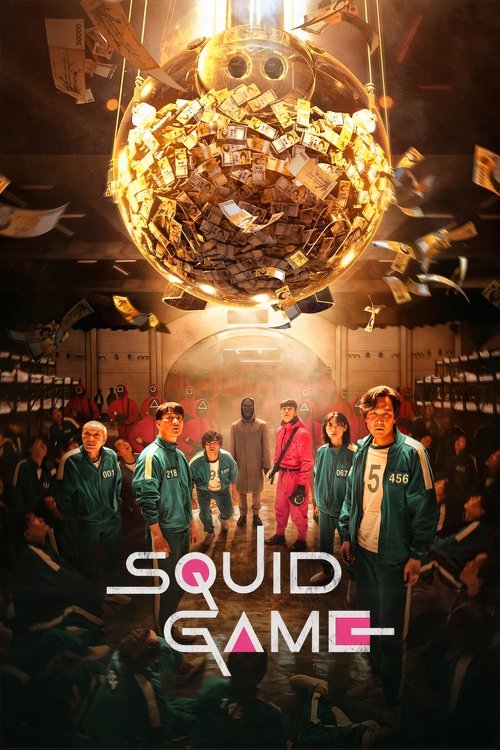
Television followed its own arc. The Korean Wave (Hallyu) sent soap operas and melodramas across East Asia in the early 2000s, but the global pivot came when streaming platforms gave Korean production companies a worldwide audience and the budgets to match. Squid Game was not an aberration. It was the moment the rest of the world caught up to what Korean audiences already knew.
Games are the quieter part of this story. South Korea is one of the great game-playing nations on earth, and its industry produced titles that range from foundational PC RPGs to globally dominant multiplayer platforms. The PC bang culture, the professional esports infrastructure, the StarCraft national obsession: these are not footnotes to the cultural story, they are part of it.
This guide covers all of it.
The Canonical Films
The works every serious viewer of Korean cinema needs to have seen
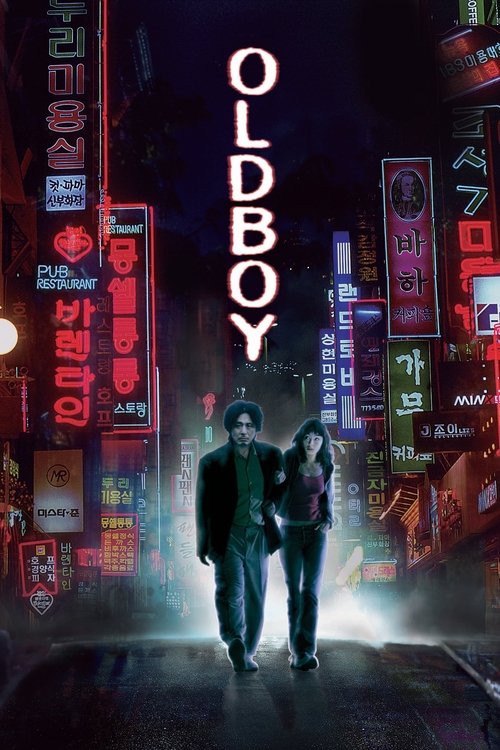
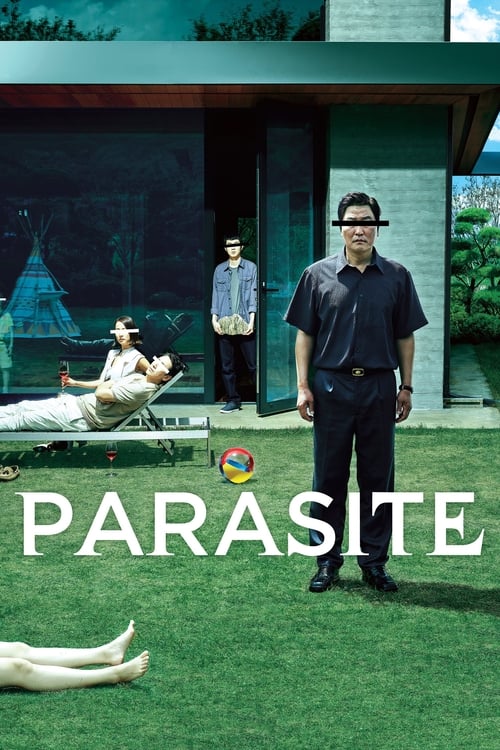
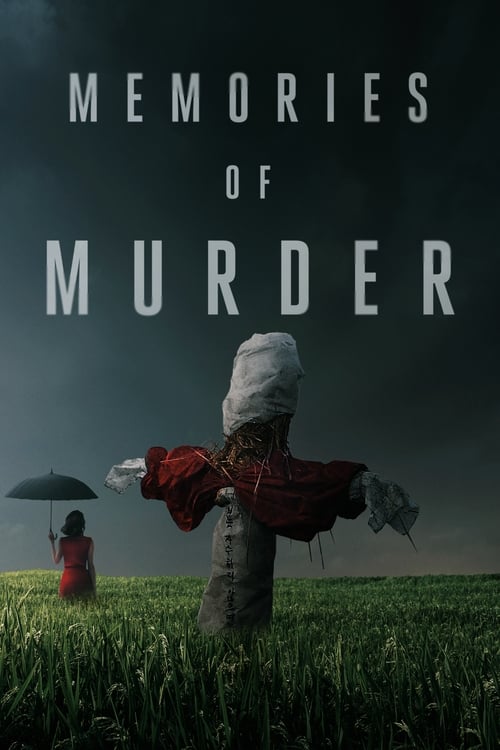

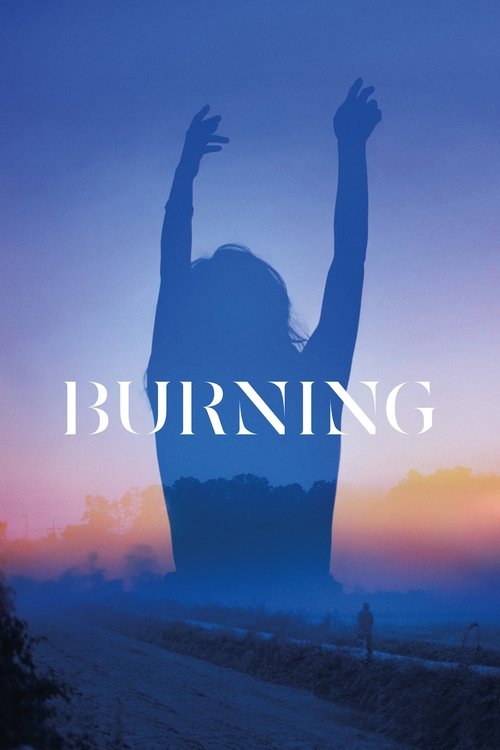
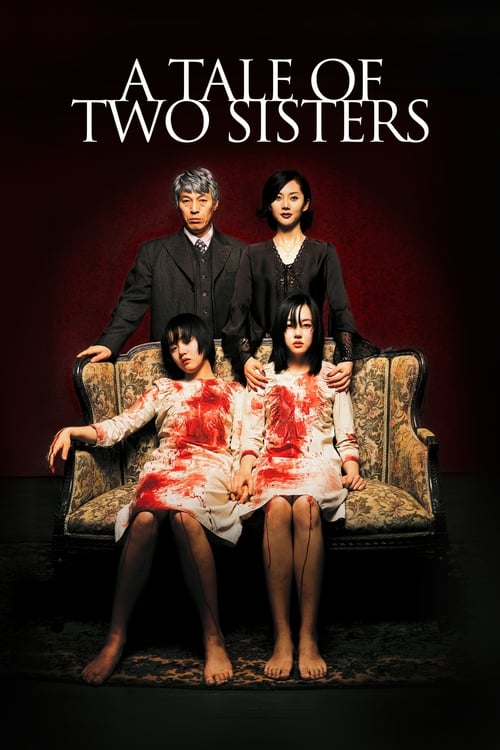
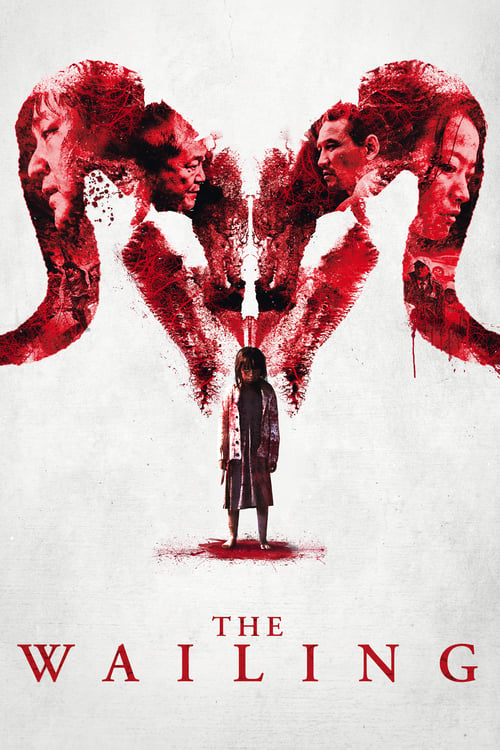
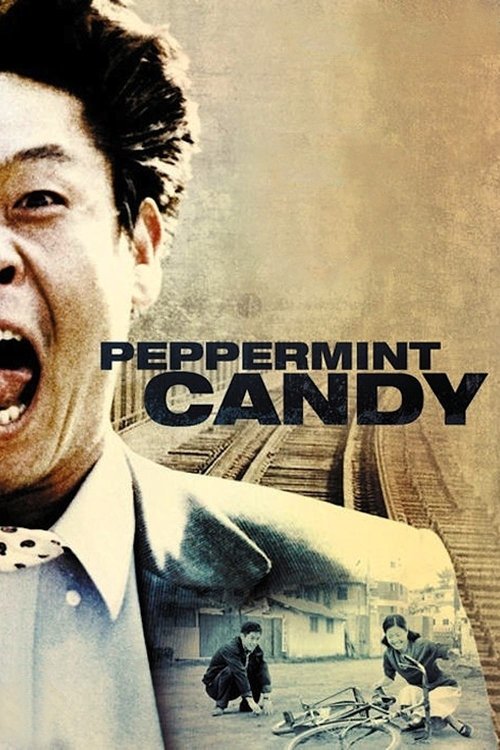

Peppermint Candy is the one most people skip, and that is a mistake
Everyone who loves Korean cinema eventually watches Parasite and Oldboy. Far fewer sit through Lee Chang-dong's Peppermint Candy (2000), which runs its protagonist's life in reverse chronology from suicide back to a moment of pure innocence, tying every personal wound to a specific political event in Korean history. It is one of the most formally demanding and emotionally devastating films made anywhere in the last thirty years. The backwards structure is not a trick; it is the argument. You watch a man destroyed by history one layer at a time, and by the end the title makes you want to weep. Burning gets all the slow-cinema discourse, but Peppermint Candy is Lee Chang-dong at the very height of his powers.
Essential K-Drama
Television that proves the form can hold as much as any film
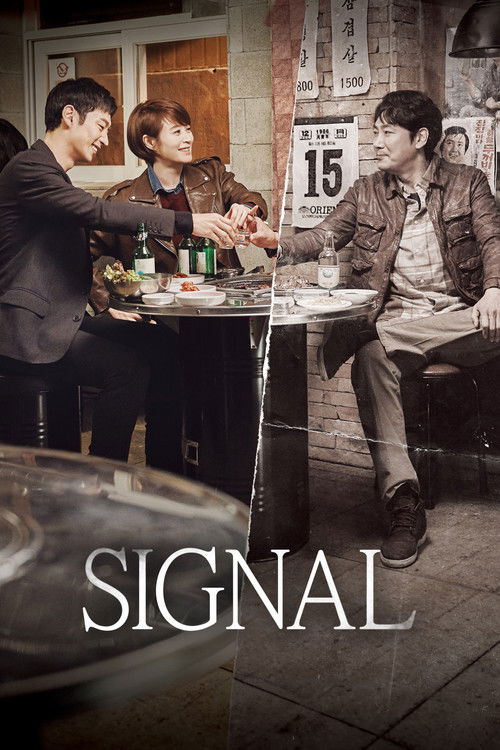

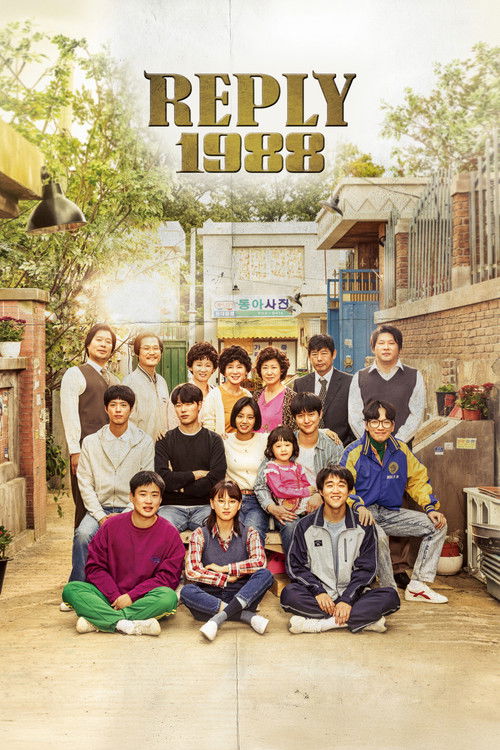
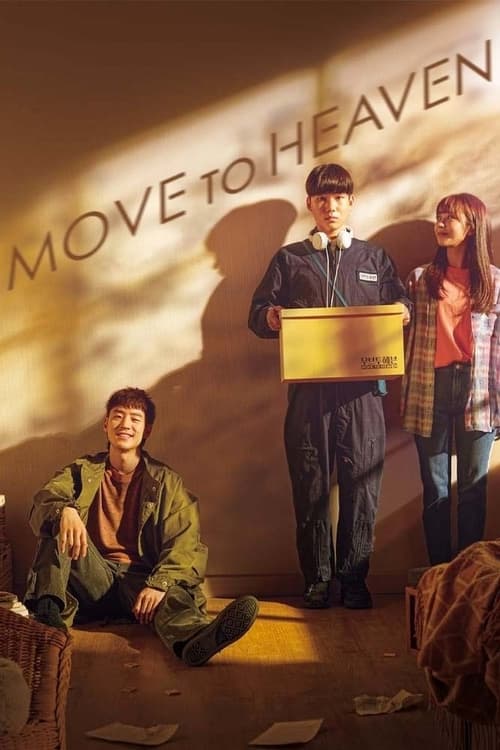
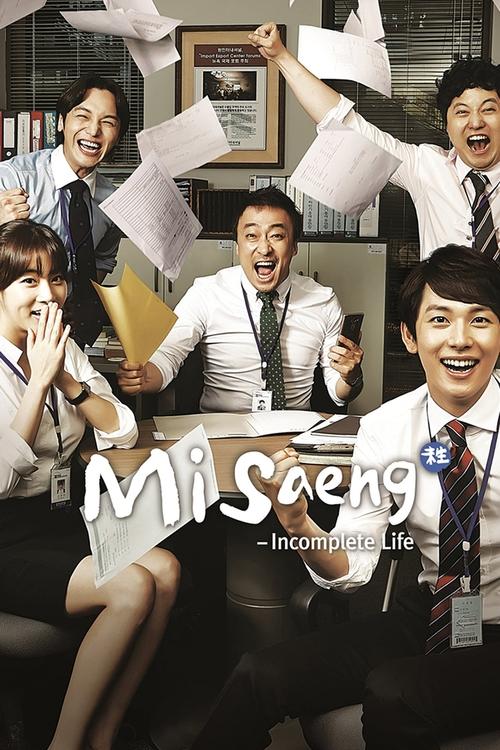

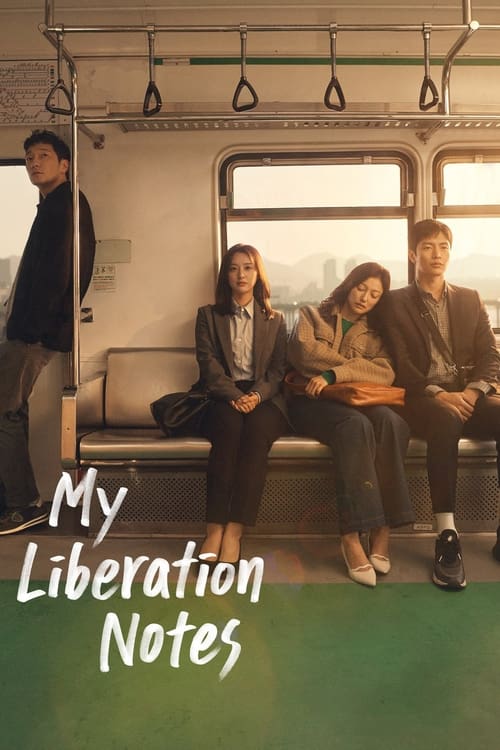

Signal is the best crime drama Korea has produced, and it is not particularly close
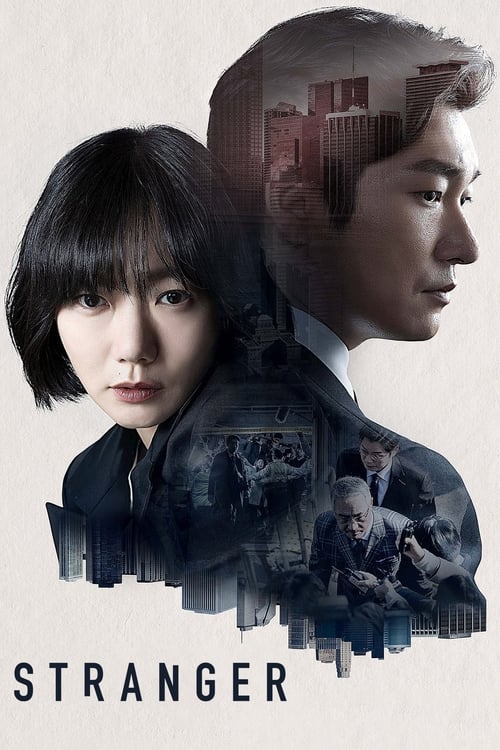
Signal (2016) uses a supernatural radio that lets a present-day detective speak to a detective from the 1980s to do something very specific: dramatize how cold cases go cold because of institutional cowardice, class bias, and the slow corruption of memory. Every episode tightens its grip. The finale is genuinely agonizing. It does what only the best serial television can do, which is make you care about structural injustice through the fate of three particular people. Stranger is the more critically celebrated crime series and it is excellent, but Signal hits harder.
Korean Cinema: A Rough Chronology
- 1960The Housemaid released, a landmark of Korean horror and class anxiety The Housemaid
- 1987June Uprising ends military rule; cultural censorship begins loosening
- 1996Korean Film Commission founded; chaebol investment begins flowing into production
- 1999Shiri becomes the first Korean blockbuster, outselling Titanic domestically Shiri
- 2000Joint Security Area and Peppermint Candy cement Park Chan-wook and Lee Chang-dong as world-class directors Joint Security Area
- 2003Oldboy wins the Grand Prix at Cannes, the international breakthrough moment Oldboy
- 2003Memories of Murder and A Tale of Two Sisters solidify the Korean New Wave Memories of Murder
- 2006The Host redefines what a genre film can say about government failure The Host
- 2012Pieta wins Venice Golden Lion; global arthouse recognition widens Pieta
- 2019Parasite wins the Palme d'Or, then four Oscars including Best Picture Parasite
- 2021Squid Game becomes Netflix's most-watched series in history, reframing K-drama globally Squid Game
Park Chan-wook and the Vengeance School
Directors who turned rage and grief into formal systems

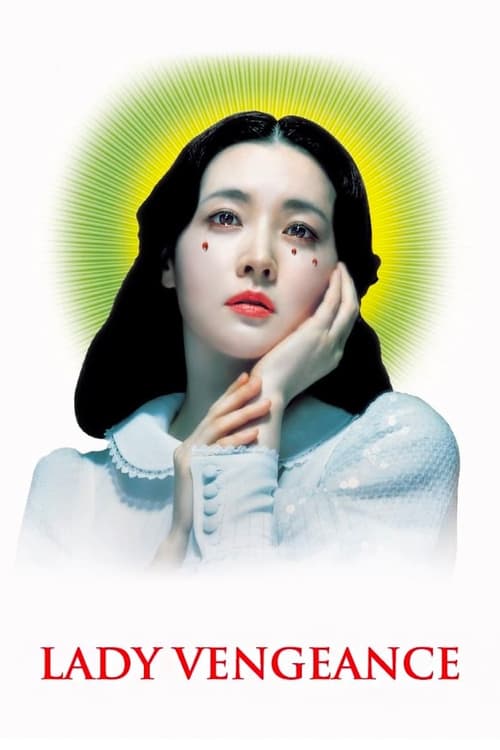
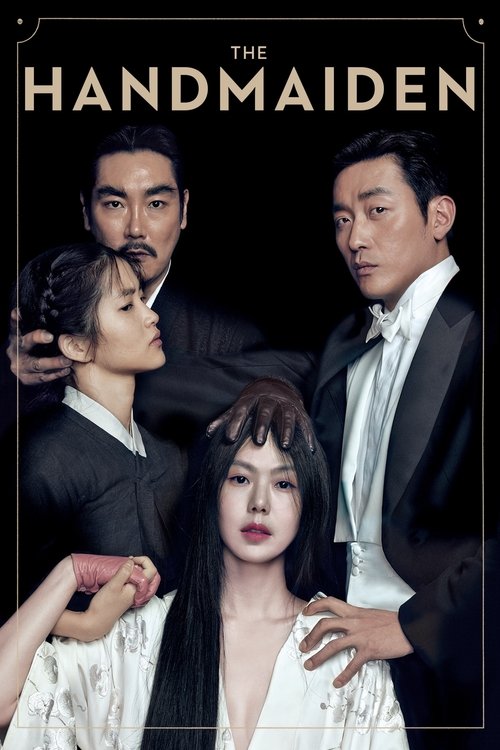
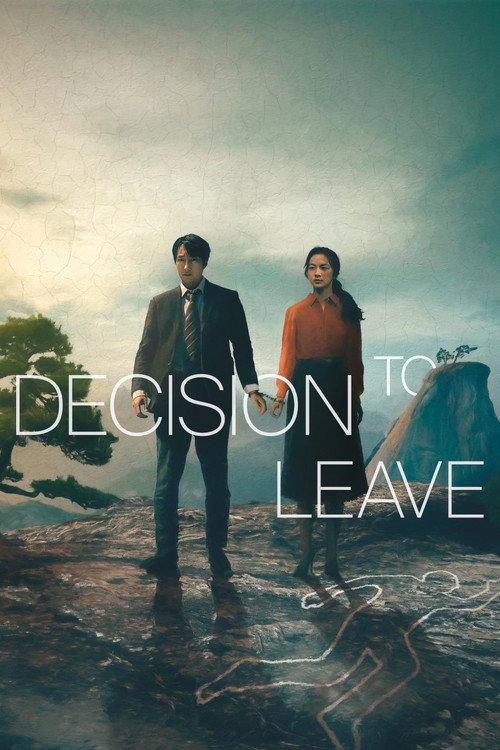
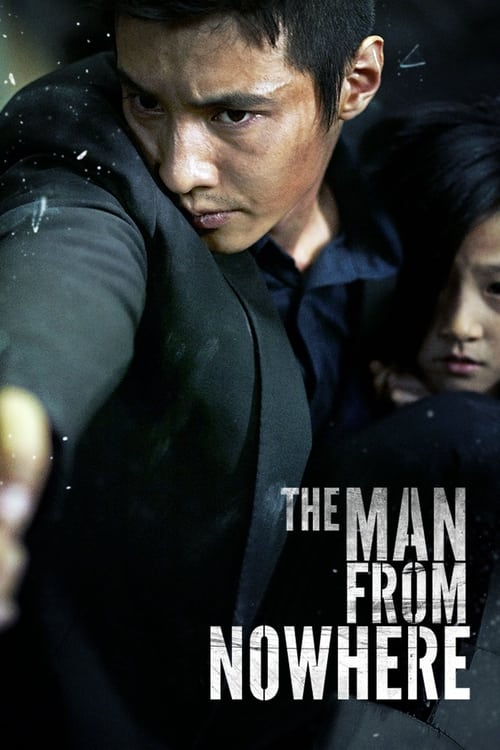
The Handmaiden is where Park Chan-wook becomes something else entirely
The Vengeance Trilogy is the obvious entry point into Park Chan-wook, but The Handmaiden (2016) is the film where his obsessions with power, manipulation, and desire finally cohere into something beautiful rather than just brutal. Set in Japanese-occupied Korea, it is a confidence trick structured as three acts that each expose the previous act as incomplete. The production design alone earns its reputation, but what lingers is the insistence on female agency inside an environment designed entirely around its violation. This is the film you show people who think Korean cinema is only about punishment.
Korean Horror and Supernatural Cinema
A tradition that runs from family curse to societal dread
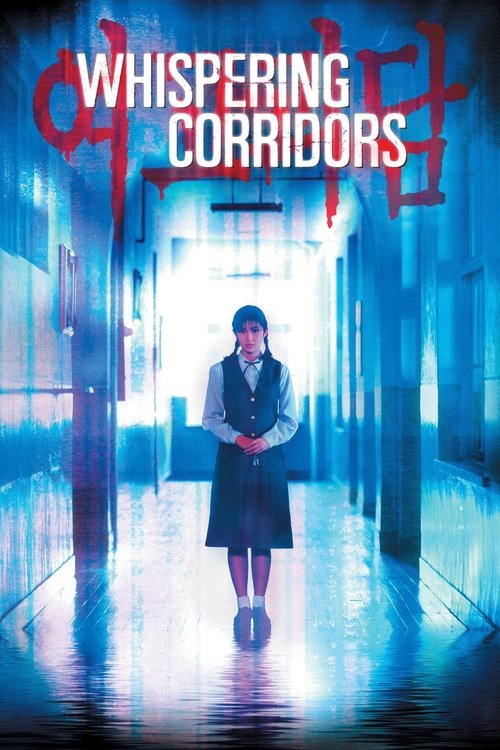
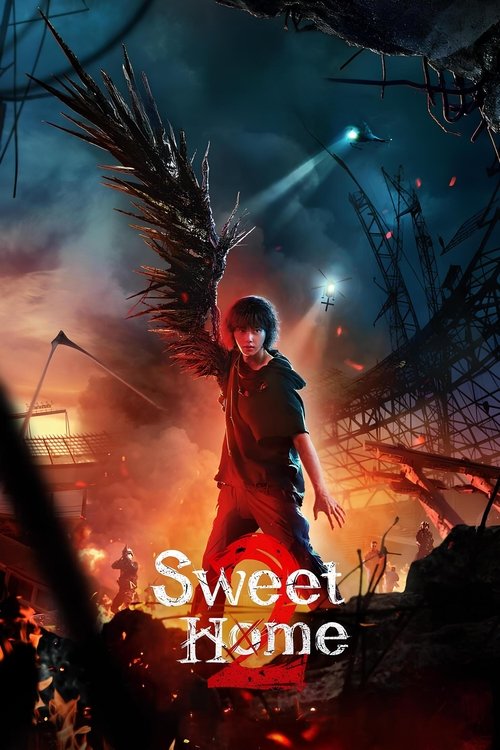
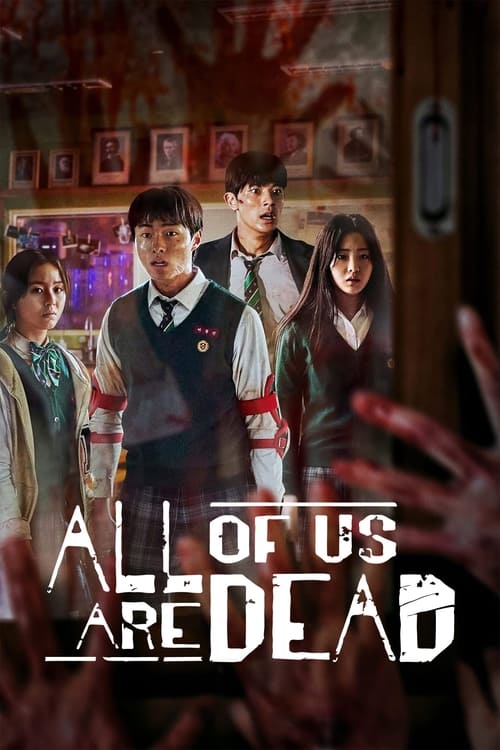
Korean cinema is not dark because Koreans are pessimistic. It is dark because they have earned their pessimism historically, and they refuse to launder it.A working theory
Korean Games
From the PC bang to the global stage
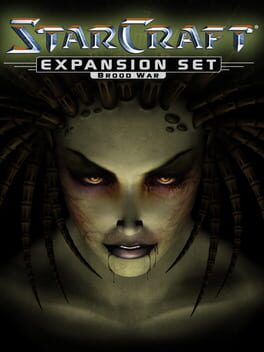
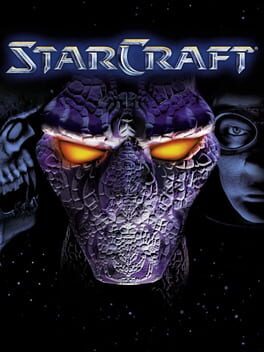



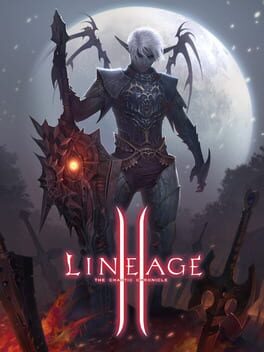
Korea's Game Culture Is Not an Accessory to Its Film Culture
The same country that produced Parasite also produced the professional StarCraft leagues that ran on prime-time television before esports was a recognized word anywhere else. PC bangs (internet gaming cafes) became the social infrastructure of a generation in the late 1990s and 2000s, and the titles that defined them (StarCraft, Lineage, Dungeon Fighter Online) created a playing culture of genuinely extreme intensity. PlayerUnknown's Battlegrounds, built by a Korean studio, invented the battle royale genre that now dominates global gaming. Dungeon Fighter Online has a registered player base larger than most nations. This is not a gaming footnote; it is a gaming superpower whose output does not get covered in Western games press with the seriousness it deserves.
Bong Joon-ho: The Complete Works
A filmography without a weak entry
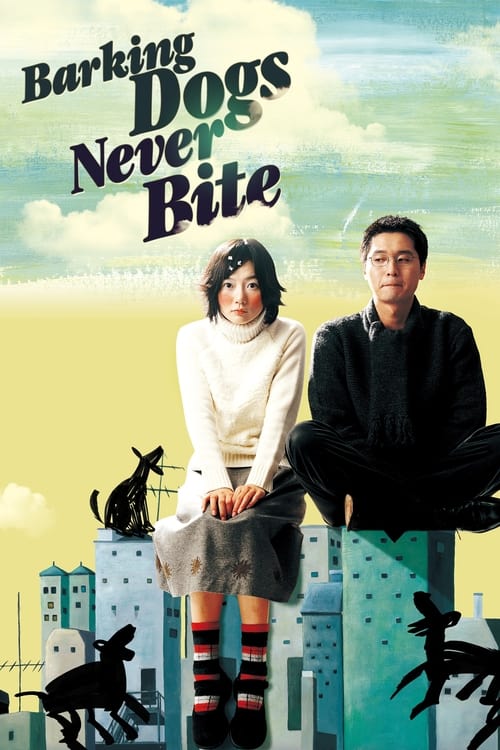
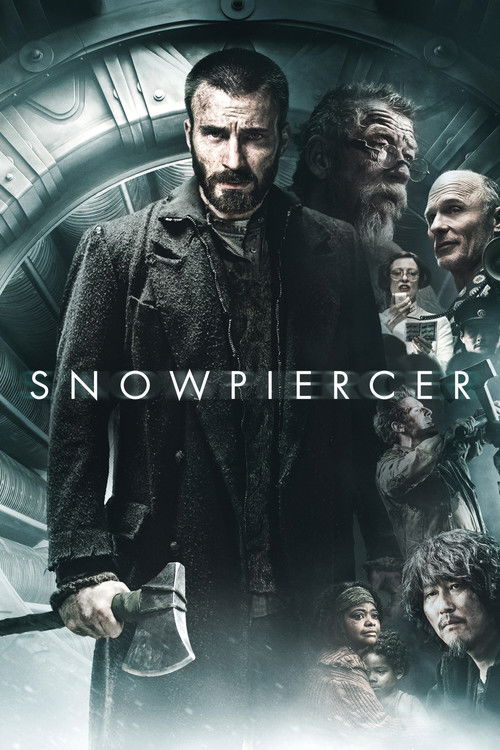
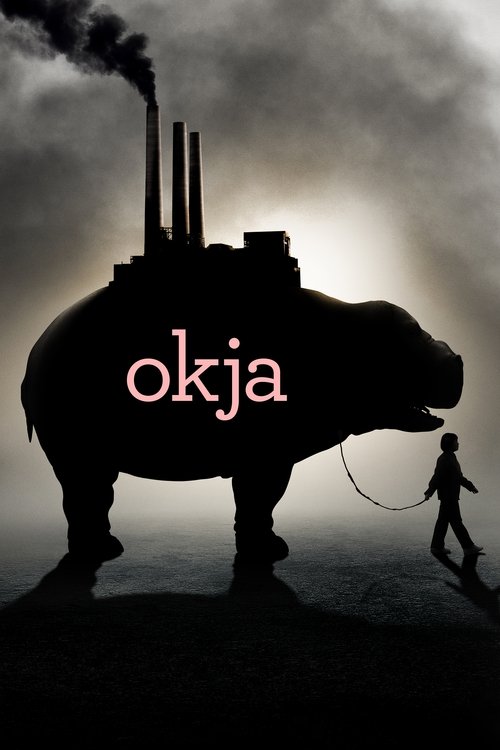
Mother (2009) is Bong Joon-ho's best film and the least seen
Parasite wins every argument about Bong because it is immaculate and it won the Oscars, and that is fair. But Mother is the film where Bong is operating at maximum compression: a murder mystery, a portrait of obsessive maternal love, and a forensic examination of how the Korean justice system disposes of people without resources, all running simultaneously in 128 minutes. Kim Hye-ja's performance is the most controlled piece of acting in the entire Korean New Wave. The ending belongs in a different film, and yet it is the only possible ending. Memories of Murder is the crowd favorite among the deep cuts; Mother is the one you do not recover from.
Hallyu: The Wave That Changed Television
K-dramas that built the global audience before Squid Game arrived

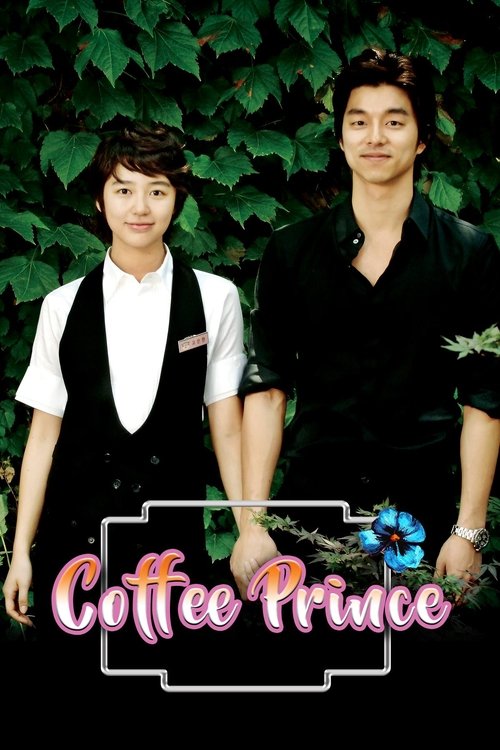
What K-Drama Actually Figured Out
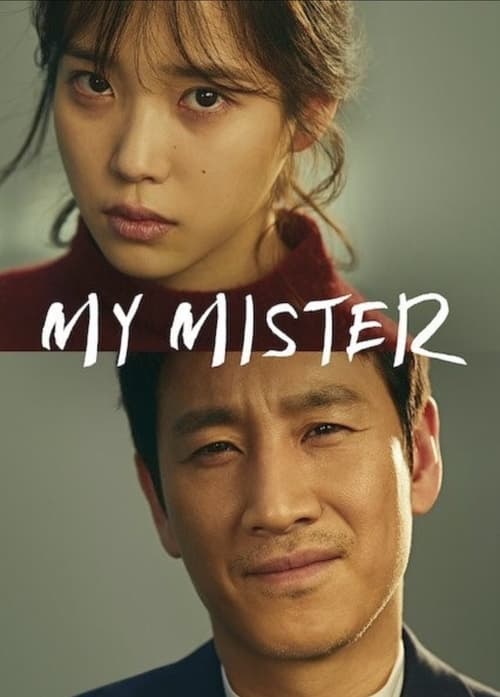
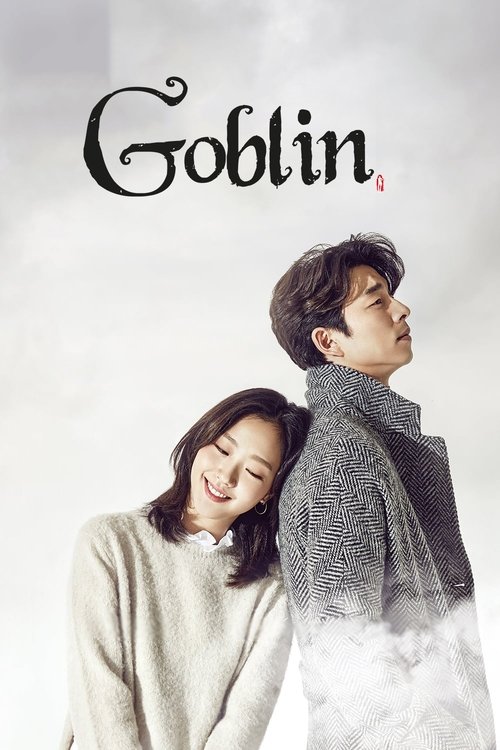
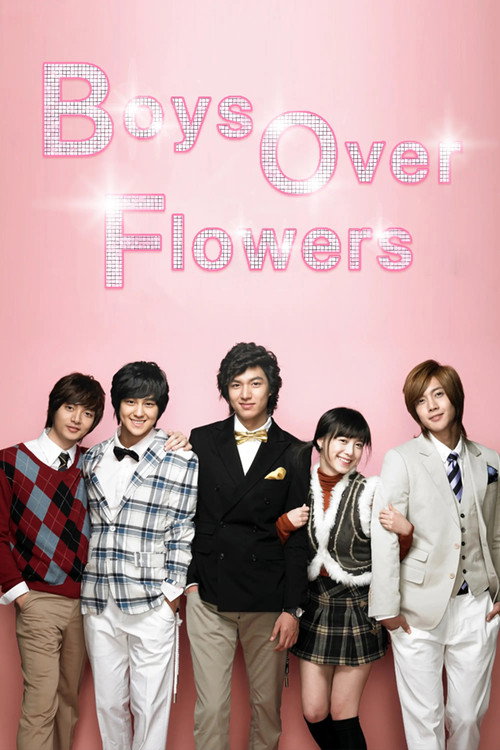
The structural genius of the long-running Korean melodrama is the episode count: sixteen to twenty hours, almost exactly the length of a long novel, long enough to do real character development, short enough to sustain a single story. The jaebeol romance (poor girl, rich boy, family opposition) is the genre's dominant formula, and it is easy to condescend to. But the best of these series (Coffee Prince, My Mister, Secret Love Affair) use the formula the way genre fiction always works at its best: as scaffolding for something the formula alone could not carry. My Mister is ostensibly a workplace drama about a middle-aged engineer and a young woman in debt; it is actually a study in how men and women understand solitude differently. The melodrama trappings are the delivery mechanism, not the content.
Han Kang and the Literary World That Runs Alongside the Films
Korean literature has its own argument with Korean history, and the 2024 Nobel Prize for Han Kang was, among other things, a global acknowledgment of how serious that argument has been. Human Acts (2014) confronts the Gwangju Massacre of 1980 with the same unflinching directness that Lee Chang-dong brings to the same period in Peppermint Candy. The Vegetarian is a body-horror novel that works on the same frequency as Park Chan-wook films: psychological pressure so sustained it becomes physical. Reading Korean literature and watching Korean cinema in parallel is not supplementary; the two traditions are in genuine conversation, and both make the other more legible.
The K-Drama Global Moment
- 2002Winter Sonata triggers mass Hallyu fandom across Japan and China Winter Sonata
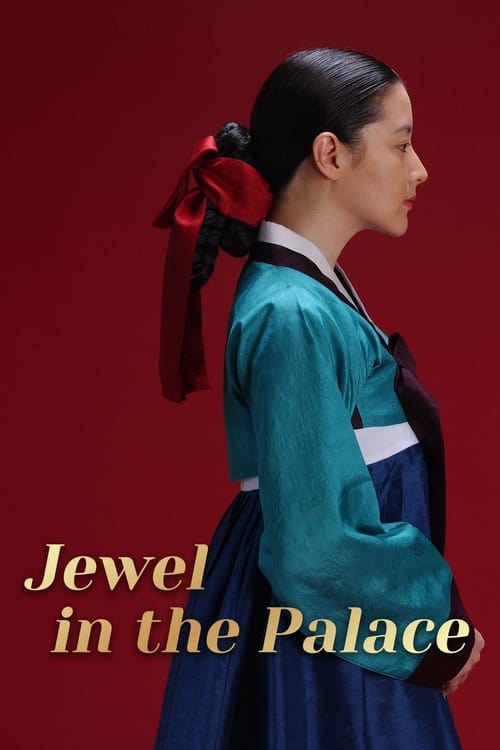
- 2003Jewel in the Palace becomes a pan-Asian phenomenon, sold to 91 countries Jewel in the Palace
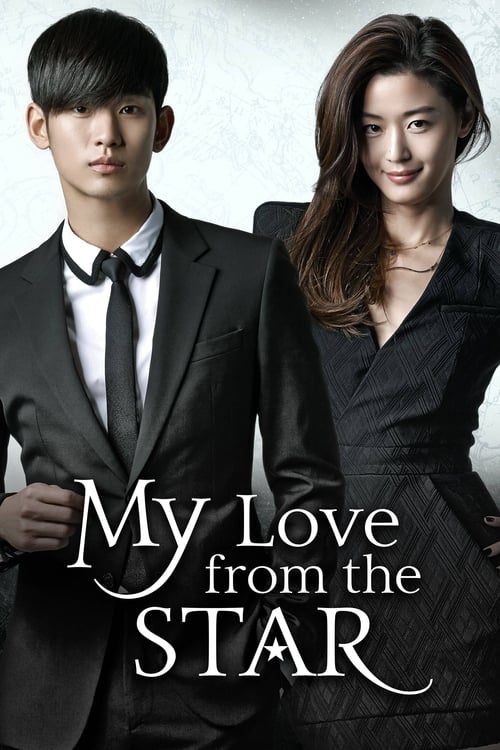
- 2013My Love from the Star watched by hundreds of millions of viewers in China My Love from the Star
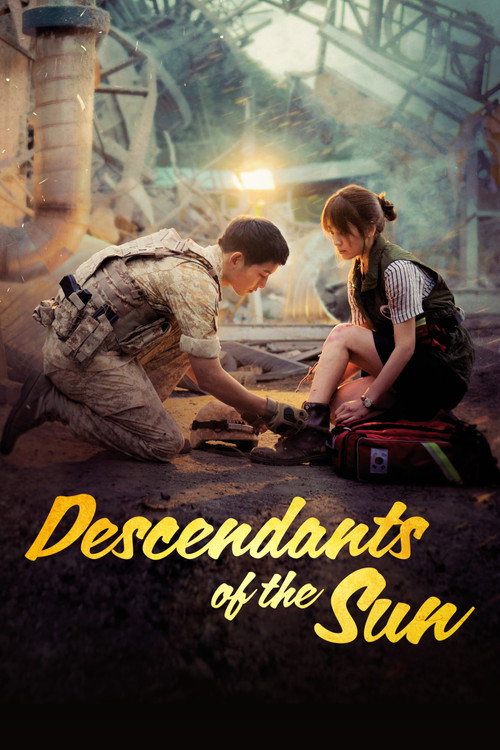
- 2016Descendants of the Sun is the first K-drama simultaneously broadcast in Korea and China Descendants of the Sun
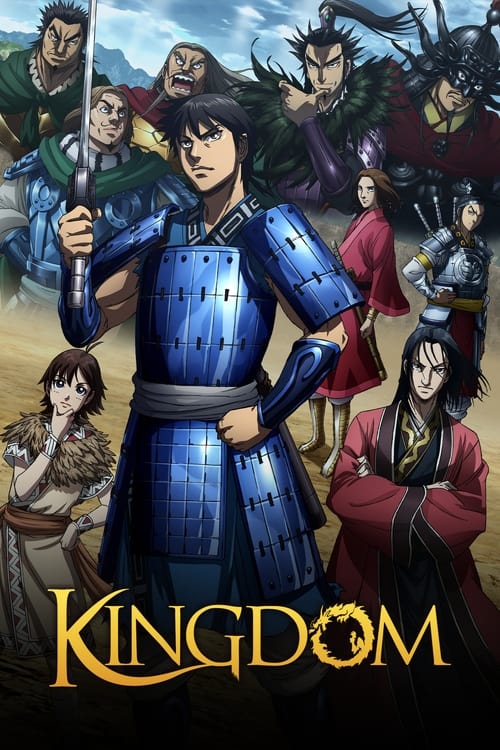
- 2019Kingdom premieres on Netflix, first Korean original for the platform Kingdom
- 2021Squid Game becomes Netflix's most-watched series ever: 111 million households in 28 days Squid Game
- 2023The Glory and Moving demonstrate the breadth of post-Squid Game Korean production The Glory
- 2024Squid Game Season 2 sets new records; Korean content accounts for a significant share of global streaming hours Squid Game
Crime, Thriller, Neo-Noir
Korea's genre cinema at its hardest-edged
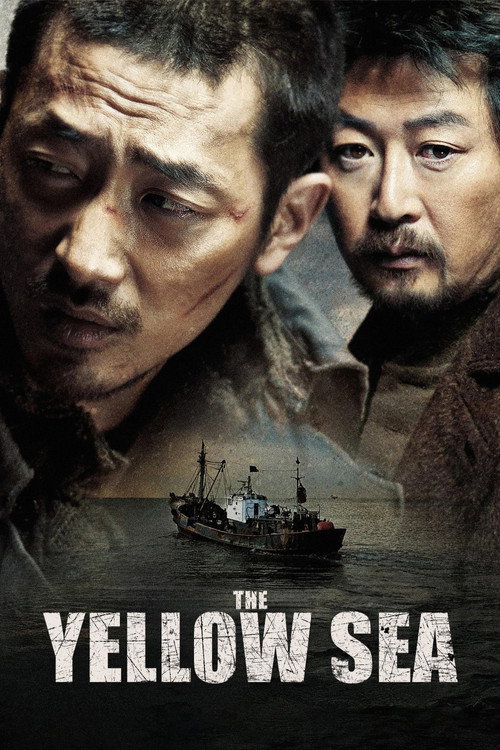
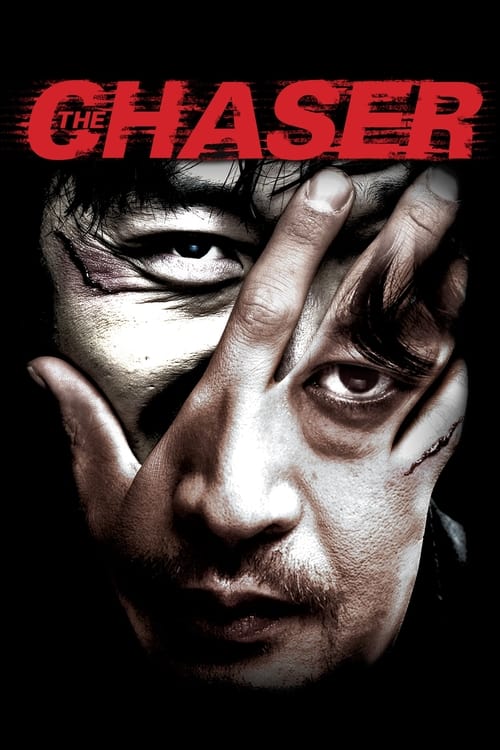
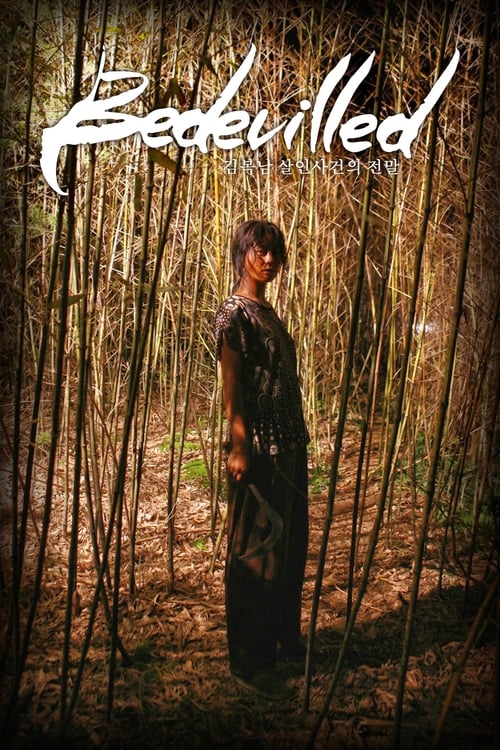
The Korean New Wave asked: what does a society do with violence it cannot acknowledge? Then it made forty films answering that question from different angles.Recurring observation among film critics
Wider and Deeper: Titles for the Committed Viewer
Beyond the obvious canon, the films and shows that reward the extra effort


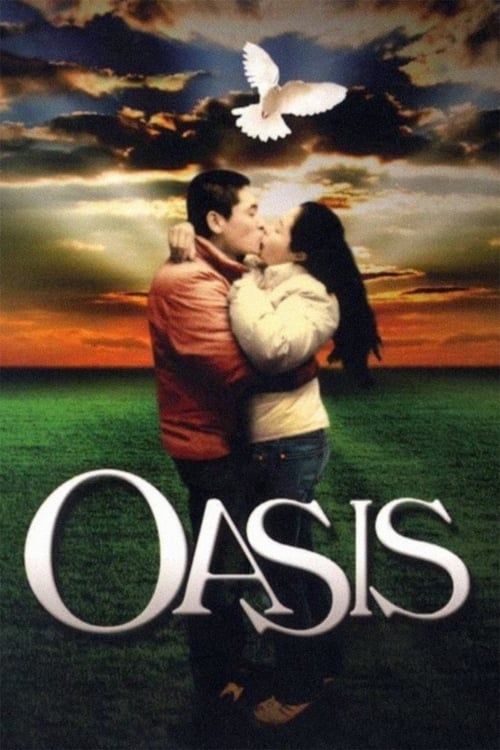
Notable Korean Books
The most-notable books written in Korean, from the catalog
 Poor Love Machine
 East goes West
 Flowers of a Moment
 Azaleas
 Seven Years of Darkness
 The Plotters
 The Accusation
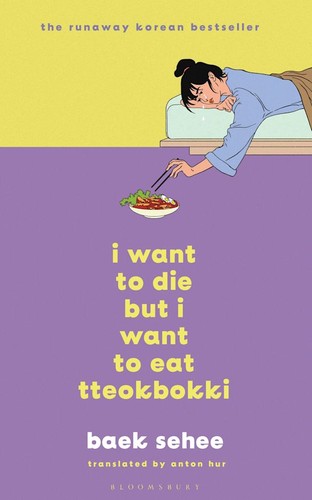 I Want to Die but I Want to Eat Tteokbokki
 Who Ate up All the Shinga?
 The Color of Earth
 InterviewsThe book of repulsive women
 Borderlands of China and Korea
 Tan hana ŭi munjang
 Nanjangi ka ssoa ollin chagŭn kong
 The Prisoner