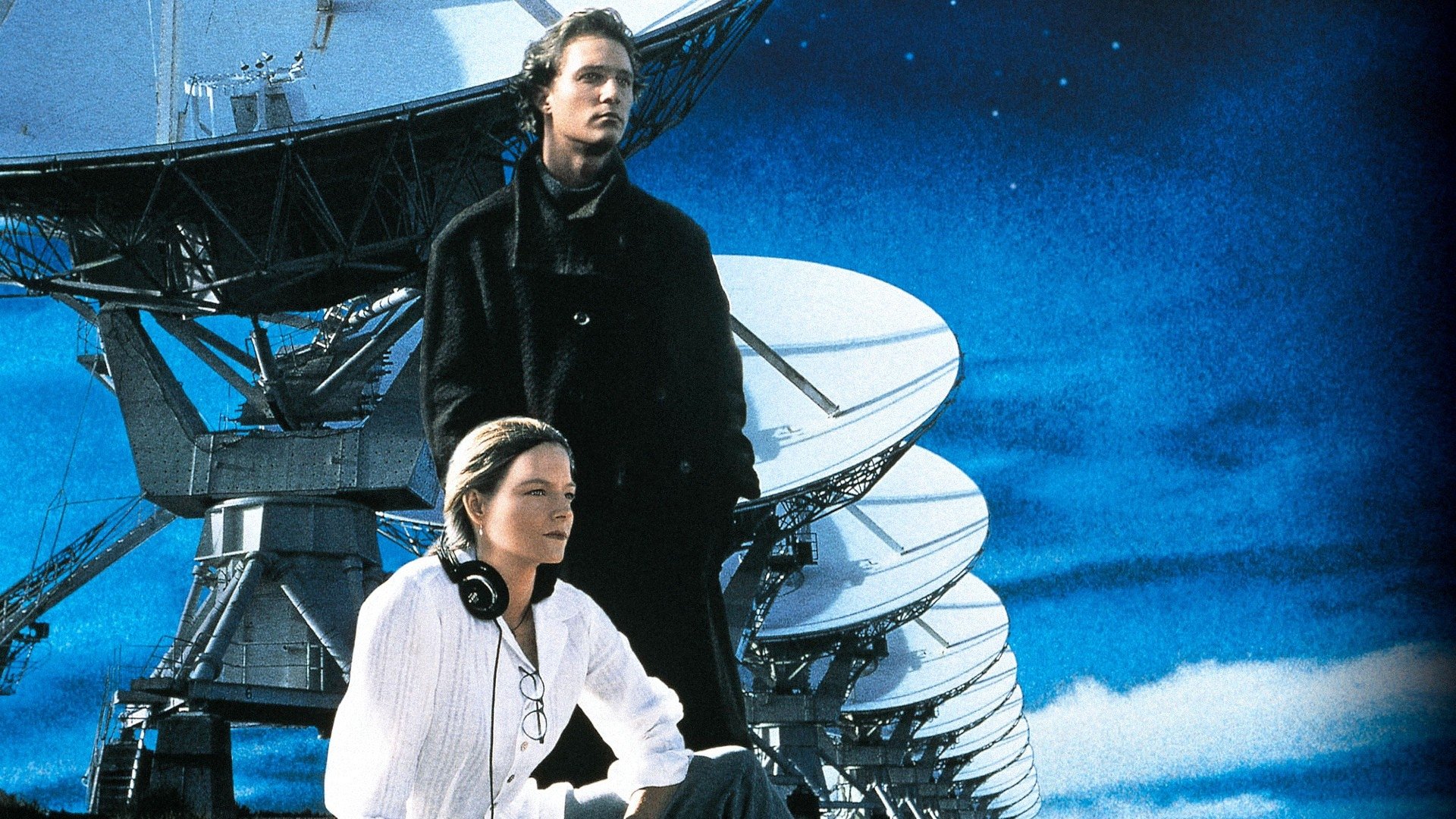

Carl Sagan was the rare scientist who could make you feel the universe personally. Whether he was explaining the origins of starlight, dismantling pseudoscience with a scalpel, or imagining first contact with alien intelligence, his prose and his voice carried the same message: we are small, and that smallness is the most thrilling thing imaginable. The through-line fans love is not trivia about astronomy but a feeling -- a spine-tingling reminder that the cosmos is knowable, that reason is a tool of liberation, and that wonder is not the enemy of rigour. Everything here shares that feeling.
Essential Carl Sagan
His own key works -- the books that define the canon


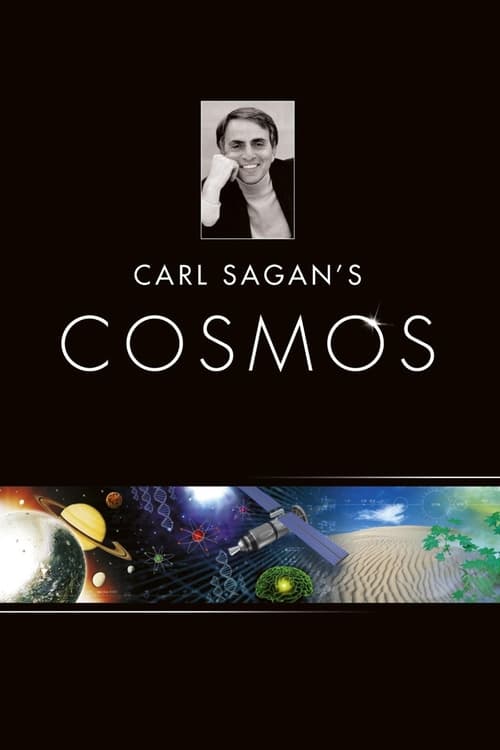
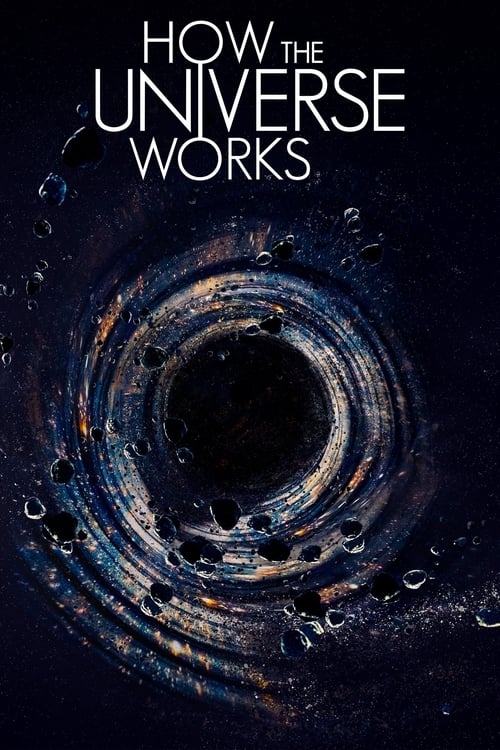
If You Love Cosmos -- the Series That Carry the Torch
Awe-and-wonder science documentary series with the same cosmic scope
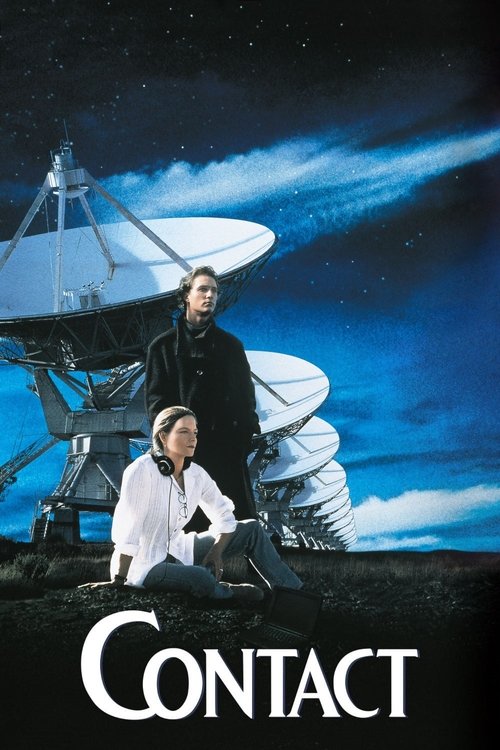
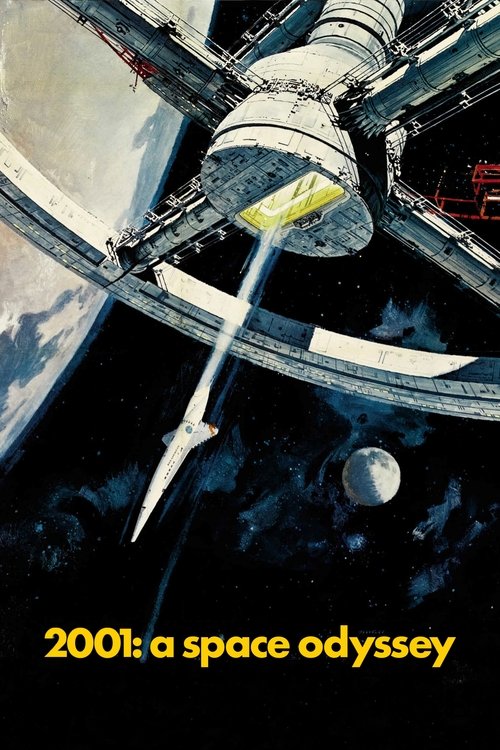
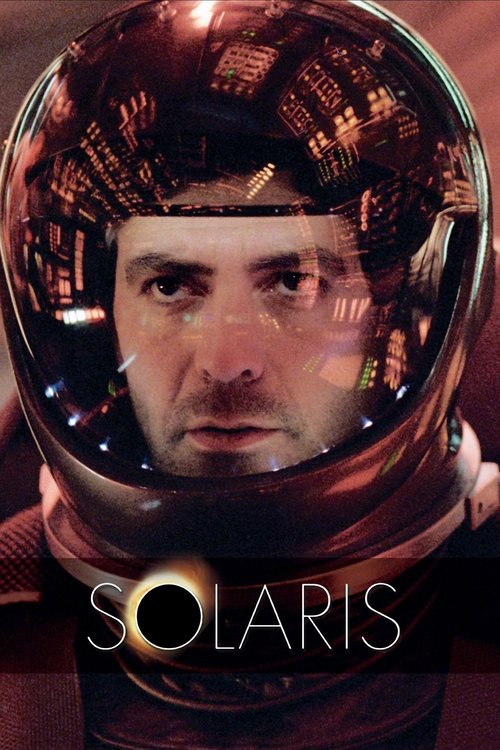
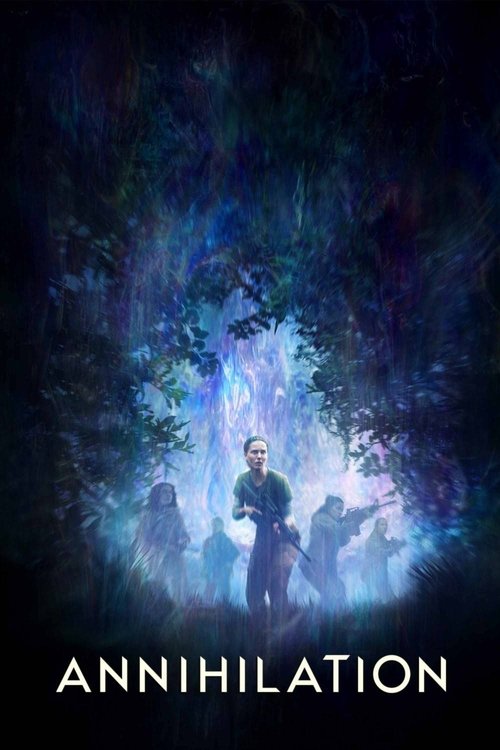
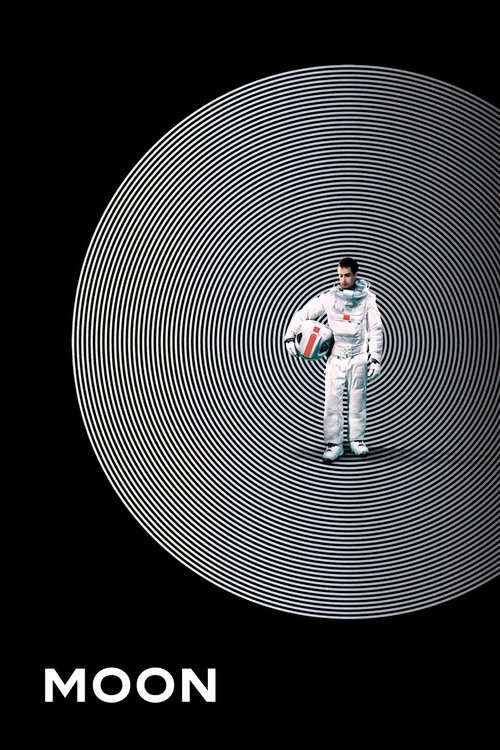
If You Love Contact -- cerebral first-contact and hard sci-fi films
Films that treat intelligence, isolation, and the unknown with the same seriousness

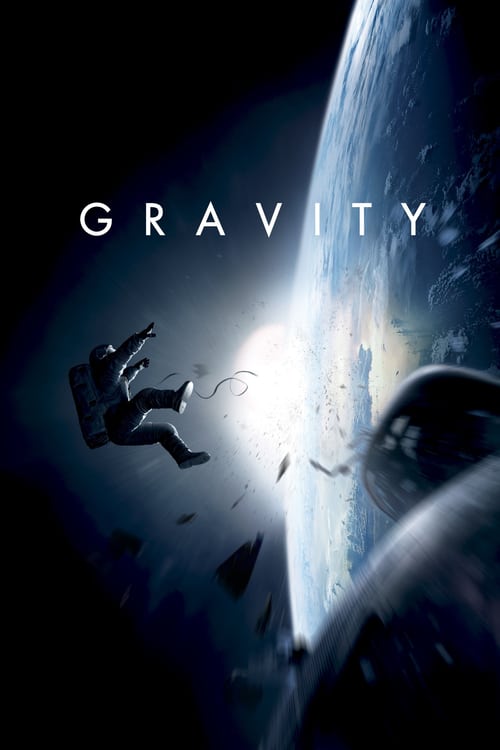
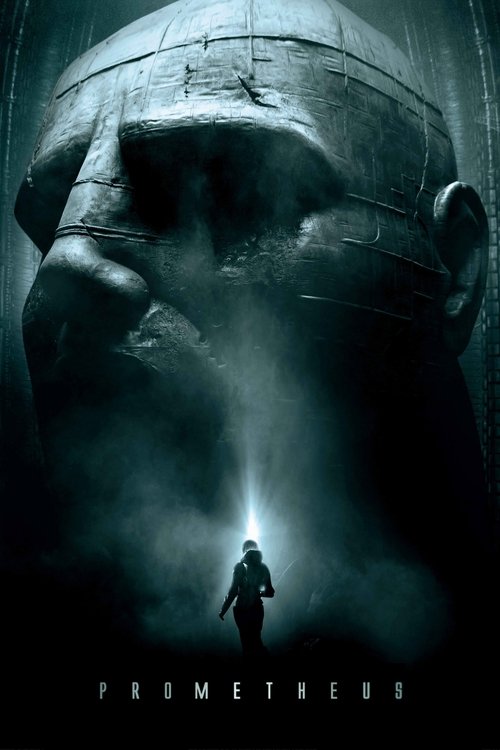
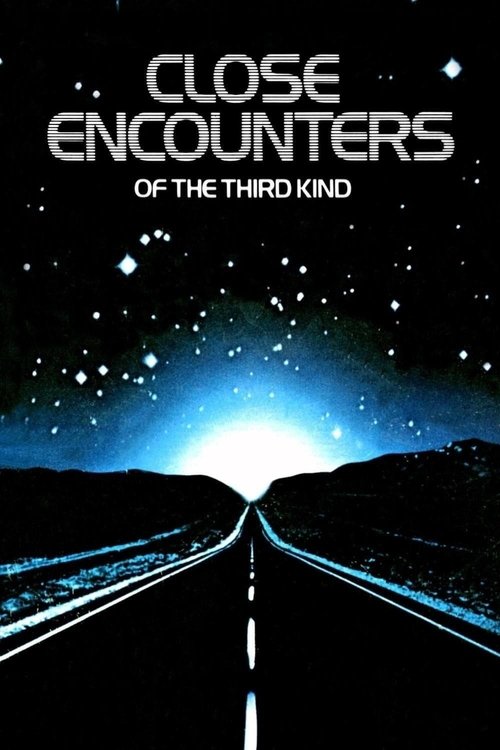
Hard Sci-Fi That Earns Its Science
Novels where the physics and biology matter as much as the story -- Sagan-approved territory



Games That Capture Cosmic Scale and Curiosity
Games where exploring the unknown or thinking rigorously is the point
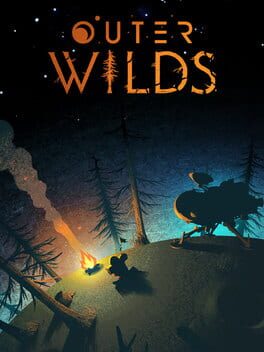

Outer Wilds Is the Cosmos Series in Game Form
Outer Wilds does something almost no game attempts: it makes you feel genuinely, cosmically small -- and then makes that feeling joyful rather than nihilistic. The loop of discovery, the patient piecing together of a dead civilisation's story, the quiet solitude of floating between planets -- it is Sagan's argument for curiosity as a way of life, rendered interactive. The ending lands like a Pale Blue Dot passage.
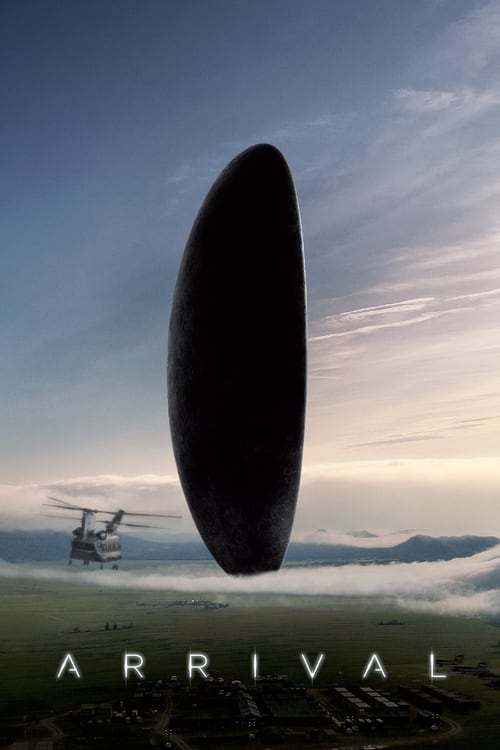
Arrival Is What Contact Would Look Like Made Today
Where Contact asks whether a signal from the sky changes everything we are, Arrival asks what it means to communicate across an unbridgeable gap. Both films treat first contact not as spectacle but as a philosophical problem. Denis Villeneuve's film is slower and stranger; it earns every frame. Together the two make a double feature that Sagan would have loved.
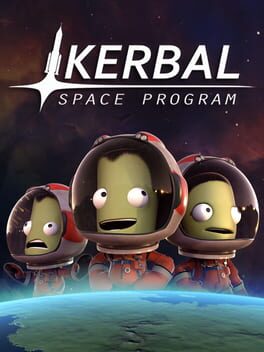
Kerbal Space Program Is Orbital Mechanics as Empathy
Sagan spent decades explaining why the mathematics of planetary motion matters for ordinary humans. Kerbal Space Program makes you live it: the first time your orbit circularises and you understand in your hands why Hohmann transfers work, you have learned something real. It is one of the few games that teaches physics by letting you fail at it repeatedly, which is exactly how science works.
Carl Sagan: A Life in Wonder
- 1966Intelligent Life in the Universe co-authored with Iosif Shklovsky -- an early serious treatment of the possibility of extraterrestrial civilisations.
- 1973The Cosmic Connection published -- his first popular science book for a mass audience.
- 1977The Dragons of Eden wins the Pulitzer Prize for General Nonfiction.
- 1980Cosmos: A Personal Voyage airs on PBS -- the most widely watched public television series in American history at the time. Cosmos: A Personal Voyage
- 1985Contact published -- his only novel, later adapted into the 1997 film. Contact High
- 1994Pale Blue Dot published, inspired by the famous 1990 Voyager 1 photograph.
- 1995The Demon-Haunted World: Science as a Candle in the Dark -- his defence of sceptical thinking.
- 1997Contact adapted as a film starring Jodie Foster and directed by Robert Zemeckis. Contact
- 2014Cosmos: A Spacetime Odyssey -- Neil deGrasse Tyson continues Sagan's series for a new generation.
Keep looking up at the cosmos
For Fans of Hard Science Fiction
Explore the For Fans of Hard Science Fiction guide →The cosmos is all that is or was or ever will be. Our feeblest contemplations of the cosmos stir us -- there is a tingling in the spine, a catch in the voice, a faint sensation as if a distant memory, of falling from a great height.Carl Sagan, Cosmos (1980)