
Hard science fiction starts with a single promise: nothing in these pages breaks a law of physics without a fight. The pleasure is not just wonder but rigor. You feel the cold math of an orbital transfer, the slow dread of a closed ecosystem failing, the specific weight of a generation ship's social contract fraying at the seams. What fans of the genre chase is the sensation of a problem being solved correctly, inside a universe that does not bend the rules for anyone. That feeling runs across every medium: a novel can do it in silence, a film can burn it onto the retina in ninety minutes, a game can hand the controls to you and let you fail at it personally.
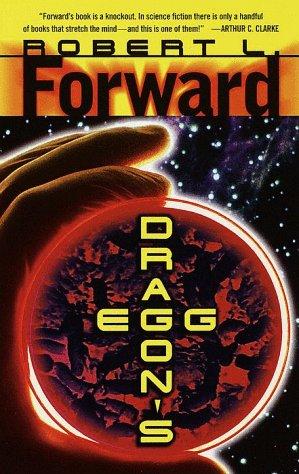
Essential Hard SF: The Novels
The books that set the standard for scientific rigour and sheer ambition




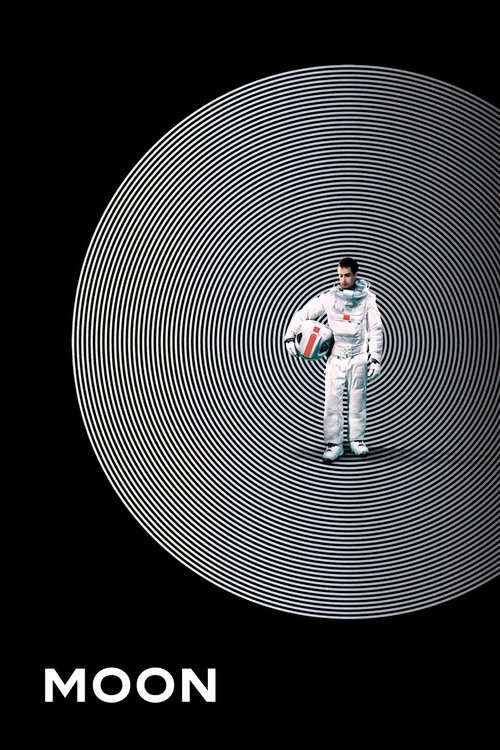
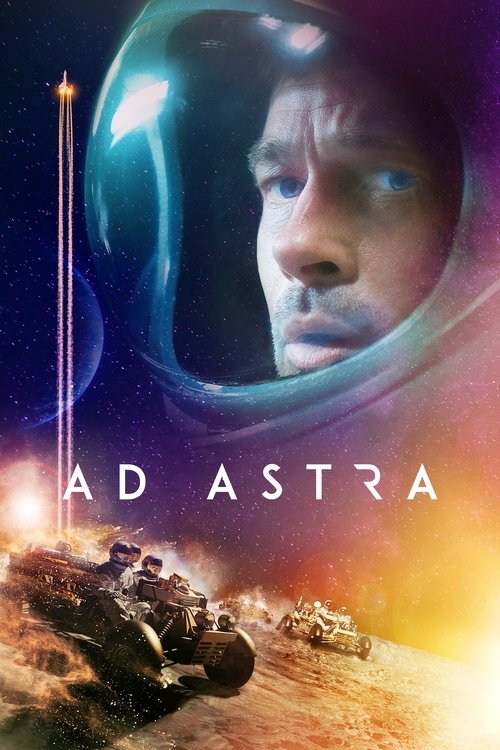
Films That Did the Math
Screen science fiction that consulted the equations before picking up a camera


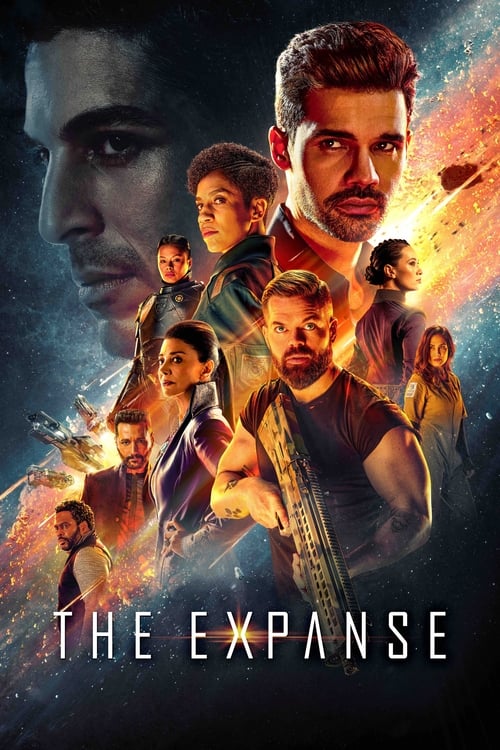
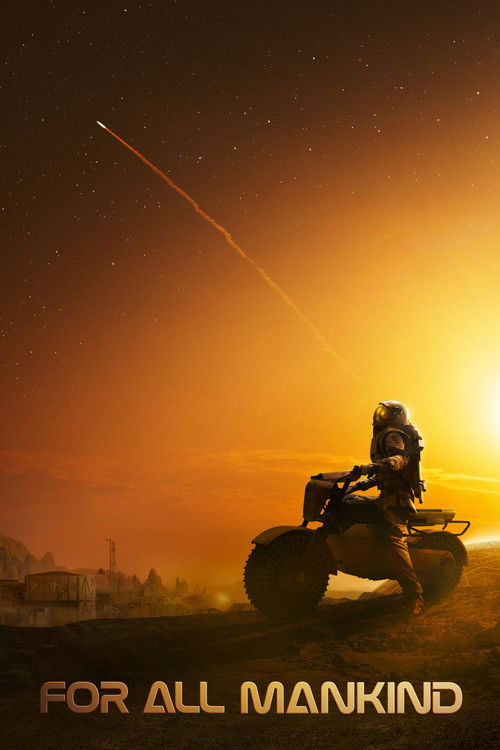
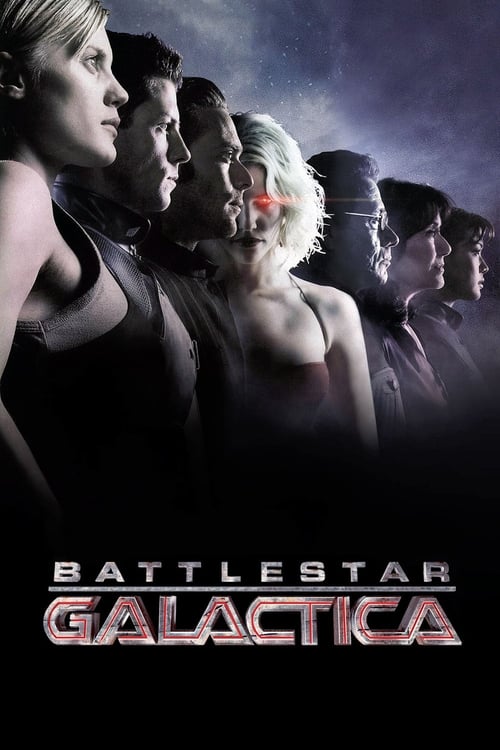
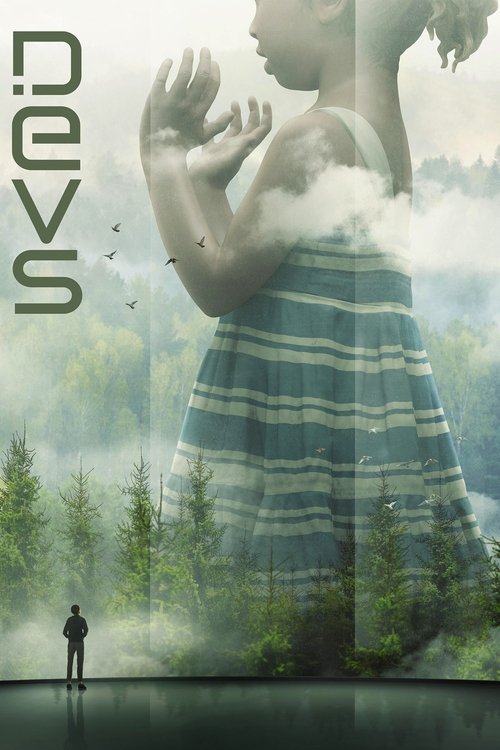
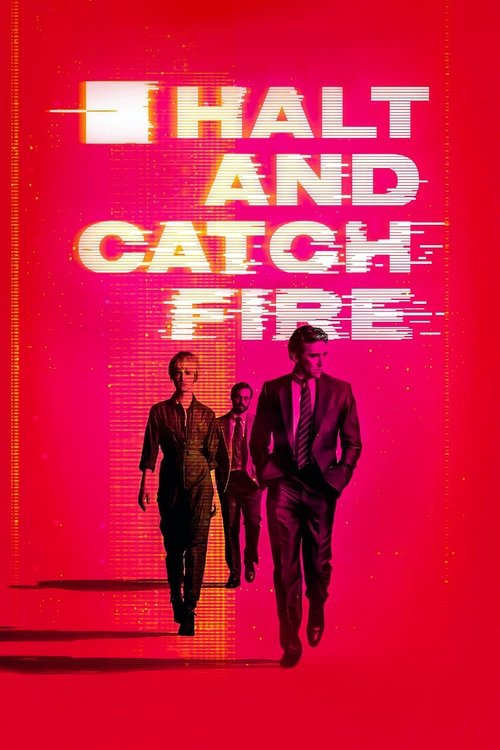
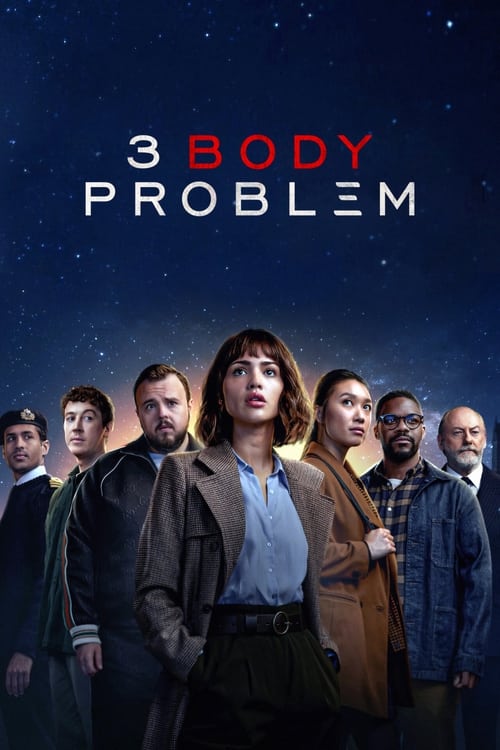
Television That Keeps Its Science Honest
Series willing to slow down and let the physics breathe

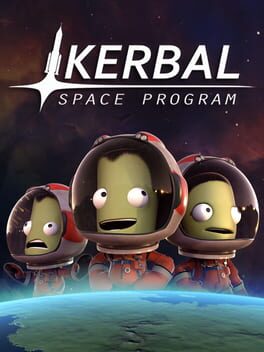
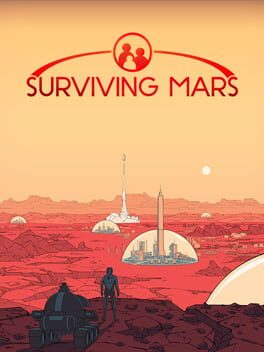
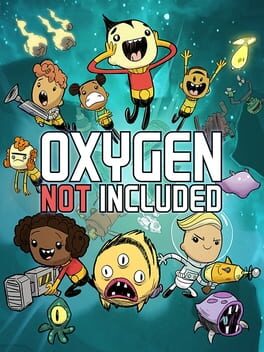
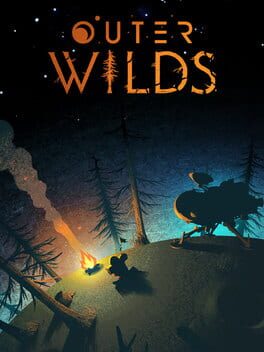
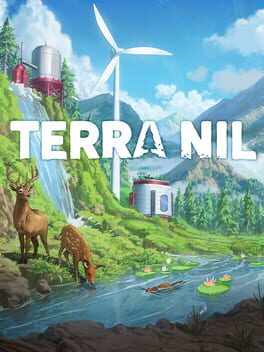
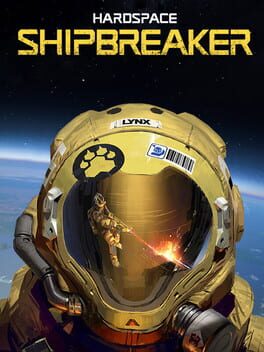
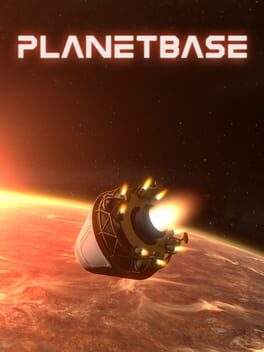
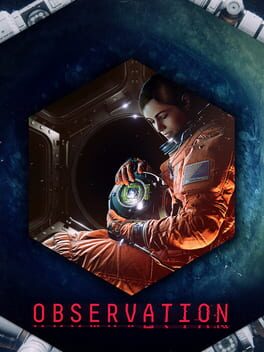
Games That Put You Inside the Simulation
Play spaces where orbital mechanics, resource constraints, and biology fight back

Scores and Soundscapes for the Long Haul
Music built for the vast quiet between stars
The Constraint Is the Story
Soft SF asks: what if? Hard SF asks: given these specific constraints, what happens next? The limitation is not a handicap on imagination. It is the source of every genuine plot event in the genre. Andy Weir's trapped botanist on Mars has to solve each problem sequentially, and each solution creates the next problem, because potatoes and rocket fuel and soil chemistry all follow the same rules they follow on Earth. That chain of necessity is what produces real suspense. Guessing becomes possible, and being right feels like something.
First Contact Done Seriously
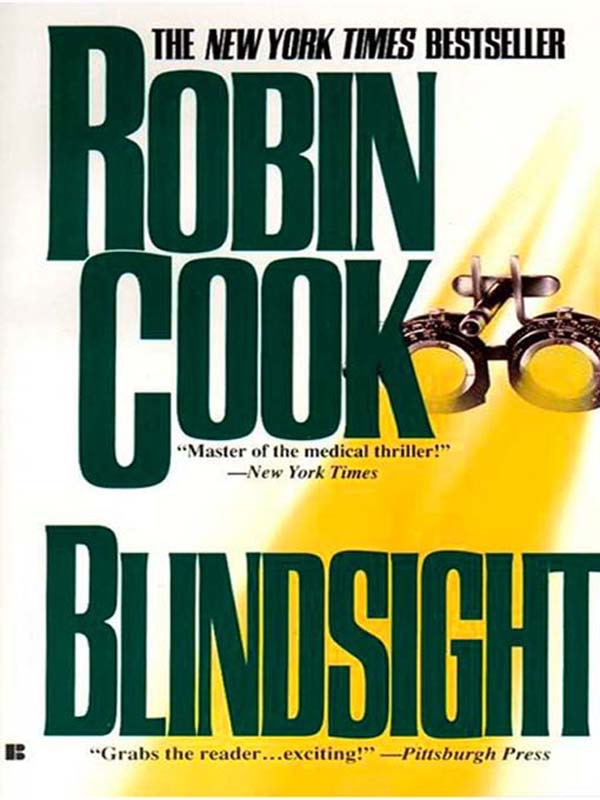
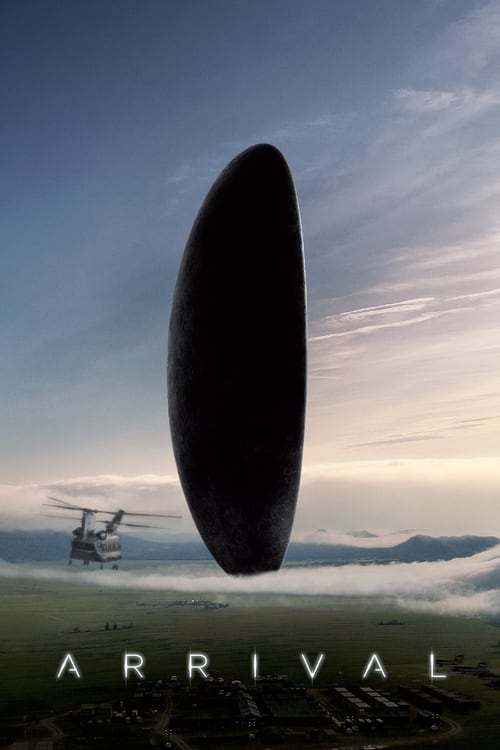
Most first-contact stories are really stories about humans wearing alien costumes. The hard SF tradition insists on genuine otherness: communication barriers rooted in incompatible sensory apparatuses, motivations that do not map onto human desire, biology that makes culture radically unpredictable. Ted Chiang's 'Story of Your Life' (the source for 'Arrival') and Peter Watts's 'Blindsight' each attack the problem from a different direction and arrive at conclusions that genuinely unsettle the assumption that contact would be legible.
Space Is Not a Backdrop
The Expanse series earns its reputation not through space battles but through plumbing: water recycling, air processors, the Epstein drive's fuel constraints, the specific political economy that arises when humans live in microgravity for generations. James S.A. Corey and the television adaptation treat space as an environment with physical consequences, not a painted canvas for adventure. Bones thin. Inners and Belters literally have different skeletons. The politics follow from the biology.
When the AI Is Allowed to Be Alien
Hard SF has produced some of the least anthropomorphized artificial intelligences in fiction precisely because the genre refuses the shortcut of giving machines human psychology by default. HAL 9000 follows his programming to a logical conclusion that is monstrous only from the crew's perspective. The AI in Greg Egan's work operates according to architectures that do not translate to intuition. Getting the intelligence right, rather than making it sympathetic, produces characters that are genuinely uncanny.
Hard SF: A Rough Map of the Genre
- 1966Tau Zero published, Poul Anderson's relativistic runaway still stands as one of the most rigorous treatments of time dilation in fiction Zero
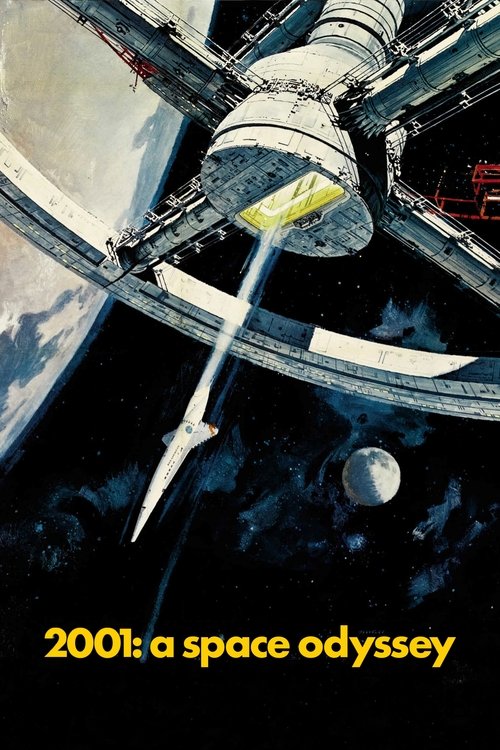
- 1968Kubrick and Clarke's film sets the visual grammar of serious space cinema 2001: A Space Odyssey
- 1972Rendezvous with Rama: Arthur C. Clarke's first-contact deduction, all observation and no easy answers Rendezvous with Rama
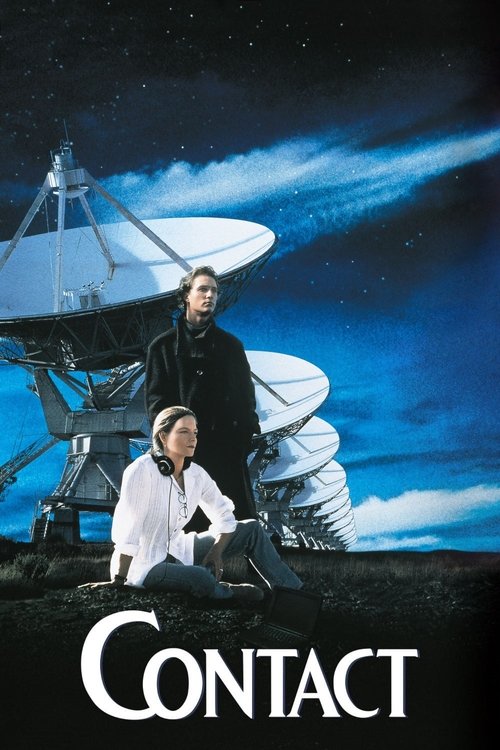
- 1985Contact: Carl Sagan brings the scientist's method to interstellar communication as a plot engine Contact High
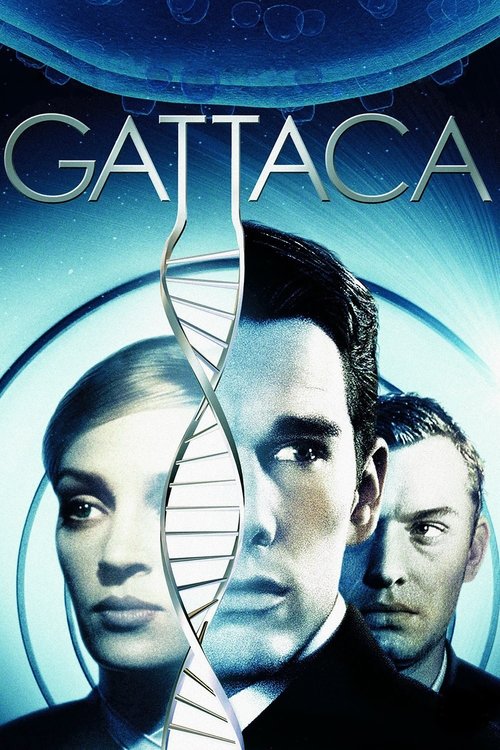
- 1997Gattaca imagines genomic inequality with a precision that has only grown more relevant Gattaca
- 2006Blindsight proposes consciousness itself may not be adaptive, the hardest premise in the genre Blindsight
- 2011The Expanse series begins, building the most physically consistent solar system in popular fiction
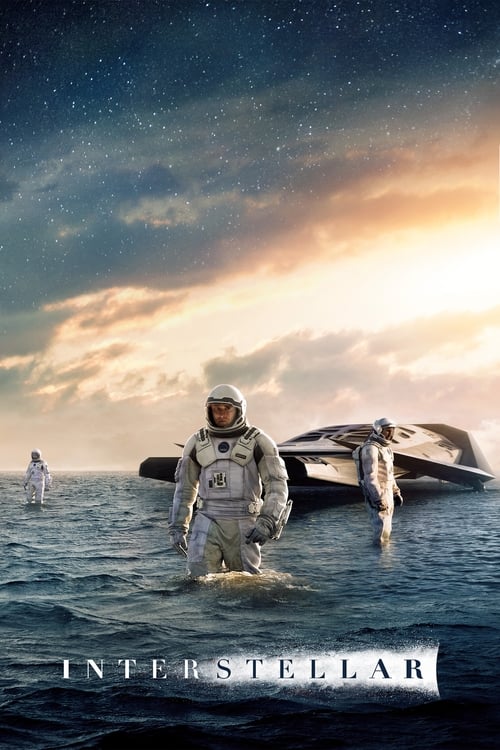
- 2014Interstellar takes Kip Thorne's general relativity research into mainstream cinema Interstellar
- 2015The Martian (film): survival by spreadsheet, and it worked The Martian
- 2016Arrival adapts Chiang's 'Story of Your Life' into the decade's best linguistic first-contact film Arrival
- 2019The Expanse moves to Prime Video, reaches its widest audience The Expanse
- 2022Seveneves continues Neal Stephenson's habit of teaching orbital mechanics through catastrophe Seveneves
Rigorous space fiction and big ideas
For Fans of Arthur C. Clarke
Explore the For Fans of Arthur C. Clarke guide →Science fiction that insists on getting the physics right does not shrink the sense of wonder. It makes the wonder survivable, because it is attached to something real.CrossBinge editors