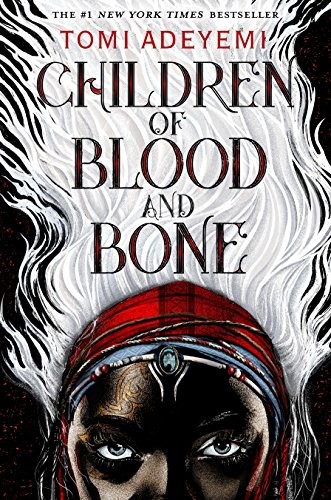

Tomi Adeyemi's 2018 debut does something specific: it takes the pain of erasure, the fury of a generation that watched power be stolen from them, and channels it through a Yoruba-inspired mythology that feels ancient and urgent at the same time. Zelie is not chasing power for its own sake; she is fighting to have her people's identity acknowledged as real. That combination of cultural specificity, grief-soaked magic, and propulsive YA plotting is what fans keep chasing across every medium. The through-line is not "chosen one saves the world" in the generic sense; it is "people whose magic was declared illegal prove it was never the crown's to revoke." Find that feeling in the books below, on screen, in games built on resistance, and in music that carries ancestral weight.
On Screen: Revolution, Magic, and the Cost of Power
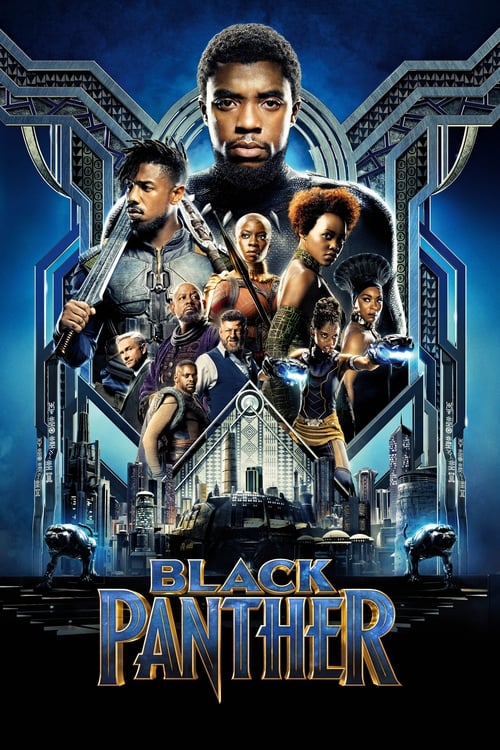
Films that share the emotional register: oppressed people reclaiming their heritage through fire, sacrifice, and solidarity.
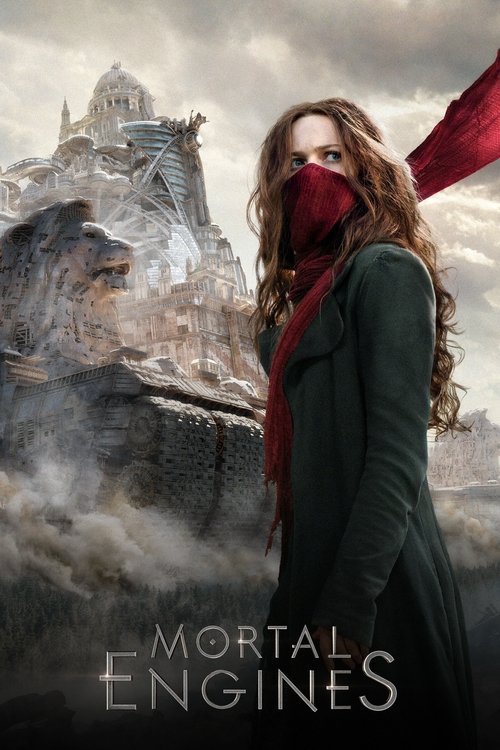
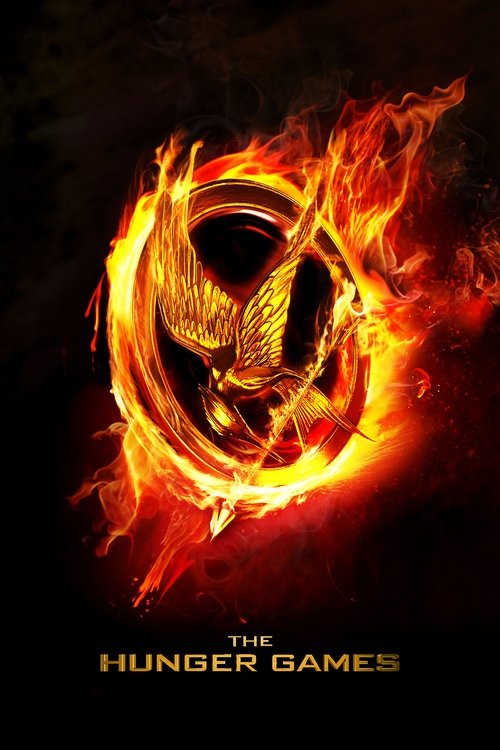
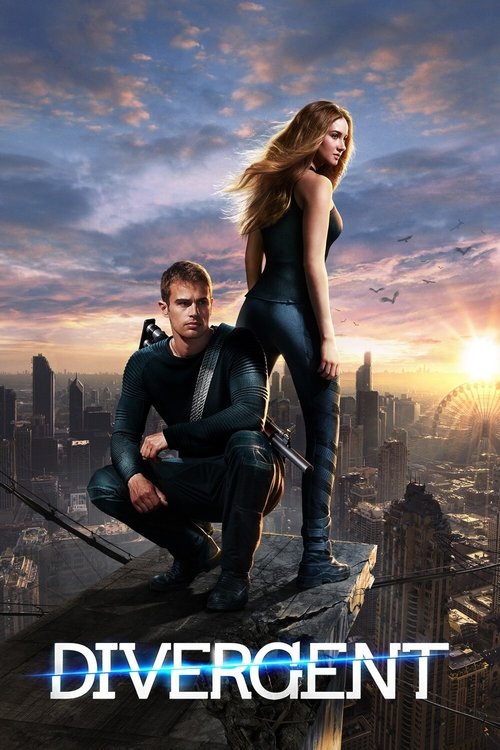
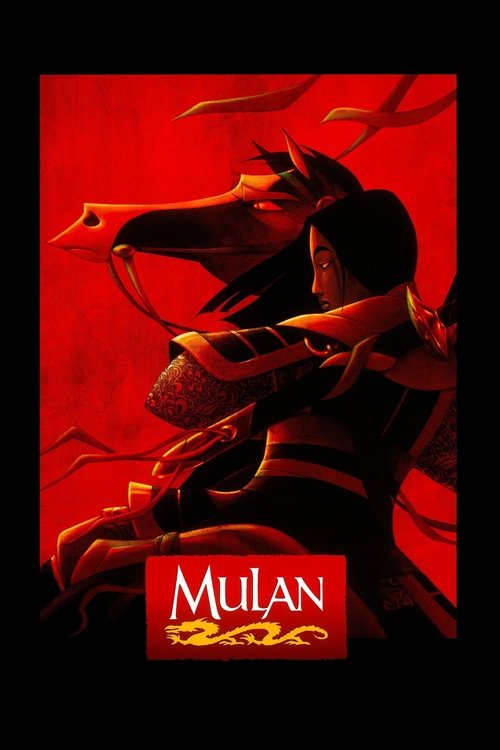
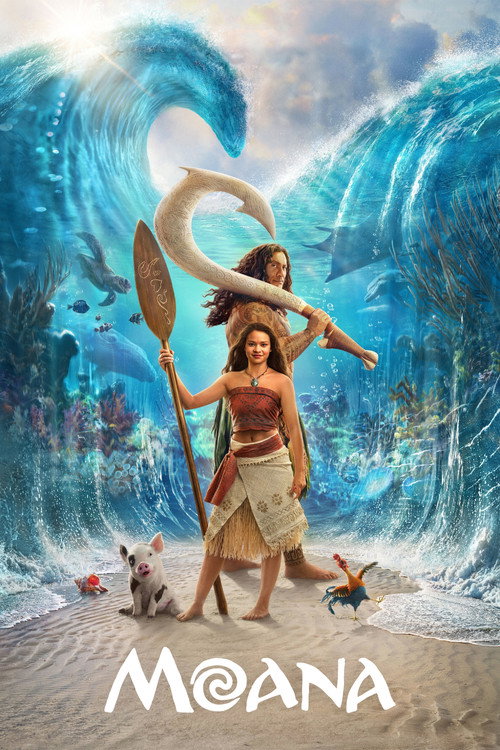

On Screen: Series Where Magic Is Political
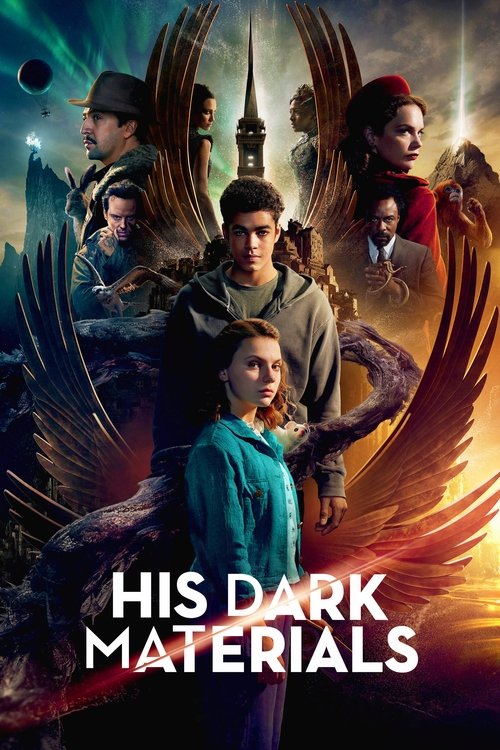
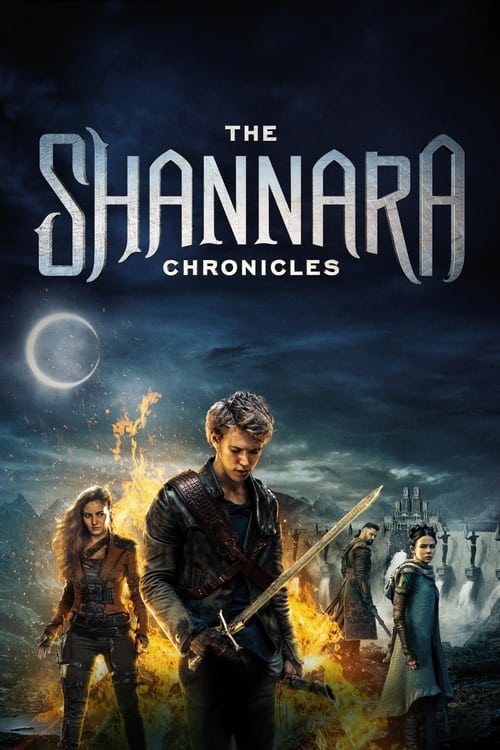
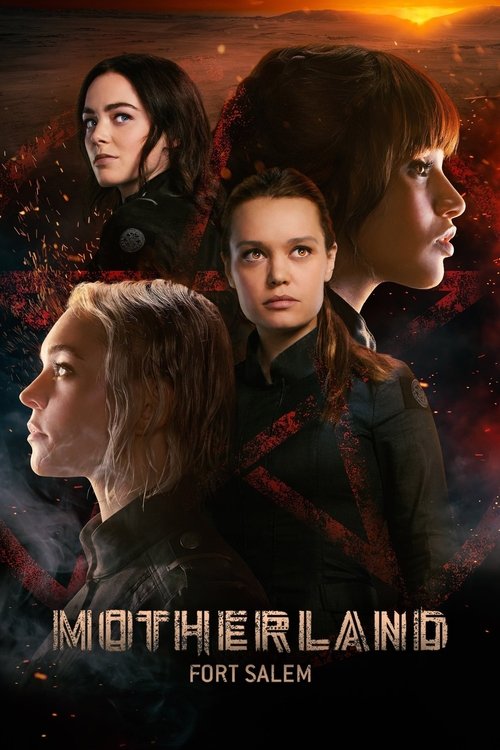
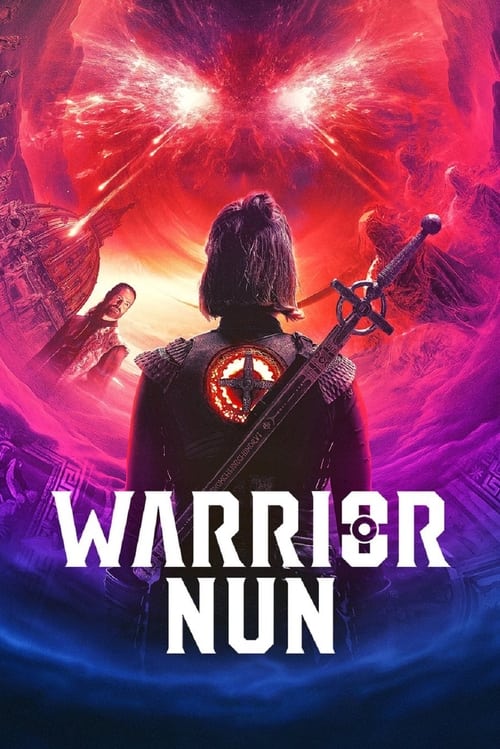
TV that treats forbidden power as a proxy for identity, heritage, and state violence.

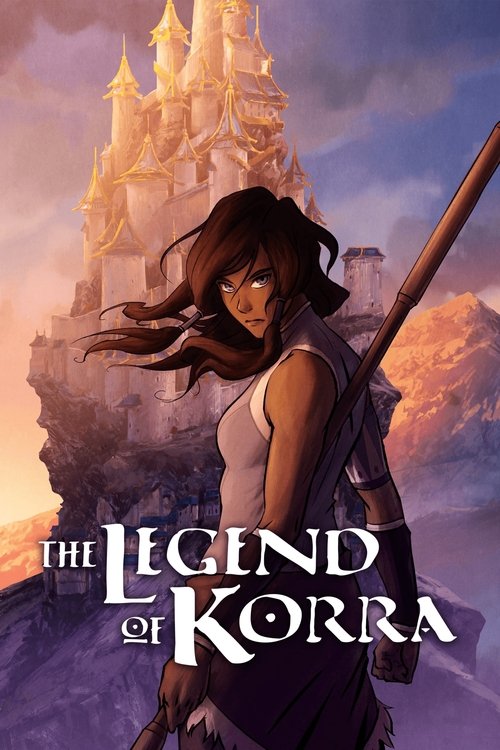
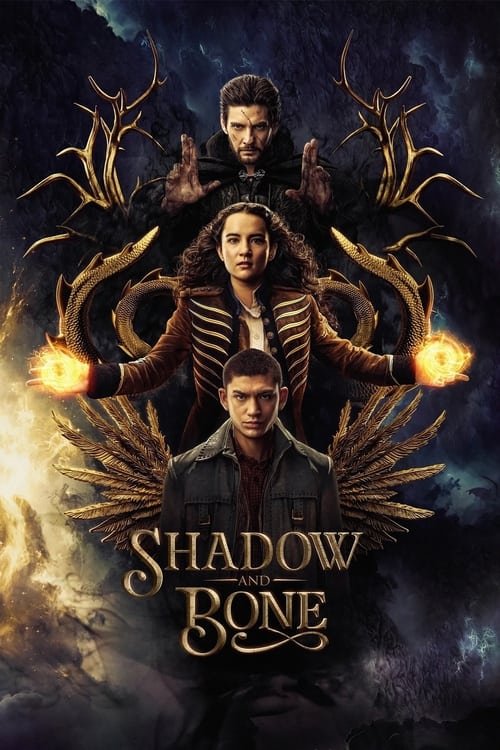
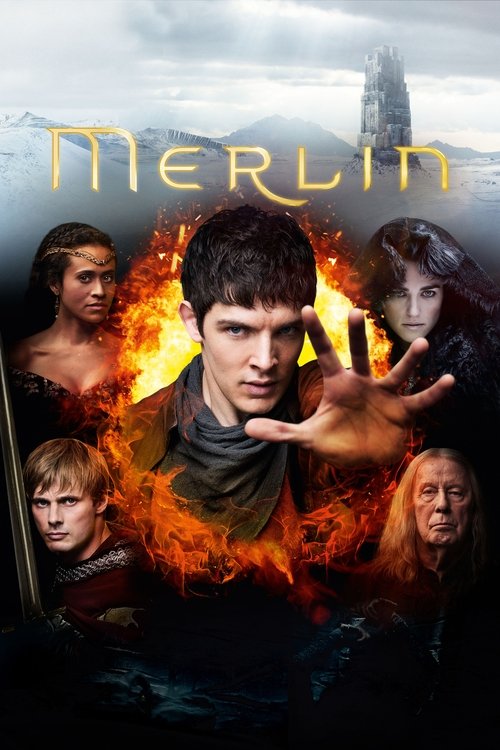
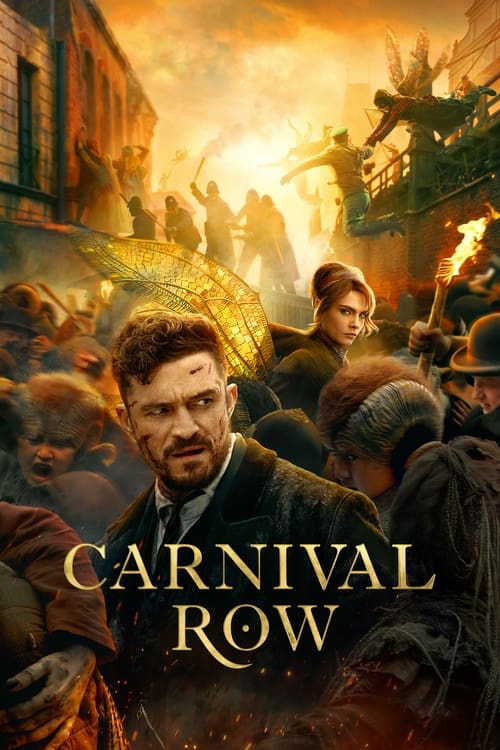
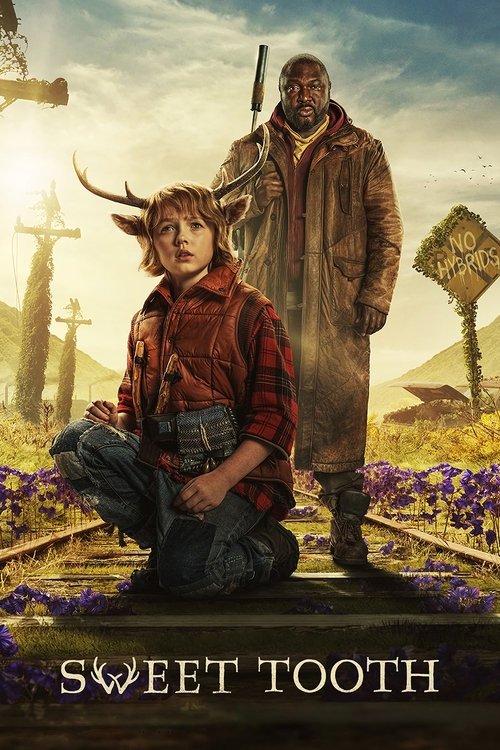
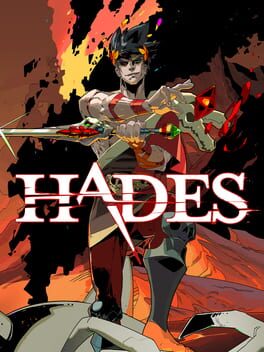
In Play: Games About Forbidden Magic and Cultural Defiance
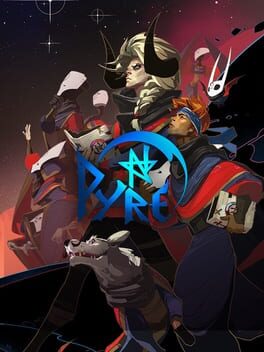
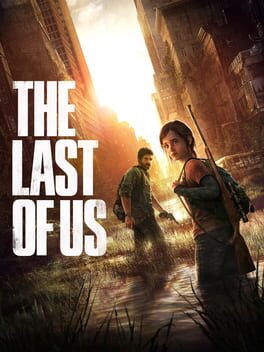
Games where the rules of a world criminalize the protagonist's very nature, and fighting back is the only moral choice.
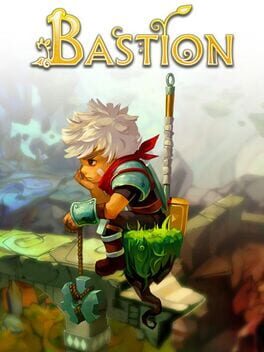
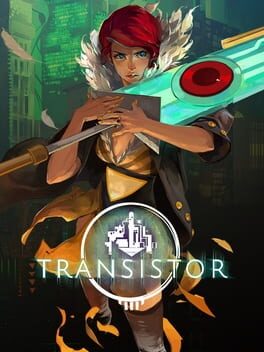
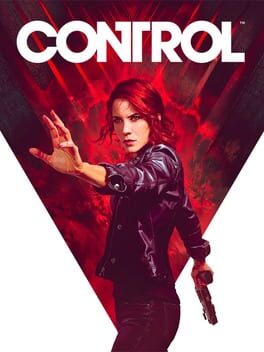
In Sound: Music That Carries Ancestral Weight
Albums and scores built on West African and diasporic traditions, or epic orchestral grief that matches the emotional pitch of Adeyemi's prose.
Avatar: The Last Airbender Is the Closest Television Equivalent
Nothing on television has captured the specific geometry of Children of Blood and Bone as cleanly as Avatar: the idea that bending (or magic) is a cultural practice tied to a people's history, that its suppression by an imperial state is a form of genocide, and that the protagonist's arc is inseparable from her community's survival. Airbender gets there through a children's animated series, which makes it no less rigorous. The politics hold up because the show refuses to let the Fire Nation be merely evil; it shows how empires convince themselves they are doing good while erasing everything in their path.
The Fifth Season Is for Readers Ready to Go Deeper
N.K. Jemisin's Broken Earth trilogy is not YA and it does not spare the reader anything. But readers who finished Children of Blood and Bone and felt the fury of watching magic-users be hunted, collared, and instrumentalized by the state will find Jemisin has written the adult version of that grief with devastating formal precision. The second-person narration forces complicity in ways Adeyemi's more conventional POV does not. Both books are fundamentally about what it costs to be powerful in a world that considers your power a threat to its order.

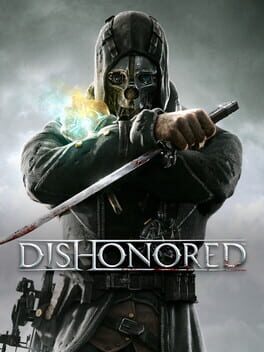
Dishonored Understands That Magic Is Class
Most games treat forbidden magic as a cool power the hero hides. Dishonored makes it structural: the Outsider's gift is given specifically to people the empire has discarded, and using it marks you as something the aristocracy fears and cannot categorize. That friction between your capabilities and your social position, the way power simultaneously liberates and endangers you, is exactly what Zelie lives. The game is set in a different world but it is asking the same question: who gets to decide which magic is legitimate?
The Road to Orisha: Key Moments in African-Diaspora Fantasy
- 1978Octavia Butler publishes Kindred, establishing the template for Black speculative fiction that takes history as both wound and fuel. Kindred
- 1993Francesca Lia Block's Weetzie Bat era expands what YA fantasy can hold emotionally; the door opens for genre fiction with cultural specificity.
- 2003Nalo Hopkinson's Midnight Robber reaches wider audiences, demonstrating Afro-Caribbean mythology as a complete cosmological framework for SF.
- 2009Avatar: The Last Airbender concludes, proving that animated fantasy built on non-Western traditions can achieve genuine moral complexity. Avatar: The Last Airbender
- 2013An Ember in the Ashes begins its run, showing that YA epic fantasy with political brutality and non-European settings can be blockbusters.
- 2018Children of Blood and Bone publishes, debuting at number one on the New York Times list and becoming the lead example of the African-mythology YA wave. Children of Blood and Bone
- 2018Black Panther releases, demonstrating mainstream appetite for Afrofuturist world-building on the largest possible stage. Black Panther
- 2019Children of Virtue and Vengeance publishes; the sequel deepens the political complexity as former allies fracture.
- 2021Legendborn by Tracy Deonn wins the Mythopoeic Award, demonstrating that African-American historical mythology in a YA frame has sustained critical momentum.
- 2024Children of Anguish and Anarchy concludes the trilogy; the Orisha Legacy ends its story arc.
Magic in Children of Blood and Bone is not a metaphor for difference. It is a literal record of what was taken. The grief of that loss is the engine of every page.CrossBinge