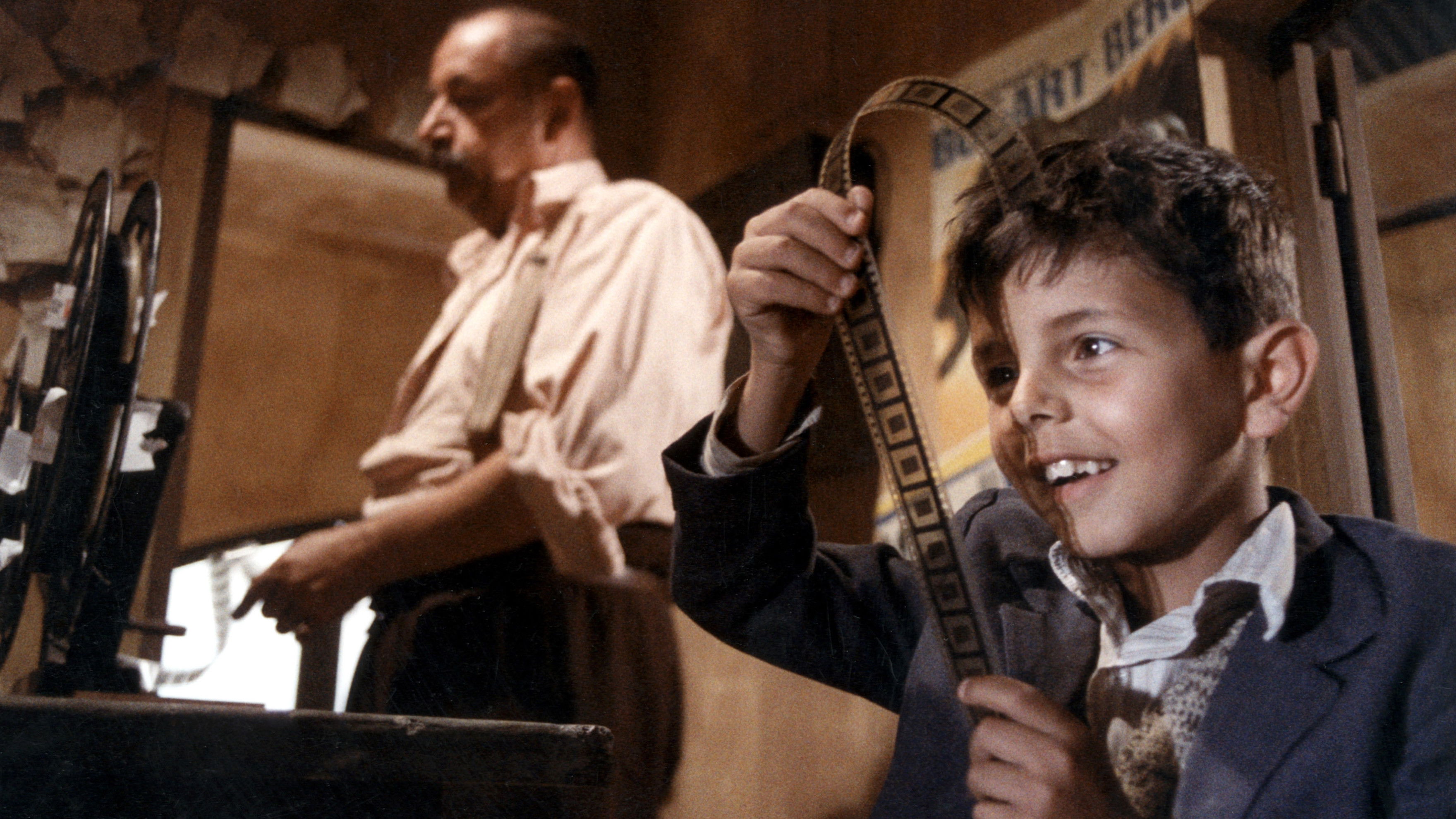

Giuseppe Tornatore's 1988 masterpiece gives fans something rare: a film about cinema itself, told with the tenderness of a love letter written decades too late. Salvatore's friendship with projectionist Alfredo in a small Sicilian village is the spine, but the real subject is what the movies do to us, the way they press themselves into memory and refuse to let go. Fans keep returning to it because it earns every tear without cheating. The feeling on the other side of that ending is what the works below are hunting for: nostalgia that hurts in the best way, mentors who sacrifice more than they say, and the cinema as a sacred space.
Essential Cinema Paradiso
The film's own orbit: versions, companions from Tornatore, and the scores that define it
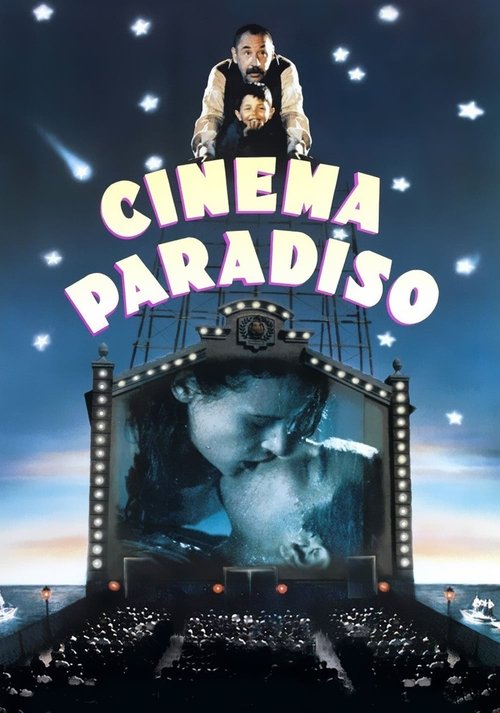


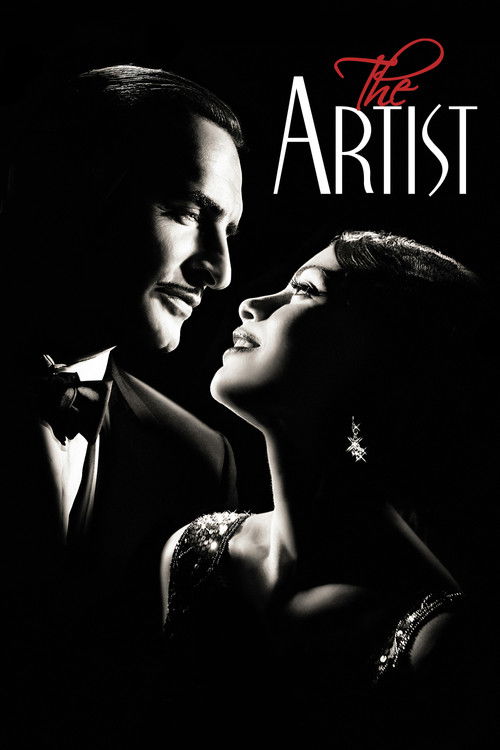
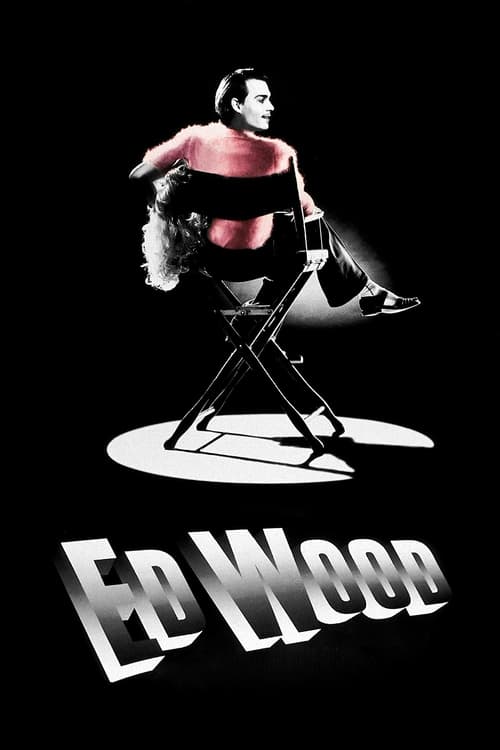
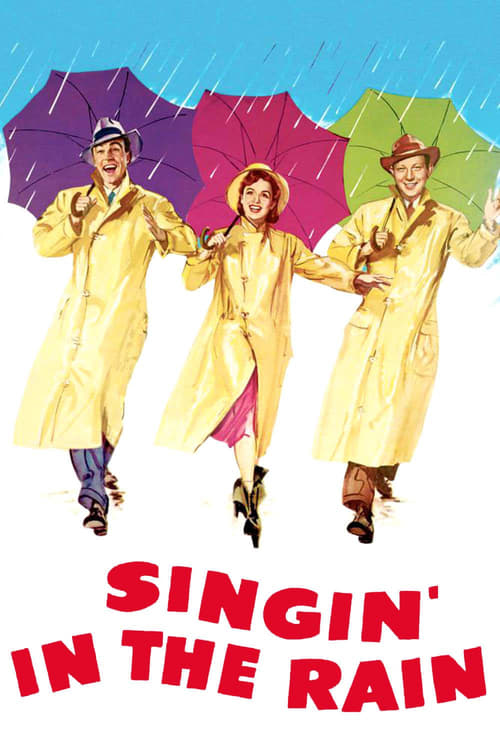
If You Love It: Movies About the Movies
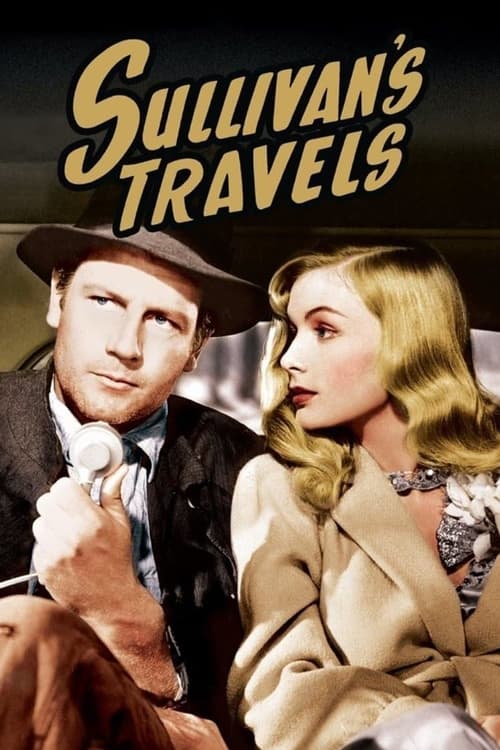
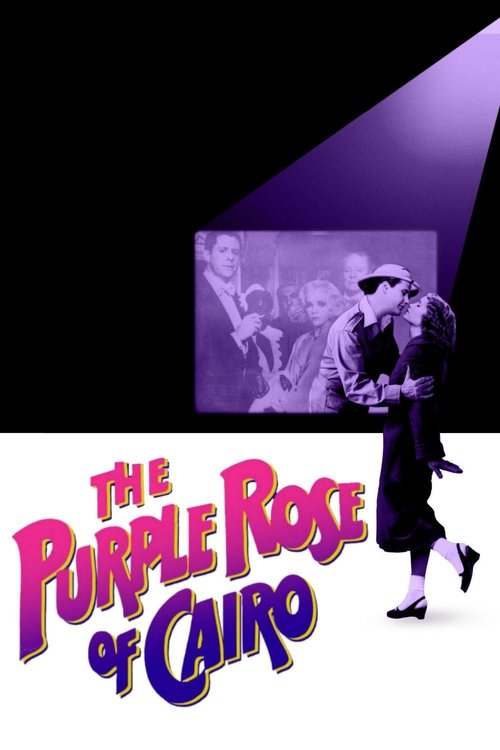
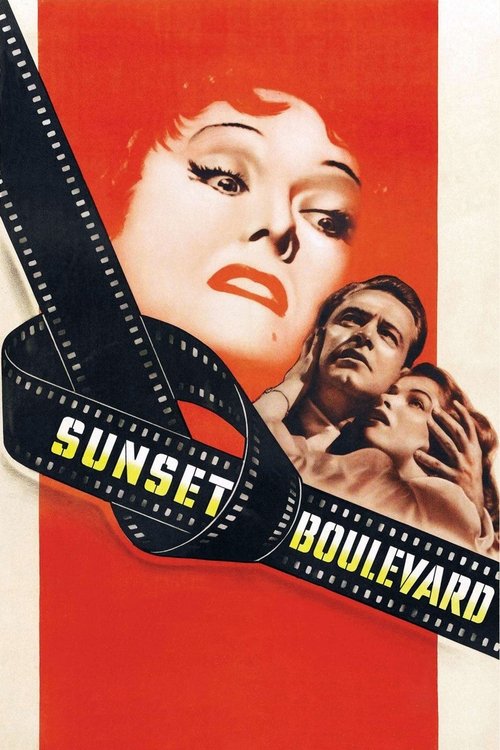
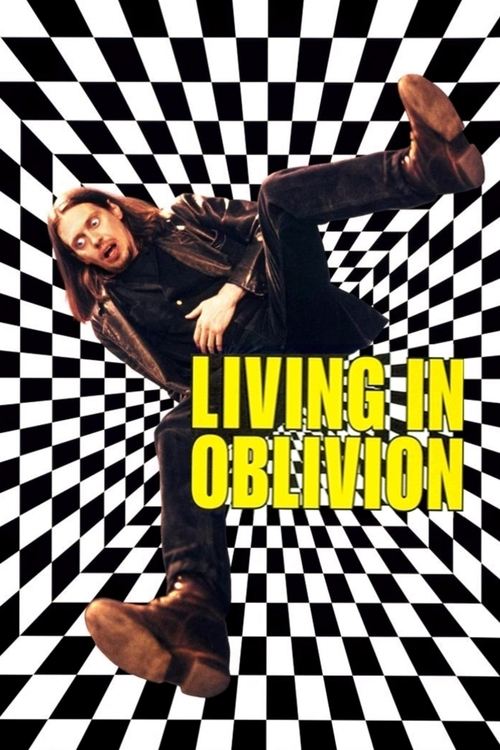
Films where cinema itself is the subject, the backdrop, or the obsession

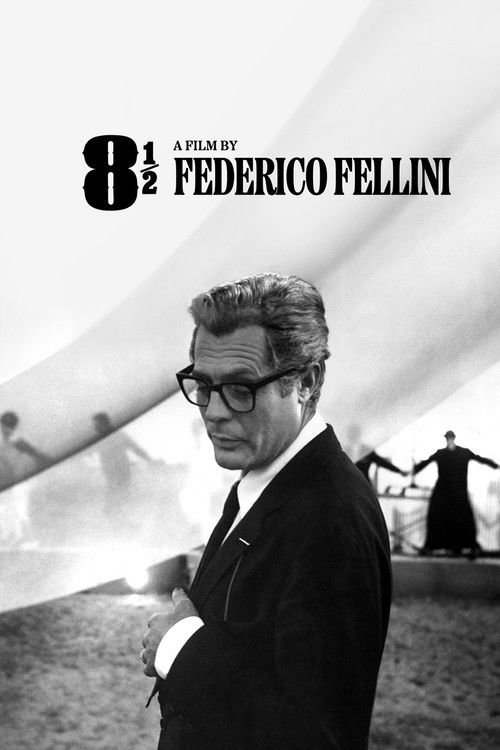
Ennio Morricone Made the Film Cry So You Didn't Have To
The Cinema Paradiso score is inseparable from the film's emotional architecture. Morricone understood that the music should carry the weight Tornatore couldn't put into dialogue. The theme's rising, hesitant melody is the sound of memory itself, reaching for something just out of grasp. His work here belongs in the same conversation as Bernard Herrmann's Vertigo score or Nino Rota's Fellini collaborations: composer and director fused so completely you can't hear one without picturing the other.
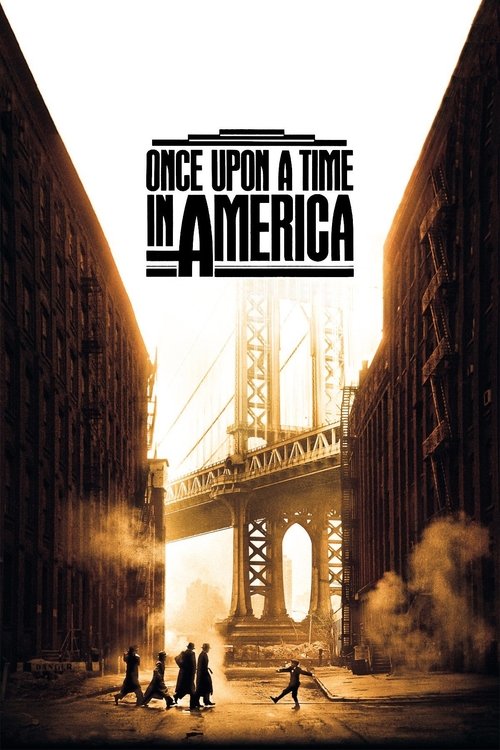
Same Heart: Coming-of-Age and the Weight of Place
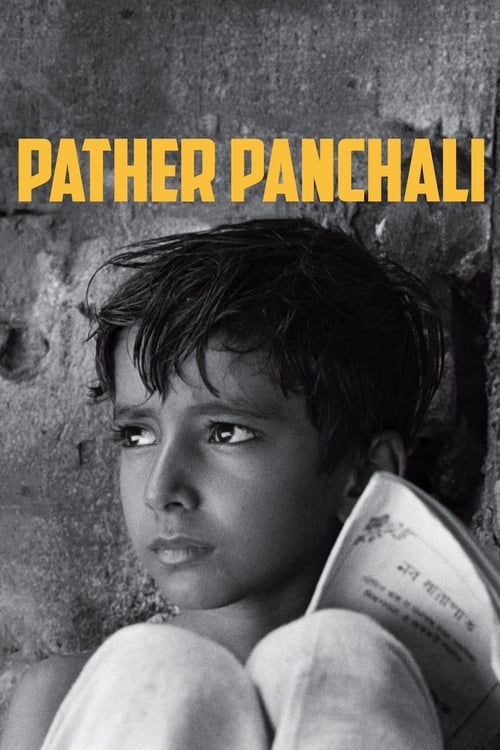
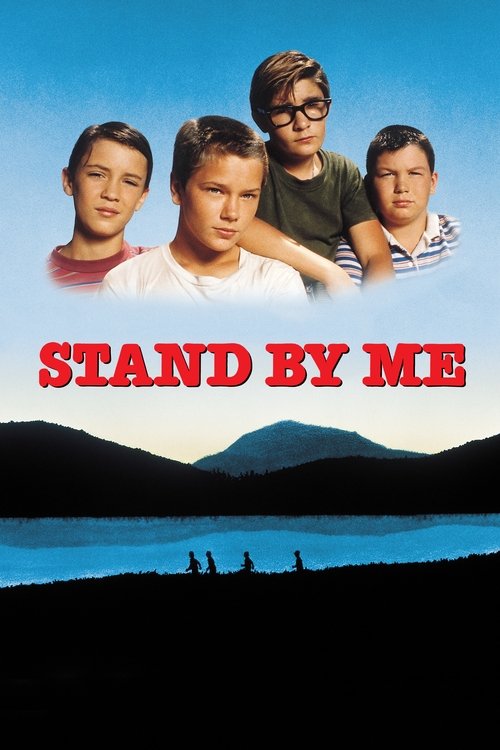
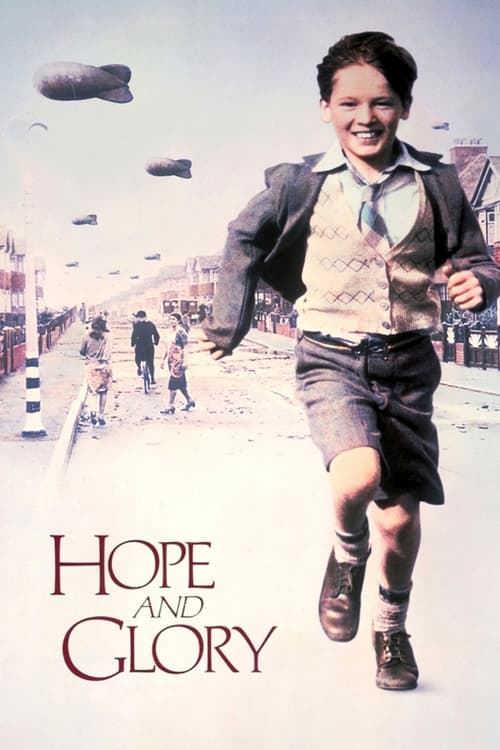
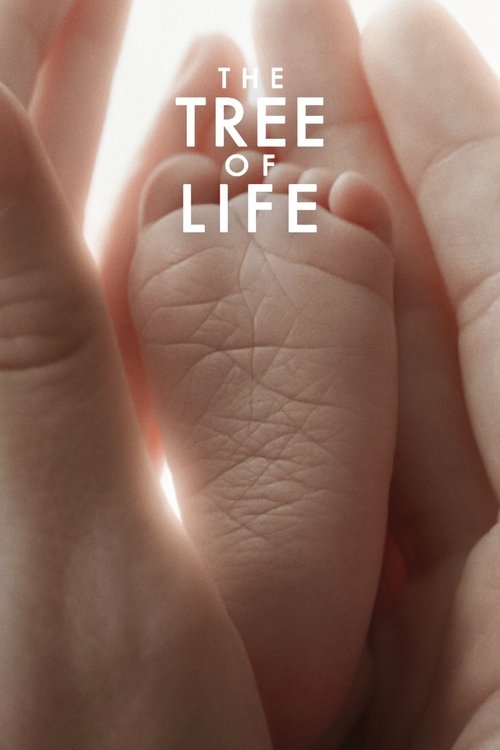
Films about childhood, small towns, and the summers that define a life
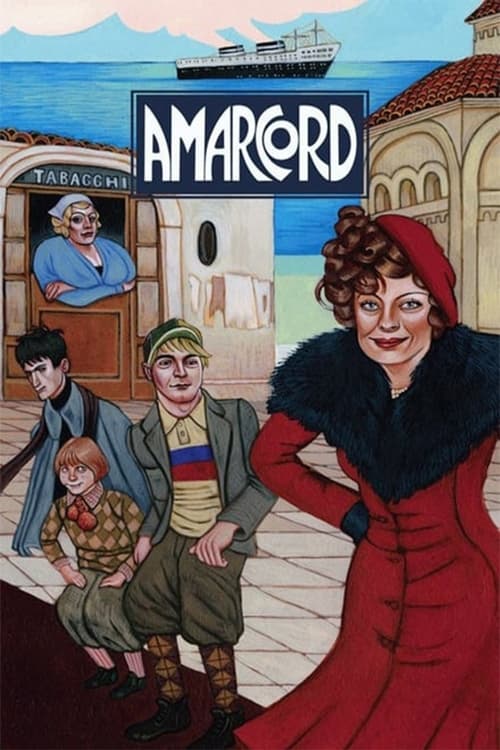
The Mentor and the Protege on Screen and Page
TV series and books built around a formative relationship between a young person and a wiser guide


Italian Cinema and European Slow-Burn Masterpieces
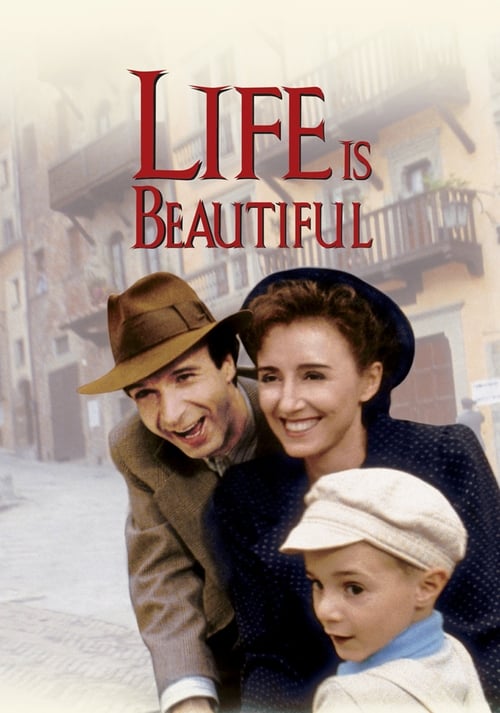
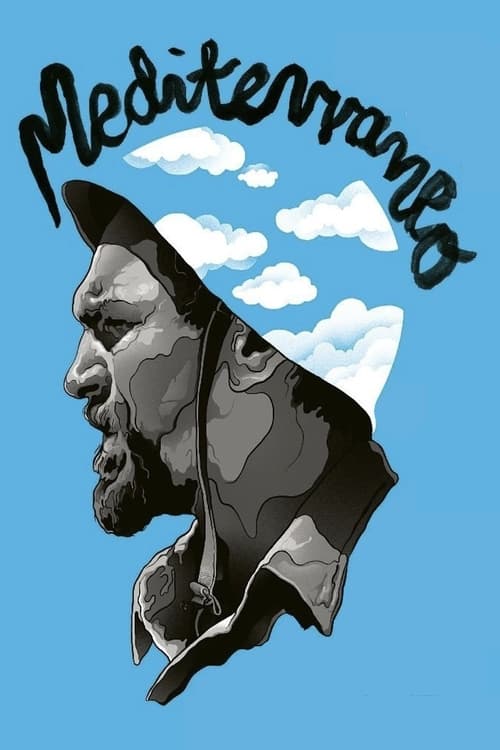
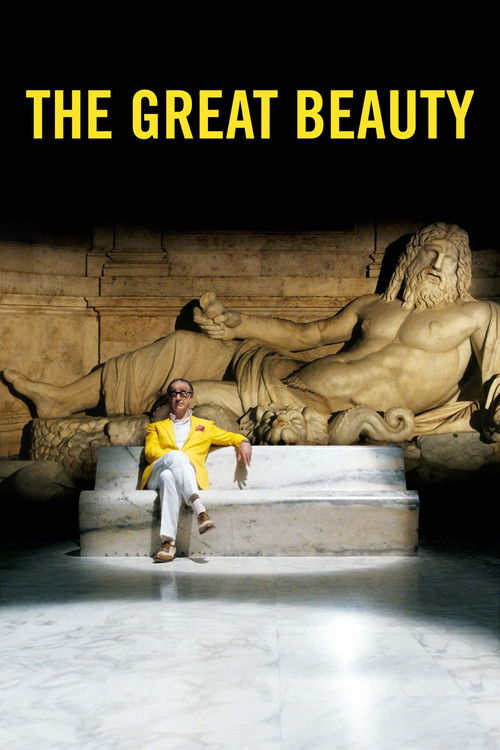
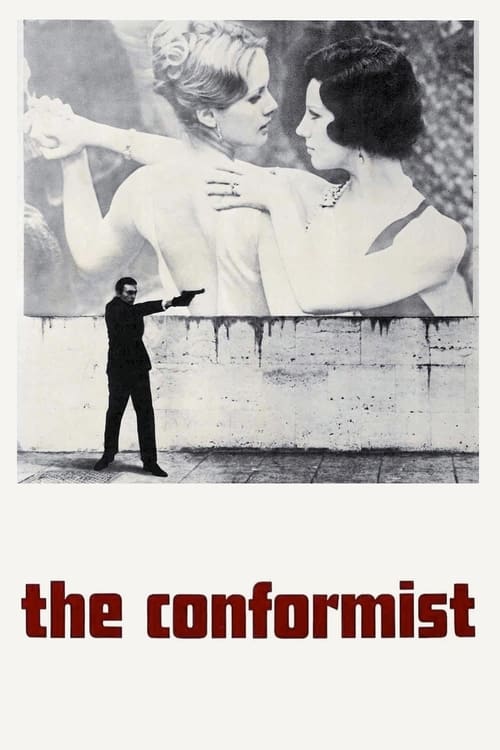
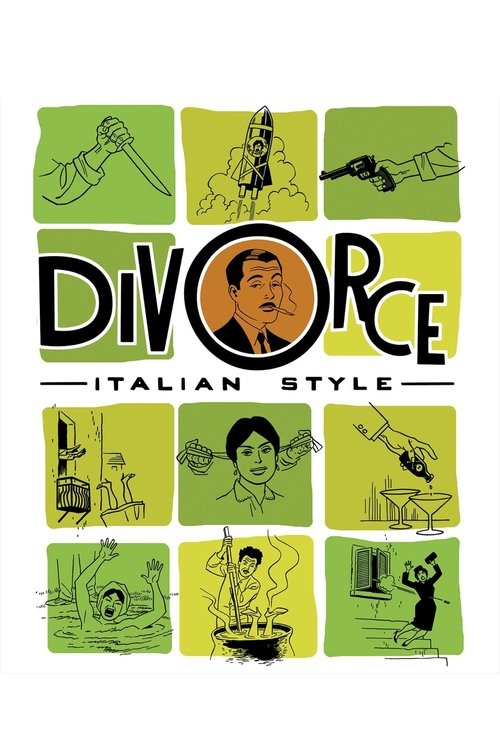
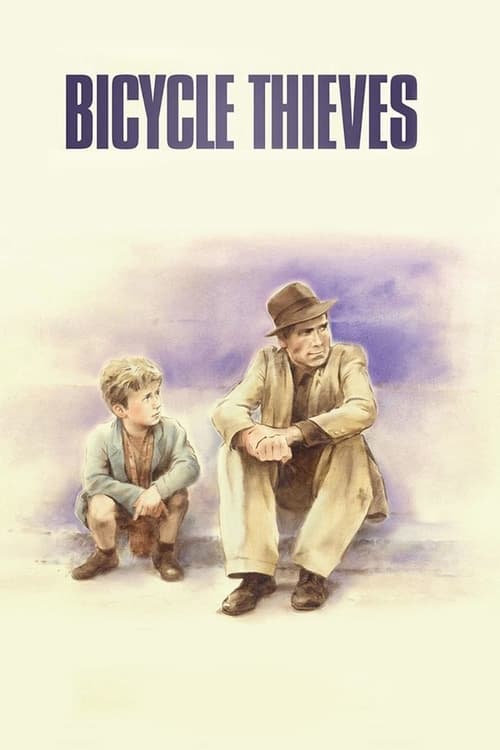
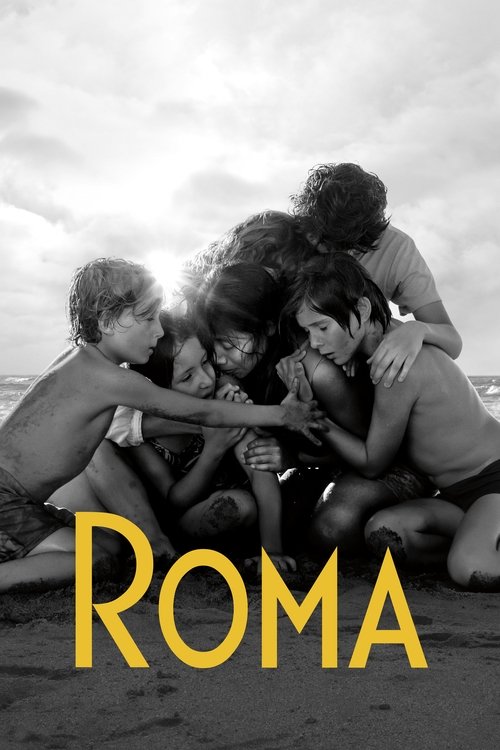
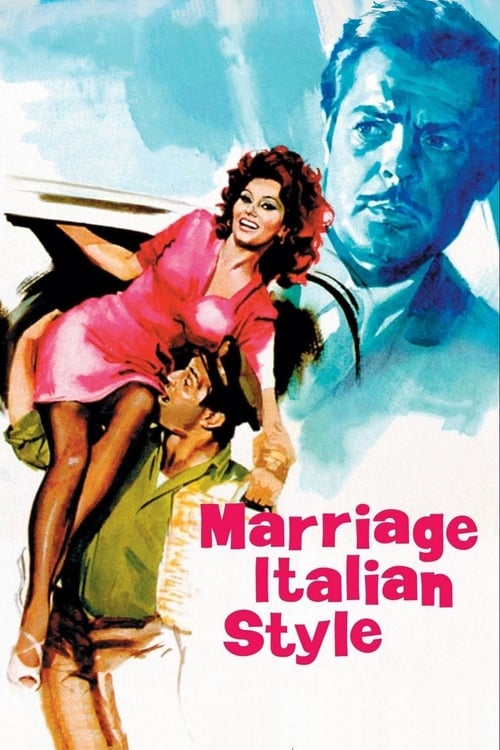
Films that share Cinema Paradiso's unhurried emotional depth and Mediterranean warmth
Nostalgia Is Not Sentimentality
Cinema Paradiso is often called sentimental, but that misreads it. The director's cut reinstates the bittersweet relationship between Salvatore and Elena that the theatrical cut omitted, and the full version makes clear that Alfredo's gift in the final reel is also a form of exile. Tornatore is not making a film about golden childhoods; he is making a film about what it costs to leave the thing that made you. That's a different, harder emotion than nostalgia, and it's why the ending lands like it does.
For the Music in the Room: Scores and Soundtracks
Albums and composers whose music carries the same ache as Morricone's Cinema Paradiso theme
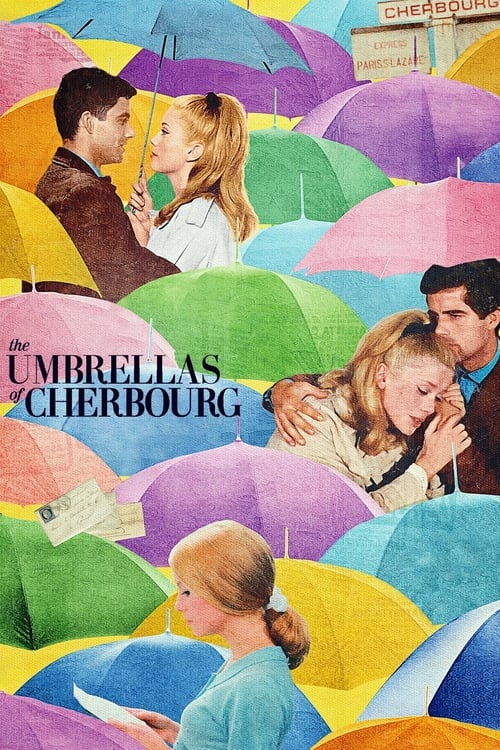
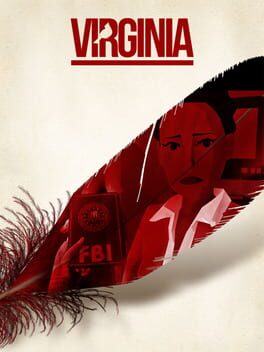
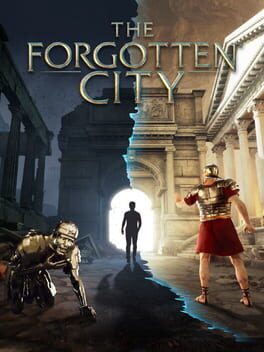
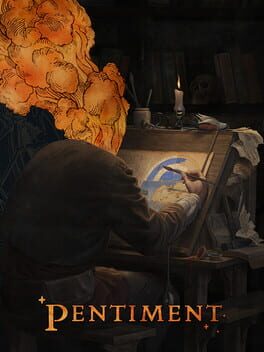
Games About Memory, Place, and Loss
Games that recreate the feeling of revisiting somewhere you can never fully return to
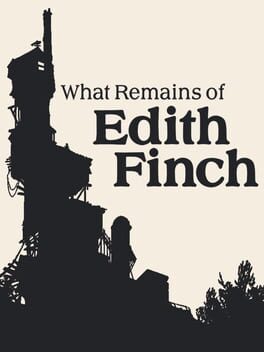
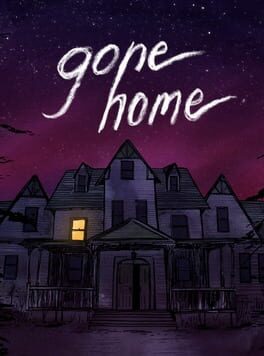
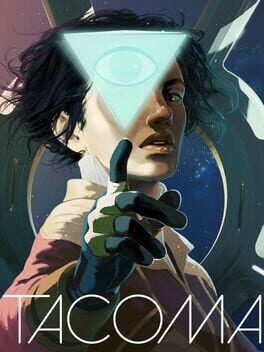

Small Towns on Screen: Why They Hit Differently
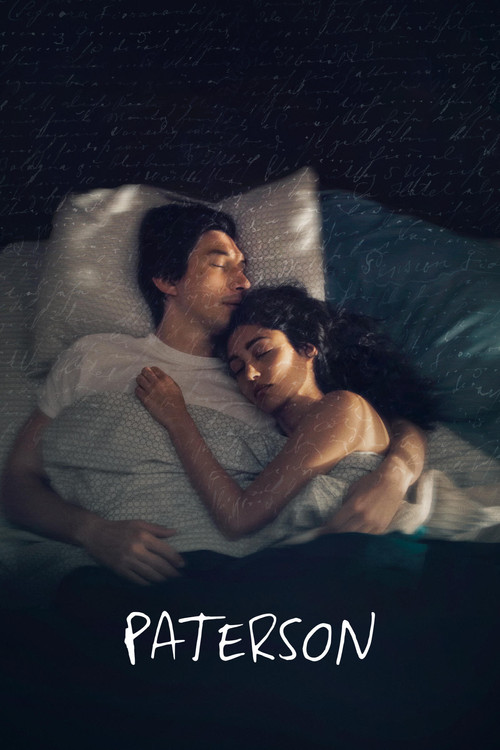
The Sicilian village in Cinema Paradiso is not picturesque backdrop. It is a cage the film is honest enough to show as also a cradle. The square where locals gather to watch films projected on a sheet, the priest censoring every kiss with a handbell: Tornatore roots his film in a specific, limiting place so that leaving it costs something. The best small-town films do the same thing. They make you feel the friction of belonging before they show you the price of escape.
Cinema Paradiso in Time
- 1988Cinema Paradiso premieres at the Cannes Film Festival Cinema Paradiso
- 1989Wins the Special Jury Prize at Cannes; Academy Award for Best Foreign Language Film follows in 1990
- 1994Director's cut released, reinstating 50 minutes including the Salvatore-Elena subplot
- 1994Il Postino brings similar Italian warmth to global audiences
- 1998Tornatore's The Legend of 1900 arrives, again with Morricone and a meditation on a life defined by one place The Legend of 1900
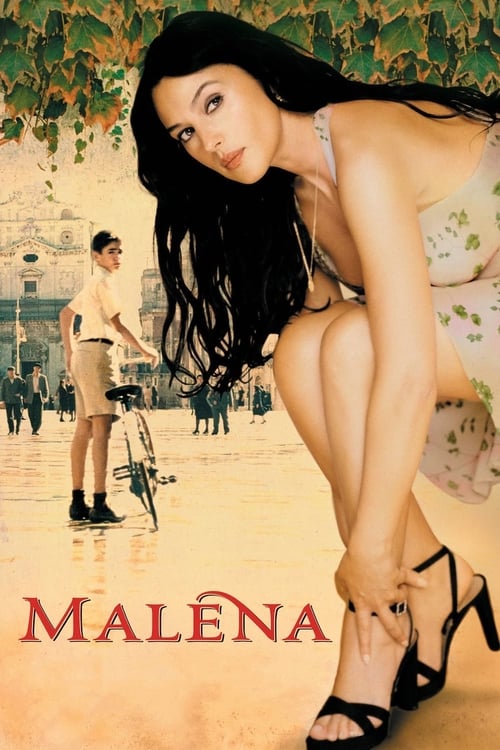
- 2000Malena: Tornatore returns to postwar Sicily Malena
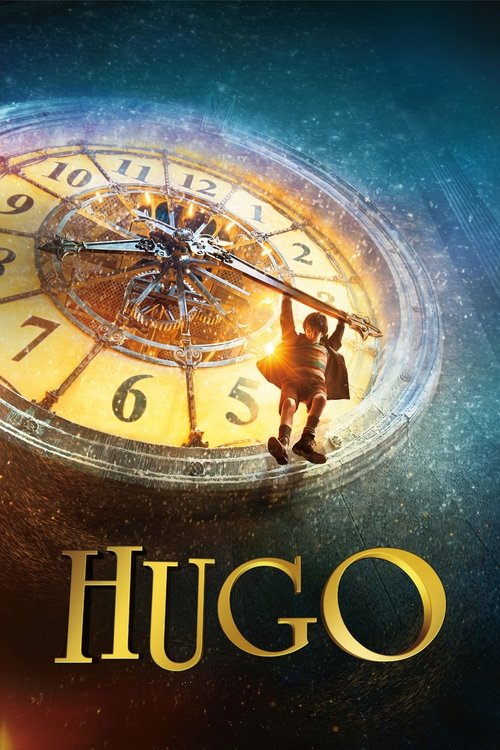
- 2011Hugo brings a similar love of early cinema and a child-mentor bond to mainstream audiences Hugo
- 2019Ennio Morricone wins an honorary Academy Award for lifetime achievement
Italian Cinema and Coming of Age
Italian Cinema
Explore the Italian Cinema guide →Whatever you end up doing, love it. The way you loved the projection booth when you were a little squirt.Alfredo, Cinema Paradiso