
The World's Oldest Film School
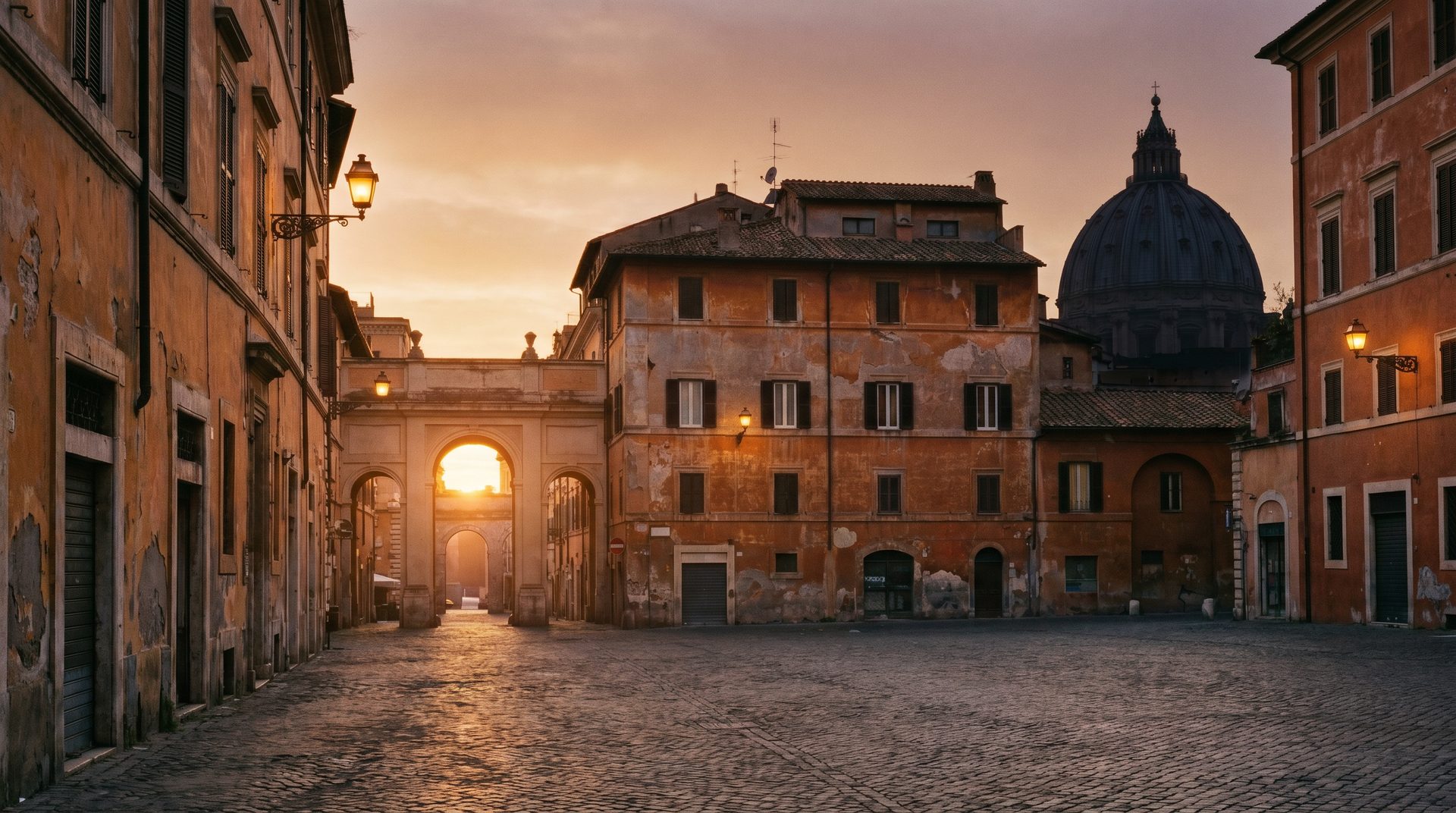
Italy did not invent cinema, but it invented what cinema could aspire to be. The peninsula's relationship with the moving image runs deeper than any national tradition outside Hollywood, and unlike Hollywood, it was never primarily industrial. From the start it was personal, regional, political, and obsessed with surfaces: the peeling plaster of a Roman tenement, the bleached white void of a Sicilian midday.
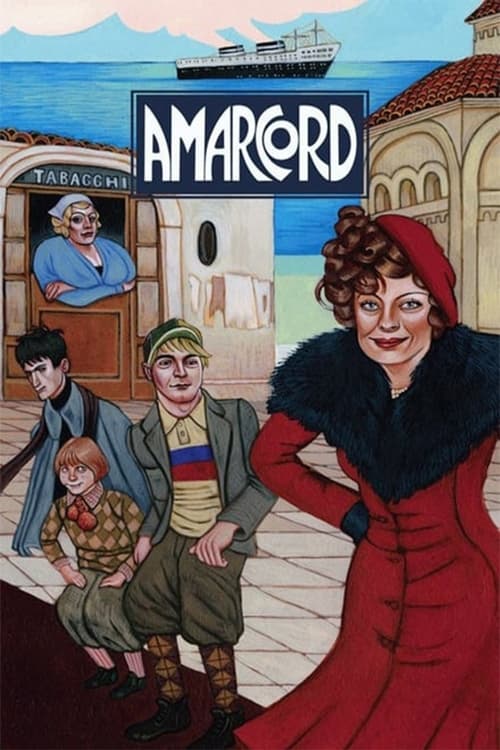
Geography matters here. The north-south divide that defines Italian politics and culture runs straight through the cinema. Neorealism was overwhelmingly a Roman and southern phenomenon, shot in the actual war-damaged streets of Rome, Naples, and Sicily because the studios at Cinecittà had been bombed or converted into refugee camps. The spaghetti western borrowed the arid Andalusian landscape of Almería, Spain, but its spiritual address was always the Italian south, the mezzogiorno, where law was fragile and honour was the only currency. Fellini came from Rimini on the Adriatic coast and never stopped making films about provincial life colliding with metropolitan fantasy. Antonioni was from Ferrara in the foggy Po Valley, and that northern landscape of industrial flatness and emotional coldness haunts everything he made.
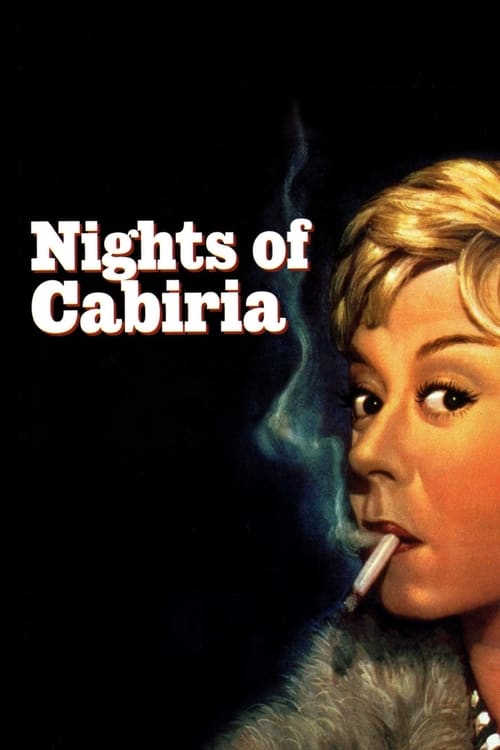
The tradition divides, roughly, into five eras. First: the silent epics (Cabiria, 1914), which essentially invented the feature film and the travelling camera shot. Second: Neorealism (1945-1952), which rewrote the grammar of how cinema represents the poor. Third: the great auteur decade (1960-1970), when Fellini, Antonioni, Visconti, and Pasolini simultaneously produced their masterworks and Italian cinema became the international benchmark for artistic ambition. Fourth: genre cinema (1965-1980), the spaghetti westerns, gialli, poliziotteschi, and horror films that were commercially despised and are now canonized. Fifth: the long modern period from Nanni Moretti's first films through the prestige television of the 2010s, where Italy quietly rebuilt an international voice it had briefly lost.
What links all five eras is an argument about beauty: what it costs, what it conceals, and whether it can be trusted.
The Neorealist Foundation
The films that reinvented how cinema looks at poverty, war, and survival
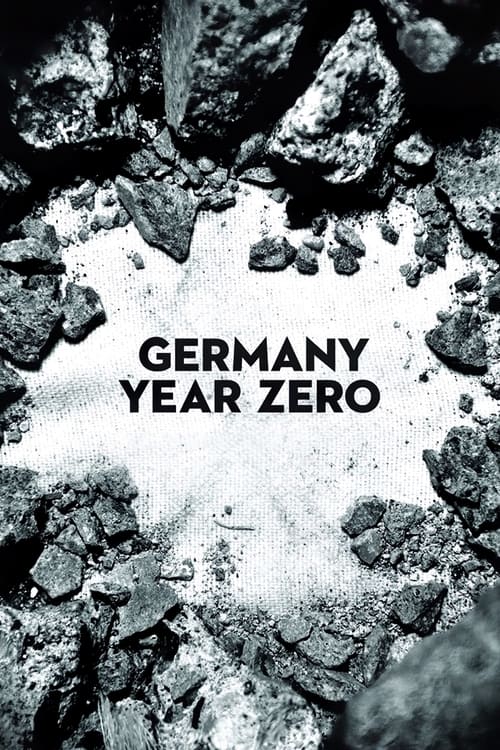
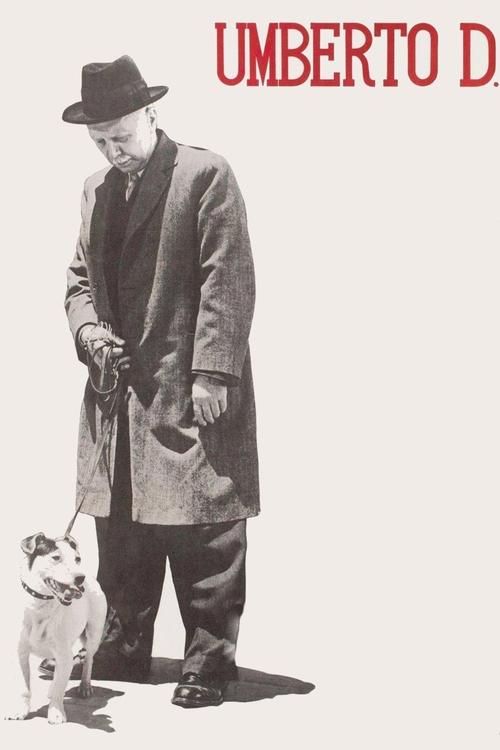
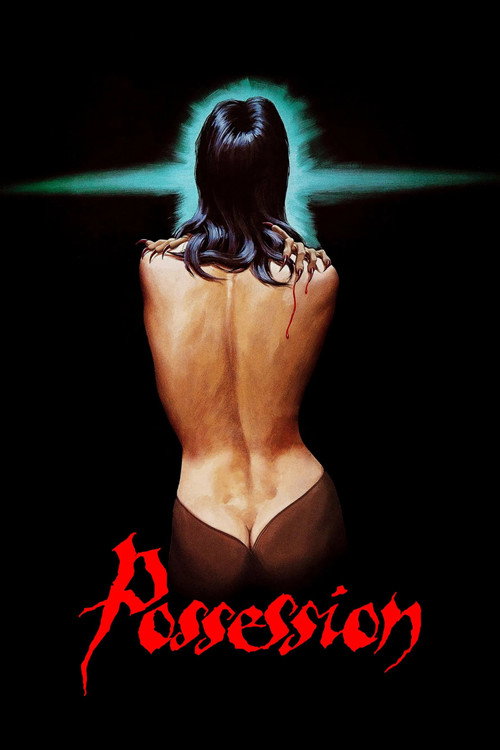
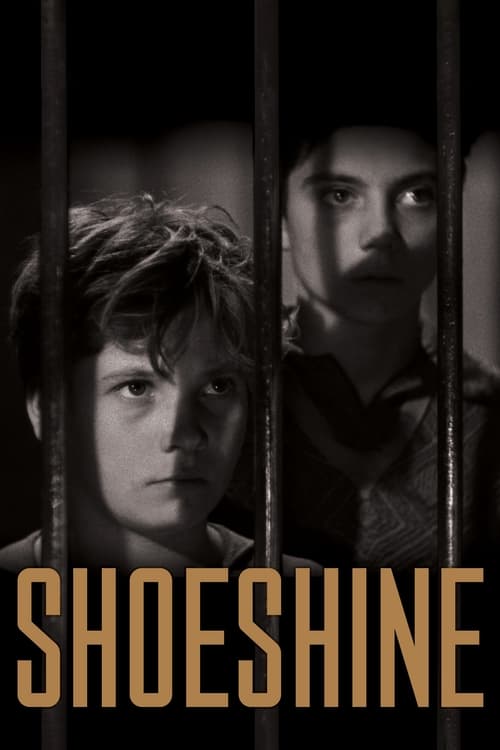

Bicycle Thieves is the film that changed everything, and it shows
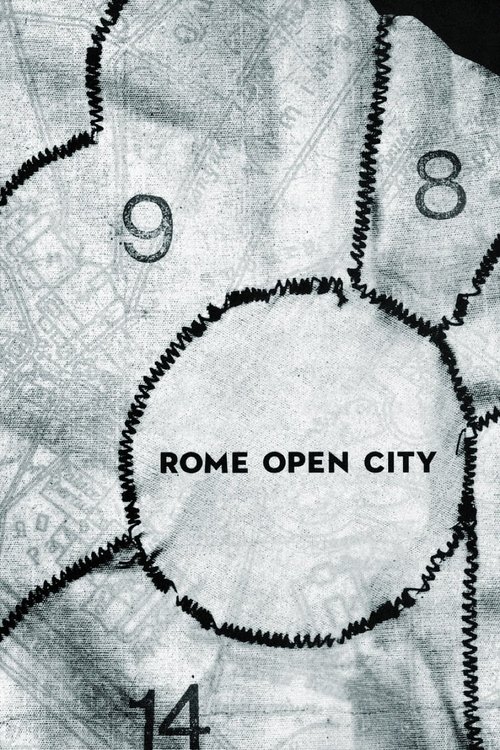
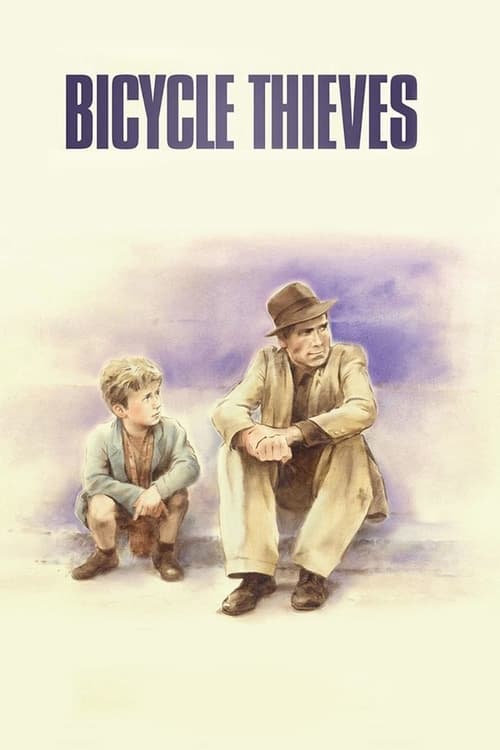
Roberto Rossellini's Rome, Open City (1945) is usually credited as the birth of Neorealism, but the film that actually changed world cinema was De Sica's Bicycle Thieves (1948). It is a perfect film in the way that very few films are perfect: structurally airtight, emotionally annihilating, made entirely without sentiment. The father-son relationship is one of cinema's great subjects precisely because De Sica refuses to make it comforting. The ending, in which the father becomes a thief himself while his son watches, is the kind of moment that takes about ten viewings to fully absorb. Non-professionals, real Roman streets, a story so simple it fits on a postcard: the lesson nearly every subsequent director drew from this film was that simplicity and restraint are forms of courage.
The Great Auteurs
The decade when Italian cinema ruled the world: Fellini, Antonioni, Visconti, Pasolini




Antonioni's trilogy is more radical than Fellini's classics
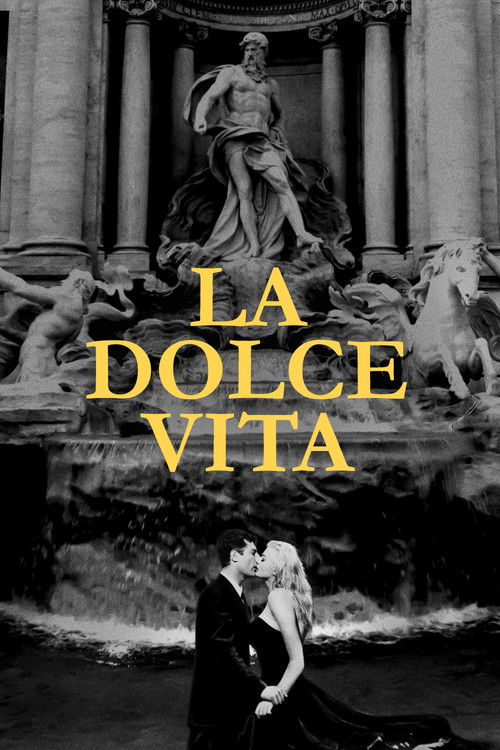
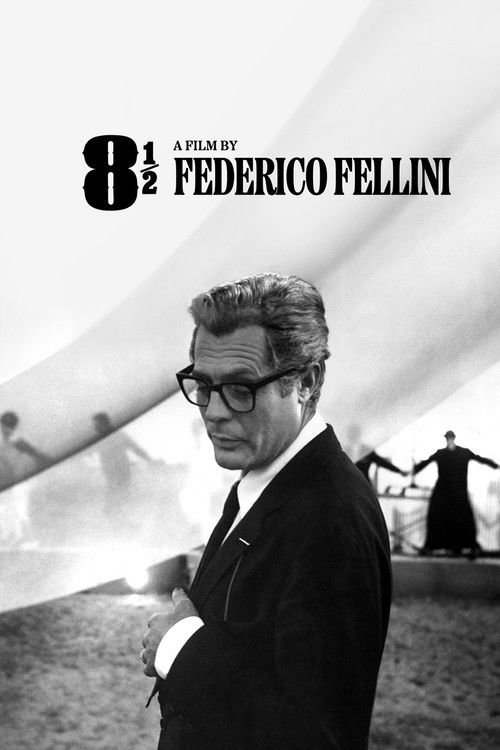
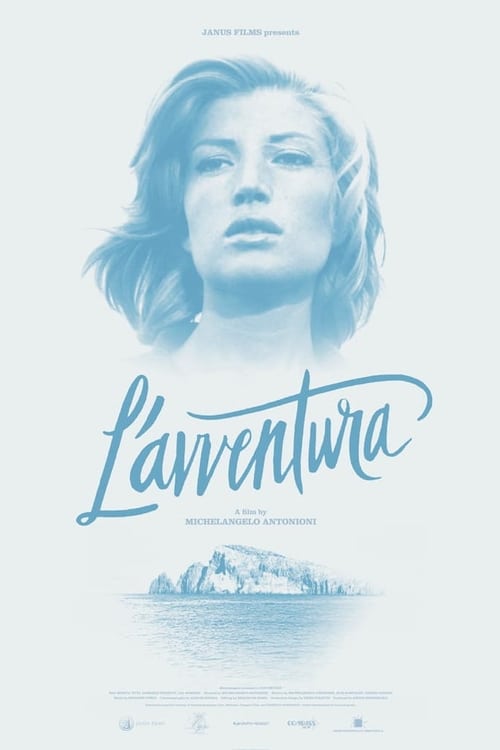
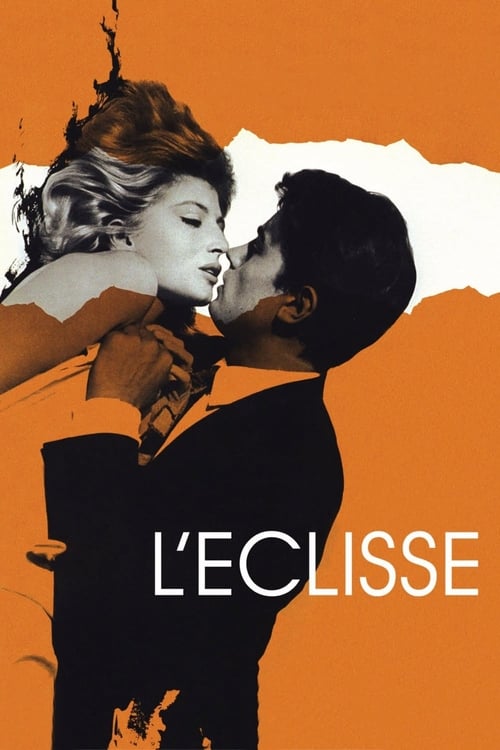
Fellini is easier to love. 8½ and La Dolce Vita are sensuous, autobiographical, packed with memorable images. But Michelangelo Antonioni's trilogy, L'Avventura (1960), La Notte (1961), and L'Eclisse (1962), is the more important achievement. These films solve a problem that most directors refuse to even acknowledge: how do you show boredom, alienation, and the failure of communication without the film itself becoming boring? The answer Antonioni found was architectural, treating location as emotional state, so that a volcanic island, a Milanese financial district, and a Roman suburb each carry precise psychological weight. Monica Vitti's performance across the trilogy remains one of the most sustained pieces of screen acting in the medium.
A Century of Italian Cinema
- 1914Cabiria premieres, inventing the feature epic and the dolly shot
- 1945Rome, Open City launches Neorealism Rome, Open City
- 1948Bicycle Thieves wins the Oscar and rewrites world cinema Bicycle Thieves
- 1960L'Avventura scandalizes Cannes, then wins the Jury Prize L'Avventura
- 1960La Dolce Vita coins a phrase the world still uses La Dolce Vita
- 1964A Fistful of Dollars begins the spaghetti western era A Fistful of Dollars
- 1971Dario Argento's The Bird with the Crystal Plumage matures the giallo into an international genre
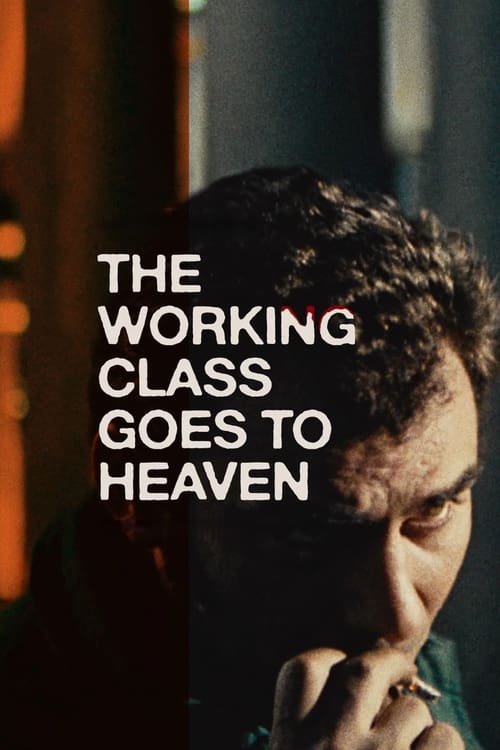
- 1972The Working Class Goes to Heaven wins the Palme d'Or for Elio Petri The Working Class Goes to Heaven
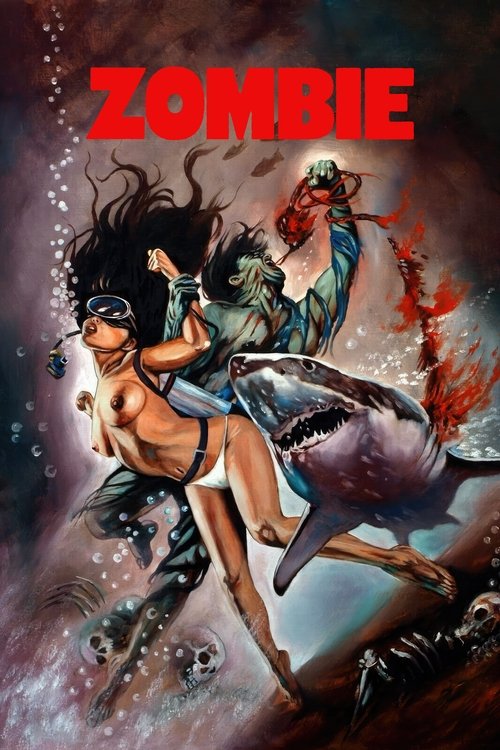
- 1979Lucio Fulci's Zombie Flesh Eaters arrives as the defining film of Italian splatter horror Zombie Flesh Eaters
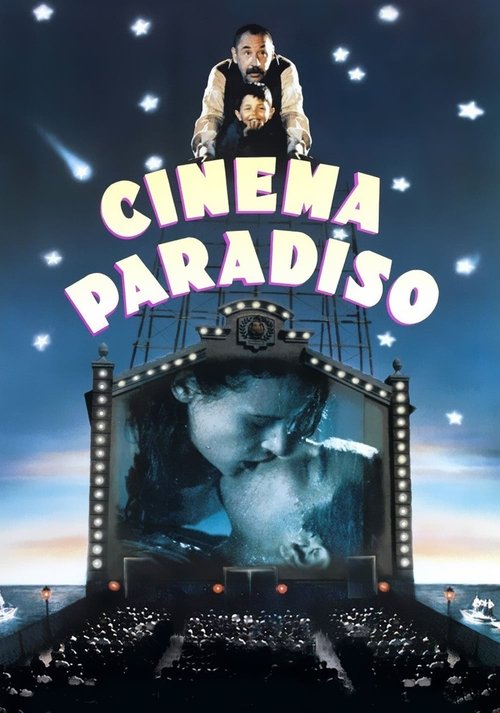
- 1988Cinema Paradiso opens, becoming Italy's most-exported emotional currency Cinema Paradiso
- 1998Life Is Beautiful wins three Oscars, dividing critics permanently Life Is Beautiful
- 2008Gomorrah the film and the book announce a new Italian crime tradition
- 2014Gomorrah the TV series begins; Gomorra becomes prestige television Gomorrah
- 2011My Brilliant Friend (novel cycle complete) reshapes how the world thinks about Naples
- 2018My Brilliant Friend the HBO series becomes international prestige television My Brilliant Friend
Spaghetti Westerns and Genre Masters
Made for lire, canonized in retrospect: Leone, Corbucci, Bava, Argento
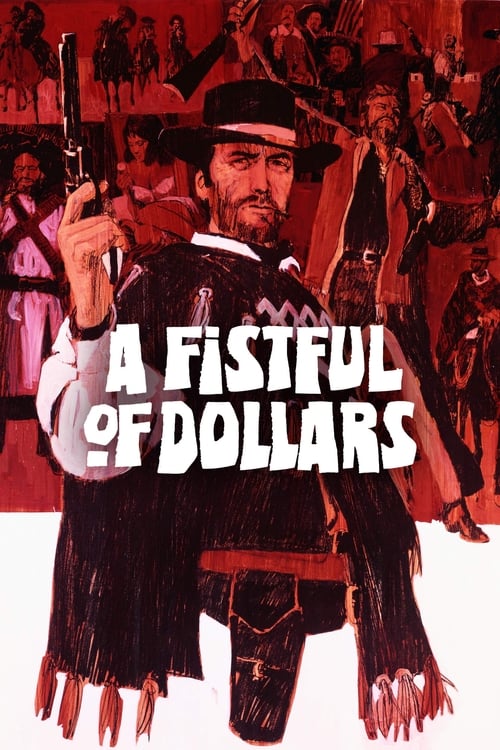
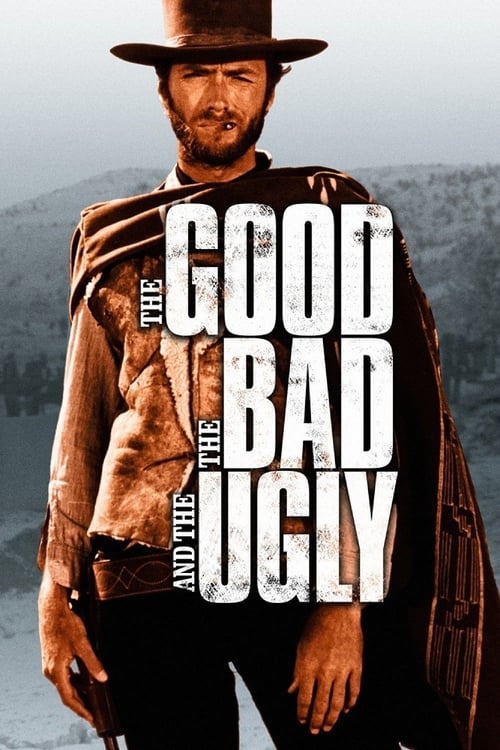
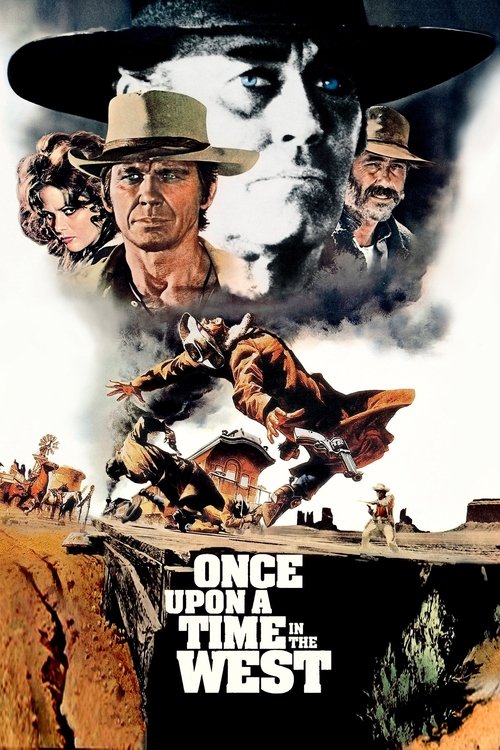

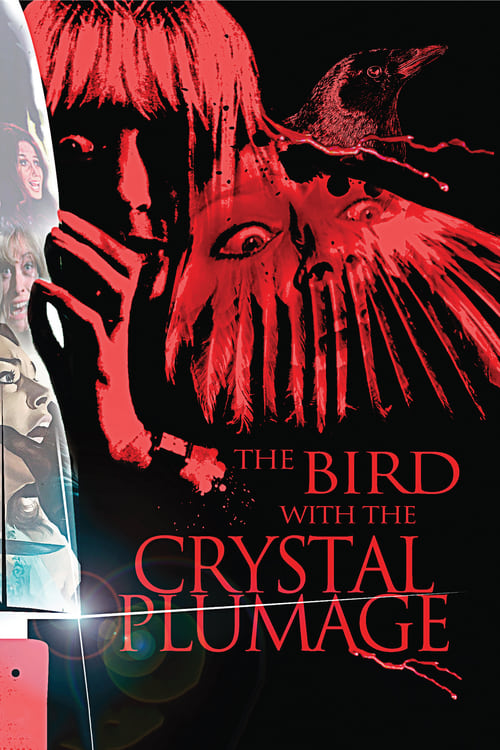
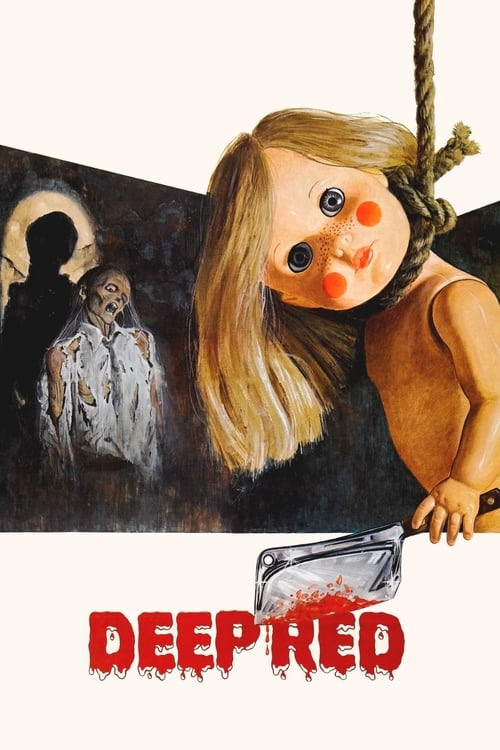
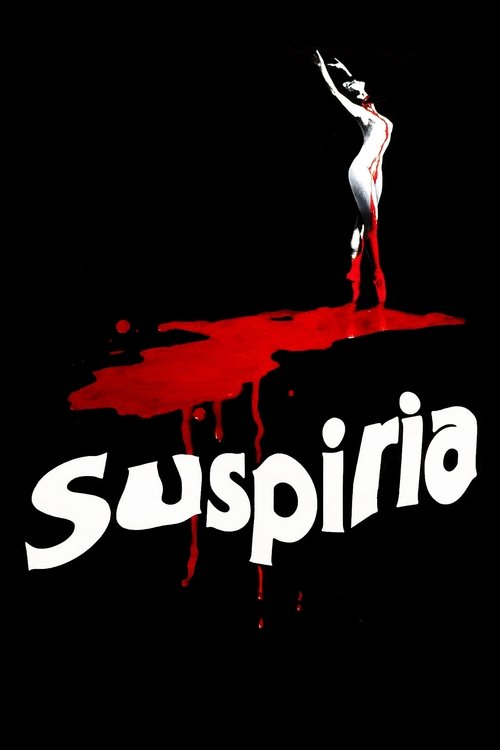
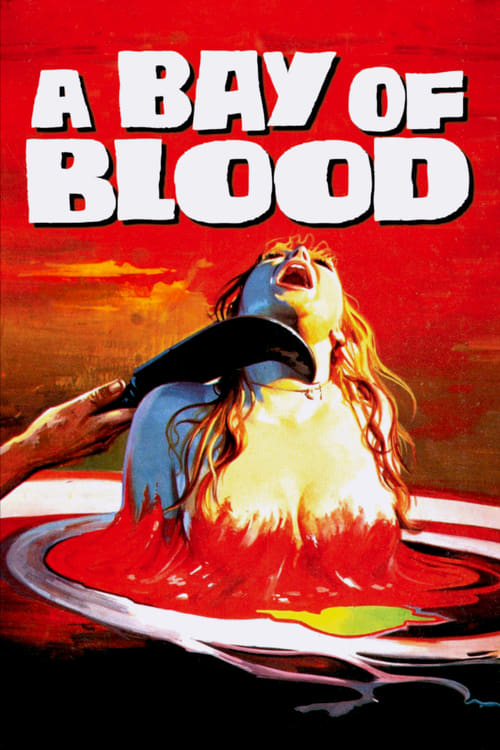
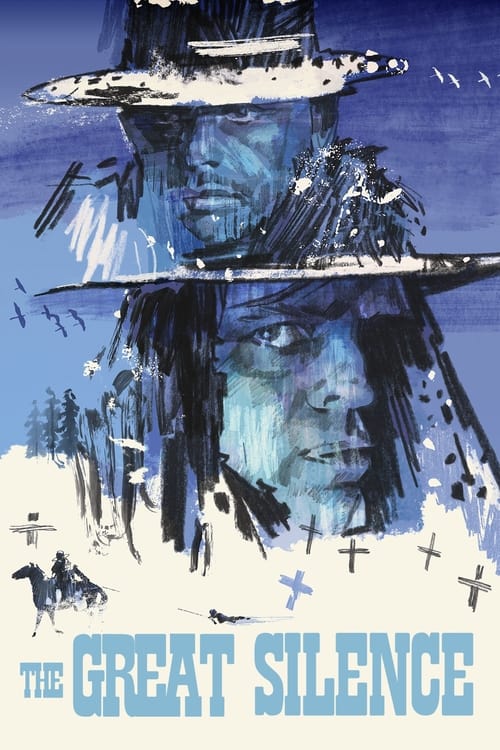
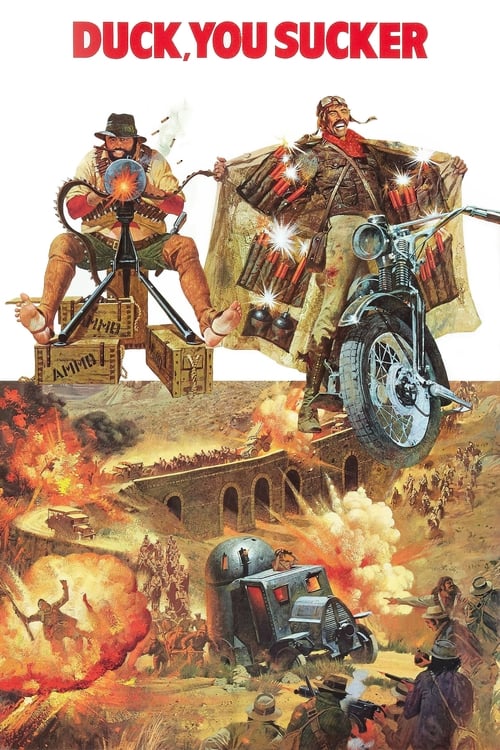
Leone's westerns are not westerns, they are operas
The American western had no idea what Sergio Leone did to it. He took a genre built on action, compressed it into long passages of near-silence, and then detonated it in bursts of operatic violence choreographed to Ennio Morricone's score, which is the actual protagonist of most of these films. Once Upon a Time in the West (1968) is the fullest realization of this: a film whose opening sequence, three men waiting at a train station for roughly twelve minutes, is a masterclass in tension that no director working in the genre had dared attempt. The spaghetti western was dismissed as cheap exploitation by European critics at the time. The irony is that it is formally more ambitious than most of the prestige cinema that looked down on it.
Modern Italian Cinema
From Moretti's irony to Garrone's darkness: Italy finds its voice again
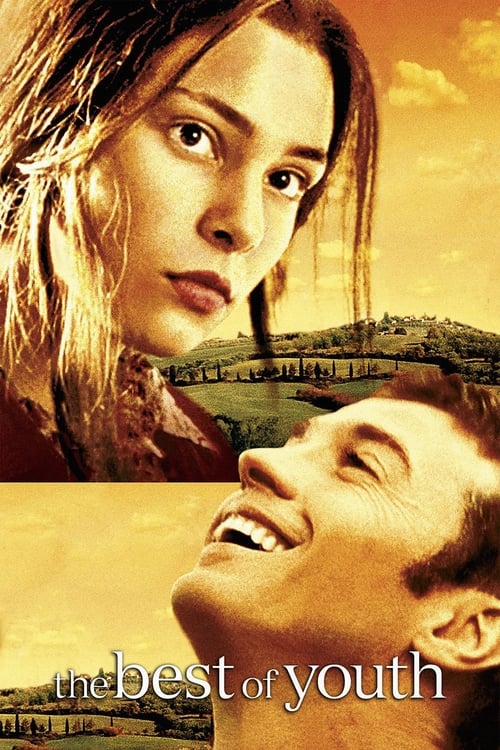
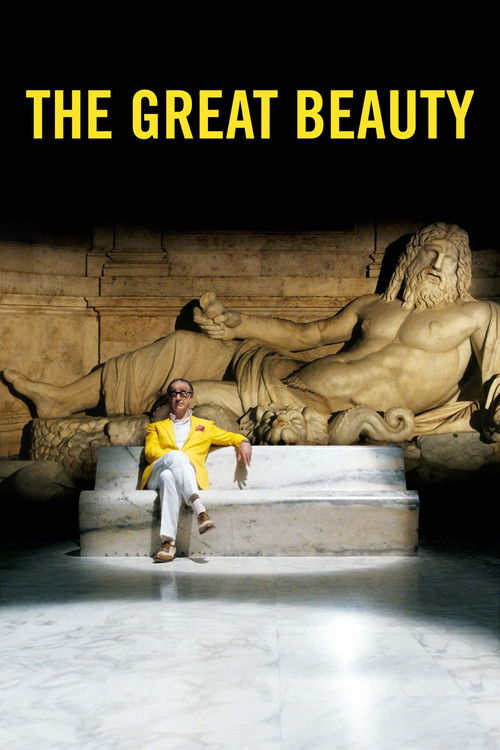
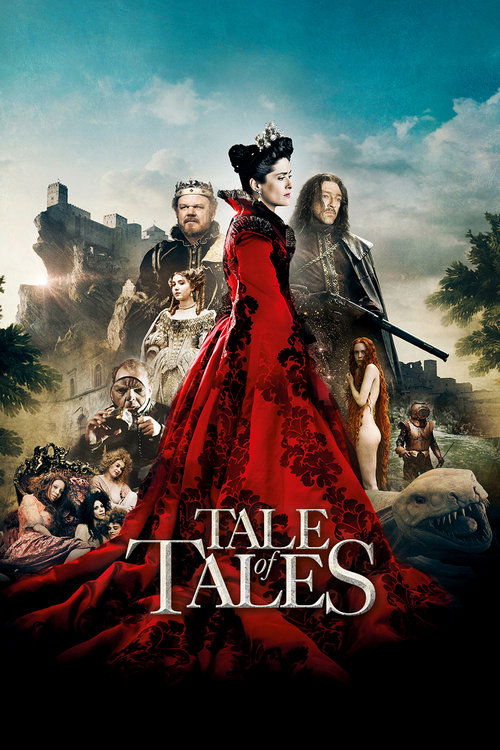

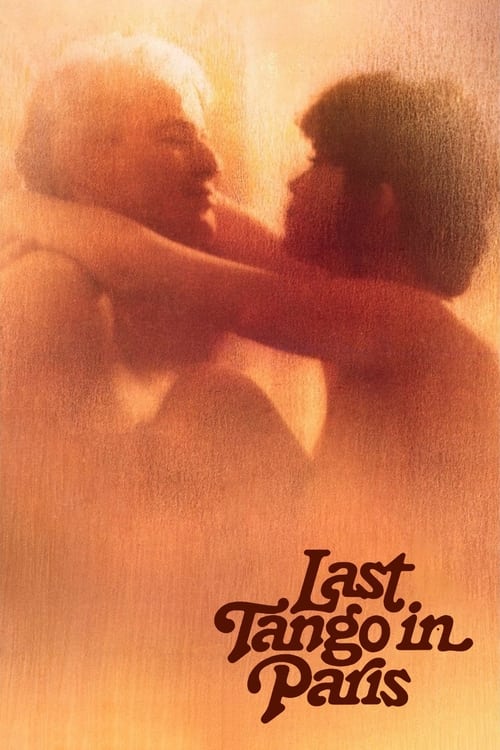
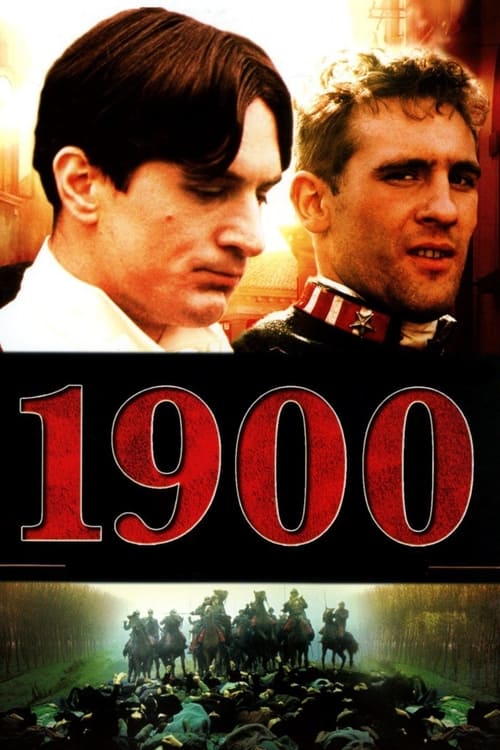
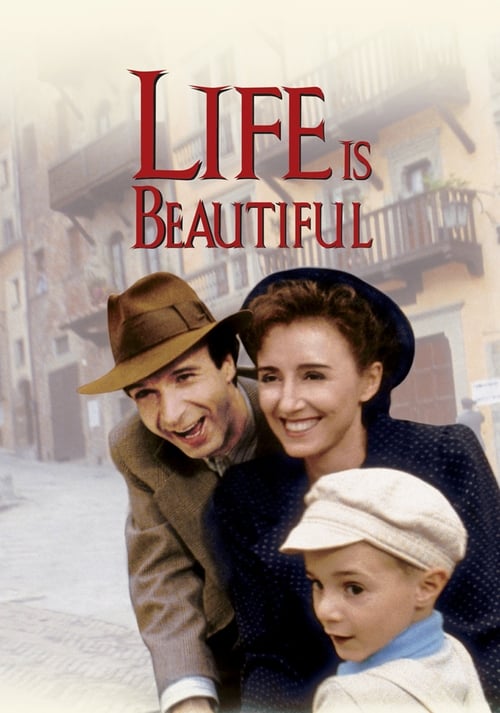
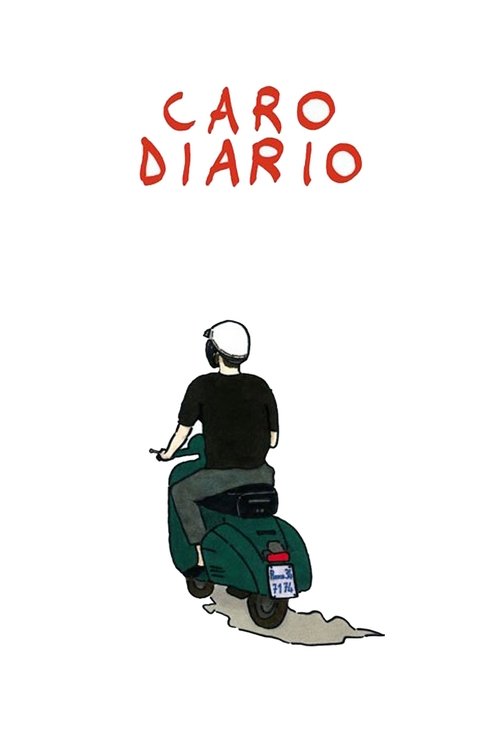
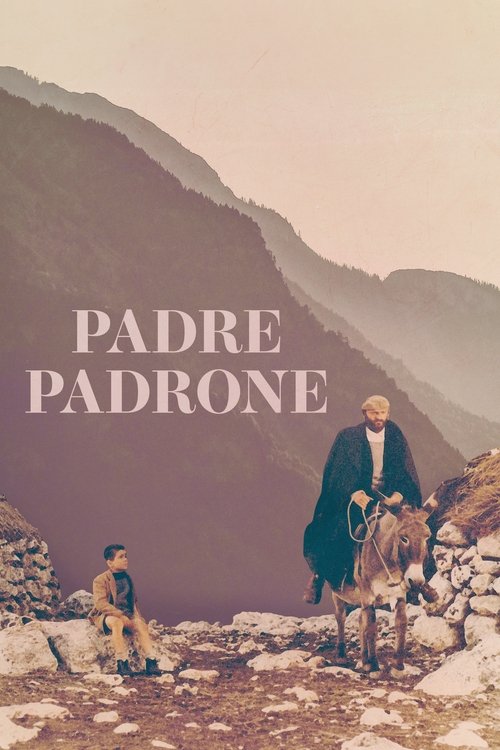
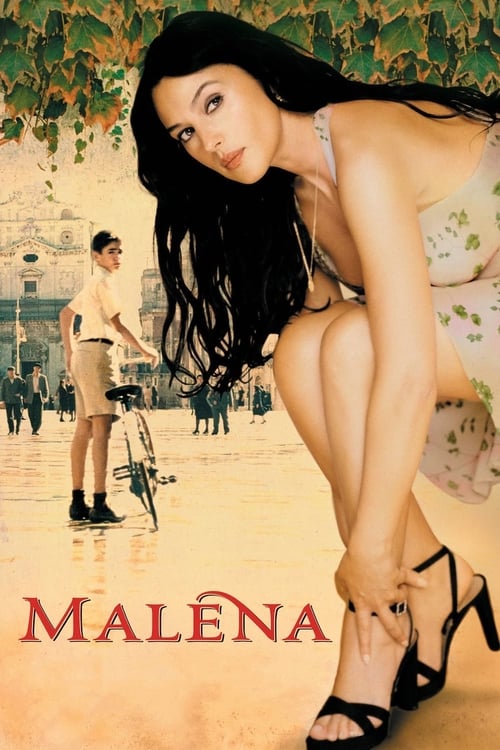
Paolo Sorrentino's The Great Beauty (2013) is about a city eating its own beauty alive, and it has the decency to implicate the film itself in that critique.CrossBinge Editorial
Italian Prestige Television
The HBO era arrives in Italy: crime, class, and the south
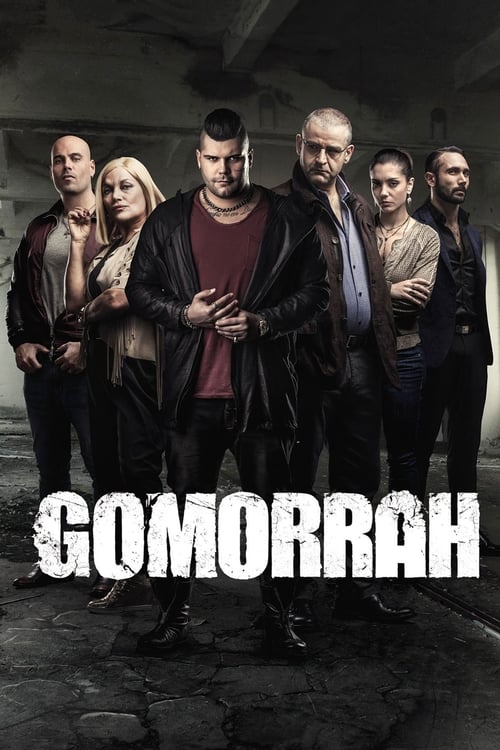
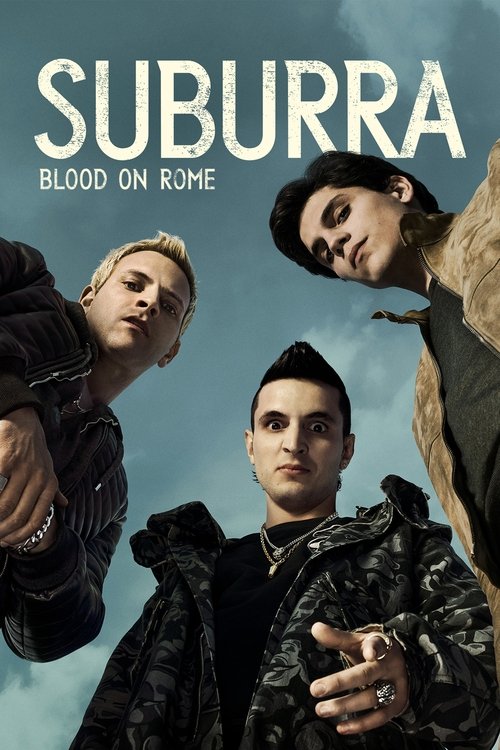
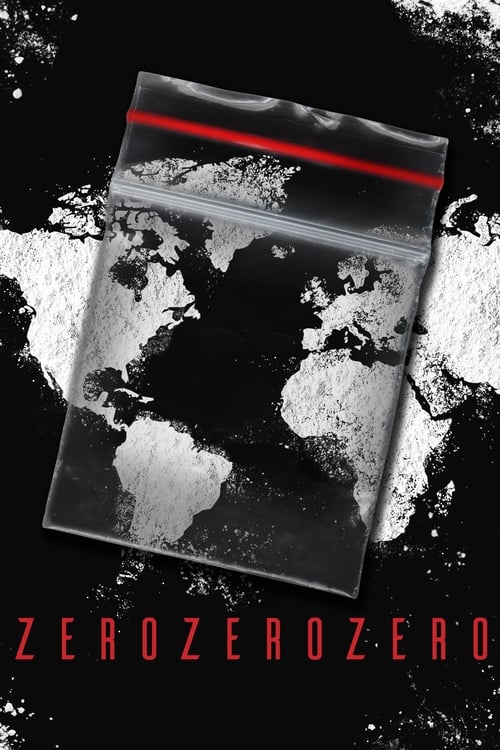
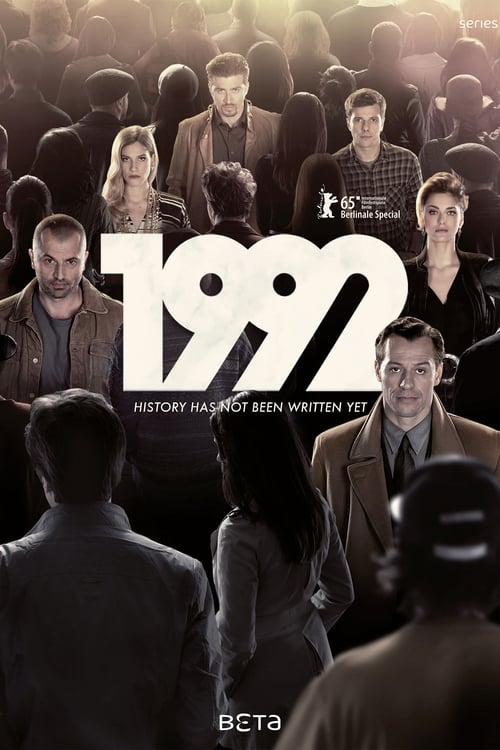
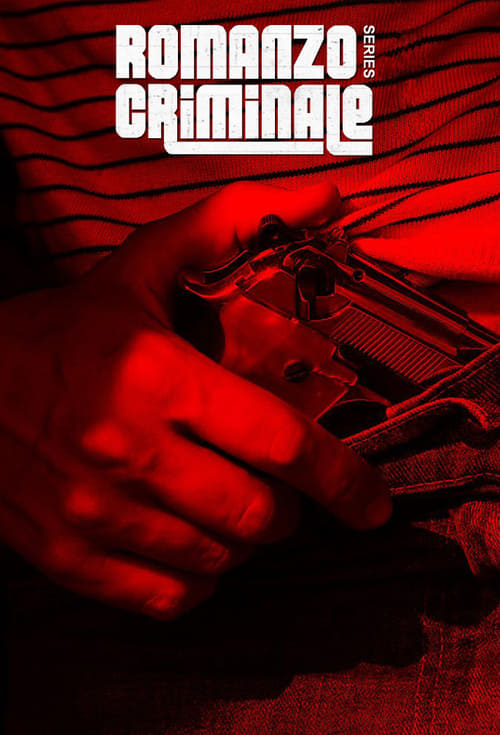
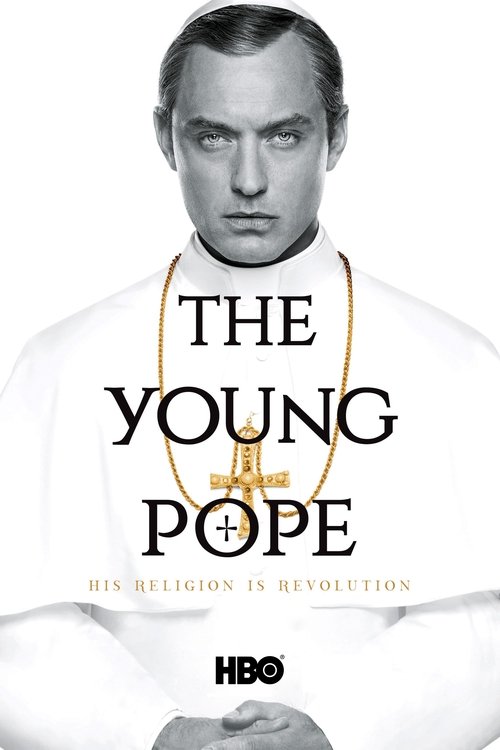
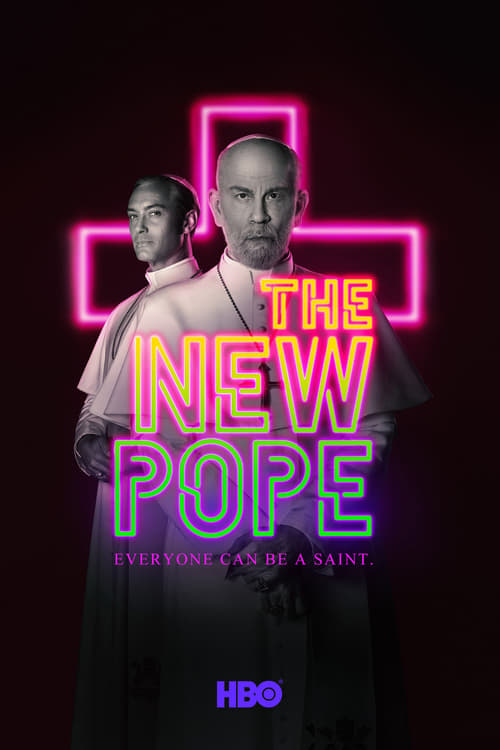
Gomorrah the TV series is the best crime television made outside America
Italian critics initially underestimated Gomorrah the series (2014-2021) because of its association with Roberto Saviano's documentary project. It is not documentary. It is a rigorously structured tragedy in the Greek sense: a community destroying itself through its own internal logic, with no outsider hero and no external salvation. What separates it from its American prestige peers is that it refuses the charisma trap. These are not loveable criminals. The violence is not choreographed to be exciting. The Neapolitan dialect itself becomes a form of characterization, marking who belongs and who is peripheral. After six seasons it stands as the most sustained and least sentimental portrait of organized crime in television history.
The Ferrante Question
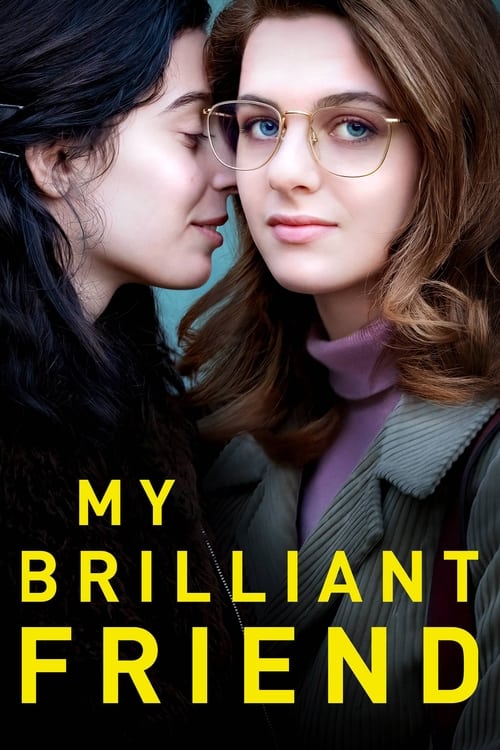
Elena Ferrante's Neapolitan quartet is, by any measure, the most significant Italian literary event of the past thirty years. Four novels published between 2011 and 2014, set across sixty years of Naples from the 1950s to the 2000s, chronicling the friendship between Elena Greco and Lila Cerullo from childhood through old age. The achievement is structural: Ferrante uses the friendship as a prism for class, gender, politics, and the specific violence of southern Italian life without ever letting the argument overwhelm the characters.
The HBO adaptation (2018-present) directed by Saverio Costanza is one of the rare cases where a television series genuinely deepens its source material rather than simplifying it. The decision to film entirely in Italian and to use actors from Naples rather than Rome was not just authenticity signalling. It means the class distinctions encoded in dialect remain legible, which is central to everything the books are doing.
Visconti and the Class Problem
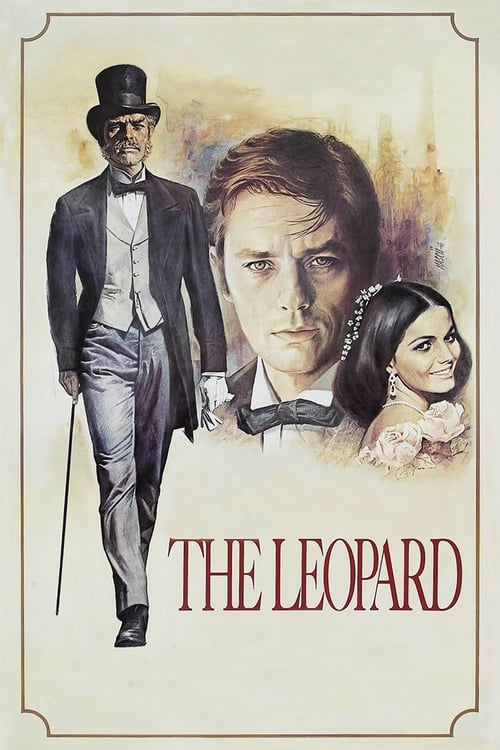
Luchino Visconti is the most underappreciated figure in the auteur canon, possibly because his politics complicate easy categorization. He was a Marxist aristocrat from one of Milan's oldest families who made films about both the Sicilian peasantry (La Terra Trema) and the Risorgimento nobility (The Leopard), and he was equally at home in both worlds. The Leopard (1963), adapted from Giuseppe Tomasi di Lampedusa's novel, is one of the most magnificent films ever made about political resignation: the Sicilian prince who understands that everything must change so that everything can stay the same. Burt Lancaster's performance, a Hollywood star dropped into an Italian aristocratic epic, somehow works, which is its own kind of miracle.
Visconti to Pasolini: Politics and the Body
Directors who used cinema as a form of argument
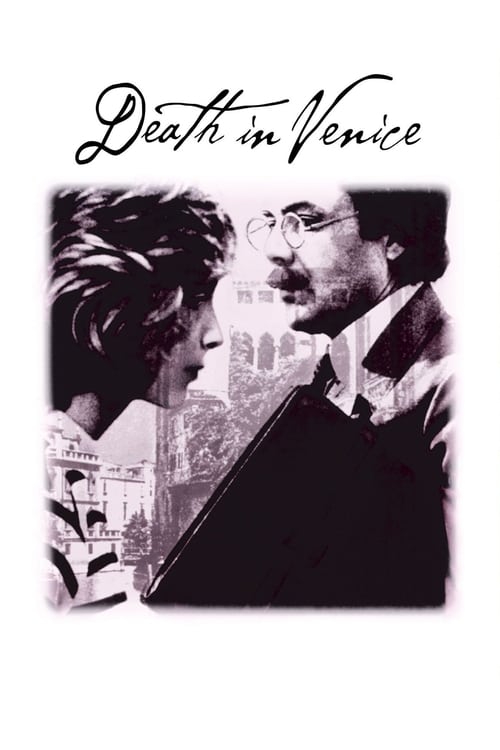
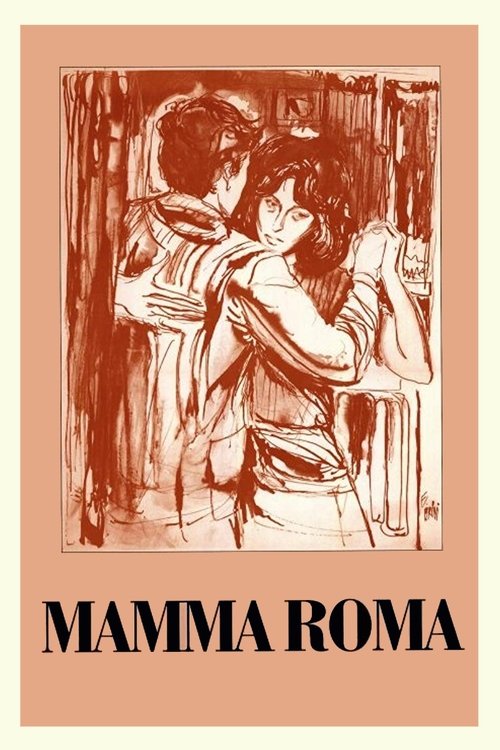
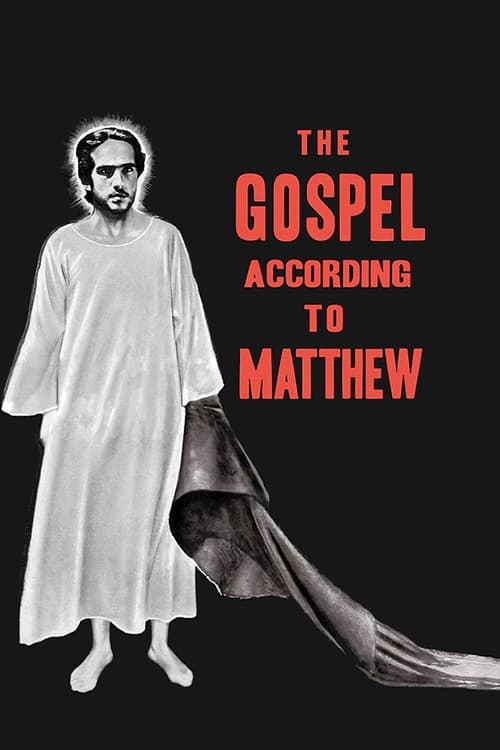
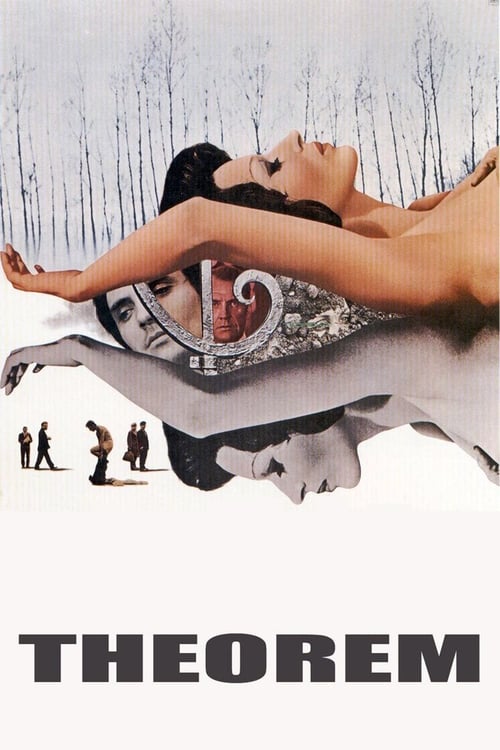
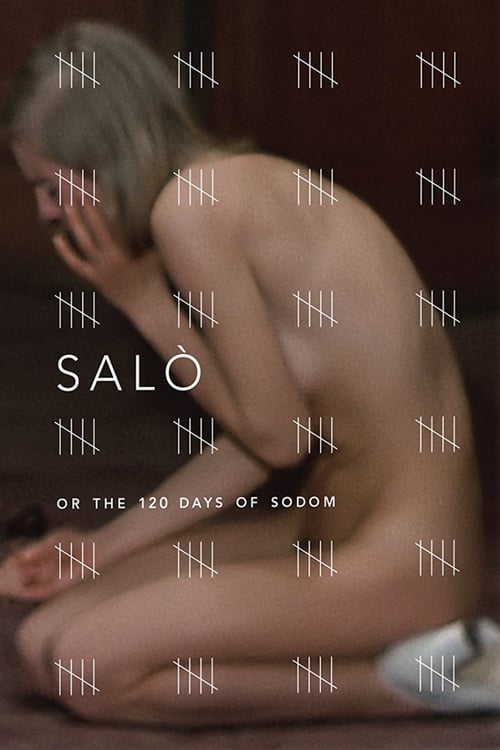
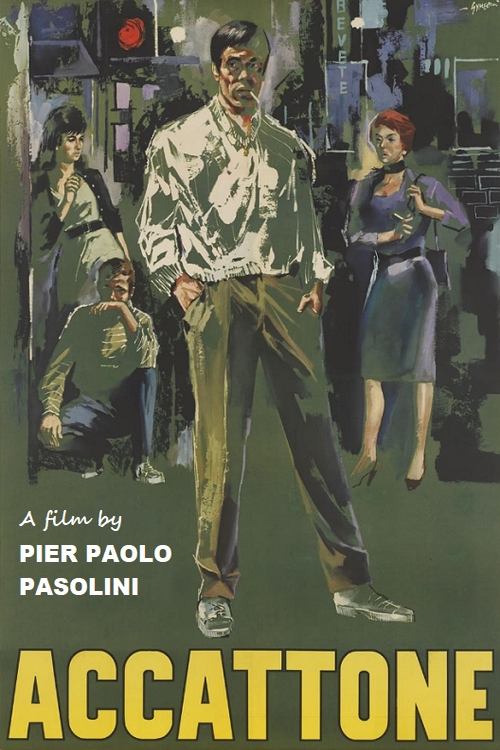
Pasolini used myth, body, and landscape the way other directors use plot. The landscape is always the south, always ancient, always accusing the present of being lesser.CrossBinge Editorial
The Giallo and Horror Tradition
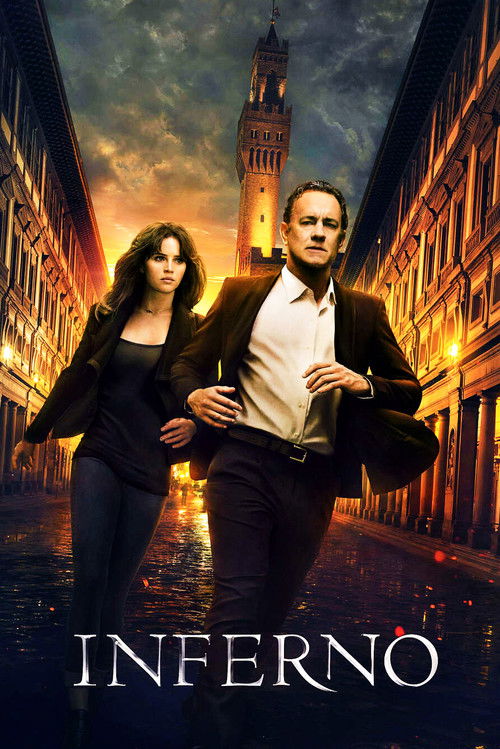
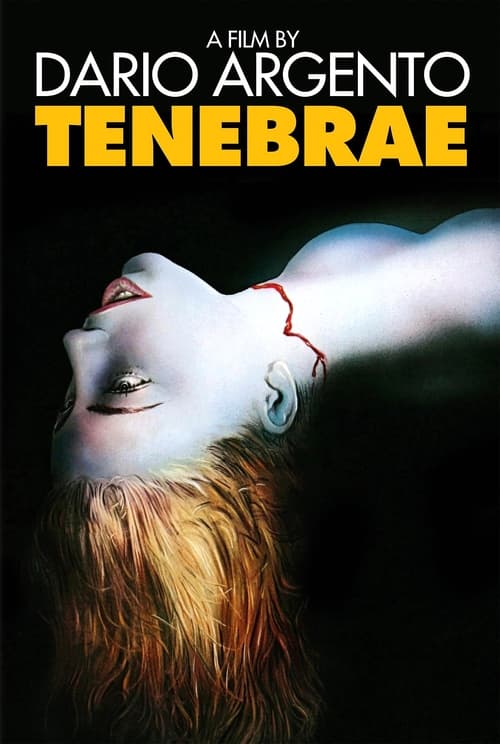
Italy invented the slasher, the body-horror aesthetic, and the unreliable witness



Games: A Note on the Italian Absence
Italy does not have a significant native video game industry. A few smaller studios exist, and some notable projects have emerged (Milestone for racing, some independent work), but nothing comparable to Japan, the US, or even France in terms of a recognized canon. What Italy does have is cultural saturation: Italian cinema, history, and architecture have generated dozens of game settings. Assassin's Creed II and Assassin's Creed Brotherhood are set in Renaissance Florence, Venice, and Rome, and whatever one thinks of Ubisoft's historical liberties, those games are responsible for more people learning the names Botticelli, Leonardo, and Rodrigo Borgia than any history curriculum. Countless action titles use Italian aesthetics without Italian authorship. It is a meaningful asymmetry: Italy as subject for games is everywhere; Italy as producer is largely absent. That gap is itself a kind of cultural story.
Deeper Cuts Worth Your Time
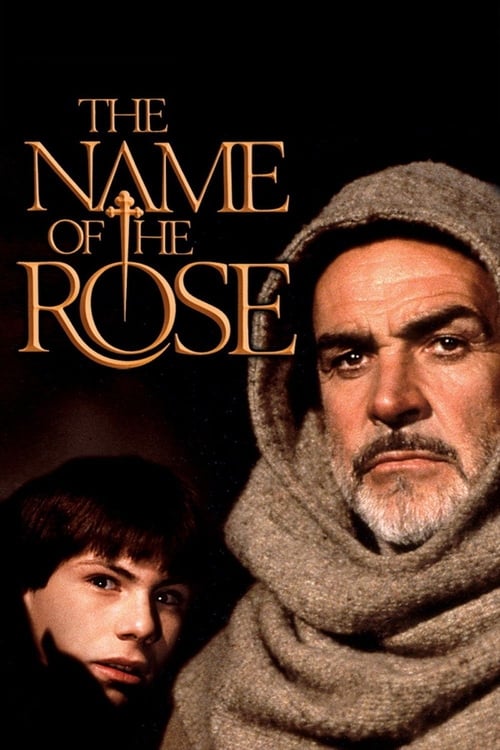
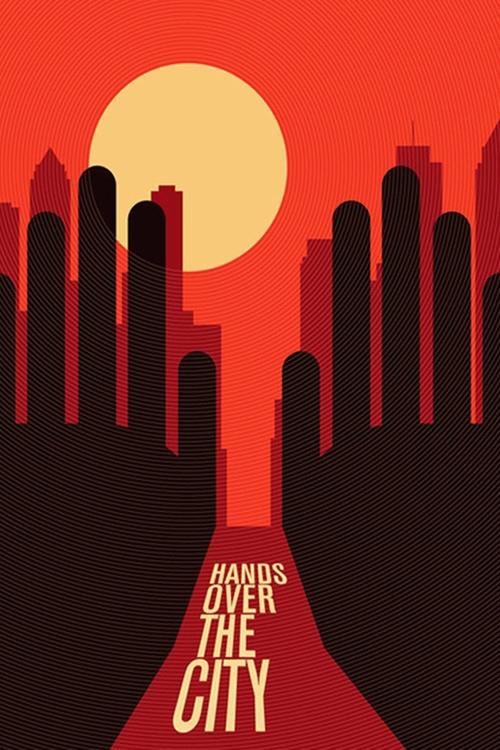
Less shown, no less essential: the films outside the standard syllabus
Where to Start
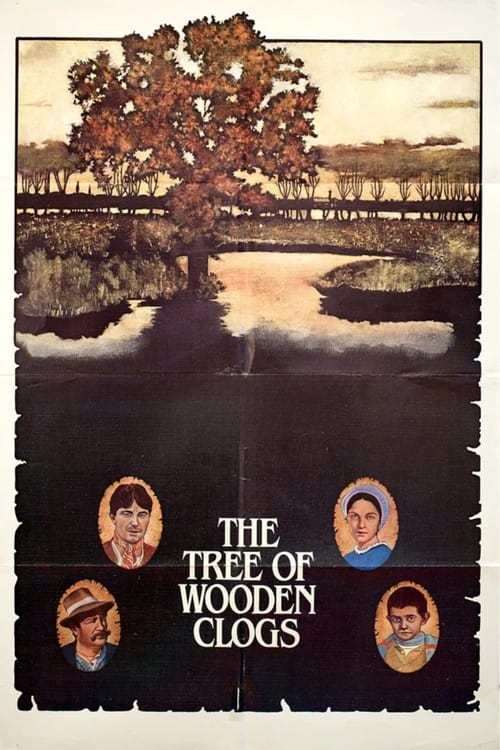
If you have seen nothing: Bicycle Thieves, then La Dolce Vita, then The Good, the Bad and the Ugly. Three films, three different Italys, three radically different relationships to beauty and despair. If you have covered the canon and want to go deeper: The Tree of Wooden Clogs (1978) by Ermanno Olmi, a three-hour film about Lombard peasants at the turn of the twentieth century, shot with non-professional actors in the Po Valley, and one of the quietest and most devastating portraits of rural poverty in the medium. For television, start with My Brilliant Friend before Gomorrah: the friendship story gives you the Naples that the crime series takes for granted.
For the books: read Ferrante's quartet before the series if you can. Read Saviano's Gomorrah after the television series rather than before, because the book's first-person documentary mode becomes more interesting once you understand how radically the adaptation departed from it. Read Lampedusa's The Leopard alongside the Visconti film: the novel and the film are in genuine dialogue, neither reducible to the other.
Notable Italian Books
The most-notable books written in Italian, from the catalog
 The Orlando Furioso
 Little Misunderstandings of No Importance
 Limbo
Limbo Il bacio della Medusa
 Schittering
 La palabra mas hermosa/ The Most Wonderful Word (Spanish Edition)
 Mosca più balena
 The Name of the Rose (Helen and Kurt Wolff Books)
 Tess of the d'Urbervilles
 L'incontro
 Il mondo deve sapere
 Futuro interiore
 La Guerre des saints
 Morgana. Storie di ragazze che tua madre non approverebbe
 Una relació perillosa
 The keeper of ruins and other inventions