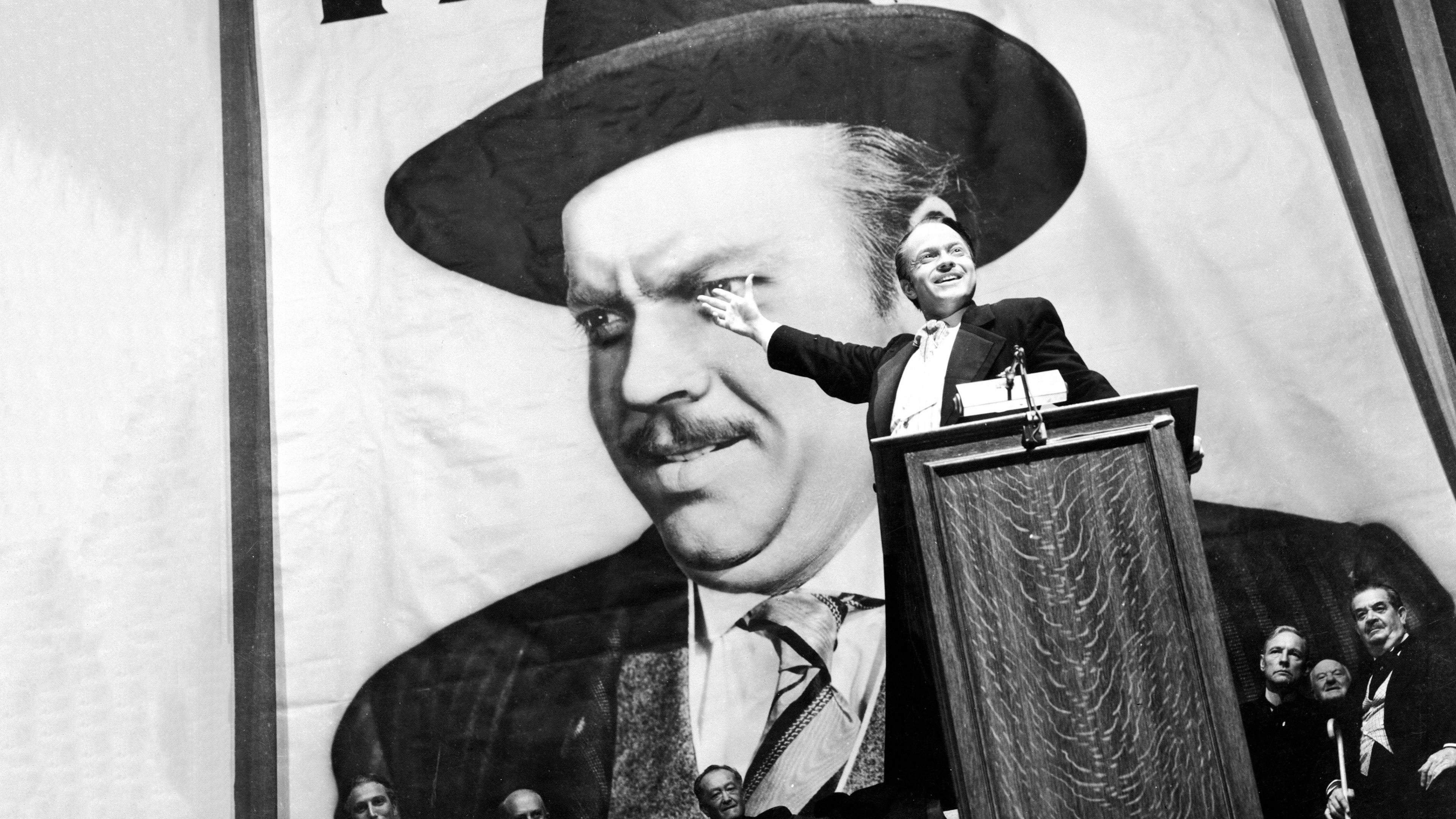

Citizen Kane does one thing that almost no other film does as completely: it makes you feel the weight of a life from the outside. Charles Foster Kane is dead before the first reel ends. Everything after is reconstruction, the reports of people who loved him or feared him or worked for him, none of whom fully understood him. What the fan of this film chases is that particular texture, an architecture of power and isolation, a story told in fragments where the whole picture is just slightly out of reach. Orson Welles shot it in 1941 at age 25, with a cinematographer (Gregg Toland) who pushed deep-focus photography so that ceilings, foregrounds, and horizons exist in the same sharp frame. Bernard Herrmann wrote the score. The result is a film that influenced nearly every ambitious American director who came after it, and that still feels like a provocation.
Essential Citizen Kane
The film itself, and the Orson Welles works that surround it
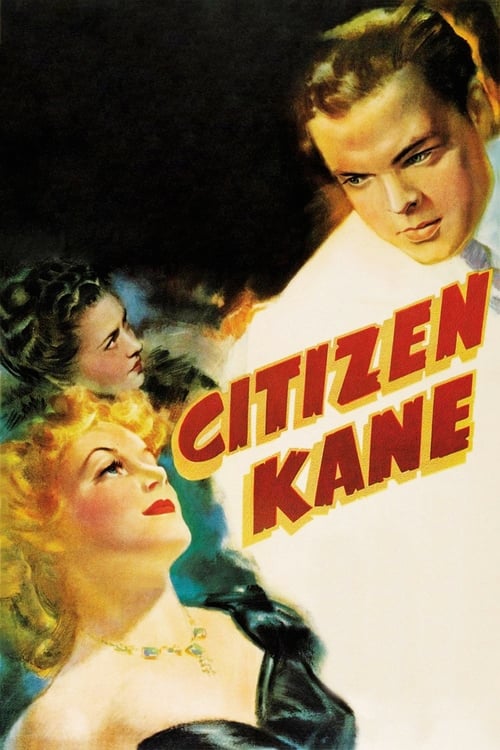
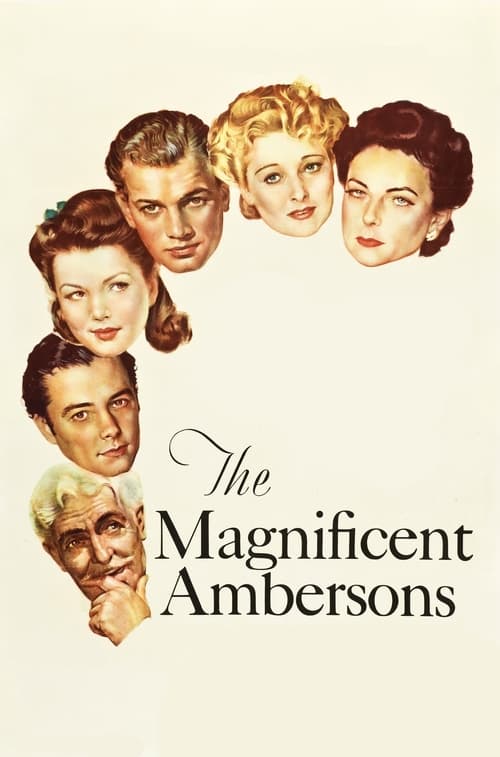
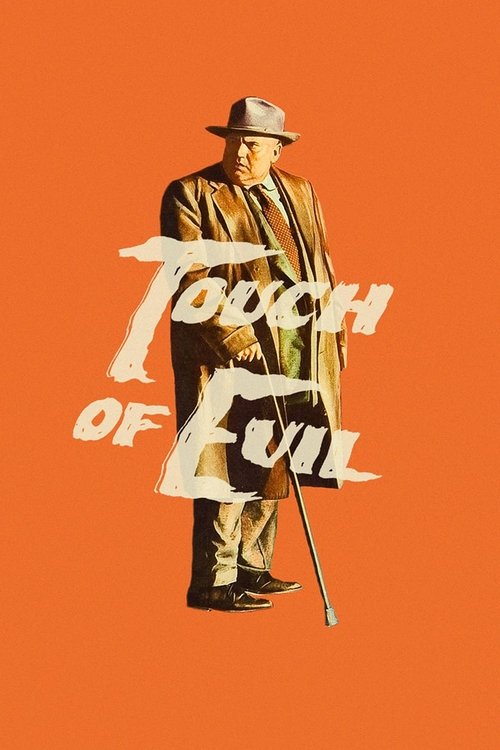
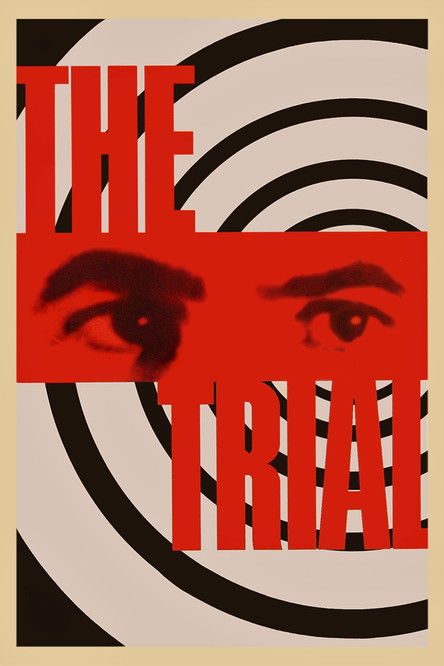
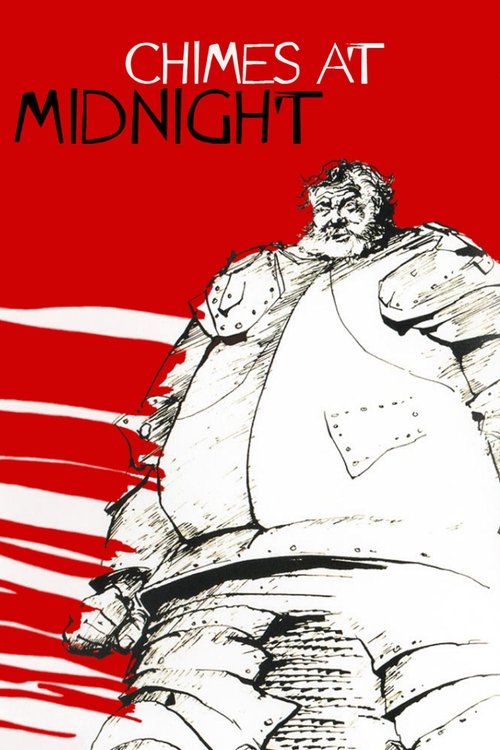
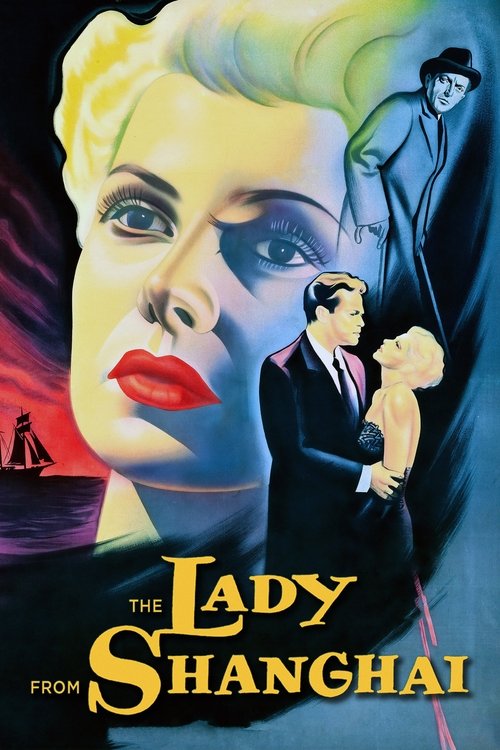
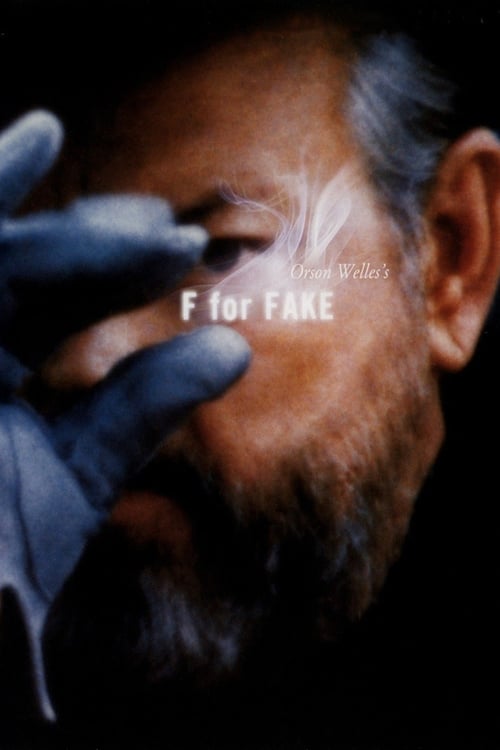
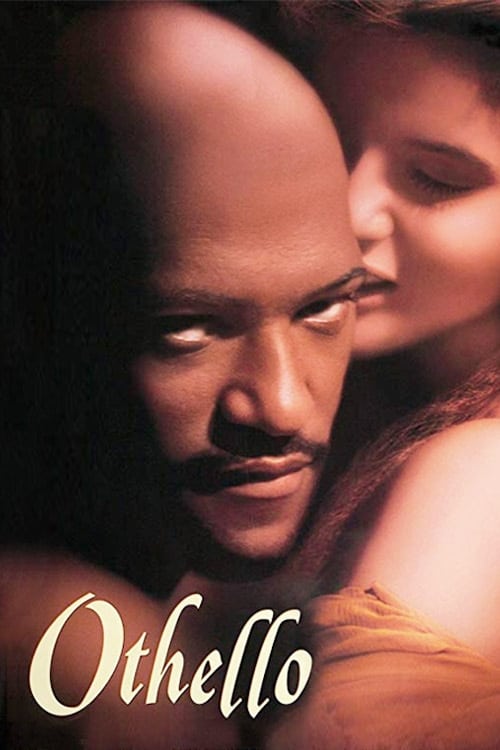
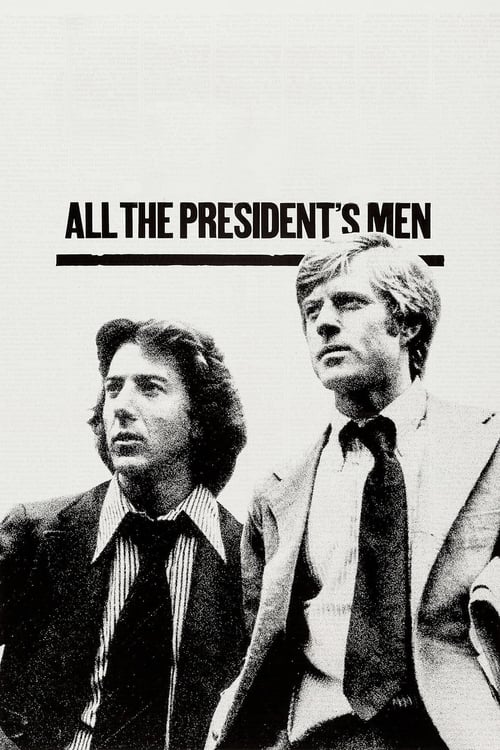
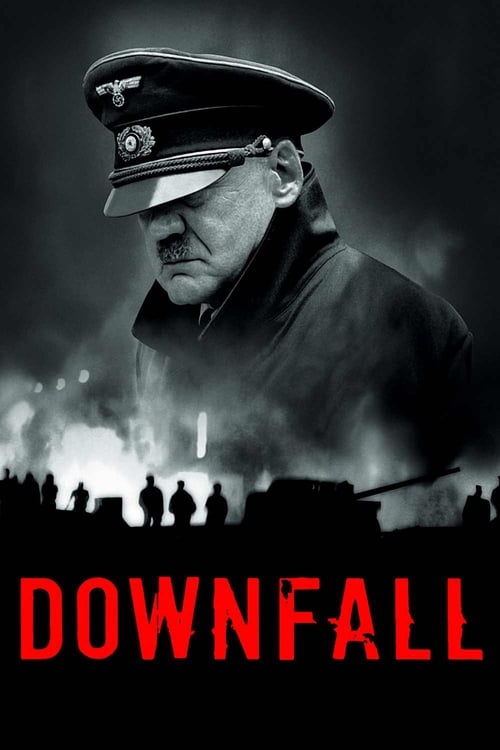
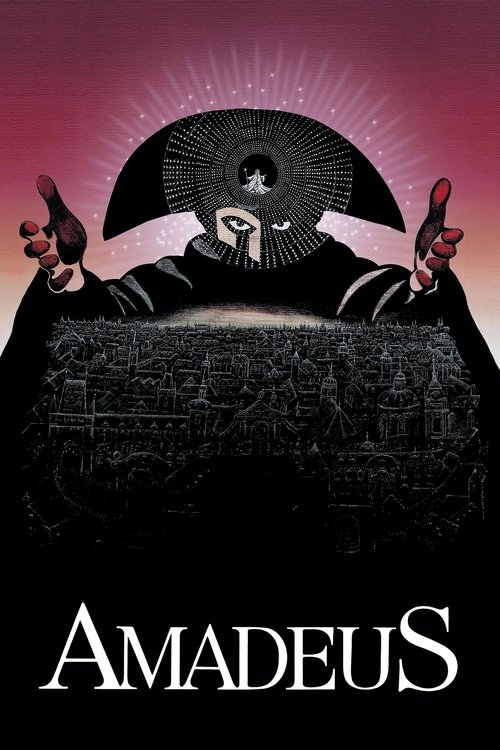
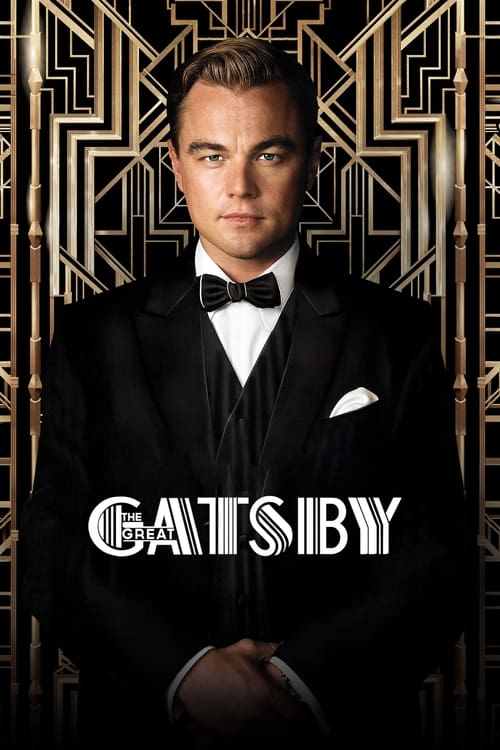
The Anatomy of Power: Films That Dissect an Empire
Movies that take apart a powerful man (or woman) with the same scalpel


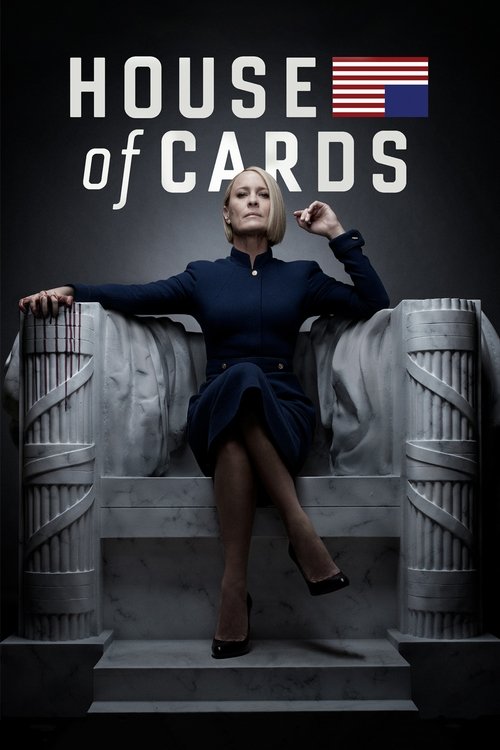
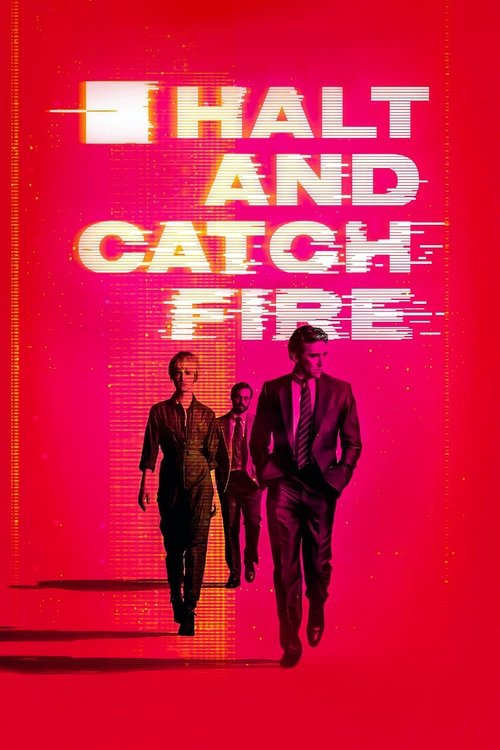
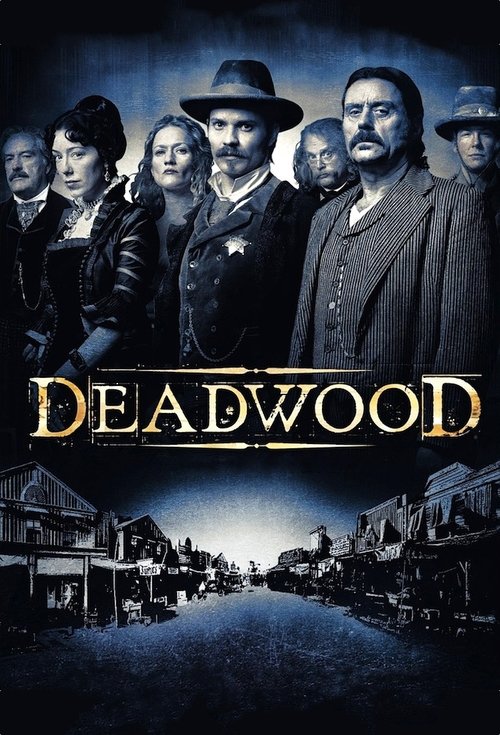
Fractured Timelines: Series That Tell a Life Backwards
Television that structures a story the way Kane does, starting at the end and working inward
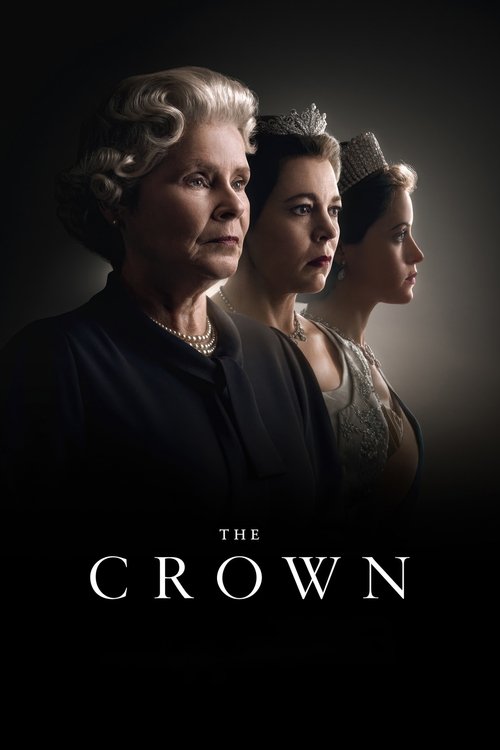
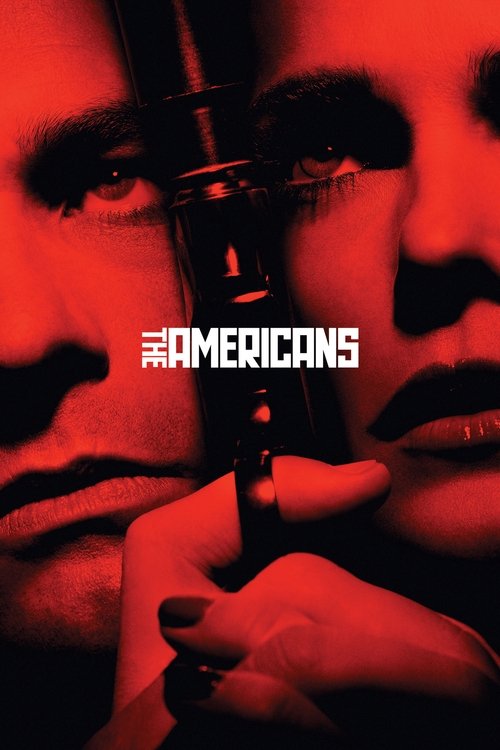
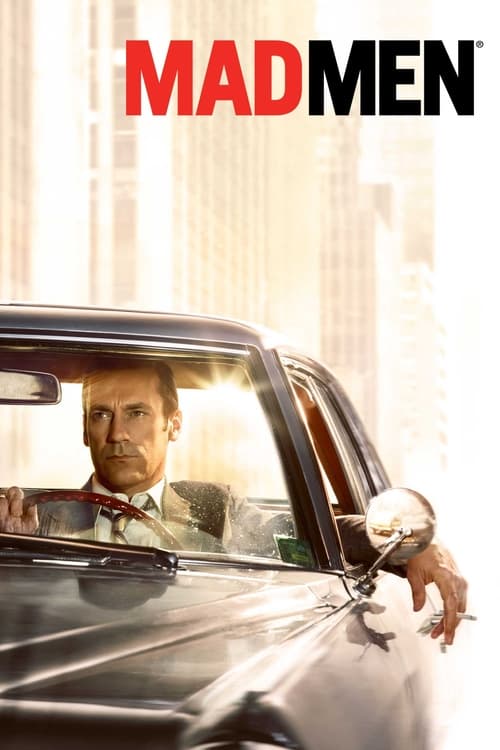
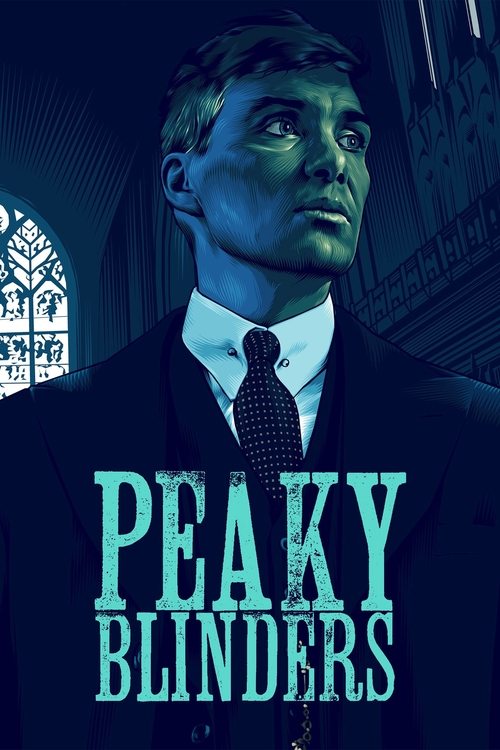
The Novel Behind the Empire: Books That Share Kane's DNA
Novels about accumulation, hubris, and what gets lost along the way


Power, Legacy, and Ruins: Games That Play in the Same Register
Games where ambition, architecture, and the cost of building something define the experience


The Score and the Era: Music That Carries the Same Weight
Bernard Herrmann's Kane score and the orchestral film music world it belongs to
Rosebud Is Not the Point
The word Rosebud is so famous it has become a cliche. But the film is not about what the sled means. It is about the impossibility of recovering what a person was before they became what they became. Kane's reporters never find the answer because there is no single answer. The sled is just the last object the camera can bear to look at. Welles understood that audiences want resolution but that real power corrupts the very ability to be understood.
Gregg Toland's Ceilings Changed Everything
Before Citizen Kane, Hollywood films rarely showed ceilings. They were avoided because they were hard to light around. Toland built sets with fabric ceilings and drilled holes for lights, creating the deep-focus wide-angle compositions that make Kane feel like you are always seeing the whole room at once, including the parts that should have been hidden. That choice, architectural and almost accidental, became the grammar of modern prestige cinema.
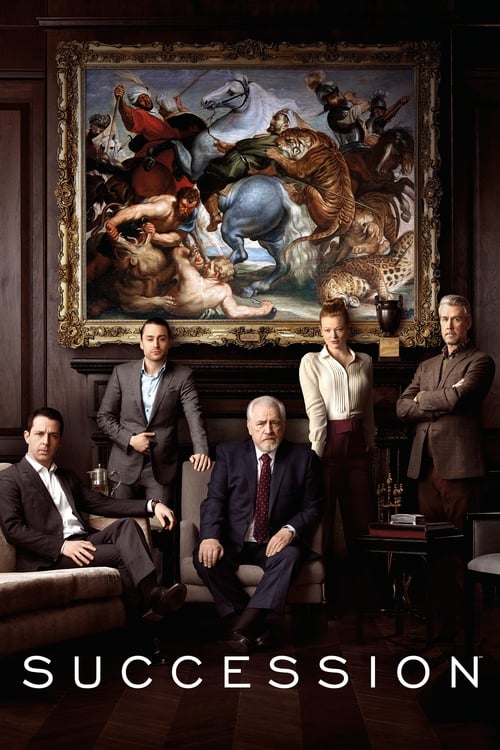
Succession Is the Television Heir
Succession owes Citizen Kane a structural debt that its writers have acknowledged. The Logan Roy dynasty is built on the same premise: an empire shaped by one unreadable patriarch, his children circling the center of power, the audience never quite certain what the man at the top actually wants. Where Kane is a retrospective, Succession is real time. Both formats arrive at the same conclusion about men who build things.
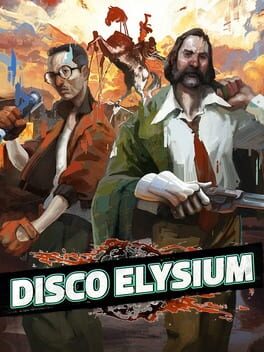
Disco Elysium Is the Only Game That Shares Kane's Ambition
Disco Elysium is not an adaptation of Kane and shares no plot with it. But it is the only game that uses its medium the way Kane uses cinema: to reconstruct a man from the outside, through other people's accounts, through fragments and unreliable narrators. Harry Du Bois, like Kane, is a figure whose true self is perpetually one interview away. The game trusts the player to synthesize a portrait from debris.
A Century of Power Portraits: The Kane Lineage
- 1941Citizen Kane reshapes what a film can do with structure and image Citizen Kane
- 1942Welles follows it with The Magnificent Ambersons, another portrait of a dynasty in decline The Magnificent Ambersons
- 1949All the King's Men wins the Oscar for Best Picture, the literary Kane equivalent
- 1958Touch of Evil: Welles directs himself as a corrupt border-town power broker Touch of Evil
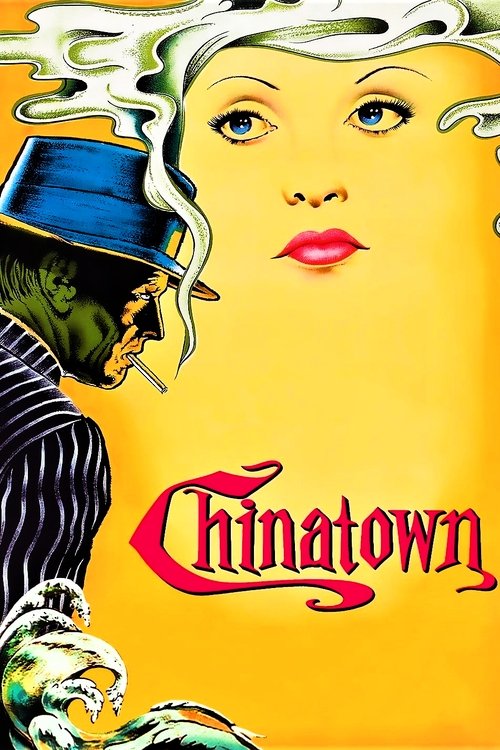
- 1974Chinatown applies Kane's anatomy-of-power template to Los Angeles noir Chinatown
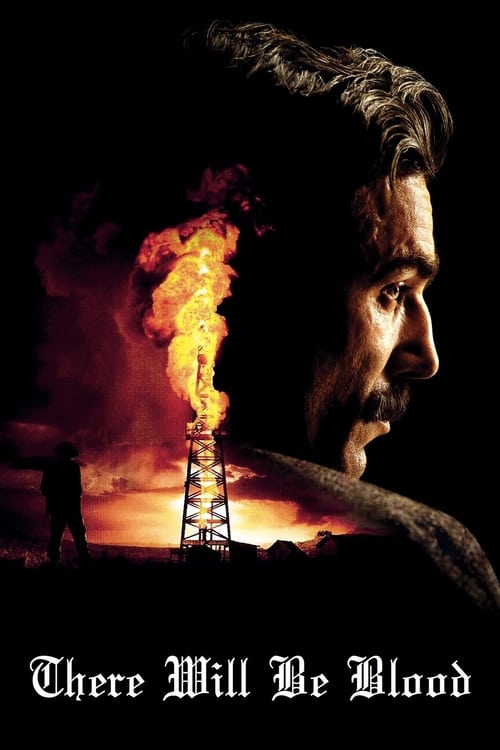
- 2007There Will Be Blood: Paul Thomas Anderson's explicit Kane riff on oil-era capitalism There Will Be Blood
- 2010The Social Network: Fincher's Kane for the internet age, told in the same retrospective mode The Social Network
- 2015Disco Elysium enters development: the first game to attempt a Kane-style external reconstruction of one man Disco Elysium
- 2018Succession debuts: serialized television's fullest commitment to the Kane premise Succession
Empires, power, and unreliable narrators
For Fans of Succession
Explore the For Fans of Succession guide →Old age: it is the only disease you do not look forward to being cured of.Charles Foster Kane, Citizen Kane (1941)