
Cixin Liu writes science fiction at a scale most authors never attempt. The Remembrance of Earth's Past trilogy (The Three-Body Problem, The Dark Forest, Death's End) starts with a physics crisis in 1960s China and ends with the heat death of the universe. Along the way it introduces the Dark Forest theory of cosmic sociology: every civilization capable of spaceflight is also capable of extinction, so silence is the only rational strategy, and any signal is a death warrant. That idea burrows under your skin. Liu's prose is dense with orbital mechanics, game theory, and theoretical physics, but the emotional core is always a question about what humanity is worth, and whether the answer matters to anyone else. Readers who love Liu are chasing something specific: genuine intellectual vertigo, the sense that the universe is older and stranger and more hostile than any human narrative has prepared you for, and that some of the most important choices are made by individuals who will never see the consequences.
Essential Cixin Liu
The novels and stories that define his vision, from the trilogy to his standalone work



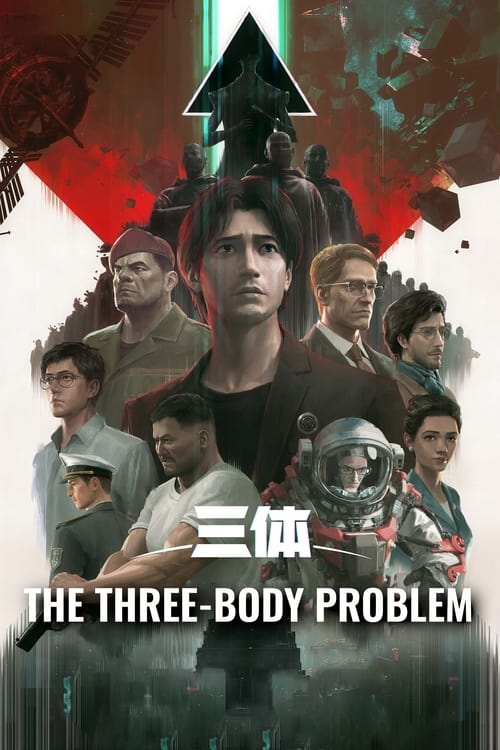
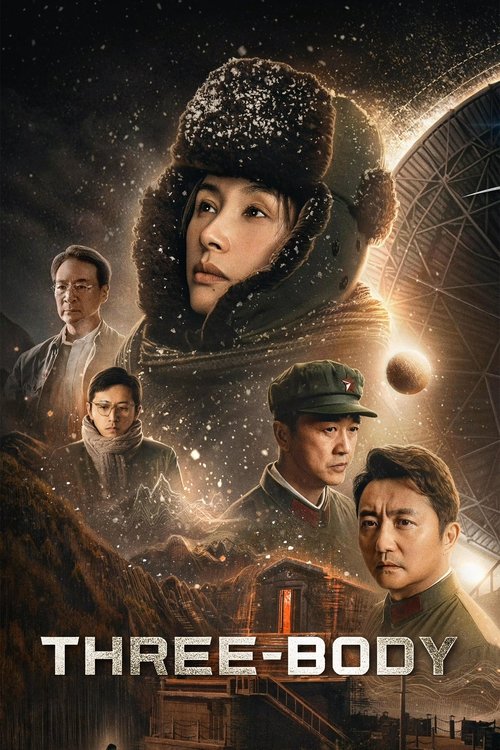
Screen Adaptations of His Work
Films and series drawn directly from Liu's stories
Hard SF Authors Who Go Just as Far
Books from writers who share Liu's commitment to scale, rigor, and unsettling ideas


Films That Match the Cosmic Dread
Cinema that takes first contact, civilizational collapse, or deep time seriously
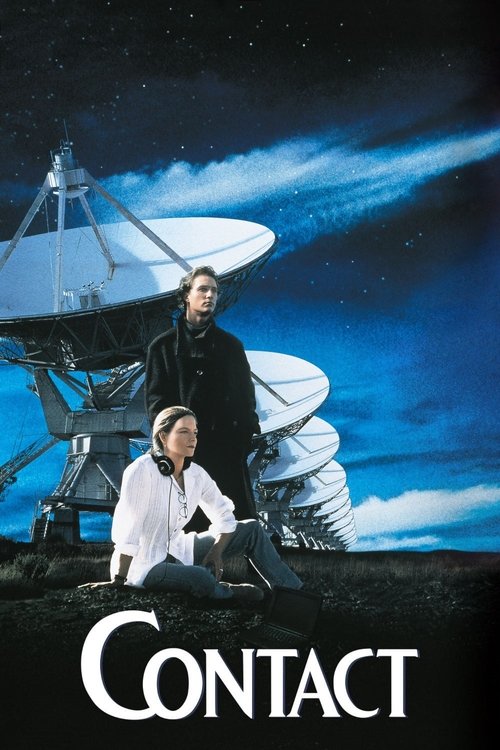
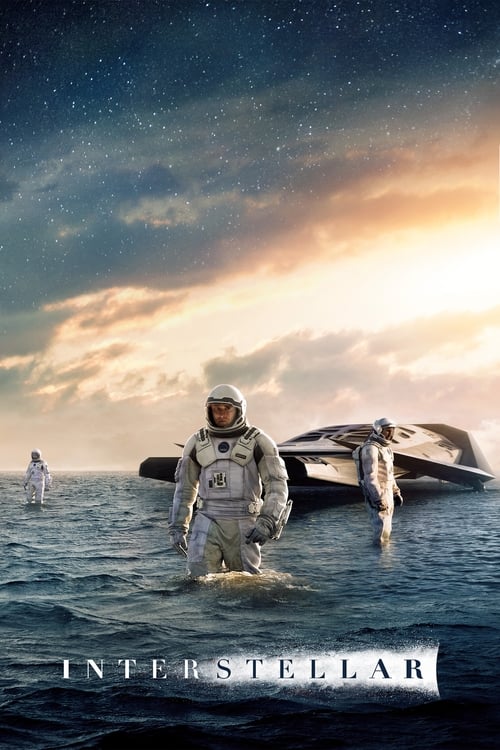
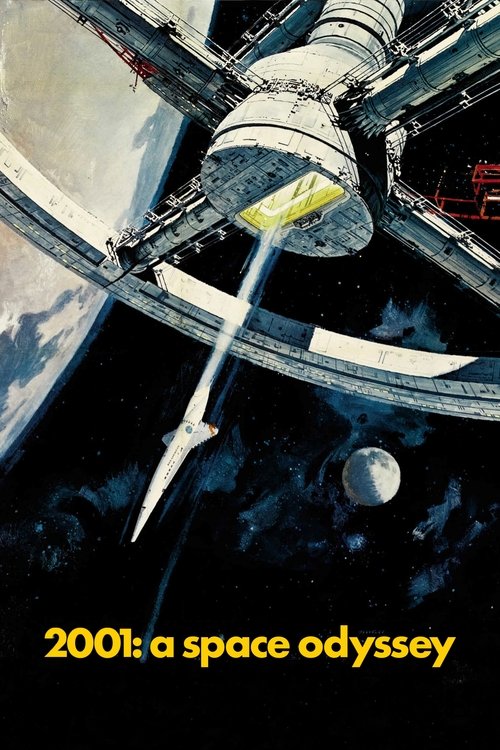
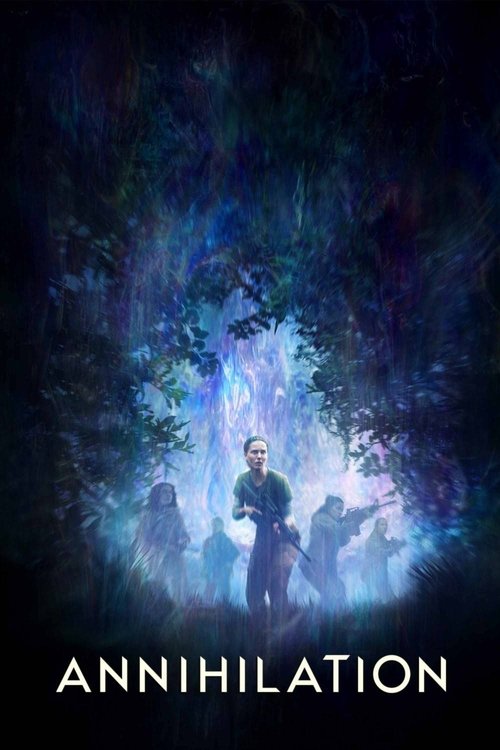
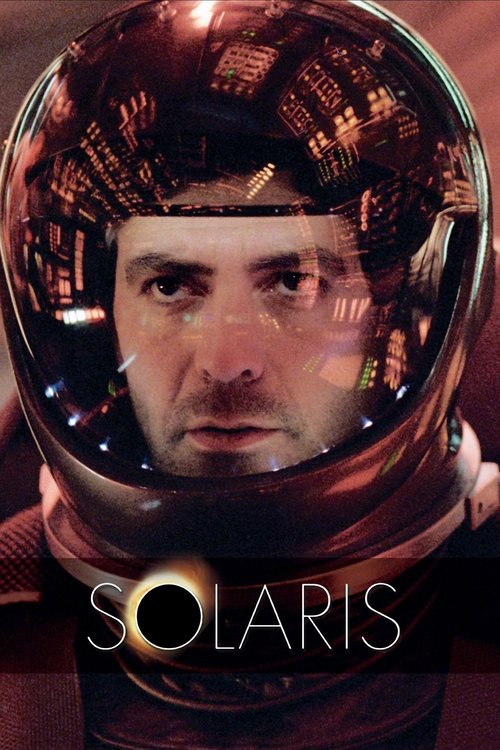
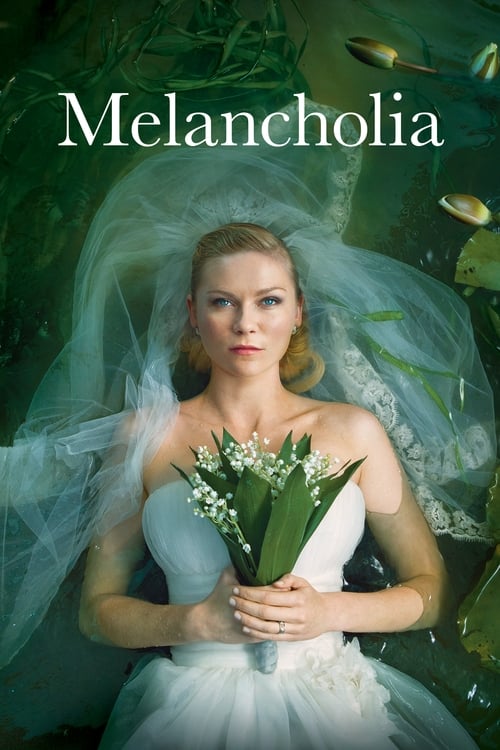
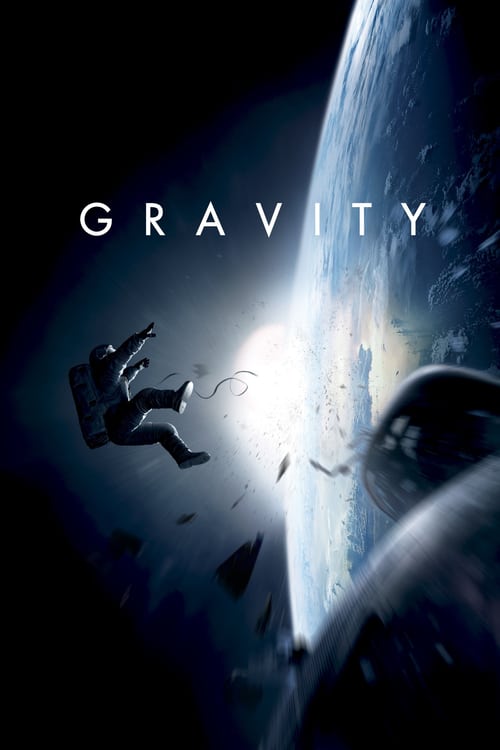

Series That Think at Scale
Television that builds complex futures or asks how institutions survive the impossible
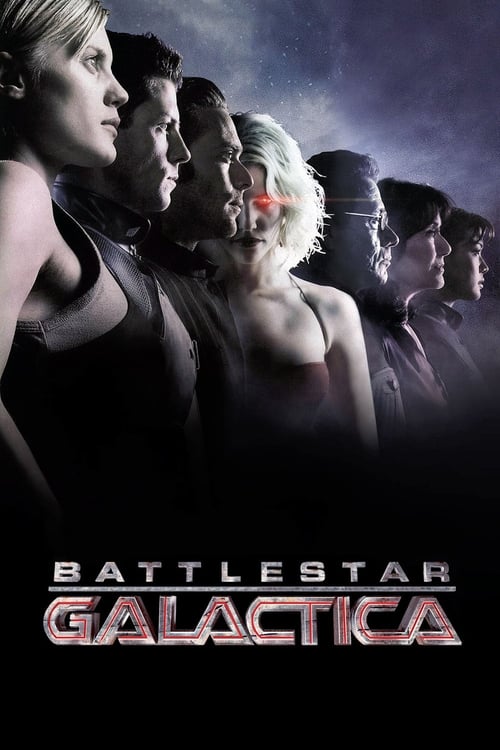
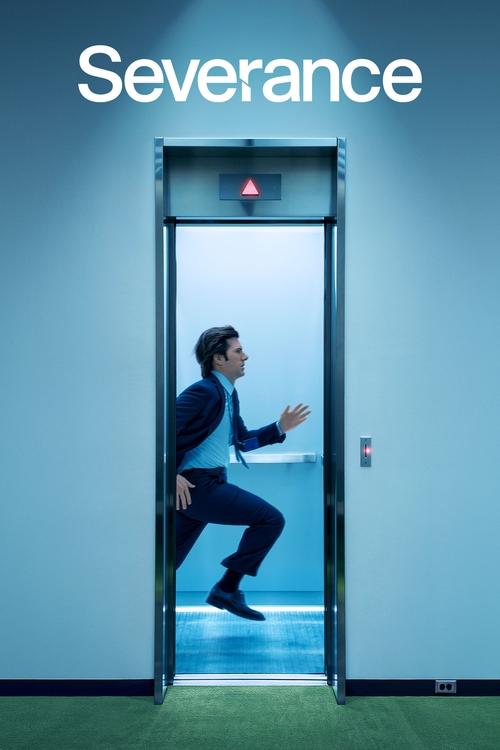
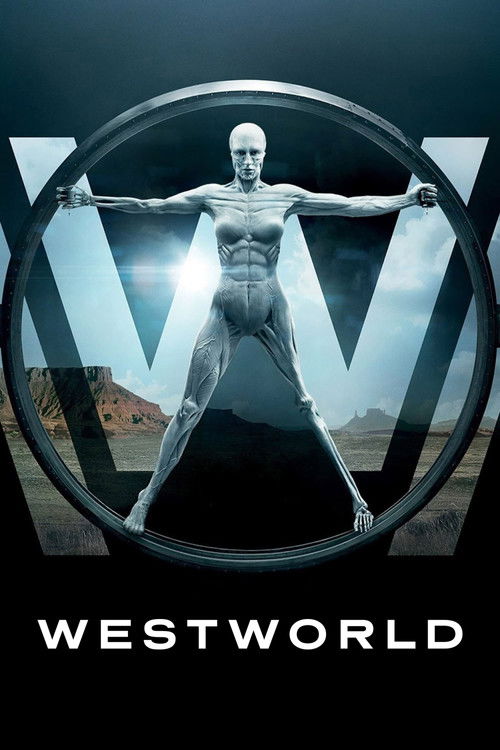

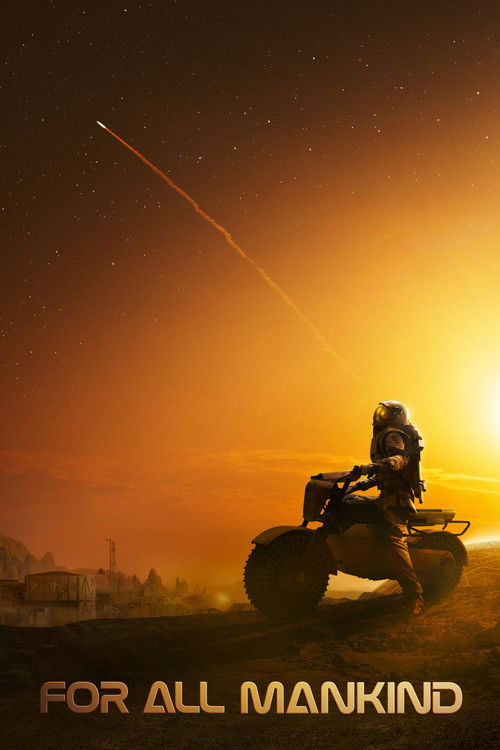
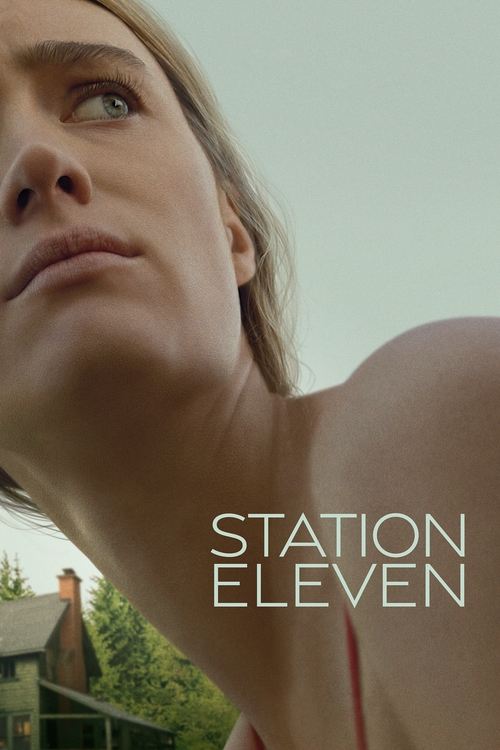

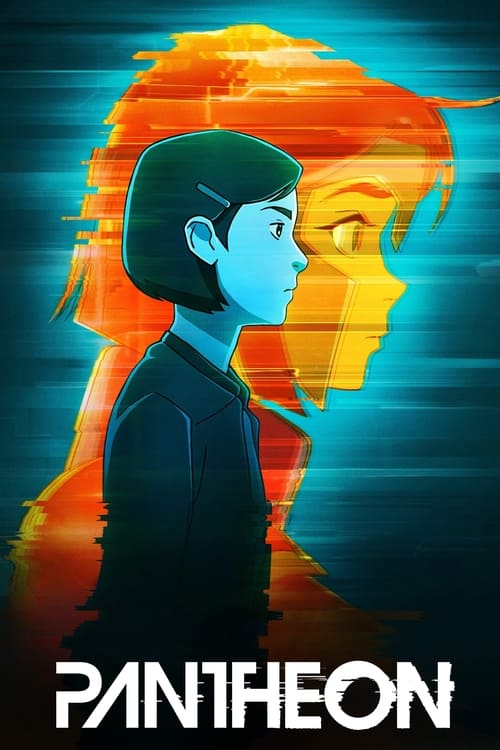
Games That Give You the Same Vertigo
Games built on exploration, deep time, alien logic, or civilizational survival
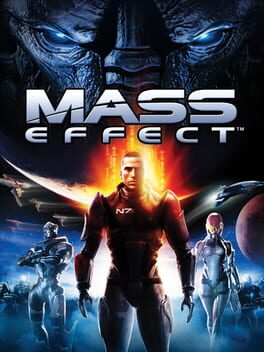
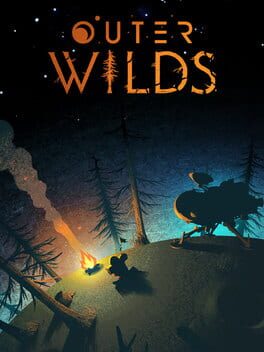
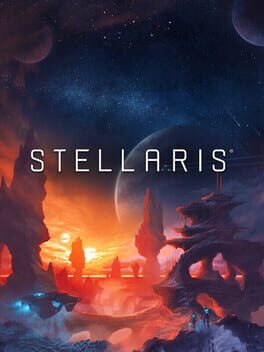
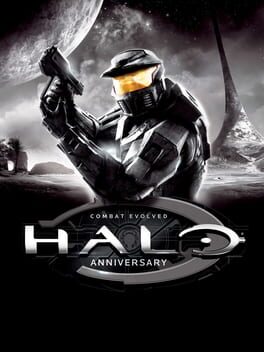
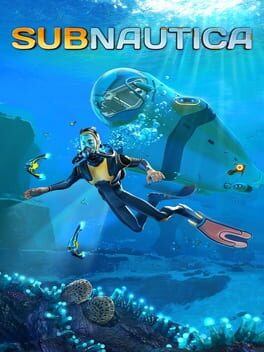
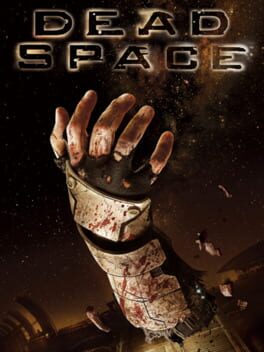
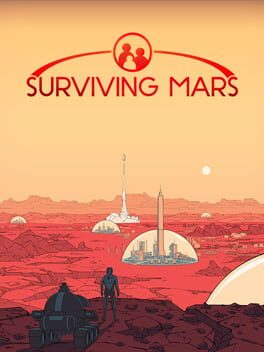
The Dark Forest Hypothesis Changes How You Read Everything Else
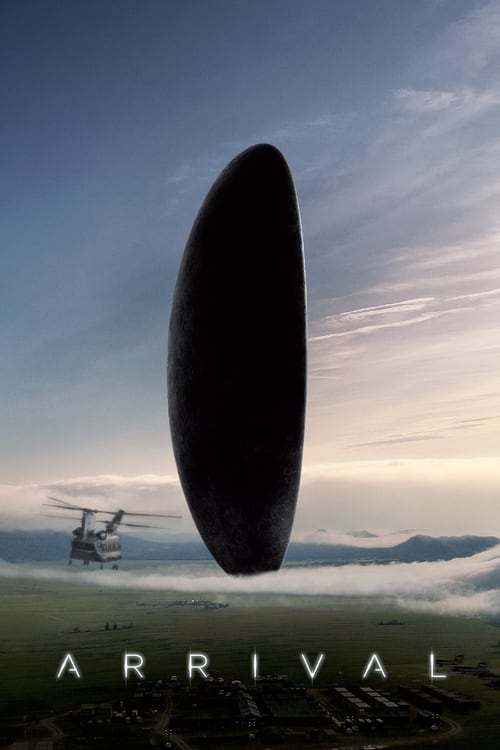
Liu's central idea in The Dark Forest is not a plot twist. It is a sociological model with real-world advocates among physicists and futurists. Every civilization capable of detecting others is also capable of destroying them, and resources are finite, so the rational move is to strike first and stay silent. The silence of the cosmos is not emptiness. It is concealment. Once you absorb this framing, you bring it to every other science fiction story you read or watch. It makes the friendly aliens of Arrival or Contact feel like a deliberate choice the author made rather than an assumption about how the universe works. That reframing is rare. Most ideas in fiction stay inside the story. This one follows you out.
Liu Writes Characters Who Are Small on Purpose
Western science fiction often makes its protagonists exceptional. Liu's characters are frequently ordinary people caught in civilizational forces so large that individual heroism becomes almost meaningless as a category. Luo Ji in The Dark Forest is a mediocre academic who spends years doing nothing. Cheng Xin in Death's End makes what many readers consider catastrophically wrong choices, and the novel refuses to let her off the hook. This is not a flaw in Liu's characterization. It is the point. The scale of the threat and the timescales involved reduce every individual act to a footnote, and Liu is honest about that in a way that makes the rare moments of genuine human agency hit much harder.
The Wandering Earth Is a Different Kind of Apocalypse Story
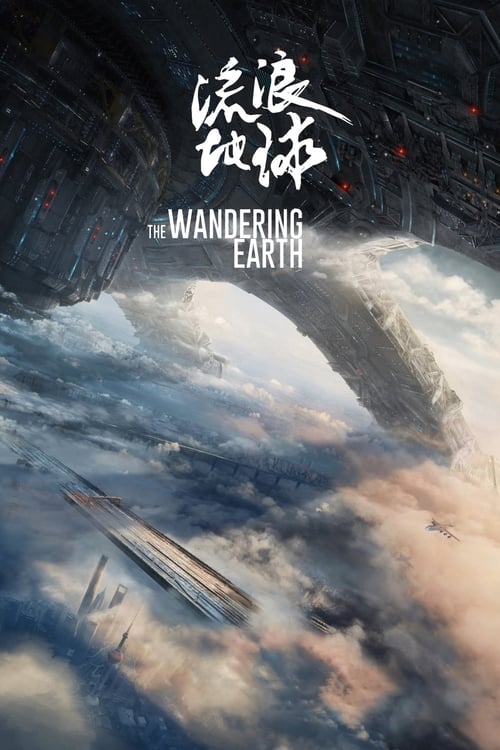
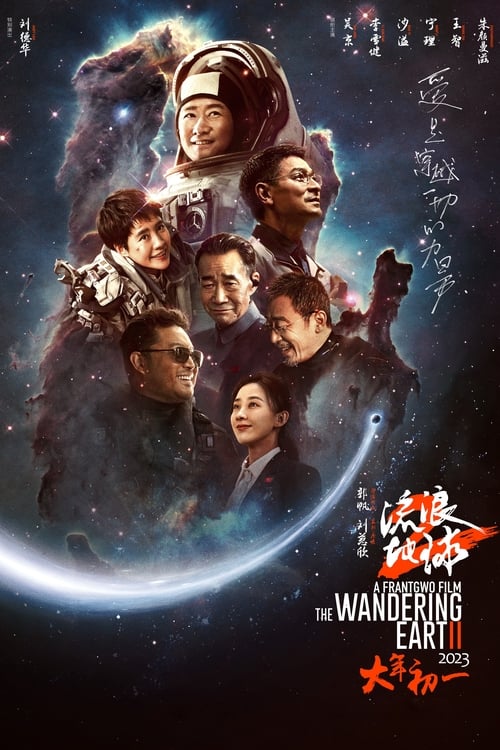
The Wandering Earth (both the story and the film adaptations) inverts the standard disaster-movie logic. Instead of escaping a dying planet, humanity moves the planet itself. It is an insanely resource-intensive, multi-generational, almost certainly doomed plan, and Liu treats it as the obvious choice, the only choice a civilization with any coherence would make. The Chinese blockbuster adaptation amplifies this into spectacle, but the short story underneath is quieter and stranger. It captures something about collective action and inherited catastrophe that Hollywood disaster films almost never touch: the people doing the work will not see whether it worked, and they have to build a culture around that fact.
Ball Lightning Is the Best Entry Point for New Readers
The Three-Body Problem is the obvious starting point, but its opening chapters, set during the Cultural Revolution, are deliberately disorienting. Ball Lightning is a cleaner on-ramp. It is a standalone novel about a physicist obsessed with a phenomenon that kills his parents, and it builds Liu's trademark structure (a single anomalous observation, years of obsessive inquiry, a revelation that unmoors everything you thought was settled physics) in a tighter package. It also connects thematically to the trilogy without requiring it. Readers who bounced off the first few chapters of Three-Body often find Ball Lightning hooks them immediately and makes the return to the trilogy much easier.
Cixin Liu: Key Works and Milestones
- 1999The Wandering Earth published in Science Fiction World
- 2006The Three-Body Problem begins serialization in Science Fiction World Death's End (The Three-Body Problem Series Book 3)
- 2008The Dark Forest published
- 2010Death's End published, completing the trilogy Death
- 2013Ball Lightning published in Chinese Lightning
- 2015Ken Liu's English translation of The Three-Body Problem wins the Hugo Award for Best Novel Death's End (The Three-Body Problem Series Book 3)
- 2019The Wandering Earth film becomes a global blockbuster The Wandering Earth
- 2023Netflix series The Three-Body Problem begins production The Three-Body Problem
- 2023The Wandering Earth II released The Wandering Earth II
- 2024Netflix adaptation premieres globally The Three-Body Problem
Hard sci-fi, first contact, space opera
Alien Contact
Explore the Alien Contact guide →The universe is a dark forest. Every civilization is an armed hunter stalking through the trees like a ghost, gently pushing aside branches that block the path and trying to tread without sound. Even breathing is done with care. The hunter has to be careful, because everywhere in the forest are stealthy hunters like him.Cixin Liu, The Dark Forest