
Larry Niven built a universe where the physics textbook is the plot engine. From the spinning neutron stars of 'Neutron Star' to the continent-scaled landscape of Ringworld, his Known Space stories ask one compulsive question: what does the universe actually allow, and what happens to people trapped inside those rules? His readers come for the sense-of-wonder set pieces (a structure the size of a million Earths; a teleporter that turns out to be a murder weapon) and stay for the puzzle-box plotting and the alien cultures that feel genuinely other. The through-line is rigorous extrapolation: Niven earns every miracle. If you love that combination of staggering scale, real-science grounding, and characters who survive by being clever, everything below was made for you.
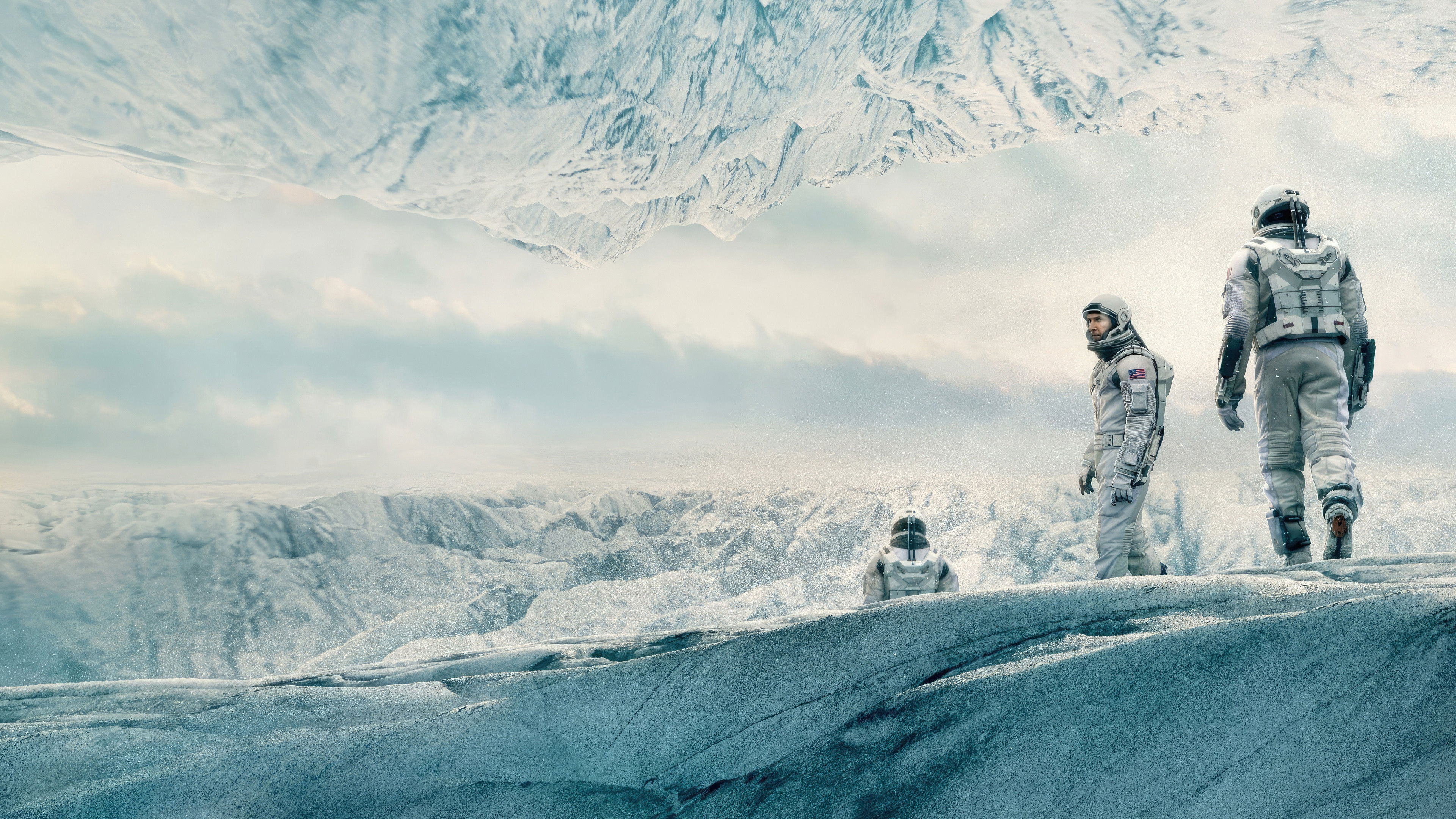
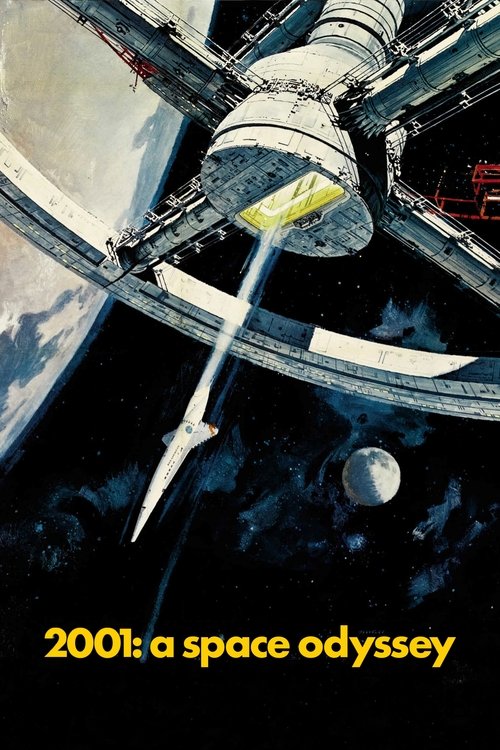
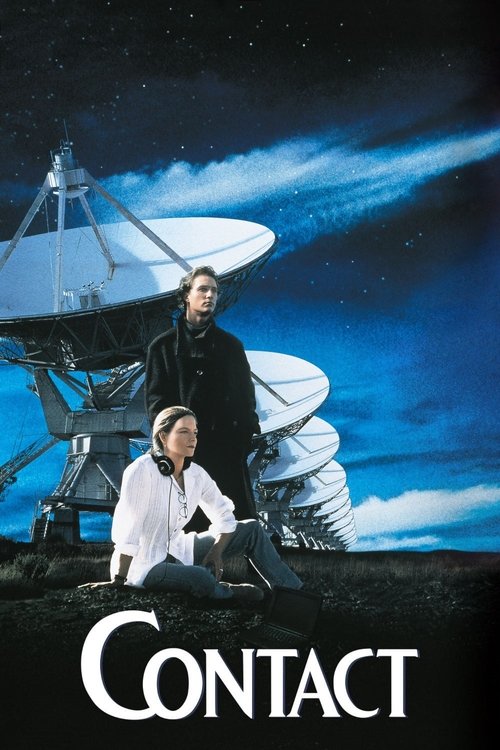
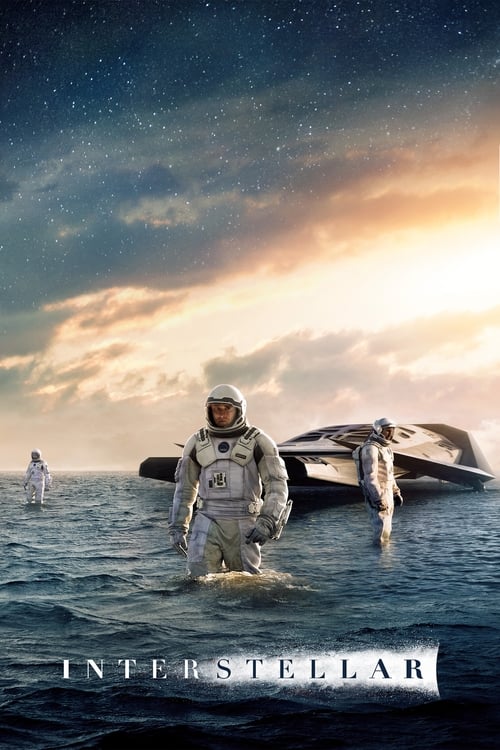
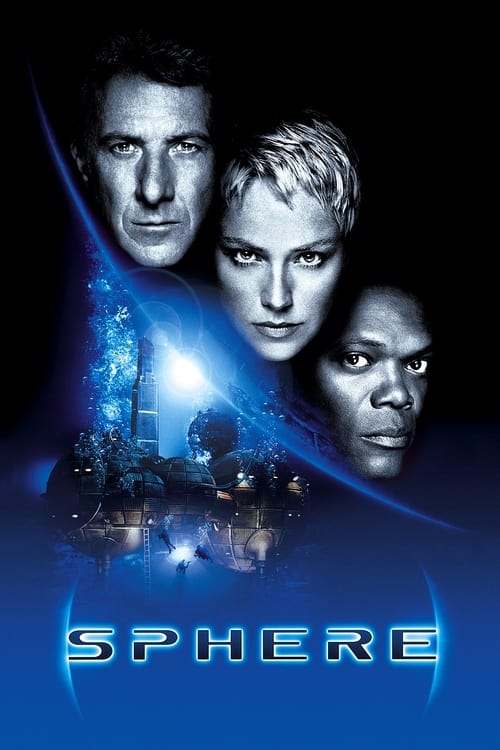
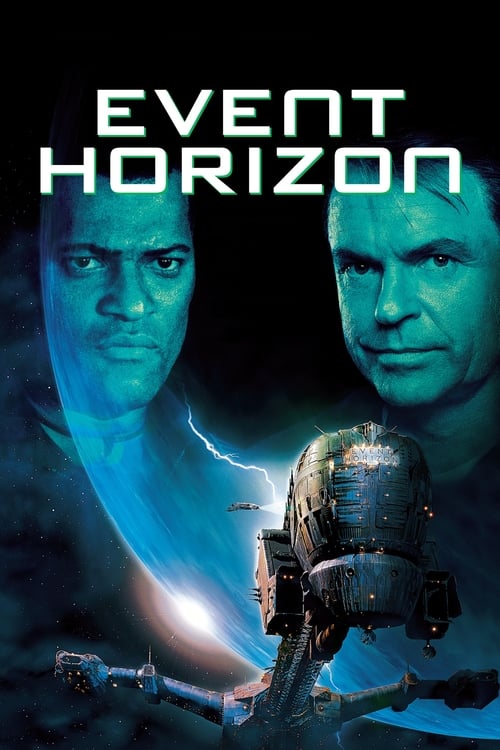
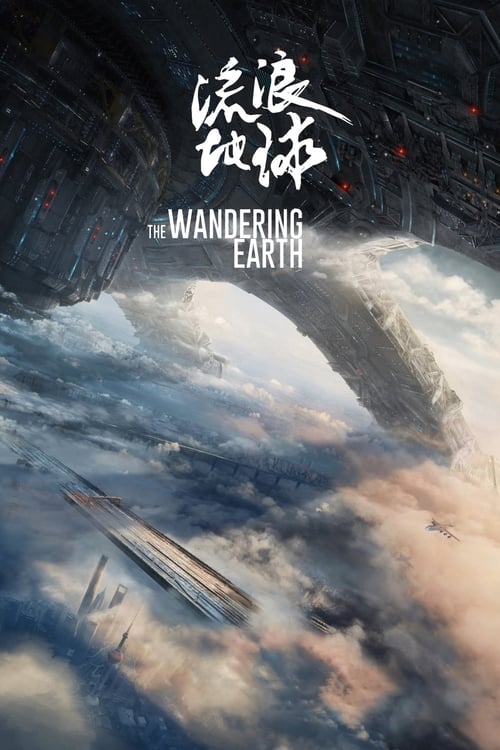
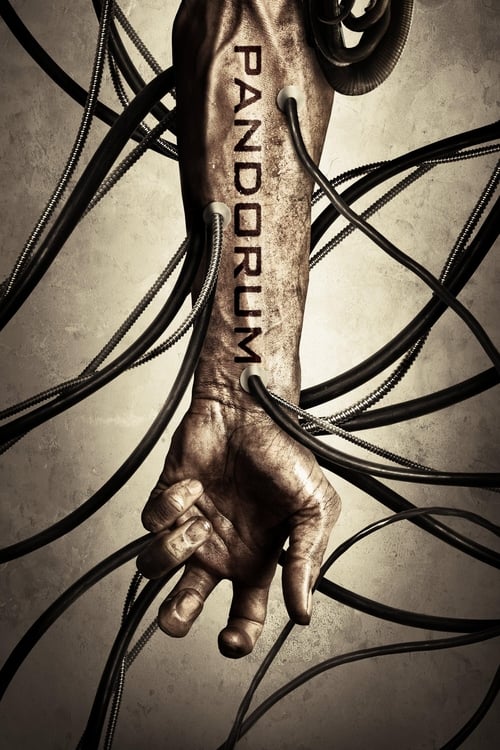
Big-Dumb-Object Cinema
Films and series built around structures or discoveries so vast they dwarf the people inside them


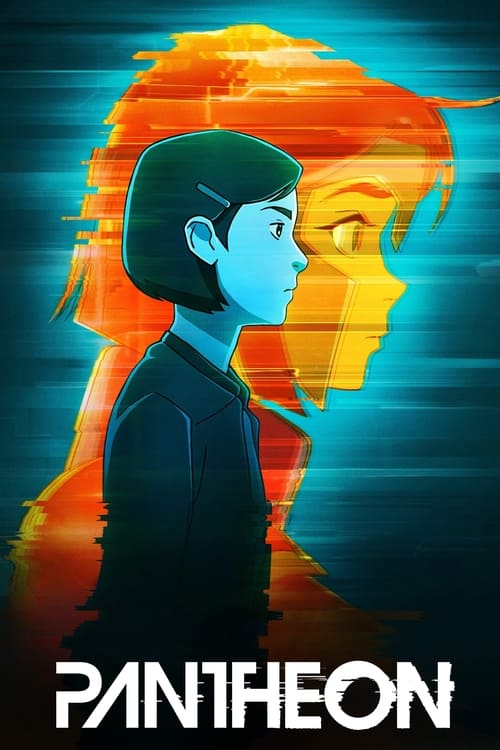
Hard SF Television
Series that trust their audience with orbital mechanics, alien ecology, and consequences that stick




The Rigorous Imagination: Authors Like Niven
Writers who build fictional universes from the rules outward




Space Exploration and Megastructure Games
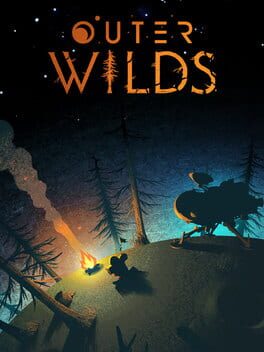
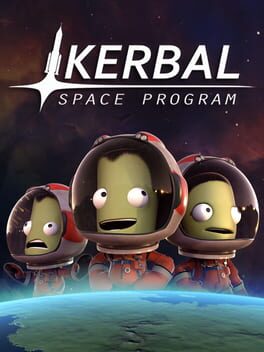
Games where the physics is the game, and the universe rewards patience and engineering
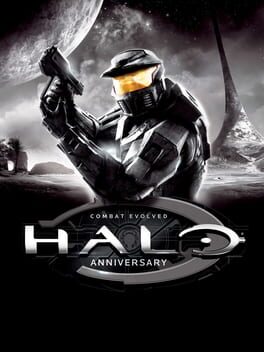
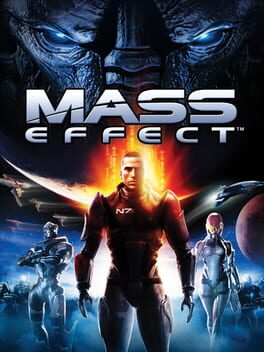
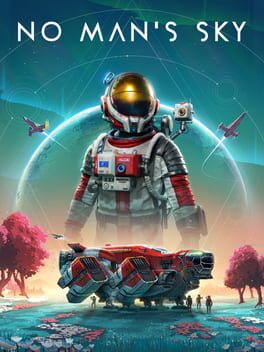

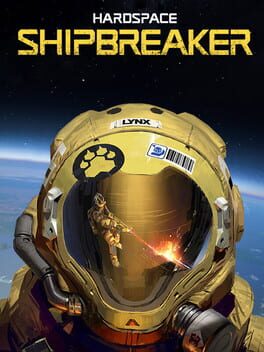
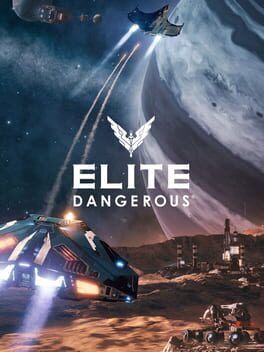
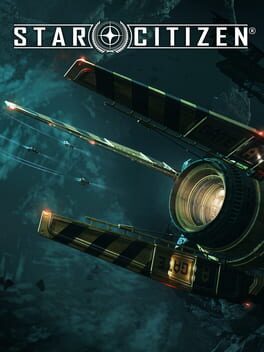
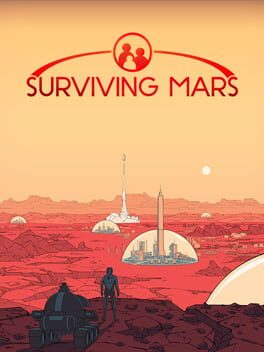
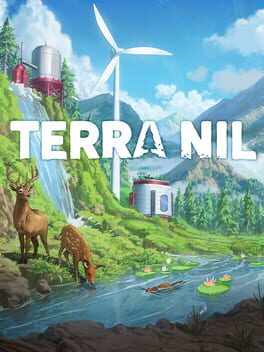
Ringworld Changed What a Science Fiction Setting Could Be
When Louis Wu steps onto the Ringworld's inner surface and looks up to see the land curving overhead for millions of miles in every direction, Niven accomplishes something almost no one had done before: he makes the reader feel the number. Not 'very big' but precisely, terrifyingly, vertiginously big. The Ringworld isn't a backdrop; it's a character with its own history, its own physics problems, its own reasons for existing. Every author who has written a Dyson sphere, an orbital, or a Bishop Ring owes Niven the concept.
The Kzinti Changed How We Write Aliens
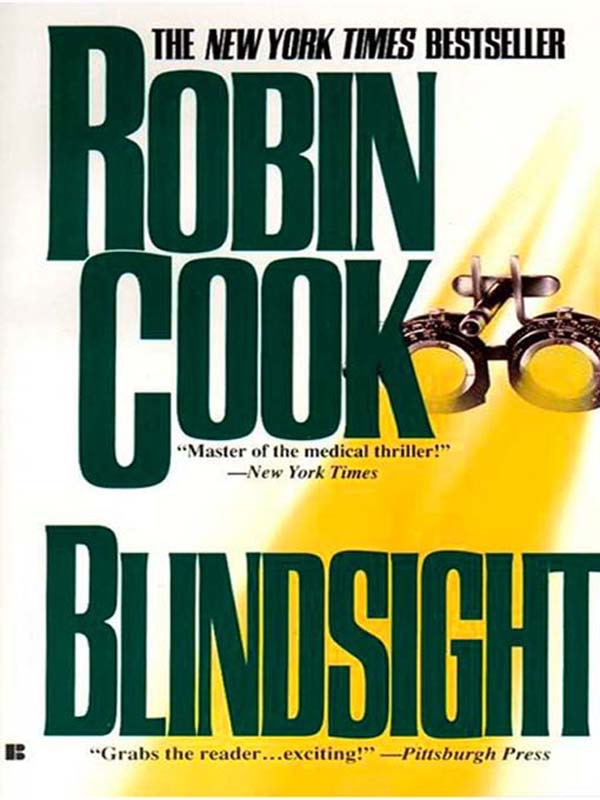
Niven's Kzinti are not rubber-forehead aliens. They are the logical extrapolation of a species that evolved as hypercarnivorous ambush predators: honor-bound, territorial, nearly incapable of patience, and catastrophically overconfident against slower prey. The reason they keep losing wars to humans isn't stupidity; it's instinct they can't override. That kind of alien-psychology-as-biology thinking set a template that The Mote in God's Eye, Blindsight, and dozens of later works picked up and extended.
'The Mote in God's Eye' Is the Best First-Contact Novel in the Genre
Co-written with Jerry Pournelle, The Mote in God's Eye is not a friendly-alien story. The Moties are charming, resourceful, and shaped by a biological imperative that makes long-term coexistence almost impossible. Niven and Pournelle never cheat: the horror emerges not from malice but from a species doing exactly what its evolution demands. Contact stories that followed (Arrival, The Sparrow, Blindsight) all navigate the same trap: what if understanding the alien is not the same as being safe with it?
Known Space: A Reading Order
- 1966Neutron Star wins the Hugo; Known Space launches
- 1970Ringworld publishes, wins Hugo and Nebula
- 1972The Mote in God's Eye drafted (pub. 1974)
- 1973Protector reframes Human-Pak origins Protector
- 1977Lucifer's Hammer: comet-impact disaster fiction with Pournelle
- 1980Ringworld Engineers resolves the stability paradox from book one
- 1984The Integral Trees: a gas-torus ecology with no ground
- 1993The Gripping Hand: Mote sequel, 25 years later
- 2004Ringworld's Children: final solo Ringworld volume
More hard SF and cosmic scale
For Fans of Arthur C. Clarke
Explore the For Fans of Arthur C. Clarke guide →The known universe runs on the same laws everywhere. That's not a constraint, that's the invitation.Larry Niven, on why hard SF is the most optimistic genre