
Joel and Ethan Coen share a single directorial vision so cohesive it feels like one mind split across two bodies. Since Blood Simple in 1984, they have built a filmography unlike anyone else in American cinema: crime stories that spiral into cosmic absurdity, comedies saturated with dread, Westerns haunted by meaninglessness. What their fans love is not simply the craft (though the craft is immaculate) but the particular feeling of watching a universe that operates by its own inexorable, often darkly funny logic. Characters scheme, strive, and stumble; fate has other plans. The Coens find that genuinely hilarious and genuinely tragic at the same time.
Essential Coen Brothers
The films that define the vision
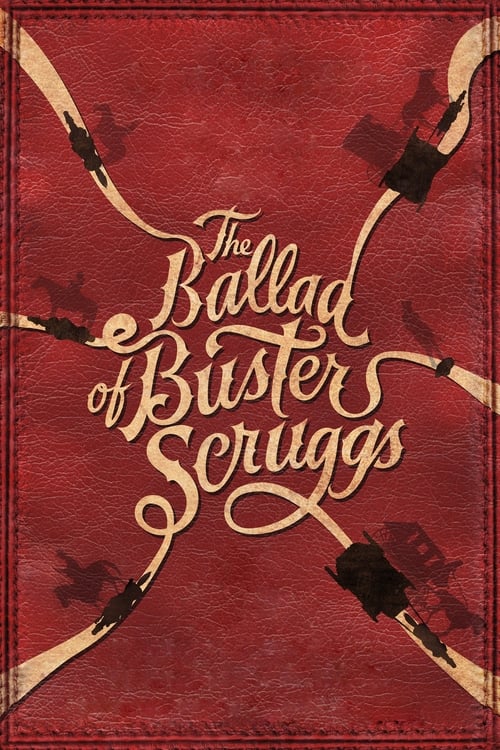
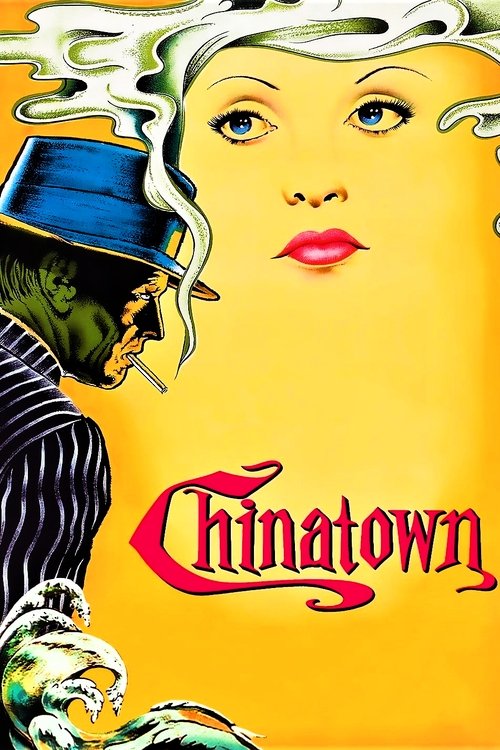
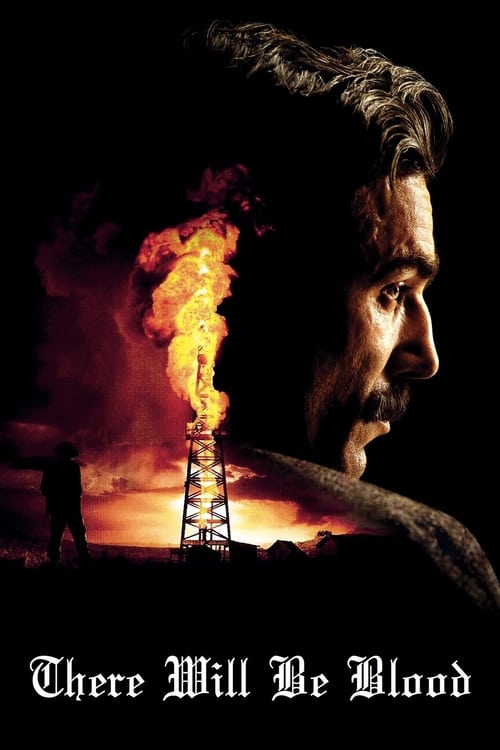
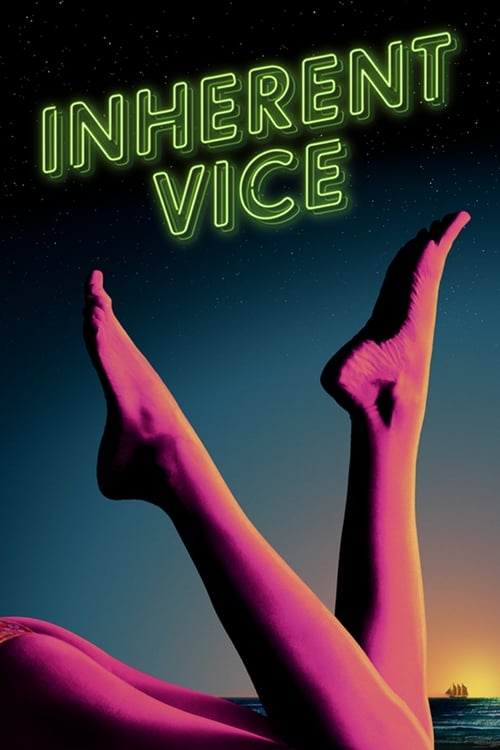
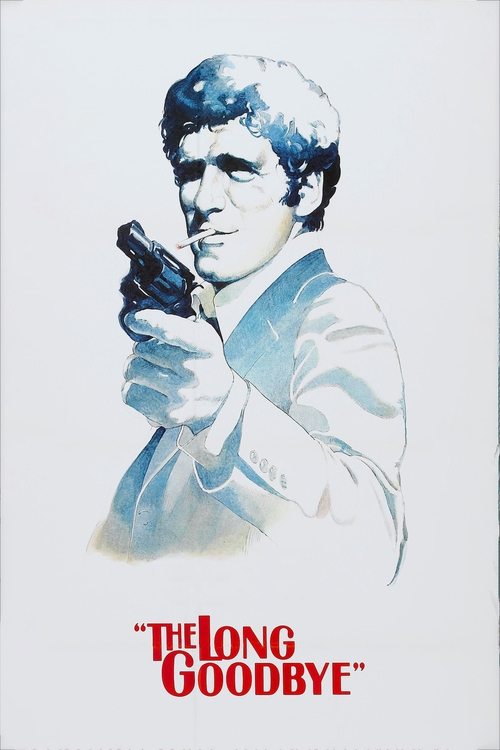
Same-DNA Directors
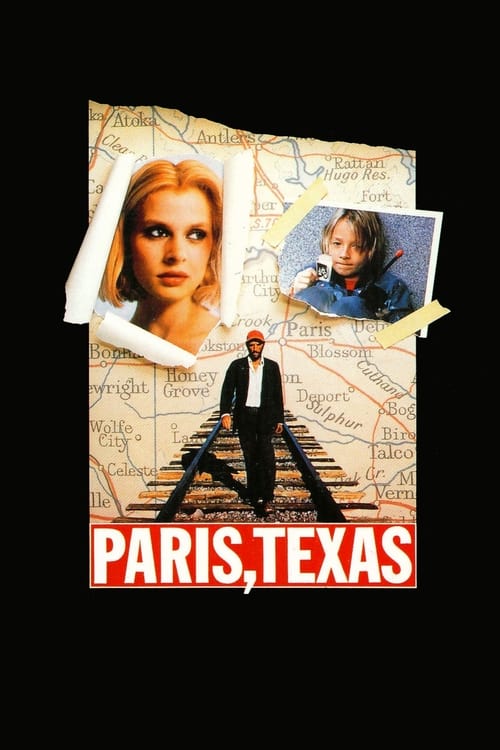
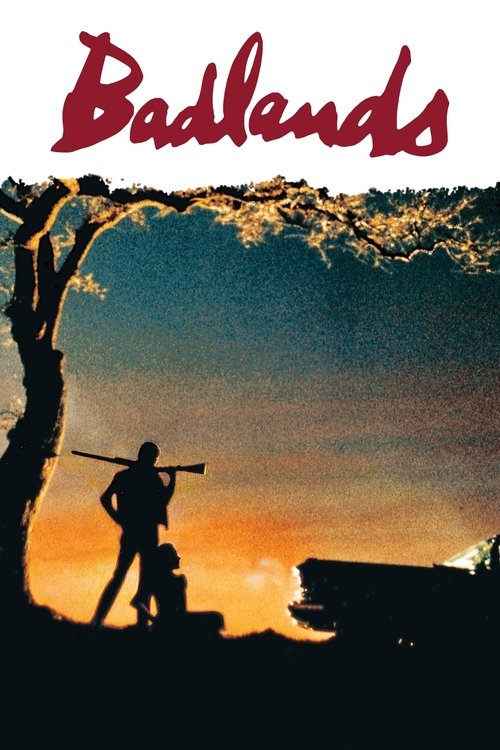
Films by directors who share the Coens' dark wit and genre subversion
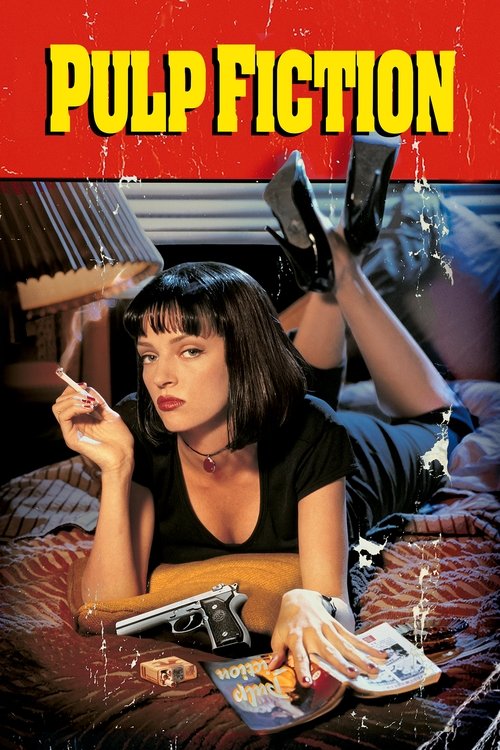
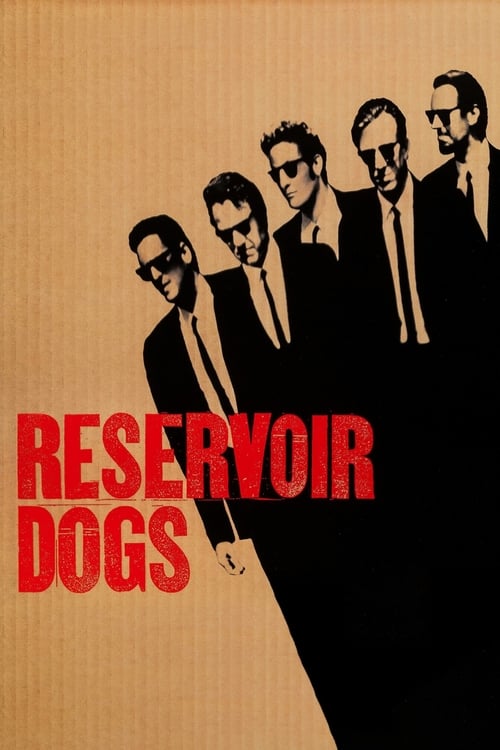

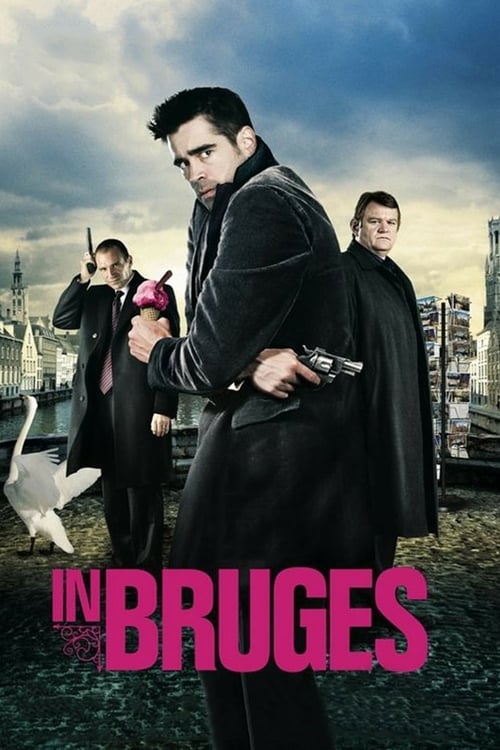

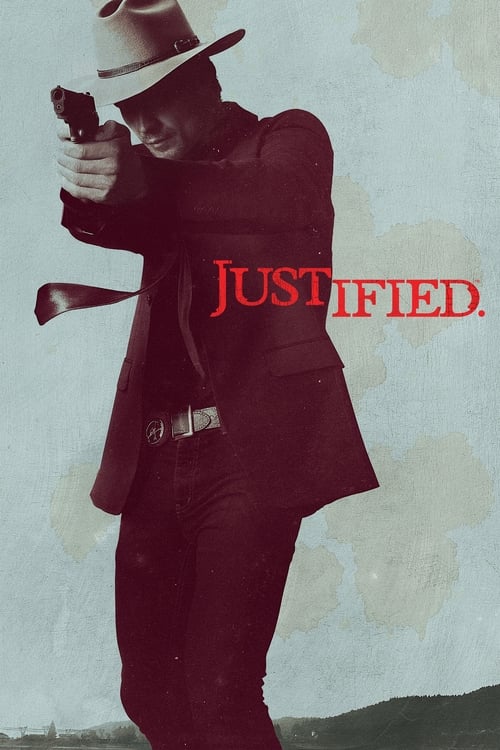
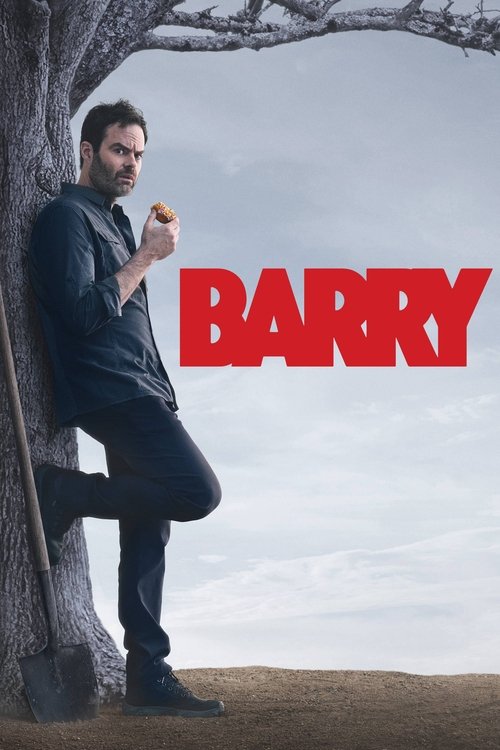
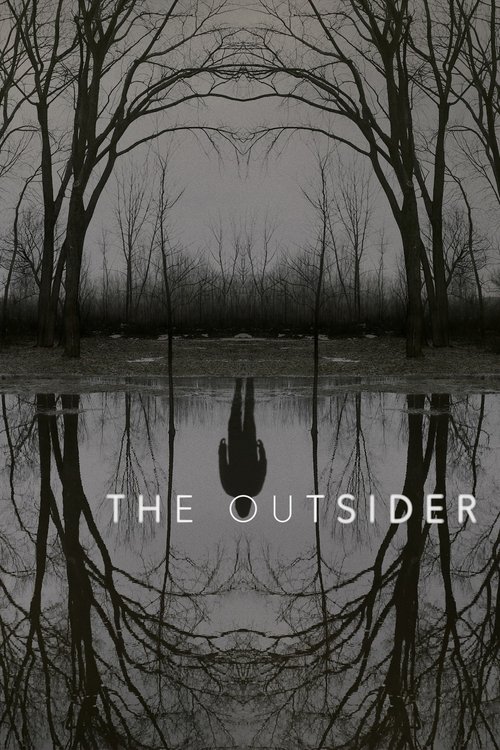
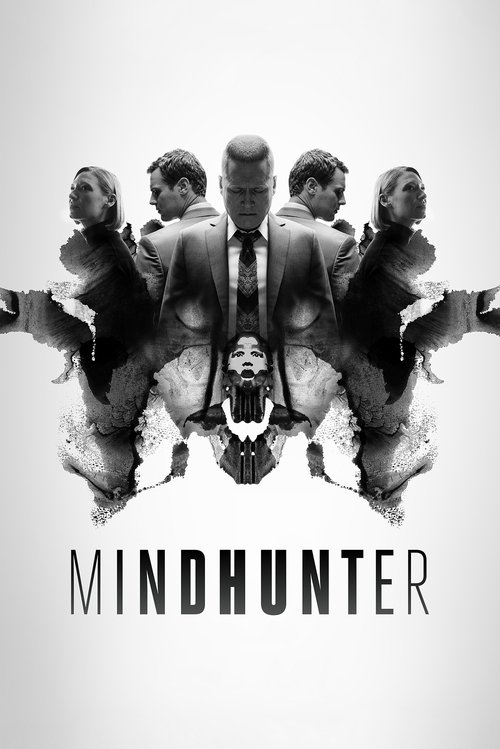
Series That Live in the Coen Universe
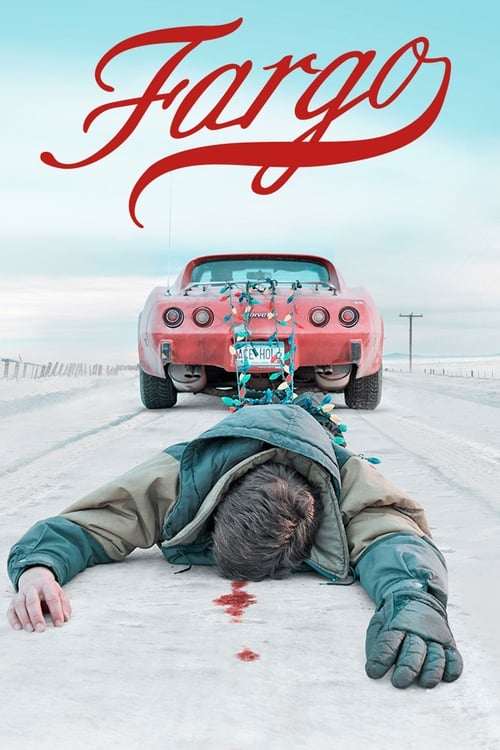
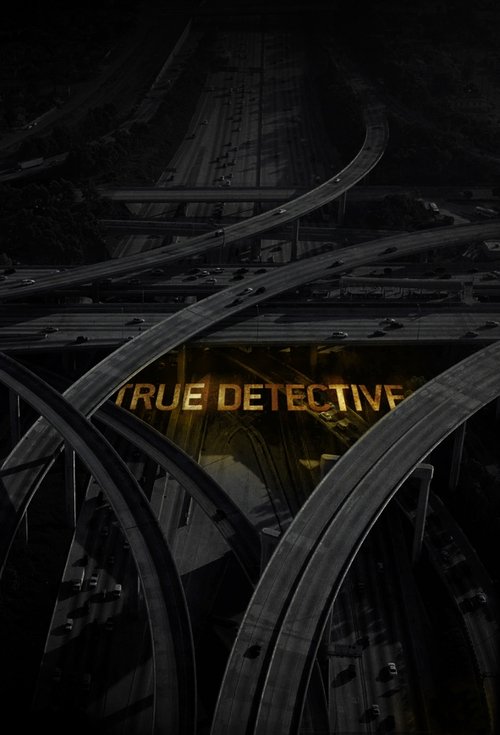
TV that nails the dark irony, prairie fatalism, or crime-spiral energy
The Books Behind the Films
Source novels and authors whose prose shares the Coens' register


Games With the Right Darkness
Games sharing the Coens' existential crime noir and bleak American landscapes
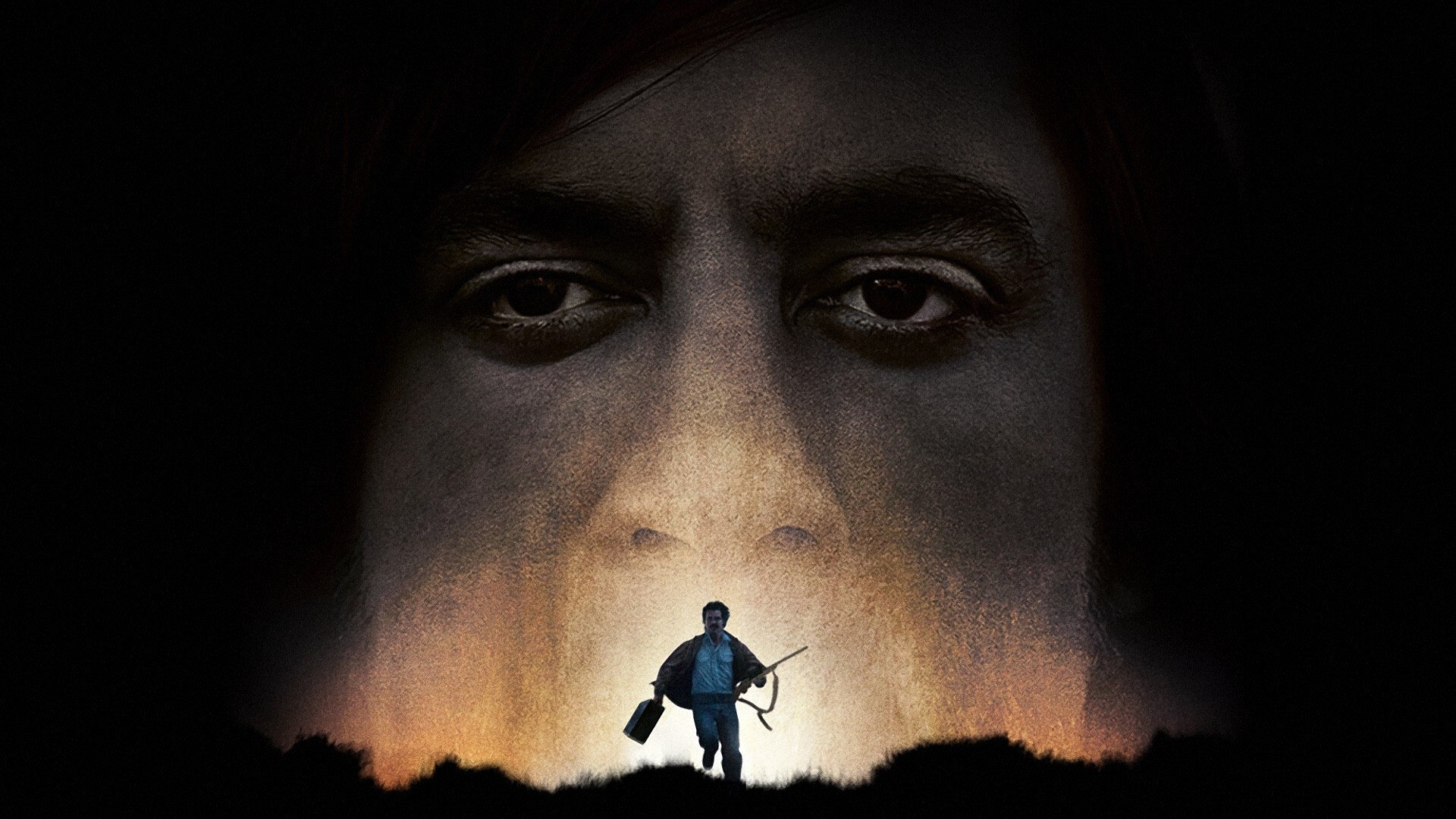
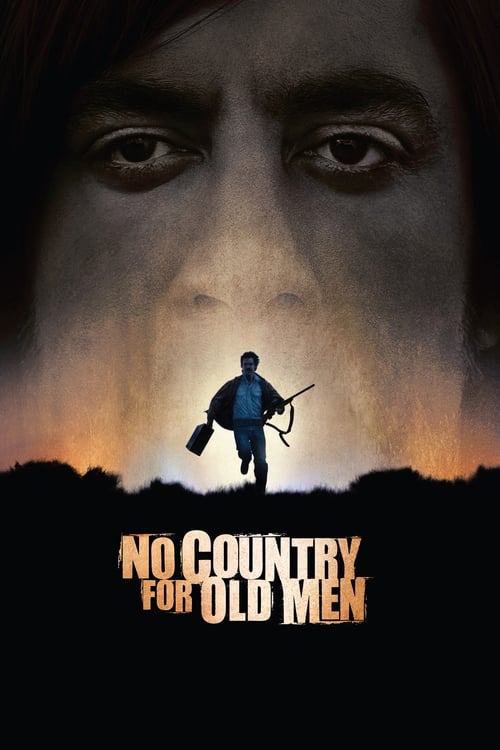
No Country for Old Men Is the Coen Thesis
Every Coen film circles around the same question: what happens when order meets something that refuses to follow the rules? No Country for Old Men strips the question bare. Anton Chigurh is not a villain so much as a force of nature the universe casually introduced, and Sheriff Bell's resignation is not defeat, it is a lucid acknowledgment that some things cannot be stopped. The film refuses to give audiences the confrontation they expect, and that refusal is the point.
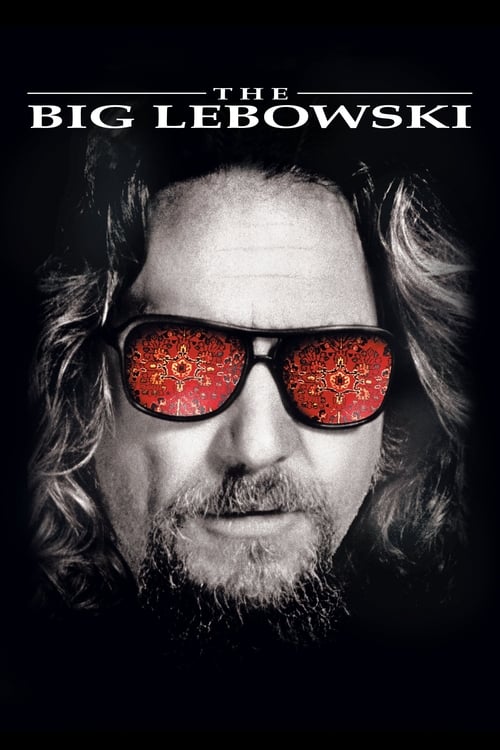
The Big Lebowski Gets Funnier Every Decade
On first viewing it seems like an elaborate shaggy-dog joke. On every subsequent viewing it reveals itself as a precise satire of masculinity, ambition, and the myth of Los Angeles cool. The Dude abides not because he is wise but because he genuinely has no stake in any of it, and that passivity turns out to be the only sane response to the chaos around him. Jeff Bridges did not play the character so much as channel him directly from some universal frequency.
Fargo (Series) Is the Purest Extension of the Coen World
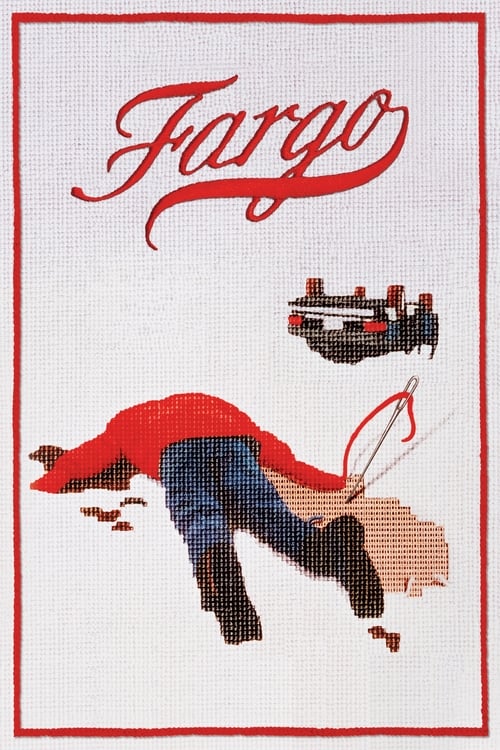
Noah Hawley's Fargo anthology captures something that almost no adaptation manages: the spirit rather than the plot. Each season invents new characters, new crimes, new geography, but keeps the essential Coen balance of tragedy and absurdity intact. Season 1 remains the high point, with Martin Freeman and Billy Bob Thornton doing exactly the kind of work the Coens would have asked for. Season 4's Kansas City saga broadens the canvas in ways that reward patience.
Carter Burwell Is the Third Coen Brother
Carter Burwell has scored nearly every Coen film since Blood Simple, and the collaboration is one of cinema's great long partnerships. His music is not background ambience: it shapes the emotional register as precisely as Roger Deakins' cinematography does. The Fargo score's desolate strings, the near-silence of No Country for Old Men, the lush folk of True Grit, the barrelhouse bounce of The Big Lebowski all come from a composer who understood that Coen films need music that shares their ironic distance without undermining the genuine feeling underneath.
The Coen Filmography at a Glance
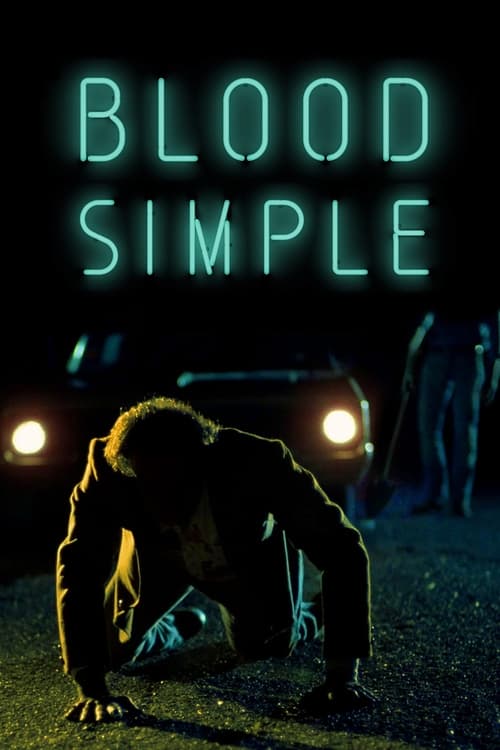
- 1984Debut: neo-noir on a shoestring budget Blood Simple
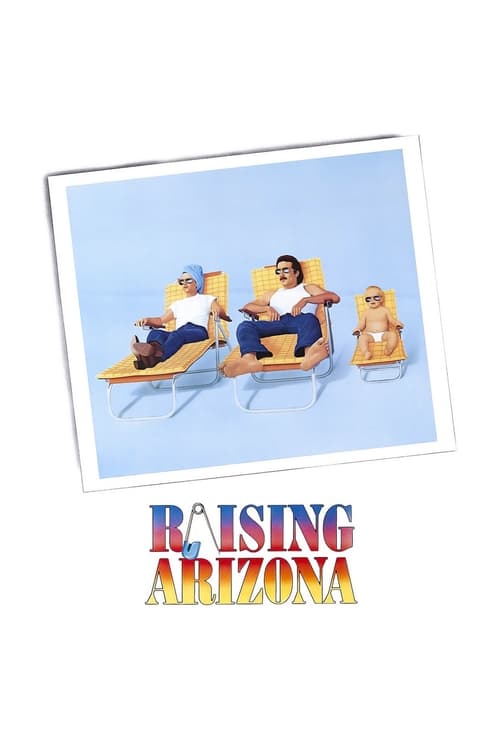
- 1987Screwball kidnapping sends them to Sundance Raising Arizona
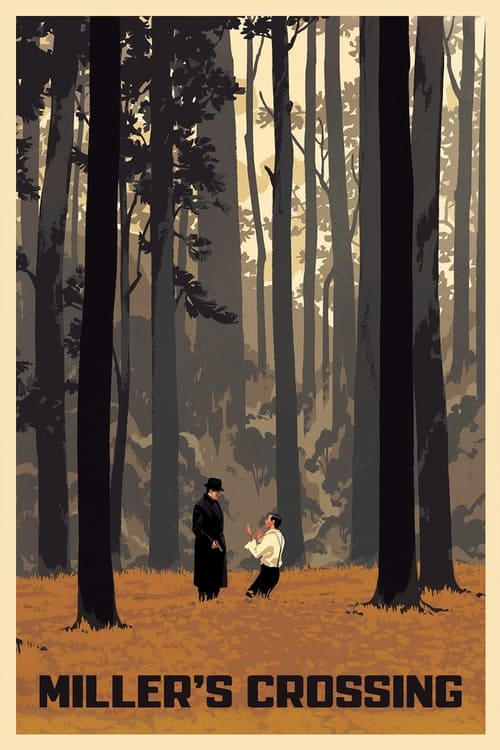
- 1990Prohibition gangster tragedy Miller's Crossing
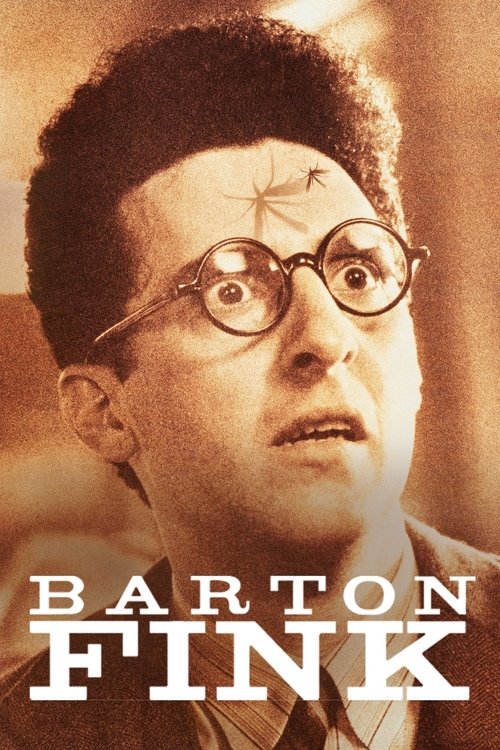
- 1991Palme d'Or at Cannes Barton Fink
- 1994Screwball comedy with Capra undertones The Hudsucker Proxy
- 1996Oscar for Best Original Screenplay Fargo
- 1998Cult comedy becomes a cultural institution The Big Lebowski
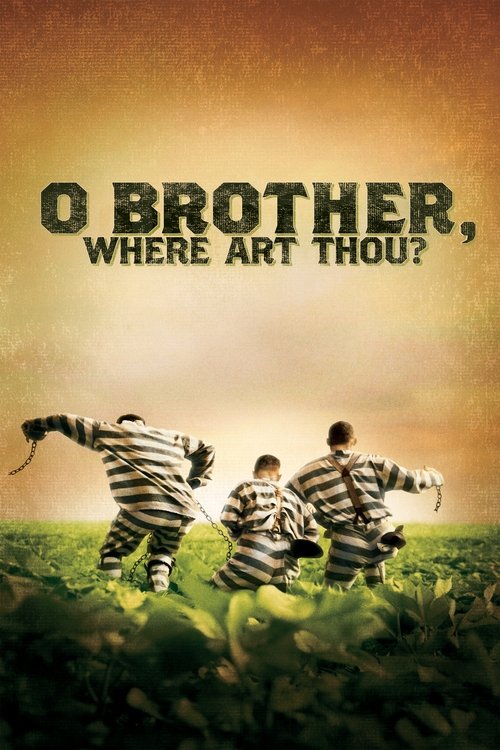
- 2000Homeric road trip through the Depression South O Brother, Where Art Thou?
- 2007Best Picture and Best Director Oscars No Country for Old Men
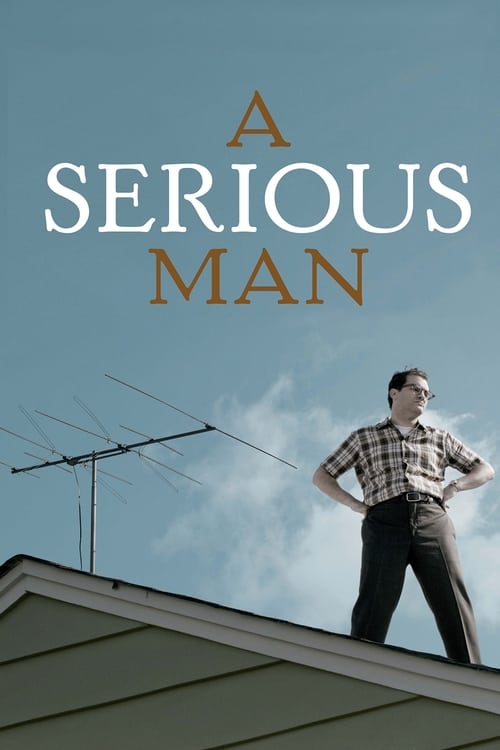
- 2010Reckoning with faith and inexplicable suffering A Serious Man
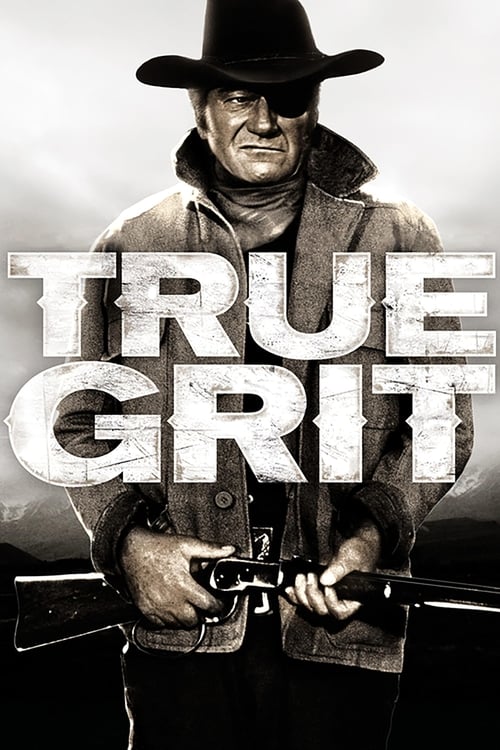
- 2010Western remake that eclipses the original True Grit
- 2013Folk music elegy set in 1960s Greenwich Village Inside Llewyn Davis
- 2018Anthology Western for Netflix The Ballad of Buster Scruggs
More deadpan noir and frontier crime
For Fans of The Big Lebowski
Explore the For Fans of The Big Lebowski guide →The Coens do not make films about people who win. They make films about people who discover, at the worst possible moment, that winning was never really on offer.CrossBinge Editors