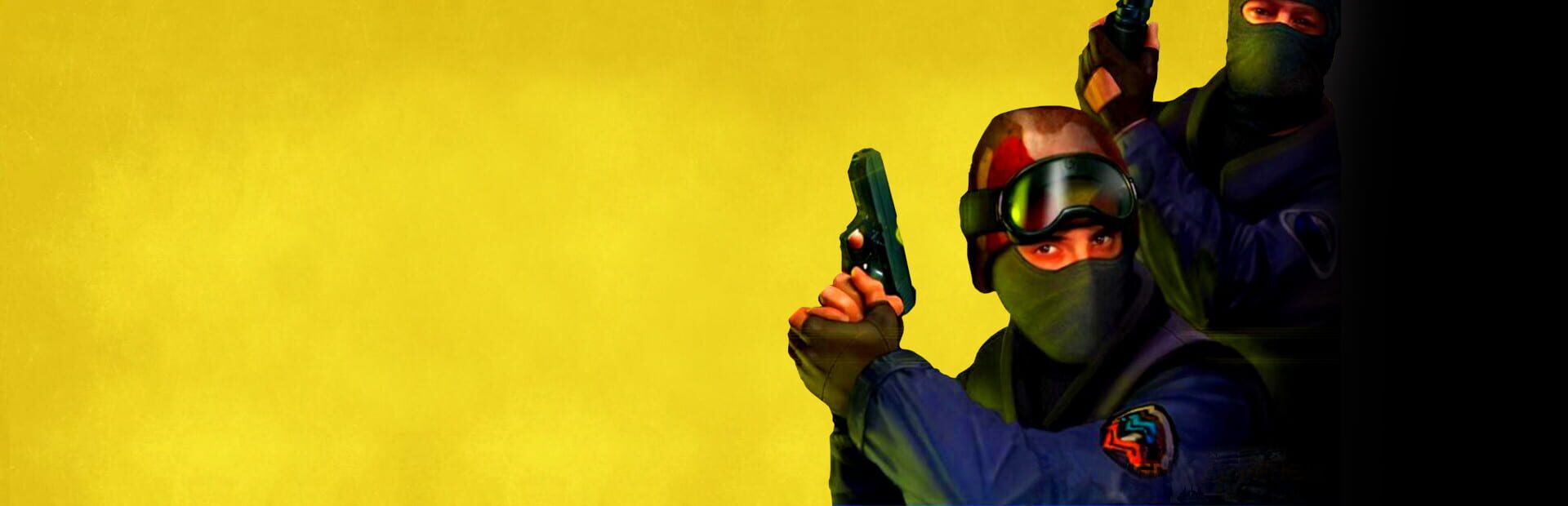

Counter-Strike began as a Half-Life mod in 1999 and became something nobody predicted: the most enduring competitive shooter ever made. Twenty-five years on, CS2 still draws millions of players and stadium-filling tournaments because the formula is almost mathematical in its elegance. One team plants a bomb. The other team stops them. Five players, three sites, thirty rounds, no respawns. The through-line a fan loves is not raw firepower but economy, information, and nerve. Every clutch round is a puzzle solved under pressure, every team a unit where one loose link collapses the whole structure. That same obsession with preparation, timing, and reading the opponent runs through the best tactical films, the sharpest military thrillers, and the esports documentaries that have slowly given this world the storytelling it deserves.
Essential Counter-Strike
The core games and their place in the series
If You Love the Tactical Depth: Precision Shooters
Games that reward map control, team coordination, and deliberate pace over reflexes alone
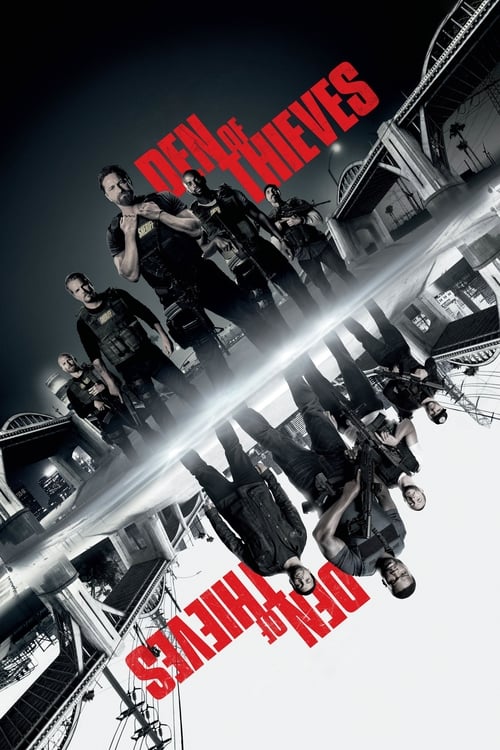
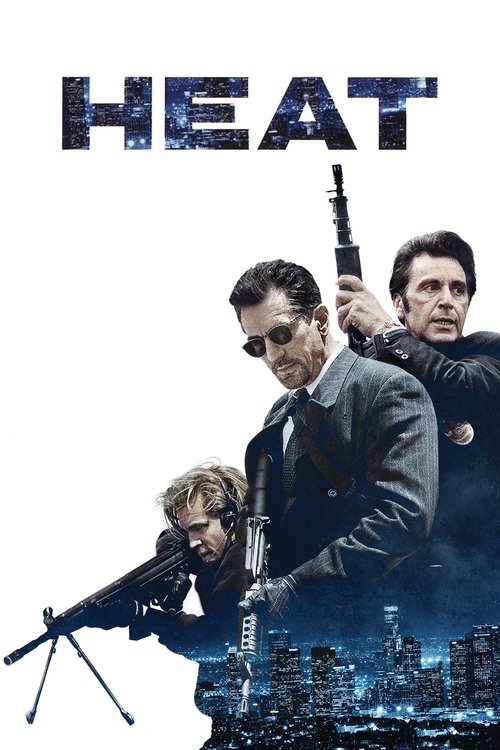
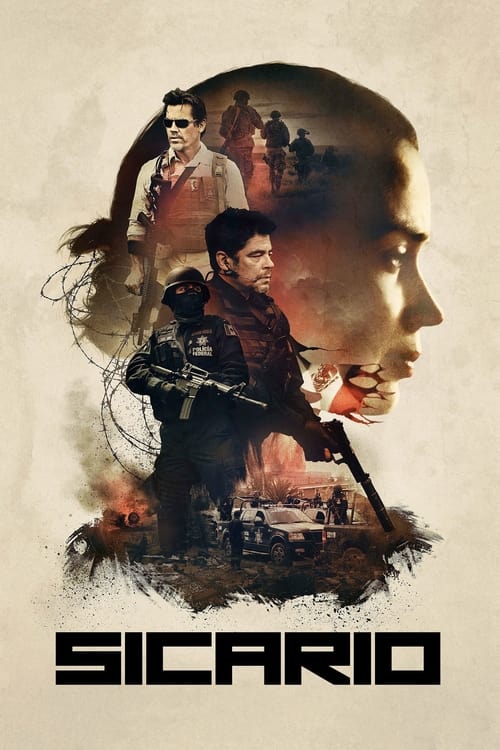
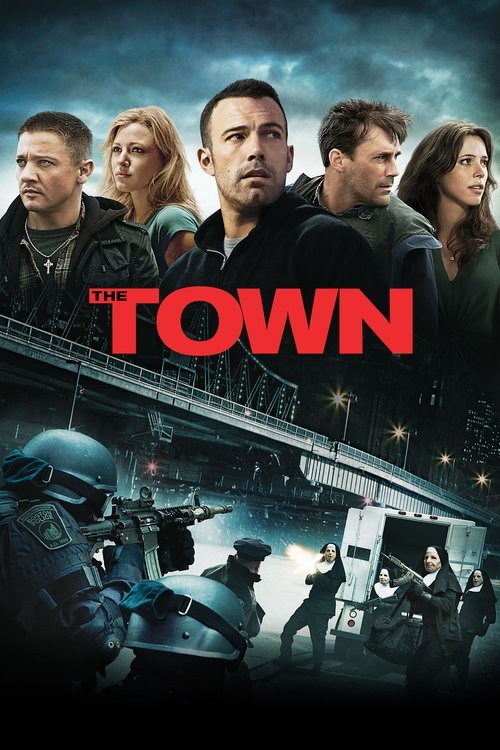
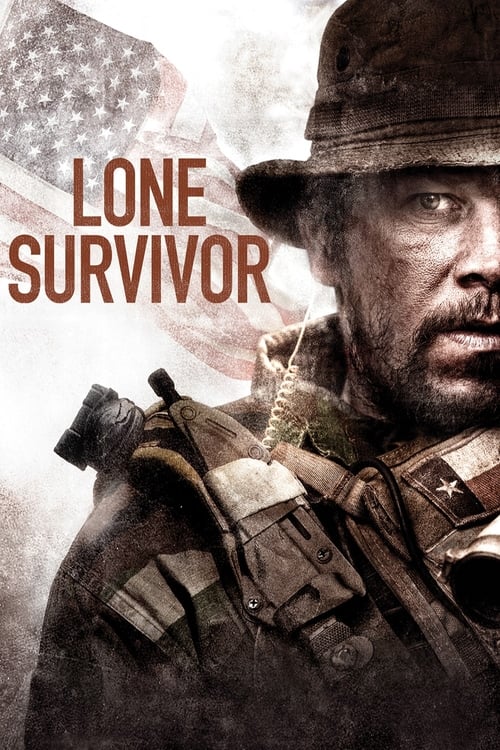
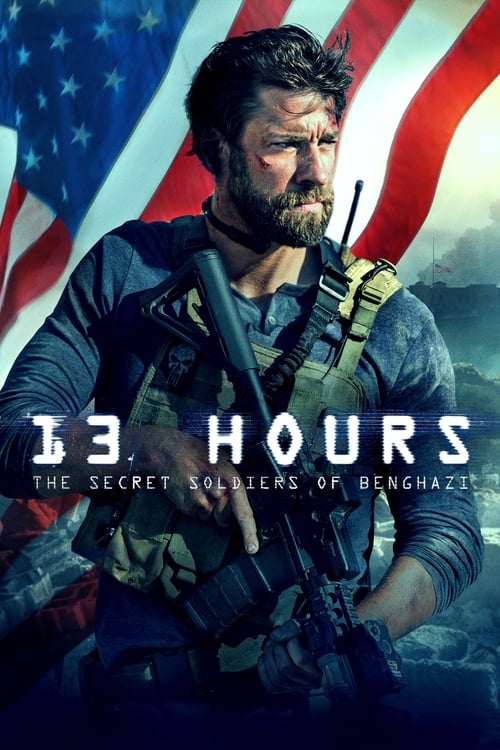
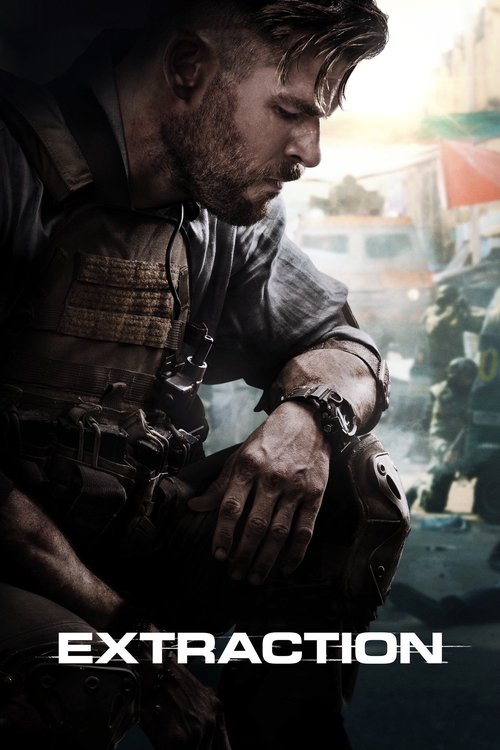
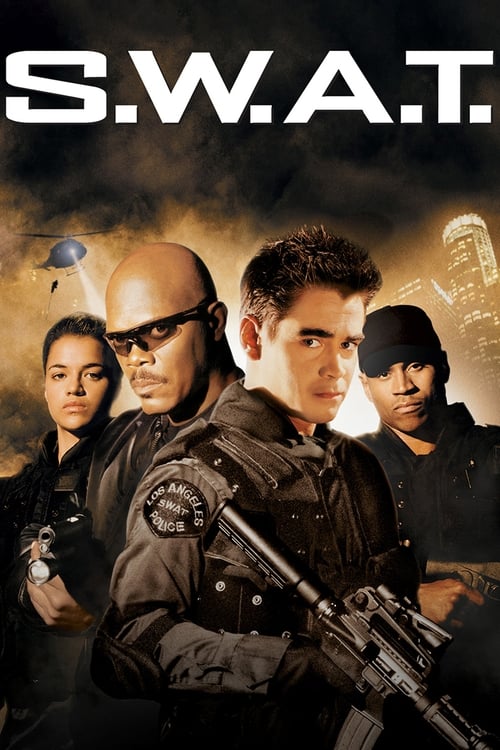
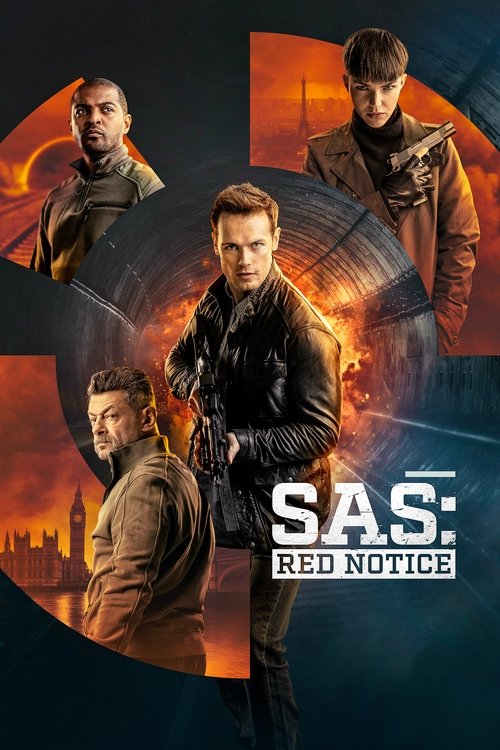
If You Love the Siege Formula: Counter-Terrorism Cinema
Films where small teams execute under pressure, information is life, and timing is everything

If You Love the Competitive Scene: Esports Docs and Drama Series
The human stories behind elite competition, team dynamics, and the grind to the top
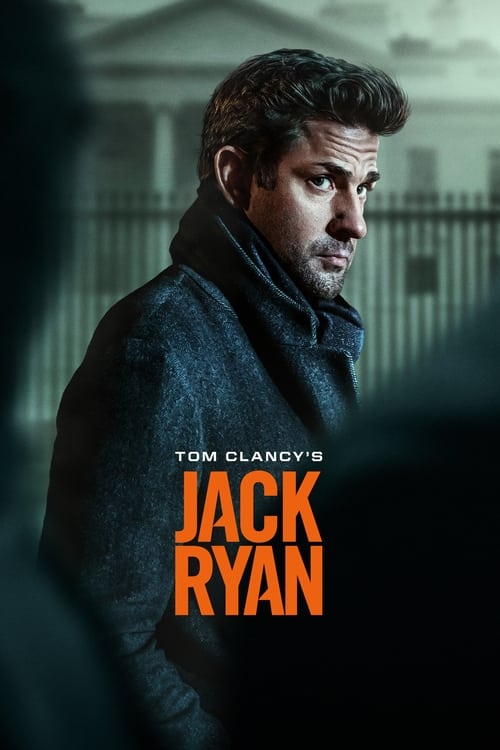
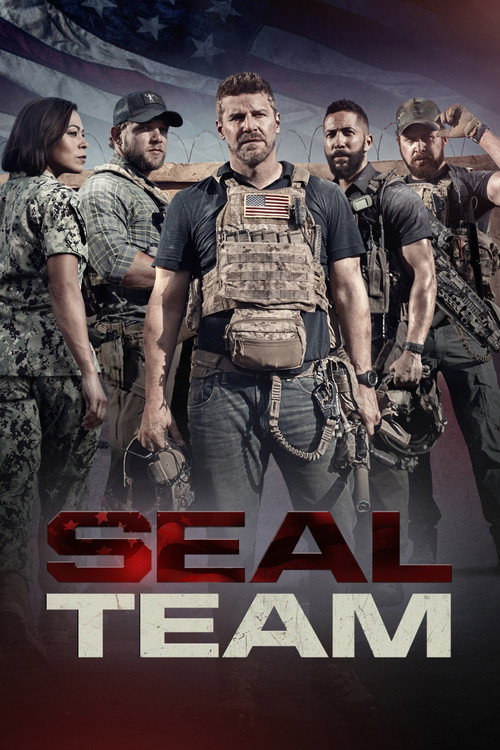
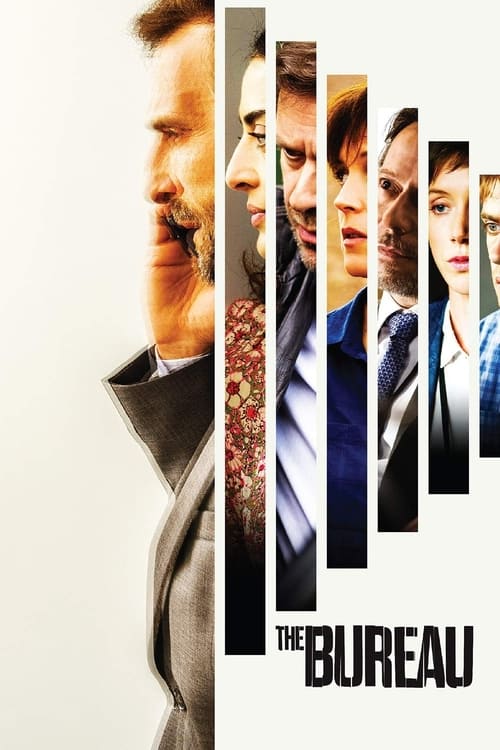
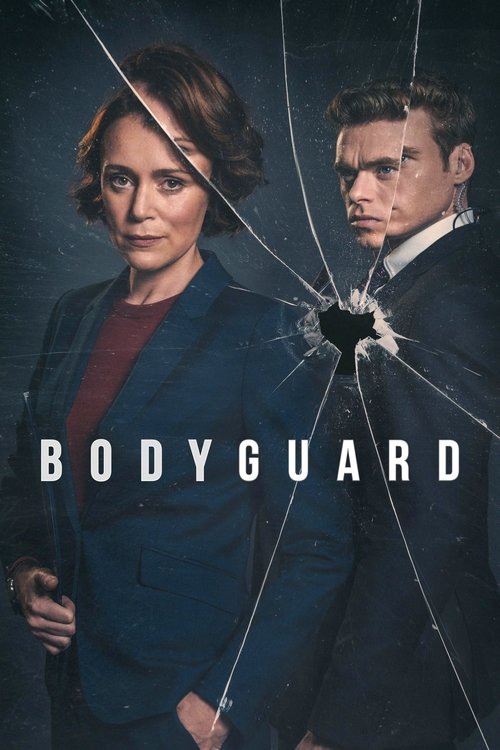
If You Love the Counter-Terrorism World: TV Thrillers
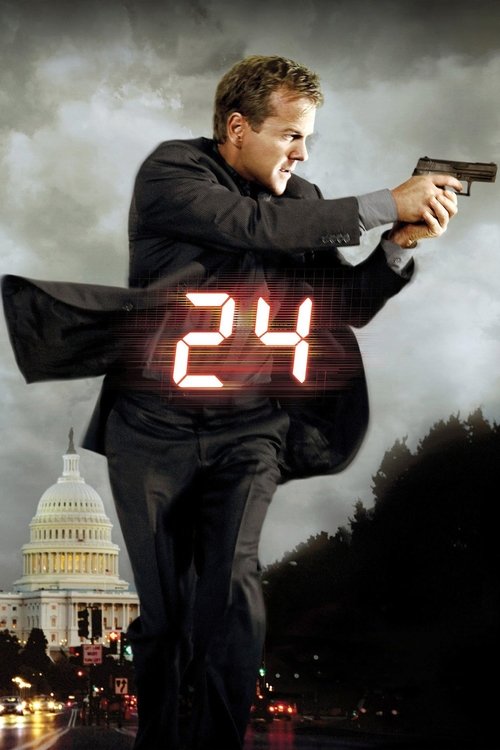
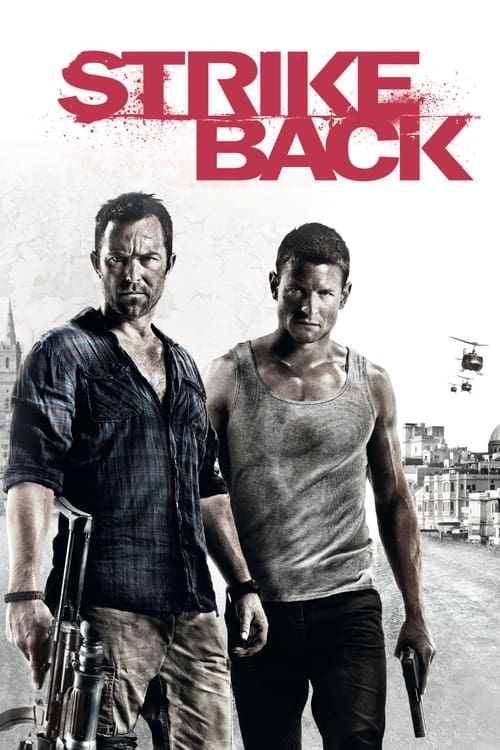
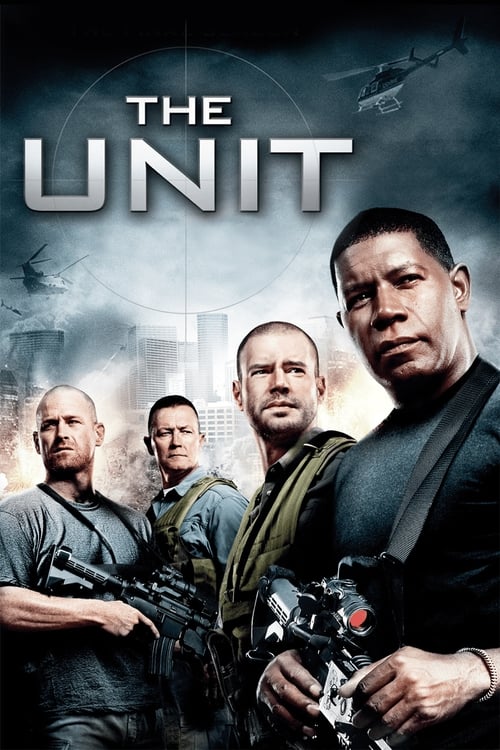
Series built on surveillance, cell structure, infiltration, and the fog of covert ops


If You Love the Military Thriller DNA: Novels for the Tactically Obsessed
Books where operational planning, team hierarchy, and split-second decisions drive the story


The Economy Round Changed Everything
Counter-Strike invented the buy-phase economy before esports had a language for it. Choosing between saving for a rifle or buying a pistol to force a round is a genuine strategic layer that most shooters still refuse to steal properly. The economy round is where matches are actually won and lost, where coaches earn their salaries, and where clutch players justify their roster spots. It is the closest a video game has come to poker: you play the information you have, accept the variance, and make the call. Films like Heat understand the same logic. The heist crews do not just shoot, they budget their exposure.
Dust2 Is the Most Studied Map in Sport
No single arena in any competitive game has been analyzed as thoroughly as Dust2. Pro teams have thousands of hours of demo review on it. University esports programs use it to teach spatial reasoning and utility usage. Its symmetry is deceptive: the B site tunnel appears safe, the long A corridor rewards patience, and the catwalk window is a constant negotiation. The map functions like a chess board where both sides memorize openings before a single shot is fired. Any coaching book on military small-unit tactics could almost describe it directly.
Esports Found Its Identity Through CS
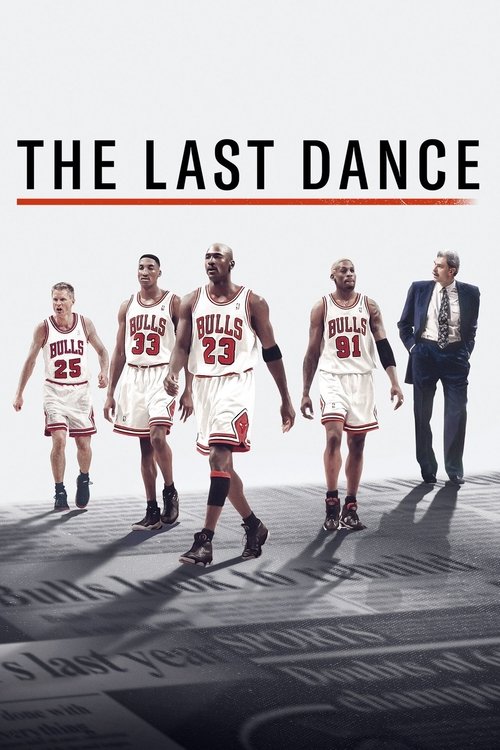
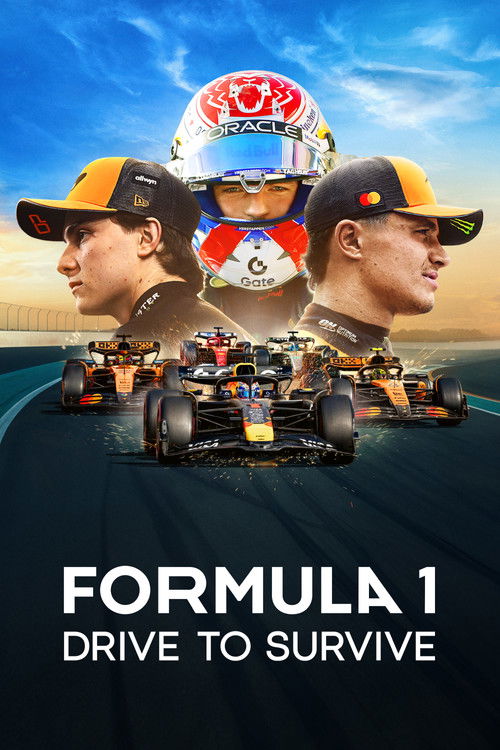
Before League of Legends took the stadium bookings and Fortnite took the cultural mainstream, Counter-Strike was the game building the conventions of competitive esports. The 1.6 era LAN tournaments in Sweden and the US defined what a major looked like. ESL, FACEIT, and the Major system gave competitive CS a structure that other titles copied. The community built stat sites, demo analysis tools, team wikis, and coaching cultures before any of it had formal infrastructure. Watching the Last Dance or Drive to Survive, you recognize the same dynamics: roster management, mental health under pressure, the gap between talent and winning.
The Best Military Thrillers Read Like Post-Match Analysis
Tom Clancy built his career on a simple proposition: the operational details matter. Rainbow Six (the novel) is less a thriller than a manual for hostage-rescue doctrine. Reading it while playing Counter-Strike is an uncanny experience. The team composition logic, the breach timing, the intelligence picture, the abort protocols, all of it maps onto what serious CS players already understand intuitively. The same applies to nonfiction accounts like Lone Survivor and No Easy Day. These books are not romanticizing violence; they are documenting what it costs to execute under complete uncertainty with no margin for error.
Counter-Strike: A Timeline
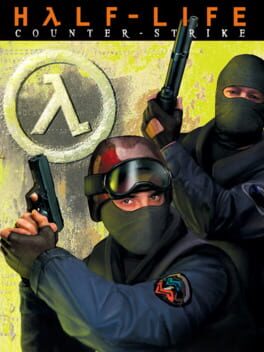
- 1999Beta 1.0 released as a Half-Life mod by Minh Le and Jess Cliffe
- 2000Valve acquires Counter-Strike; retail release of Counter-Strike 1.0 Counter-Strike
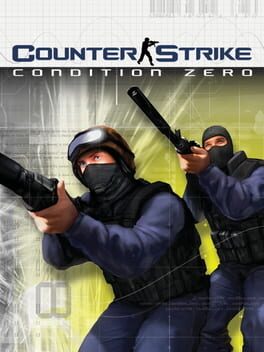
- 2003Counter-Strike: Condition Zero ships; first dedicated single-player campaign Counter-Strike: Condition Zero
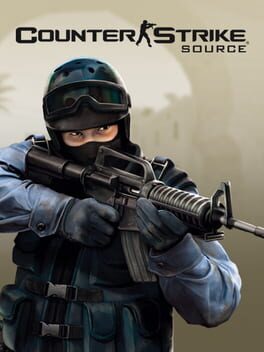
- 2004Counter-Strike: Source launches on the Source engine; split fanbase Counter-Strike: Source
- 2006Counter-Strike 1.6 reaches peak concurrent players on Steam
- 2012Counter-Strike: Global Offensive launches; adds Competitive matchmaking and the Arms Deal skin economy Counter-Strike
- 2013The CS:GO Major system begins with EMS One Katowice 2014 announced
- 2018CS:GO goes free-to-play; 1M+ concurrent players on Steam that week
- 2023Counter-Strike 2 replaces CS:GO, built on the Source 2 engine with overhauled smoke and audio
Tactical shooters and military thrillers
For Fans of Rainbow Six
Explore the For Fans of Rainbow Six guide →Counter-Strike does not ask you to be a superhero. It asks you to be the fifth-best player on a team that executes better than the other five.Community axiom from the competitive scene