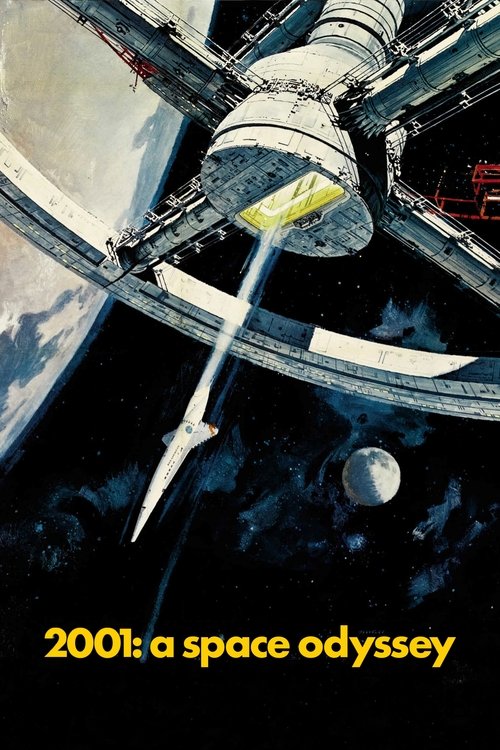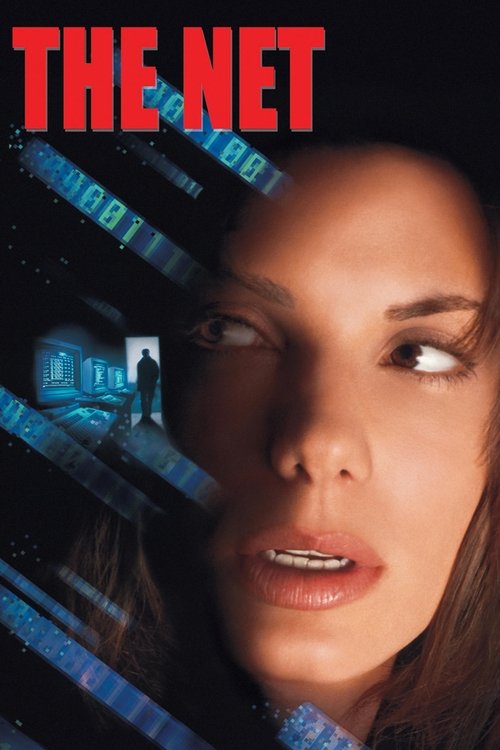

The techno-thriller is built on a single anxiety: that the tools we build to protect ourselves are also the most efficient instruments of our destruction. The submarine carrying a nuclear payload. The AI watching every junction camera in the city. The engineered organism loose in a system that cannot contain it. The genre takes the procedural thriller and plugs it into something larger than any single villain. The threat is always the machine.
Tom Clancy and Michael Crichton mapped the territory almost simultaneously in the 1980s. Clancy's signature was the hardware itself: the sonar signature of a Seawolf-class boat, the flight path of a Tomahawk, the decision loop inside a nuclear command authority. Crichton's was hubris. His catastrophes are never accidents. They are the inevitable consequence of scientists who stopped asking whether they should. The films, series and games that followed have mostly been working inside one or the other of those two inherited shapes.
Essential techno-thrillers
The canon, across film, TV, games and page
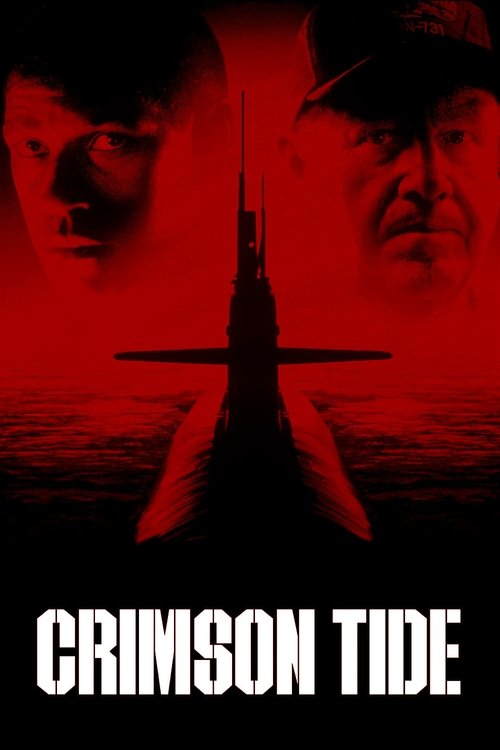
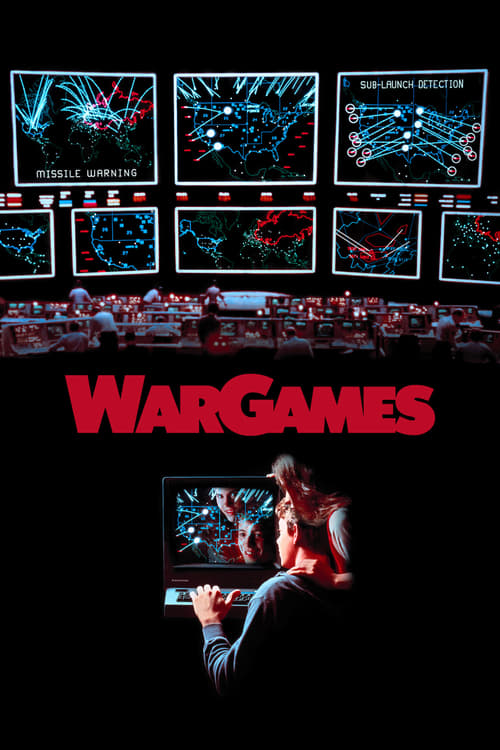
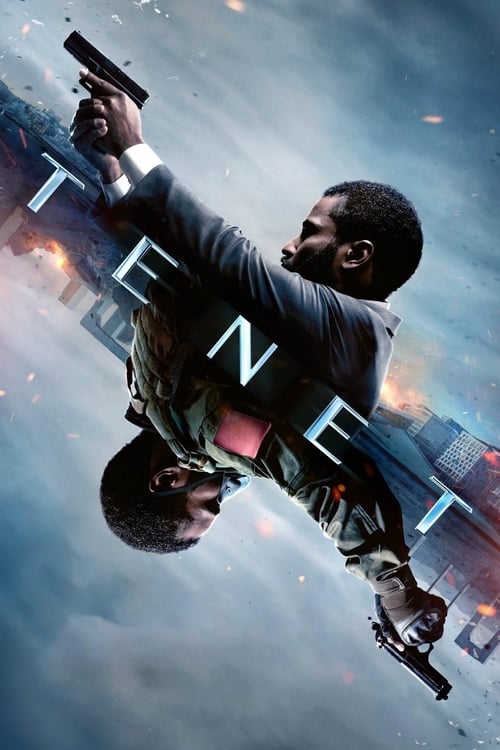
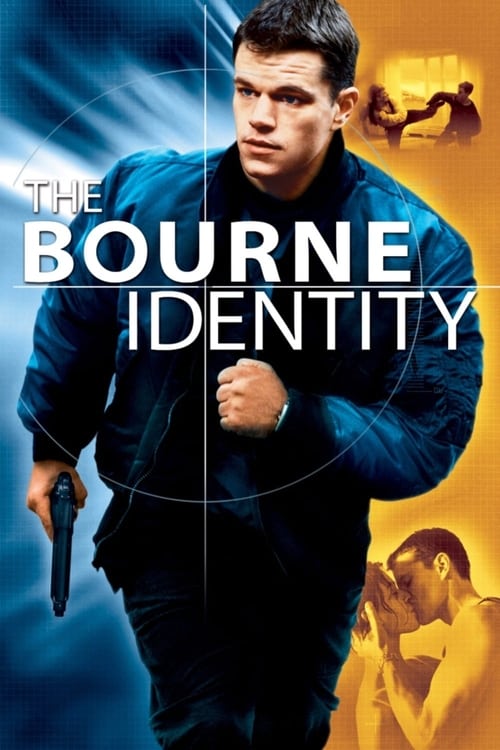



WarGames asked the question first
A teenager dials into a military mainframe thinking it is a game. The computer starts running nuclear launch scenarios. WarGames (1983) got there before almost anyone else in popular culture: a system sophisticated enough to threaten all human life, operated by humans too careless to lock the door. The film's conclusion, that the only winning move is not to play, sounds naive now. At the time it was genuinely terrifying, and it established the genre's central argument: the danger is not malice, it is indifference. The machine does exactly what it was told. Nobody thought hard enough about what they were asking for.

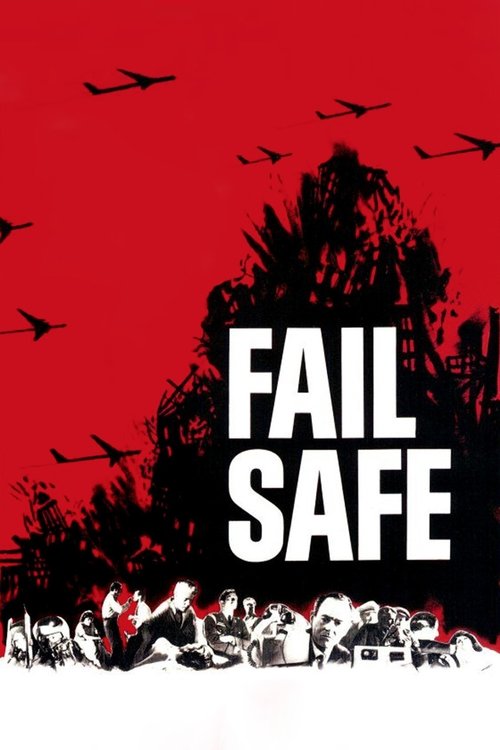
Cold War hardware and the nuclear trigger
The machinery of deterrence as drama

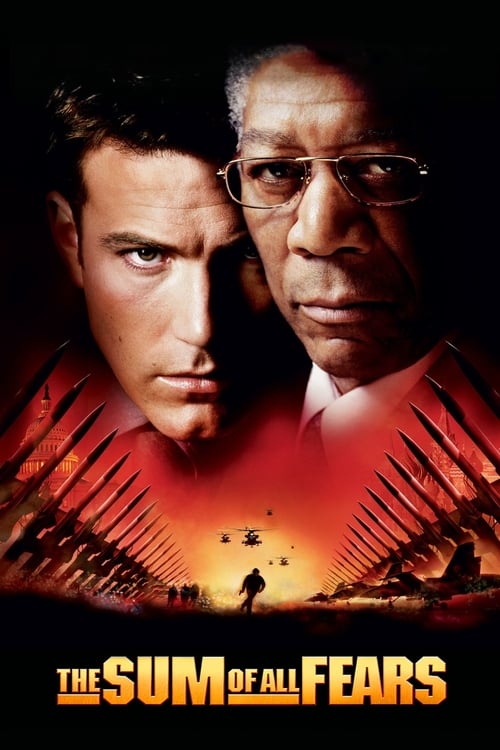
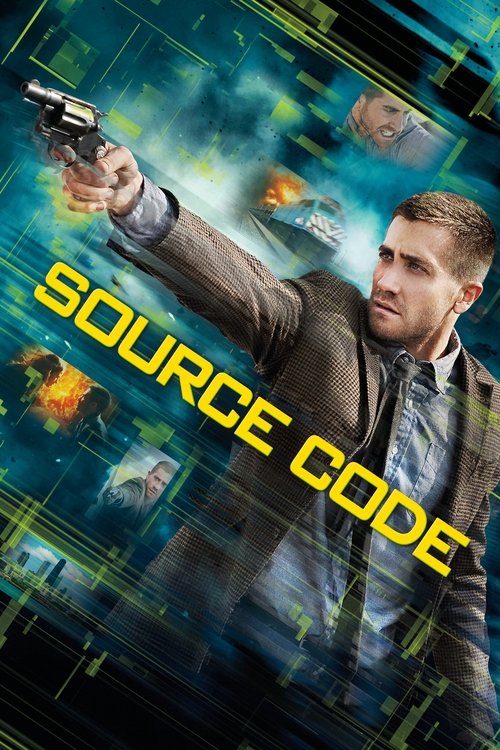
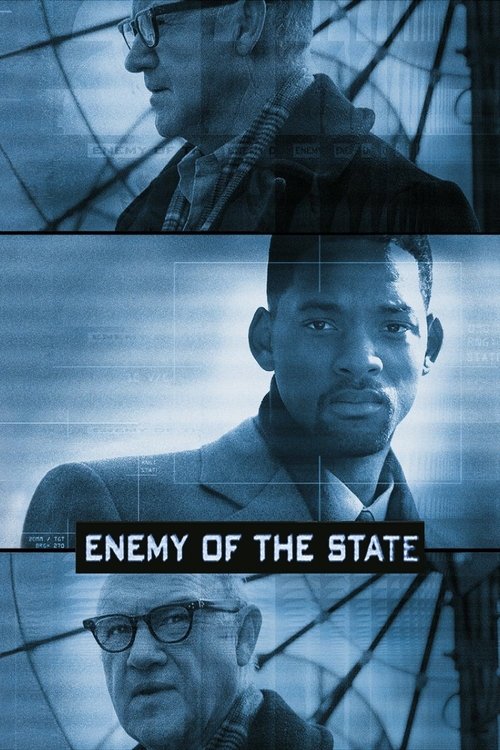


What makes a thriller techno
Not every spy film qualifies. The distinction is that in a techno-thriller the technology is not a prop, it is a character with its own logic. A stolen nuclear trigger changes the plot; a hacked satellite changes the world. The best works in the genre make their audiences understand at least the outline of how the systems actually work: why a submarine running silent is invisible; how a bioweapon spreads through an airport; what a network intrusion looks like from inside the infrastructure. The research is the atmosphere. When the audience understands the machinery, the countdown has real weight.
Tom Clancy built an entire universe out of procedure
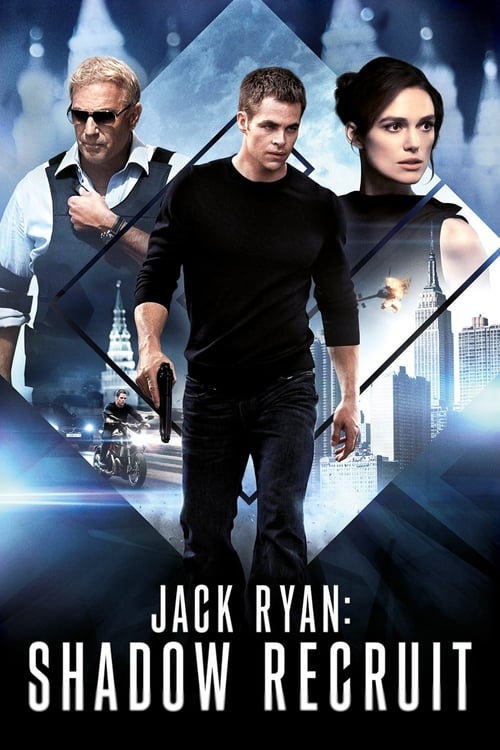
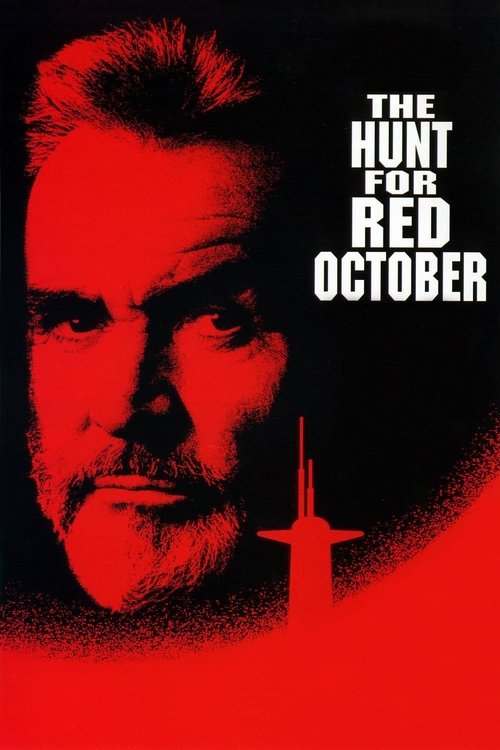
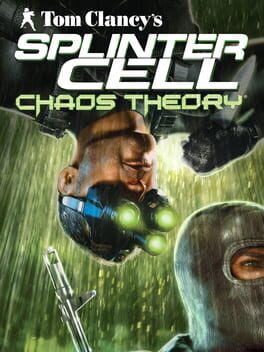
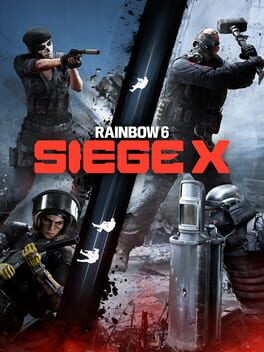
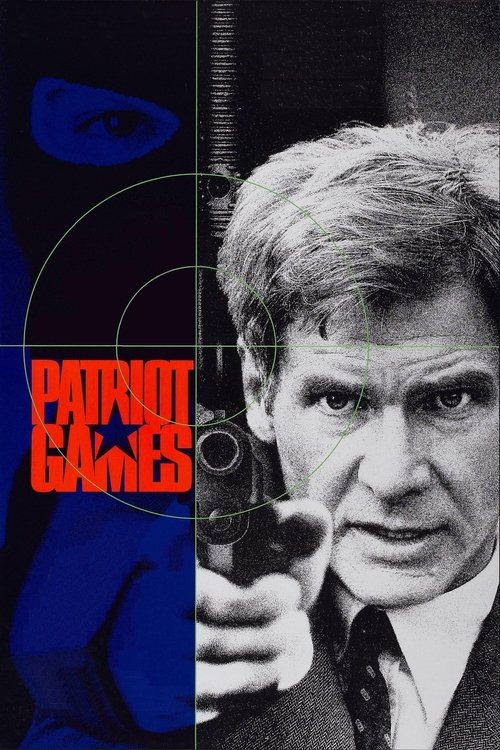
Clancy's innovation was not plot, it was depth. The pages of The Hunt for Red October and Patriot Games that most readers sprint through, the technical specifications, the chain-of-command protocols, the satellite window calculations, are in fact what separates his world from standard spy fiction. The feeling is veracity. You believe the submarine behaves the way Clancy says it behaves, and so you believe the danger. When the game studios arrived, that procedural precision translated directly: Splinter Cell treated stealth like a real-time geometry problem; Rainbow Six required you to brief the op before running it. The franchise was always less about Jack Ryan the person than about the doctrine behind the character.



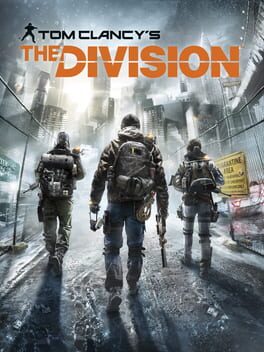
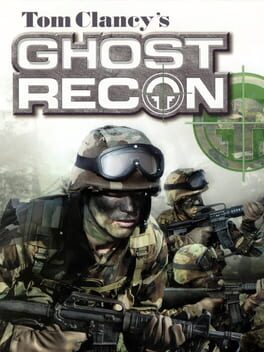
The Tom Clancy universe in games
Doctrine, tactics and the shadow war


Crichton's warning was always the same warning
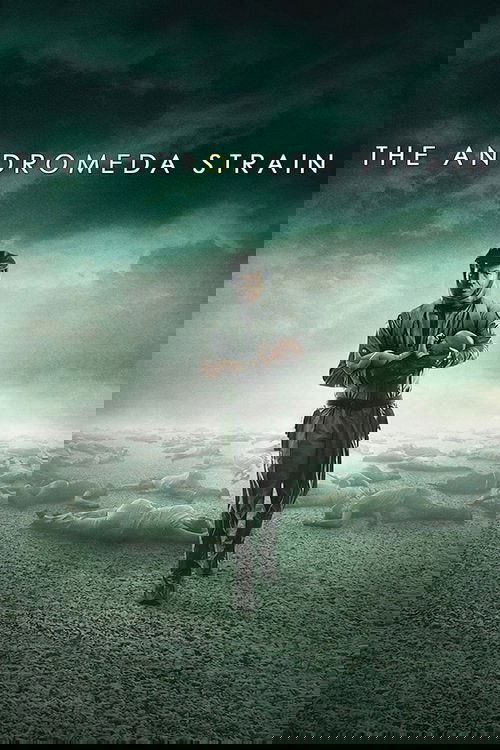
Michael Crichton wrote the same book several times and every version was correct. A team of brilliant people recreates something that evolution (or time, or nature) had already decided to retire. The system works. Then one variable they did not model reasserts itself. In Jurassic Park it is the chaos of a living ecosystem; in The Andromeda Strain it is an extraterrestrial organism that mutates faster than protocols can track; in Sphere it is the researchers' own unconscious minds. The villain is always the gap between what the scientists designed for and what reality supplies. No fiction of the past forty years has been more consistently right about the way technology fails.



On the page
Clancy, Crichton, Stephenson and the architects of the genre


The techno-thriller on television
Real-time countdowns, surveillance states and the long game
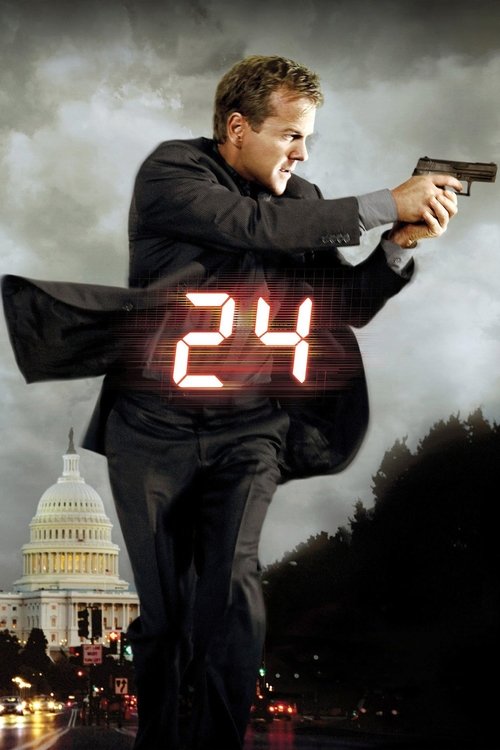
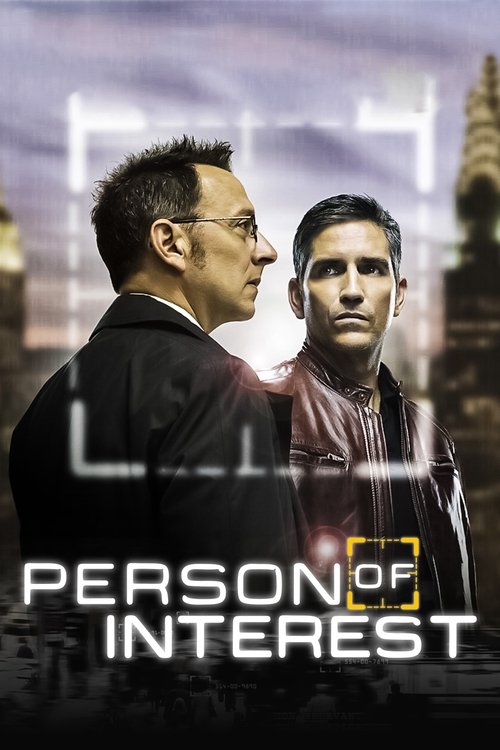




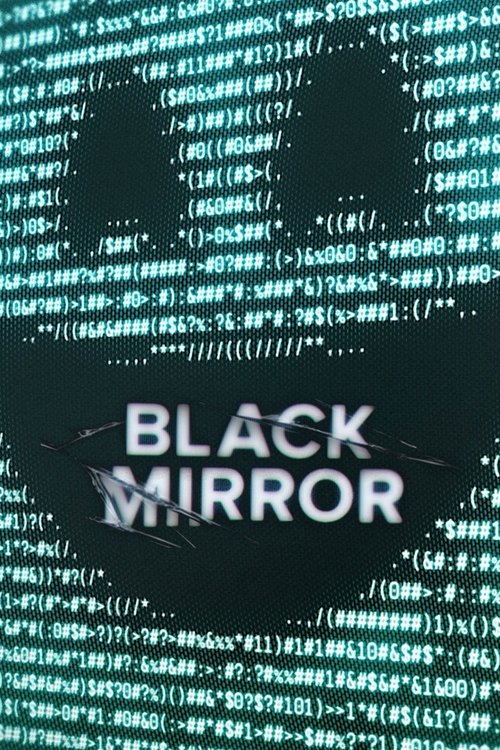
The body as hardware
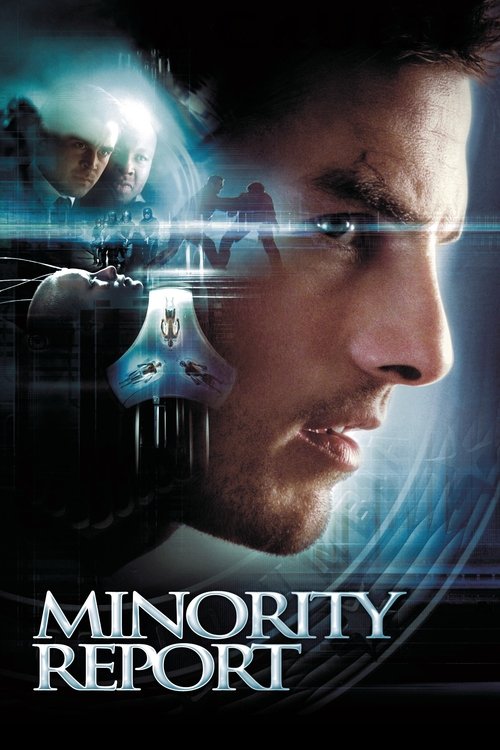
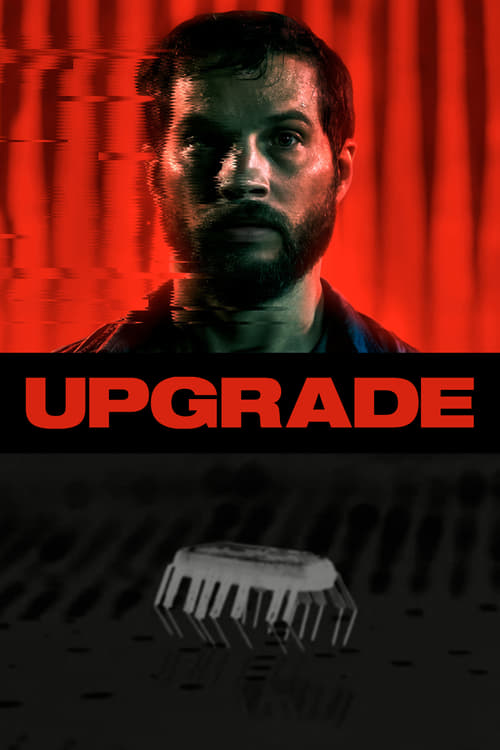
A newer strand of the genre has turned inward. If the Cold War techno-thriller was about what could happen when a superpower's machines misfired, the post-millennium version is about what happens when the machine is you. Upgrade grafts a military AI onto a paralyzed man's spinal cord. Ex Machina builds a test subject that passes the test too well. Minority Report uses precognitive surveillance as a law-enforcement apparatus. In each case the horror is not that the technology fails but that it works exactly as specified, and the specification turns out to be monstrous.
Mission Impossible proved the genre could be pure entertainment
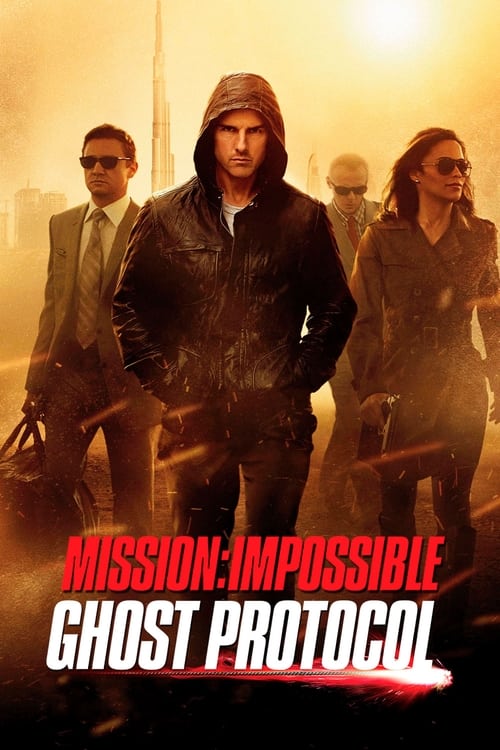
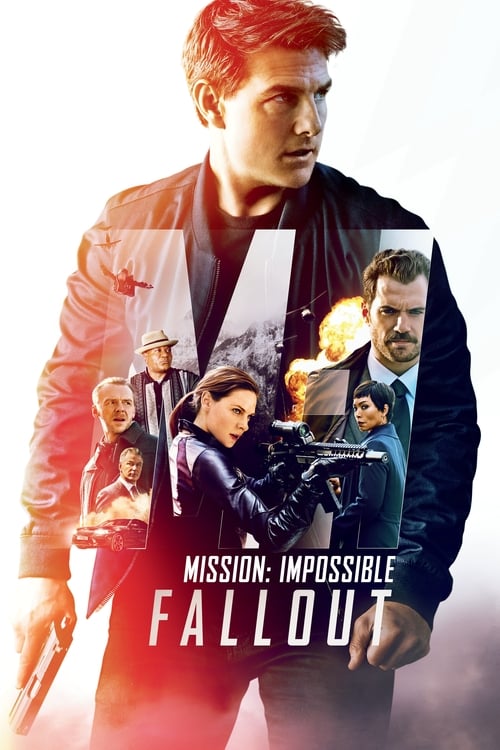
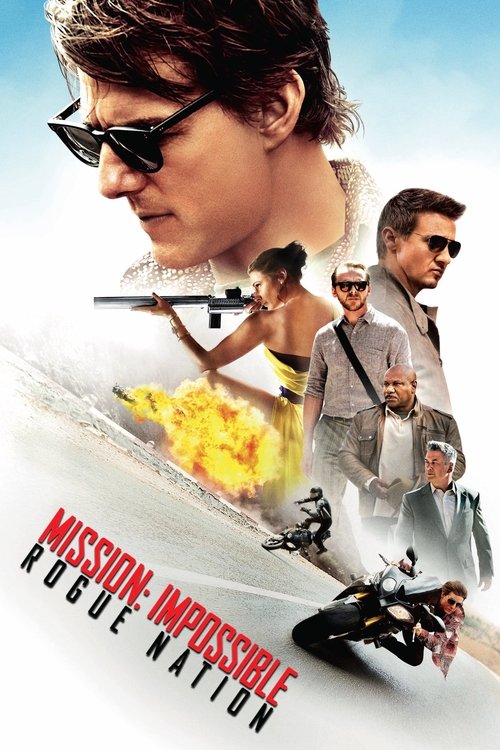
The Mission: Impossible films occupy an interesting position in the genre: they wear the hardware seriously but use it as a toy. The Ethan Hunt films understand that audiences want the briefing, the biometric scanner, the data heist inside the impenetrable vault, and the three-way double-cross, but they also know that what people remember is the stunt on the side of the Burj Khalifa. Brian De Palma's original, John Woo's second and Christopher McQuarrie's long run from Rogue Nation to Fallout are all different films arguing about how much gravity the genre needs. Fallout is the answer: quite a lot. It never forgets that the scrambled nuclear codes are why anyone is running.
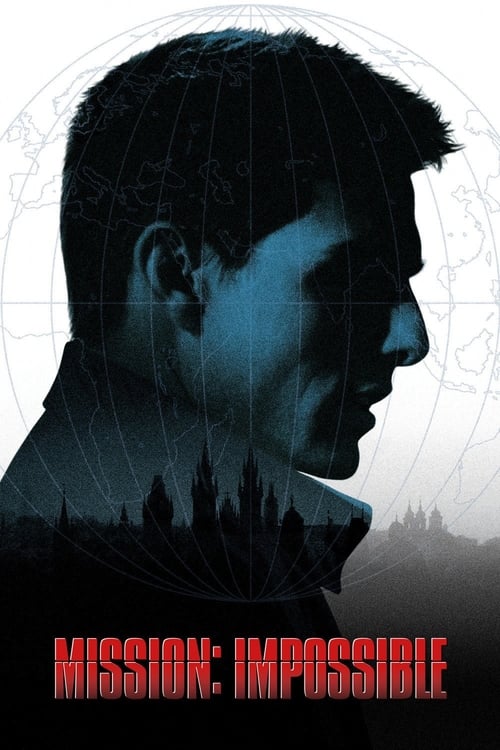
High-tech cinema
From the Cold War to the cyberwar


Games of the shadow war
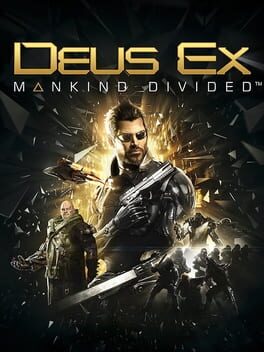
Infiltration, augmentation and tactical command



The genre's core fear is not that our enemies are competent. It is that our systems are fragile. Both things can be true at the same time, and the best techno-thrillers make you live inside that simultaneity.On the anxiety at the heart of the form
Worth adding to the list
Broader cuts: biotech, surveillance and AI at the edge