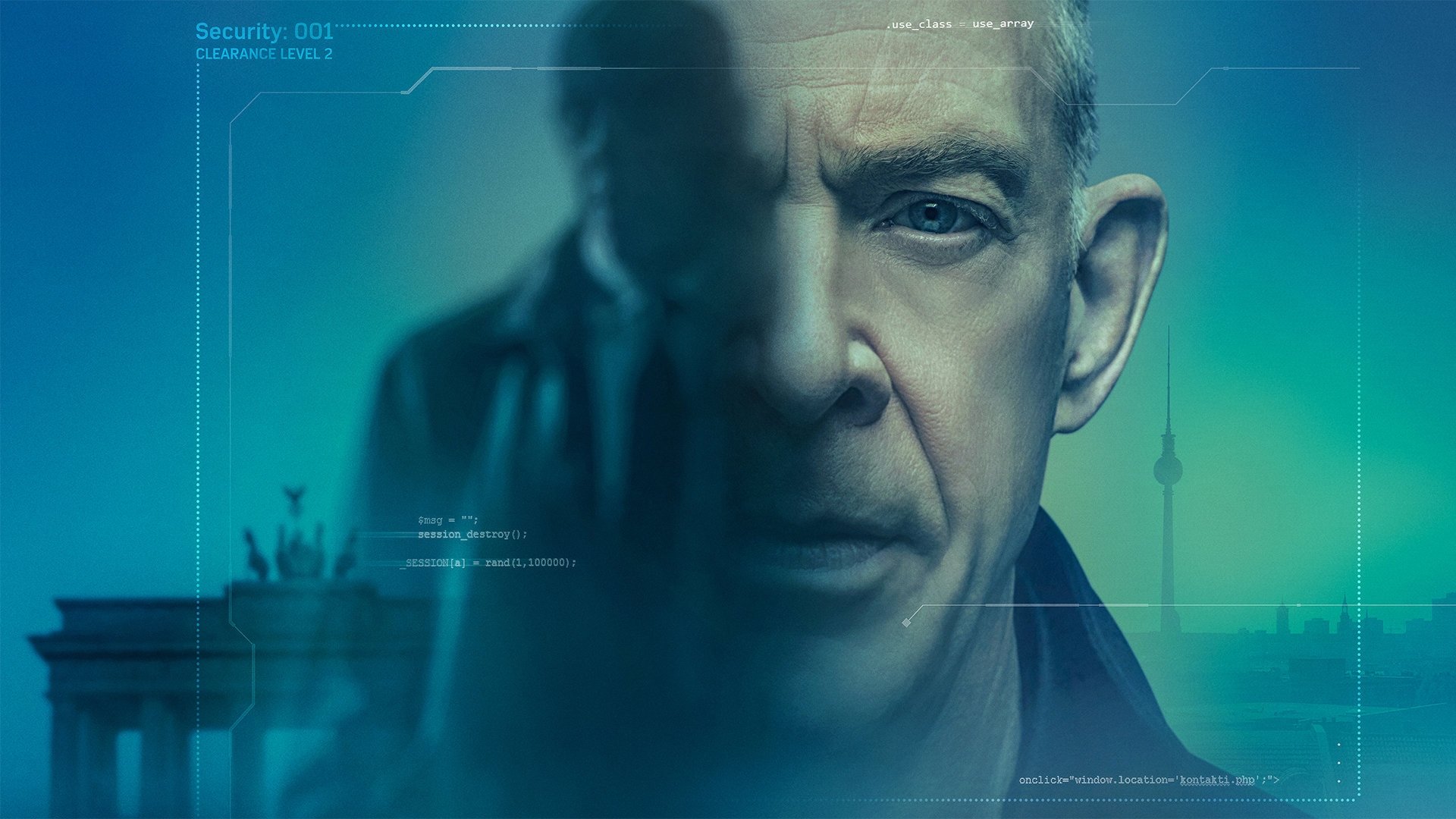

Counterpart (Starz, 2017-2019) ran for two seasons and ended too soon, which is the fate of every genuinely difficult prestige drama. Set in Berlin, it follows Howard Silk, a mid-level UN bureaucrat who discovers that a Cold War science experiment split reality into two parallel worlds, each now conducting covert operations against the other. J.K. Simmons plays both Howards: one meek and optimistic, one hardened and paranoid. The series uses the double-casting as a scalpel, not a gimmick. Every scene between them is a debate about whether circumstance makes the person, and whether the life you got was really the life you deserved. Spy procedure, existential dread, and a genuinely earned emotional center: that is what fans are chasing. The carousels below are organized to find it in other forms.
Spy Thrillers with Real Moral Weight
Series that treat tradecraft as a lens on identity, loyalty, and consequence.

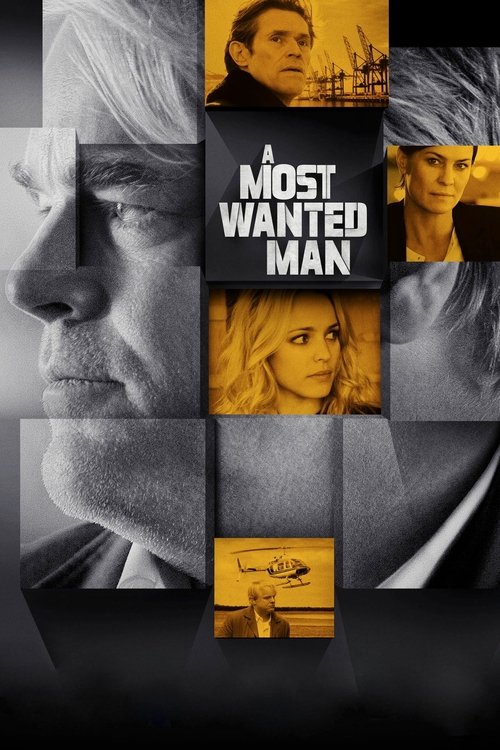


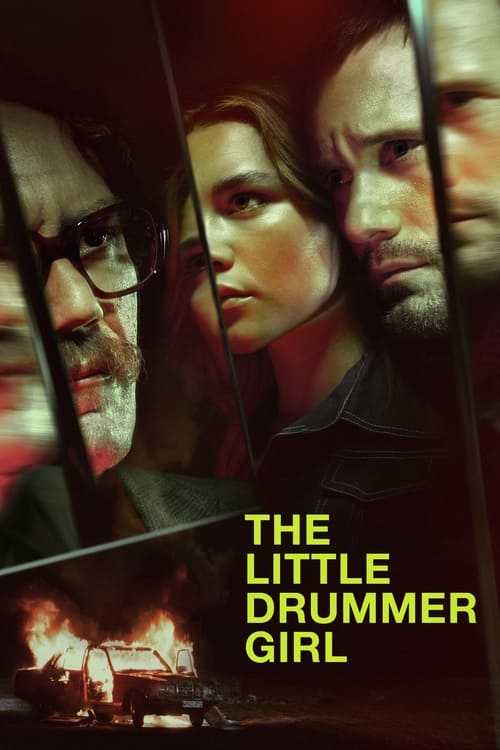

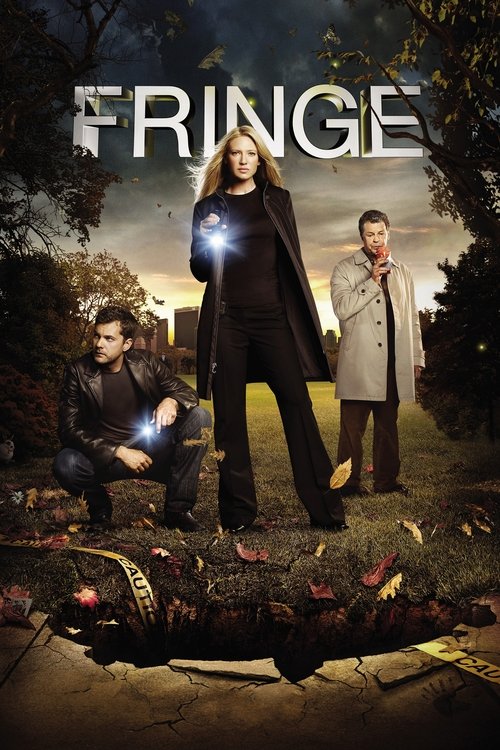
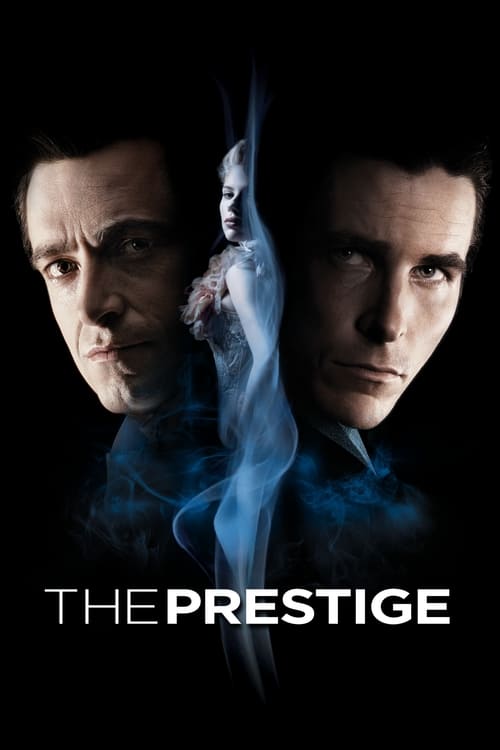
Parallel Worlds and Fractured Selves
Films and series that use alternate realities to interrogate who we are versus who we could have been.






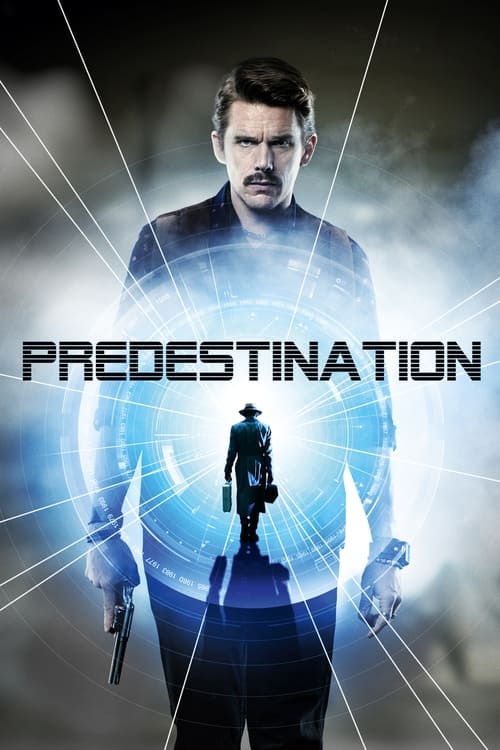
Novels About Identity, Doubles, and the Road Not Taken
The literary tradition Counterpart draws from, in prose form.
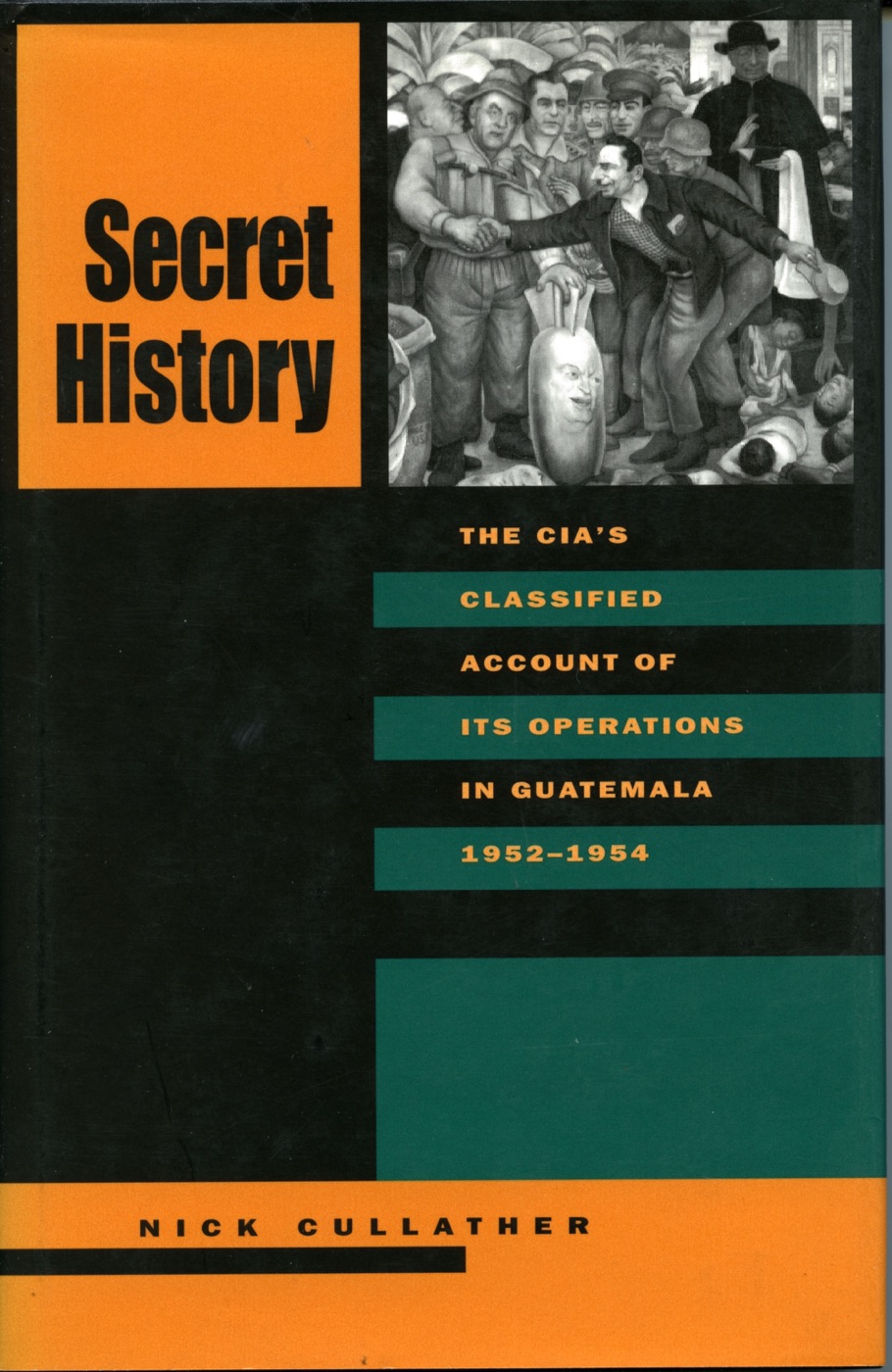


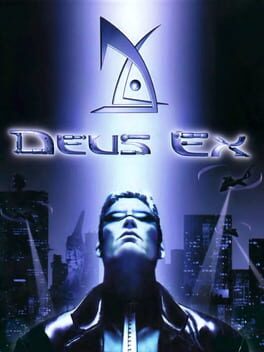
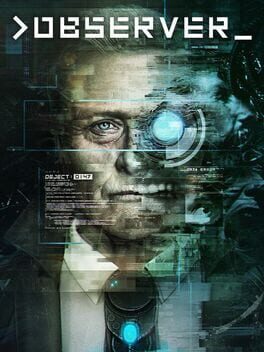
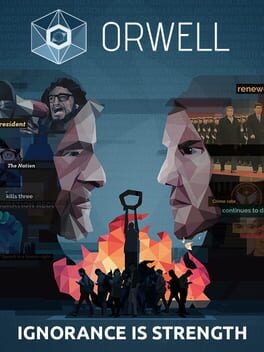
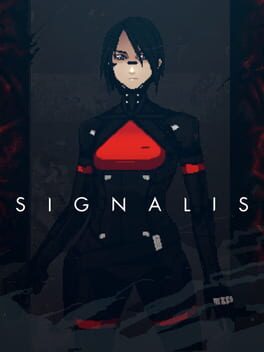
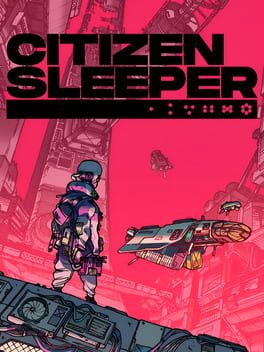
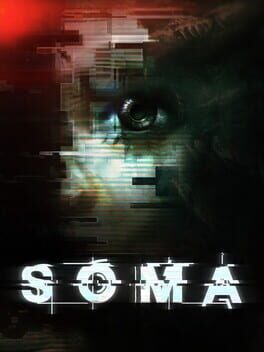
Games of Duality, Cold Tension, and Moral Compromise
Games that put you inside a world where trust is structural and decisions have a second dimension.
Cold, Tense, Atmospheric Scores
Music that matches Counterpart's steel-and-fog Berlin palette: electronic dread, chamber unease, bureaucratic menace.
The Best Spy Drama Since The Americans
Counterpart is frequently shelved as a sci-fi show, which undersells it. The parallel-universe conceit is backdrop, not genre. What the series actually does is take every anxiety of spy fiction: whose side are you really on, what has the work done to you, can a marriage survive when the institution the partnership is built on is itself a lie, and doubles down on all of them by making the enemy literally a version of yourself. The Americans ran longer and earned a perfect ending. Counterpart never got that chance. It is the sharper argument.
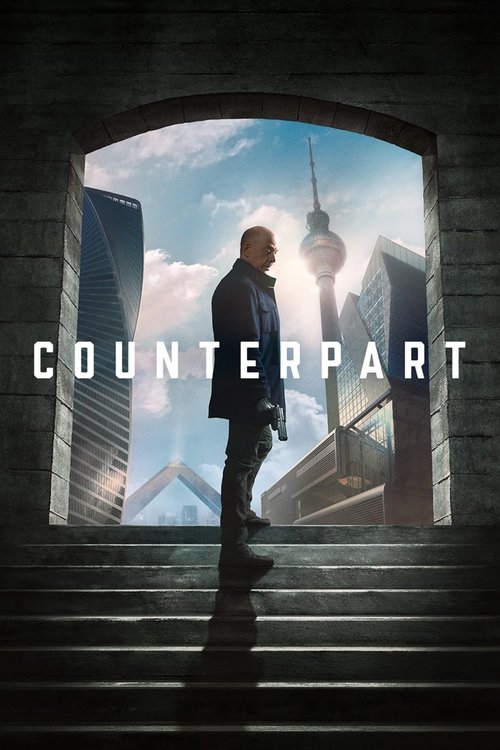
J.K. Simmons Playing Two Men Is a Technical Marvel
Most double-casting in prestige TV lets the actor indicate the difference: one wears glasses, one has a beard, the editing does the rest. Simmons refuses shortcuts. Alpha Howard's stillness is a choice built on thirty years of professional deference; Prime Howard's coiled readiness is the same personality rerouted through loss and violence. Their scenes together are the most demanding acting showcase of the decade, and the technical achievement is invisible because the writing cares about what the difference means, not just how it looks.

The City of Berlin Is the Third Character
The series shoots Berlin as a place still haunted by its own division: brutalist interiors, the logic of checkpoints treated as mundane bureaucracy, a city that contains the memory of having been two cities. That choice is not decoration. Counterpart is asking whether an identity split by circumstance ever fully heals, and it chose the only city in Western Europe that has lived that question at civic scale.

Why Cancellation Hurt More Than Usual
Starz did not renew Counterpart after Season 2, despite a creative peak. Season 2 ends on a genuine cliffhanger with at least one full season of story unresolved. This is not a show that ran its course: it is a show that was cancelled mid-sentence. For fans, that cut is part of the experience now. The gap it left is weirdly appropriate for a story about lives that were severed and never rejoined.
Counterpart at a Glance
- 2017Series premieres on Starz, December
- 2018Season 1 concludes: ten episodes, critical acclaim, quiet audience Counterpart
- 2019Season 2 airs: the spy war escalates, the mythology deepens Counterpart
- 2019Starz cancels the series; Season 2 finale becomes an unplanned series finale
- 2021Streaming on Peacock/Paramount broadens the audience; online campaigns for revival begin
Parallel Worlds and Cold War Spies
Multiverse & Parallel Worlds
Explore the Multiverse & Parallel Worlds guide →What Counterpart understood is that a parallel self is not a fantasy: it is an accusation.CrossBinge