
John le Carre spent his early career inside British intelligence, and everything he wrote carries the weight of that insider knowledge, not as thriller gadgetry but as institutional psychology. His spies are not heroes. They are tired, compromised, sometimes treacherous middle managers of empire, running operations that achieve nothing clean. The through-line his readers love is moral ambiguity treated without apology: the mission may be wrong, the sacrifice may be pointless, and the man giving the orders may be the most dangerous person in the room. George Smiley, his great recurring protagonist, wins not through physical courage but through patience, empathy, and a willingness to understand the enemy better than the enemy understands himself. That sensibility, the idea that intelligence is a mirror game between equals who have lost faith in their own side, is what draws readers back. Le Carre made the Cold War interior. He also made it permanent, because the fog he described has nothing to do with the Soviet Union specifically, and everything to do with power, loyalty, and betrayal in institutions that outlast their ideals.
Essential John le Carre
The novels that define the canon, from the debut that shocked the establishment to the final reckoning with Western complicity


The Adaptations: Le Carre on Screen
Films and series that translated the moral fog faithfully, and a few that captured something the books could not




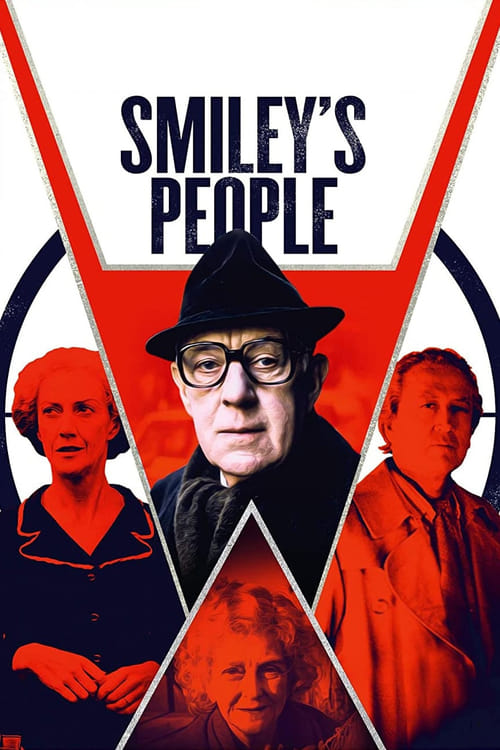
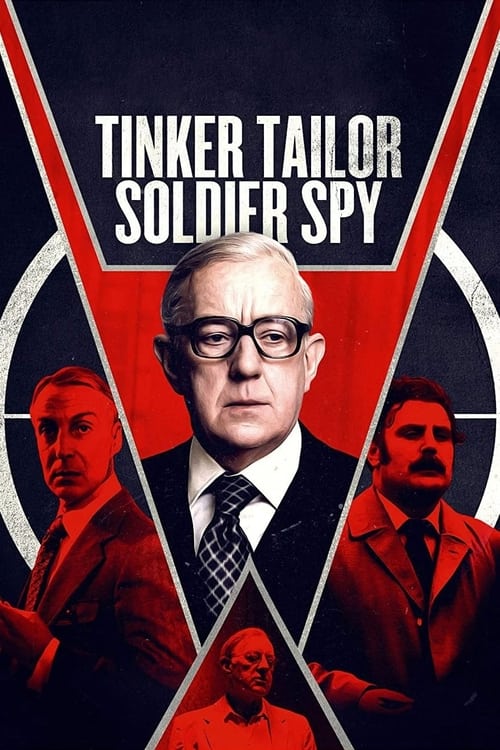
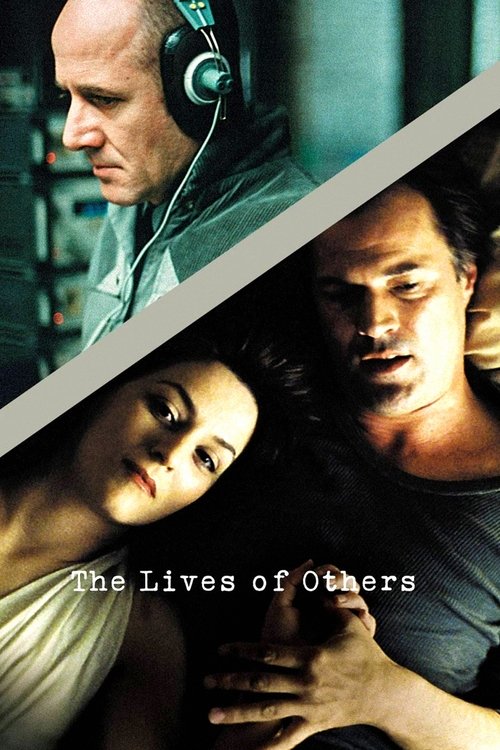
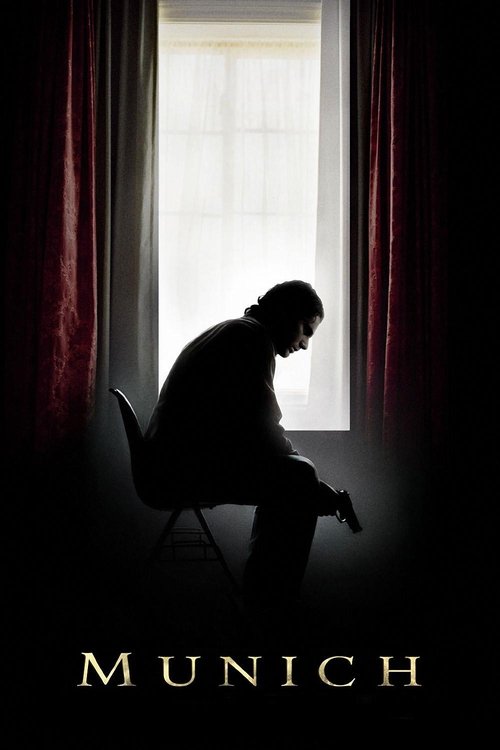
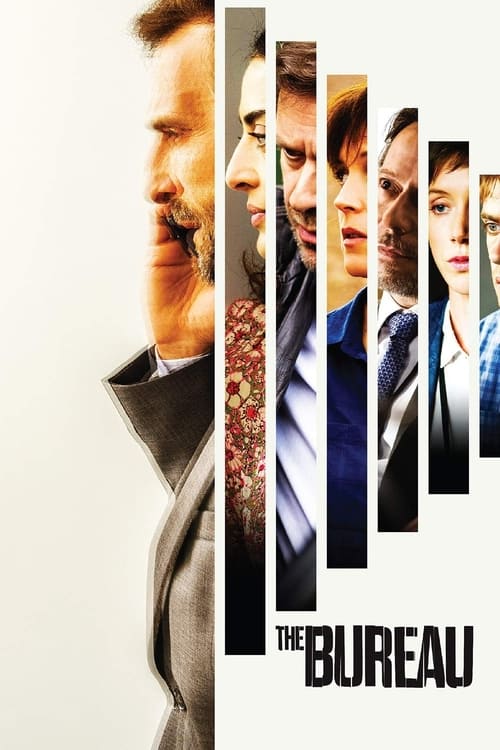
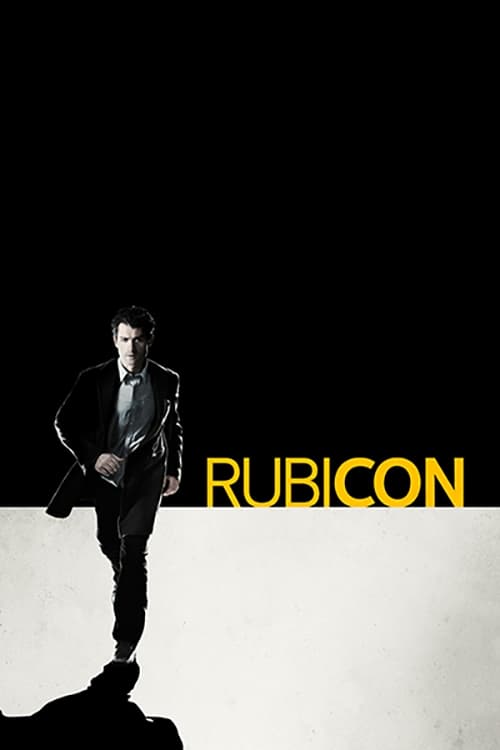
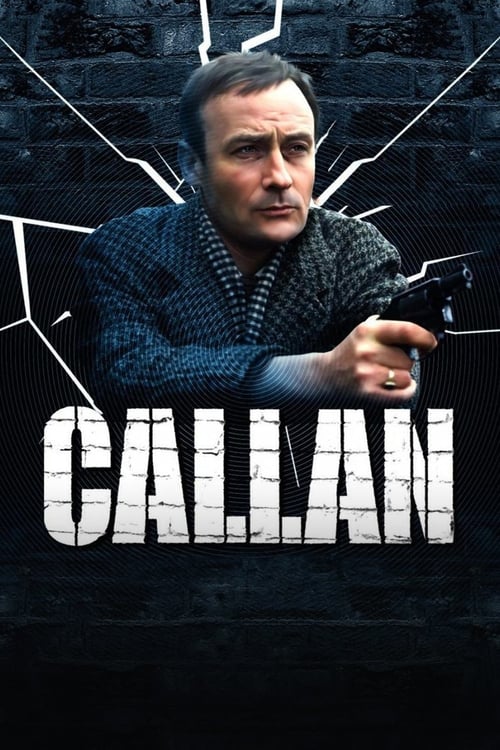
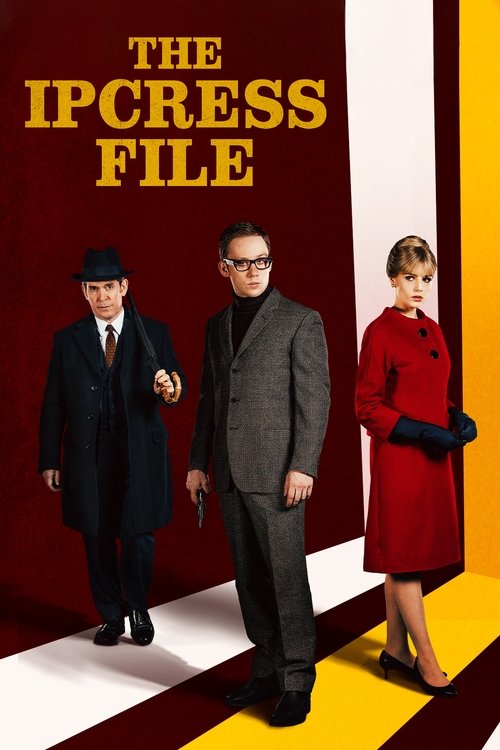
Cerebral Espionage on Screen
Films and series that share le Carre's conviction that the spy game is a moral swamp, not an action franchise
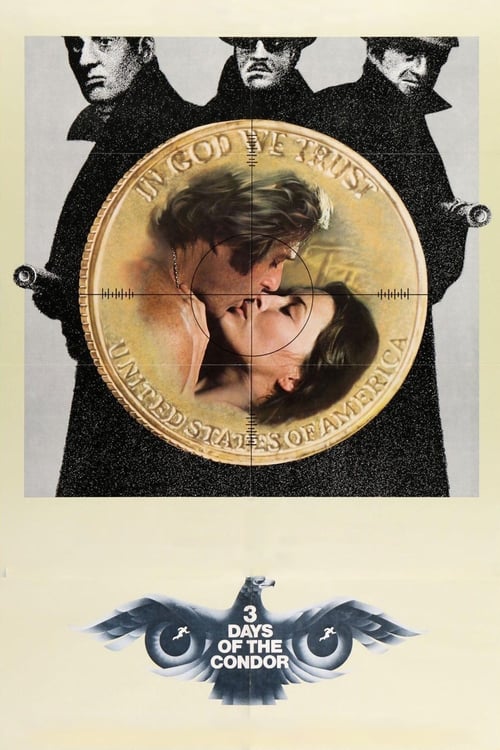
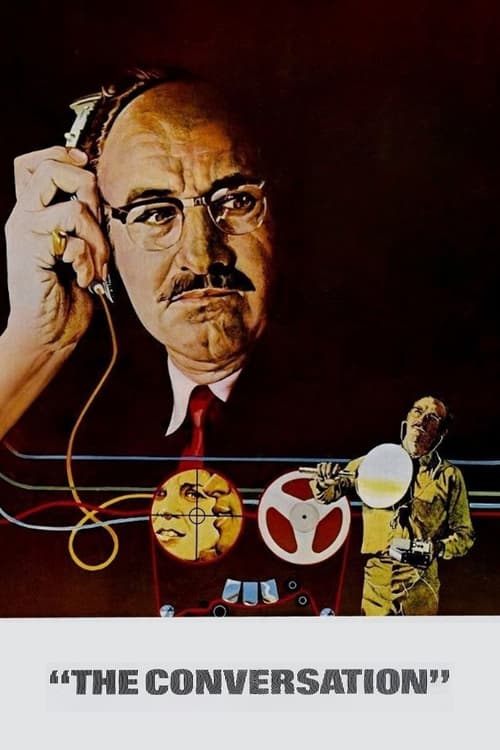

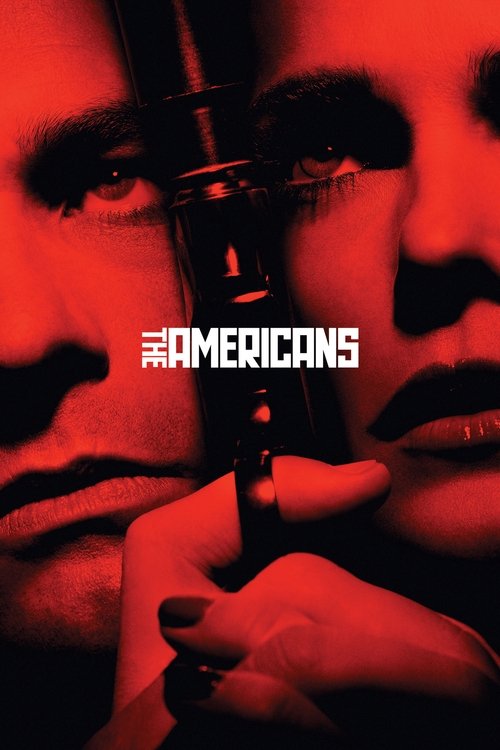
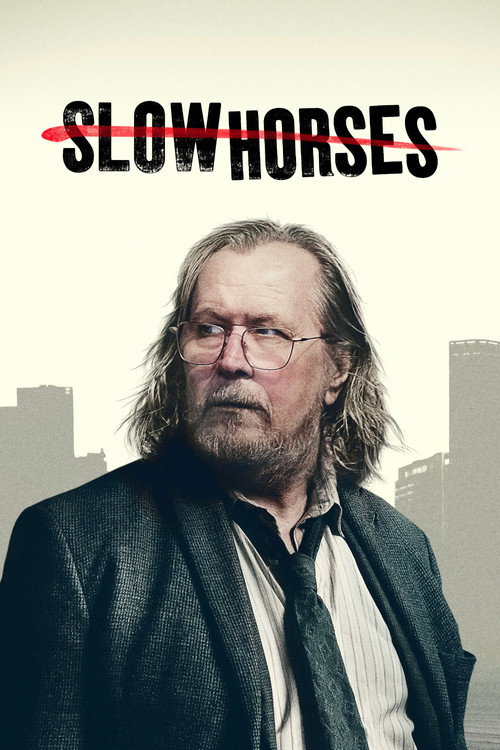

Authors Who Write in the Same Register
Novelists who treat espionage as a lens on power, conscience, and institutional betrayal, not as a delivery mechanism for action


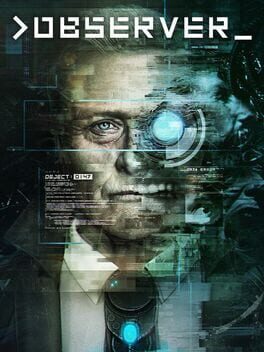
Spy Games: Espionage in Playable Form
Games that inherit le Carre's slow-burn tension, tradecraft logic, and the idea that information is the real weapon
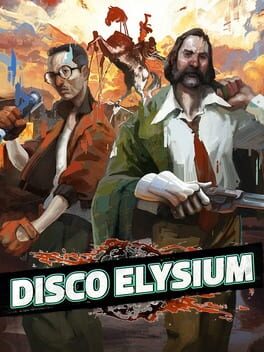
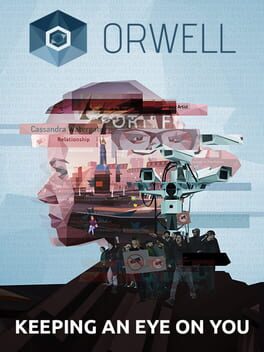
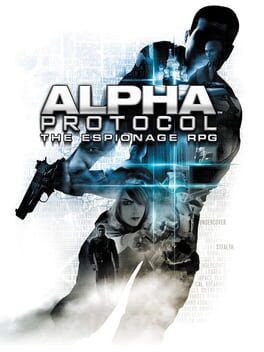
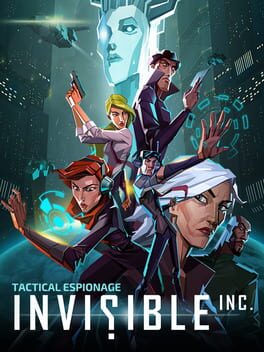
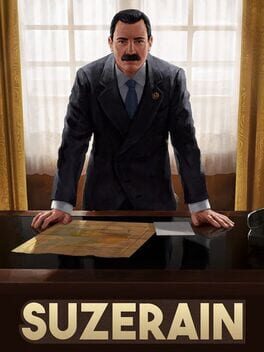
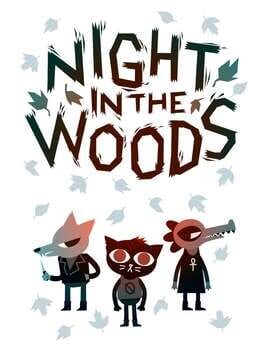
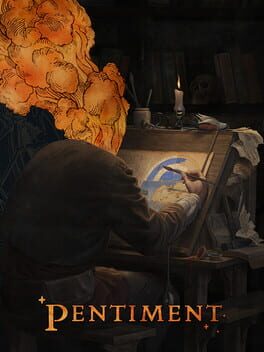
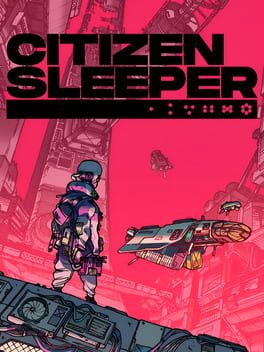
George Smiley Is the Anti-Bond and That Is the Point
Ian Fleming's Bond is fantasy: the state as glamour machine, violence as problem-solver, the spy as irresistible avatar of Western supremacy. Le Carre constructed Smiley as the explicit rebuttal. Smiley is physically unremarkable, romantically defeated, institutionally loyal to a service that treats him as expendable, and entirely aware of every hypocrisy in the mission he nonetheless carries out. He wins, when he wins, because he out-thinks and out-waits, not because he fires first. The contrast is not accidental. Le Carre worked in the same world Fleming romanticised and wrote from the inside of what it actually looked like. That Smiley has outlasted dozens of Bond imitators says something about which version of the spy story contains the truth.
The Night Manager Proved Le Carre Could Survive the Cold War's End
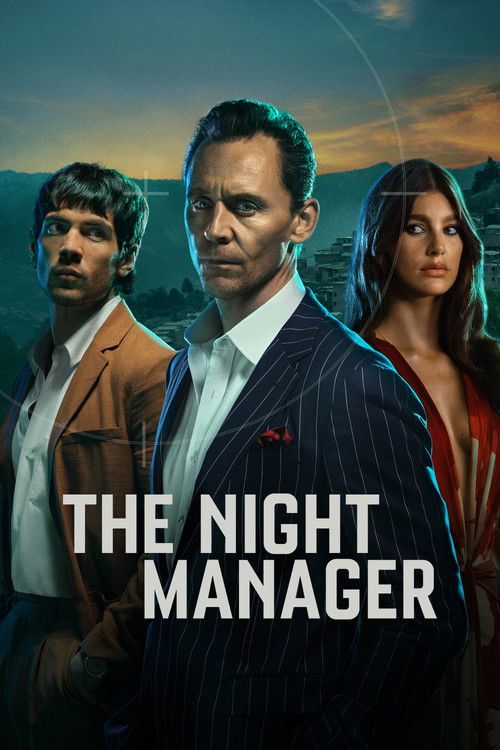
When the Soviet Union dissolved, critics assumed le Carre's subject had dissolved with it. The Night Manager was his answer: the fog had simply migrated from the Iron Curtain to the arms trade, and the same institutional cowardice that enabled the Circus to do dirty work now enabled Western governments to look away from weapons dealers. Jonathan Pine is a newer kind of le Carre hero, more physically capable, more romantically credible, but still essentially an instrument of forces that do not care about him. The 2016 BBC adaptation with Tom Hiddleston and Hugh Laurie demonstrated that the material was as televisually urgent as anything currently running.
A Perfect Spy Is the Most Personal Novel He Wrote
Le Carre called A Perfect Spy the book he had to write before he could write anything else with full honesty. It is the story of Magnus Pym, a career intelligence officer who has been performing identity so long he no longer knows what is underneath. The template was his own father, Ronnie Cornwell, a con man of spectacular ambition and total moral vacancy who shaped his son's lifelong preoccupation with deception as survival strategy. The novel reads as both a spy thriller and an act of psychoanalysis: Pym is le Carre, and the reader who finishes it understands something about the author's other protagonists that the other protagonists never quite say aloud.
A Life in Shadows: Key Moments in the Le Carre Story
- 1931Born David John Moore Cornwell in Poole, Dorset
- 1948Studies in Bern; recruited by British intelligence as an informer on fellow students
- 1950Joins MI5; later transfers to MI6 as a case officer in Germany
- 1961Debut novel Call for the Dead introduces George Smiley
- 1963The Spy Who Came in from the Cold changes what espionage fiction is allowed to be The Spy Who Came in from the Cold
- 1965Richard Burton film adaptation is released to critical acclaim The Spy Who Came In from the Cold
- 1974Tinker Tailor Soldier Spy opens the Karla trilogy Tinker Tailor Soldier Spy
- 1979BBC mini-series of Tinker Tailor with Alec Guinness becomes a landmark Tinker Tailor Soldier Spy
- 1983Kim Philby's betrayal publicly confirmed; le Carre later says it validated everything the novels argued
- 1993The Night Manager reimagines espionage for the post-Cold War arms economy The Night Manager
- 2001The Constant Gardener takes aim at pharmaceutical industry impunity in Africa The Constant Gardener
- 2005Fernando Meirelles directs the film adaptation starring Ralph Fiennes and Rachel Weisz The Constant Gardener
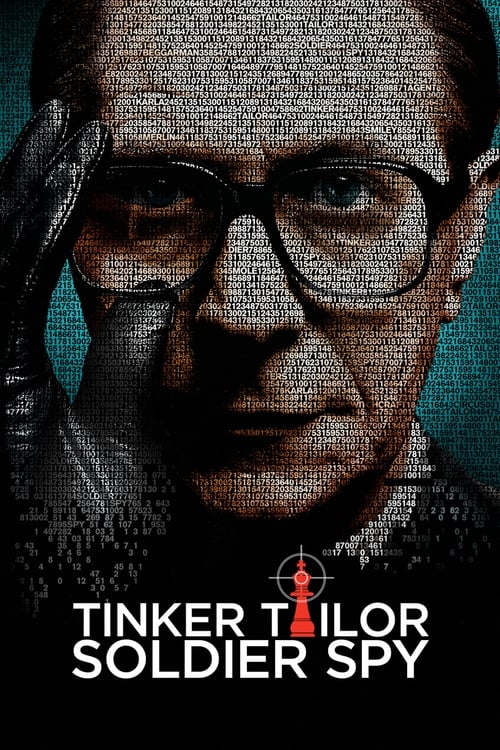
- 2011Tomas Alfredson's Tinker Tailor film with Gary Oldman wins wide critical praise Tinker Tailor Soldier Spy
- 2016BBC's The Night Manager with Hiddleston and Laurie becomes a global hit The Night Manager
- 2019Agent Running in the Field, his final novel, confronts Brexit and the abandonment of European solidarity
- 2020Dies in Truro, Cornwall, aged 89; the obituaries note that he was the most literate spy novelist who ever lived
Spycraft, the Cold War, and moral fog
Spies & Espionage
Explore the Spies & Espionage guide →The spy who came in from the cold is not a hero. He is an instrument of a policy that dare not speak its name.John le Carre, on the moral premise of his most famous novel