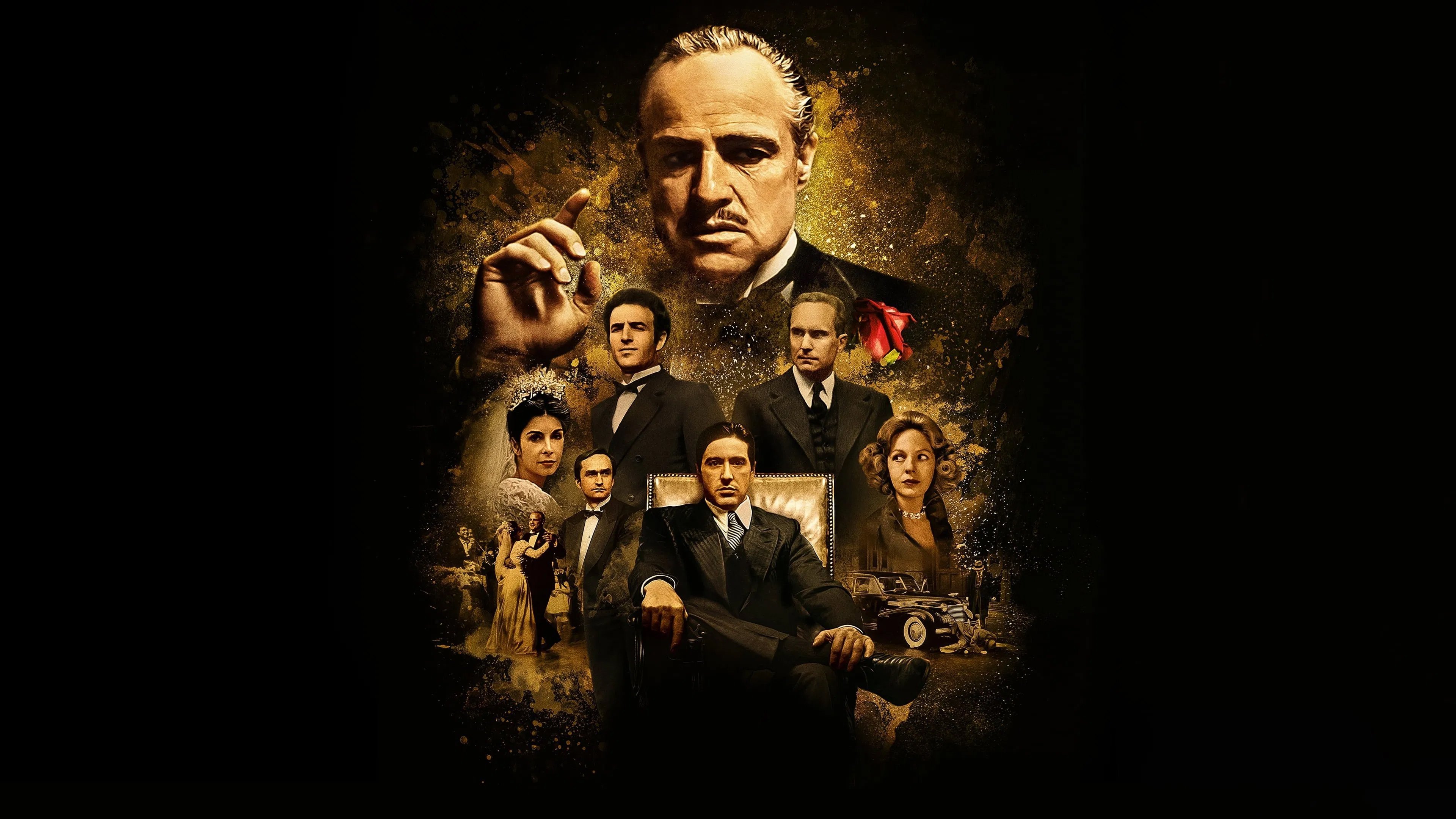

The crime saga is a genre built on a single, devastating irony: the people who want order most are the ones creating the chaos. From the Corleone dining table to the streets of Baltimore, from the bogs of Ireland to the backrooms of Atlantic City, organized-crime epics are really about family, loyalty, and the corrosive weight of ambition. What fans chase is not the violence (though it lands hard when it comes) but the texture: the rituals, the codes, the slow moral erosion of people who tell themselves they had no choice. These stories unfold across years, sometimes generations, letting characters become monuments to their own contradictions before the whole structure collapses under them.
Essential Crime Cinema
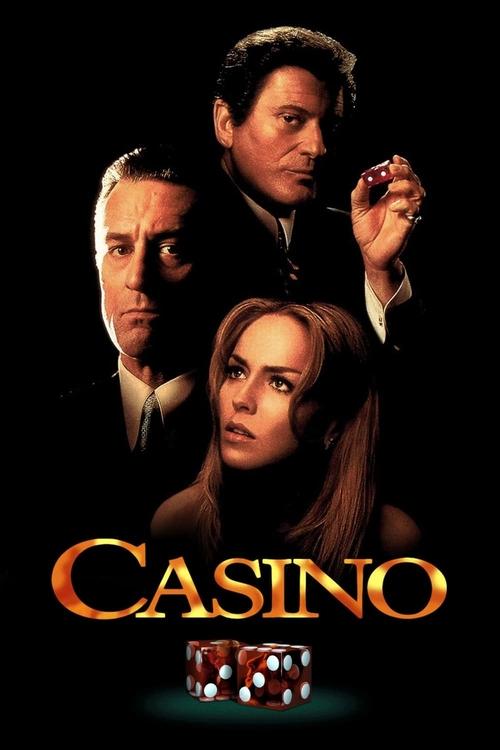
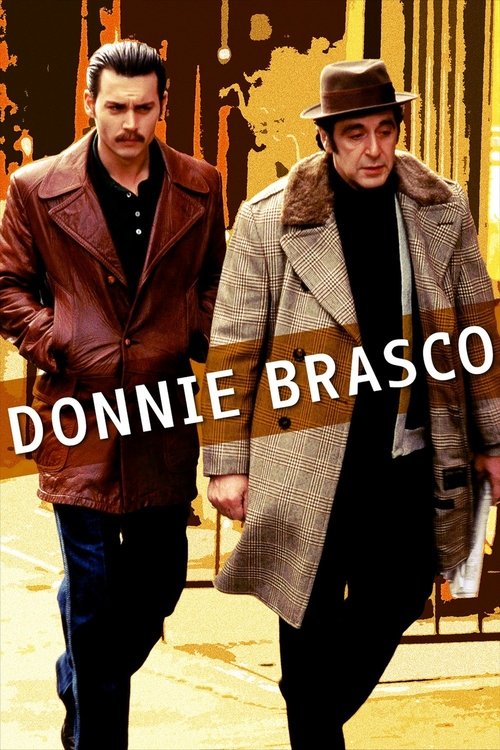
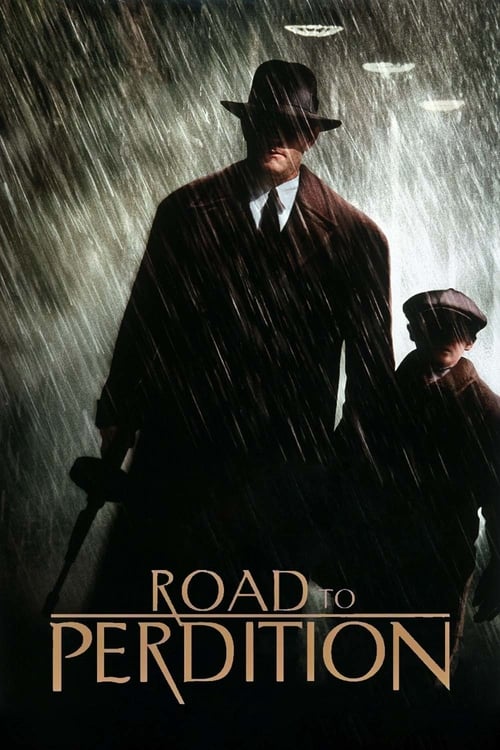
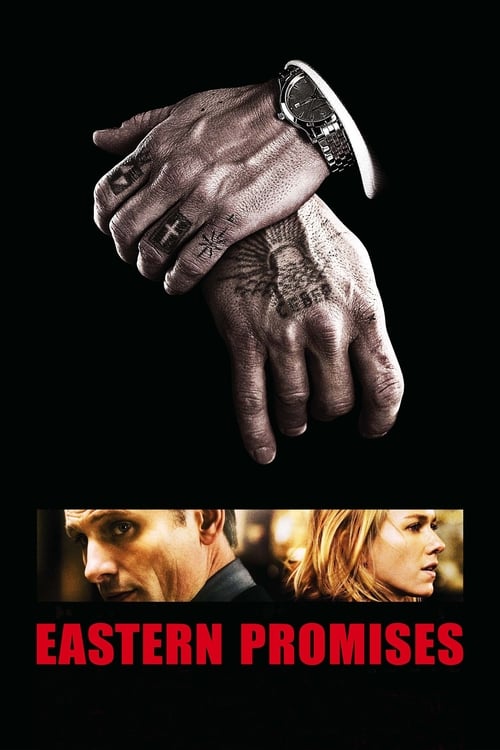
The films that defined the genre's grammar

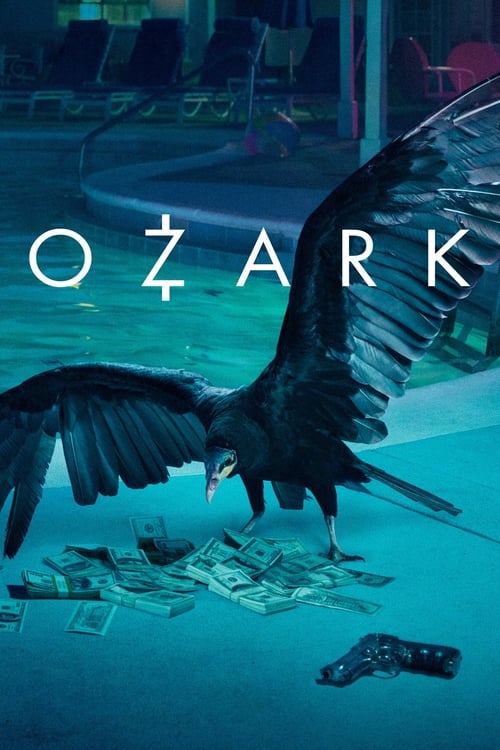
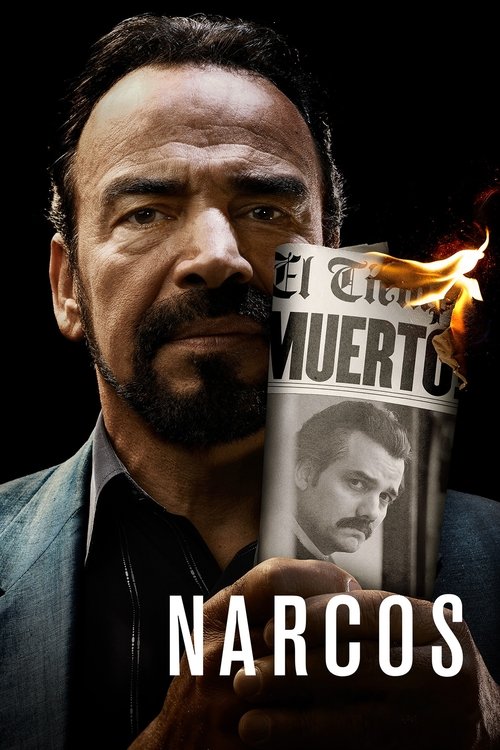
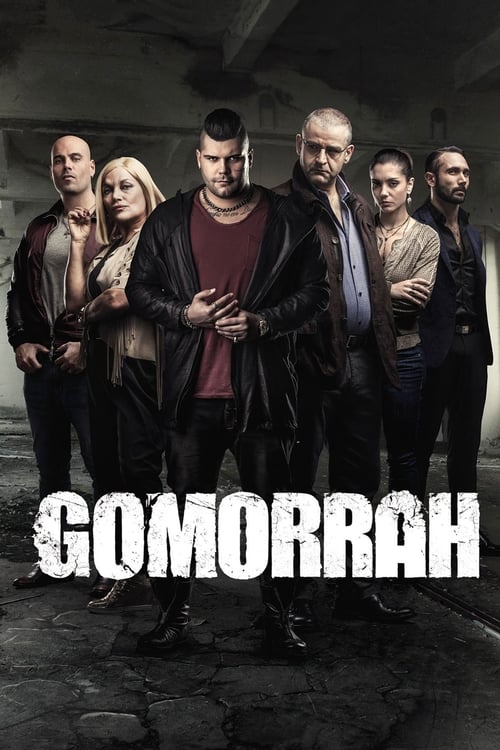
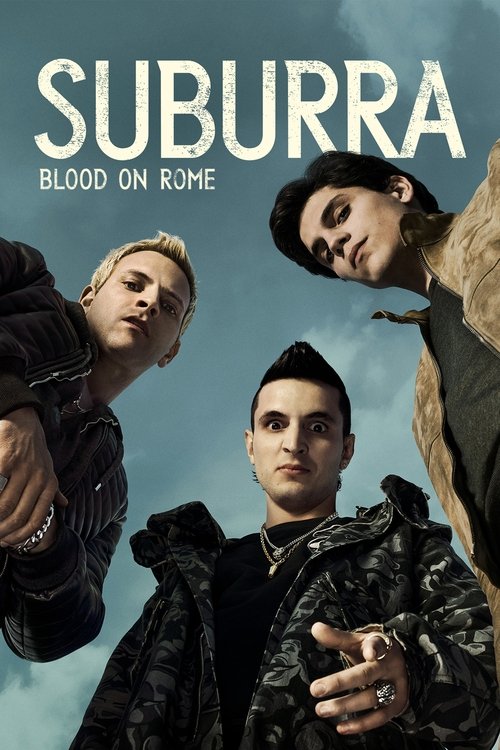
If You Love the Long Game: Essential Crime Television
Series that give the saga room to breathe across seasons
If You Love the Moral Weight: Crime Saga Novels
The books that built the blueprint or pushed it somewhere new


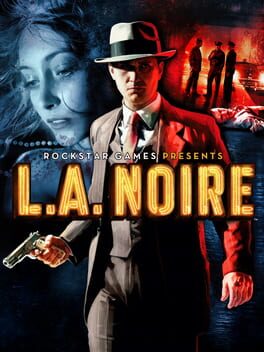
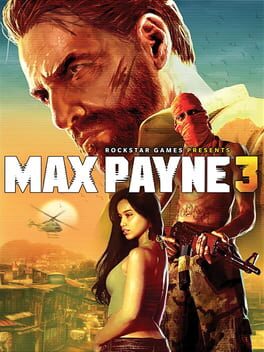
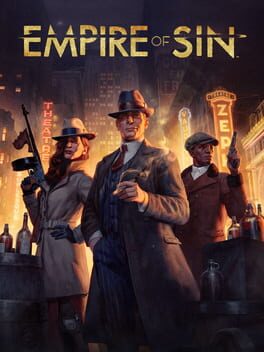
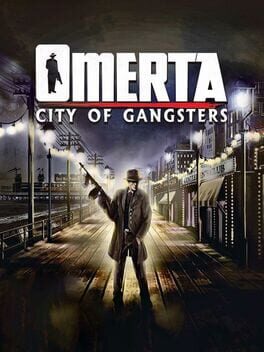
If You Love the Power and the Paranoia: Crime Games
Games that put you inside the organization, the city, and the consequences
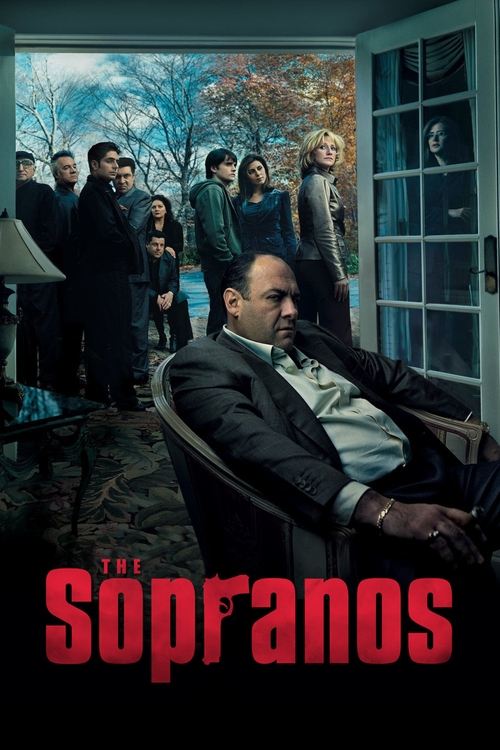
The Sopranos Changed What Television Could Do
Before The Sopranos, crime television was procedural: cops versus criminals, justice usually served. David Chase's show collapsed that distance and put the audience inside Tony's anxious, violent, strangely domestic mind for eight years. The series understood that the most unsettling thing about organized crime is not the bodies but the normalcy wrapped around them: the school recitals, the therapy sessions, the Sunday gravy. It made a monster legible without making him sympathetic, and no crime saga on television has fully escaped its shadow since.
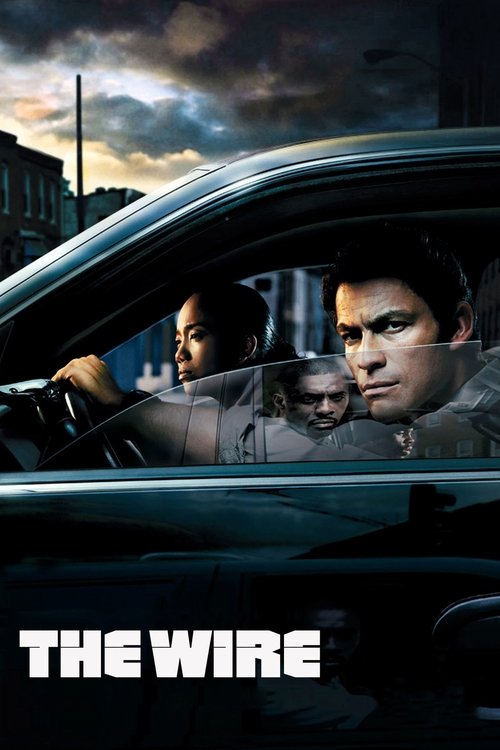
The Wire Is a Crime Saga About Systems, Not Individuals
David Simon's series barely qualifies as a crime saga in the traditional sense: there is no patriarch, no dynasty, no single empire to mourn. Instead, The Wire treats the drug trade, the police department, the port, the schools, and the press as interlocking institutions that reproduce failure regardless of who occupies them. Its pessimism is structural. That shift from individual tragedy to systemic critique is what makes it essential: it asks not why this person fell, but why the system is designed to produce that fall, over and over.
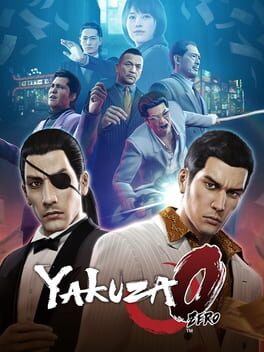
Yakuza 0 Is the Best Crime Saga Video Game Ever Made
Most crime games give you a sandbox. Yakuza 0 gives you a soap opera, a friendship story, a period-piece portrait of 1980s Tokyo and Osaka excess, and a meditation on what honor costs. Kiryu and Majima are the genre's best double lead since the Corleone brothers: opposites drawn toward each other by the shared logic of loyalty in a world that keeps demanding betrayal. The combat is spectacular. The karaoke is better. The writing, when the game wants to be serious, hits as hard as the films it grew up loving.
Don Winslow's Cartel Trilogy Is the Genre's Defining Modern Novel
The Power of the Dog, The Cartel, and The Border form a trilogy that does for the US-Mexico drug war what The Godfather did for the Italian-American mob: it finds the human architecture inside an industry of violence. Winslow spent years reporting the story before fictionalizing it, and that groundwork shows. The books cover thirty years of history, multiple cartels, three American administrations, and the DEA agent who keeps arriving too late. They are furious, exhaustive, and, at their best, genuinely tragic.
The Crime Saga: A Genre Timeline
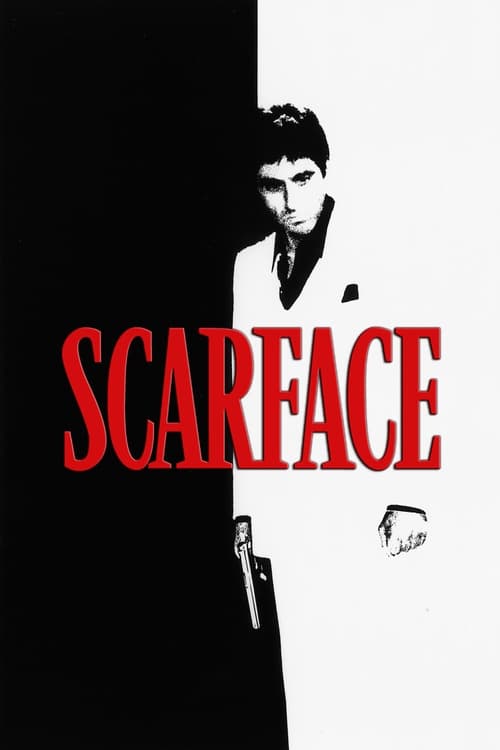
- 1932Scarface (Howard Hawks) establishes the rise-and-fall crime film template Scarface
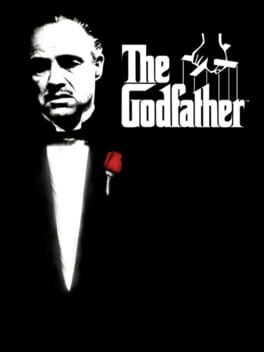
- 1969Mario Puzo publishes The Godfather; it becomes a cultural phenomenon before Coppola films it The Godfather
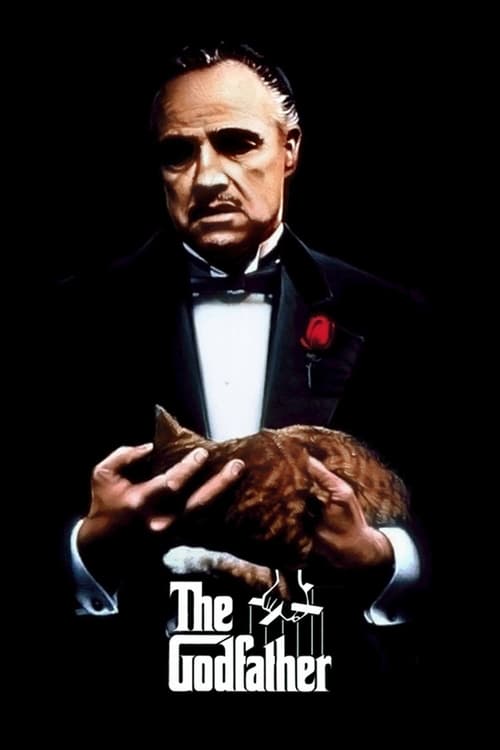
- 1972Coppola's The Godfather redefines American cinema and the genre's visual language The Godfather
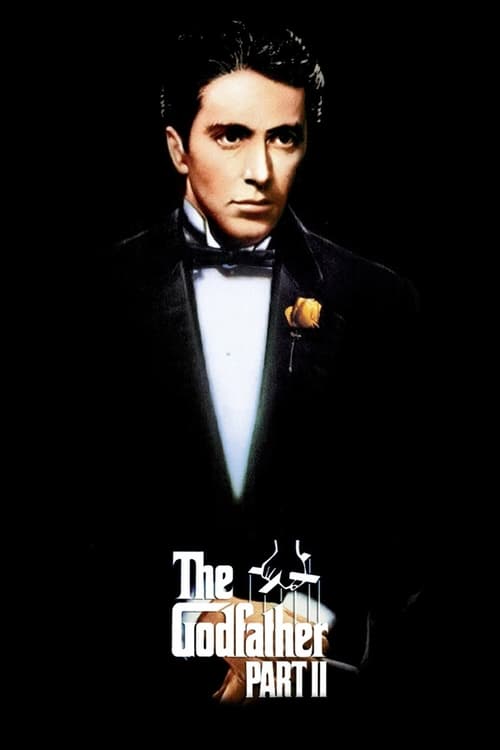
- 1974The Godfather Part II adds a prequel structure that the genre keeps borrowing The Godfather Part II
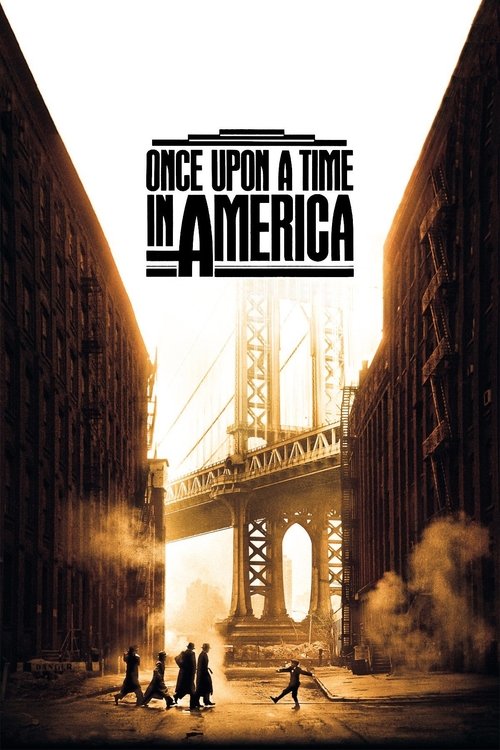
- 1984Sergio Leone's Once Upon a Time in America arrives: elegiac, slow, devastating Once Upon a Time in America
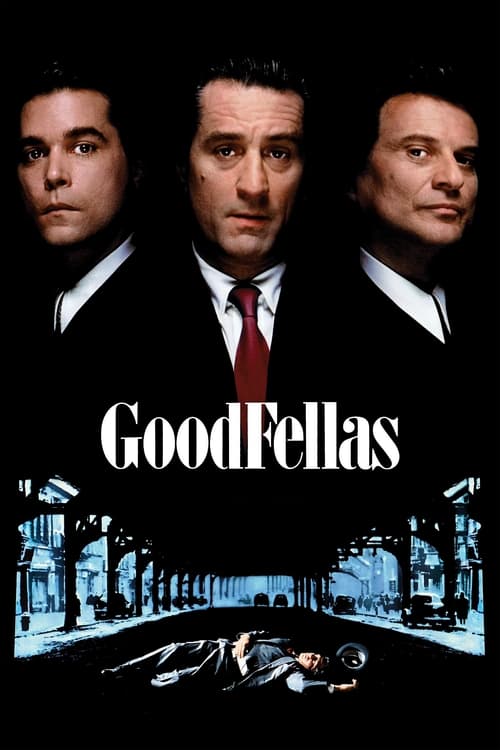
- 1990Scorsese's Goodfellas strips the myth and gives the genre speed and dark comedy GoodFellas
- 1997George Pelecanos, Dennis Lehane, and Richard Price begin reshaping crime fiction toward social realism
- 1999The Sopranos premieres on HBO and moves the saga to television permanently The Sopranos
- 2002The Wire begins its five-season dissection of urban systems and institutional failure The Wire
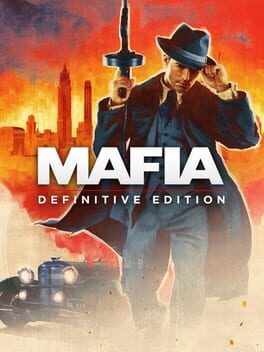
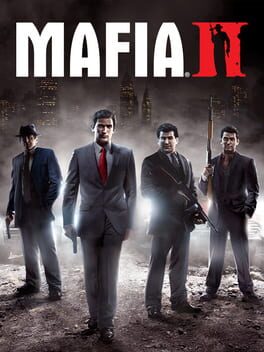
- 2002Mafia: The City of Lost Heaven proves the saga translates to open-world games
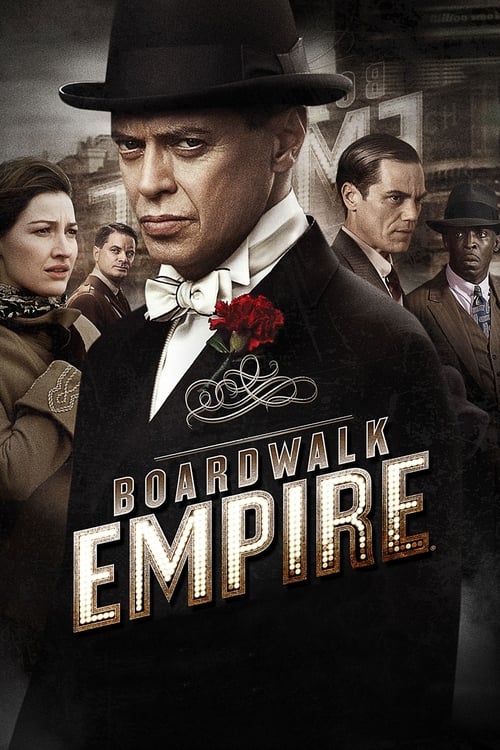
- 2010Boardwalk Empire brings the Prohibition era to HBO with cinematic scale Boardwalk Empire
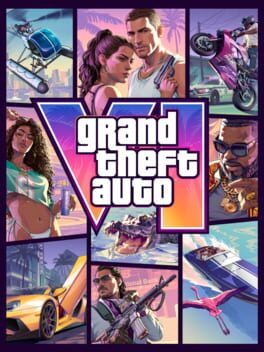
- 2013GTA V's three-protagonist structure borrows from the saga's ensemble tradition Grand Theft Auto VI
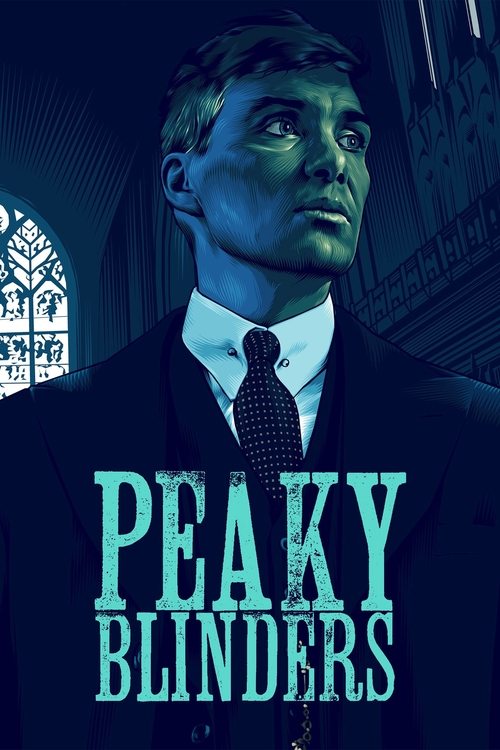
- 2015Peaky Blinders expands the genre's geography and its sound palette Peaky Blinders
- 2015Yakuza 0 (released in Japan; 2017 in the West) becomes the genre's definitive game Yakuza 0
- 2019Don Winslow completes his Cartel trilogy with The Border The Borderline Case
Mob dynasties, betrayal, organized crime
Mafia & Organized Crime
Explore the Mafia & Organized Crime guide →Leave the gun. Take the cannoli.The Godfather (1972)