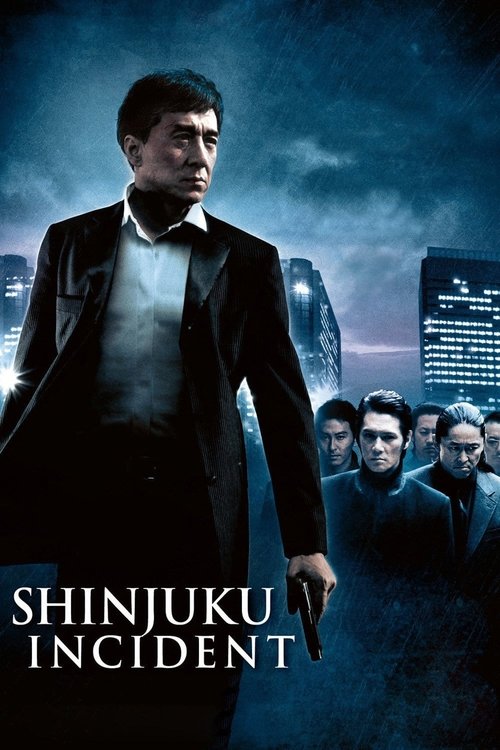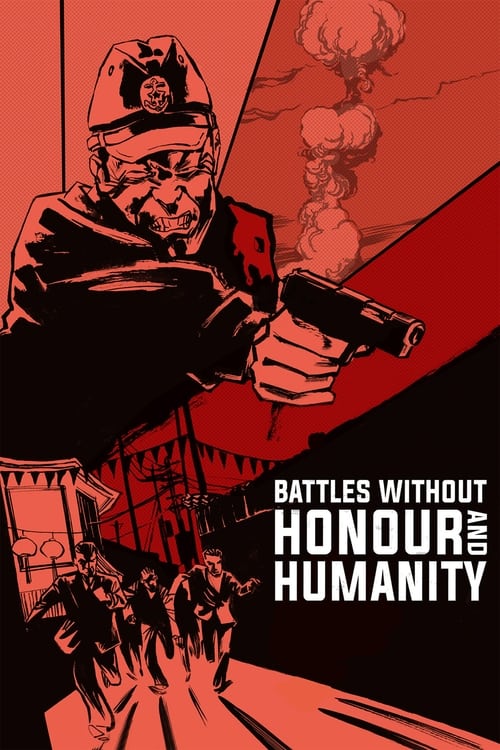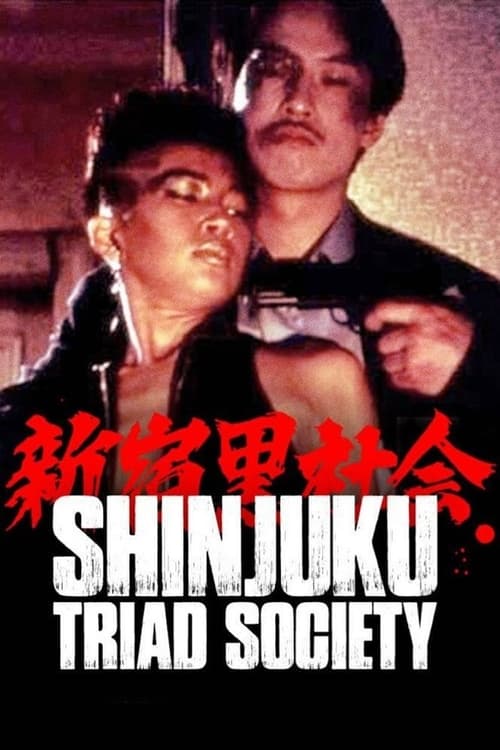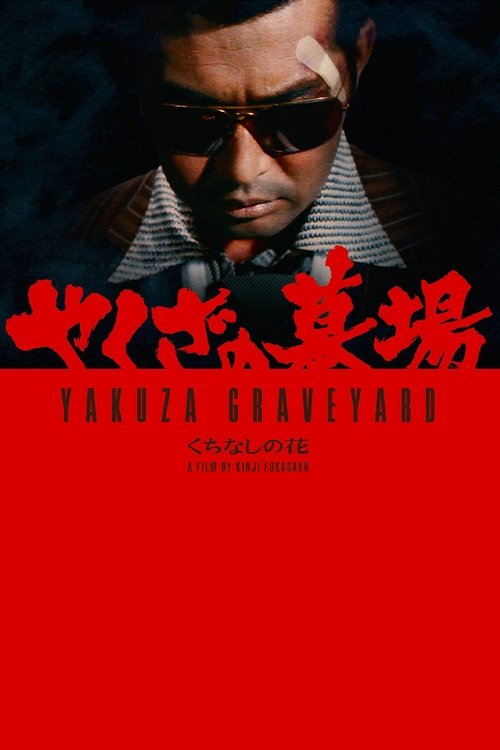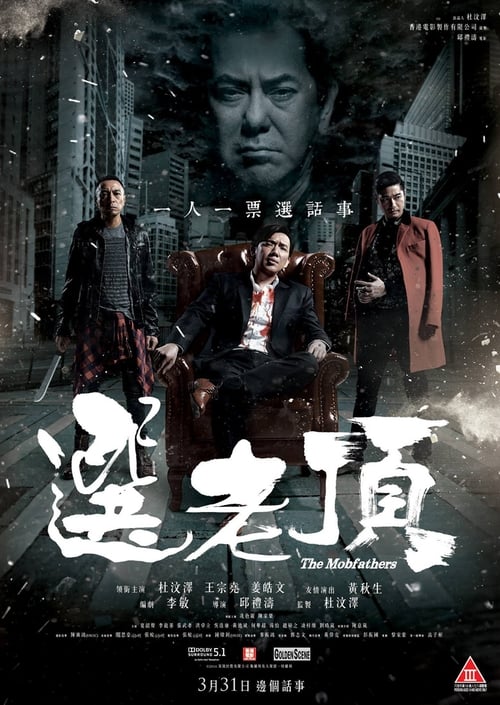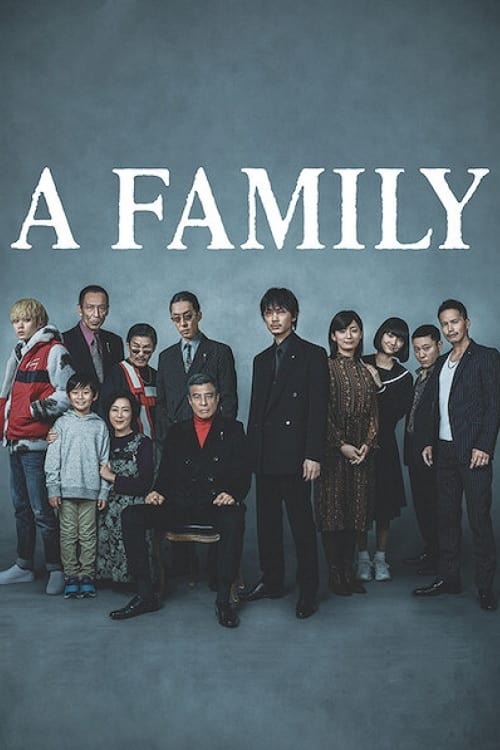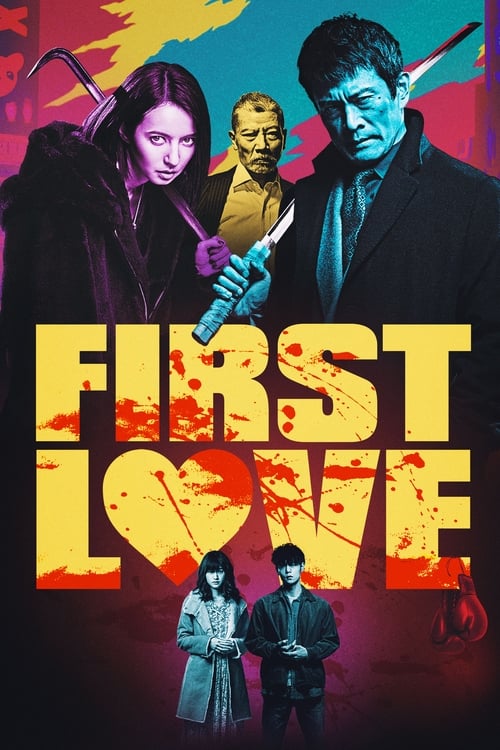

The Western mob is about money. The Eastern crime film is about belonging. That is the difference that gives this whole genre its shape. A yakuza saga is a story about a man who has nothing except the family that took him in, and what he owes it, and what it costs to leave. The triad picture is about the oath you swore as a teenager that you cannot take back at forty. Loyalty is the engine and betrayal is the tragedy, and the violence, when it comes, is almost always the result of a broken promise rather than a bad business decision.
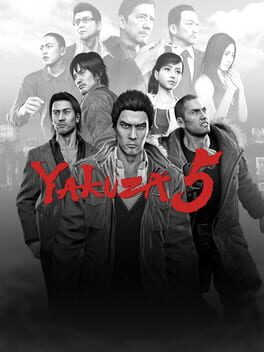
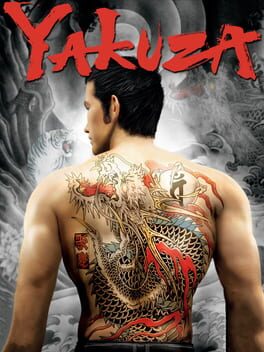
This is also the rare genre where games are not a footnote but the headline. The Like a Dragon series (still called Yakuza in most of the West) has spent twenty years building the single richest portrait of the Japanese underworld in any medium, a neon labyrinth of Kamurocho where you fight loan sharks in the street and then go sing karaoke about it. So we are going to treat film, television, games and the page as equals here, because for once they genuinely are. Pull up a stool in the back of the parlor. The boss will see you now.
Essential yakuza and triads
The canon: oaths, betrayals and brotherhoods across every medium
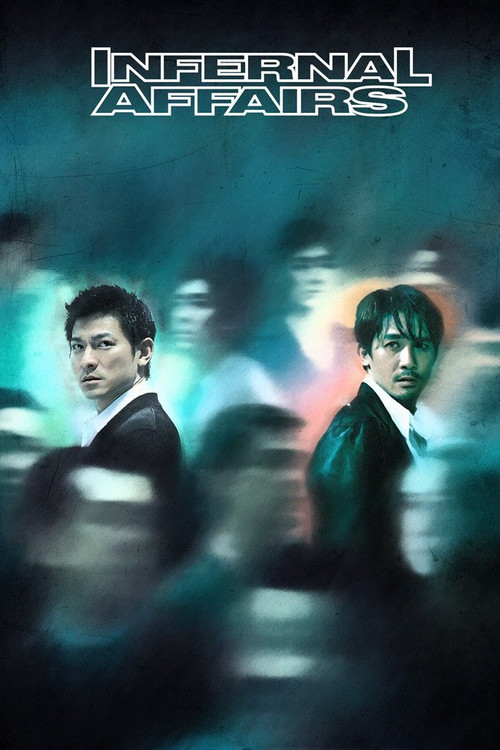

Infernal Affairs did it first, and arguably best
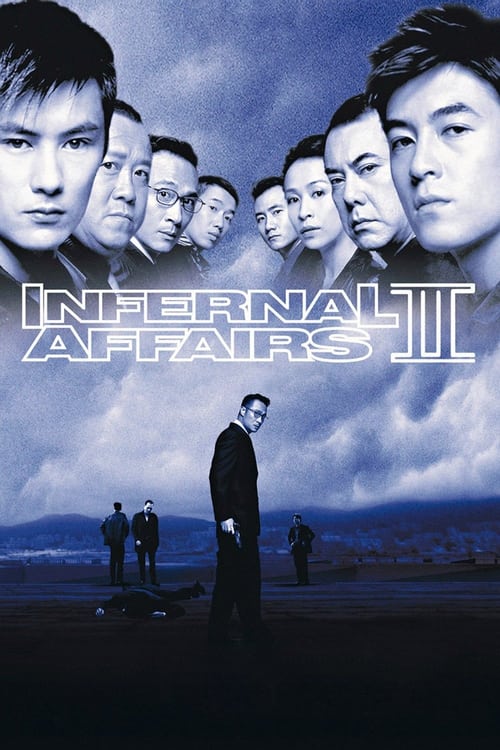
Before Scorsese, before the Oscar, there was a rooftop in Hong Kong. Infernal Affairs (2002) is the cop-in-the-mob, mole-in-the-station thriller in its purest form: a triad plant inside the police and a police plant inside the triad, each spending years becoming the thing he was sent to destroy, each desperate to expose the other before he is exposed himself. The whole film runs on a single unbearable idea, that you can wear a false life so long it stops being false.
The Departed is a terrific remake and I will defend it, but it added shouting where the original had stillness. Tony Leung does more with a held breath than most actors manage with a monologue. The two sequels deepen the timeline rather than repeat it, and Infernal Affairs II in particular is a genuinely great prequel about the triad succession war that set the trap in the first place.
The Like a Dragon saga
Kamurocho, Kiryu and twenty years of the best underworld ever built
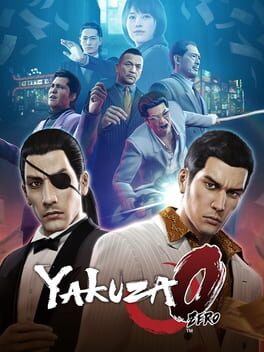
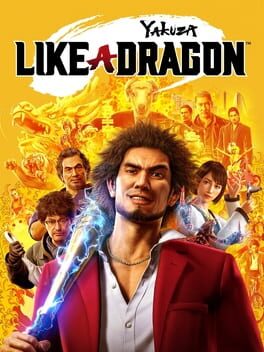
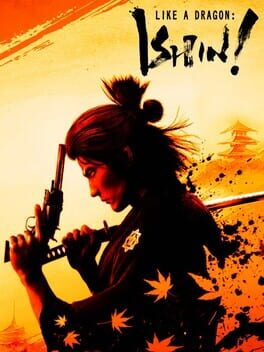
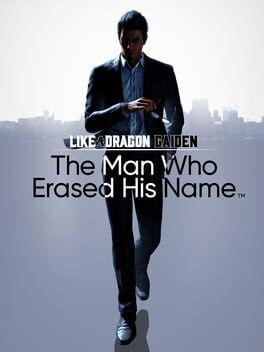
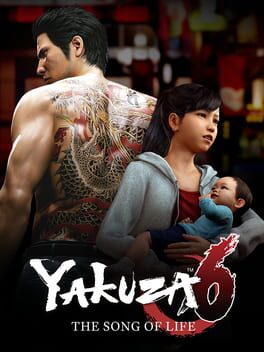
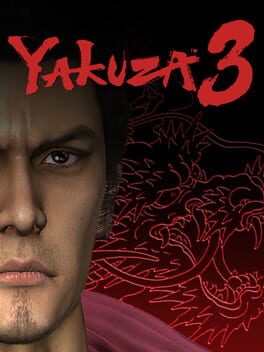
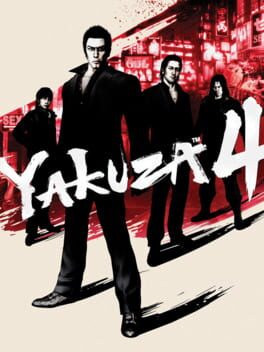
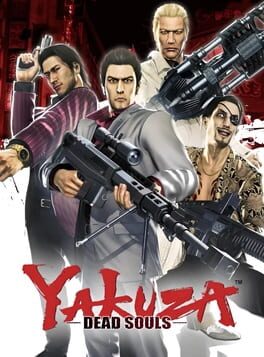
Yakuza 0 is the best place to start, and one of the best games of its decade
Newcomers always ask which Yakuza to play first, and the answer is happily the prequel. Yakuza 0 drops you into the bubble-economy excess of 1988 Tokyo and Osaka, splits the campaign between a young Kiryu and the unhinged loan shark Majima, and lets the two melodramas crash into each other. It is operatically serious about honor and debt in the cutscenes and then completely deranged the moment you stop walking, sending you off to manage a cabaret club or help a punk-rock dominatrix or save a man being bullied for his collectible cards.
That tonal whiplash is the whole point. The Like a Dragon games understand that a life of crime is mostly tedium and absurdity punctuated by sudden catastrophe, and they wring genuine pathos out of a hard man who keeps stopping to do something kind. Play this one, then Kiwami, then keep going. Few series reward loyalty like the one literally about loyalty.
The Japanese underworld on film
Kitano, Miike, Fukasaku and the long lineage of the yakuza picture


The two codes, side by side
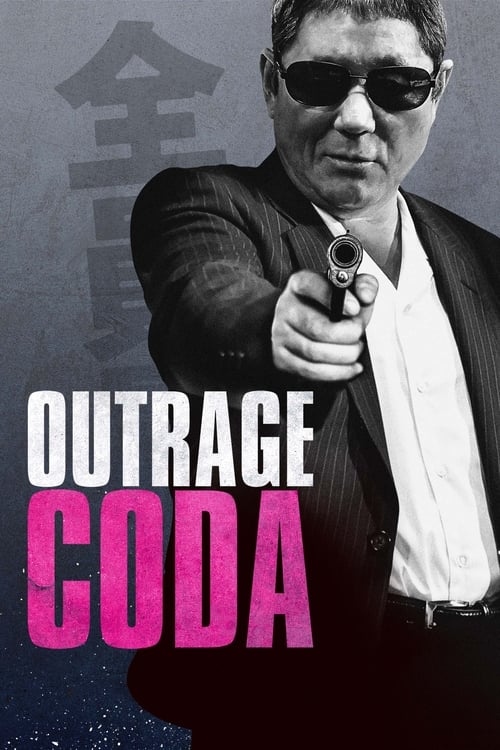
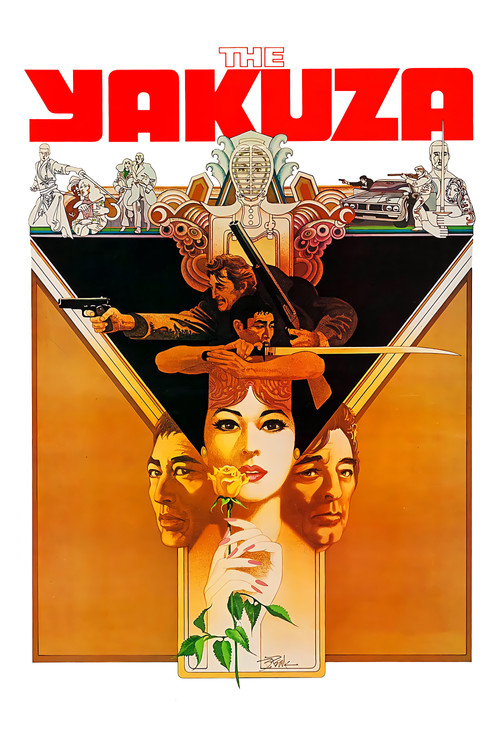
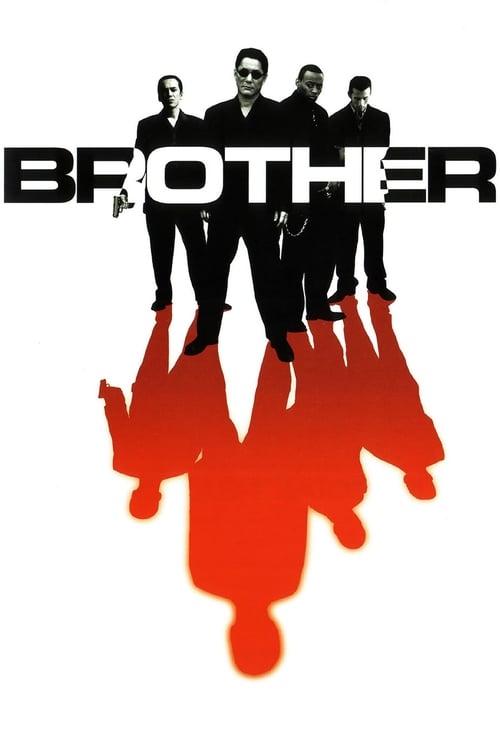
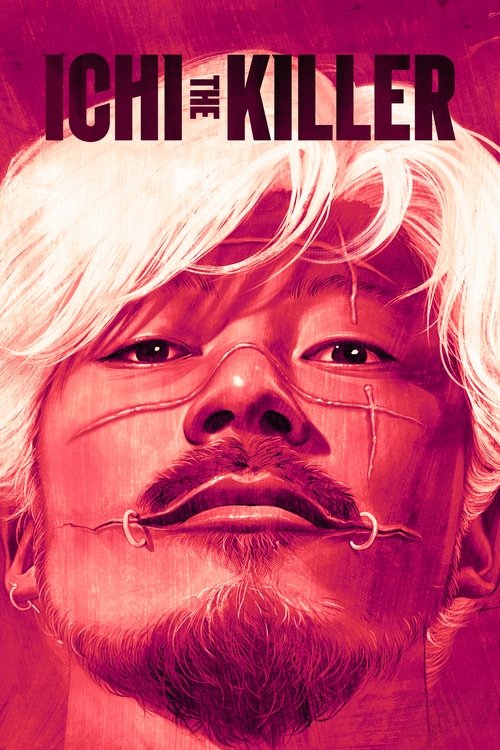
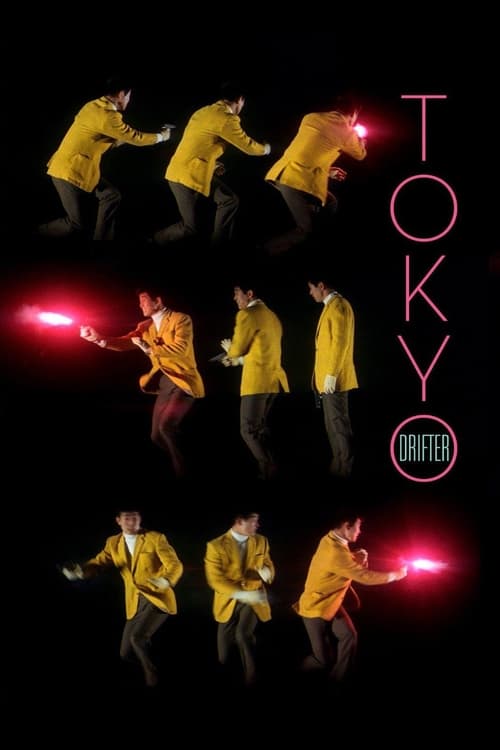
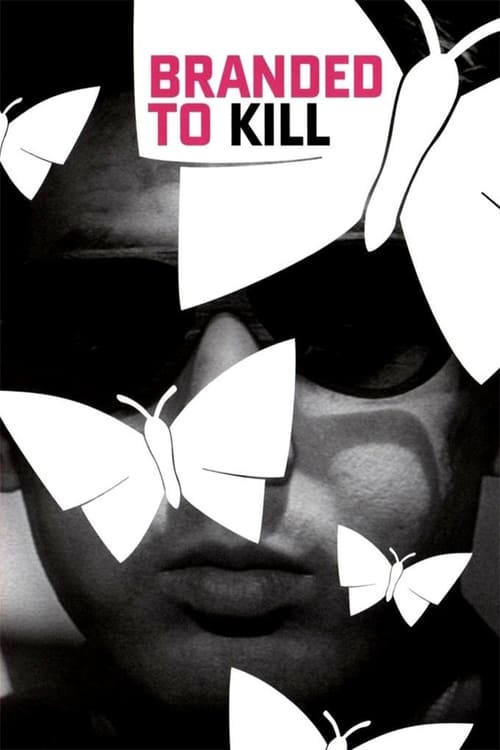
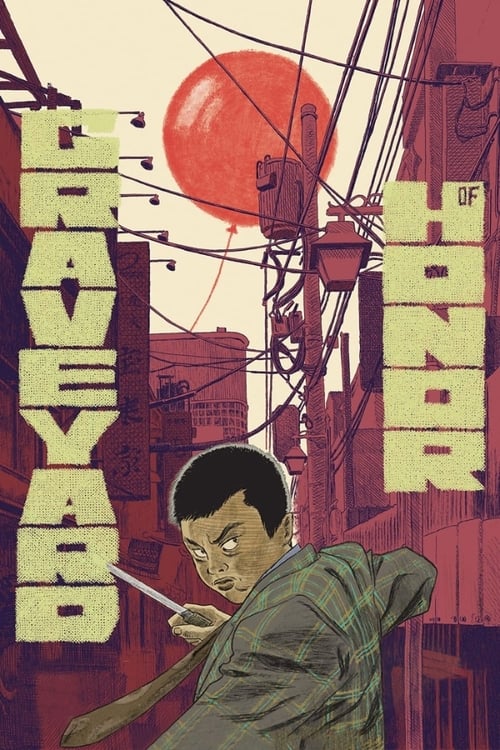
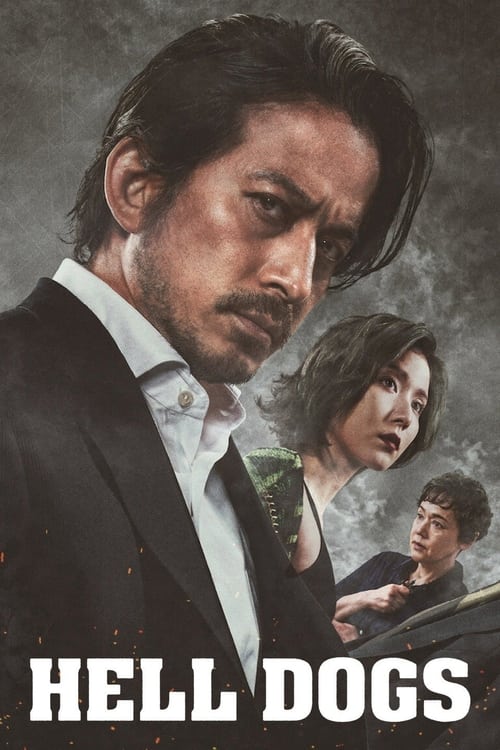
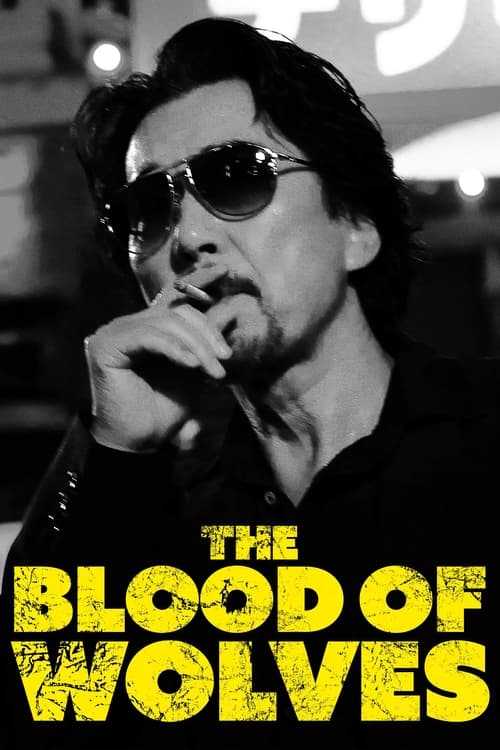
The yakuza and the triads are not the same thing, and the films know it even when Western viewers blur them together. The yakuza descend from the gambling and peddler guilds of feudal Japan, organized into rigid family hierarchies with a near-religious attachment to ritual: the oath cup of sake, the full-body irezumi tattoo, the yubitsume atonement of slicing off a fingertip and presenting it to your boss. Kitano's films, all stillness and sudden gunfire, treat that code as a beautiful trap. Fukasaku's brutal Battles Without Honor and Humanity tore it apart in the 1970s, arguing that the honor was always a lie the foot soldiers were sold.
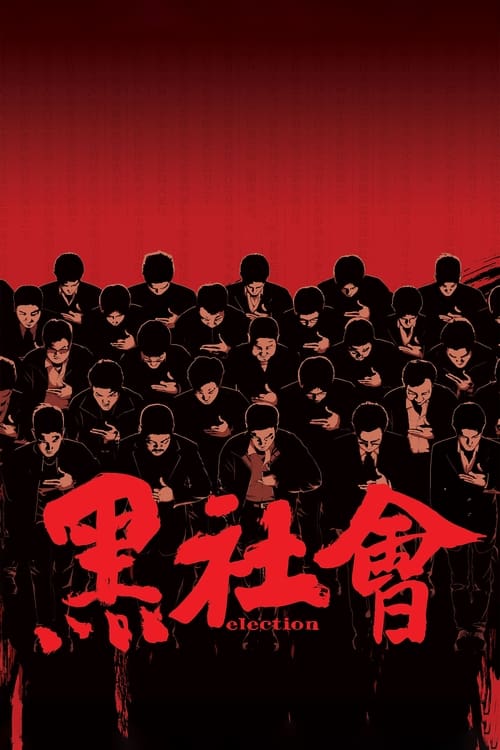
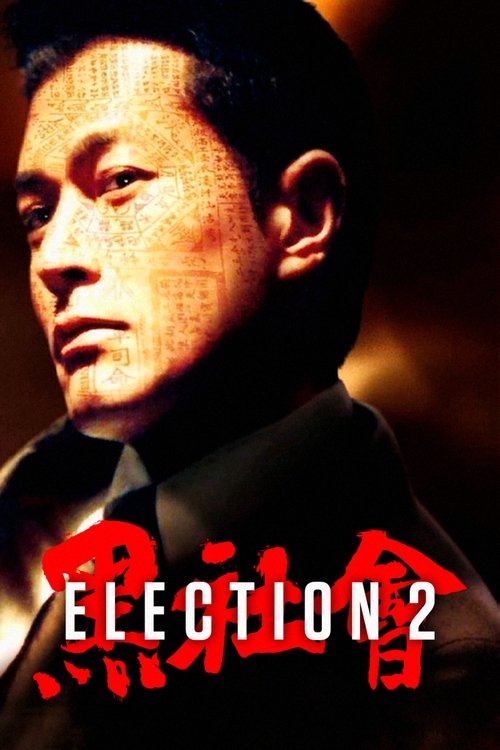
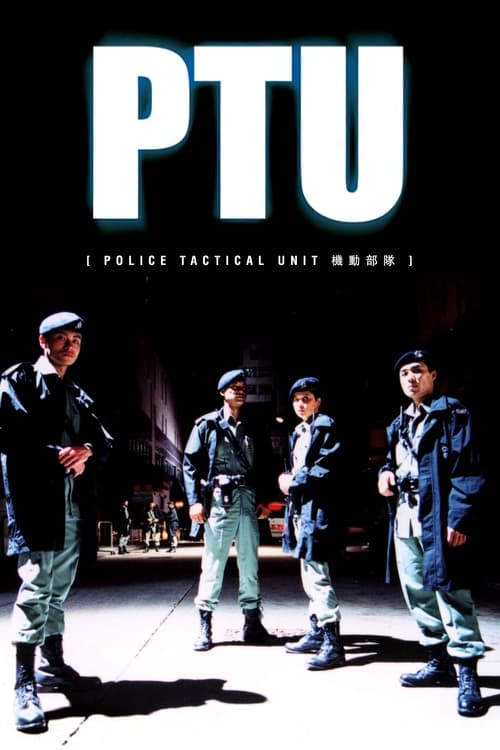
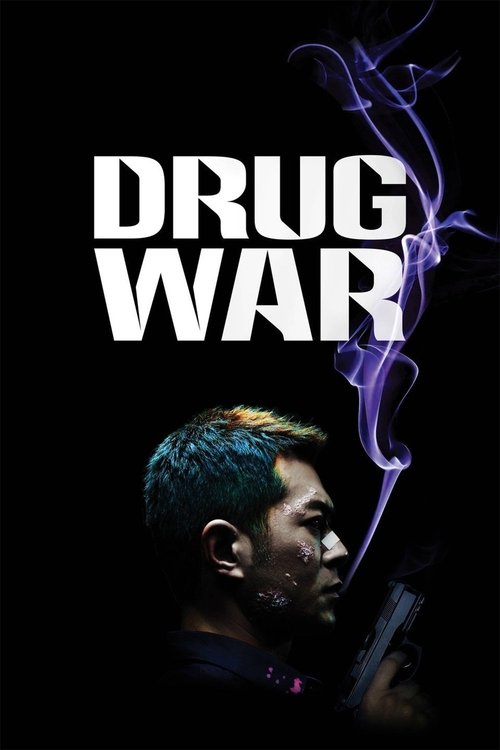
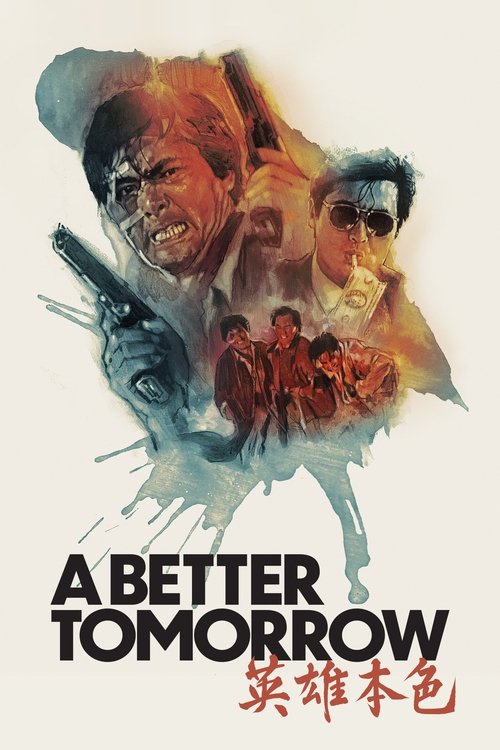
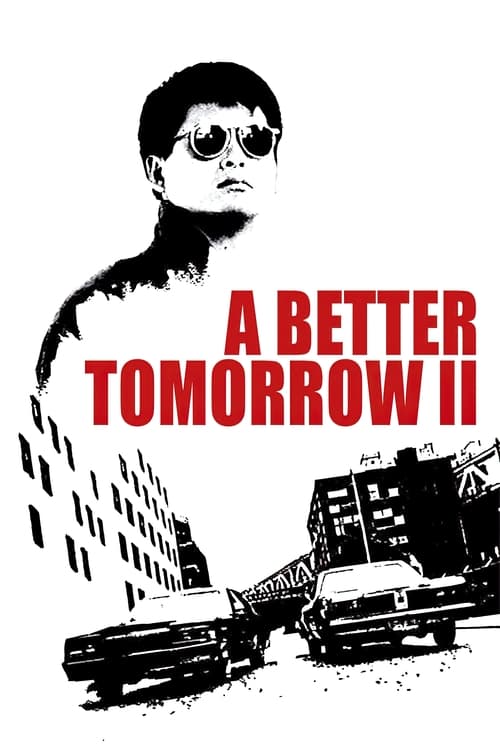
The triads are older, looser and more global, secret societies born from anti-Qing resistance that mutated into the crime networks running through Hong Kong, Taiwan and the diaspora. The Hong Kong triad film, from the operatic bloodshed of John Woo to the procedural chill of Johnnie To's Election, is obsessed with succession: who gets the baton, who gets the knife. Both traditions are really arguing the same question. Is the brotherhood a family, or just a more elaborate way to die for someone else's profit?
Hong Kong: the triad picture
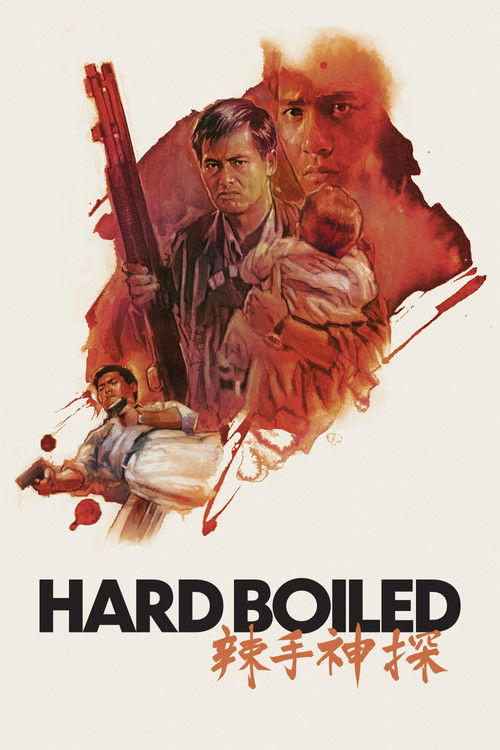
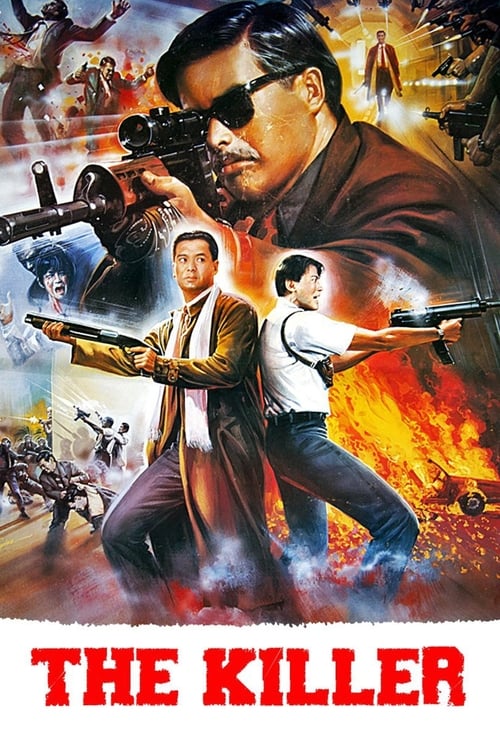
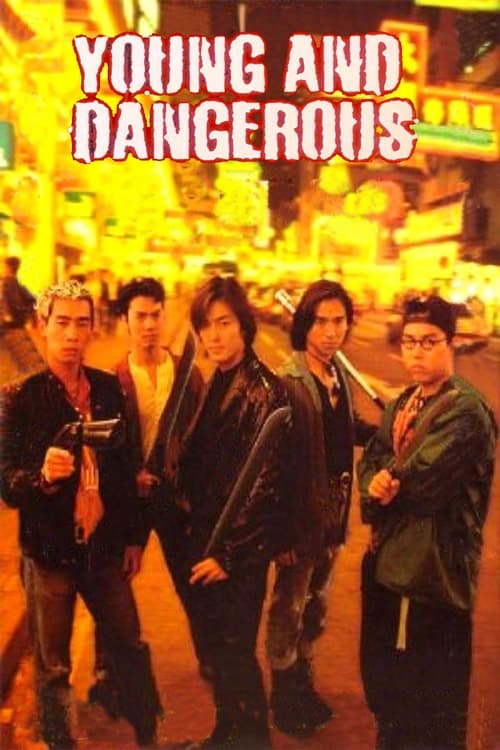
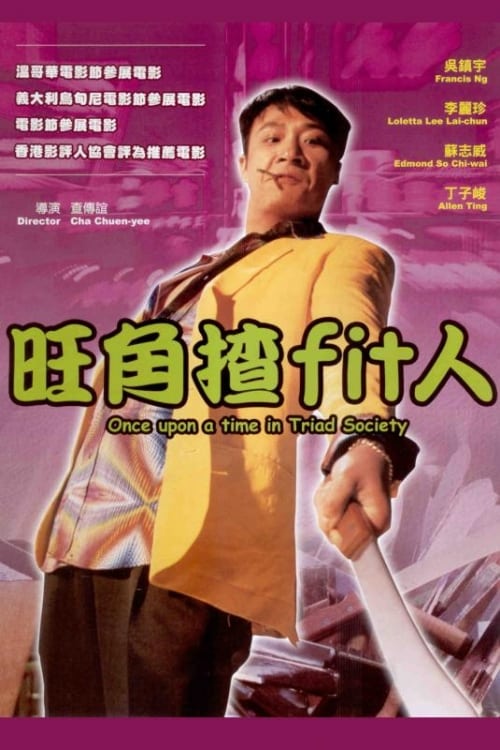
Woo, To, the succession wars and the heroic-bloodshed canon

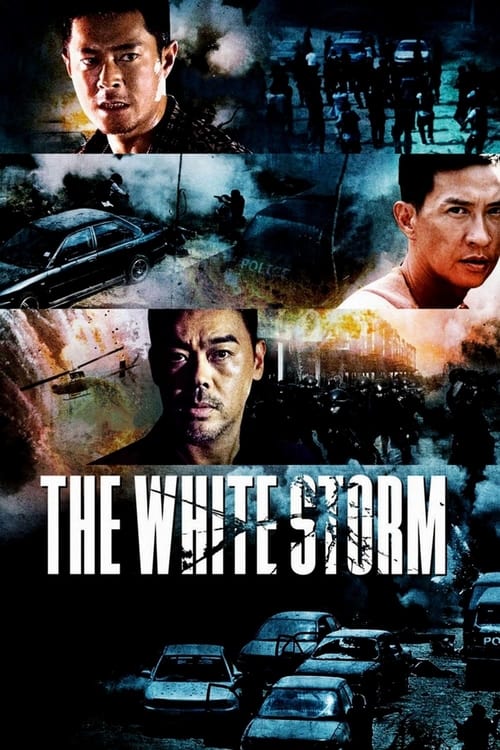
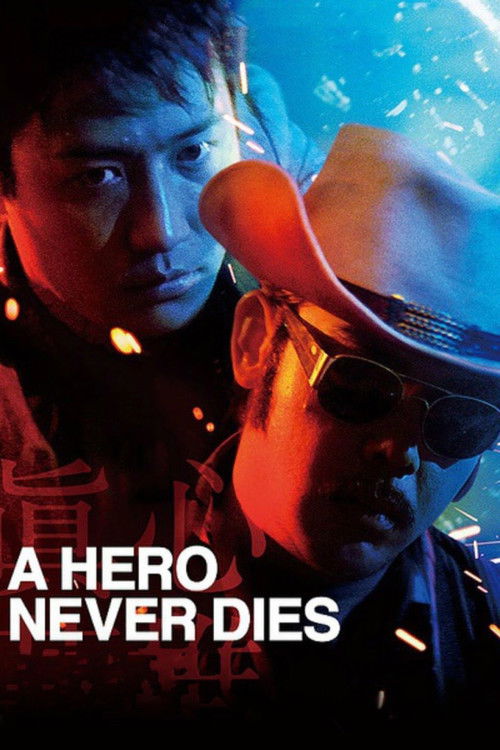
Sleeping Dogs deserved a sequel it never got
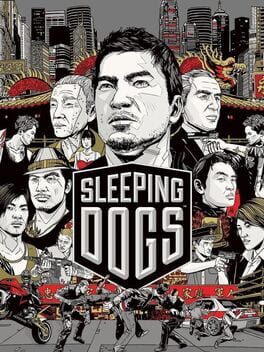
If Like a Dragon owns Tokyo, Sleeping Dogs (2012) owns Hong Kong, and it remains the great unfinished promise of the genre in games. You play Wei Shen, a cop sent undercover into the Sun On Yee triad, and the entire structure is Infernal Affairs turned into a sandbox: every mission deepens both your standing with the cops and your bond with the gang, until you genuinely cannot tell which loyalty you are protecting. The hand-to-hand combat is bone-crunching, the open city is dense with neon and noodle stalls, and the story has a moral weight that most crime games never bother with.
Its studio collapsed and the planned follow-ups died with it, which is a small tragedy. A decade later nothing has filled the exact space it occupied: the playable triad mole, the city you come to love right up until it asks you to betray it.
More underworlds to play
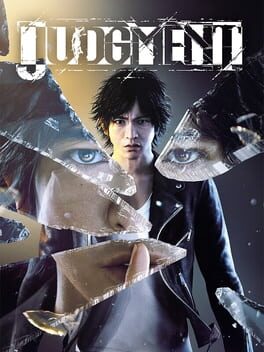
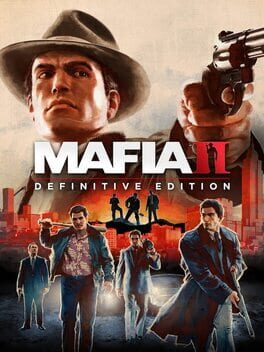
Judgment's detective spin-off, Sleeping Dogs and the wider gangster sandbox
The underworld on television
From a real reporter's Tokyo to the triad families of London


Tokyo Vice turned a real reporter's notebook into the best yakuza show on TV
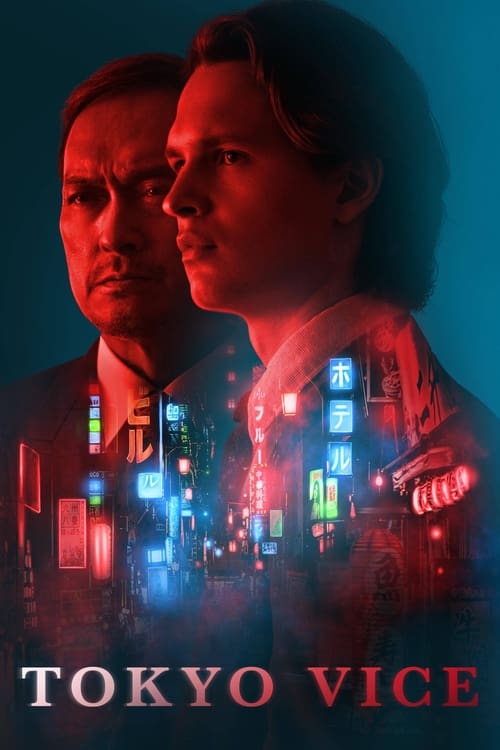
Most crime drama invents its underworld. Tokyo Vice adapted one. It follows Jake Adelstein, the American who talked his way onto the crime beat of a major Japanese newspaper in the late 1990s and spent years close enough to the yakuza to put himself in real danger. The show is unusually patient about how organized crime actually works in Japan, where the gangs operated for decades as registered, near-public entities with offices and business cards, tolerated as long as they kept the disorder orderly.
What makes it sing is the access fantasy made literal: a young outsider learning the unwritten rules of obligation and silence in real time, watching a detective and a fixer and a club hostess each negotiate the same gravity. It is slower than a Hong Kong shootout and richer for it. The Japanese underworld has rarely felt this lived-in on a Western screen, because for once it is built from someone who was actually there.
Korea's gangster wave
The mob noir that turned Seoul into a genre capital of its own
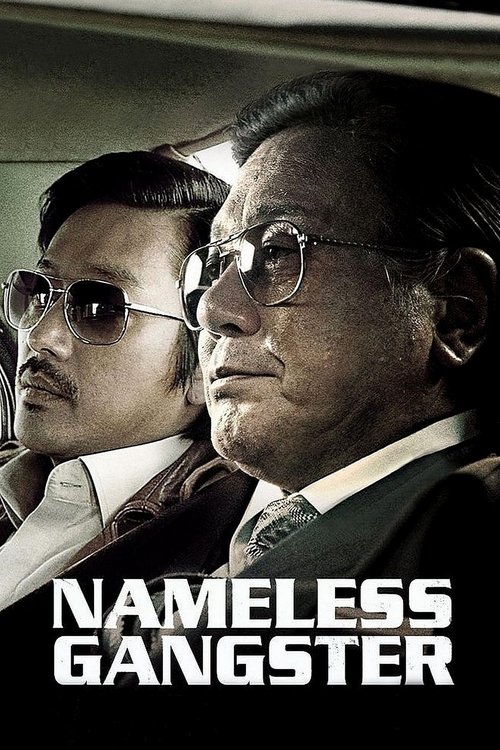
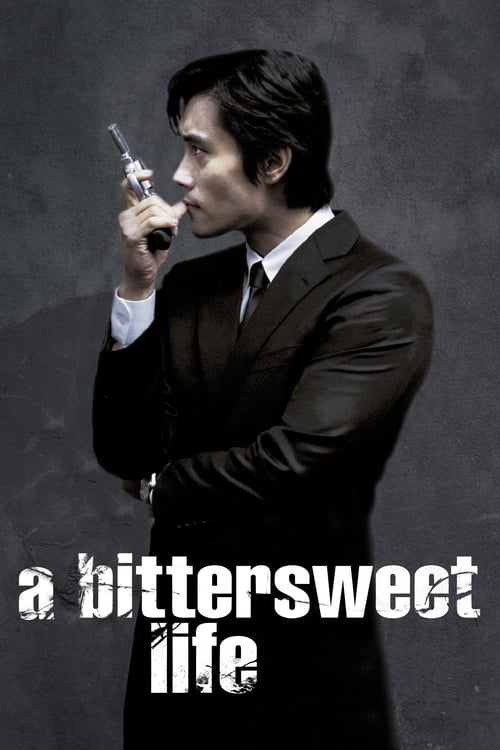
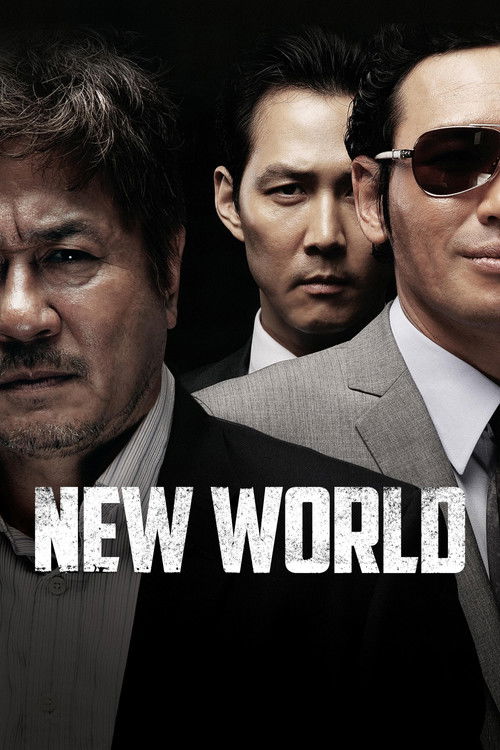

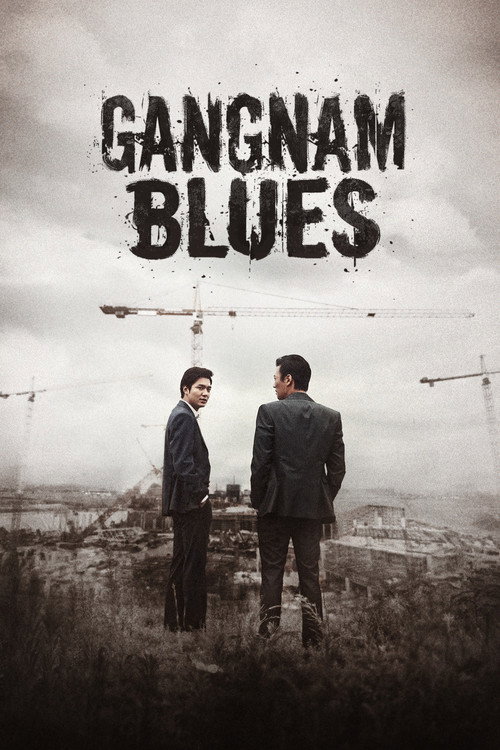
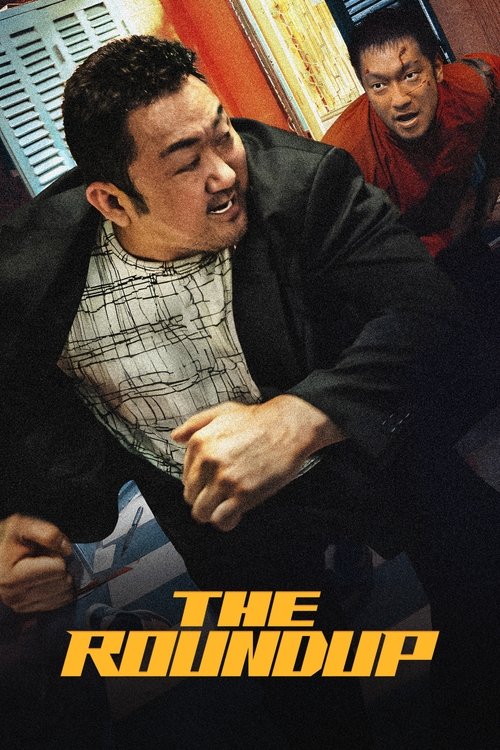
A man who runs from his family has nowhere left to run to. That is the deal. That is always the deal.The unwritten rule at the center of nearly every story in this guide
The page: where the brotherhood was drawn
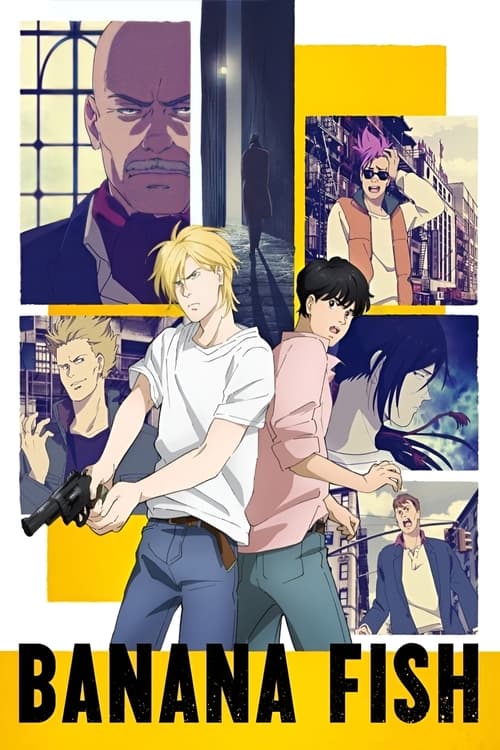
The yakuza story has deep roots in manga, and a few of the genre's most important works in the catalog live there. Vagabond, Takehiko Inoue's epic reimagining of the swordsman Musashi, is the spiritual ancestor of the lone-wolf code that the modern crime saga inherited: the masterless man, the violence as a discipline, the question of what honor is worth when no one is watching. Banana Fish moves the brotherhood to the gangs and syndicates of New York, a sharp, tragic thriller about a boy raised as a weapon by the mob who is trying to break free of the family that owns him. And Satsuma Gishiden turns the period revenge drama into a brutal study of clan loyalty and the price of defiance.
The catalog is thinner here than on screen, and a couple of the genre's defining prose and manga works (Jake Adelstein's Tokyo Vice memoir, the original Old Boy manga) are not in it. But these three are the real thing, and they carry the same DNA: the oath, the debt, the man who cannot get out.
On the page
The manga that drew the code: Musashi's discipline, the boy weapon, the clan vendetta


Deeper cuts and adjacent worlds
Cult yakuza oddities, triad rarities and the wider crime-brotherhood map